Exploring Ecological Succession after Volcanic Eruptions
When a volcano erupts, it doesn’t just destroy—it also creates a blank canvas for life to reclaim the land. Ecological succession after volcanic eruptions is one of nature’s most remarkable recovery processes, transforming barren lava fields into thriving ecosystems over decades or centuries. At Volcano Explorers, we break down this fascinating journey, from pioneer species like lichens to mature forests, offering insights for students, nature enthusiasts, and anyone curious about Earth’s resilience.
🌋 The Stages of Primary Succession
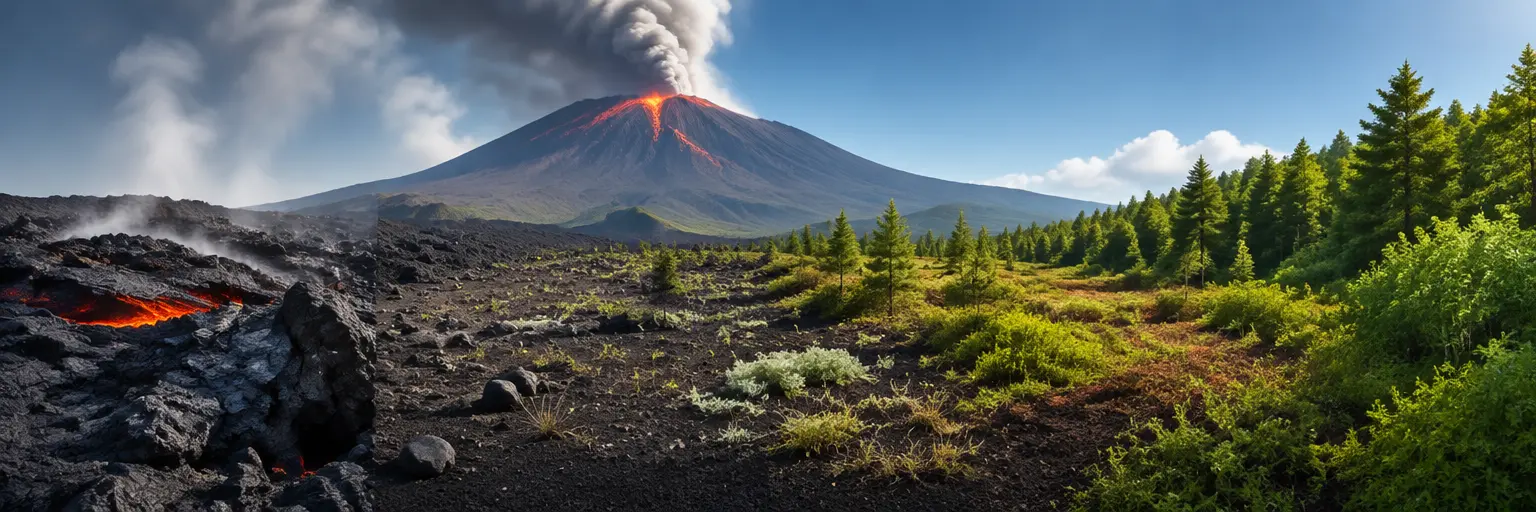
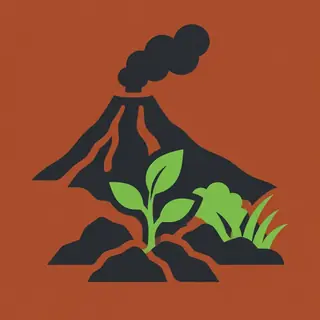
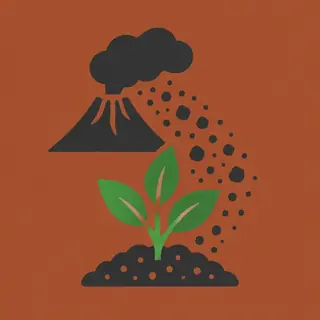
Primary succession begins on entirely new substrates, such as cooled lava or volcanic ash, where no soil exists. The first colonizers are hardy pioneers—mosses, lichens, and ferns—that anchor into cracks and begin breaking down rock into organic matter. Over time, windblown seeds and spores accumulate, allowing grasses and shrubs to establish roots. This process can take centuries, but each stage builds soil depth and nutrient availability, setting the stage for larger plants and trees.
Understanding these stages is key to predicting how ecosystems recover after eruptions. For example, on Mount St. Helens, scientists observed rapid colonization by fireweed and lupine within just a few years, demonstrating nature’s speed when conditions allow. By studying these patterns, ecologists can guide restoration efforts in damaged habitats and help local communities plan for post-eruption land use. This knowledge also reveals how volcanic landscapes evolve into biodiversity hotspots over millennia.
🦠 Pioneer Species: Life Finds a Way
Pioneer species are the true heroes of volcanic succession. Lichens, which combine fungi and algae, are often the first visible life on fresh lava, as they can photosynthesize and dissolve minerals with their acids. Mosses follow, creating thin layers of organic matter that trap moisture and seeds. These organisms may seem insignificant, but they are essential engineers, converting barren rock into a hospitable environment for more complex life.
Their resilience is astonishing—some pioneer species can survive extreme temperatures, low nutrients, and intense UV radiation. On Hawaii’s Kilauea, researchers found ferns sprouting within months of new lava flows, while on Krakatoa, spiders and insects arrived within a year, carried by wind. These early arrivals not only stabilize the surface but also attract animal dispersers, accelerating the entire succession timeline. Without them, recovery would be impossible.
🌿 Secondary Succession and Soil Development
Once pioneers establish a thin soil layer, secondary succession kicks in, allowing faster-growing plants like grasses, shrubs, and fast-growing trees to take over. This phase is characterized by rapid biomass accumulation and increased species diversity, as seeds from surrounding forests or carried by animals find purchase. Soil development accelerates through root activity, leaf litter decomposition, and microbial colonization, creating a richer, more stable substrate.
This transition is crucial for long-term ecosystem recovery. On volcanic islands like Surtsey, formed in 1963, scientists have documented a steady progression from moss to vascular plants, with seabirds accelerating nutrient cycling. In just a few decades, shrubs and small trees may appear, attracting insects, birds, and mammals. This phase also improves water retention and reduces erosion, making the landscape more resilient to future disturbances—whether another eruption or human activity.
🌳 Climax Communities and Biodiversity
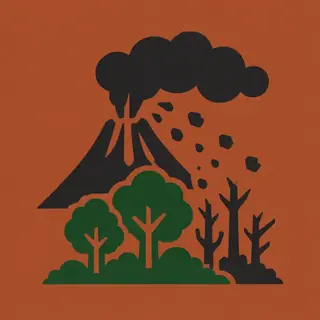
The final stage of ecological succession is the climax community—a stable, self-sustaining ecosystem that can persist for centuries. In volcanic regions, this often means lush rainforests, montane woodlands, or unique shrublands, depending on climate and elevation. These ecosystems boast high biodiversity, with specialized species that may exist nowhere else on Earth, such as the silversword plant in Hawaii or the unique birds of New Zealand’s volcanic zones.
Climax communities develop gradually, as competition and environmental filtering select the best-adapted species. While they may appear static, they are dynamic, with natural gaps and disturbances creating microhabitats. For humans, these areas offer essential services—clean water, carbon storage, fertile soil—and hold cultural significance for indigenous peoples. Protecting these post-volcanic ecosystems is vital, as they are often hotspots of endemism and resilience in an ever-changing world.
⏳ Timescales and Human Impact
Ecological succession after volcanic eruptions operates on timescales ranging from years to millennia. A simple moss mat may form in a decade, while a mature forest could require 500–1,000 years. However, human activities—like agriculture, invasive species, or infrastructure development—can drastically alter or truncate these timelines. Understanding these impacts helps conservationists prioritize areas for protection or active restoration, ensuring volcanic landscapes retain their ecological integrity.
Human presence can both hinder and help succession. In some cases, planting native species or controlling invasive ones can accelerate recovery, as demonstrated in restoration projects near Mount Vesuvius. Conversely, unchecked tourism or land conversion can set back decades of progress. By educating visitors and local communities, Volcano Explorers aims to foster stewardship, showing how sustainable practices can coexist with these dynamic natural processes.
Frequently Asked Questions
What is primary succession after a volcanic eruption?
Primary succession occurs when life colonizes surfaces with no pre-existing soil, such as fresh lava or ash. It starts with pioneer species like lichens and mosses, which break down rock into organic matter, eventually allowing larger plants and trees to establish over centuries.
How long does ecological succession take after a volcano?
The timeline varies widely—simple mosses may appear within months, but a full climax forest can take 500–1,000 years. Factors like climate, rainfall, and nearby seed sources influence speed. Some volcanic islands, like Surtsey, have shown significant progress in just 50 years.
Why are pioneer species important in this process?
Pioneer species create the first soil layers, trap moisture, and stabilize the surface. They also attract animals that disperse seeds, accelerating ecosystem development. Without them, bare rock would remain barren, as they are essential first steps in ecological recovery.
Can human activities speed up or slow down succession?
Yes—planting native vegetation can accelerate recovery, while invasive species, erosion, or land development can slow or stop it. Conservation efforts that mimic natural processes often help restore volcanic landscapes more quickly and maintain biodiversity.
Are volcanic ecosystems unique after succession?
Absolutely—many post-volcanic ecosystems are home to endemic species found nowhere else, such as Hawaiian silverswords or rare insects on volcanic islands. The isolated conditions and unique soils foster high biodiversity, making these habitats irreplaceable and scientifically valuable.