Unlocking the Fertile Power of Volcanic Ash
Volcanic eruptions may seem destructive, but they also create some of the most fertile soils on Earth. This page explores how volcanic ash acts as a natural fertilizer, enriching ecosystems and supporting agriculture for centuries. Discover the science behind this phenomenon, from mineral composition to practical applications in modern farming and home gardening.
🌋 The Geochemical Magic of Volcanic Ash
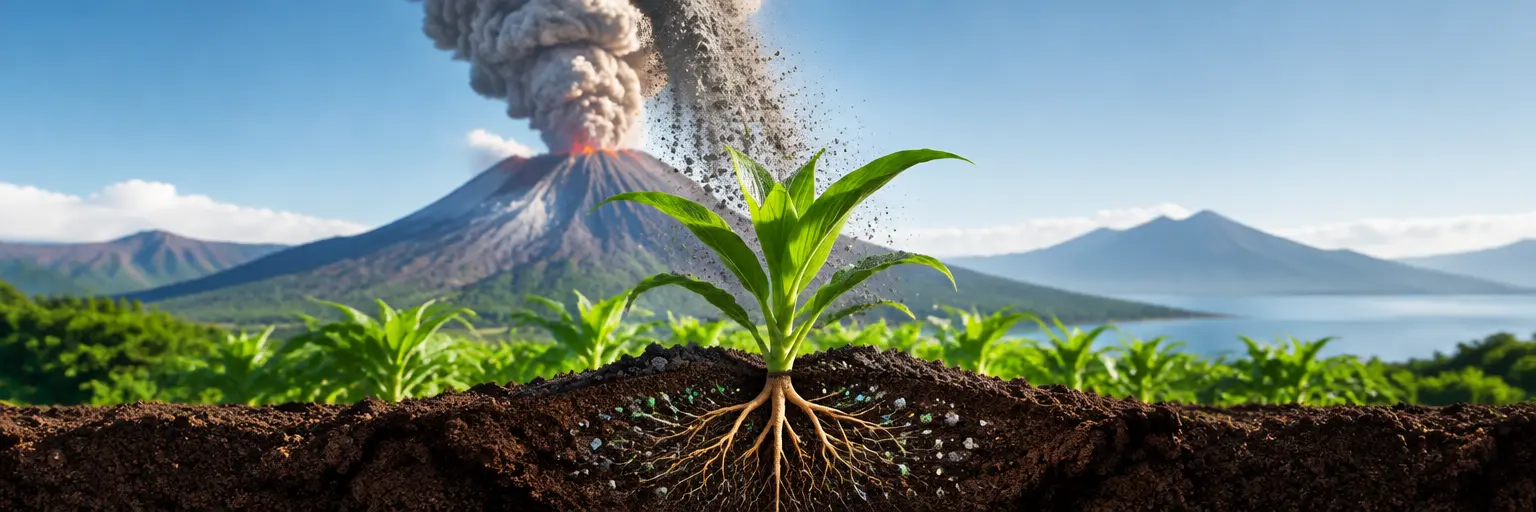
Volcanic ash is not just crushed rock; it is a cocktail of essential plant nutrients released through explosive eruptions. Minerals like potassium, phosphorus, calcium, magnesium, and trace elements such as zinc and iron are abundant in fresh ash. These elements are slowly released into the soil as the ash weathers, providing a long-term nutrient reservoir that synthetic fertilizers cannot easily replicate.
The fine particle size of volcanic ash increases its surface area, accelerating chemical reactions with water and organic matter. This process, known as weathering, transforms raw minerals into bioavailable forms that plant roots can absorb. Moreover, volcanic ash improves soil structure by increasing aeration and water retention, making it an excellent amendment for sandy or clay-heavy soils.
🌾 Historical Agricultural Booms After Eruptions
Throughout history, civilizations have thrived on volcanic ash-enriched soils. The Campanian Plain near Mount Vesuvius, for instance, has been farmed intensively for over two millennia thanks to periodic ash deposits. Similarly, the terraced fields of Java and the highlands of Ecuador owe their productivity to ongoing volcanic activity that replenishes nutrients naturally.
Modern examples include the 2010 Eyjafjallajökull eruption in Iceland, which initially disrupted air travel but later boosted local grass growth. Farmers in affected areas reported higher yields of barley and potatoes within a few years. These cases highlight that even disruptive eruptions can have positive long-term agricultural consequences, turning disaster into opportunity for resilient farming communities.
🧑🌾 Practical Uses in Sustainable Farming
Organic and regenerative farmers are increasingly turning to volcanic rock dust (often called rock flour) as a soil remineralizer. Unlike chemical fertilizers that leach quickly, volcanic ash releases nutrients over several seasons, reducing the need for repeated applications. This makes it an excellent choice for permaculture and low-input farming systems.
To apply volcanic ash effectively, gardeners should mix it into compost or topsoil at a rate of about 5–10% by volume. It works well for acid-loving plants like blueberries and also balances overly alkaline soils. However, always test soil pH before application, as excessive ash can temporarily raise alkalinity. For best results, combine with organic matter to stimulate microbial activity that further breaks down minerals.
🏡 Home Gardening with Volcanic Ash
Home gardeners can harness the benefits of volcanic ash without living near a volcano. Commercial products like azomite or basalt dust are widely available in garden centers and online. These are finely ground volcanic rocks that mimic the effects of natural ash, improving cation exchange capacity (CEC) and promoting healthier root development.
For potted plants, mix a tablespoon of volcanic ash per liter of potting soil. It helps prevent nutrient deficiencies and enhances drought resistance by improving water retention. Test on a small area first, as some plants may be sensitive to rapid mineral changes. Over time, you’ll notice stronger stems, deeper green leaves, and increased flowering or fruiting, all thanks to the slow-release goodness of volcanic minerals.
🌍 Environmental Benefits and Climate Impact
Using volcanic ash as fertilizer offers a low-carbon alternative to synthetic nitrogen fertilizers, which are energy-intensive to produce. By remineralizing soils naturally, farmers can reduce their greenhouse gas footprint while improving soil health. Additionally, volcanic ash sequesters carbon dioxide as it weathers, a process known as enhanced weathering.
This dual benefit—reducing emissions and capturing carbon—makes volcanic ash a promising tool in climate-smart agriculture. However, mining and transporting volcanic rock carry their own environmental costs, so sourcing locally is key. When done responsibly, volcanic ash fertilization supports biodiversity, reduces soil erosion, and helps regenerate degraded lands, aligning perfectly with permaculture and agroecology principles.
⚠️ Safety and Precautions When Handling Ash
Fresh volcanic ash can be hazardous due to its abrasive nature and potential to carry toxic gases or fluorine. Always wear a dust mask, goggles, and gloves when handling large quantities. Avoid using ash from recent eruptions near urban areas, as it may contain contaminants like sulfur dioxide or heavy metals.
For gardening, use weathered ash or commercially processed rock dust, which has reduced health risks. Never inhale fine ash particles, as they can irritate lungs and aggravate respiratory conditions. If you live near a volcano, wait until authorities confirm ash is safe for soil use. Always wash vegetables thoroughly if grown in ash-amended soil, and consult local agricultural extensions for region-specific advice.
Frequently Asked Questions
Is volcanic ash safe to use on all plants?
Most plants benefit from volcanic ash, but acid-loving species like blueberries may struggle if ash raises soil pH too much. Always test soil pH first and mix ash sparingly. For sensitive plants, start with a small amount and monitor growth. Use weathered ash or commercial rock dust to minimize potential toxicity.
How quickly does volcanic ash release nutrients?
Nutrient release is gradual, typically over 2–5 years, depending on particle size and climate. Fresh ash releases minerals faster, while coarse rock dust acts slower. For immediate effects, combine with compost. The slow-release nature is beneficial, preventing nutrient burn and leaching.
Can I collect volcanic ash directly from an eruption site?
It is not recommended due to safety hazards and potential contamination. Fresh ash may contain toxic gases, sharp glass shards, and heavy metals. Wait for official guidance and use only cleaned, processed ash. For gardening, buy from reputable suppliers who test for safety.
Does volcanic ash work in clay or sandy soils?
Yes, it improves both extremes. In sandy soils, it increases water and nutrient retention. In clay soils, it enhances drainage and aeration. Always mix thoroughly to avoid clumping. Over time, it helps create a loamy texture that benefits root growth.
Are there any downsides to using volcanic ash?
Over-application can raise soil pH excessively, harming certain plants. It may also contain trace elements like fluorine in high amounts. Additionally, the energy used for mining and transport can offset benefits. Use it moderately and source locally to minimize environmental impact.