Volcanic Impact on Environment
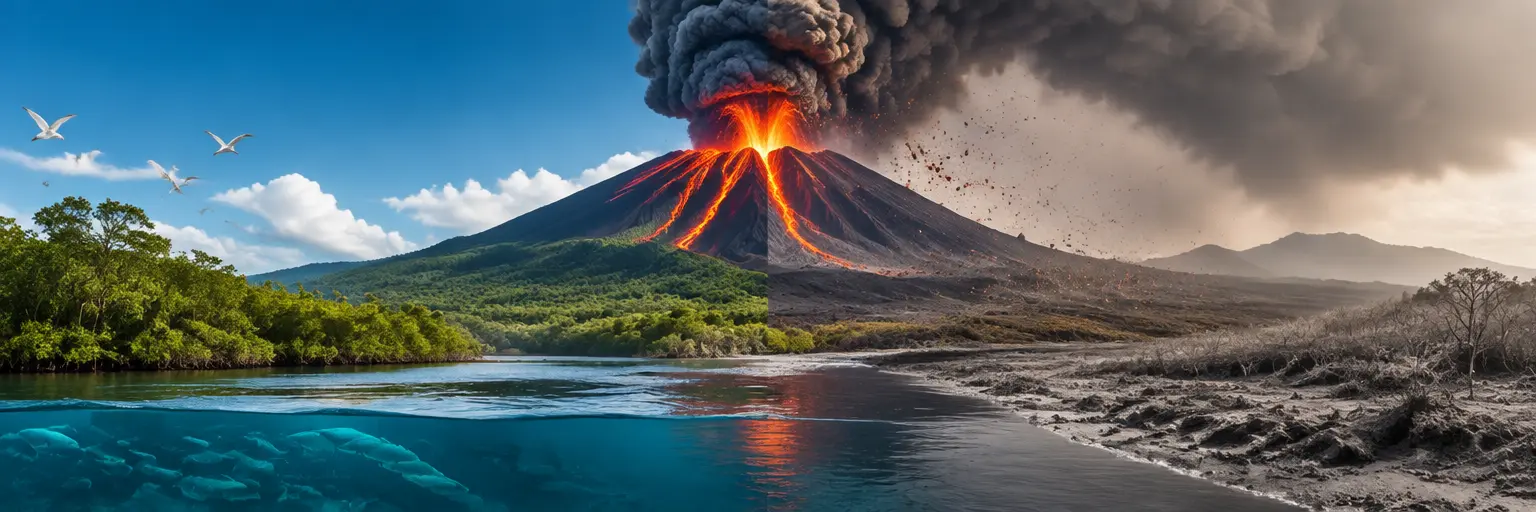
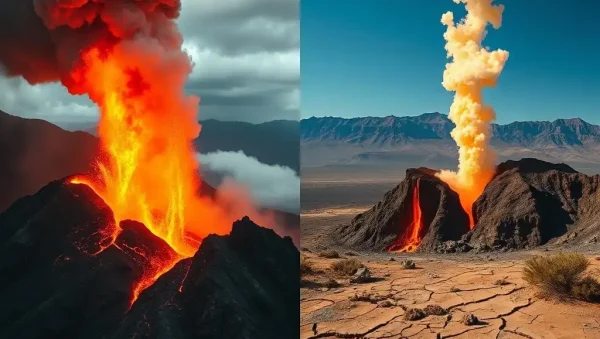
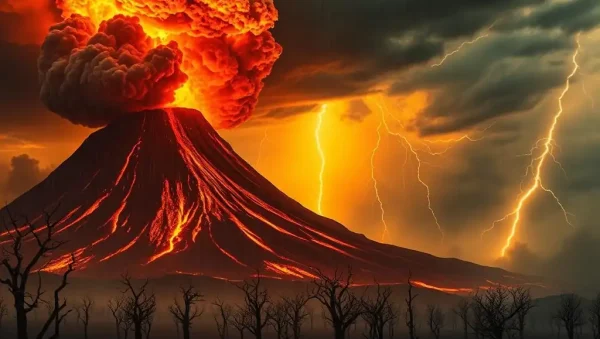
Volcanoes are among Earth’s most powerful natural forces, and their environmental impact extends far beyond the immediate blast zone. From altering global climate patterns to enriching soil with life-giving minerals, volcanic activity shapes ecosystems, weather, and landscapes in profound ways. This page explores how eruptions affect the atmosphere, water, biodiversity, and long-term ecological recovery, helping you understand both the destructive and regenerative roles of volcanoes. Whether you’re a student, researcher, or curious traveler, here you’ll find clear, science-backed insights into the complex relationship between volcanic events and the natural world.
🌋 Volcanic Eruptions and Global Climate Patterns
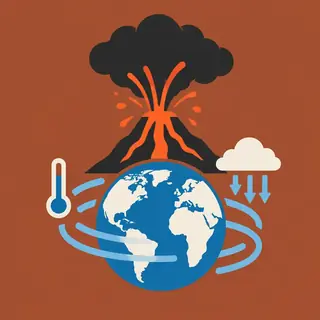
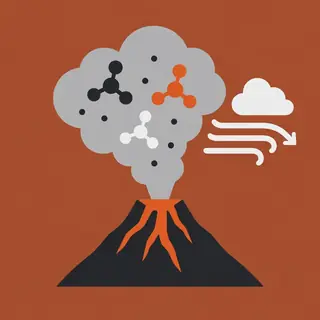
Large volcanic eruptions inject sulfur dioxide and ash into the stratosphere, where they form sulfate aerosols that reflect sunlight and temporarily cool the planet. This can lead to measurable drops in global temperatures for one to three years, sometimes altering rainfall patterns and monsoons. Historical examples like Mount Pinatubo’s 1991 eruption caused a ~0.5°C cooling worldwide. Understanding these climate effects helps scientists improve climate models and predict short-term weather anomalies. Readers can expect clear explanations of aerosol dynamics, volcanic winter effects, and how eruptions interact with El Niño and other climate cycles.
💧 Acid Rain and Volcanic Activity
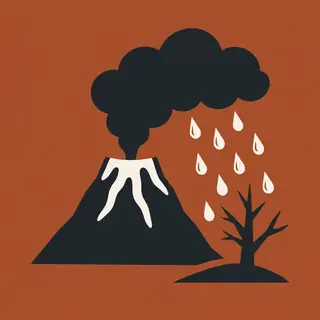
Volcanoes release gases like sulfur dioxide and hydrogen chloride, which combine with atmospheric moisture to form sulfuric and hydrochloric acids. The resulting acid rain can damage vegetation, acidify lakes and streams, and corrode buildings and infrastructure. This section examines the chemistry behind volcanic acid rain, its local and regional distribution, and its ecological consequences. You’ll learn how proximity to active vents influences severity, and how some ecosystems have adapted to acidic conditions. For farmers and residents near volcanoes, understanding acid rain’s reach is vital for protecting crops and water sources.
🌱 Volcanic Regions as Biodiversity Hotspots
Paradoxically, volcanic landscapes often harbor extraordinary biodiversity. Fresh lava flows create new substrates, while nutrient-rich ash and fertile soils support rapid plant colonization. Islands like Hawaii and the Galápagos owe their unique flora and fauna to volcanic origins. This section highlights endemic species that evolved in volcanic isolation, the role of geothermal heat in supporting thermophilic organisms, and how habitat diversity—from barren lava to lush valleys—encourages speciation. Expect examples of iconic species, conservation challenges, and why volcanic regions are critical refuges for rare life forms.
🦎 Volcanic Impact on Wildlife Habitats and Animal Behavior
Eruptions can destroy habitats instantly, but they also create new niches. Animals near volcanoes face ashfall, toxic gases, and pyroclastic flows, yet many species show remarkable resilience. Birds may relocate temporarily, while burrowing mammals seek refuge underground. Biologists study post-eruption wildlife to understand behavioral adaptations, such as altered foraging patterns or changes in breeding seasons. This section covers direct mortality risks, habitat fragmentation, and the surprising speed of fauna recolonization. You’ll also learn how researchers monitor animal movements using GPS and camera traps to assess ecosystem health after major events.
🐠 Volcanic Impact on Marine Ecosystems
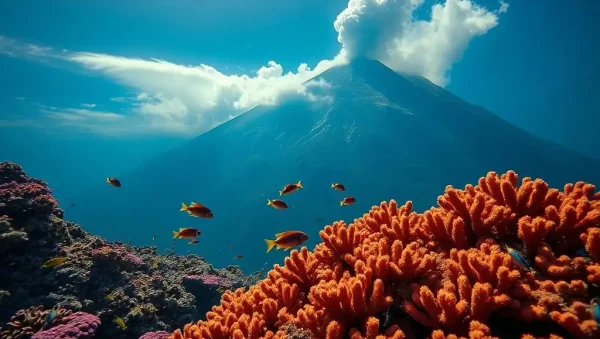
Submarine eruptions and lava reaching the ocean trigger dramatic marine consequences. Hot lava melts coral reefs instantly, but nutrient-rich waters from volcanic runoff can boost plankton blooms, supporting fish populations. Hydrothermal vents, often associated with underwater volcanoes, host unique chemosynthetic communities. This section explores both disruption and renewal in marine habitats, including acidification from volcanic CO2, sedimentation smothering benthic life, and the creation of new reefs over time. Readers will discover how volcanic islands shape ocean currents and nutrient cycles, affecting fisheries and marine biodiversity globally.
🌍 The Role of Volcanoes in the Carbon Cycle
Volcanoes release carbon dioxide through eruptions and geothermal emissions, contributing to the Earth’s carbon budget over geological timescales. However, weathering of volcanic rocks also removes CO2 from the atmosphere, acting as a long-term carbon sink. This complex dual role is essential for climate regulation. The section explains how volcanic outgassing compares to human emissions, the process of silicate weathering, and how ancient eruptions influenced past climate shifts. Understanding this balance helps scientists evaluate whether volcanic activity can offset greenhouse gas increases—and why it cannot in human timescales.
🌲 Volcanic Impact on Forests and Vegetation
Ashfall can bury forests, breaking branches and blocking photosynthesis, while pyroclastic flows or lava destroy vegetation outright. Yet volcanic soils are famed for their fertility. Recovery of forests varies by eruption type and distance from the vent. Pioneer species like mosses and ferns colonize first, followed by shrubs and trees. This section details damage mechanisms—mechanical, chemical, and thermal—and how forests regenerate through seed banks and wind-dispersed seeds. Case studies from Mount St. Helens and Vesuvius illustrate vegetation response timelines, offering practical insights for land managers and ecologists studying disturbance dynamics.
🌿 Ecological Succession after Volcanic Eruptions
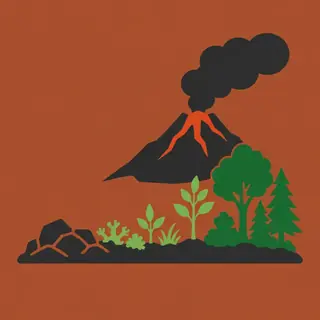
Primary succession begins on bare lava or ash, where no soil exists. Lichens and algae break down rock, building organic matter for future plants. Secondary succession occurs where soil remains but vegetation is removed. This process can take decades to centuries, with intermediate stages including grasslands and shrublands before forests return. The section outlines successional stages, key pioneer species, and factors like slope, rainfall, and temperature that affect progression. You’ll also find comparisons across different volcanic regions, showing that succession is not linear but highly variable and influenced by animal dispersal and human intervention.
⏳ Long-term Ecological Recovery in Volcanic Landscapes
Full ecological recovery after an eruption can span millennia. Soil formation, nutrient cycling, and species reestablishment are slow, especially where lava flows are thick or ash is deep. Long-term studies reveal resilient ecosystems that eventually support diverse communities, but sometimes with altered species compositions. This section discusses chronosequences—studying landscapes of different ages to infer recovery stages—and examples from Krakatoa and Iceland. It also addresses invasive species that may dominate post-eruption, complicating recovery, and how climate change interacts with volcanic disturbance to shape future ecosystems.
💨 Volcanic Impact on Air Quality and Atmospheric Chemistry
Volcanic emissions include sulfur dioxide, hydrogen sulfide, carbon monoxide, and fine particulate matter. These pollutants can cause respiratory problems in humans and animals, reduce visibility, and produce vog—volcanic smog—that affects air quality far downwind. Atmospheric chemistry changes include ozone depletion from halogen gases and sulfate aerosol formation that affects solar radiation. This section covers monitoring techniques, health advisories near active volcanoes, and the short-lived but significant impacts on local and regional air quality. It also explains how scientists use satellite data to track volcanic plumes globally.
💧 Volcanic Impact on Water Resources and Hydrology
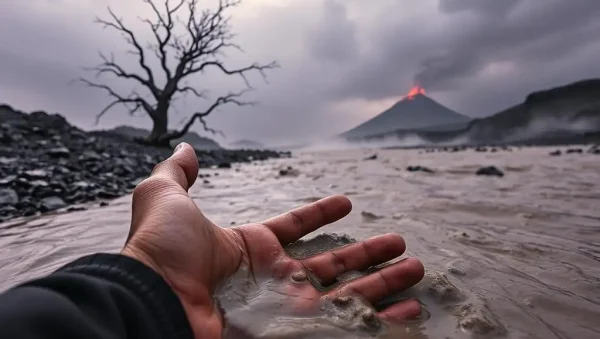
Volcanoes alter water systems by changing terrain, depositing ash that clogs rivers, and emitting contaminants like heavy metals and fluorine. Acidic springs and lakes can form, while groundwater heating affects availability. Hydrological changes after eruptions include increased runoff from degraded vegetation and potential for lahars—mudflows that devastate valleys. The section addresses how volcanic aquifers provide clean drinking water in some regions but pose risks in others. Readers will understand the balance between water scarcity and abundance in volcanic zones, plus strategies for managing water resources near active vents.
🌾 Volcanic Impact on Soil Fertility and Agriculture
Volcanic soils, known as Andisols, are among the most fertile on Earth due to their high mineral content, good drainage, and ability to retain water and nutrients. Agriculture thrives in volcanic regions—vineyards on Etna, coffee in Java, and vegetables in the Andes are prime examples. However, eruptions can destroy crops instantly through ash burial or acid deposition. This section examines soil development from volcanic parent materials, the benefits of slow-release nutrients, and how farmers adapt to periodic disturbances. You’ll also learn about the challenge of managing acidic soils and trace element toxicity in some volcanic areas.
🌱 Volcanic Ash as a Natural Fertilizer
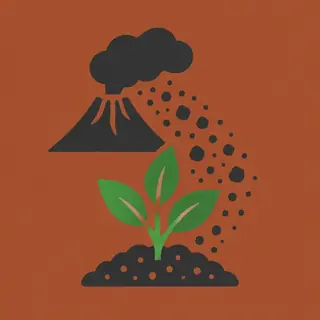
Volcanic ash contains essential plant nutrients like phosphorus, potassium, calcium, and magnesium, which are slowly released as ash weathers. This natural fertilization effect is why many agricultural lands near volcanoes are exceptionally productive. The section details ash chemistry, its role in replenishing nutrient-depleted soils, and examples from Indonesia and Central America where ash fall boosts yields. It also covers potential downsides, such as ash sealing soil surfaces or releasing toxic elements in high concentrations. Practical tips for using ash safely in gardens and farms are included.
⚡ Geothermal Energy from Volcanic Areas: Benefits and Risks
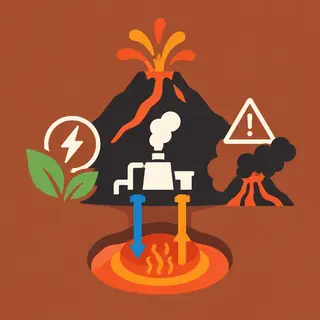
Volcanic heat creates vast geothermal reservoirs that can be tapped for clean, reliable electricity and heating. Benefits include low emissions, small land footprints, and continuous power generation. Countries like Iceland and New Zealand harness this energy effectively. However, risks involve induced seismicity, potential release of subsurface gases, and the high cost of drilling. This section explores how geothermal plants work, environmental trade-offs, and the future of enhanced geothermal systems in volcanic regions. It also addresses the balance between renewable energy goals and conserving delicate volcanic ecosystems.
Frequently Asked Questions
Do volcanic eruptions always cool the planet?
Not always. Large eruptions that inject sulfur aerosols into the stratosphere can cause temporary cooling, usually by 0.2-0.5°C for 1-3 years. However, smaller eruptions may have minimal climatic effect. Additionally, volcanic CO2 emissions are tiny compared to human output, so they don’t significantly contribute to long-term warming. The cooling effect is the dominant short-term signal, especially for explosive eruptions at high latitudes.
Can volcanic ash improve soil fertility immediately?
Volcanic ash can provide immediate nutrient boosts, especially phosphorus and potassium, if it’s thin and falls during the growing season. However, thick ash layers can bury plants and seal soil, delaying benefits. Over 1-3 years, weathering releases nutrients, enhancing fertility. Farmers often wait for rain to incorporate ash, which also helps neutralize acidity, before replanting crops.
How long does it take for forests to recover after an eruption?
Forest recovery varies widely, from a few decades near the eruption edge to centuries in severely impacted areas. For example, after Mount St. Helens (1980), some forests rebounded within 20 years, while other zones remain shrubland after 40 years. Full old-growth conditions may require 200-500+ years, depending on soil development, seed sources, and climate conditions.
Are volcanic regions dangerous to live in?
Volcanic regions can be safe with proper monitoring and preparedness. Many volcanoes are dormant for centuries, and fertile soils attract farming. However, active volcanoes pose risks from ash, gas, lava, or lahars. Residents should follow evacuation plans, stay informed about alerts, and avoid building in high-risk zones like valleys prone to lahars. Warnings systems significantly reduce fatalities.
Do volcanoes help marine life?
Yes, in several ways. Volcanic eruptions add nutrients like iron and nitrogen to oceans, stimulating phytoplankton blooms that feed marine food webs. Hydrothermal vents around underwater volcanoes support unique ecosystems with tubeworms and shrimp that thrive on chemosynthesis. However, eruptions can also destroy nearby reefs or smother organisms with sediment, making the overall impact location-dependent.