Exploring Acid Rain and Volcanic Activity
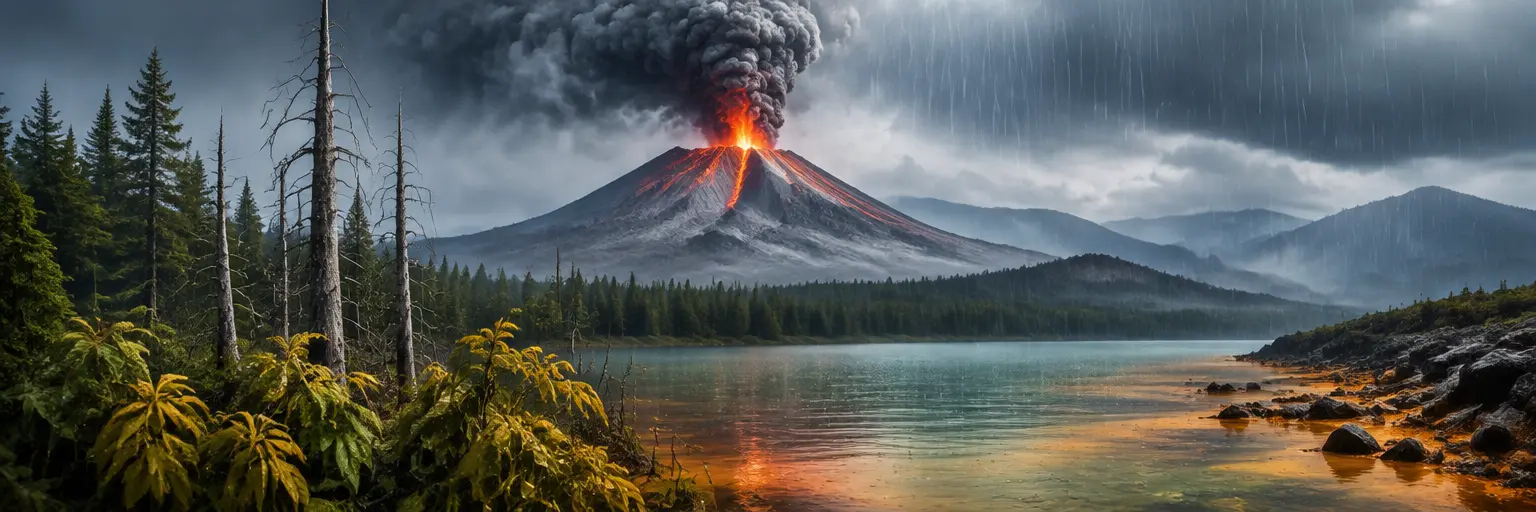
Volcanoes do more than just erupt lava and ash—they can also alter the chemistry of our atmosphere and precipitation. In this subcategory of Volcano Impact on Environment, we dive deep into how volcanic emissions create acid rain, what that means for ecosystems, and why volcanic activity is a natural—yet powerful—driver of environmental change. Whether you are a student, a curious traveler, or a concerned resident, you’ll find science-backed insights, real-world examples, and practical takeaways to help you understand this invisible but significant consequence of eruptions.
🌋 What Causes Acid Rain from Volcanoes?
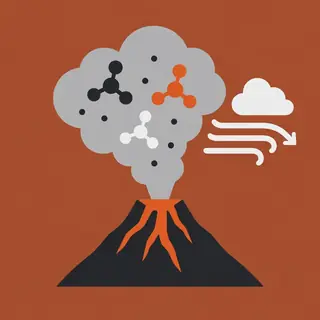
Volcanic eruptions release vast amounts of sulfur dioxide (SO₂), hydrogen chloride (HCl), and nitrogen oxides into the atmosphere. When these gases mix with water vapor, oxygen, and sunlight, they transform into sulfuric and nitric acids. These acids then dissolve in atmospheric moisture, creating precipitation with a pH lower than normal rain—often ranging from 3.0 to 4.0, which is far more acidic than typical rainwater.
The key driver is sulfur dioxide, which can travel hundreds of kilometers from the vent. This means that even distant communities can experience acid rain from a major eruption. Unlike human-induced acid rain, volcanic acid rain is episodic and localized, but its intensity can be extreme. For example, the 1980 Mount St. Helens eruption and the 1991 Pinatubo eruption both produced significant acidic fallout, damaging forests and acidifying lakes in their immediate wake.
🌲 Environmental Impacts on Soil and Water
Acid rain from volcanic activity leaches essential nutrients like calcium and magnesium from soils, while mobilizing toxic metals such as aluminum. This can stunt plant growth, reduce crop yields, and kill sensitive aquatic life in rivers and lakes. Acidified water bodies often see a decline in fish populations, especially trout and salmon, which cannot tolerate lower pH levels.
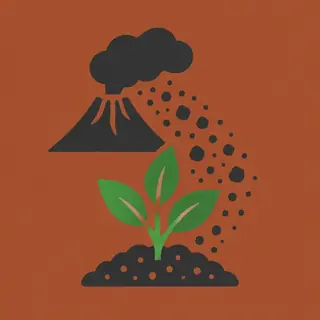
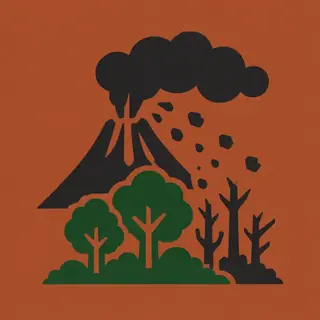
Forests at high elevations are particularly vulnerable because they are constantly bathed in acidic clouds and fog. Over time, repeated volcanic acid rain events can lead to widespread tree dieback, soil degradation, and altered nutrient cycles. On the positive side, volcanic ash often adds fresh minerals to the soil, but this benefit is overshadowed by the immediate acidic shock that disrupts both terrestrial and freshwater ecosystems for years after an eruption.
🏞️ Case Studies: Real Eruptions and Their Acid Rain
The 1783 Laki eruption in Iceland is a historical benchmark. It emitted enormous quantities of sulfur dioxide, leading to acid rain that killed livestock, damaged crops, and contributed to a famine that killed nearly a quarter of Iceland’s population. Sulfuric aerosols spread across Europe, causing a “dry fog” and acidified rainfall that affected agricultural lands as far away as France and Italy.
More recently, the 2014–2015 Bárðarbunga eruption in Iceland produced measurable acid rain in nearby regions, temporarily lowering pH in local rivers. In the Pacific, the 2022 Hunga Tonga–Hunga Haʻapai eruption sent sulfur gases into the stratosphere, leading to acidic deposition in parts of New Zealand and Australia. These cases show that volcanic acid rain is not just a theoretical risk—it is a recurring environmental phenomenon that demands monitoring and adaptation.
🛡️ How to Monitor and Mitigate Volcanic Acid Rain
Scientists use a combination of satellite remote sensing, ground-based air quality stations, and rainwater pH sampling to track volcanic acid rain. Networks like the Global Volcanism Program and local meteorological agencies provide near-real-time data on gas emissions and precipitation chemistry. For communities downwind, early warning systems can alert farmers and water managers to protect sensitive crops and reservoirs.
Mitigation strategies include using lime to neutralize acidified soils and lakes, selecting acid-tolerant plant species for replanting, and ensuring that drinking water sources are treated to adjust pH. On an individual level, residents should avoid collecting rainwater for gardening during or right after an eruption. Long-term planning, such as relocating vulnerable infrastructure and developing contingency plans for water supply, helps reduce the impacts of future volcanic acid rain events.
🌍 The Connection to Climate and Human Health
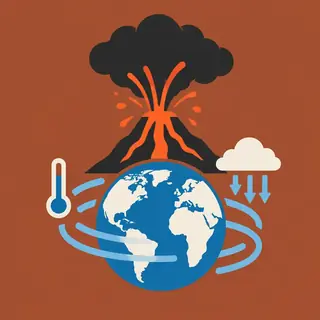
Volcanic acid rain is part of a larger story of atmospheric change. Sulfur aerosols from eruptions can reflect sunlight, temporarily cooling the Earth’s surface—a phenomenon observed after Pinatubo and, to a lesser extent, Hunga Tonga. However, this cooling effect coexists with acid rain’s corrosive impact on crops, buildings, and human respiratory health. Acidic aerosols can aggravate asthma and other lung conditions, especially in children and the elderly who live near active volcanoes.
Moreover, acid rain can damage historic monuments and modern infrastructure by accelerating corrosion of metals and deterioration of stone. For communities on volcanic islands or near active arcs, understanding this dual effect—atmospheric cooling plus local acidification—is crucial for disaster preparedness. As climate change alters precipitation patterns, the distribution of volcanic acid rain may shift, making continuous research and adaptation essential for future resilience.
Frequently Asked Questions
Does all volcanic activity produce acid rain?
Not every eruption produces acid rain. Only eruptions that release significant amounts of sulfur dioxide, hydrogen chloride, or nitrogen oxides do. Many small or effusive eruptions emit mainly water vapor and lava, which have minimal acidic effects. However, large explosive eruptions or those with high sulfur content can create acid rain over wide areas.
How long does volcanic acid rain last after an eruption?
It depends on the eruption’s size and atmospheric conditions. For a major eruption, acidic precipitation can persist for weeks to several months as sulfur aerosols remain in the atmosphere. In extreme cases like Laki, effects lasted for over a year. Soon afterward, as gases disperse and precipitate, pH levels gradually return to normal.
Can volcanic acid rain affect drinking water supplies?
Yes, surface water sources like rivers and reservoirs can become temporarily acidic, which may leach metals from pipes and soils. Most municipal water treatment plants adjust pH before distribution, so tap water is usually safe. However, private wells and untreated rainwater collection systems should be tested after significant ashfall or acidic rain events.
What crops are most vulnerable to volcanic acid rain?
Leafy vegetables, fruit trees, and grains with shallow root systems are most vulnerable because they absorb acidic moisture through leaves and roots. Acid rain can also damage soil fertility by leaching nutrients. Farmers can reduce losses by using lime amendments, planting acid-tolerant varieties, and irrigating with buffer solutions during and after eruptions.
Is volcanic acid rain a major contributor to global acid rain compared to industrial emissions?
On a global scale, industrial emissions of sulfur dioxide and nitrogen oxides are responsible for the majority of acid rain. Volcanic acid rain is important but localized and episodic. However, during major eruptions, volcanic emissions can temporarily exceed industrial outputs in a region, making them the dominant acid rain source for that period.