The Ripple Effect: How Volcanic Impacts on Forests Affect Entire Food Webs
Volcanic eruptions dramatically reshape landscapes, but their impact extends far beyond the immediate blast zone. This article explores the cascading effects of…
Read article
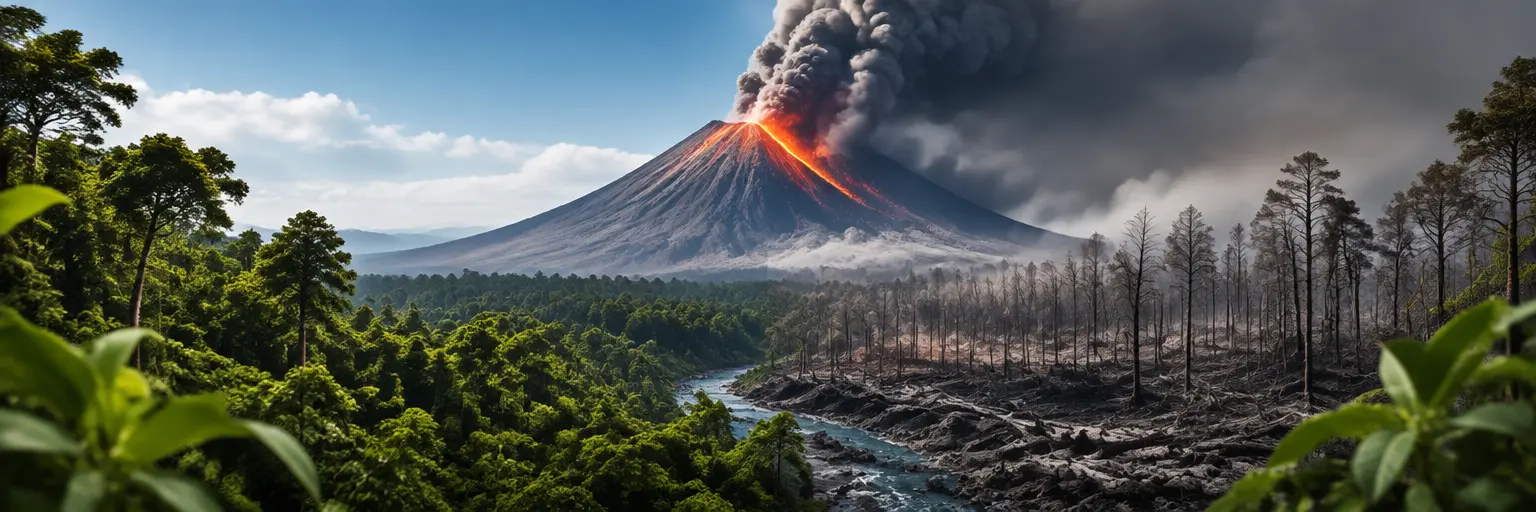
Volcanoes are among nature’s most destructive yet creative forces, and their impact on forests and vegetation is both profound and paradoxical. When a volcano erupts, it can instantly incinerate lush woodlands under scorching pyroclastic flows, bury entire ecosystems beneath layers of ash and lava, or trigger acid rain that strips leaves and poisons soils. Yet, in the aftermath, these same devastated landscapes often become the stage for remarkable ecological rebirth—pioneer plants like ferns and mosses colonize barren ash fields, nutrient-rich volcanic soils eventually fuel vibrant new forests, and unique species evolve to thrive in this harsh, mineral-laden terrain. From the charred slopes of Mount St. Helens to the fertile terraces of Java, understanding volcanic impact on forests and vegetation reveals a dynamic cycle of destruction, resilience, and renewal that shapes global biodiversity and even influences climate through carbon storage.
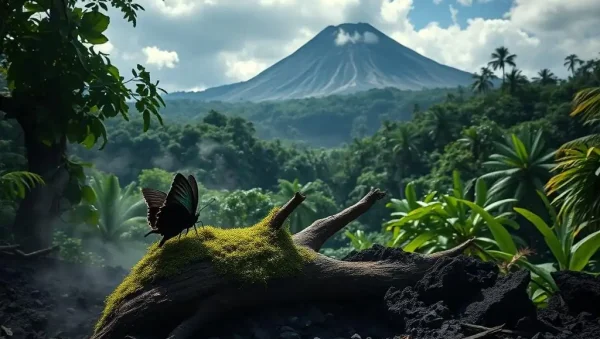
Volcanic eruptions dramatically reshape landscapes, but their impact extends far beyond the immediate blast zone. This article explores the cascading effects of…
Read article
Discover the unexpected bounty of tropical volcanoes! VolcanoExplorers.org reveals how the rich volcanic soils nurture unparalleled rainforest biodiversity, a vibrant ecosystem thriving…
Read article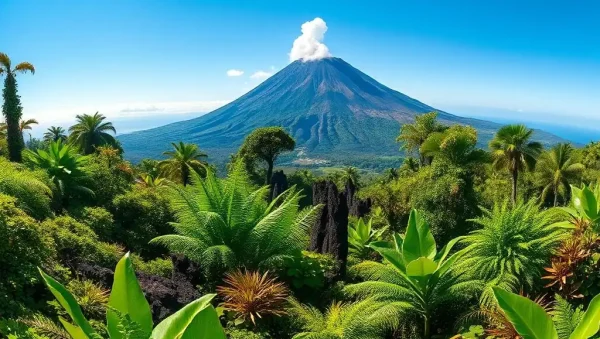
Discover how Krakatoa's cataclysmic eruption dramatically altered its landscape. VolcanoExplorers.org explores the island's remarkable, long-term vegetation recovery, revealing the surprising resilience of…
Read article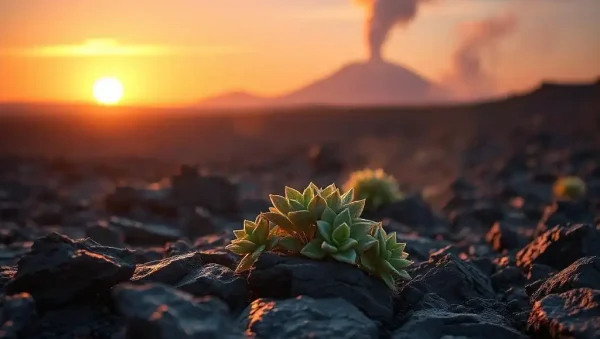
Discover the remarkable resilience of life in the face of fiery destruction! VolcanoExplorers.org unveils the secrets of volcanic plant adaptations, exploring how…
Read article
VolcanoExplorers.org reveals surprising new research: Forests and volcanoes protection may be intrinsically linked. Discover how vegetation influences volcanic activity and mitigates eruption…
Read article
Volcanic gases impact forest health in subtle yet devastating ways, extending far beyond immediate fire damage. Discover the unseen poisoning effects on…
Read articleWhen a volcano erupts, its effects on forests and vegetation are both immediate and long-lasting, creating a dramatic cycle of devastation and rebirth. From scorching pyroclastic flows that incinerate ancient woodlands to nutrient-rich ash that fertilizes future growth, volcanic activity fundamentally shapes ecosystems. This subcategory explores how eruptions alter forest composition, disrupt plant life cycles, and ultimately drive ecological succession. Whether you’re a student, a nature enthusiast, or a land manager, understanding these impacts is crucial for appreciating nature’s resilience and planning recovery strategies.
The first moments of a volcanic eruption can obliterate vast forest areas with terrifying speed. Pyroclastic flows—superheated mixtures of gas, ash, and rock—sweep across slopes, snapping trunks and scorching foliage. Meanwhile, falling tephra (volcanic fragments) accumulates on leaves, blocking sunlight and causing branches to break under the weight. Lava flows, though slower, entomb entire groves in solid rock. This immediate loss of canopy triggers a cascade of effects, wiping out understory plants and disrupting wildlife habitats. The sheer force of volcanic blasts also strips bark and alters soil chemistry, leaving landscapes unrecognizable.
For forest ecosystems, recovery begins only after the physical environment stabilizes. The initial destruction often removes dominant tree species, creating open spaces where sunlight reaches the ground. This sets the stage for pioneer plants, which are specially adapted to colonize barren terrain. However, repeated eruptions can delay recovery for decades, keeping ecosystems in a perpetual state of early succession. Scientists study these zones to understand how disturbance frequency shapes forest biodiversity and resilience, offering insights for managing volcanic-prone regions worldwide.
Volcanic ash, while initially burying vegetation, becomes a natural fertilizer over time. Rich in minerals like potassium, phosphorus, and calcium, ash breaks down to create fertile soils that support lush plant growth. This phenomenon is why agricultural lands near volcanoes, such as those around Mount Vesuvius or Mount Fuji, have been cultivated for centuries. However, the timing matters: a thick layer of ash can smother plants, while a thin layer may stimulate growth. Soil acidification can also occur, depending on the eruption’s chemistry, affecting which species thrive in the aftermath.
Beyond immediate nutrition, ash alters soil texture, improving aeration and water retention. This transformation encourages deeper root systems and enhances microbial activity, which is vital for nutrient cycling. Over time, volcanic soils become some of the most productive on Earth, supporting dense forests and diverse plant communities. For ecologists, studying ash deposits reveals how long-term soil development influences vegetation patterns, from early colonizers like ferns and grasses to climax species like broadleaf trees. This knowledge helps predict recovery trajectories after future eruptions.
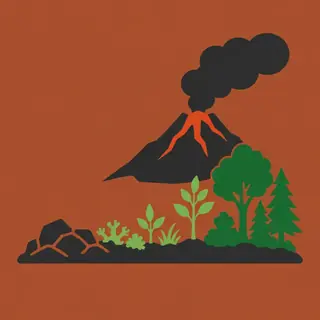
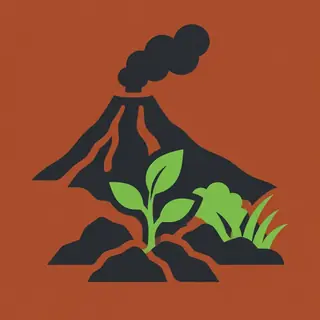
Ecological succession describes the gradual recovery of vegetation after volcanic disturbances. Primary succession occurs on newly formed lava or ash fields, where pioneer species like mosses, lichens, and ferns establish in cracks and crevices. These hardy organisms break down rock and accumulate organic matter, paving the way for herbaceous plants and shrubs. Within decades, fast-growing trees such as alders or willows may appear, creating shade for shade-tolerant species. Over centuries, a complex forest community can develop, but the process is highly variable, influenced by climate, slope, and eruption frequency.
Secondary succession is more common when eruptions destroy existing forests but leave soil intact. Here, resprouting roots and buried seeds accelerate recovery, allowing forests to regenerate within years rather than decades. For instance, after the 1980 Mount St. Helens eruption, patches of surviving vegetation served as refuge for seeds and animals, speeding up recolonization. Understanding these successional stages is essential for restoration projects, as managers can mimic natural processes to reforest damaged areas. Each volcanic landscape offers a unique timeline, making it a living laboratory for ecological study.
Some plant species have evolved remarkable adaptations to survive volcanic environments. For example, the silversword plant in Hawaii grows only on volcanic slopes, with silvery hairs that reflect intense sunlight and conserve water. Similarly, certain orchids and ferns can tolerate high metal concentrations in ash, while grasses develop deep rhizomes to withstand burial. These specialists often dominate early successional stages, but they also face threats from invasive species that exploit disturbed soils. Their presence signals ecosystem health and provides crucial habitat for endemic insects and birds.
Adaptations extend beyond physical traits to reproductive strategies. Many volcanic-zone plants produce copious, wind-dispersed seeds that can travel long distances to colonize new terrain. Others rely on animal dispersers, such as birds that feed on berries and distribute seeds in nutrient-rich droppings. Phenological shifts—changes in flowering times—also occur in response to altered microclimates. By studying these adaptations, botanists gain insights into evolutionary processes, showing how life persists under extreme stress. Conservation efforts often focus on preserving these unique species, as they are irreplaceable components of volcanic heritage.
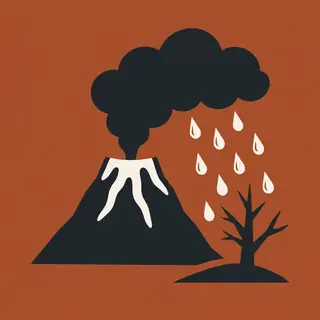
Beyond direct burial and smothering, volcanic activity introduces heat and toxic gases that affect vegetation subtlerly. Ground temperatures can remain elevated for years, damaging root systems and reducing germination rates. Sulfur dioxide and hydrogen fluoride emitted during eruptions cause leaf burn, chlorosis, and reduced photosynthesis, weakening trees and making them vulnerable to pests. Acid rain, formed when volcanic gases mix with atmospheric moisture, leaches nutrients from leaves and soil, further stressing plant communities. These sublethal impacts often go unnoticed but accumulate over time.
Microclimatic changes, such as increased shading from ash clouds, lower temperatures and reduce sunlight, slowing plant growth. Volcanoes also alter local hydrology, with ash blocking streams and raising groundwater tables, which can waterlog roots. Long-term exposure to volcanic gases can even alter the genetic makeup of plant populations, favoring tolerant individuals. Forest managers must consider these subtle effects when assessing ecosystem health, as they may not be immediately visible. Research into gas exposure helps identify critical thresholds for plant survival, guiding land-use planning near active volcanoes.
After eruptions, human efforts can accelerate vegetation recovery, but strategies must respect natural processes. Reforestation with native species often aids succession, especially where topsoil has been stripped. Techniques like mulching with straw or applying mycorrhizal fungi can improve soil health and seedling survival. However, inappropriate planting—such as using non-native species—can disrupt ecosystems and reduce biodiversity. Monitoring programs using satellite imagery and ground surveys help track recovery, allowing adaptive management. Community involvement is vital, as local knowledge provides context for restoration priorities.
Planning for future eruptions involves creating emergency plans that protect both people and vegetation. Preserving seed banks and nursery stocks of endemic plants ensures genetic diversity is maintained for replanting. Land-use zoning around volcanoes can designate protected areas, limiting development in high-risk zones. Education programs teach residents about the dual nature of volcanic soils—their fertility and their danger—encouraging sustainable practices. By integrating ecological science with disaster preparedness, we can mitigate losses and foster resilience in volcanic landscapes, ensuring that forests and vegetation endure for generations.
Recovery timelines vary widely. Early colonizers like lichens and grasses may appear within months, while shrubby plants can emerge in 1–3 years. Full forest recovery can take 50 to 300 years, depending on eruption severity, climate, and soil quality. In some cases, like at Mount St. Helens, measurable recovery occurred within 20 years, while lava flows may remain barren for centuries.
Yes, volcanic ash is rich in essential minerals like potassium, phosphorus, and calcium. Over time, weathering converts ash into fertile soil that promotes lush plant growth. However, a thick, rapid deposit can smother plants, block sunlight, and impede germination. The benefits appear months to years later, once the ash integrates with the underlying soil.
Pioneer species include mosses, lichens, and ferns, which thrive in bare rock and ash. They help break down minerals and create organic matter. Later, grasses and fast-growing herbs appear, followed by shrubs and trees like alders or willows. This sequence is part of primary succession, gradually building a complex ecosystem over time.
Often, yes. Volcanic soils, known as Andisols, are highly porous, hold water well, and contain abundant nutrients, making them exceptionally fertile. They support intensive agriculture in regions like Indonesia and Italy. However, their fertility depends on climate and weathering; in arid zones, they can be less productive without irrigation.
Animals play a vital role by dispersing seeds through their droppings, especially birds and mammals that eat fruits. Burrowing animals aerate soil, and insects like beetles help decompose organic matter. Large herbivores can also trample ash, aiding seed burial. Thus, protecting animal populations accelerates natural regeneration.