
Ashfall's Awakening: The Unexpected Renewal Triggered by Volcanic Ash


Welcome!
Ever wondered what happens after the eruption settles? VolcanoExplorers.org invites you to uncover the surprising truth: while volcanoes are forces of destruction, they also harbor the seeds of renewal. Dive into "Ashfall's Awakening" and discover the unexpected benefits of volcanic ash renewal, a phenomenon far more fascinating than you might imagine. Prepare to be amazed by how devastation can pave the way for vibrant new life... if you dare to explore further.
- Understanding Volcanic Ash and Its Impact on Ecosystems
- The Unexpected Benefits of Volcanic Ash Renewal
- Ashfall's Role in Plant Regeneration and Growth
- The Positive Impact on Animal Life After Ashfall
- Case Studies: Examples of Ecosystem Recovery After Volcanic Eruptions
- Factors Influencing the Benefits of Volcanic Ash
- Mitigating Negative Effects While Maximizing Benefits
- Conclusion: Volcanic Ash as a Driver of Ecological Renewal
-
Frequently Asked Questions
- What are the immediate effects of volcanic ashfall on the surrounding environment?
- How does volcanic ash contribute to soil renewal over time?
- What type of minerals in volcanic ash are most beneficial for soil renewal?
- How long does it typically take for volcanic ash to significantly improve soil quality?
- Besides soil renewal, what other unexpected benefits can volcanic ash provide?
- Final Reflection: Embracing the Ashes of Transformation
- Reimagine Your Garden: Witness the Ashfall Miracle!
Understanding Volcanic Ash and Its Impact on Ecosystems
What is Volcanic Ash and Where Does It Come From?
Volcanic ash, despite its name, is not the soft, fluffy residue left behind by burning wood. Instead, it is composed of tiny fragments of pulverized volcanic rock, minerals, and volcanic glass created during explosive volcanic eruptions. These eruptions occur when magma, molten rock beneath the Earth's surface, rises and encounters a significant decrease in pressure. This pressure drop causes dissolved gases within the magma to rapidly expand, shattering the magma and surrounding rocks into fine particles that are violently ejected into the atmosphere.
These particles, ranging in size from sand grains to silt, can be propelled high into the atmosphere, sometimes reaching tens of kilometers above the Earth's surface. Once airborne, volcanic ash can be transported vast distances by prevailing winds, impacting areas hundreds or even thousands of kilometers away from the erupting volcano. The composition of volcanic ash varies depending on the type of volcano and the magma involved, but it generally includes silica, aluminum, iron, calcium, sodium, potassium, and magnesium, among other elements.
The Initial Devastation: Short-Term Effects of Ashfall
The immediate aftermath of volcanic ashfall can be devastating for ecosystems. A thick blanket of ash can smother landscapes, burying vegetation and disrupting sunlight penetration, crucial for photosynthesis. The sheer weight of accumulated ash can cause branches to break, and even lead to the collapse of buildings and infrastructure. For plants, ash can clog stomata, the tiny pores on leaves necessary for respiration and gas exchange, hindering their ability to survive.
Animals also face significant challenges. Ashfall can contaminate water sources, making them undrinkable and posing a threat to aquatic life. Inhalation of fine ash particles can cause respiratory problems in animals and humans alike, leading to lung irritation and exacerbating pre-existing conditions. Furthermore, ashfall can disrupt food chains and habitats, forcing animals to relocate or face starvation. The abrasive nature of ash can also damage animal eyes and skin, adding to the immediate hardships faced by wildlife in affected areas.
Volcanic Ashfall: A Catalyst for Ecological Succession
Despite the initial destruction, volcanic ashfall is not solely an agent of devastation. In fact, it plays a crucial role in initiating ecological succession, the process of ecological change in an ecosystem over time. While the immediate effects are undeniably disruptive, volcanic ash deposits can lay the foundation for long-term ecosystem renewal. The very elements that cause initial harm – the mineral-rich composition of ash – become the building blocks for revitalized and often more fertile ecosystems.
The blanketing effect of ash, while initially destructive, can also create a new substrate, a fresh starting point for ecological development. This is particularly true in areas where previous soil was degraded or nutrient-poor. The volcanic ash acts as a reset button, clearing the way for a new wave of life to colonize and flourish. This process of renewal, spurred by the very event that caused initial disruption, showcases nature's remarkable ability to recover and adapt, highlighting the unexpected benefits of volcanic ash renewal.
The Unexpected Benefits of Volcanic Ash Renewal
Nutrient Enrichment: How Volcanic Ash Fertilizes the Soil
One of the most significant benefits of volcanic ash is its capacity to enrich the soil with essential nutrients. Volcanic ash is a rich source of minerals vital for plant growth, acting as a natural fertilizer. As volcanic ash weathers and breaks down over time, it releases a wealth of nutrients directly into the soil. These nutrients include phosphorus, potassium, calcium, magnesium, and a variety of trace elements, all of which are crucial for healthy plant development.
In many volcanic regions, soils are naturally young and often deficient in these key nutrients due to the relatively recent geological activity. Volcanic ash deposition directly addresses this deficiency, replenishing the soil's nutrient pool. The slow release of these nutrients from the weathering ash provides a sustained source of nourishment for plants, promoting vigorous growth and contributing to the overall fertility of the ecosystem. This natural fertilization process is a cornerstone of the ecological renewal triggered by volcanic events.
Mineral Composition: The Key Nutrients Delivered by Ash
The specific mineral composition of volcanic ash, and therefore the exact nutrients it delivers, varies depending on the type of volcanic eruption and the magma source. However, certain key nutrients are consistently present and play a crucial role in soil fertility. For instance, basaltic ash, originating from volcanoes that erupt relatively fluid lava, is typically rich in iron and magnesium. Iron is essential for chlorophyll production in plants, while magnesium is a vital component of chlorophyll itself.
Andesitic and rhyolitic ash, from volcanoes with more viscous and gas-rich magma, often contain higher concentrations of silica and potassium. Potassium is critical for various plant functions, including water regulation, enzyme activation, and disease resistance. Silica, while not directly a plant nutrient, can improve soil structure and drainage. The diverse mineral cocktail within volcanic ash provides a balanced and comprehensive set of nutrients that benefit a wide range of plant species, contributing to the long-term health and productivity of volcanic landscapes.
Long-Term Soil Enhancement: The Lasting Effects of Ashfall on Soil Quality
The benefits of volcanic ash extend far beyond immediate nutrient delivery. Volcanic ash contributes to long-term soil enhancement, improving soil quality and structure for decades, even centuries, after an ashfall event. The fine particles of ash, when incorporated into the soil, improve its physical properties. Ash can enhance water retention in sandy soils, preventing them from drying out too quickly, while simultaneously improving drainage in clay-rich soils, preventing waterlogging.
Furthermore, the weathering of volcanic ash contributes to the formation of unique and highly fertile soils known as Andisols. These soils are characterized by their exceptional water-holding capacity, nutrient retention, and overall productivity. Andisols are found in volcanic regions worldwide and are renowned for supporting highly productive agricultural lands and diverse ecosystems. The legacy of volcanic ashfall, therefore, is not just immediate renewal but also the creation of long-lasting soil capital that sustains ecological vitality for generations to come.
Ashfall's Role in Plant Regeneration and Growth
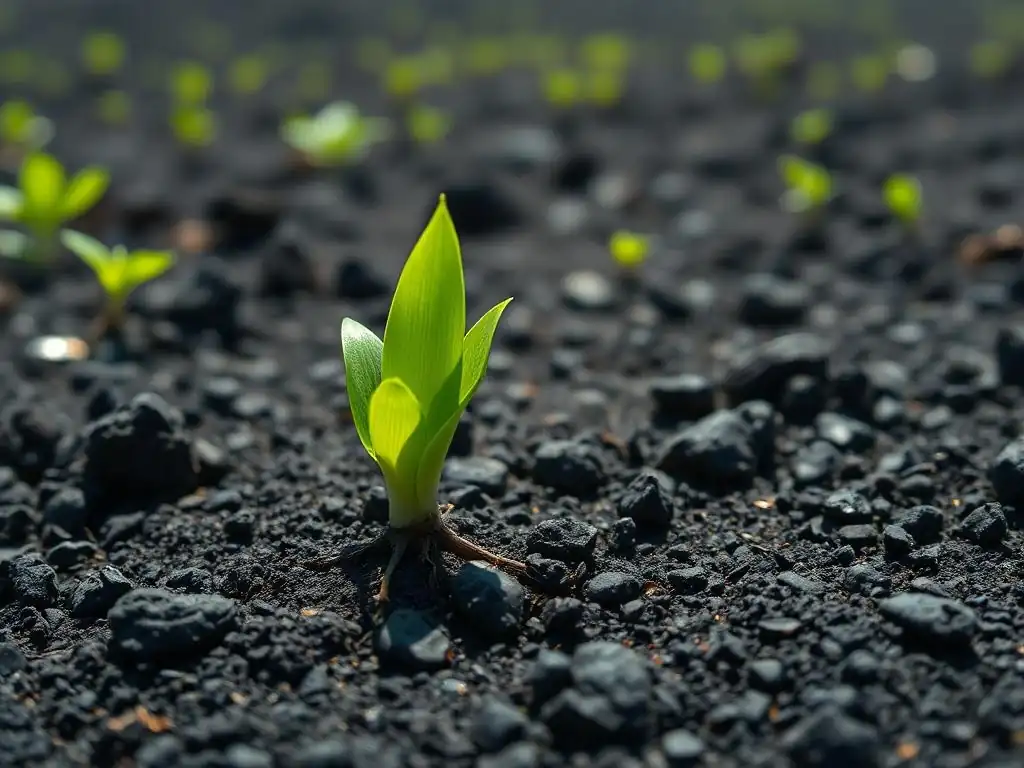
Seed Germination: Ash as a Seedbed Enhancer
Volcanic ash, surprisingly, can act as a seedbed enhancer, facilitating seed germination in the aftermath of an eruption. While a thick layer of ash can hinder seedling emergence, a moderate layer, or naturally thinning ash deposits, can create favorable conditions for seed germination. The ash layer can provide a loose and porous surface, allowing for good aeration and water infiltration, both essential for successful seed germination.
In some environments, the dark color of volcanic ash can also play a beneficial role. Dark surfaces absorb more solar radiation, leading to increased soil temperatures. This can be particularly advantageous in cooler climates or at higher altitudes, where warmer soil temperatures can accelerate seed germination and seedling establishment. Moreover, the mineral-rich ash provides readily available nutrients to young seedlings as they begin to grow, giving them a nutritional boost in their early, vulnerable stages of life.
Plant Growth: The Impact of Volcanic Ash on Plant Development
The nutrient enrichment provided by volcanic ash directly translates to enhanced plant growth and development. Plants growing in ash-amended soils often exhibit vigorous growth, increased biomass production, and improved overall health. The readily available nutrients in the ash, particularly phosphorus and potassium, are quickly taken up by plant roots, fueling rapid growth and contributing to stronger, more resilient plants.
Plants adapted to volcanic environments, or pioneer species that colonize disturbed areas, are particularly adept at utilizing the nutrients released from volcanic ash. These species often display accelerated growth rates and increased reproductive success in ash-enriched soils. This enhanced plant growth not only contributes to the recovery of plant communities but also provides increased food resources and habitat for animals, further driving ecological succession and ecosystem revitalization.
Specific Plant Species Benefiting from Volcanic Ash
Certain plant species are particularly well-suited to benefit from the conditions created by volcanic ashfall. Pioneer species, such as fireweed ( Chamerion angustifolium), various grasses, ferns, and shrubs, are often the first to colonize ash-covered landscapes. These plants are adapted to nutrient-poor conditions and possess traits that allow them to thrive in the newly enriched, but initially disturbed, environment provided by ashfall. For example, fireweed is known for its rapid growth and ability to quickly colonize disturbed areas, including volcanic landscapes.
In volcanic regions around the world, specific plant communities have evolved that are uniquely adapted to volcanic soils and benefit from periodic ashfall events. These communities often include species with efficient nutrient uptake mechanisms and tolerance to the specific chemical and physical properties of volcanic ash-derived soils. The presence and proliferation of these specialized plant species are a testament to the long-term ecological benefits of volcanic ash and its role in shaping unique and resilient ecosystems.
The Positive Impact on Animal Life After Ashfall
Initial Challenges for Wildlife After a Volcanic Eruption
While volcanic ash ultimately contributes to ecosystem renewal, the immediate aftermath of an ashfall event presents significant challenges for animal life. Wildlife can face habitat destruction as vegetation is buried or damaged, leading to a scarcity of food and shelter. The abrasive nature of ash can irritate eyes and skin, and inhalation of ash particles can cause respiratory distress, particularly for animals with sensitive respiratory systems.
Volcanic eruptions can also directly impact animal populations through pyroclastic flows, lava flows, and lahars. Even in areas affected solely by ashfall, animals may be displaced from their territories, disrupting breeding cycles and social structures. Water sources can become contaminated, and the overall disruption to the ecosystem can lead to a temporary decrease in animal populations and biodiversity. The initial period after ashfall is a time of stress and vulnerability for wildlife, requiring adaptation and resilience for survival.
Increased Biodiversity: How Ashfall Supports Animal Populations
Despite the initial hardships, the ecological renewal triggered by volcanic ash ultimately leads to increased biodiversity in the long term. The revitalized plant life, fueled by the nutrients in volcanic ash, provides a foundation for a more diverse and abundant animal community. As vegetation recovers and flourishes, it creates a wider range of habitats and food sources, supporting a greater variety of animal species.
The newly enriched soils can also support a more diverse array of invertebrates, which in turn serve as a food source for larger animals. The process of ecological succession, initiated by ashfall, creates a dynamic and evolving ecosystem that can eventually support a higher level of biodiversity than existed before the eruption. This increase in biodiversity is a key indicator of the long-term positive impact of volcanic ash renewal on animal populations and ecosystem health.
The Return of Wildlife: Animal Adaptation and Colonization After Ashfall
The return of wildlife to ash-affected areas is a testament to the resilience of nature and the long-term benefits of volcanic ash. Animals adapted to disturbed environments, or those with high mobility, are often the first to recolonize ash-covered landscapes. Insects, being highly mobile and often having short life cycles, can rapidly return and begin to play their role in nutrient cycling and pollination. Birds, with their ability to fly, can also quickly repopulate areas, bringing seeds and aiding in plant dispersal.
Small mammals, such as rodents, can burrow into ash deposits and find refuge, gradually re-establishing populations. Over time, as the vegetation recovers and diversifies, larger animals, including herbivores and carnivores, return to the ecosystem, completing the food web and contributing to the restoration of a fully functioning and biodiverse animal community. This process of animal recolonization and adaptation highlights the powerful and positive role that volcanic ash plays in driving long-term ecological recovery.
Case Studies: Examples of Ecosystem Recovery After Volcanic Eruptions
Mount St. Helens: A Classic Example of Volcanic Ash Renewal
The 1980 eruption of Mount St. Helens in Washington State, USA, is a well-documented and classic example of ecological succession following a volcanic eruption and subsequent ashfall. The eruption devastated a large area, leaving behind a landscape covered in thick ash and pumice. Initially, the area appeared barren and lifeless. However, within just a few years, signs of life began to emerge, showcasing the remarkable capacity for ecological renewal.
Pioneer plants, such as fireweed and vine maple, were among the first to recolonize the ash-covered slopes. Seeds that had survived in the soil or were brought in by wind and animals began to germinate in the nutrient-rich ash. Animal life also returned, with insects, birds, and small mammals leading the way. The Mount St. Helens eruption site has become a living laboratory for studying ecological succession, demonstrating the long-term benefits of volcanic ash in fostering ecosystem recovery and biodiversity.
Krakatoa: Ecological Succession in a Volcanic Landscape
The 1883 eruption of Krakatoa, in Indonesia, was one of the most powerful volcanic eruptions in recorded history. The eruption destroyed much of the island and sterilized the remaining land. In the immediate aftermath, Krakatoa appeared to be devoid of life. However, the surrounding ocean and air currents carried seeds and spores from neighboring islands to the newly formed volcanic substrate.
Within decades, Krakatoa began to be recolonized by plant and animal life, demonstrating the process of primary succession on a volcanic landscape. The volcanic ash deposited by the eruption played a crucial role in soil development, providing the foundation for plant growth. Krakatoa serves as a compelling example of how life can re-establish itself, even in the face of catastrophic volcanic events, with volcanic ash acting as a fundamental component of ecosystem regeneration.
Mount Pinatubo: Recovery of a Tropical Ecosystem
The 1991 eruption of Mount Pinatubo in the Philippines significantly impacted a tropical rainforest ecosystem. The eruption deposited a substantial layer of volcanic ash over a wide area, initially causing widespread defoliation and habitat disruption. However, the resilience of the tropical rainforest ecosystem, combined with the nutrient input from the volcanic ash, led to a relatively rapid recovery.
The ashfall provided a new substrate for plant growth, and the tropical climate facilitated rapid weathering and nutrient release. Within a few years, vegetation began to regenerate, and the rainforest ecosystem showed remarkable signs of recovery. Studies of Mount Pinatubo have revealed that volcanic ash contributed to the rejuvenation of the forest, supporting the regrowth of native plant species and the return of diverse animal communities. This case study highlights the beneficial role of volcanic ash even in complex and sensitive ecosystems like tropical rainforests.
Factors Influencing the Benefits of Volcanic Ash
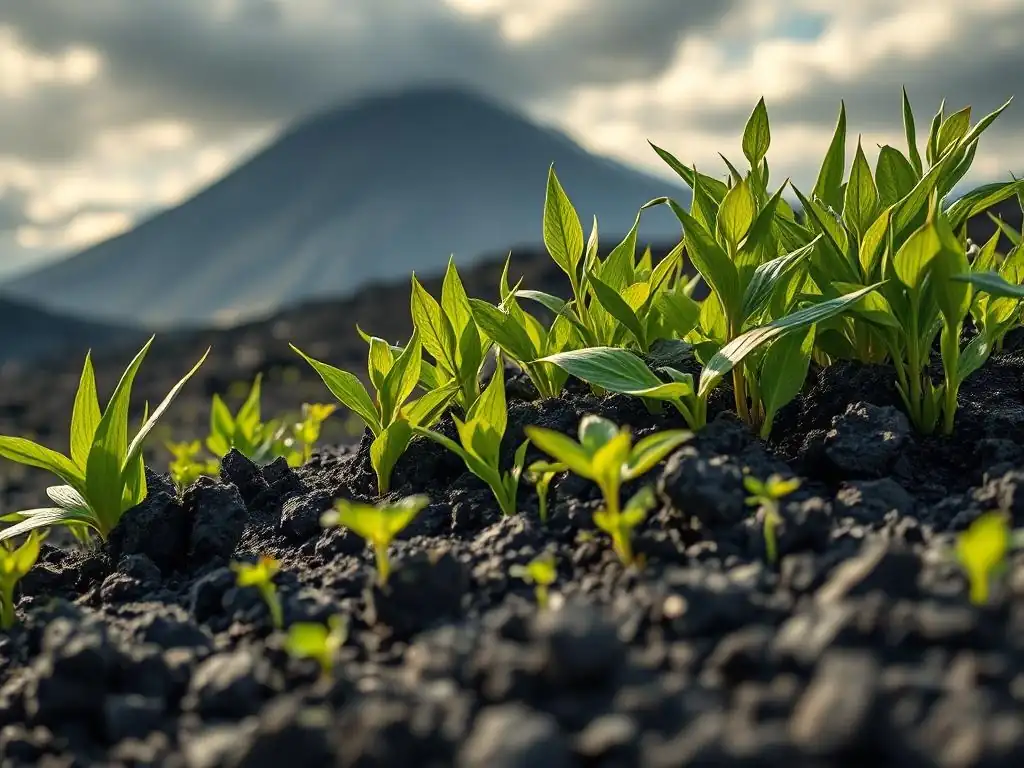
Ash Thickness and Composition: Determining the Extent of Renewal
The extent to which volcanic ash benefits ecosystems is significantly influenced by the thickness of the ash layer and its chemical composition. A thin layer of ash, typically less than a few centimeters, is generally more beneficial than a thick layer. Thin ash deposits provide a readily available source of nutrients without completely burying existing vegetation or hindering seedling emergence. In contrast, thick ash layers, exceeding tens of centimeters or even meters, can cause prolonged suppression of plant growth and delay ecological recovery.
The chemical composition of the ash is equally crucial. Ash rich in essential plant nutrients, such as phosphorus, potassium, and calcium, will have a more pronounced fertilizing effect than ash with lower nutrient content. The mineralogy of the ash, determined by the type of volcanic rock and eruption processes, dictates the specific nutrients released during weathering and their availability to plants. Understanding both ash thickness and composition is vital for predicting the magnitude and nature of ecological renewal following ashfall events.
Climate and Weather Conditions: Impacting Ash Weathering and Nutrient Release
Climate and weather conditions play a critical role in modulating the benefits of volcanic ash. Rainfall is a primary driver of ash weathering and nutrient release. Water percolating through the ash layer dissolves soluble minerals and transports them into the underlying soil, making them accessible to plant roots. Areas with higher rainfall generally experience faster ash weathering and nutrient leaching, leading to quicker ecological recovery.
Temperature also influences weathering rates. Warmer temperatures accelerate chemical reactions involved in mineral breakdown and nutrient release. Therefore, volcanic ash in warm, humid climates tends to weather and release nutrients more rapidly than in cold, dry climates. Wind patterns can also affect ash distribution and erosion, influencing the spatial pattern of nutrient deposition and ecosystem recovery. The interplay of climate and weather conditions significantly shapes the timing and magnitude of the benefits derived from volcanic ash.
Pre-Eruption Ecosystem: How the Existing Environment Affects Recovery
The type of ecosystem present before a volcanic eruption significantly influences the trajectory and speed of ecological recovery after ashfall. Resilient ecosystems, characterized by high biodiversity, healthy soil, and intact ecological processes, are generally more capable of recovering rapidly and effectively from volcanic disturbances. For example, mature forests with diverse plant communities and well-developed soil profiles often exhibit greater resilience than degraded or simplified ecosystems.
The pre-eruption vegetation type also plays a role. Ecosystems dominated by fast-growing pioneer species or plants adapted to disturbed environments may recover more quickly than those dominated by slow-growing, long-lived species. Furthermore, the presence of surviving organisms within or adjacent to the ash-affected area, such as seed banks in the soil or remnant populations of plants and animals, can accelerate the recolonization process. The pre-existing ecological conditions act as a template, influencing the path and pace of ecosystem renewal following volcanic ashfall.
Mitigating Negative Effects While Maximizing Benefits
Soil Management Techniques After Ashfall
While volcanic ash offers long-term benefits, there are short-term negative impacts that can be mitigated through appropriate soil management techniques. In areas with thick ash deposits, breaking up the ash layer can improve soil aeration and drainage, allowing for better water infiltration and root penetration. This can be achieved through mechanical means or by incorporating organic matter into the ash layer.
Adding organic matter, such as compost or mulch, can also enhance soil structure, improve water retention, and provide additional nutrients in the initial stages of recovery. In agricultural settings, incorporating ash into the soil through plowing or tilling can help distribute nutrients and improve soil fertility. However, it is crucial to consider the specific properties of the ash and the local environmental conditions when implementing soil management techniques to ensure they are effective and do not cause further harm.
Promoting Natural Regeneration Processes
In many cases, promoting natural regeneration processes is the most effective and ecologically sound approach to maximizing the benefits of volcanic ash. Allowing ecosystems to recover naturally, without excessive human intervention, often leads to more resilient and sustainable outcomes. Minimizing disturbances, such as excessive clearing or planting of non-native species, can facilitate the natural processes of ecological succession.
Protecting remaining vegetation and seed sources within or near the ash-affected area is crucial for promoting natural regeneration. Controlling invasive species that may colonize disturbed areas can also aid in the recovery of native plant communities. Monitoring the recovery process and intervening only when necessary, such as in cases of severe erosion or slow vegetation regrowth, allows natural ecological processes to guide the path of ecosystem renewal, maximizing the long-term benefits of volcanic ash.
Public Health Measures During and After Ashfall Events
While this article focuses on ecological benefits, it is crucial to acknowledge and address the public health implications of volcanic ashfall events. Public health measures are essential to mitigate the negative impacts of ash on human populations during and after eruptions. During ashfall, providing respiratory protection, such as masks or respirators, is crucial to minimize ash inhalation and prevent respiratory problems.
Ensuring access to clean water and food supplies is also vital, as ash can contaminate water sources and agricultural lands. Public education campaigns are necessary to inform communities about the risks of ash exposure and proper safety procedures. After ashfall events, managing ash disposal and addressing potential long-term health effects, such as respiratory illnesses, are important public health considerations. While volcanic ash brings ecological renewal, prioritizing public health and safety remains paramount during volcanic crises.
Conclusion: Volcanic Ash as a Driver of Ecological Renewal
The Long-Term Significance of Volcanic Ash in Ecosystem Development
Volcanic ash, despite its initial destructive effects, emerges as a significant driver of ecological renewal and long-term ecosystem development. While the immediate impact of ashfall can be devastating, the mineral-rich composition of volcanic ash provides a wealth of nutrients that fertilize soils and stimulate plant regeneration. This natural fertilization process initiates ecological succession, leading to the revitalization and often enhancement of ecosystems.
Over geological timescales, volcanic ash has played a crucial role in shaping landscapes and creating fertile soils that support diverse and productive ecosystems around the world. The legacy of volcanic ash is evident in the fertile volcanic soils that sustain agriculture and biodiversity in many regions. Understanding the long-term significance of volcanic ash highlights the complex and often paradoxical relationship between volcanic eruptions and ecological processes, revealing how destruction can pave the way for renewal and long-term ecological prosperity.
Further Research: Uncovering More Benefits of Volcanic Ash
While our understanding of the benefits of volcanic ash renewal has advanced significantly, further research is needed to fully unravel the intricate interactions between volcanic ash and ecosystems. Investigating the specific mechanisms by which different types of ash influence soil microbial communities, plant physiology, and animal behavior could reveal even more nuanced benefits of volcanic ash.
Exploring the long-term effects of ashfall on ecosystem resilience and adaptation to future environmental changes is also crucial. Comparative studies across different volcanic regions and ecosystem types can provide valuable insights into the factors that govern the magnitude and duration of volcanic ash benefits. Continued research in this field will not only deepen our scientific understanding but also inform effective strategies for managing volcanic landscapes and maximizing the ecological benefits of volcanic ash while mitigating its negative impacts.
Frequently Asked Questions
What are the immediate effects of volcanic ashfall on the surrounding environment?
The immediate effects are generally negative, including destruction of vegetation, contamination of water sources, and disruption of infrastructure. Ash can also cause respiratory problems for humans and animals.
How does volcanic ash contribute to soil renewal over time?
Volcanic ash contains essential minerals and nutrients that enrich the soil. Over time, weathering breaks down the ash, releasing these elements and improving soil fertility for plant growth.
What type of minerals in volcanic ash are most beneficial for soil renewal?
Key minerals include phosphorus, potassium, and various trace elements that act as natural fertilizers. These elements are crucial for plant growth and overall ecosystem health.
How long does it typically take for volcanic ash to significantly improve soil quality?
The timeframe varies depending on the ash composition, climate, and other factors, but significant improvement can often be seen within a few years to decades. This long-term benefit outweighs the immediate negative impacts.
Besides soil renewal, what other unexpected benefits can volcanic ash provide?
Volcanic ash can also help to control erosion, improve water retention in the soil, and even create unique habitats for certain plant and animal species. These benefits contribute to long-term ecological resilience.
Final Reflection: Embracing the Ashes of Transformation
The journey through the science and stories of volcanic ash renewal reveals a profound truth: destruction can be a powerful catalyst for rebirth. What was once perceived as a symbol of devastation, a blanket of grey silencing life, is now understood as a complex and vital ingredient in nature's ongoing cycle of creation. The benefits of volcanic ash renewal, far from being a niche scientific curiosity, offer a compelling metaphor for our own capacity to find growth amidst adversity.
This understanding of ashfall's transformative power has deeply resonated, influencing how we perceive natural disasters and, more broadly, the concept of resilience. Witnessing the vibrant ecosystems that emerge from seemingly barren landscapes underscores the importance of embracing change and finding opportunity within challenges. The only constant in life is change.
This ancient wisdom, often attributed to Heraclitus, finds a powerful echo in the ash-covered slopes that bloom anew, reminding us that even in the face of profound loss, life finds a way.
So, as you reflect on the lessons learned from Ashfall's Awakening, consider how you might apply this understanding to your own life. Embrace the "ashes" of your past, the challenges and setbacks that have shaped you. See them not as endpoints, but as fertile ground for new growth, new perspectives, and a renewed appreciation for the enduring power of life. Let the story of volcanic ash renewal inspire you to cultivate resilience, embrace change, and discover the unexpected benefits hidden within the most challenging of circumstances.
Reimagine Your Garden: Witness the Ashfall Miracle!
Thank you for delving into the fascinating world of volcanic ash and its surprising benefits for our gardens. Now that you understand the revitalizing power hidden within ashfall, it's time to harness this natural phenomenon. Let's transform your outdoor space into a thriving oasis!
Here are a few ways you can embrace the "ashfall awakening":
- Test your soil: Start by understanding your soil's current nutrient levels and pH to best tailor your ash amendments. Knowledge is the first step to growth!
- Incorporate responsibly: Lightly amend your garden beds with aged volcanic ash, observing its impact on your plants. Remember, less is more!
- Share your experience:If you live near a volcanic region or have experimented with ash amendments, document your journey and contribute to our community forum at VolcanoExplorers.org! Help others learn and grow alongside you.
What unique plant are you most excited to see flourish with a little ashfall love?