
Conservation in Volcanic Landscapes: Protecting Emerging Ecosystems

Welcome to Volcano Explorers!
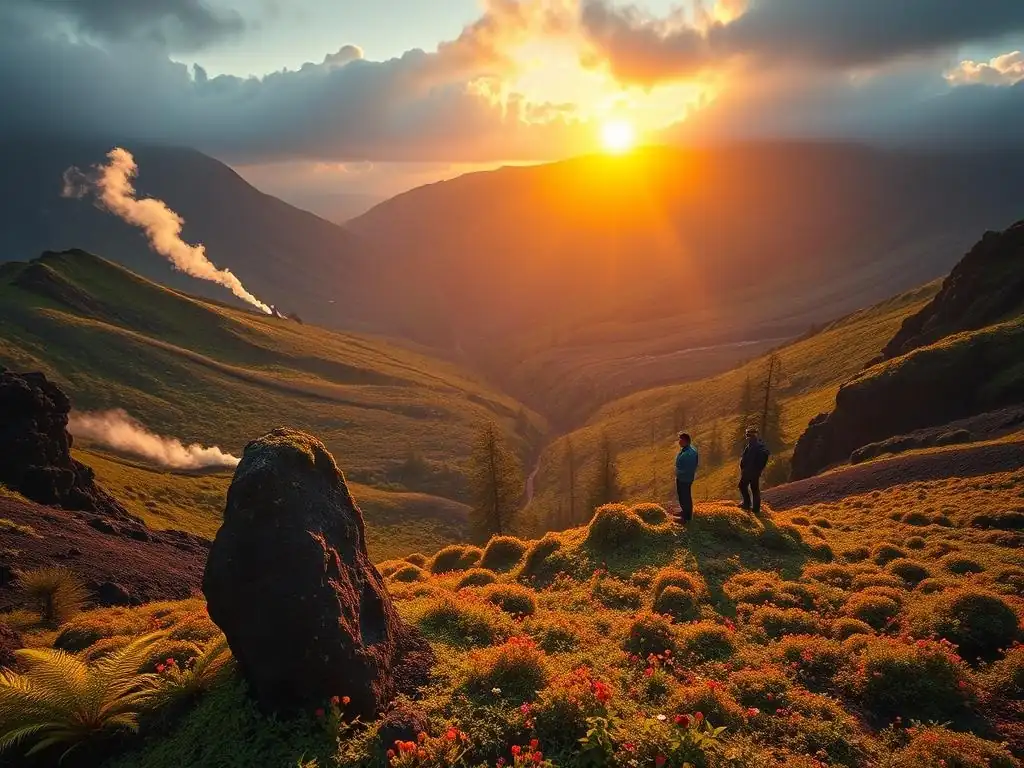
Ever wondered how life finds a foothold in the face of fiery destruction? We invite you to unravel the secrets of resilience in the shadow of giants. Our journey begins with Conservation in Volcanic Landscapes, exploring the surprising and vital conservation strategies needed to protect these fragile, emerging ecosystems. Prepare to witness the remarkable rebirth of life amidst the volcanic ash and discover how we can safeguard these unique environments for generations to come. Intrigued? Dive in and uncover the secrets of volcanic conservation...
- Understanding Volcanic Ecosystems and Their Importance
-
Frequently Asked Questions
- What makes volcanic ecosystems unique and worth conserving?
- What are some of the biggest threats to conservation in volcanic landscapes?
- What are some examples of successful conservation strategies implemented in volcanic areas?
- How can local communities be involved in conservation efforts within volcanic regions?
- How does understanding volcanic activity contribute to better conservation planning?
- Final Reflection: Embracing Volcanic Resilience
- Ignite Your Passion: Champion Volcanic Life!
Understanding Volcanic Ecosystems and Their Importance
The Unique Biodiversity of Volcanic Regions
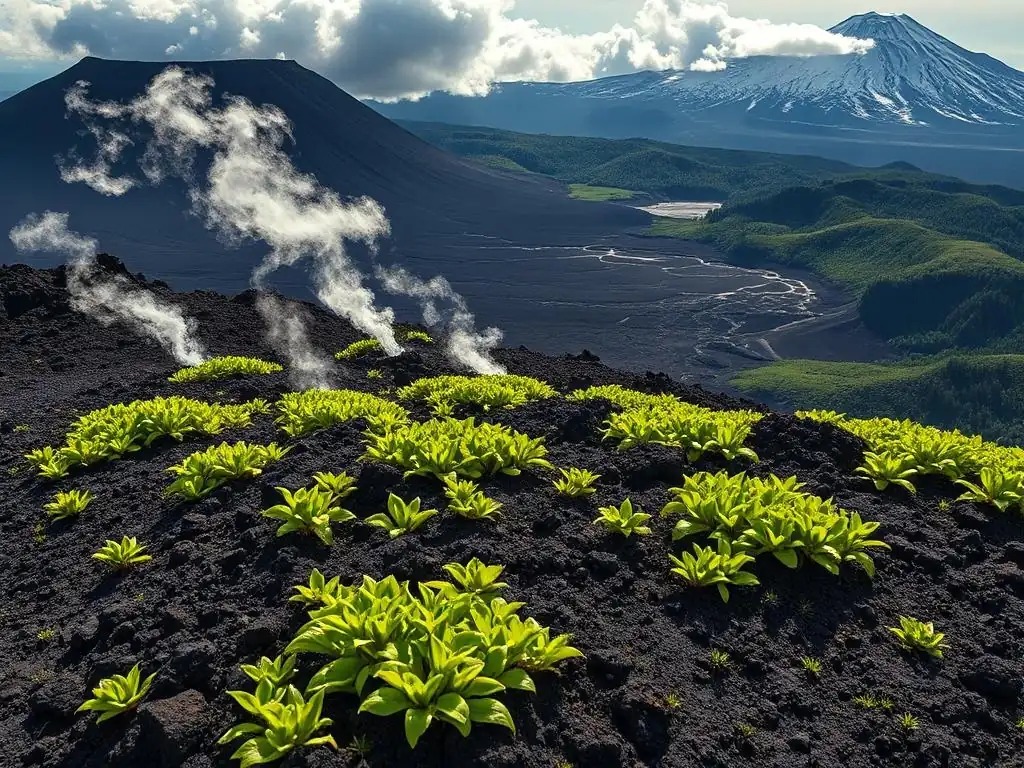
Volcanic landscapes, often perceived as barren and desolate immediately after an eruption, are in fact cradles of unique biodiversity. The very conditions that arise from volcanic activity – newly formed substrates rich in minerals, varied topography, and geographic isolation – contribute to the development of specialized ecosystems. For example, volcanic islands, such as those in Hawaii or the Galapagos, are hotspots of endemism. The isolation prevents widespread species from colonizing, allowing unique evolutionary pathways to unfold. In Hawaii, the ʻōhiʻa lehua tree ( Metrosideros polymorpha ) is a prime example of a species that has diversified significantly across the different volcanic landscapes of the islands, showcasing remarkable adaptation to varying soil types and elevations. Similarly, the Galapagos Islands are famed for their endemic finches, reptiles, and plants, all of which have evolved in response to the islands’ volcanic origins and isolation. These examples highlight how volcanic activity, while initially destructive, ultimately fosters environments conducive to the evolution of highly specialized and often endemic species.
Furthermore, the mineral-rich volcanic soils, although initially lacking in organic matter, provide essential nutrients that can support plant life once weathering processes begin. Pumice and volcanic ash, for instance, can improve soil drainage and aeration, creating niches for plants adapted to these conditions. The diverse microclimates created by volcanic topography, including variations in elevation, slope aspect, and proximity to geothermal features, further enhance habitat heterogeneity.
This mosaic of environmental conditions allows for a wider range of species to coexist within volcanic regions compared to more homogenous landscapes. The interplay of geological forces and ecological processes in volcanic areas creates a dynamic and fascinating tapestry of life, making these ecosystems exceptionally valuable from a biodiversity perspective.
The Role of Ecological Succession in Volcanic Environments
Ecological succession is a fundamental process in volcanic environments, dictating the trajectory of ecosystem development following volcanic disturbances. After a volcanic eruption, particularly a large-scale event like a pyroclastic flow or lava flow that sterilizes the land, primary succession commences. This process begins with the colonization of barren volcanic substrates by pioneer species – organisms capable of surviving in harsh conditions with limited resources.
Lichens and mosses are often the first colonizers, playing a crucial role in breaking down volcanic rock and initiating soil formation. For instance, studies at Mount St. Helens post-eruption have documented the rapid colonization of pumice plains by lupines ( Lupinus lepidus), a nitrogen-fixing plant that improves soil fertility and paves the way for other plant species.
As pioneer species modify the environment, creating more favorable conditions, secondary succession follows. This involves the gradual replacement of early colonizers by later successional species, leading to increasing ecosystem complexity and biodiversity over time. In volcanic landscapes, secondary succession can be influenced by factors such as the type of volcanic deposit, the frequency of disturbances, and the regional climate.
For example, areas affected by ashfall might experience faster secondary succession compared to areas covered by slow-weathering lava flows. The rate and trajectory of succession in volcanic environments are also influenced by seed dispersal mechanisms, nutrient availability, and interactions between species.
Understanding these successional dynamics is crucial for effective conservation planning, as it allows for predicting ecosystem recovery trajectories and identifying key stages and species to target for conservation interventions. The process of ecological succession in volcanic areas is a testament to nature's resilience and ability to regenerate even after catastrophic events.
Why Volcanic Ecosystem Conservation Matters: A Fragile Balance
Conservation of volcanic ecosystems is of paramount importance due to their inherent ecological value and the unique challenges they face. These ecosystems often harbor high levels of endemism, meaning many species found there are found nowhere else on Earth. The loss of volcanic habitats can therefore lead to irreversible global species extinctions. Beyond biodiversity, volcanic ecosystems provide essential ecosystem services.
For example, volcanic soils, once developed, can be highly fertile and support agriculture, benefiting human populations. Volcanic landscapes also play a critical role in water regulation, with volcanic aquifers providing vital water resources in many regions. Furthermore, volcanic areas are often sites of significant cultural and spiritual value for local communities, adding another layer of importance to their conservation.
However, volcanic ecosystems are inherently fragile and vulnerable. The early stages of ecological succession are particularly sensitive to disturbances. Slow soil development, limited nutrient availability, and the specialized adaptations of volcanic species make these ecosystems susceptible to threats such as invasive species, habitat destruction, and climate change. The dynamic nature of volcanic activity itself also poses a challenge.
While eruptions are natural processes that drive ecosystem renewal, increased frequency or intensity of eruptions due to climate change could disrupt recovery processes and threaten vulnerable species. Therefore, conservation efforts in volcanic regions require a proactive and adaptive approach, recognizing the delicate balance between ecological processes and external pressures. Protecting these unique and dynamic ecosystems is crucial not only for biodiversity conservation but also for safeguarding ecosystem services and cultural heritage for future generations.
Frequently Asked Questions
What makes volcanic ecosystems unique and worth conserving?
Volcanic ecosystems are unique because they represent newly formed land and often support specialized life forms adapted to harsh conditions like nutrient-poor soil and high temperatures. Their conservation is important for biodiversity and scientific study.
What are some of the biggest threats to conservation in volcanic landscapes?
Major threats include human activities such as mining, tourism development, and agriculture which can destroy habitat and introduce invasive species. Climate change also poses a threat by altering temperature and precipitation patterns.
What are some examples of successful conservation strategies implemented in volcanic areas?
Successful strategies include establishing protected areas like national parks, implementing sustainable tourism practices, and monitoring volcanic activity to mitigate risks to both people and ecosystems.
How can local communities be involved in conservation efforts within volcanic regions?
Local communities can play a vital role through participatory management, eco-tourism initiatives, and traditional knowledge sharing related to sustainable land use practices. This ensures long-term conservation success.
How does understanding volcanic activity contribute to better conservation planning?
Understanding the frequency and intensity of eruptions helps predict ecosystem disturbance and recovery. This allows for the development of adaptive management strategies that prioritize the long-term resilience of volcanic landscapes.
Final Reflection: Embracing Volcanic Resilience
The preceding exploration of conservation strategies for volcanic ecosystems highlights a crucial truth: nature's capacity for renewal is both powerful and fragile. Understanding the unique challenges and opportunities presented by these dynamic landscapes is not just an academic exercise; it's a vital step towards safeguarding biodiversity in a rapidly changing world, particularly as volcanic activity increases with climate change.
The enduring impact of volcanic eruptions, both destructive and generative, shapes the cultural and social fabric of communities living near these landscapes. Witnessing the slow, yet persistent, return of life after devastation instills a profound respect for nature's resilience and underscores the importance of proactive conservation efforts. As the saying goes: The strongest steel is forged in the hottest fire.
This holds true for ecosystems as well, and it is our responsibility to ensure they have the chance to rebuild.
Now, consider the lessons learned from these resilient volcanic ecosystems. How can we apply these principles of adaptation, collaboration, and long-term vision to other conservation challenges we face? Let us all strive to be stewards of these emerging landscapes, fostering environments where life can flourish, even in the face of adversity. Let us ensure that future generations can witness the awe-inspiring power of nature's rebirth.
Ignite Your Passion: Champion Volcanic Life!
Thank you for exploring the fascinating world of volcanic ecosystems and the crucial role of conservation. You've now gained invaluable insights into the resilience of life in these dynamic environments. Ready to make a difference?
Here's how you can contribute to protecting these emerging wonders:
- Become a Volcano Explorer! Sign up for our newsletter to receive updates on conservation efforts, research expeditions, and opportunities to support our projects directly.
- Share this article! Help spread awareness about the unique biodiversity of volcanic landscapes and the importance of their protection by sharing this article with your network.
- Consider innovative conservation strategies specific to volcanic environments. What unique challenges do they present, and what solutions can you envision?
What small step will you take today to help preserve these vital ecosystems? Share your thoughts in the comments below!