
Geothermal Oases: Unique Ecosystems Thriving in Volcanic Heat

Welcome to Volcano Explorers!
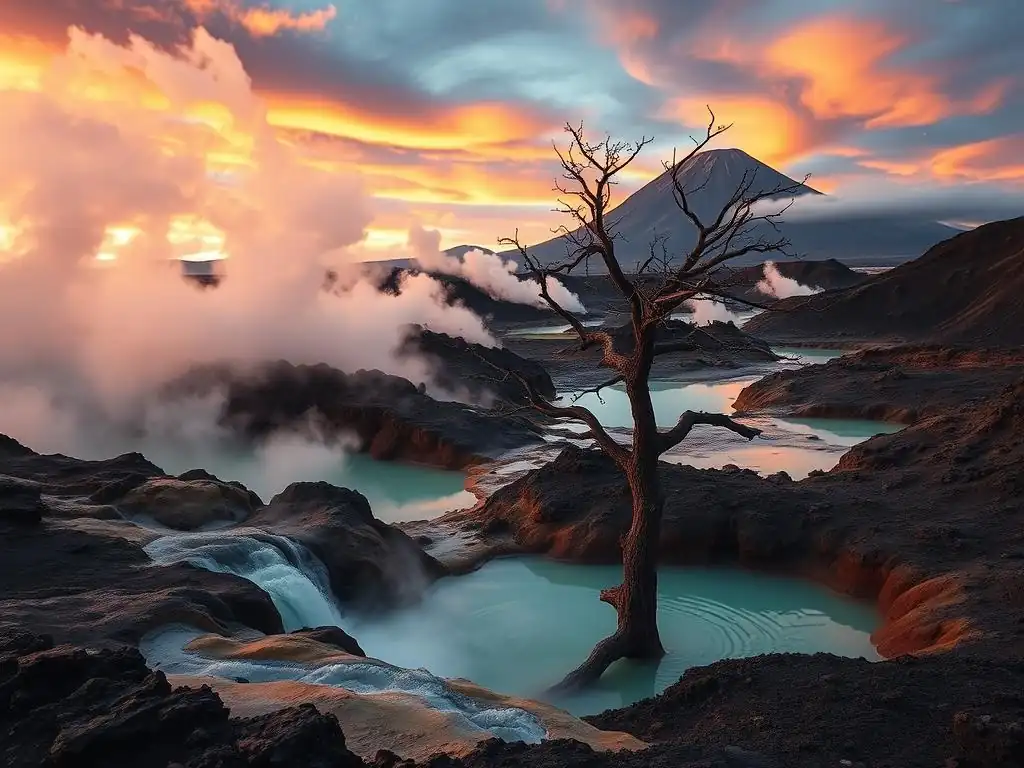
Prepare to be amazed. Beyond the fiery spectacle and destructive power, volcanoes harbor secrets you might never expect. What if we told you that life, in its most resilient and extraordinary forms, thrives within the very heart of these geological giants? Dive into our latest exploration of Geothermal Oases and discover the fascinating, often bizarre, geothermal ecosystems in volcanoes that challenge everything we thought we knew about life on Earth. Are you ready to uncover these hidden worlds?
- Introduction: Life Finds a Way in Volcanic Environments
- Understanding Geothermal Ecosystems in Volcanoes
- Examples of Thriving Geothermal Oases Around the World
- Specialized Life Forms in Volcanic Geothermal Areas
- The Ecological Significance of Geothermal Ecosystems
- Threats to Geothermal Ecosystems in Volcanoes
- Conservation Efforts for Volcanic Geothermal Ecosystems
- The Future of Geothermal Ecosystems in a Changing World
- Conclusion: Appreciating the Resilience of Life in Volcanic Heat
-
Frequently Asked Questions
- What are geothermal ecosystems, and where are they typically found?
- Why are geothermal ecosystems considered "oases" in volcanic environments?
- What types of organisms are commonly found in geothermal ecosystems within volcanoes?
- What makes studying geothermal ecosystems in volcanoes important for scientific research?
- How does volcanic activity impact the long-term survival of geothermal ecosystems?
- Final Reflection: Embracing Life's Extremes
Introduction: Life Finds a Way in Volcanic Environments
Volcanoes, often perceived as harbingers of destruction and desolation, are also cradles of life in some of the most unexpected ways. While eruptions can indeed devastate landscapes, the persistent heat and unique chemical conditions associated with volcanic activity create extraordinary environments known as geothermal ecosystems.
These are places where life not only survives but thrives, often in forms dramatically different from what we find in more familiar settings. Far from barren wastelands, volcanic regions can host vibrant communities of organisms that have adapted to harness energy and nutrients from the Earth's internal heat, showcasing nature's remarkable capacity for resilience and adaptation in the face of seemingly hostile conditions.
These geothermal ecosystems, often found in volcanic areas, are not just scientific curiosities. They are crucial for understanding the limits of life, the origins of life on Earth, and even the potential for life beyond our planet. The study of these unique habitats provides valuable insights into ecological processes and the intricate web of life that can emerge even in environments dominated by extreme temperatures and unusual chemistry. By exploring these volcanic geothermal areas, we can gain a deeper appreciation for the versatility and tenacity of life itself.
Understanding Geothermal Ecosystems in Volcanoes
What Defines a Geothermal Ecosystem?
A geothermal ecosystem is defined by its primary energy source: heat emanating from the Earth's interior, often associated with volcanic activity. Unlike most ecosystems that rely on solar energy through photosynthesis, geothermal ecosystems are fueled by geothermal energy. This heat drives chemical reactions and creates unique physical and chemical conditions that dictate the types of organisms that can inhabit these areas.
These ecosystems are characterized by hydrothermal features such as hot springs, fumaroles, geysers, and mud pots, all of which are surface manifestations of underground geothermal activity. The temperature gradients, mineral-rich waters, and often extreme pH levels in these environments create niches for specialized life forms that are adapted to these specific conditions.
The boundaries of a geothermal ecosystem are often determined by the reach of geothermal influence. This means that the ecosystem extends as far as the geothermal heat and associated chemical compounds significantly alter the environment, influencing the types of organisms present and their interactions. For instance, in a volcanic landscape, a geothermal ecosystem might encompass a hot spring and the surrounding area where the soil temperature is elevated and the water chemistry is distinct from the surrounding environment.
These systems are not isolated islands of life but are interconnected with the broader landscape, although they maintain distinct characteristics due to their unique energy source and environmental conditions. Understanding the spatial extent and defining characteristics of these geothermal ecosystems in volcanoes is crucial for their study and conservation.
The Role of Volcanic Heat in Sustaining Life
Volcanic heat is the fundamental energy source that sustains geothermal ecosystems. This heat, originating from magma chambers beneath the Earth's surface, drives hydrothermal circulation. As groundwater percolates down through fractured rocks, it is heated by the magma and rises back to the surface, carrying dissolved minerals and gases from deep within the Earth's crust.
This hot, mineral-rich water emerges at the surface as hot springs, geysers, and fumaroles, creating the physical and chemical conditions necessary for unique life forms to thrive. The consistent supply of heat ensures that these ecosystems can persist even in the absence of sunlight, supporting life processes through chemosynthesis rather than photosynthesis.
The temperature gradients within geothermal areas are critical for biodiversity. Organisms in geothermal ecosystems have evolved to tolerate a wide range of temperatures, from near boiling in some hot springs to more moderate temperatures in outflow channels and surrounding soils. This temperature variation creates a mosaic of habitats, allowing for the coexistence of diverse microbial communities.
For example, some bacteria thrive in extremely hot conditions (thermophiles), while others prefer slightly cooler temperatures. Furthermore, the heat influences the chemical reactions that occur in these environments, affecting nutrient availability and the types of energy sources available for life. Volcanic heat, therefore, is not just a source of warmth; it is the engine that drives the biogeochemical cycles and ecological processes within geothermal ecosystems in volcanoes.
Unique Chemical Compositions in Volcanic Geothermal Areas
Volcanic geothermal areas are characterized by unique chemical compositions, distinct from typical surface environments. The hydrothermal fluids that emerge from the Earth's crust are rich in dissolved minerals and gases leached from the surrounding rocks and magma. Common chemical components include sulfur, hydrogen sulfide (H₂S), methane (CH₄), ammonia (NH₃), iron, and various trace metals. The concentration and composition of these chemicals vary depending on the geological setting, the type of volcanic activity, and the depth of the hydrothermal system. For example, areas with high sulfur content often support sulfur-oxidizing bacteria, while methane-rich environments can host methanotrophic microorganisms.
The pH levels in volcanic geothermal areas are also highly variable and can range from extremely acidic to alkaline. Acidic hot springs, often associated with volcanic fumaroles, can have pH values as low as 1 or 2 due to the presence of sulfuric acid (H₂SO₄) formed from the oxidation of hydrogen sulfide. Conversely, alkaline hot springs, common in some rift valleys, can have pH values above 9 or 10, often due to dissolved carbonates and bicarbonates.
These extreme pH conditions are selective forces, favoring organisms that have adapted to tolerate and even utilize these chemical extremes. The unique chemical cocktail found in volcanic geothermal ecosystems is not only a defining characteristic but also a critical resource that fuels chemosynthetic life and shapes the biodiversity of these remarkable habitats.
Examples of Thriving Geothermal Oases Around the World
Geothermal Ecosystems in Yellowstone National Park: A Case Study
Yellowstone National Park, situated atop a volcanic hotspot, is a prime example of thriving geothermal ecosystems in volcanoes. The park boasts over 10,000 hydrothermal features, including geysers like Old Faithful, hot springs such as Grand Prismatic Spring, and fumaroles and mud pots scattered throughout the landscape.
These features are powered by the immense heat reservoir beneath Yellowstone, a supervolcano system capable of generating vast quantities of geothermal energy. The diverse array of geothermal features in Yellowstone supports a wide range of microbial life, from colorful thermophilic bacteria and archaea that paint the hot springs in vibrant hues to chemosynthetic microorganisms that form the base of the food web in these extreme environments.
One notable example within Yellowstone is Mammoth Hot Springs, characterized by travertine terraces formed by the deposition of calcium carbonate from the hot spring water. These terraces host microbial mats composed of cyanobacteria and other thermophiles, creating visually stunning and ecologically rich habitats. Another example is the Norris Geyser Basin, known for its acidic hot springs and geysers, which harbor acidophilic microorganisms adapted to low pH conditions.
Research in Yellowstone's geothermal areas has been instrumental in understanding the diversity and function of life in extreme environments and has even led to the discovery of Taq polymerase, an enzyme crucial for PCR (Polymerase Chain Reaction) technology, highlighting the biotechnological potential of these volcanic geothermal ecosystems. Yellowstone serves as a living laboratory for studying the interactions between geology, chemistry, and biology in volcanic settings.
Iceland's Geothermal Hotspots: Habitats for Specialized Life
Iceland, aptly nicknamed the "Land of Fire and Ice," is another region where geothermal ecosystems flourish due to its intense volcanic activity along the Mid-Atlantic Ridge. The island nation is dotted with numerous geothermal areas, ranging from steaming fumarole fields to bubbling mud pools and soothing hot springs used for recreation and heating.
These geothermal hotspots in Iceland are not only visually striking but also support unique biological communities adapted to the island's volcanic conditions. Iceland's geothermal areas are particularly significant because they occur in a relatively cold, high-latitude environment, making them distinct from geothermal ecosystems in tropical or temperate regions.
One prominent example is the geothermal area around Lake Mývatn in northern Iceland, known for its diverse geothermal features and associated microbial life. The hot springs and mud pools in this area host thermophilic bacteria and archaea, many of which are involved in sulfur cycling and other biogeochemical processes. Iceland's geothermal environments are also home to extremophile algae and fungi, further expanding the known range of life in extreme conditions.
Furthermore, studies of Icelandic geothermal ecosystems have provided insights into the adaptation mechanisms of organisms to cold-adapted geothermal environments and the potential for life in similar conditions on other planets or icy moons. The accessibility and diversity of Iceland's geothermal areas make them valuable sites for research and conservation, showcasing the resilience of life in volcanic landscapes even in harsh climates.
East African Rift Valley: Alkaline Hot Springs and Specialized Fish
The East African Rift Valley, a tectonically active region marked by volcanoes and extensive fault systems, hosts a unique type of geothermal ecosystem: alkaline hot springs. Unlike the acidic hot springs common in many volcanic regions, the hot springs of the East African Rift Valley are characterized by high pH values (often above 9) due to the dissolution of sodium carbonate and bicarbonate minerals from volcanic rocks.
These alkaline hot springs, such as those found in Lake Bogoria and Lake Magadi in Kenya, support specialized microbial communities and, remarkably, even fish adapted to these extreme conditions. The high alkalinity and elevated temperatures create a challenging environment, but life has found a way to thrive.
One of the most striking examples of adaptation in these geothermal ecosystems is the presence of extremophile fish, notably the Lake Magadi tilapia ( Alcolapia grahami). This fish is uniquely adapted to survive in the highly alkaline and hot waters of Lake Magadi, where temperatures can reach up to 45°C and pH levels are among the highest recorded in natural waters. These tilapia have evolved physiological mechanisms to cope with the extreme alkalinity, including specialized gills and kidneys for ion regulation.
The alkaline hot springs of the East African Rift Valley also harbor diverse microbial communities, including cyanobacteria and archaea that contribute to primary production and nutrient cycling in these unique ecosystems. These ecosystems demonstrate that geothermal oases are not limited to acidic environments but can also exist in alkaline settings, supporting a wide array of specialized life forms, including macroscopic organisms like fish.
Specialized Life Forms in Volcanic Geothermal Areas
Thermophiles: Heat-Loving Microorganisms
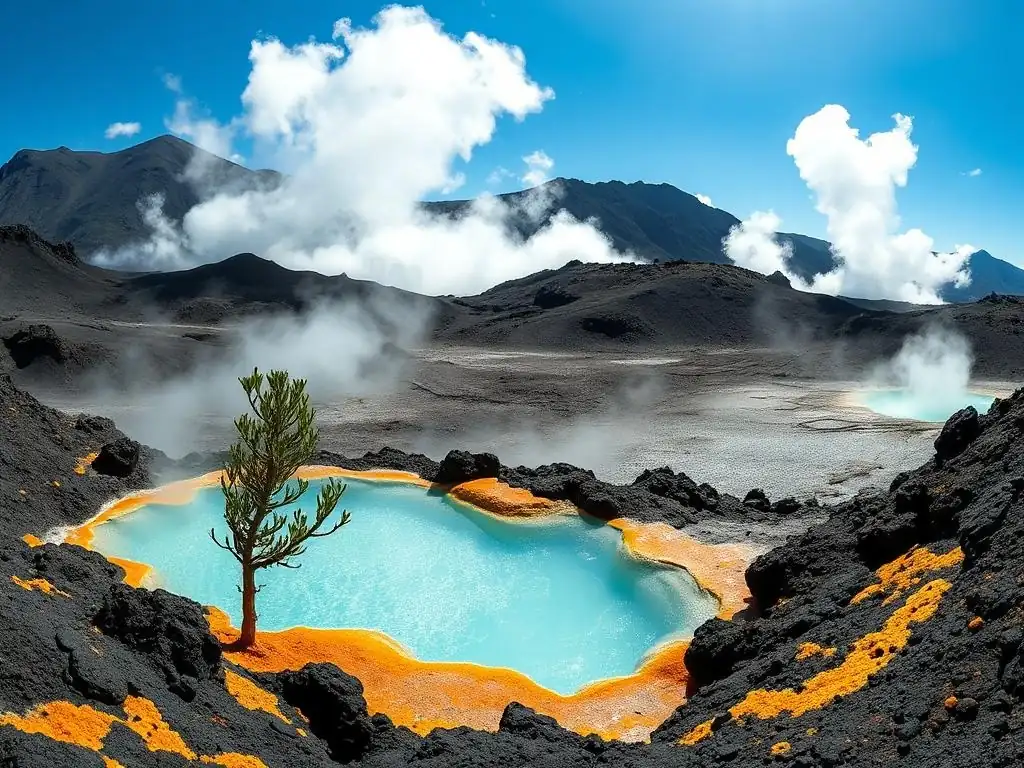
Thermophiles, meaning "heat-loving," are microorganisms that thrive in high-temperature environments, such as those found in volcanic geothermal areas. These organisms, primarily bacteria and archaea, have evolved remarkable adaptations that allow them to survive and reproduce at temperatures that would be lethal to most other life forms. Thermophiles are not merely tolerant of heat; they require it for optimal growth. Their enzymes and cellular structures are specifically designed to function at elevated temperatures, often above 50°C and even exceeding 80°C or 90°C in some extreme thermophiles.
Examples of thermophiles are abundant in volcanic hot springs worldwide. Thermus aquaticus, a bacterium first isolated from a hot spring in Yellowstone National Park, is perhaps the most famous thermophile due to its crucial role in biotechnology. Its heat-stable DNA polymerase, Taq polymerase, revolutionized molecular biology by enabling the polymerase chain reaction (PCR).
Other thermophilic genera include Sulfolobus, archaea that thrive in acidic hot springs and are involved in sulfur oxidation, and Geobacter, bacteria that can utilize iron as an electron acceptor in anaerobic respiration, playing a role in biogeochemical cycling in geothermal sediments. Thermophiles are not only fascinating examples of adaptation to extreme environments but also hold immense potential for industrial and biotechnological applications due to their heat-stable enzymes and metabolic capabilities.
Acidophiles: Organisms Thriving in Acidic Environments
Acidophiles are organisms that flourish in highly acidic environments, conditions frequently encountered in volcanic geothermal areas, particularly in fumaroles and some hot springs where volcanic gases contribute to low pH levels. These organisms, including bacteria, archaea, fungi, and algae, have evolved mechanisms to maintain their internal cellular pH at a near-neutral level despite the extremely acidic external environment. Acidophiles are not just tolerant of acidity; they often require it for growth, and many are inhibited by neutral or alkaline pH conditions.
Examples of acidophiles are found in acidic hot springs around the world. Acidithiobacillus ferrooxidans, a bacterium commonly found in acid mine drainage and acidic geothermal areas, is a well-studied acidophile known for its ability to oxidize iron and sulfur minerals, contributing to the acidity of these environments. Picrophilus oshimae, an archaeon isolated from acidic hot springs in Japan, is one of the most acidophilic organisms known, thriving at pH values near 0.
Acidophilic algae, such as species of Cyanidium, can also be found in acidic geothermal pools, often contributing to primary production in these extreme habitats. The study of acidophiles provides insights into the limits of life in low pH conditions and the biochemical adaptations that allow organisms to thrive in such environments.
Extremophiles: Adapting to Extreme Volcanic Conditions
Extremophiles are organisms that thrive in extreme environments, pushing the boundaries of what was once considered habitable. Volcanic geothermal areas are hotspots for extremophiles, as they present a combination of extreme conditions, including high temperatures, extreme pH (both acidic and alkaline), high salinity, and high concentrations of heavy metals. Extremophiles found in these volcanic settings showcase a remarkable diversity of adaptations to cope with these multiple stresses. They provide insights into the range of conditions under which life can exist and the evolutionary strategies organisms employ to colonize and flourish in seemingly inhospitable places.
Beyond thermophiles and acidophiles, other types of extremophiles are found in volcanic geothermal ecosystems. Halophiles, salt-loving organisms, can be found in geothermal areas with high salt concentrations, such as some geothermal lakes and coastal hot springs. Metal-tolerant organisms, capable of withstanding high concentrations of heavy metals leached from volcanic rocks, are also common in geothermal areas.
Polyextremophiles are organisms that can tolerate multiple extreme conditions simultaneously, such as thermoacidophiles that thrive in both high temperatures and low pH. The study of extremophiles in volcanic geothermal areas not only expands our understanding of the diversity of life but also has implications for astrobiology, as these environments may resemble conditions on other planets or moons where life might exist.
The Ecological Significance of Geothermal Ecosystems
Biodiversity Hotspots in Volcanic Landscapes
Despite their extreme conditions, volcanic geothermal ecosystems are considered biodiversity hotspots, particularly for microbial life. These environments harbor a remarkable diversity of bacteria, archaea, fungi, algae, and even some specialized invertebrates and fish. While the overall species richness might be lower compared to more temperate ecosystems, the unique evolutionary lineages and functional diversity found in geothermal areas are exceptionally high. Many microbial species found in these habitats are endemic, meaning they are found nowhere else on Earth, highlighting the importance of geothermal ecosystems for preserving unique genetic resources.
The high biodiversity in geothermal ecosystems is driven by the diverse array of microhabitats created by temperature gradients, pH variations, and chemical gradients within these areas. Each hot spring, fumarole, or mud pot can represent a distinct niche, supporting different microbial communities adapted to specific conditions.
Furthermore, the chemosynthetic nature of these ecosystems, where energy is derived from chemical compounds rather than sunlight, supports a food web that is fundamentally different from photosynthetic ecosystems, contributing to overall ecological diversity. The study and conservation of geothermal ecosystems are crucial for preserving this unique biodiversity and understanding the ecological processes that maintain it.
Chemosynthesis: Energy Production Without Sunlight
Chemosynthesis is the process by which organisms use chemical energy to produce organic compounds, similar to how photosynthesis uses sunlight. In volcanic geothermal ecosystems, chemosynthesis is the primary mode of energy production, forming the base of the food web. Since sunlight is not the primary energy source, these ecosystems can thrive in dark environments, such as deep-sea hydrothermal vents (which are also volcanically driven) and subsurface geothermal areas. Chemosynthetic microorganisms, primarily bacteria and archaea, utilize inorganic chemical compounds, such as hydrogen sulfide, methane, ammonia, or ferrous iron, as energy sources.
Different types of chemosynthesis occur in volcanic geothermal areas, depending on the available chemical compounds. Sulfur oxidation, performed by bacteria like Sulfolobus and Acidithiobacillus, is a common form of chemosynthesis in sulfur-rich hot springs and fumaroles, converting hydrogen sulfide or elemental sulfur into energy and sulfuric acid. Methane oxidation, carried out by methanotrophic bacteria, utilizes methane released from volcanic sources or deep subsurface reservoirs.
Nitrification, the oxidation of ammonia to nitrite and nitrate, and iron oxidation are other important chemosynthetic pathways found in geothermal ecosystems. Chemosynthesis not only sustains microbial life but also provides energy and nutrients for higher trophic levels in these ecosystems, highlighting its fundamental ecological role in volcanic landscapes.
The Base of the Food Chain in Geothermal Environments
In volcanic geothermal ecosystems, chemosynthetic microorganisms form the base of the food chain, playing a role analogous to plants in photosynthetic ecosystems. These microorganisms, through chemosynthesis, convert inorganic compounds and geothermal energy into organic matter, creating primary producers that are then consumed by other organisms. The food web in geothermal ecosystems is often complex, involving various trophic levels from primary producers to consumers, grazers, and predators, although the complexity may vary depending on the specific ecosystem.
For example, in microbial mats found in hot springs, chemosynthetic bacteria and archaea form the primary producer layer. These microorganisms are then grazed upon by protists, nematodes, or other small invertebrates that are adapted to the geothermal environment. In some geothermal ecosystems, such as those in the East African Rift Valley, specialized fish like the Lake Magadi tilapia directly or indirectly feed on microbial biomass, representing higher trophic levels in the food chain.
Viruses also play a significant role in geothermal food webs, influencing microbial populations through lysis and nutrient cycling. Understanding the structure and function of food chains in geothermal ecosystems is crucial for comprehending the overall ecology of these unique volcanic habitats and the flow of energy and nutrients within them.
Threats to Geothermal Ecosystems in Volcanoes
Geothermal Energy Exploitation and its Impact
Geothermal energy, harnessed from the Earth's internal heat, is increasingly recognized as a renewable and sustainable energy source. Volcanic regions, with their abundant geothermal resources, are prime locations for geothermal power plants. However, geothermal energy exploitation can pose significant threats to geothermal ecosystems in volcanoes if not managed sustainably. The extraction of geothermal fluids and the alteration of geothermal flow patterns can disrupt the delicate balance of these ecosystems, impacting water chemistry, temperature regimes, and the habitats of specialized organisms.
Direct impacts of geothermal energy development include habitat destruction due to drilling and infrastructure construction, alteration of hot spring flow rates and temperatures, and changes in water chemistry due to fluid extraction and reinjection. These changes can be detrimental to thermophilic and other extremophile communities that are highly sensitive to environmental conditions. For instance, changes in hot spring chemistry can eliminate specific microbial species that rely on particular chemical compounds.
Sustainable geothermal energy development requires careful planning, environmental impact assessments, and mitigation measures to minimize the negative effects on geothermal ecosystems. Balancing the need for renewable energy with the conservation of these unique habitats is a critical challenge.
Climate Change and its Effects on Volcanic Habitats
Climate change, driven by human activities, poses a global threat to ecosystems, and volcanic geothermal ecosystems are not immune to its effects. Changes in temperature and precipitation patterns, altered hydrological cycles, and increased frequency of extreme weather events can all impact these sensitive habitats. While geothermal heat is a deep-Earth source, surface climate conditions can influence the recharge of geothermal systems, the flow rates of hot springs, and the overall environmental conditions within geothermal areas.
Rising global temperatures could affect the temperature regimes of geothermal features, potentially exceeding the tolerance limits of some thermophilic organisms or altering the competitive balance within microbial communities. Changes in precipitation patterns could affect groundwater recharge and the availability of water for geothermal systems, leading to reduced flow rates or even the drying up of some hot springs.
Furthermore, extreme weather events, such as heavy rainfall or droughts, could cause physical damage to geothermal features or alter their chemistry. Climate change impacts on volcanic geothermal ecosystems are complex and require further research to understand the specific vulnerabilities and develop effective conservation strategies.
Invasive Species in Geothermal Regions
Invasive species, organisms introduced to areas outside their native range, are a major threat to biodiversity worldwide, and geothermal ecosystems in volcanoes are also vulnerable to invasion. While the extreme conditions in geothermal areas might seem to limit invasion, some non-native species, particularly microorganisms and some invertebrates, can tolerate and even thrive in these environments, outcompeting native species or disrupting ecological processes. Human activities, such as tourism, geothermal energy development, and scientific research, can inadvertently introduce invasive species to geothermal areas.
Examples of potential invasive species in geothermal ecosystems include non-native thermophilic bacteria or archaea, which could alter microbial community composition and biogeochemical cycling. Invasive invertebrates or plants could also colonize geothermal outflow areas or surrounding terrestrial habitats, impacting native species and ecosystem structure.
The relative isolation of some geothermal ecosystems can make them particularly vulnerable to invasive species, as native organisms may not have evolved defenses against novel competitors or predators. Preventing the introduction and spread of invasive species in volcanic geothermal areas requires biosecurity measures, monitoring programs, and, in some cases, active management strategies to control or eradicate established invasive populations.
Conservation Efforts for Volcanic Geothermal Ecosystems
Protecting Geothermal Habitats: National Parks and Reserves
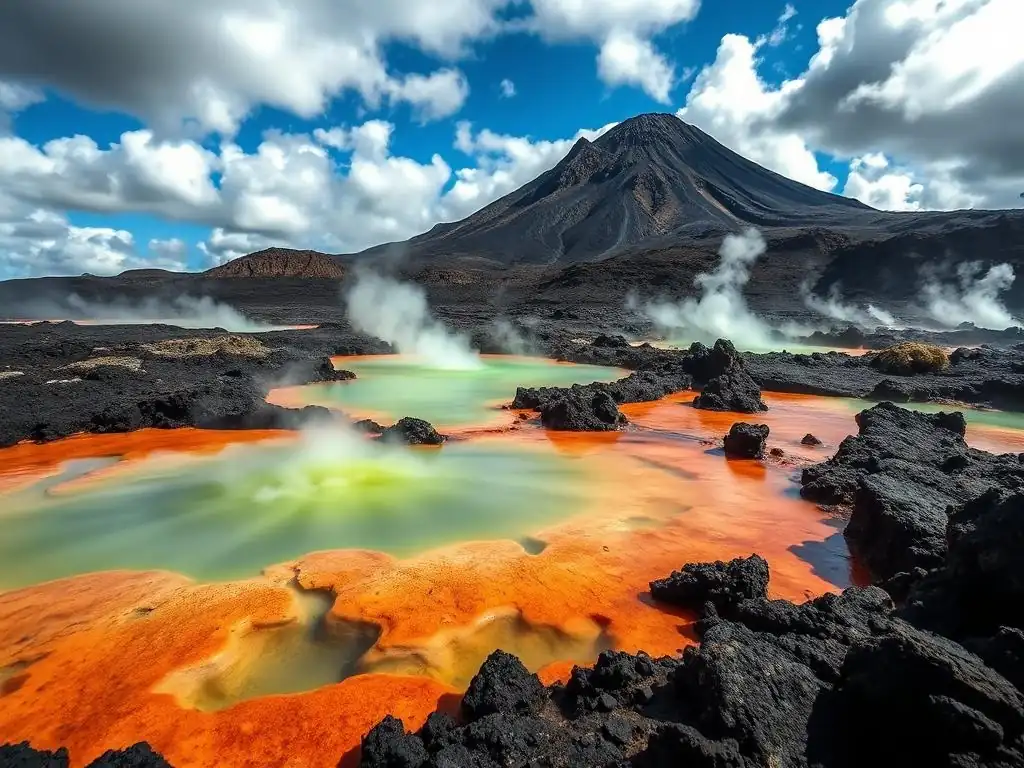
Protecting geothermal habitats, including volcanic geothermal ecosystems, is crucial for conserving their unique biodiversity and ecological significance. One of the most effective strategies for conservation is the establishment of protected areas, such as national parks, nature reserves, and wilderness areas, that encompass significant geothermal features. These protected areas provide legal frameworks and management structures to safeguard geothermal ecosystems from various threats, including habitat destruction, geothermal energy exploitation, and invasive species.
Yellowstone National Park in the United States is a prime example of a protected area that effectively conserves a vast array of geothermal features and associated ecosystems. National parks and reserves can implement regulations to control human activities within geothermal areas, such as limiting tourism impacts, restricting geothermal energy development, and managing invasive species. Furthermore, protected areas often facilitate scientific research and monitoring efforts, which are essential for understanding geothermal ecosystems and informing conservation management decisions. Expanding the network of protected areas that include volcanic geothermal habitats is a key step in ensuring their long-term conservation.
Sustainable Geothermal Energy Development
Sustainable geothermal energy development is essential for minimizing the negative impacts on volcanic geothermal ecosystems while still harnessing this valuable renewable energy resource. Sustainable practices involve careful planning, environmental impact assessments, and mitigation measures throughout the geothermal energy development process, from exploration and drilling to operation and decommissioning. Key aspects of sustainable development include minimizing habitat destruction, protecting water resources, and preventing pollution.
Reinjection of geothermal fluids after energy extraction is a crucial sustainable practice that helps maintain reservoir pressure and reduces water consumption. Careful siting of geothermal power plants and infrastructure can minimize habitat fragmentation and disturbance to sensitive geothermal features. Monitoring geothermal systems and ecosystems during operation is essential for detecting and mitigating any adverse effects.
Furthermore, technological advancements in geothermal energy extraction, such as enhanced geothermal systems (EGS) that access deeper and hotter resources, can potentially reduce the reliance on shallow hydrothermal systems that are more directly linked to surface geothermal ecosystems. Promoting and implementing sustainable geothermal energy development practices are vital for ensuring the coexistence of renewable energy production and the conservation of volcanic geothermal ecosystems.
Monitoring and Research of Volcanic Ecosystems
Continuous monitoring and scientific research are indispensable for effective conservation of volcanic geothermal ecosystems. Monitoring programs track the physical, chemical, and biological characteristics of geothermal features over time, providing early warnings of potential threats or changes in ecosystem health. Key monitoring parameters include temperature, pH, water chemistry, flow rates of hot springs, and the composition of microbial communities. Long-term monitoring data are essential for understanding the natural variability of geothermal systems and distinguishing anthropogenic impacts from natural fluctuations.
Scientific research plays a critical role in advancing our understanding of volcanic geothermal ecosystems, their biodiversity, ecological processes, and responses to environmental changes. Research areas include microbial ecology, biogeochemistry, extremophile physiology, and the impacts of climate change and human activities. Technological advancements, such as metagenomics and environmental DNA analysis, are revolutionizing our ability to study microbial diversity and ecosystem function in these complex environments. Investing in long-term monitoring and research is essential for developing evidence-based conservation strategies and ensuring the sustainable management of volcanic geothermal ecosystems for future generations.
The Future of Geothermal Ecosystems in a Changing World
Adapting to Environmental Challenges
Volcanic geothermal ecosystems, like all ecosystems, face an uncertain future in a rapidly changing world. Adapting to environmental challenges, particularly climate change and increasing human pressures, is crucial for the long-term survival of these unique habitats. Understanding the resilience and adaptive capacity of geothermal ecosystems is essential for developing effective conservation strategies. Some organisms in geothermal areas may possess inherent resilience due to their adaptations to extreme and fluctuating conditions. However, the pace and magnitude of current environmental changes may exceed the adaptive capacity of some species or ecosystems.
Conservation efforts need to focus on enhancing the resilience of geothermal ecosystems to environmental challenges. This may involve protecting core geothermal areas from direct human impacts, managing surrounding landscapes to buffer against climate change effects, and promoting connectivity between geothermal habitats to facilitate species dispersal and adaptation. Adaptive management approaches, which involve continuous monitoring, evaluation, and adjustment of conservation strategies based on new information and changing conditions, are essential for navigating the uncertainties of the future. Proactive and adaptive conservation measures are needed to ensure that volcanic geothermal ecosystems can persist in a changing world.
The Importance of Continued Research and Conservation
Continued research and conservation efforts are paramount for safeguarding volcanic geothermal ecosystems for future generations. These ecosystems hold immense scientific value, providing insights into the limits of life, the origins of life, and the potential for life beyond Earth. They also possess unique biodiversity and ecological functions that are worth preserving for their intrinsic value and potential benefits to humanity, such as biotechnological resources. However, geothermal ecosystems are often overlooked in broader conservation agendas, and their vulnerability to various threats requires increased attention and action.
Prioritizing research and conservation efforts for volcanic geothermal ecosystems requires increased public awareness, policy support, and financial investment. Educating the public about the importance of these ecosystems and the threats they face can foster a sense of stewardship and support for conservation actions. Integrating geothermal ecosystem conservation into national and international biodiversity conservation strategies is essential for ensuring their long-term protection.
Furthermore, increased funding for research and monitoring is needed to enhance our understanding of these complex systems and develop effective conservation management practices. Investing in research and conservation is an investment in the future of these unique and valuable volcanic habitats.
The Role of Metagenomics in Understanding Microbial Diversity
Metagenomics, the study of genetic material recovered directly from environmental samples, is revolutionizing our understanding of microbial diversity in volcanic geothermal ecosystems. Traditional culture-based methods capture only a small fraction of the microbial diversity present in these environments. Metagenomics allows us to access the genetic information of entire microbial communities, including unculturable microorganisms, providing a much more comprehensive picture of microbial diversity and community structure. This approach is particularly valuable in geothermal ecosystems, where microbial life is often dominated by novel and uncultured species.
Metagenomic studies have revealed an astonishing level of microbial diversity in volcanic geothermal areas, uncovering new phylogenetic lineages, metabolic pathways, and functional genes. These studies have expanded our understanding of the range of life in extreme conditions and the evolutionary adaptations of extremophiles. Metagenomics is also providing insights into the functional roles of different microbial groups in geothermal ecosystems, such as their contributions to biogeochemical cycling and food web dynamics.
Furthermore, metagenomic data can be used to monitor changes in microbial community composition in response to environmental changes or human impacts, providing valuable information for conservation management. The continued application of metagenomics and other advanced molecular techniques will be crucial for unlocking the full potential of microbial diversity research in volcanic geothermal ecosystems and informing conservation strategies.
Conclusion: Appreciating the Resilience of Life in Volcanic Heat
Volcanic geothermal ecosystems are remarkable testament to the resilience and adaptability of life. In environments often characterized by extreme heat, unusual chemistry, and volcanic dynamism, life not only persists but flourishes in diverse and specialized forms. These geothermal oases, scattered across volcanic landscapes around the world, are biodiversity hotspots, harboring unique microbial communities and in some cases, specialized macroscopic organisms. They are powered by geothermal energy, forming chemosynthetic food webs that function independently of sunlight, showcasing alternative pathways for life to thrive.
Despite their ecological significance and scientific value, volcanic geothermal ecosystems face numerous threats, including geothermal energy exploitation, climate change, and invasive species. Conserving these unique habitats requires a concerted effort involving protected areas, sustainable development practices, and continued research and monitoring. By appreciating the resilience of life in volcanic heat and understanding the ecological intricacies of geothermal ecosystems, we can work towards ensuring their long-term preservation for future generations, safeguarding these extraordinary examples of life's tenacity in extreme environments.
Frequently Asked Questions
What are geothermal ecosystems, and where are they typically found?
Geothermal ecosystems are unique biological communities that thrive in areas with geothermal activity, such as volcanic regions. They are often found near hot springs, fumaroles, and other areas where heat from the Earth's interior reaches the surface.
Why are geothermal ecosystems considered "oases" in volcanic environments?
These ecosystems are considered oases because they provide stable and life-sustaining conditions in otherwise harsh volcanic landscapes. The heat and chemicals from geothermal sources support specialized organisms that can't survive elsewhere.
What types of organisms are commonly found in geothermal ecosystems within volcanoes?
You'll find extremophiles like thermophilic bacteria and archaea, which thrive in high temperatures. Some specialized plants, insects, and even small animals have adapted to the unique chemical and thermal conditions of these environments.
What makes studying geothermal ecosystems in volcanoes important for scientific research?
Studying these ecosystems provides insights into the limits of life on Earth and the potential for life in extreme environments on other planets. They also offer clues about the early evolution of life and the role of geothermal activity in that process.
How does volcanic activity impact the long-term survival of geothermal ecosystems?
While geothermal activity is essential for their existence, excessive volcanic eruptions or changes in geothermal output can disrupt or destroy these fragile ecosystems. The balance between heat and stability is crucial for their survival.
Final Reflection: Embracing Life's Extremes
The exploration of geothermal ecosystems within volcanic landscapes reveals more than just scientific curiosity; it underscores the remarkable resilience of life itself. These oases of warmth and biodiversity, defying the harsh conditions of volcanic environments, serve as a potent reminder that life finds a way, even in the most unexpected and challenging corners of our planet.
The enduring impact of these geothermal ecosystems extends beyond their scientific significance. They challenge our preconceived notions about habitability and inspire us to consider the potential for life in other extreme environments, both on Earth and beyond. Witnessing the delicate balance within these volcanic havens fosters a deeper appreciation for the interconnectedness of all living things and the importance of preserving even the most seemingly inhospitable environments. The extreme is where things happen; the ordinary is where they don't.
- Werner Herzog, reflecting on the power of challenging environments.
As we conclude this journey into the heart of geothermal ecosystems, let us carry forward a renewed sense of wonder and responsibility. Consider how the lessons learned from these volcanic oases – adaptability, resilience, and the interconnectedness of life – can be applied to your own life. Embrace the challenges, seek out the unexpected, and remember that even in the face of adversity, life, like a geothermal spring, can find a way to flourish.
I'm ready. Please provide the article content so I can write a compelling call to action. Understanding the main points will ensure the CTA is both relevant and engaging.