
Volcanic Legacies: The Enduring Influence of Eruptions on Landscapes

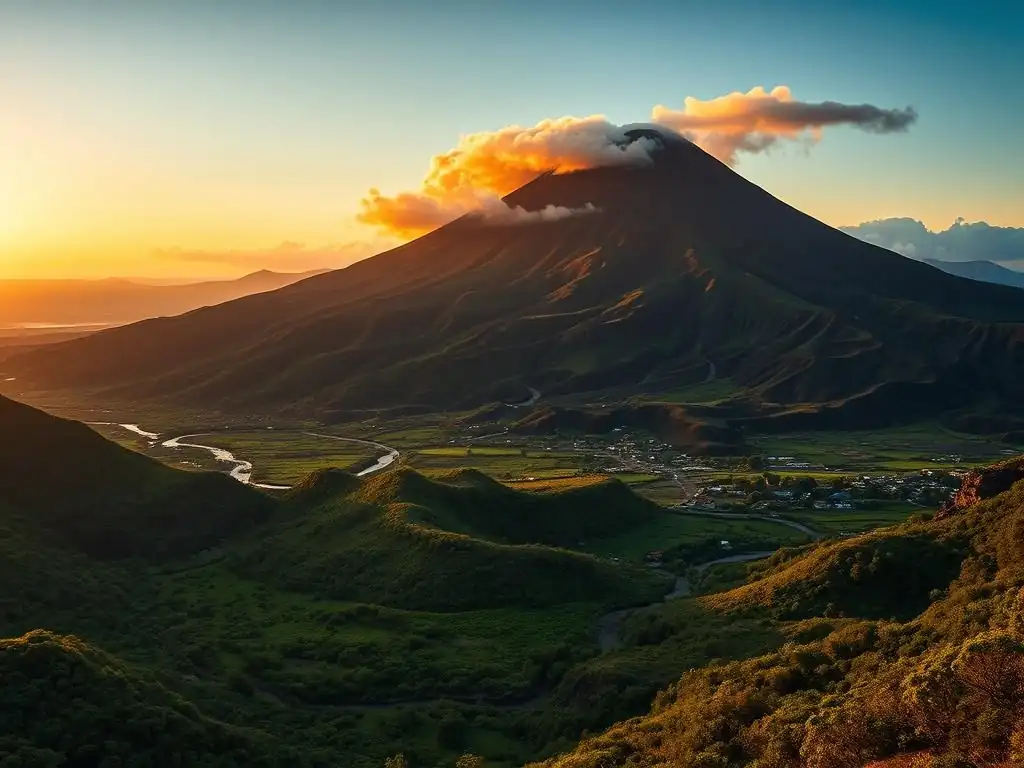
Welcome to Volcano Explorers, where the Earth breathes fire!
Ever wondered how a single eruption can sculpt a world anew? Delve into "Volcanic Legacies: The Enduring Influence of Eruptions on Landscapes" and uncover the profound impact of volcanic eruptions on our planet. But that's just the beginning... Prepare to journey into the heart of volcanic wonders, explore dramatic landscapes shaped by fire and ash, and uncover secrets that lie beneath the surface. What lasting marks do these fiery events leave behind? Explore to find out!
- Introduction: Understanding the Long-Term Impact of Volcanic Eruptions
- Ecological Succession After Volcanic Eruptions: A Detailed Overview
- Reshaping the Land: Immediate Effects of Volcanic Activity on Landscapes
- Soil Formation and Nutrient Cycling: The Foundation for Re-establishment
- Plant and Animal Colonization: Rebuilding Ecosystems After Volcanic Disturbance
- Case Studies: Examples of Landscape Recovery After Volcanic Eruptions
- Long-Term Ecological Effects: Shaping Biodiversity and Ecosystem Function
- Conclusion: Appreciating the Dynamic Nature of Volcanic Landscapes
-
Frequently Asked Questions
- What is the primary impact of volcanic eruptions on landscapes?
- How do volcanic eruptions affect the soil composition of an area?
- What are some long-term effects of volcanic eruptions on water resources?
- Besides physical changes, how do volcanic eruptions impact local ecosystems?
- What is the role of volcanologists in mitigating the negative impacts of volcanic eruptions?
- Final Reflection: Sculpting Our World Anew
- Unearth Your Inner Volcanologist!
Introduction: Understanding the Long-Term Impact of Volcanic Eruptions
Volcanic eruptions are among the most dramatic and transformative events on Earth. While the immediate impact of volcanic eruptions is often perceived as purely destructive – with images of pyroclastic flows and lava engulfing landscapes – the long-term consequences are far more nuanced and play a crucial role in shaping our planet's ecosystems.
The power of volcanoes extends beyond immediate devastation, influencing soil composition, nutrient cycles, and the very architecture of landscapes for centuries, even millennia, after an eruption ceases. Understanding the enduring impact of volcanic eruptions is key to appreciating the dynamic interplay between geological forces and ecological processes that define our world.
This article delves into the fascinating realm of ecological succession following volcanic eruptions, exploring how these events, while initially catastrophic, pave the way for new beginnings and contribute to the long-term health and diversity of our planet. We will examine the immediate and long-term effects of volcanic activity on landscapes, focusing on the remarkable processes of soil formation, nutrient cycling, and the subsequent colonization by plant and animal life.
Through detailed analysis and compelling case studies, we aim to reveal the profound and often surprising ways in which volcanic eruptions, despite their destructive nature, ultimately contribute to the richness and resilience of Earth's ecosystems.
Ecological Succession After Volcanic Eruptions: A Detailed Overview
Ecological succession is the process of change in the species structure of an ecological community over time. Following a major disturbance like a volcanic eruption, this process is often initiated in a dramatic fashion, representing a reset button for the landscape. Volcanic eruptions can create entirely new landforms, deposit vast quantities of ash and volcanic rock, and dramatically alter existing ecosystems. This initial disturbance, while seemingly devastating, sets the stage for primary succession, where life begins to colonize barren land devoid of soil and previous vegetation.
Primary succession in volcanic environments is a slow and gradual process, often taking decades or even centuries. It begins with the weathering of volcanic rock, gradually breaking down into smaller particles that form the basis of soil. Pioneer species, hardy organisms adapted to harsh conditions, are the first to colonize these newly formed landscapes.
These pioneers play a critical role in further soil development and nutrient accumulation, modifying the environment in ways that make it more hospitable for subsequent species. As the soil matures and conditions improve, a more diverse array of plants and animals can establish themselves, eventually leading to the development of more complex and stable ecosystems. This journey from barren volcanic terrain to thriving ecological communities showcases the remarkable resilience of nature and the powerful, long-term ecological impact of volcanic eruptions.
Reshaping the Land: Immediate Effects of Volcanic Activity on Landscapes
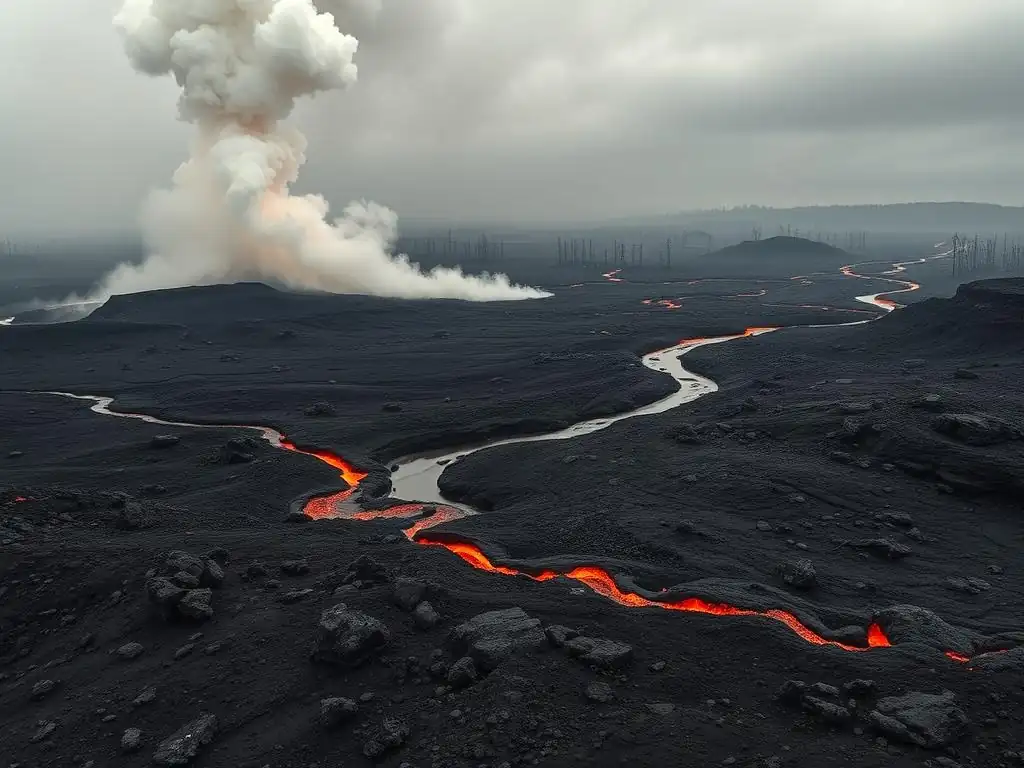
The immediate aftermath of a volcanic eruption is characterized by profound and often visually striking changes to the landscape. These effects are not uniform and vary greatly depending on the type of eruption, the volume of erupted material, and the surrounding environment. However, certain common destructive and constructive processes are consistently observed, significantly reshaping the land in the short term.
The Destructive Power: Initial Impact of Eruptions
The initial impact of volcanic eruptions is undeniably destructive. Pyroclastic flows, searing avalanches of hot gas and volcanic debris, can incinerate everything in their path, leaving behind a sterile, scorched landscape. Lava flows, rivers of molten rock, can bulldoze through forests, bury settlements, and dramatically alter drainage patterns.
Volcanic ash, while potentially beneficial in the long term, can blanket vast areas, suffocating vegetation, collapsing roofs, and contaminating water sources in the immediate aftermath of an eruption. For instance, the eruption of Mount Vesuvius in 79 AD completely buried the Roman cities of Pompeii and Herculaneum under layers of ash and pumice, a stark example of the immediate destructive power of volcanic eruptions on human settlements and surrounding landscapes.
Beyond these direct physical impacts, eruptions can trigger secondary hazards that further amplify the destructive effects. Lahars, volcanic mudflows composed of water, ash, and rock, can surge down valleys at high speeds, devastating everything in their path. Earthquakes and landslides, often associated with volcanic activity, can further destabilize landscapes and contribute to widespread destruction. The 1980 eruption of Mount St. Helens demonstrated the multifaceted destructive power of eruptions, with pyroclastic flows, lahars, and a massive landslide dramatically altering the surrounding landscape in a matter of hours, resulting in the immediate devastation of hundreds of square kilometers.
Landscape Transformation: Creating New Topography
Despite the initial destruction, volcanic eruptions are also powerful forces of creation, fundamentally transforming landscapes and building new topography. Lava flows, as they cool and solidify, add new rock to the Earth's surface, expanding coastlines and filling in valleys. Volcanic ash, accumulating over time, can contribute to the formation of fertile plains and plateaus.
The explosive ejection of volcanic material can also carve out massive calderas, creating dramatic depressions in the landscape that can later fill with water to form crater lakes. The formation of the Hawaiian Islands is a prime example of landscape transformation through volcanic activity. Over millions of years, repeated eruptions from underwater volcanoes have built up these islands from the ocean floor, creating a chain of volcanic landmasses that now host diverse ecosystems.
Furthermore, the very shape of volcanic landforms – from the steep cones of stratovolcanoes to the broad shields of shield volcanoes – is a direct result of the eruptive processes. The accumulation of lava flows, ash deposits, and pyroclastic material over countless eruptions builds these iconic geological structures, fundamentally altering the topography of entire regions. The dramatic landscapes of Iceland, with its glaciers, volcanoes, and geothermal areas, are a testament to the ongoing landscape transformation driven by volcanic and tectonic forces, showcasing the long-lasting impact of volcanic eruptions on shaping the physical world around us.
Soil Formation and Nutrient Cycling: The Foundation for Re-establishment
The recovery of ecosystems after volcanic eruptions is intrinsically linked to the processes of soil formation and nutrient cycling. While the immediate aftermath often leaves behind a seemingly barren and sterile landscape, volcanic materials play a crucial role in creating the foundation for new life to flourish. Volcanic ash and weathered volcanic rock are rich in minerals and nutrients that are essential for plant growth, gradually transforming the devastated terrain into fertile ground.
Volcanic Ash as a Soil Amendment: Benefits and Drawbacks
Volcanic ash, despite its initial suffocating effects, can act as a potent soil amendment, particularly in the long term. Fresh volcanic ash is often rich in essential plant nutrients, including phosphorus, potassium, calcium, magnesium, and trace elements. These nutrients are released as the ash weathers, enriching the soil and providing a readily available source of minerals for plant uptake.
In regions with nutrient-poor soils, such as many tropical areas, volcanic ash deposition can significantly boost soil fertility, leading to increased agricultural productivity and enhanced ecosystem health. Studies conducted in volcanic regions of Central and South America have shown that soils derived from volcanic ash are often highly fertile and support productive agricultural systems, highlighting the beneficial impact of volcanic ash on soil quality.
However, volcanic ash also presents some drawbacks. Fresh ash can be acidic and may contain phytotoxic compounds that can initially inhibit plant growth. Heavy ashfall can also physically smother plants, reduce sunlight penetration, and disrupt soil aeration.
Furthermore, the texture and properties of volcanic ash can vary greatly depending on the type of eruption and the composition of the magma. While some ash is fine-grained and easily incorporated into the soil, other ash may be coarse and poorly draining. Therefore, the impact of volcanic ash on soil is complex, with both beneficial and detrimental effects that depend on the specific characteristics of the ash and the receiving environment.
The Role of Pioneer Species in Nutrient Cycling
Pioneer species are the first organisms to colonize barren volcanic landscapes, playing a crucial role in initiating nutrient cycling and soil development. These hardy plants, often lichens, mosses, and certain types of grasses and shrubs, are adapted to survive in nutrient-poor environments and can tolerate harsh conditions such as high UV radiation and temperature extremes. Lichens, for example, are symbiotic organisms composed of fungi and algae or cyanobacteria.
They secrete acids that help to break down volcanic rock, accelerating the weathering process and releasing minerals. The organic matter contributed by pioneer species, as they grow, die, and decompose, further enriches the developing soil, increasing its water-holding capacity and nutrient content.
Nitrogen fixation, a critical process for plant growth, is often facilitated by pioneer species. Certain bacteria and cyanobacteria, associated with lichens and some pioneer plants, can convert atmospheric nitrogen into forms that plants can use.
This process introduces a vital nutrient into the newly forming ecosystem, paving the way for the establishment of more nutrient-demanding plant species. The early stages of succession on volcanic islands like Surtsey have clearly demonstrated the crucial role of pioneer species, such as mosses and lichens, in initiating soil formation and nutrient cycling, creating conditions suitable for the subsequent colonization by vascular plants and other organisms.
Plant and Animal Colonization: Rebuilding Ecosystems After Volcanic Disturbance
Following the initial stages of soil formation and nutrient cycling, volcanic landscapes gradually become hospitable for a wider range of plant and animal life. Plant colonization is a sequential process, starting with pioneer species and progressing towards more complex plant communities. Animal recolonization follows, often lagging behind plant establishment, as animals depend on plants for food and habitat. This process of ecosystem rebuilding demonstrates the remarkable ability of nature to recover and regenerate even after significant volcanic disturbance.
Pioneer Plants: The First Wave of Life
Pioneer plants are the vanguard of ecological recovery on volcanic terrains. These species are characterized by their ability to disperse widely, tolerate harsh conditions, and establish themselves in nutrient-poor soils. Wind-dispersed seeds, spores of ferns and mosses, and even fragments of vegetation carried by wind or water are common modes of arrival for pioneer plants.
Examples of pioneer plants in volcanic environments include certain types of grasses, sedges, ferns, mosses, lichens, and early successional shrubs. On Mount St. Helens, for instance, after the 1980 eruption, pioneer plants like fireweed ( Chamerion angustifolium) and pearly everlasting ( Anaphalis margaritacea) quickly colonized the barren landscape, demonstrating their resilience and rapid dispersal capabilities.
These pioneer plants not only survive but also actively modify the environment, making it more favorable for subsequent plant species. Their root systems help to stabilize the soil, preventing erosion. Their leaf litter and decaying organic matter contribute to soil development and nutrient accumulation. They also provide shade and shelter, creating microclimates that are more conducive to the germination and establishment of other plants. The presence of pioneer plants marks the crucial first step in the long process of ecosystem recovery, setting the stage for the return of biodiversity to volcanic landscapes.
Animal Recolonization: Following the Plants
Animal recolonization typically follows plant establishment, as animals rely on plants for food, shelter, and habitat. The pace and patterns of animal recolonization are influenced by factors such as the dispersal abilities of different species, the availability of suitable habitat, and the proximity of source populations. Insects are often among the first animals to return to volcanic landscapes, arriving through wind dispersal or by flying in from surrounding areas.
Spiders, mites, and other small invertebrates soon follow, feeding on insects and decaying organic matter. As plant communities become more diverse and complex, larger herbivores and carnivores gradually recolonize the area.
The return of animals plays a vital role in ecosystem recovery. Herbivores contribute to nutrient cycling through grazing and decomposition of plant matter. Pollinators, such as insects and birds, facilitate plant reproduction and gene flow. Seed dispersers, like birds and mammals, help to spread plant seeds to new areas, accelerating the process of plant community development. On Surtsey Island, the gradual arrival of seabirds, insects, and seals has significantly contributed to nutrient enrichment and ecosystem development, highlighting the importance of animal recolonization in the overall recovery process after volcanic eruptions.
Case Studies: Examples of Landscape Recovery After Volcanic Eruptions

Observing real-world examples of ecological succession after volcanic eruptions provides valuable insights into the processes and timescales involved in landscape recovery. Two iconic case studies, Mount St. Helens in the United States and Surtsey Island in Iceland, offer compelling illustrations of how ecosystems respond to and recover from volcanic disturbance.
Mount St. Helens: A Classic Example of Ecological Succession
The 1980 eruption of Mount St. Helens in Washington State, USA, provided a unique opportunity to study primary and secondary ecological succession in a temperate volcanic environment. The eruption devastated a large area surrounding the volcano, creating a mosaic of disturbed habitats, including pyroclastic flow zones, lahars, and ash-covered landscapes. Despite the initial devastation, recovery began remarkably quickly. Pioneer plants, such as fireweed and pearly everlasting, rapidly colonized the ash-covered plains, dispersing from surviving patches of vegetation and surrounding unimpacted areas.
Survivors, organisms that persisted in protected locations during the eruption, also played a crucial role in recovery. Pocket gophers, for example, survived underground and emerged to till the ash-covered soil, creating pathways for plant roots and seeds. Lakes and streams, initially sterilized by the eruption, were gradually recolonized by aquatic insects and fish.
Decades after the eruption, Mount St. Helens is a living laboratory of ecological succession, showcasing the resilience of nature. Diverse plant communities have re-established, forests are regenerating, and wildlife populations have rebounded, demonstrating the long-term ecological impact of volcanic eruptions in initiating new ecological cycles and the remarkable capacity for ecosystems to recover from even catastrophic events.
Surtsey: The Birth of a Volcanic Island and its Colonization
Surtsey, a volcanic island that emerged from the sea off the coast of Iceland in 1963, offers an unparalleled example of primary succession on a newly formed volcanic landmass. Initially barren rock, Surtsey has been meticulously studied by scientists as life has gradually colonized the island. Wind and ocean currents brought the first colonizers: seeds, spores, and marine organisms. Seabirds began nesting on the island, their guano enriching the nutrient-poor volcanic soil. Mosses and lichens were among the first terrestrial plants to establish, followed by vascular plants.
Insects and other invertebrates arrived, likely carried by wind or on driftwood. Seals haul out on the shores of Surtsey, contributing to nutrient input. The colonization of Surtsey is an ongoing process, demonstrating the step-by-step assembly of an ecosystem from scratch. The island serves as a natural laboratory for studying primary succession in its purest form, illustrating the slow but steady progression from bare volcanic rock to a developing ecosystem, and highlighting the long-term ecological impact of volcanic eruptions in creating entirely new habitats for life to colonize and thrive.
Long-Term Ecological Effects: Shaping Biodiversity and Ecosystem Function
The long-term ecological effects of volcanic eruptions extend far beyond the immediate recovery phase, profoundly shaping biodiversity, ecosystem function, and even regional hydrological systems. Volcanic landscapes, while often perceived as harsh and unstable, can become biodiversity hotspots and play crucial roles in water resources management.
Volcanic Landscapes as Biodiversity Hotspots
Volcanic landscapes, with their diverse topography, soil types, and successional stages, can support surprisingly high levels of biodiversity. The mosaic of habitats created by volcanic eruptions, ranging from barren lava flows to ash-covered plains and regenerating forests, provides niches for a wide variety of species. Volcanic soils, often rich in minerals and well-drained, can support unique plant communities, including endemic species adapted to these specialized environments. The isolation of volcanic islands, such as the Galapagos and Hawaiian Islands, has also driven evolutionary diversification, leading to the development of unique flora and fauna found nowhere else on Earth.
Furthermore, volcanic activity can create geothermal areas, hot springs, and fumaroles, which provide specialized habitats for thermophilic organisms and contribute to overall biodiversity. The long-term impact of volcanic eruptions, therefore, is not just about destruction and recovery, but also about the creation of diverse landscapes that can foster and maintain high levels of biodiversity, making volcanic regions ecologically significant areas.
Impact on Water Resources and Hydrological Systems
Volcanic eruptions can significantly impact water resources and hydrological systems. Volcanic ash deposits can alter soil infiltration rates, affecting groundwater recharge and surface runoff. Crater lakes, formed within volcanic calderas, can become important freshwater sources and unique aquatic ecosystems. Geothermal activity associated with volcanoes can heat groundwater, creating hot springs and geothermal areas that influence local hydrology and water chemistry. In regions like Iceland and New Zealand, geothermal energy is a significant water and energy resource, directly linked to volcanic activity.
However, volcanic eruptions can also negatively impact water resources in the short term. Ashfall can contaminate water supplies, and lahars can destroy water infrastructure. Long-term changes in drainage patterns and water quality can also occur. Understanding the complex interplay between volcanic activity and hydrological systems is crucial for managing water resources in volcanic regions and mitigating potential hazards. The long-term ecological impact of volcanic eruptions extends to shaping hydrological cycles and water availability, influencing both human societies and natural ecosystems.
Conclusion: Appreciating the Dynamic Nature of Volcanic Landscapes
Volcanic eruptions, while often perceived through a lens of immediate destruction, are fundamental geological processes that have profoundly shaped our planet and continue to influence its ecosystems. The enduring influence of eruptions on landscapes is a testament to the dynamic and resilient nature of Earth's systems. From reshaping topography and creating fertile soils to initiating ecological succession and fostering biodiversity, volcanic activity plays a vital role in the ongoing evolution of our planet.
Understanding the long-term impact of volcanic eruptions requires shifting our perspective beyond the immediate aftermath of devastation to appreciate the creative and regenerative forces at play. Volcanic landscapes are not simply barren wastelands, but rather dynamic environments in constant flux, where destruction and creation are intertwined.
By studying ecological succession after volcanic eruptions, we gain valuable insights into the processes of ecosystem recovery, the resilience of life, and the profound and often surprising ways in which geological events shape the biological world around us. Appreciating the dynamic nature of volcanic landscapes allows us to recognize the crucial role of volcanoes in shaping the Earth we inhabit and the intricate web of life that thrives within these powerful and transformative environments.
Frequently Asked Questions
What is the primary impact of volcanic eruptions on landscapes?
Volcanic eruptions drastically reshape landscapes through lava flows, ash deposits, and explosive blasts. This can create new landforms or significantly alter existing ones.
How do volcanic eruptions affect the soil composition of an area?
Volcanic ash and lava introduce new minerals to the soil, initially making it infertile. However, over time, weathering processes can enrich the soil, making it highly fertile and beneficial for agricultural development.
What are some long-term effects of volcanic eruptions on water resources?
Eruptions can contaminate water sources with ash and chemicals, affecting water quality. They can also alter drainage patterns and create new lakes or wetlands in some areas.
Besides physical changes, how do volcanic eruptions impact local ecosystems?
Volcanic eruptions can cause widespread destruction of vegetation and wildlife habitats. However, they also create opportunities for ecological succession, where new life gradually colonizes the altered landscape.
What is the role of volcanologists in mitigating the negative impacts of volcanic eruptions?
Volcanologists monitor volcanic activity, assess hazards, and provide early warning systems to help communities prepare for and respond to eruptions, minimizing potential damage and loss of life.
Final Reflection: Sculpting Our World Anew
The exploration of volcanic legacies reveals that the impact of volcanic eruptions extends far beyond immediate devastation. These cataclysmic events, while destructive, are also powerful forces of creation, shaping landscapes and ecosystems in profound and enduring ways. Understanding this duality is crucial in a world increasingly aware of the dynamic interplay between natural forces and human existence.
The enduring influence of volcanic eruptions is not merely geological; it's deeply woven into the cultural and social fabric of communities living in their shadow. Witnessing the resilience of life in the face of such power inspires a profound respect for nature's capacity for renewal. The mountains are fountains of men as well as of rivers, of glaciers, of fertile soil. The great poets, philosophers, prophets, able men whose thoughts and deeds have moved the world, have come down from the mountains - mountain dwellers who have grown strong there with the forest trees in Nature's workshops.
- John Muir. This quote perfectly encapsulates the idea that even from destruction, beauty and strength can emerge.
As we conclude this exploration of volcanic legacies, let us carry forward a renewed appreciation for the Earth's dynamic processes. Consider how seemingly destructive forces can ultimately contribute to renewal and resilience. Reflect on the lessons learned from volcanic landscapes and apply them to your own life, embracing change, adapting to challenges, and recognizing the potential for growth even in the face of adversity.
Unearth Your Inner Volcanologist!
Thank you for delving into the fascinating world of volcanic landscapes! We hope you now appreciate the powerful forces that shape our planet and the incredible legacies they leave behind. Ready to take your exploration further?
Here’s how:
- Plan a Visit to a Local Volcanic Site: Experience the raw power and stunning beauty of a volcanic landscape firsthand. Research accessible sites in your area and prepare for an unforgettable adventure. This is the most direct actionable step.
- Share Your Insights: Spread the knowledge! Share this article with fellow geology enthusiasts and ignite conversations about the impact of volcanoes on our world.
- Contribute to Volcano Explorers: Have you explored a unique volcanic site or possess knowledge you'd love to share? Consider submitting your experiences or insights to Volcano Explorers and help build a thriving community of volcano lovers.
What other hidden gems do you think volcanic activity has sculpted across the globe, and which one sparks your curiosity the most?