Unseen Gases, Unforeseen Impacts: Volcanoes and Air Quality
Volcanoes impact air quality significantly, releasing unseen gases that affect atmospheric conditions far and wide. Explore the science behind these impacts and…
Read article
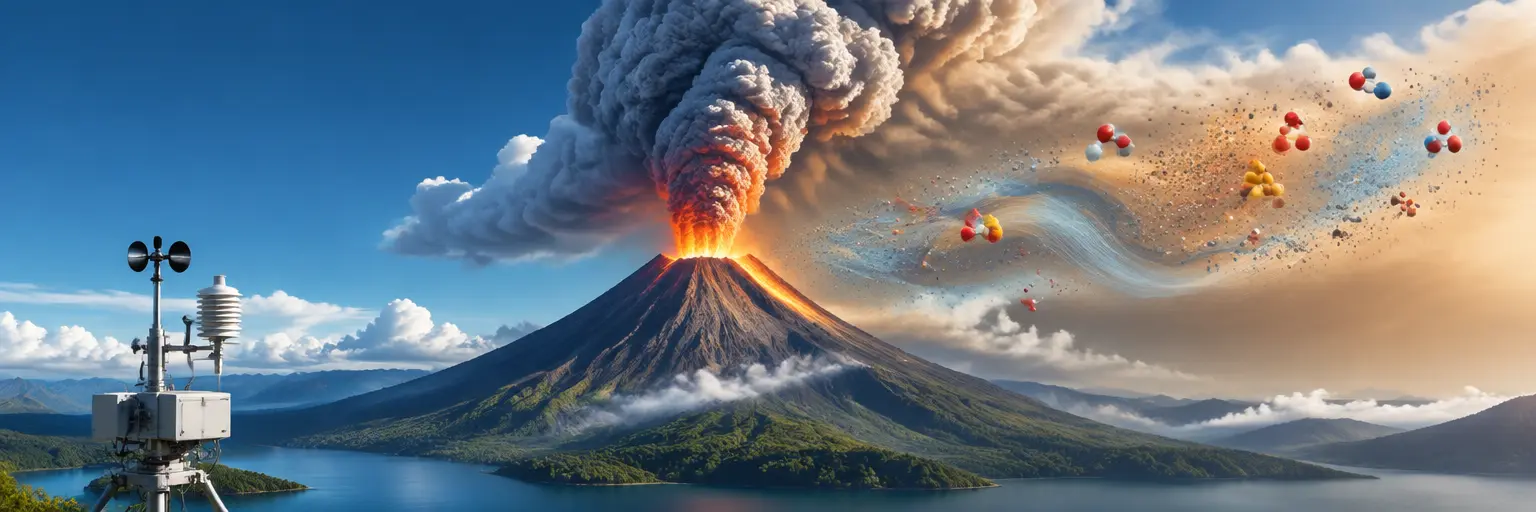
Volcanoes are more than just fiery mountains—they are powerful engines that can transform the very air we breathe, altering both air quality and atmospheric chemistry on a global scale. When a volcano erupts, it releases a complex cocktail of gases, ash, and aerosols, including sulfur dioxide, carbon dioxide, and fine particulates, that can travel thousands of miles. These emissions can trigger acid rain, create volcanic smog (vog), and even temporarily cool the planet by reflecting sunlight back into space. Beyond the immediate hazard of ash clouds, the chemical reactions set off in the atmosphere can deplete the ozone layer, impact weather patterns, and pose serious health risks to communities far from the eruption site. Understanding these processes is crucial for monitoring both environmental and human well-being, as each eruption leaves a unique fingerprint on our planet’s dynamic atmospheric system. Dive into the invisible yet profound impact of volcanic activity, where trace gases meet sky chemistry and shape the very climate we depend on.
Volcanoes impact air quality significantly, releasing unseen gases that affect atmospheric conditions far and wide. Explore the science behind these impacts and…
Read article
Volcanic eruptions dramatically alter rainwater chemistry. Learn how volcanic gases impact rainwater acidity and the environmental consequences at VolcanoExplorers.org, your resource for…
Read article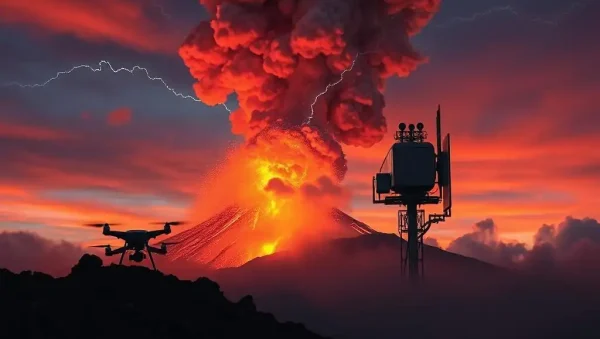
VolcanoExplorers.org provides real-time volcanic air quality monitoring data for those living near active volcanoes. Stay safe and informed with our crucial updates…
Read article
Volcanic ash clouds pose significant aviation risks. This article examines past eruptions, revealing crucial insights and providing volcanic ash aviation safety tips…
Read article
Uncover the hidden impact of volcanoes! This article inventories global volcanic gas emissions, revealing their far-reaching atmospheric effects and implications for our…
Read article
Volcanic ash poses a significant threat to aviation. This article explores the devastating impact of volcanic ash on aircraft engines, highlighting the…
Read articleVolcanoes are not just geological marvels—they are major players in shaping the air we breathe and the chemistry of our planet’s atmosphere. When a volcano erupts, it releases a complex mixture of gases, aerosols, and ash that can travel thousands of kilometers, affecting air quality on local, regional, and even global scales. This subcategory on VolcanoExplorers.org dives deep into how these emissions interact with sunlight, water vapor, and existing pollutants, altering atmospheric composition and influencing climate patterns. Whether you are a student, researcher, or curious enthusiast, here you will uncover the science behind volcanic plumes, acid rain, ozone depletion, and the cooling effects of sulfate aerosols, all supported by real-world eruption case studies.
Volcanic eruptions emit a cocktail of gases, with water vapor (H₂O), carbon dioxide (CO₂), sulfur dioxide (SO₂), hydrogen sulfide (H₂S), and hydrogen chloride (HCl) being the most significant. Among these, sulfur dioxide is the star actor in atmospheric chemistry, as it rapidly converts to sulfate aerosols in the presence of sunlight and moisture. These tiny particles scatter sunlight back into space, leading to a temporary cooling effect—a phenomenon observed after the 1991 Mount Pinatubo eruption, which lowered global temperatures by about 0.5°C for two years.
In addition to gases, volcanoes eject fine ash and silica particles that can remain suspended in the troposphere for weeks. These aerosols not only reduce visibility and degrade air quality but also serve as nuclei for cloud formation, altering precipitation patterns. Understanding the composition and size distribution of these emissions is crucial for predicting their health impacts, especially for communities downwind who may experience respiratory irritation from inhaling fine particulates.
Living in the shadow of an active volcano means dealing with chronic air pollution, often referred to as volcanic smog or "vog". Vog forms when SO₂ reacts with atmospheric moisture, sunlight, and other chemicals to produce sulfate particles, sulfuric acid, and ozone. In places like Hawaii’s Kīlauea volcano, prevailing winds can carry vog for hundreds of kilometers, blanketing urban areas with a hazy, acrid-smelling mixture that exacerbates asthma, bronchitis, and other respiratory conditions.
Monitoring air quality in volcanic regions involves a network of ground-based sensors and satellite observations that track SO₂ concentrations and particulate matter (PM2.5 and PM10). For residents and tourists, VolcanoExplorers.org provides practical tips on how to reduce exposure, such as staying indoors during high-vog days, using HEPA filters, and following local health advisories. The economic and social toll of poor air quality is significant, affecting agriculture, tourism, and daily life, which is why real-time data and public awareness are essential.
Volcanic emissions don’t just sit in the air—they actively drive chemical reactions that reshape atmospheric composition. One key process is the destruction of ozone in the stratosphere. When volcanic plumes inject hydrogen chloride and bromine compounds into the stratosphere, these halogens catalyze ozone depletion, similar to the effects of CFCs. The 1991 Pinatubo eruption created a temporary ozone hole, though it quickly healed as the aerosols settled out of the stratosphere.
Another critical reaction involves SO₂ and nitrogen oxides, which combine with water vapor to form sulfuric and nitric acids, leading to acid rain. Acid rain can acidify lakes and soils, damage vegetation, and corrode buildings and monuments. On a brighter note, volcanic eruptions can also produce OH radicals (hydroxyl), which act as a "detergent" for many atmospheric pollutants, helping to break down methane and other greenhouse gases. This dual role—both harmful and helpful—makes volcanic chemistry a fascinating and complex subject for researchers.
The injection of sulfate aerosols into the stratosphere is one of the most significant natural climate forcings over short timescales. These aerosols reflect incoming solar radiation, reducing the amount of energy reaching the Earth’s surface. This cooling effect can last for one to three years, countering, to a modest extent, the warming from greenhouse gases. Historical records show that the 1815 Tambora eruption caused the "Year Without a Summer," leading to crop failures and famines across the Northern Hemisphere.
However, volcanic CO₂ emissions are negligible compared to anthropogenic sources, so the long-term climate impact is primarily from aerosols, not greenhouse gases. VolcanoExplorers.org explains how scientists use ice cores, tree rings, and historical climate records to reconstruct past eruption impacts and refine climate models. By understanding these natural forcings, we can better predict future eruptions’ effects on weather patterns, ocean circulation, and global temperatures, making this knowledge vital for climate policy and disaster preparedness.
Modern volcanology relies on an arsenal of advanced tools to monitor emissions and atmospheric effects. Ground-based spectrometers like DOAS (Differential Optical Absorption Spectroscopy) measure SO₂ flux in real-time, while satellite instruments like TROPOMI and OMI provide global coverage of volcanic clouds. Lidar systems can profile aerosol layers vertically, and unmanned aerial vehicles (UAVs) are now used to sample plume chemistry at safe altitudes, reducing risks to human teams.
Laboratory studies complement field observations, using smog chambers to simulate how volcanic gases react under controlled conditions. Researchers also analyze volcanic glass and gas inclusions in minerals to reconstruct past eruption compositions. On VolcanoExplorers.org, we highlight collaborative projects, such as the Volcanic Ash Advisory Centers (VAACs) and the Global Volcanism Program, which provide critical data for aviation safety and public health. These monitoring efforts not only protect lives but also deepen our understanding of Earth’s dynamic systems, offering a window into the planet’s inner workings.
Yes, volcanic ash and aerosol plumes can travel thousands of kilometers depending on wind patterns and eruption strength. Fine particles (PM2.5) remain suspended for days, affecting air quality far from the source, causing respiratory issues and reducing visibility in distant cities.
Volcanic gas is in the gaseous state, like SO₂, CO₂, and HCl. Aerosols are solid or liquid particles suspended in the air, such as sulfate droplets or ash. Gases can undergo chemical reactions to form aerosols, which then affect radiation and cloud formation.
Yes, large eruptions that inject SO₂ into the stratosphere create sulfate aerosols that reflect sunlight, causing a temporary cooling effect of 0.2–0.5°C for 1–3 years. Examples include Pinatubo (1991) and Tambora (1815), which also triggered global weather anomalies.
They use ground-based spectrometers like DOAS and COSPEC to measure SO₂ flux, satellite instruments (TROPOMI, OMI) for global mapping, and drones with miniaturized gas sensors. Seismic and infrasound data also help estimate eruption intensity and plume height.
Chronic exposure to volcanic gases like SO₂, H₂S, and fine ash can lead to respiratory diseases, cardiovascular problems, and eye irritation. Prolonged exposure to airborne silica in ash may cause silicosis, so monitoring and protective measures are essential for communities in volcanic zones.