Volcanic Eruptions and Global Climate Patterns: How Volcanoes Shape Our Planet's Weather
Volcanic eruptions do more than reshape landscapes—they can alter weather and climate on a global scale. When a major eruption occurs, it injects ash, sulfur dioxide, and other particles high into the stratosphere, where they spread across the globe, reflecting sunlight and temporarily cooling the planet. This subcategory of VolcanoExplorers.org dives deep into the fascinating interplay between volcanic activity and climate systems, offering scientific insights, historical case studies, and forward-looking analysis. Whether you're a student, researcher, or curious enthusiast, you'll discover how these fiery giants influence temperature, rainfall, and even monsoons.
🌋 The Science of Volcanic Aerosols and Radiative Forcing
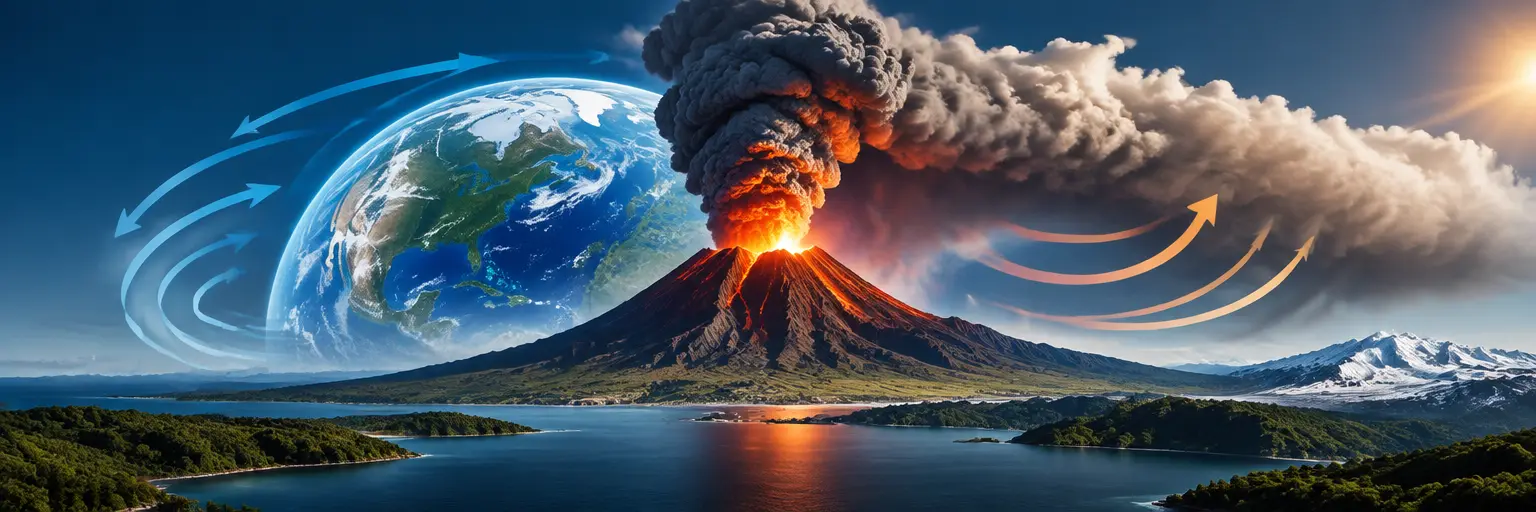
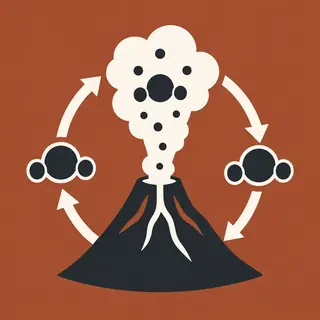
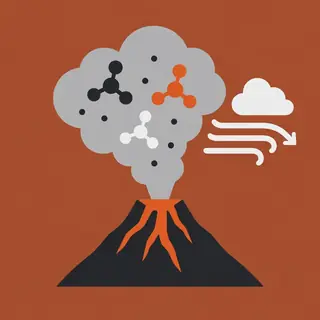
When volcanoes erupt explosively, they release sulfur dioxide (SO₂) that converts into sulfate aerosols in the stratosphere. These tiny particles act as a reflective veil, scattering incoming solar radiation and reducing the amount of heat reaching Earth's surface. This process, known as radiative forcing, can lead to a measurable drop in global average temperatures—often by 0.5°C to 1°C for a year or more after a major event. The 1991 Mount Pinatubo eruption, for example, cooled the planet by about 0.6°C, a phenomenon well-documented by climate scientists.
Beyond aerosols, volcanic ash and other particles can also influence cloud formation and precipitation patterns. The stratospheric winds distribute aerosols globally, meaning an eruption in Indonesia can affect weather in North America or Europe. Understanding these mechanisms helps researchers improve climate models and predict short-term climate variability. This section of our guide explains the chemical reactions, particle dynamics, and measurement techniques used to track volcanic impacts on climate.
📉 Historical Eruptions and Their Climate Footprints
History offers powerful examples of volcanic eruptions altering climate patterns. The 1815 eruption of Mount Tambora in Indonesia led to the "Year Without a Summer" in 1816, causing crop failures and famine across the Northern Hemisphere. Similarly, the 1883 Krakatoa eruption produced vivid sunsets and a noticeable temperature dip for several years. These events provide natural experiments that help scientists quantify how volcanic forcing interacts with ocean currents, such as El Niño and La Niña.
By examining ice cores, tree rings, and historical records, researchers reconstruct the climate response to past eruptions. This evidence reveals that large eruptions can disrupt monsoons, alter jet streams, and even affect sea ice extent. For instance, the 1257 Samalas eruption is linked to a century of cooler conditions. This historical perspective not only enriches our understanding of climate sensitivity but also informs future preparedness for volcanic climate shocks.
🌡️ Short-Term vs. Long-Term Climate Effects
The immediate aftermath of a large eruption typically brings cooling, but the long-term effects are more complex. Short-term cooling—lasting one to three years—occurs due to sulfate aerosols. However, volcanic CO₂ emissions, though often mentioned, are negligible compared to human emissions. The real long-term influence comes from ocean heat uptake and changes in atmospheric circulation. Some studies suggest that repeated small eruptions can offset some global warming, but this is temporary and dwarfed by anthropogenic climate change.
In the longer term, volcanic activity can also impact the carbon cycle. Eruptions may fertilize oceans with nutrients like iron, stimulating phytoplankton blooms that absorb CO₂. Yet, such effects are modest. This section clarifies the difference between cooling from sulfates and warming from greenhouse gases, helping you separate climate myths from scientific reality. It also highlights how volcanic winters, though brief, can test societal resilience.
🔄 Volcanoes, Monsoons, and Regional Climate Extremes
Volcanic eruptions can dramatically shift regional weather, especially in tropical monsoon regions. The cooling of land surfaces relative to oceans can weaken the pressure gradient that drives monsoon winds, leading to reduced rainfall in parts of Asia and Africa. For example, the 1991 Pinatubo eruption was associated with a weakened Indian monsoon and drought conditions. Conversely, some eruptions may enhance rainfall in other regions due to changes in atmospheric circulation patterns.
Understanding these regional effects is vital for agriculture, water resource management, and disaster preparedness. This subcategory explores teleconnections—how volcanic signals travel through climate systems to affect distant areas. It also discusses potential impacts on extreme weather events like hurricanes, floods, and heatwaves. By learning these patterns, communities can better anticipate and adapt to short-term climate disruptions following major eruptions.
🔬 Current Research and Monitoring Techniques
Modern volcanology and climate science work hand-in-hand to monitor and predict volcanic climate effects. Satellite instruments track aerosol distribution, while ground-based lidar and sun photometers measure optical depth changes. Climate models now incorporate volcanic forcing data to improve seasonal forecasts. Organizations like the Volcanic Ash Advisory Centers and the Global Volcanism Program provide real-time updates, which are crucial for aviation safety and climate research.
Ongoing studies focus on how ocean–atmosphere interactions amplify or dampen volcanic signals. Machine learning and big data analytics are helping scientists identify patterns in historical climate records. This section introduces you to the latest research initiatives, citizen science projects, and data portals available on VolcanoExplorers.org. Whether you're a budding scientist or a climate enthusiast, you'll find practical tools to track volcanic impacts on weather and climate.
🌍 Societal and Environmental Implications
Volcanic climate effects go beyond temperature and rainfall—they impact agriculture, public health, and global economies. A prolonged volcanic winter can cause crop failures, rising food prices, and increased mortality, as seen during the 1816 Tambora aftermath. Additionally, aerosols can destroy stratospheric ozone, allowing more harmful UV radiation to reach the surface. This dual threat of cooling and ozone depletion requires coordinated international responses and contingency planning.
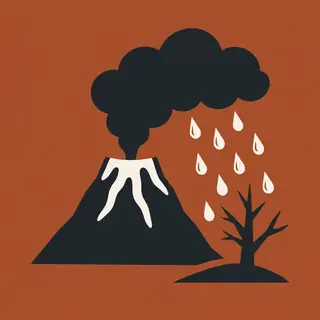
Environmental changes also affect biodiversity, ocean chemistry, and air quality. Ashfall can contaminate water supplies and affect livestock, while acid rain from sulfur compounds can harm ecosystems. This subcategory discusses adaptation strategies, such as resilient crop varieties and improved early warning systems. It also highlights how volcanic eruptions offer valuable lessons for understanding climate change resilience in natural and human systems. You'll gain a holistic view of the risks and opportunities presented by these natural events.
Frequently Asked Questions
Do volcanic eruptions cause global cooling permanently?
No, volcanic eruptions cause temporary cooling, typically lasting one to three years, due to sulfate aerosols reflecting sunlight. After aerosols settle out of the stratosphere, temperatures return to baseline. Permanent cooling only occurs if eruptions are continuous over long periods, which is rare in historical records.
Can volcanic eruptions reduce the effects of human-caused global warming?
Yes, but only temporarily and minimally. The cooling from a major eruption, like Pinatubo's, can offset a few years of warming. However, human CO₂ emissions accumulate for centuries, so volcanic cooling is insufficient to counteract long-term climate change. It also does not reduce ocean acidification.
What is the largest volcanic eruption ever recorded in terms of climate impact?
The 1815 Mount Tambora eruption is considered the most climatically impactful in recorded history. It lowered global temperatures by about 0.5°C, leading to the Year Without a Summer in 1816. Prehistoric eruptions, like Toba around 74,000 years ago, may have had even larger effects but with less precise data.
How do scientists measure the climate impact of a volcano?
Scientists use satellite instruments to measure aerosol optical depth and stratospheric temperatures. They also analyze ice cores for sulfate deposits, tree rings for growth anomalies, and historical records of weather and crop yields. Climate models then simulate eruptions to compare with observed temperature changes.
Could a volcanic eruption trigger a sudden ice age?
No, a single volcanic eruption cannot trigger an ice age. Ice ages are driven by long-term orbital changes and continental configuration. Even a super-eruption would cause a multi-year cooling spell, not a glacial cycle, though it could significantly disrupt agriculture and ecosystems temporarily.