
The Climax Community: Reaching Ecosystem Stability in Volcanic Zones


Welcome to Volcano Explorers, where the Earth breathes fire!
Ever wondered how life claws its way back from utter devastation? Dive into the fascinating world of ecosystem stability in volcanic zones and discover the resilience of nature in the face of unimaginable power. Explore how, against all odds, a climax community emerges from the ashes, and unlock the secrets of life's tenacity. Prepare to be amazed!
- Understanding Ecological Succession After Volcanic Eruptions
- What is a Climax Community? Achieving Ecosystem Stability
- Ecological Succession in Volcanic Zones: A Step-by-Step Process
- Reaching Ecosystem Stability: The Climax Community in Volcanic Areas
- Challenges to Ecosystem Stability in Volcanic Zones
- Monitoring and Management of Ecosystem Stability in Volcanic Regions
- The Future of Ecosystems in Volcanic Zones: Maintaining Stability
-
Frequently Asked Questions
- What is a climax community in the context of volcanic zones?
- How does volcanic activity initially impact ecosystem stability?
- What are some key pioneer species that contribute to re-establishing ecosystem stability after a volcanic eruption?
- How long does it typically take for a volcanic zone to reach a climax community and achieve ecosystem stability?
- What factors contribute to the long-term ecosystem stability in volcanic zones, even with the potential for future eruptions?
- Final Reflection: Embracing the Resilience of Nature
- Ignite Your Inner Explorer: Help Nature Thrive!
Understanding Ecological Succession After Volcanic Eruptions
The Devastating Impact of Volcanic Activity on Ecosystems
Volcanic eruptions are among the most dramatic and disruptive forces on Earth, capable of instantaneously transforming entire landscapes. From pyroclastic flows and lava flows to ashfalls and lahars, volcanic activity unleashes a cascade of destructive events that can obliterate existing ecosystems. The immediate aftermath of a major eruption leaves behind a seemingly barren environment, often characterized by sterilized land, devoid of vegetation and topsoil.
For example, the 1980 eruption of Mount St. Helens in Washington State, USA, dramatically illustrated this devastation. Lateral blasts and pyroclastic flows leveled forests for miles, leaving behind a zone of complete destruction where life was seemingly extinguished. Similarly, lava flows from Kilauea in Hawaii have repeatedly covered vast areas of rainforest and coastal ecosystems, burying everything in their path under layers of solidified rock.
Beyond the immediate physical destruction, volcanic eruptions also trigger significant changes in the chemical and physical properties of the environment. Ashfall can blanket large areas, altering soil chemistry, blocking sunlight, and impacting water quality. Volcanic gases, such as sulfur dioxide, can lead to acid rain, further stressing surviving vegetation and aquatic life.
The sheer scale of these impacts means that ecosystems in volcanic zones face a profound challenge to re-establish themselves after such disturbances. The process of ecological recovery, known as ecological succession, is therefore crucial for these areas to regain stability and support life again. Understanding this process is key to appreciating how life can return, even in the face of such dramatic natural upheavals.
Defining Ecological Succession in Volcanic Landscapes
Ecological succession is the gradual process of change in the species structure of an ecological community over time. In volcanic landscapes, this process is particularly dramatic and often begins from a near-zero starting point. Following a volcanic eruption, the landscape is often devoid of life, or at least significantly altered. Succession in these environments describes how plant and animal communities colonize and develop in these disturbed areas, eventually leading to a more complex and stable ecosystem.
There are two main types of ecological succession: primary and secondary. Primary succession occurs in essentially lifeless areas where soil is not yet formed, such as newly formed volcanic rock after lava flows or pyroclastic deposits. Secondary succession, on the other hand, occurs in areas where a disturbance, like a volcanic eruption, destroys an existing community but leaves the soil intact.
In volcanic zones, both primary and secondary succession play crucial roles. Primary succession is essential for the initial colonization of barren volcanic substrates. This process is typically slow and can take centuries, as it involves the gradual development of soil from parent rock and the establishment of pioneer species capable of surviving in harsh conditions.
Secondary succession is more rapid, as it builds upon existing soil and potentially surviving seeds or plant fragments. Understanding the nuances of both types of succession is vital for comprehending how ecosystems in volcanic zones recover and eventually reach a state of ecosystem stability in volcanic zones. The dynamics of succession are influenced by various factors including the type of volcanic eruption, the climate, the surrounding environment, and the species available for colonization.
What is a Climax Community? Achieving Ecosystem Stability
Characteristics of a Climax Community
A climax community represents the final stage of ecological succession, a relatively stable and self-sustaining ecological community that has reached equilibrium with its environment. It's not a static endpoint, but rather a dynamic equilibrium where changes still occur, but the overall structure and species composition remain relatively constant over long periods, barring major disturbances. In a climax community, species diversity is typically high, and the community is characterized by complex food webs and intricate interspecies relationships.
Nutrient cycling is efficient, with minimal loss of resources from the system. Biomass, the total mass of living organisms, is also generally maximized in a climax community, reflecting the mature and developed state of the ecosystem.
Furthermore, climax communities exhibit a high degree of resilience, meaning they are better able to withstand and recover from minor disturbances, such as small-scale fires or droughts. The dominant plant species in a climax community are typically long-lived and well-adapted to the local climate and soil conditions.
For example, in a temperate forest climax community, you might find mature oak and maple trees dominating the canopy, with a diverse understory of shrubs, herbs, and fungi. These characteristics collectively contribute to the overall ecosystem stability, allowing the community to persist in a relatively predictable and balanced state, representing the culmination of ecological succession and the achievement of ecosystem stability.
The Role of Time in Reaching a Climax State
Time is a critical factor in the development of a climax community. Ecological succession is a process that unfolds over extended periods, ranging from decades to centuries, or even millennia, depending on the starting conditions and the environment. Primary succession, in particular, is a slow process due to the need for soil development.
The initial colonization of barren volcanic rock by pioneer species is just the first step. These early colonizers, such as lichens and mosses, slowly break down the rock through physical and chemical weathering, contributing to the formation of rudimentary soil. As soil accumulates, it becomes capable of supporting more complex plant life, like grasses and small shrubs.
Over time, as more organic matter is incorporated into the soil, and as nutrient cycles become established, the environment becomes increasingly hospitable for a wider range of species. Successional stages progress from pioneer communities to intermediate communities, eventually leading to the climax community. Each stage modifies the environment, making it suitable for the next group of species.
For instance, early colonizers may increase soil nitrogen levels, making it possible for nitrogen-demanding plants to establish later. This gradual and sequential replacement of species is driven by competition and facilitation, and it is this temporal dimension that ultimately allows for the development of a complex and stable climax community, demonstrating that achieving ecosystem stability is a long-term ecological process.
Ecological Succession in Volcanic Zones: A Step-by-Step Process
Primary Succession: Life's First Steps on Volcanic Rock
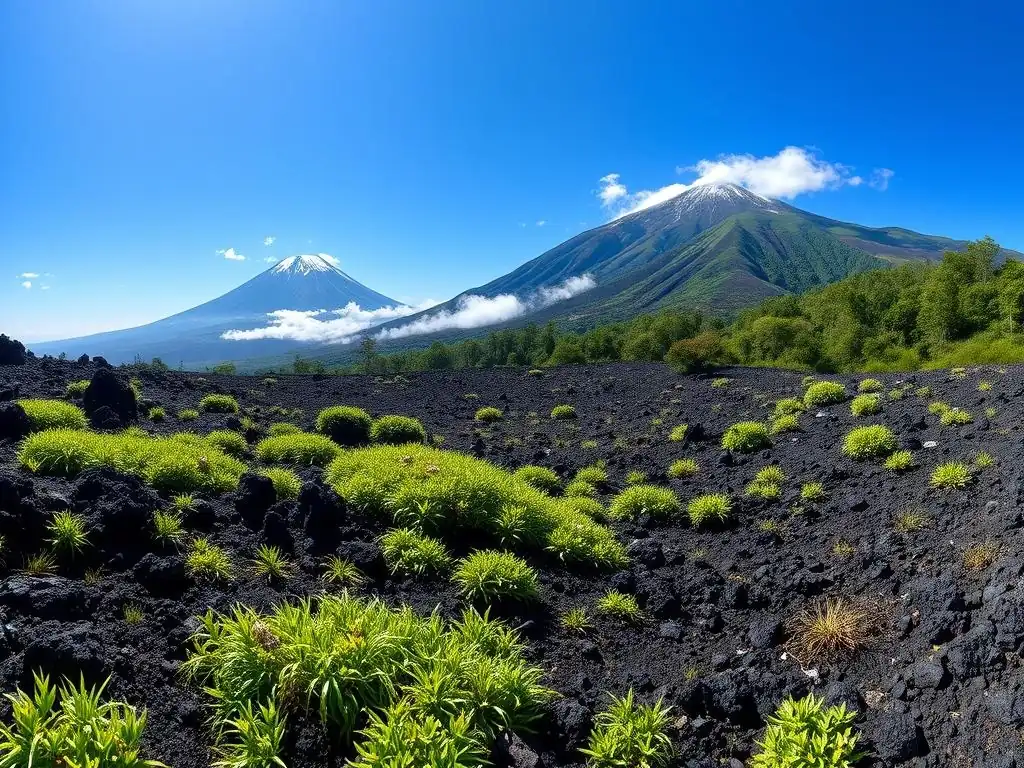
Primary succession is the ecological process that begins in essentially lifeless areas, where no soil exists. In volcanic zones, primary succession is prominently observed on newly formed lava flows, volcanic ash deposits, and pyroclastic flows that have sterilized the landscape. This process is characterized by the gradual colonization of barren substrate by pioneer species, the slow development of soil, and the sequential establishment of plant and animal communities.
The starting point is often bare rock, devoid of organic matter and essential nutrients required for plant growth. The process is slow and challenging, requiring organisms that can tolerate extreme conditions and initiate the transformation of the inhospitable environment.
Primary succession on volcanic rock is a testament to the resilience of life. It involves a series of stages, each paving the way for the next, ultimately leading to a more complex and stable ecosystem. The initial stages are dominated by hardy pioneer species that can withstand harsh conditions and begin the process of soil formation. This lengthy process ultimately sets the stage for the eventual development of a climax community, illustrating the fundamental steps of life's re-establishment on newly created volcanic landscapes.
Pioneer Species: Colonizing the Barren Landscape
Pioneer species are the first organisms to colonize barren environments during primary succession. In volcanic landscapes, these hardy pioneers are typically lichens, mosses, and certain types of algae and bacteria. These organisms possess remarkable adaptations that allow them to survive in the harsh conditions of newly formed volcanic rock.
Lichens, for example, are symbiotic organisms composed of a fungus and an alga, capable of secreting acids that slowly break down the rock surface through chemical weathering. This process, along with physical weathering from freeze-thaw cycles and wind erosion, begins to create small cracks and crevices in the rock, trapping moisture and accumulating mineral particles.
Mosses also play a crucial role as pioneer species, often following lichens. They can further contribute to soil formation by trapping dust and organic debris. As these pioneer species grow and die, their decomposing organic matter adds to the developing soil, enriching it with nutrients.
Early colonizing plants are typically small, fast-growing, and have efficient dispersal mechanisms, enabling them to reach and establish themselves in these remote and challenging habitats. These pioneer species are not only the first inhabitants but also ecosystem engineers, modifying the environment in ways that make it more hospitable for subsequent species, initiating the long journey towards ecosystem stability.
Soil Formation in Volcanic Environments
Soil formation in volcanic environments is a slow and complex process, crucial for the progression of primary succession. Initially, volcanic rock is essentially sterile and lacks the organic matter, nutrients, and structure necessary to support most plant life. The process of soil development, known as pedogenesis, begins with the physical and chemical weathering of the parent volcanic rock.
Physical weathering involves processes like freeze-thaw cycles, temperature fluctuations, and wind erosion, which break down the rock into smaller fragments. Chemical weathering, facilitated by pioneer species like lichens and mosses, involves the release of acids that dissolve minerals in the rock, releasing nutrients and further breaking it down.
Over time, organic matter accumulates from the decomposition of pioneer species and wind-blown debris. This organic matter, combined with weathered rock particles and minerals, forms the initial stages of soil. The development of soil structure, water retention capacity, and nutrient availability are gradual processes that take centuries or even millennia.
Factors such as climate, topography, and the type of volcanic rock also significantly influence the rate and nature of soil formation. For instance, in wetter climates, chemical weathering is accelerated, while in drier climates, physical weathering might dominate. The slow but steady process of soil formation is fundamental for supporting increasingly complex plant communities and the eventual establishment of a stable ecosystem in volcanic zones.
Secondary Succession: Recovery After Volcanic Disturbances
Secondary succession occurs after a disturbance that removes or reduces existing vegetation but leaves the soil relatively intact. In volcanic zones, secondary succession can follow events like pyroclastic flows or ashfalls that destroy vegetation but do not completely sterilize the soil. Because soil is already present, secondary succession is generally much faster than primary succession.
The presence of soil means that there is already a reservoir of nutrients and organic matter, and potentially a seed bank and surviving plant fragments that can facilitate rapid recolonization. The process involves the re-establishment of plant communities and the gradual return of animal life to the disturbed area.
Secondary succession in volcanic landscapes is often characterized by a more rapid recovery of vegetation compared to primary succession. The initial stages may be dominated by fast-growing herbaceous plants and grasses that quickly exploit the available resources.
These early successional species are then gradually replaced by shrubs and trees as competition for resources intensifies and the ecosystem develops. The specific trajectory of secondary succession depends on the nature and severity of the disturbance, the surrounding environment, and the species pool available for recolonization, but it generally leads more quickly towards ecosystem stability compared to the lengthy process of primary succession.
The Role of Seed Banks and Remnant Vegetation
Seed banks and remnant vegetation play a crucial role in accelerating secondary succession after volcanic disturbances. Seed banks are reserves of viable seeds present in the soil, accumulated over time from previous vegetation. These seeds can survive even through some volcanic disturbances, such as ashfalls, and germinate when conditions become favorable again after the event. Remnant vegetation refers to surviving plants or plant fragments that were not completely destroyed by the disturbance. These can include roots, rhizomes, or stems that can resprout and regenerate new growth.
The presence of seed banks and remnant vegetation provides a significant head start for secondary succession. They reduce the need for long-distance dispersal and colonization from outside areas, allowing for a more rapid re-vegetation of the disturbed site. For example, after the 1980 eruption of Mount St. Helens, areas that experienced secondary succession showed faster recovery due to the presence of surviving seeds and root systems in the soil.
Species that are well-represented in the seed bank and can resprout vegetatively are often among the first to re-establish, influencing the initial composition and trajectory of the recovering ecosystem. These factors significantly contribute to the speed and efficiency of secondary succession in volcanic zones.
Factors Influencing the Speed of Secondary Succession
Several factors can influence the speed of secondary succession in volcanic zones. The severity and type of volcanic disturbance are primary determinants. More intense disturbances, such as large pyroclastic flows that significantly alter soil properties, may slow down succession compared to less severe disturbances like ashfalls. The size of the disturbed area also matters; larger areas may take longer to recover due to dispersal limitations. Proximity to undisturbed areas is another crucial factor, as it influences the availability of seeds and propagules for recolonization. Areas closer to intact vegetation patches will generally experience faster recovery.
Climate plays a significant role, with favorable conditions like adequate rainfall and warm temperatures promoting faster plant growth and succession. Soil conditions, including nutrient availability, water-holding capacity, and organic matter content, also influence the rate of succession. Pre-existing soil conditions before the disturbance can greatly affect the recovery speed. Finally, the species present in the surrounding environment and their dispersal capabilities are important. Species with efficient dispersal mechanisms and fast growth rates will be more likely to colonize disturbed areas quickly, accelerating the process of secondary succession and the return to ecosystem stability in volcanic zones.
Reaching Ecosystem Stability: The Climax Community in Volcanic Areas
Indicators of a Climax Community in Volcanic Regions
Identifying a climax community in volcanic regions involves observing several key indicators that reflect the ecosystem's maturity and stability. These indicators are not always absolute but provide a comprehensive picture of the ecosystem's development stage. In volcanic landscapes, reaching a true "climax" might be constantly challenged by ongoing volcanic activity, but ecosystems can achieve a state of relative stability and maturity that resembles a climax community under the prevailing environmental conditions.
These indicators provide evidence of the long-term ecological processes at play and the degree to which the ecosystem has achieved a stable state, reflecting the culmination of ecological succession in volcanic zones.
Species Diversity and Abundance
High species diversity and abundance are significant indicators of a climax community in volcanic regions. As succession progresses, the number of different species and the size of their populations generally increase. A climax community typically supports a wide variety of plant, animal, fungal, and microbial species, reflecting the complex interactions and niches that have developed over time. For instance, in a mature volcanic rainforest, you would expect to find a rich array of tree species in the canopy, a diverse understory layer of shrubs and herbs, and a multitude of epiphytes, insects, birds, and mammals.
The abundance of organisms, meaning the number of individuals per species, also tends to be higher in a climax community. This is because the ecosystem has developed efficient resource utilization and complex food webs that can support larger populations. Measuring species diversity and abundance, often through ecological surveys and biodiversity assessments, provides valuable insights into the maturity and stability of volcanic ecosystems. Higher values generally suggest that the ecosystem is approaching or has reached a climax state, characterized by a rich and complex biological community.
Nutrient Cycling and Soil Health
Efficient nutrient cycling and healthy soil are crucial indicators of a climax community in volcanic regions. In a mature ecosystem, nutrients are effectively recycled within the system, minimizing losses and maximizing their use by living organisms. This involves processes like decomposition, nutrient uptake by plants, and nutrient transfer through food webs.
In a climax community, these cycles are well-established and relatively closed, meaning nutrients are retained and reused efficiently. Soil health is also a key indicator, reflecting the biological, chemical, and physical properties of the soil. Healthy soil in a climax community is typically rich in organic matter, has good structure, and supports a diverse community of soil organisms.
Indicators of healthy nutrient cycling and soil include measures of soil organic carbon, nitrogen availability, microbial biomass, and soil structure. For example, mature volcanic soils under rainforests tend to have high organic matter content and well-developed horizons, indicating long-term soil development and efficient nutrient cycling. These characteristics contribute to the overall productivity and stability of the ecosystem, signifying that the community has reached a mature stage with efficient resource management and a healthy soil foundation.
Ecosystem Resilience to Future Disturbances
Ecosystem resilience, the ability of an ecosystem to withstand and recover from disturbances, is a key characteristic of a climax community in volcanic regions. While volcanic zones are inherently prone to disturbances, a mature climax community is generally more resilient to minor or moderate disruptions compared to earlier successional stages. Resilience can manifest in various ways, such as the ability to quickly recover biomass after a disturbance, maintain species diversity, and retain key ecosystem functions. For example, a mature forest may be more resistant to windthrow or insect outbreaks than a young forest.
Indicators of ecosystem resilience can include measures of recovery rates after past disturbances, the presence of diverse functional groups of species, and the structural complexity of the vegetation. For instance, a forest with a multi-layered canopy and a diverse understory may be more resilient to disturbances because different species and structural components can buffer the impact and facilitate recovery. High ecosystem resilience is a hallmark of a climax community, indicating its capacity to persist and maintain stability even in the face of ongoing environmental challenges and potential future volcanic activity, reflecting a robust and well-adapted ecosystem.
Examples of Climax Communities in Volcanic Landscapes
Climax communities in volcanic landscapes are diverse and vary depending on climate, elevation, and the specific volcanic environment. Two compelling examples illustrate the range of climax communities that can develop in volcanic regions: the tropical rainforests of Hawaii and the temperate rainforests of Mount St. Helens (after a long period of succession post-eruption).
These examples highlight the diversity of climax communities that can arise in volcanic landscapes, demonstrating the power of ecological succession to create stable and complex ecosystems even in environments shaped by dramatic natural forces.
Hawaiian Tropical Rainforests on Volcanic Slopes
The tropical rainforests on the volcanic slopes of the Hawaiian Islands represent a remarkable example of a climax community developed through primary succession on volcanic substrates. Formed on relatively young volcanic rock, these rainforests exhibit exceptional biodiversity and structural complexity. They are characterized by a dense canopy of diverse tree species, including native Ohia ( Metrosideros polymorpha) and Koa ( Acacia koa), along with a rich understory of ferns, shrubs, and epiphytes. The warm, wet climate of Hawaii promotes rapid plant growth and decomposition, accelerating nutrient cycling and soil development over time.
These rainforests have achieved a state of relative ecosystem stability in volcanic zones despite the ongoing volcanic activity in the region. They exhibit high species diversity, efficient nutrient cycling adapted to volcanic soils, and a complex trophic structure. The endemic species of Hawaii have evolved unique adaptations to the volcanic environment, further contributing to the distinct character of this climax community. The Hawaiian rainforests showcase the potential for lush and stable ecosystems to emerge even on geologically active volcanic landscapes, given sufficient time and favorable environmental conditions.
Temperate Rainforests of Mount St. Helens
While still in a stage of recovery, the temperate rainforests surrounding Mount St. Helens in Washington State are developing towards a climax community following the devastating 1980 eruption. Prior to the eruption, old-growth temperate rainforests dominated the area. Post-eruption, in areas undergoing secondary succession, recovery has been relatively rapid due to the presence of surviving soil and seed banks.
In areas undergoing primary succession on new volcanic deposits, the process is slower but still progressing. Over decades, vegetation has been re-establishing, with pioneer species gradually being replaced by shrubs and eventually, the return of coniferous trees characteristic of temperate rainforests, such as Douglas fir ( Pseudotsuga menziesii) and Western hemlock ( Tsuga heterophylla).
Although not yet fully mature, the recovering forests of Mount St. Helens demonstrate the trajectory towards a climax community. Long-term monitoring studies are tracking the development of species diversity, biomass accumulation, and nutrient cycling in these recovering ecosystems. While future volcanic events remain a possibility, the resilience and recovery capacity observed at Mount St. Helens highlight the natural tendency of ecosystems in volcanic zones to strive towards stability and complexity over time, showcasing the ongoing process of ecological succession and the eventual potential for ecosystem stability in volcanic zones.
Challenges to Ecosystem Stability in Volcanic Zones
Ongoing Volcanic Activity and its Impact
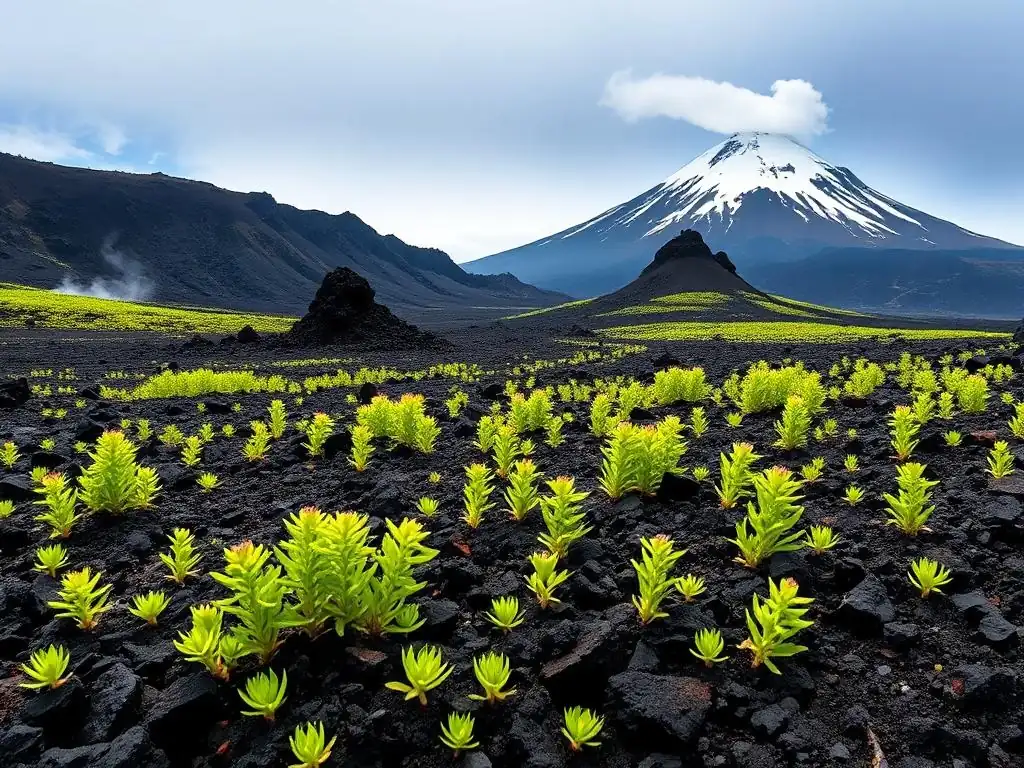
Ongoing volcanic activity presents a persistent challenge to ecosystem stability in volcanic zones. While ecosystems can recover and even thrive in volcanic landscapes, the threat of future eruptions is always present. Frequent eruptions can reset successional processes, particularly in areas affected by lava flows, pyroclastic flows, or significant ashfalls. Even less dramatic volcanic events, such as gas emissions or minor ash deposits, can stress vegetation and alter soil chemistry, impacting ecosystem health and stability. The unpredictable nature of volcanic activity means that ecosystems in these regions are constantly adapting to a dynamic and potentially disruptive environment.
For example, in regions with frequent Strombolian eruptions, like some parts of Italy or Iceland, ecosystems may be repeatedly disturbed by lava flows and ashfalls, preventing the establishment of a true climax community in some areas. Ecosystems in these zones are often characterized by a mosaic of successional stages, reflecting the patchy nature of volcanic disturbances. The constant possibility of volcanic events necessitates that ecosystem stability in volcanic zones is viewed as a dynamic equilibrium, where communities are continually adjusting to and recovering from volcanic impacts, rather than a static endpoint.
Invasive Species and Their Influence
Invasive species pose a significant threat to ecosystem stability in volcanic zones, just as they do in many ecosystems worldwide. Volcanic disturbances can create opportunities for invasive species to colonize and establish themselves, often outcompeting native species that are adapted to the local environment. Disturbed volcanic landscapes can be particularly vulnerable to invasion because native communities may be weakened or fragmented, and resources may become more available. Invasive plants can alter habitat structure, nutrient cycles, and fire regimes, while invasive animals can prey on native species, disrupt food webs, and damage habitats.
For example, in Hawaii, invasive plant species like Miconia calvescens have aggressively invaded volcanic rainforests, outcompeting native trees and reducing biodiversity. Invasive grasses in volcanic grasslands can alter fire frequency and intensity, further disadvantaging native plants. The introduction and spread of invasive species can disrupt the natural processes of ecological succession and hinder the development or maintenance of climax communities in volcanic zones. Managing and controlling invasive species is therefore crucial for preserving ecosystem stability in these dynamic landscapes.
Climate Change and Its Effects on Volcanic Ecosystems
Climate change is an emerging and increasingly significant challenge to ecosystem stability in volcanic zones. Changing temperature and precipitation patterns can directly impact volcanic ecosystems, altering species distributions, growth rates, and community composition. Changes in climate can also indirectly influence volcanic activity itself, potentially affecting the frequency and intensity of eruptions in some regions, although the exact relationship is complex and still being researched. Climate change can exacerbate existing stresses on volcanic ecosystems, making them more vulnerable to disturbances and less resilient to volcanic impacts.
For example, in volcanic regions that are already water-stressed, increased drought frequency and severity due to climate change can further limit plant growth and recovery after volcanic eruptions. Changes in snowpack and glacial meltwater in volcanic mountain ranges can alter hydrological regimes and impact downstream ecosystems. Rising sea levels can threaten coastal volcanic ecosystems, such as mangrove forests or coastal lava flows with unique intertidal communities. Addressing climate change and its impacts is essential for ensuring the long-term ecosystem stability in volcanic zones and for mitigating the combined effects of climate change and volcanic activity on these dynamic landscapes.
Monitoring and Management of Ecosystem Stability in Volcanic Regions
The Importance of Long-Term Ecological Monitoring
Long-term ecological monitoring is crucial for understanding and managing ecosystem stability in volcanic regions. Volcanic landscapes are dynamic and subject to both natural disturbances and human-induced changes. Long-term monitoring provides valuable data on the trajectory of ecological succession, the impacts of volcanic activity and other disturbances, and the effectiveness of management strategies. Continuous monitoring allows scientists and managers to track changes in species composition, vegetation structure, nutrient cycling, and ecosystem resilience over time. This data is essential for detecting trends, identifying potential threats, and making informed decisions about conservation and management.
For instance, long-term monitoring at Mount St. Helens has provided invaluable insights into the process of ecological recovery after the 1980 eruption, informing our understanding of succession and ecosystem resilience in volcanic landscapes. Monitoring programs can also help to assess the impacts of invasive species, climate change, and human activities on volcanic ecosystems. By establishing baseline data and tracking changes over decades, long-term ecological monitoring is indispensable for ensuring the sustainable management and conservation of ecosystem stability in volcanic zones.
Conservation Strategies for Vulnerable Species and Habitats
Conservation strategies are essential for protecting vulnerable species and habitats in volcanic regions, particularly in the face of ongoing volcanic activity, invasive species, and climate change. These strategies may include habitat protection and restoration, invasive species control, and species-specific conservation measures. Protecting critical habitats, such as unique volcanic geothermal areas or refugia from volcanic disturbances, is vital for preserving biodiversity. Restoring degraded habitats, for example, through reforestation or soil rehabilitation after volcanic eruptions, can enhance ecosystem resilience and support the recovery of native species.
Invasive species management is a key conservation priority in many volcanic zones, requiring targeted control efforts and prevention measures. Species-specific conservation actions may be necessary for highly threatened or endemic species, such as captive breeding programs, habitat enhancement, or translocation. Integrating conservation planning with volcanic hazard assessments and land-use management is crucial for ensuring the long-term protection of biodiversity and ecosystem stability in volcanic zones. Collaborative efforts involving scientists, land managers, local communities, and policymakers are essential for effective conservation in these dynamic and challenging environments.
Restoring Damaged Ecosystems in Volcanic Areas
Restoring damaged ecosystems in volcanic areas is a complex but important undertaking. Ecosystem restoration after volcanic disturbances can involve a range of techniques, depending on the type and severity of the damage and the ecological context. In areas affected by lava flows or pyroclastic flows that have sterilized the soil, restoration efforts may focus on promoting primary succession.
This can involve soil amendment, planting of pioneer species, and erosion control measures. In areas undergoing secondary succession after ashfalls or less severe disturbances, restoration may focus on assisting natural recovery processes, such as removing invasive species, controlling erosion, and promoting the regeneration of native vegetation.
Restoration projects should be guided by ecological principles and tailored to the specific conditions of each site. Monitoring the progress of restoration and adapting management strategies as needed is crucial for achieving successful outcomes. Community involvement and engagement are also essential for ensuring the long-term sustainability of restoration efforts. Restoring damaged ecosystems in volcanic areas not only helps to recover biodiversity and ecosystem functions but also enhances the resilience of these landscapes to future disturbances, contributing to the overall ecosystem stability in volcanic zones.
The Future of Ecosystems in Volcanic Zones: Maintaining Stability
Predicting Future Changes in Volcanic Landscapes
Predicting future changes in volcanic landscapes is a challenging but increasingly important endeavor for maintaining ecosystem stability. Volcanic activity is inherently unpredictable, but scientists are continually improving their ability to monitor volcanoes and assess volcanic hazards. Understanding the potential impacts of future eruptions on ecosystems is crucial for proactive management and conservation planning. Climate change adds another layer of complexity, as its effects on volcanic ecosystems are still being researched and understood. Predicting how climate change will interact with volcanic activity and affect ecosystem dynamics is a key area of future research.
Developing predictive models that integrate volcanic hazard assessments, climate change scenarios, and ecological succession dynamics is essential for anticipating future changes in volcanic landscapes. These models can help to identify areas that are most vulnerable to disturbances, predict potential shifts in species distributions and ecosystem functions, and inform adaptive management strategies. Improving our ability to predict future changes is vital for ensuring the long-term ecosystem stability and resilience of volcanic zones in a rapidly changing world.
The Role of Human Intervention in Promoting Ecosystem Health
Human intervention plays a crucial role in promoting ecosystem health and stability in volcanic zones. While natural processes of ecological succession are fundamental, human actions can significantly influence the trajectory and rate of ecosystem recovery and development. Effective land-use planning and management in volcanic regions are essential to minimize human impacts on vulnerable ecosystems. Controlling invasive species, mitigating pollution, and managing tourism and recreation are important aspects of human intervention to support ecosystem health. In some cases, active restoration efforts may be necessary to accelerate recovery or enhance ecosystem resilience.
Human intervention should be guided by ecological principles and adaptive management approaches, recognizing the dynamic and unpredictable nature of volcanic landscapes. Collaboration between scientists, land managers, policymakers, and local communities is essential for developing and implementing effective strategies to promote ecosystem health and maintain ecosystem stability in volcanic zones. By taking a proactive and informed approach, humans can play a positive role in shaping the future of these unique and valuable ecosystems.
The Importance of Understanding Ecological Succession for Volcanic Hazard Management
Understanding ecological succession is not only important for ecological conservation but also for volcanic hazard management. The state of vegetation cover and ecosystem health can influence the severity of volcanic impacts and the rate of recovery after eruptions. For example, dense vegetation can reduce erosion after ashfalls and stabilize slopes, mitigating the risk of landslides and lahars. Healthy ecosystems can also provide ecosystem services, such as water regulation and carbon sequestration, that are important for human communities living in volcanic regions. Understanding ecological succession can inform land-use planning and hazard mitigation strategies in volcanic areas.
For instance, knowledge of successional pathways can help to predict how vegetation will recover after an eruption and how this recovery might affect the risk of secondary hazards. Ecological monitoring can provide early warning signs of ecosystem degradation that might increase vulnerability to volcanic hazards.
Integrating ecological considerations into volcanic hazard management can lead to more effective and sustainable strategies for reducing risks and enhancing the resilience of both human communities and ecosystems in volcanic zones. A holistic approach that considers the interplay between ecological processes and volcanic hazards is crucial for long-term sustainability and safety in these dynamic landscapes.
Frequently Asked Questions
What is a climax community in the context of volcanic zones?
A climax community refers to a relatively stable and mature ecological community that develops in an area after a period of succession, even after a volcanic disturbance. It represents the final stage of ecological succession and is characterized by a complex and diverse ecosystem.
How does volcanic activity initially impact ecosystem stability?
Volcanic eruptions can cause significant ecosystem disruption through lava flows, ashfall, and pyroclastic flows. These events often result in the complete removal of existing vegetation and soil, leading to a barren landscape.
What are some key pioneer species that contribute to re-establishing ecosystem stability after a volcanic eruption?
Pioneer species, such as lichens, mosses, and certain hardy plants, are the first to colonize the barren volcanic landscapes. They play a crucial role in breaking down rock, creating soil, and initiating the process of succession, which is essential for achieving ecosystem stability.
How long does it typically take for a volcanic zone to reach a climax community and achieve ecosystem stability?
The time it takes to reach a climax community varies greatly depending on factors like the severity of the eruption, climate, and availability of colonizing species. It can range from several decades to centuries for a fully developed and stable ecosystem to emerge.
What factors contribute to the long-term ecosystem stability in volcanic zones, even with the potential for future eruptions?
Long-term stability is achieved through biodiversity, nutrient cycling, and the establishment of resilient species adapted to the volcanic environment. The ability of the ecosystem to recover from disturbances and adapt to changing conditions is key to maintaining ecosystem stability.
Final Reflection: Embracing the Resilience of Nature
The journey through volcanic landscapes, as we've explored, reveals a profound truth: ecosystem stability is not a static state, but a dynamic process of adaptation and resilience. The seemingly barren grounds, born from destruction, ultimately become cradles of life, showcasing nature's unwavering ability to rebuild and thrive. This understanding is crucial in a world increasingly facing environmental challenges, reminding us that even in the face of devastation, hope and renewal persist.
The gradual, yet persistent, march towards a climax community in volcanic zones has deeply influenced our understanding of ecological succession and the interconnectedness of life. Witnessing this natural progression underscores the importance of patience, observation, and respect for the intricate web of relationships that sustain our planet. The ultimate test of man's conscience may be his willingness to sacrifice something today for future generations whose words of thanks will not be heard.
- Gaylord Nelson. This quote encapsulates the responsibility we bear to protect and nurture these fragile ecosystems, ensuring their continued evolution and contribution to global biodiversity.
As you reflect on the lessons learned from these volcanic landscapes, consider how you can apply the principles of resilience and adaptation in your own life. Embrace the challenges that come your way, recognizing that even from the ashes of adversity, new growth and stability can emerge. Let the story of the climax community in volcanic zones inspire you to become a steward of the environment, fostering a future where both humanity and nature can flourish in harmonious balance.
Alright, here's a CTA designed for the end of a web article titled "The Climax Community: Reaching Ecosystem Stability in Volcanic Zones" on the Volcano Explorers website (volcanoexplorers.org):
Ignite Your Inner Explorer: Help Nature Thrive!
Thanks for joining us on this journey to understand the resilience of ecosystems in volcanic landscapes! We hope you've gained a newfound appreciation for the power of nature to reclaim even the most challenging environments. Now, let's explore how you can contribute to this fascinating process:
- Become a Citizen Scientist: Report your observations of plant and animal life in your local volcanic area (or even just areas affected by natural disasters) using our submission form to contribute valuable data for research on climax communities.
- Dive Deeper: Explore our archive of articles on ecological succession and the incredible adaptations of organisms thriving near volcanoes.
- Spread the Word: Share this article with friends and family to inspire others to appreciate and protect these unique ecosystems.
What small step will you take this week to support the recovery and flourishing of your local environment, volcanic or otherwise?