
Eruption's Echo: How Volcanic Ash Contaminates Drinking Water Sources

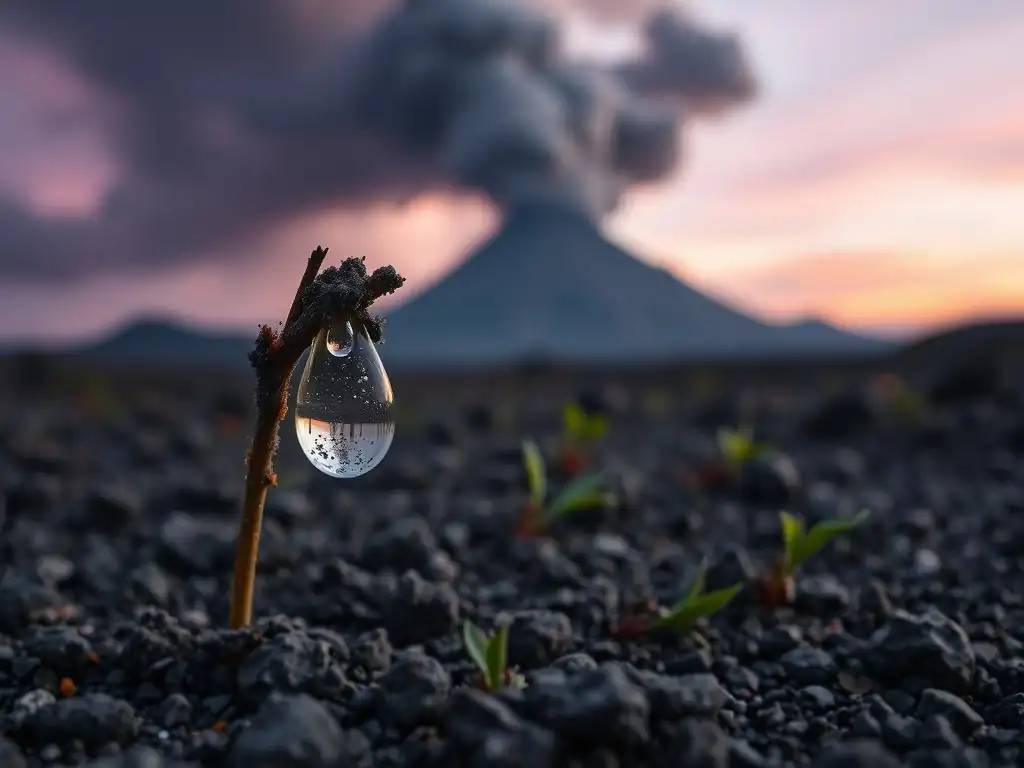
Welcome to Volcano Explorers, where we unravel the mysteries of Earth's fiery giants. Ever wondered about the unseen consequences of an eruption? Dive into our latest exploration of volcanic ash water contamination and discover how these seemingly harmless particles can drastically alter our most vital resource. What secrets does the ash hold, and how can we protect ourselves? The answers await – keep reading to uncover the hidden impact of these powerful forces of nature.
- Understanding Volcanic Ash and its Impact on Water
- Volcanic Ash Water Contamination: A Deep Dive
- Health Risks Associated with Volcanic Ash Contaminated Water
- Identifying and Assessing Volcanic Ash Water Contamination
- Mitigation and Treatment Strategies for Ash-Contaminated Water
- Protecting Your Water Supply During and After a Volcanic Eruption
- Case Studies: Volcanic Ash Impacts on Water Resources Worldwide
- The Role of Volcanologists in Protecting Water Resources
-
Frequently Asked Questions
- What are the primary ways volcanic ash can contaminate drinking water sources?
- What are the immediate effects of volcanic ash contamination on water quality?
- How long does volcanic ash contamination typically last in water sources?
- What are the potential health risks associated with drinking water contaminated by volcanic ash?
- What steps can be taken to treat or purify water contaminated by volcanic ash?
- Final Reflection: The Lingering Threat of Ash
- Ignite Your Knowledge: Safeguard Your Water!
Understanding Volcanic Ash and its Impact on Water
What is Volcanic Ash and Where Does it Come From?
Volcanic ash, despite its name, is not a product of combustion like ash from a fire. Instead, it is composed of fine fragments of pulverized rock, minerals, and volcanic glass created during explosive volcanic eruptions. These eruptions occur when magma, molten rock beneath the Earth's surface, rises and encounters a decrease in pressure, causing dissolved gases to rapidly expand and fragment the magma.
This violent process ejects particles of varying sizes into the atmosphere, ranging from dust-like particles to sand-sized grains. The source of volcanic ash is directly tied to the volcano's eruption style; highly explosive eruptions, often associated with stratovolcanoes like Mount Fuji or Mount Rainier, produce vast plumes of ash that can ascend kilometers into the atmosphere and travel thousands of miles downwind.
The size of volcanic ash particles is a crucial factor in understanding its dispersal and impact. Volcanologists classify ash particles as being less than 2 millimeters in diameter. However, within this size range, there is a spectrum from coarse ash (0.063 to 2 mm) to fine ash (less than 0.063 mm).
Finer ash particles can remain suspended in the atmosphere for longer periods and travel greater distances, while coarser particles tend to settle out closer to the volcano. The composition and texture of volcanic ash also vary depending on the type of volcano and the magma involved in the eruption.
For example, ash from eruptions of basaltic volcanoes, like those in Hawaii, may differ chemically from ash produced by andesitic or rhyolitic volcanoes common in the Pacific Ring of Fire. Understanding the origin and characteristics of volcanic ash is the first step in assessing its potential for volcanic ash water contamination.
The Chemical Composition of Volcanic Ash: A Contaminant Cocktail
Volcanic ash is far from inert dust; it is a complex mixture of minerals and chemicals that can pose a significant threat to water quality. The specific chemical composition of volcanic ash varies considerably depending on the type of volcano, the magma source, and the eruption style. However, several common elements and compounds are frequently found in volcanic ash and contribute to volcanic ash water contamination.
Silica (SiO2) is a primary component, often in the form of volcanic glass and various silicate minerals. Aluminum (Al), iron (Fe), calcium (Ca), magnesium (Mg), sodium (Na), and potassium (K) are also commonly present in significant quantities.
Beyond these major elements, volcanic ash can contain trace amounts of potentially harmful substances. Fluoride (F), for instance, is a frequent constituent and is of particular concern for water contamination. During an eruption, fluoride in volcanic gases can condense onto ash particles, making the ash a carrier of this element.
Heavy metals like arsenic (As), lead (Pb), mercury (Hg), and cadmium (Cd) can also be present in volcanic ash, albeit typically in lower concentrations compared to fluoride. The leaching of these elements from ash into water sources depends on several factors, including the ash's chemical makeup, the pH of the water, the duration of contact, and the particle size of the ash.
Freshly fallen ash often exhibits a higher leaching potential due to its unweathered surface and the presence of readily soluble compounds deposited during the eruption. This complex chemical cocktail in volcanic ash makes it a potent source of volcanic ash water contamination, necessitating careful monitoring and mitigation efforts.
How Volcanic Ash Travels and Settles: Deposition Patterns
The dispersal and deposition of volcanic ash are governed by a combination of factors, primarily wind patterns, eruption column height, and particle size. During an explosive eruption, a towering plume of ash and gas rises into the atmosphere. The height of this eruption column dictates how far the ash can travel, with higher columns injecting ash into upper atmospheric winds that can transport it across continents.
Wind direction is the most immediate determinant of ashfall patterns. Areas downwind of the volcano will receive the bulk of the ashfall, while areas upwind will remain relatively unaffected. For example, during the 2010 Eyjafjallajökull eruption in Iceland, prevailing winds carried the ash cloud eastward towards Europe, causing widespread air travel disruptions and impacting areas as far away as Scotland and Norway with noticeable ashfall.
Particle size plays a critical role in how far and how quickly volcanic ash settles. Larger, coarser ash particles, due to their greater weight, tend to fall out of the ash cloud closer to the volcano. They deposit rapidly, often within tens to hundreds of kilometers.
Finer ash particles, on the other hand, can remain suspended in the atmosphere for days, weeks, or even months. These fine particles can be carried thousands of kilometers downwind, leading to widespread, albeit often thinner, ash deposits far from the eruption source. Rainfall can also influence ash deposition.
Rain can scavenge ash particles from the atmosphere, effectively washing them out and leading to localized areas of heavier ashfall. This process, known as wet deposition, can concentrate ash in specific areas and contribute significantly to volcanic ash water contamination in local watersheds and water bodies. The complex interplay of these factors results in varied and often unpredictable ash deposition patterns, posing challenges for predicting and mitigating the impacts of volcanic ash water contamination.
Volcanic Ash Water Contamination: A Deep Dive
Direct Contamination of Surface Water Sources by Volcanic Ash
Surface water sources, such as rivers, lakes, and reservoirs, are particularly vulnerable to direct contamination from volcanic ash during and after an eruption. When volcanic ash falls, a significant portion can directly deposit into these water bodies. The extent of direct contamination depends on several factors, including the proximity of the water source to the volcano, the intensity and duration of the ashfall, and the size of the water body.
Smaller, shallower water bodies are more susceptible to rapid and significant contamination compared to large, deep lakes or fast-flowing rivers. For instance, small ponds and streams located within tens of kilometers of an erupting volcano can experience a rapid influx of ash, leading to immediate changes in water quality.
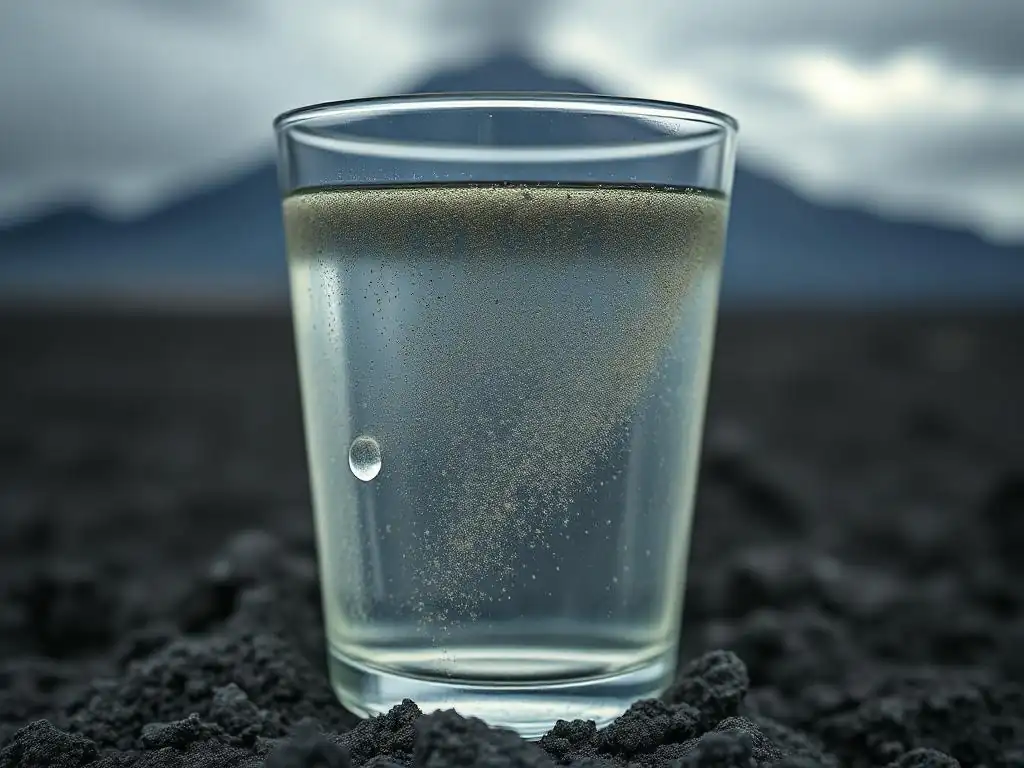
The immediate impacts of direct volcanic ash deposition on surface water are often visually striking. Water clarity decreases dramatically as ash particles suspended in the water column increase turbidity. The water may take on a murky, grey, or even brown appearance depending on the ash concentration and composition.
Beyond visual changes, direct ashfall introduces a range of chemical contaminants into the water. As discussed earlier, volcanic ash contains various elements and compounds, including fluoride, sulfates, and potentially heavy metals. Upon contact with water, these substances can leach out, altering the water's chemical composition.
pH levels can fluctuate, often becoming more acidic or alkaline depending on the ash's characteristics and the buffering capacity of the water. Increased nutrient levels, such as phosphorus and nitrogen, can also occur due to ash input, potentially leading to algal blooms in lakes and reservoirs over time. This direct pathway of volcanic ash water contamination poses immediate challenges for water treatment and supply, especially for communities relying on surface water sources near active volcanoes.
Groundwater Contamination Pathways: Ash Infiltration and Leaching
While surface water contamination from volcanic ash is often immediate and visible, groundwater sources are also at risk, albeit through more indirect pathways. Volcanic ash water contamination of groundwater primarily occurs through infiltration and leaching processes. When ash falls on land, particularly in areas with permeable soils, rainwater and snowmelt can transport dissolved components from the ash downwards through the soil profile.
This process is known as leaching, where water acts as a solvent, dissolving soluble constituents in the ash and carrying them into the subsurface. The rate and extent of leaching depend on factors like rainfall intensity, soil type, ash composition, and the depth to the water table. Areas with sandy or gravelly soils allow for faster infiltration and potentially greater leaching compared to areas with clay-rich soils.
As leachate from volcanic ash percolates through the unsaturated zone (vadose zone) and reaches the saturated zone (aquifer), it can contaminate groundwater. The contaminants of primary concern are similar to those affecting surface water, including fluoride, sulfates, and potentially heavy metals. Fluoride, in particular, is a mobile element and can readily leach from ash and migrate into groundwater aquifers.
The impact on groundwater quality may not be as immediate as with surface water, as it takes time for the leachate to travel through the soil and reach the water table. However, groundwater contamination can be more persistent and long-lasting because aquifers are often slower to flush out contaminants compared to surface water bodies. Furthermore, groundwater is a critical drinking water source for many communities, especially in rural areas, making volcanic ash water contamination of groundwater a significant long-term concern requiring careful monitoring and management strategies.
Impact on Reservoirs and Water Storage Facilities: The Case of Mount Pinatubo, Philippines
Reservoirs and water storage facilities, designed to secure water supply, are not immune to the impacts of volcanic ash water contamination. In fact, they can be particularly vulnerable due to their role in collecting and storing water over extended periods. The 1991 eruption of Mount Pinatubo in the Philippines provides a stark example of the devastating impact volcanic ash can have on water storage facilities.
The eruption, one of the largest of the 20th century, deposited vast quantities of ash across the surrounding landscape, including directly into reservoirs and watersheds that fed into water storage facilities. The Angat reservoir, a major source of drinking water and irrigation for Metro Manila and surrounding areas, was heavily impacted by ashfall.
The Pinatubo eruption resulted in a massive influx of sediment and ash into the Angat reservoir. Turbidity levels in the reservoir skyrocketed, rendering the water virtually unusable without extensive treatment. The ash also introduced significant chemical contamination, including elevated levels of dissolved solids, sulfates, and trace metals.
Furthermore, the sheer volume of ash and sediment accumulating in the reservoir reduced its storage capacity. It is estimated that the Pinatubo eruption led to a reduction in the Angat reservoir's effective storage volume by as much as 10-15% due to sediment infilling.
This loss of capacity, coupled with the degraded water quality, posed significant challenges for water supply management in the region for years following the eruption. The Mount Pinatubo case highlights the long-term and multifaceted impacts of volcanic ash water contamination on reservoirs and water storage facilities, emphasizing the need for robust mitigation and management strategies to protect these critical water resources in volcanically active regions.
Health Risks Associated with Volcanic Ash Contaminated Water
Short-Term Health Effects of Drinking Ash-Contaminated Water
Drinking water contaminated with volcanic ash can lead to a range of short-term health effects, primarily due to the physical and chemical properties of the ash. Immediately after an ashfall event, the most common short-term health effect is gastrointestinal irritation. The fine, abrasive nature of ash particles can irritate the lining of the stomach and intestines, leading to symptoms such as nausea, vomiting, diarrhea, and abdominal pain.
These symptoms are often mild and transient, resolving within a few days as the body clears the irritants. However, in vulnerable populations, such as young children or individuals with pre-existing gastrointestinal conditions, these symptoms can be more severe and require medical attention.
Beyond physical irritation, the chemical components leached from volcanic ash into water can also contribute to short-term health problems. Elevated levels of sulfates in drinking water, a common consequence of volcanic ash water contamination, can have a laxative effect and exacerbate diarrhea. While fluoride at low concentrations is beneficial for dental health, acutely high levels, which can occur in ash-contaminated water, can cause acute fluoride toxicity.
Symptoms of acute fluoride poisoning can include nausea, vomiting, abdominal pain, muscle weakness, and in severe cases, cardiac arrhythmias. While acute fluoride poisoning from drinking ash-contaminated water is relatively rare, it is a potential risk, particularly in areas with already fluoridated water supplies.
Furthermore, the presence of other leached chemicals, even at low concentrations, can contribute to general discomfort and potential allergic reactions in sensitive individuals. Therefore, avoiding consumption of visibly ash-contaminated water and seeking alternative safe water sources is crucial in the immediate aftermath of a volcanic eruption to mitigate these short-term health risks associated with volcanic ash water contamination.
Long-Term Health Effects of Exposure to Volcanic Ash in Water Sources
While short-term health effects from drinking ash-contaminated water are often transient, prolonged exposure to certain contaminants leached from volcanic ash can lead to more serious long-term health problems. Fluoride is a primary concern regarding long-term health effects of volcanic ash water contamination. Chronic exposure to elevated fluoride levels in drinking water, known as fluorosis, can cause dental and skeletal fluorosis. Dental fluorosis, characterized by mottling and discoloration of tooth enamel, is primarily a cosmetic issue in mild cases.
However, in more severe cases, it can weaken tooth enamel and increase susceptibility to dental cavities. Skeletal fluorosis, a more serious condition, results from fluoride accumulation in bones over many years. It can lead to joint pain, stiffness, bone deformities, and increased risk of fractures. The severity of fluorosis depends on the concentration of fluoride in drinking water, the duration of exposure, and individual susceptibility.
Exposure to heavy metals potentially leached from volcanic ash, such as arsenic, lead, and mercury, also poses long-term health risks. Chronic arsenic exposure is linked to various cancers, including skin, bladder, and lung cancer, as well as cardiovascular disease and neurological problems.
Lead, even at low levels, can impair neurological development in children and contribute to cardiovascular and kidney problems in adults. Mercury is a neurotoxin that can accumulate in the body and cause neurological damage, particularly in developing fetuses and young children.
While the concentrations of heavy metals leached from volcanic ash may not always be high enough to cause immediate acute toxicity, long-term exposure over years or decades, even at low levels, can increase the risk of developing these chronic health conditions. Therefore, ensuring long-term monitoring of water quality and implementation of effective treatment strategies are crucial to minimize the potential for these long-term health effects associated with volcanic ash water contamination in volcanically active regions.
Vulnerable Populations: Children, Elderly, and Individuals with Pre-existing Conditions
Certain populations are more vulnerable to the health risks associated with volcanic ash water contamination than others. Children, elderly individuals, and those with pre-existing health conditions are particularly susceptible to both short-term and long-term health impacts. Children are more vulnerable due to their developing bodies and higher water intake relative to their body weight.
Their gastrointestinal systems may be more sensitive to the irritant effects of ash particles, and they are at greater risk of fluoride toxicity and heavy metal exposure due to their developing nervous systems and bones. For example, children are more susceptible to dental fluorosis during tooth development and neurological damage from lead exposure.
Elderly individuals often have weakened immune systems and may have pre-existing health conditions that make them more susceptible to the adverse effects of contaminants in drinking water. They may be more prone to dehydration from diarrhea caused by gastrointestinal irritation from ash and may be more vulnerable to the effects of chemical contaminants due to age-related physiological changes.
Individuals with pre-existing respiratory conditions, such as asthma or chronic obstructive pulmonary disease (COPD), may experience exacerbated respiratory symptoms from inhaling volcanic ash, further compounding the health risks if they also consume ash-contaminated water. People with compromised immune systems, such as those with HIV/AIDS or undergoing chemotherapy, are also at higher risk of infections and complications from waterborne pathogens that may be present in untreated ash-contaminated water.
Therefore, public health messaging and interventions following volcanic eruptions must prioritize the needs of these vulnerable populations to ensure they have access to safe drinking water and are protected from the health risks associated with volcanic ash water contamination.
Identifying and Assessing Volcanic Ash Water Contamination
Visual Indicators of Ash Contamination in Water Supplies
Visual observation is often the first and most readily available method for identifying potential volcanic ash water contamination. Several visual cues can indicate the presence of volcanic ash in water supplies. Turbidity, or cloudiness, is a primary visual indicator. Ash particles suspended in water significantly reduce water clarity, making it appear murky or cloudy. The degree of turbidity can range from slightly hazy to completely opaque, depending on the ash concentration.
Changes in water color are another visual sign. Ash contamination can impart a grey, brown, or even yellowish tint to the water, depending on the ash composition and the original color of the water source. In some cases, a visible layer of ash sediment may settle at the bottom of water containers or storage tanks. This sediment can be gritty and may have a characteristic volcanic ash odor, often described as sulfurous or earthy.
While visual indicators are useful for initial assessment, they are not sufficient for determining the extent and nature of volcanic ash water contamination. Turbidity and color changes can be caused by other factors besides volcanic ash, such as sediment runoff after heavy rainfall. Furthermore, some chemical contaminants leached from ash, like fluoride, are colorless and odorless and cannot be detected by visual inspection alone.
Therefore, visual indicators should be considered as a trigger for further investigation and water quality testing. If visual signs of ash contamination are present, it is crucial to proceed with more rigorous testing to determine the specific contaminants and their concentrations to assess the actual risk to public health and water usability.
Testing Water Quality: Key Parameters for Assessing Ash Contamination
To accurately assess volcanic ash water contamination, comprehensive water quality testing is essential. Several key parameters should be analyzed to determine the extent and nature of contamination. Turbidity, measured in Nephelometric Turbidity Units (NTU), is a fundamental parameter to quantify the cloudiness of the water and the concentration of suspended ash particles.
pH is another crucial parameter, as volcanic ash can alter the acidity or alkalinity of water. Monitoring pH changes can provide insights into the leaching of acidic or alkaline components from the ash. Electrical conductivity (EC) measures the total dissolved salts in water and can indicate the overall level of dissolved substances leached from the ash.
Specific chemical analyses are necessary to identify and quantify key contaminants of concern. Fluoride concentration is a primary parameter to test for, given its potential long-term health effects. Sulfate concentration should also be measured, as elevated sulfate levels can have laxative effects and contribute to taste and odor problems.
Depending on the volcanic ash composition and local geological conditions, testing for heavy metals, such as arsenic, lead, mercury, cadmium, and aluminum, may be warranted. Microbiological analysis may also be necessary, especially if the water source is used for drinking, to assess for bacterial or viral contamination, which can sometimes be associated with volcanic eruptions and ashfall events. Standardized water quality testing methods and certified laboratories should be utilized to ensure accurate and reliable results for these key parameters, providing a robust assessment of volcanic ash water contamination and informing appropriate mitigation and treatment strategies.
Utilizing Remote Sensing and Modeling Techniques to Predict Contamination
Beyond direct water quality testing, advanced techniques like remote sensing and modeling can play a crucial role in predicting and assessing volcanic ash water contamination, especially in the immediate aftermath of a volcanic eruption. Remote sensing technologies, such as satellite imagery and aerial photography, can be used to map ashfall distribution across large areas.
By analyzing satellite images, scientists can identify areas with heavy ashfall, which are likely to experience more significant water contamination. Remote sensing can also help monitor changes in land cover and vegetation health following ashfall, which can indirectly affect water quality through altered runoff patterns and nutrient cycling.
Hydrological modeling and water quality modeling can be used to predict the pathways and extent of volcanic ash water contamination. Hydrological models simulate water flow and transport in watersheds, allowing for predictions of how ash and leached contaminants will move through river systems and infiltrate into groundwater. Water quality models can simulate the leaching processes of contaminants from ash and their fate and transport in water bodies.
By integrating ashfall distribution data from remote sensing with hydrological and water quality models, it is possible to generate predictive maps of potential water contamination zones. These predictive tools can help prioritize areas for water quality monitoring and guide emergency response efforts, enabling proactive measures to mitigate the impacts of volcanic ash water contamination and protect public health.
Mitigation and Treatment Strategies for Ash-Contaminated Water
Emergency Response: Immediate Actions After an Ashfall Event
In the immediate aftermath of a volcanic ashfall event, rapid and effective emergency response is crucial to minimize the impacts of volcanic ash water contamination on public health and water supplies. The first and most critical action is to communicate clear and concise public health advisories. These advisories should warn the public about the potential for water contamination and recommend avoiding or minimizing the consumption of potentially contaminated water.
People should be advised to use stored emergency water or alternative safe water sources, such as bottled water, if available. If no safe alternative is immediately accessible, water from potentially contaminated sources should be treated before consumption. Boiling water for at least one minute is a simple and effective method to kill most waterborne pathogens, although it does not remove chemical contaminants or ash particles.
Simultaneously, water resource managers and emergency response teams should initiate rapid assessment of water sources. This includes visual inspections of surface water bodies and water storage facilities for signs of ash contamination. Initial water samples should be collected from key water sources for rapid screening of basic parameters like turbidity and pH.
Distribution of emergency water supplies, such as water tanks or bottled water, to affected communities, especially vulnerable populations, should be prioritized. Public education campaigns should be launched to inform communities about safe water handling practices during and after ashfall events, including proper water storage, filtration, and disinfection techniques. Coordination between volcanologists, water resource managers, public health officials, and emergency response agencies is essential for a cohesive and effective emergency response to volcanic ash water contamination.
Water Treatment Technologies: Removing Ash and Contaminants
Effective water treatment technologies are essential to remove volcanic ash and associated contaminants from water supplies and ensure safe drinking water after an ashfall event. For surface water sources heavily contaminated with ash, the primary treatment objective is to remove the suspended ash particles and reduce turbidity. Sedimentation is a fundamental first step, allowing larger ash particles to settle out of the water by gravity in settling basins or tanks. Coagulation and flocculation can enhance sedimentation by adding chemicals that cause finer ash particles to clump together into larger, more easily settleable flocs.
Filtration is a crucial subsequent step to remove the remaining suspended ash particles and further reduce turbidity. Various filtration methods can be employed, including sand filtration, rapid sand filtration, and membrane filtration. Membrane filtration, such as ultrafiltration or microfiltration, is particularly effective in removing fine ash particles and microorganisms.
For chemical contaminants leached from volcanic ash, such as fluoride and heavy metals, additional treatment processes may be required. Activated carbon adsorption can remove some organic contaminants and improve taste and odor. For fluoride removal, specialized technologies like activated alumina adsorption, reverse osmosis, or bone char filtration can be employed. Ion exchange resins can also be used to remove certain heavy metals.
Disinfection is a critical final step in water treatment to eliminate any remaining waterborne pathogens. Chlorination, ozonation, and UV disinfection are common disinfection methods. The specific combination of water treatment technologies required will depend on the characteristics of the volcanic ash, the source water quality, and the desired drinking water standards. Pilot-scale testing and treatability studies may be necessary to optimize treatment processes for specific volcanic ash water contamination scenarios.
Long-Term Solutions: Protecting Water Sources from Future Volcanic Events
Beyond immediate emergency response and short-term water treatment, implementing long-term solutions is crucial to protect water sources from future volcanic ash contamination and build resilience in volcanically active regions. Watershed management is a fundamental long-term strategy. This includes measures to reduce soil erosion and sediment runoff in volcanic watersheds, such as reforestation, terracing, and contour plowing.
Protecting and restoring riparian vegetation along rivers and streams can also help filter runoff and reduce sediment input into water bodies. Relocating or protecting critical water infrastructure, such as water intakes and treatment plants, away from areas of high volcanic hazard, if feasible, can reduce their vulnerability to ashfall and other volcanic impacts.
Developing alternative water sources can enhance water security in volcanically active areas. This may include diversifying water supply portfolios to include groundwater sources, rainwater harvesting systems, or inter-basin water transfers, reducing reliance on surface water sources directly exposed to ashfall. Improving water storage capacity, such as building larger reservoirs or implementing managed aquifer recharge, can enhance water buffering capacity during ashfall events and ensure a more reliable water supply.
Implementing early warning systems for volcanic eruptions and ashfall events is critical for preparedness. These systems should integrate volcano monitoring data, weather forecasts, and ash dispersal models to provide timely warnings to communities and water resource managers, allowing for proactive mitigation measures. Investing in research and development of more cost-effective and robust water treatment technologies specifically designed for volcanic ash water contamination is also essential for long-term resilience in volcanically active regions.
Protecting Your Water Supply During and After a Volcanic Eruption
Emergency Water Storage and Filtration Techniques
For individuals and households in volcanically active areas, proactive measures to protect their water supply during and after a volcanic eruption are essential. Emergency water storage is a fundamental preparedness step. Storing at least a 3-day supply of water per person (approximately 3 gallons per person per day) is recommended. Water can be stored in clean, food-grade containers, such as plastic bottles, jugs, or water barrels.
Stored water should be kept in a cool, dark place and replaced every six months to maintain its quality. In addition to stored water, having rainwater harvesting systems can provide a supplementary water source, especially in areas with frequent rainfall. Rainwater collection systems should be properly designed and maintained to ensure water quality.
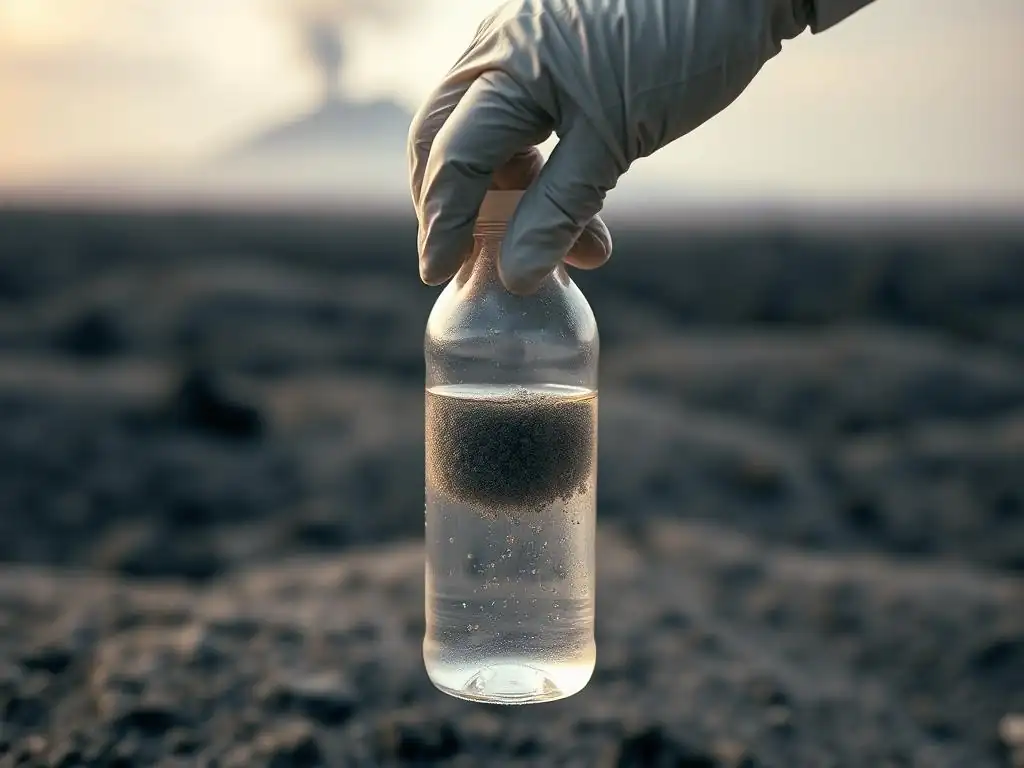
Filtration techniques are crucial for treating potentially ash-contaminated water if stored water runs out or rainwater harvesting is insufficient. Simple filtration methods, such as using cloth filters or coffee filters, can remove larger ash particles and sediment from water. More advanced portable water filters, including ceramic filters, gravity-fed filters, and pump filters, are highly effective in removing finer ash particles, bacteria, and protozoa.
These filters are readily available and can be a valuable addition to emergency preparedness kits. Constructing a DIY emergency water filter using readily available materials like sand, gravel, and charcoal is also a viable option in emergency situations.
Combining filtration with disinfection, such as boiling water or using water purification tablets (e.g., chlorine or iodine tablets), provides an extra layer of safety, especially if the water source is suspected of being contaminated with pathogens in addition to volcanic ash. Practicing these emergency water storage and filtration techniques ensures households are better prepared to cope with volcanic ash water contamination during and after volcanic eruptions.
Community-Based Water Management Strategies
Community-based water management strategies are vital for enhancing resilience to volcanic ash water contamination at a larger scale, particularly in rural areas and developing countries where centralized water treatment infrastructure may be limited. Establishing community water committees or water user associations can empower local communities to take ownership of water resource management. These committees can be responsible for monitoring water quality, managing water resources sustainably, and implementing community-level water treatment and storage solutions.
Promoting rainwater harvesting at the community level can significantly augment water supply, especially in areas with predictable rainfall patterns. Community rainwater harvesting systems can range from simple rooftop collection systems for individual households to larger communal systems serving multiple households or villages.
Developing and maintaining community-scale water storage facilities, such as protected wells, boreholes, or communal water tanks, can enhance water security during ashfall events. These facilities should be designed to minimize ash contamination and should be regularly maintained. Implementing community-based water treatment systems, such as slow sand filters or biosand filters, can provide affordable and sustainable water treatment solutions for removing ash and improving water quality.
These systems are relatively simple to construct and operate and can be managed by trained community members. Sharing knowledge and best practices on water management and treatment within the community and with neighboring communities is essential for building collective resilience.
Community-based early warning systems for volcanic eruptions and ashfall events, linked to national or regional monitoring networks, can enable communities to prepare and take proactive measures to protect their water supplies. Empowering communities to manage their water resources collectively is a cornerstone of long-term resilience to volcanic ash water contamination.
Individual Preparedness: What You Can Do to Safeguard Your Water
Individual preparedness is paramount in safeguarding your water supply before, during, and after a volcanic eruption. Before an eruption, assess your water sources and identify potential vulnerabilities to volcanic ash water contamination. Determine if your primary water source is surface water or groundwater and consider its proximity to active volcanoes in your region.
Develop a household emergency water plan that includes water storage, alternative water sources, and water treatment methods. Assemble a household emergency kit that includes bottled water, water storage containers, portable water filters, water purification tablets, and information on safe water handling. Regularly inspect and maintain your rainwater harvesting system, if you have one, ensuring it is clean and functioning properly.
During an ashfall event, take immediate steps to protect your water supply. If you rely on rainwater harvesting, disconnect your collection system to prevent ash contamination of your storage tanks. If you use surface water, consider switching to stored water or an alternative source. Cover outdoor water storage containers to minimize ash entry.
After an ashfall event, avoid drinking water that is visibly contaminated with ash. Use your stored emergency water or treat potentially contaminated water before consumption. Filter water using a cloth filter or a portable water filter to remove ash particles.
Disinfect filtered water by boiling it or using water purification tablets to kill any pathogens. Stay informed about official advisories and water quality updates from local authorities and public health agencies. By taking these individual preparedness measures, you can significantly enhance your ability to safeguard your water supply and protect your health from volcanic ash water contamination during and after a volcanic eruption.
Case Studies: Volcanic Ash Impacts on Water Resources Worldwide
The Eyjafjallajökull Eruption (2010) and Water Contamination in Iceland
The 2010 eruption of Eyjafjallajökull volcano in Iceland, while relatively small in terms of volcanic explosivity index, had significant global impacts due to its widespread ash cloud. In Iceland itself, the eruption caused substantial local disruption and provided a clear case study of volcanic ash water contamination. Ashfall from Eyjafjallajökull was particularly heavy in areas close to the volcano, impacting both surface water and groundwater resources.
Rivers and streams in the vicinity became visibly turbid and experienced changes in water chemistry. Elevated levels of aluminum and fluoride were detected in some water sources, although generally not at concentrations posing immediate acute health risks to the general population.
The primary impact on water resources in Iceland from the Eyjafjallajökull eruption was increased turbidity and sediment load in surface water. This affected water treatment plants, requiring adjustments to treatment processes to manage the increased sediment and maintain drinking water quality. In some rural areas relying on untreated surface water, communities experienced temporary disruptions to their water supply due to ash contamination.
Groundwater sources in Iceland, which are widely used for drinking water, were generally less affected by direct ash contamination due to the filtering capacity of the volcanic aquifers. However, monitoring for long-term impacts on groundwater quality, particularly from fluoride leaching, remained important. The Eyjafjallajökull eruption highlighted the vulnerability of surface water resources to volcanic ash water contamination even in a developed country with advanced water infrastructure, emphasizing the need for robust monitoring and adaptive water management strategies in volcanically active regions.
Mount St. Helens Eruption (1980) and its Effects on Water Quality in Washington State
The 1980 eruption of Mount St. Helens in Washington State, USA, was a major volcanic event with profound and long-lasting effects on the surrounding environment, including significant impacts on water quality and hydrology. The eruption deposited large volumes of volcanic ash across a wide area of Washington and neighboring states, leading to widespread volcanic ash water contamination.
Rivers and lakes in the blast zone and downwind areas experienced immediate and dramatic increases in turbidity, sediment load, and chemical changes. Spirit Lake, located directly north of Mount St. Helens, was severely impacted, becoming a highly altered and biologically impaired water body due to the eruption debris and ashfall.
The eruption caused significant changes in water chemistry in affected water bodies. Elevated levels of dissolved solids, nutrients, and trace metals were observed in rivers and lakes. pH levels fluctuated, and oxygen levels in some lakes decreased due to the influx of organic matter and volcanic debris.
The eruption also dramatically altered drainage patterns and increased sediment erosion in the watersheds surrounding Mount St. Helens. The increased sediment load in rivers and streams posed challenges for water treatment plants and affected aquatic habitats. Long-term monitoring of water quality in the Mount St. Helens area has revealed the gradual recovery of water bodies over decades.
However, some long-term effects, such as altered sediment transport regimes and persistent changes in lake morphology, remain evident. The Mount St. Helens eruption serves as a powerful example of the extensive and long-lasting impacts of a large volcanic eruption on water resources and the importance of long-term monitoring and ecosystem restoration efforts following volcanic ash water contamination.
Lessons Learned and Best Practices for Water Resource Management
Analyzing case studies of volcanic eruptions and their impacts on water resources worldwide provides valuable lessons learned and informs best practices for water resource management in volcanically active regions. A key lesson is the importance of proactive preparedness and planning for volcanic ash water contamination. This includes developing comprehensive emergency response plans, establishing robust volcano monitoring and early warning systems, and investing in resilient water infrastructure.
Diversification of water sources is crucial to reduce reliance on single, vulnerable sources. This can involve developing groundwater resources, rainwater harvesting, or inter-basin water transfers. Watershed management practices that minimize erosion and sediment runoff are essential for protecting surface water quality.
Effective water treatment technologies are vital for removing ash and contaminants from water supplies. Water treatment plants in volcanically active areas should be designed with flexible treatment processes capable of handling high turbidity and variable water chemistry. Community engagement and public education are critical for ensuring community preparedness and promoting safe water handling practices.
Long-term monitoring of water quality is essential to track the impacts of volcanic eruptions and assess the effectiveness of mitigation and restoration efforts. Collaboration and coordination among volcanologists, water resource managers, public health officials, and emergency response agencies are crucial for effective water resource management in volcanically active regions. By implementing these best practices, communities and water resource managers can enhance their resilience to volcanic ash water contamination and protect public health and water security in the face of volcanic hazards.
The Role of Volcanologists in Protecting Water Resources
Monitoring Volcanic Activity and Predicting Ashfall Events
Volcanologists play a crucial role in protecting water resources from volcanic ash water contamination by monitoring volcanic activity and predicting ashfall events. Volcano monitoring involves a range of techniques to detect changes in volcanic behavior that may indicate an impending eruption.
These techniques include seismic monitoring to detect earthquakes associated with magma movement, ground deformation monitoring using GPS and satellite radar to measure swelling of the volcano, gas emission monitoring to detect changes in volcanic gas composition and flux, and thermal monitoring using infrared cameras to detect changes in surface temperatures. By continuously monitoring these parameters, volcanologists can identify signs of unrest and assess the likelihood of an eruption.
Based on monitoring data and understanding of past eruption patterns, volcanologists can issue warnings about potential volcanic eruptions. These warnings are crucial for allowing sufficient time for emergency preparedness measures, including actions to protect water supplies. Volcanologists also play a critical role in predicting ashfall distribution during an eruption.
Using atmospheric models, weather forecasts, and eruption source parameters (such as eruption column height and ash particle size distribution), volcanologists can forecast the trajectory and deposition patterns of volcanic ash plumes. Ashfall forecasts are essential for informing emergency response planning, including directing water quality monitoring efforts to areas predicted to receive significant ashfall and guiding public health advisories related to volcanic ash water contamination. The accuracy and timeliness of volcanic activity monitoring and ashfall predictions are paramount for effective mitigation of volcanic ash impacts on water resources.
Collaboration with Water Resource Managers and Public Health Officials
Effective protection of water resources from volcanic ash water contamination requires strong collaboration between volcanologists, water resource managers, and public health officials. Volcanologists provide crucial information about volcanic hazards, including eruption probabilities, ashfall predictions, and potential contaminants in volcanic ash. This information is essential for water resource managers to assess risks to water supplies and develop appropriate mitigation strategies. Water resource managers bring expertise in water quality monitoring, water treatment technologies, and water supply infrastructure. They can translate volcanological information into actionable plans for protecting water resources and ensuring safe drinking water.
Public health officials contribute expertise in assessing health risks associated with volcanic ash water contamination and developing public health advisories and interventions. They can identify vulnerable populations and ensure that public health messaging reaches affected communities effectively. Regular communication and information sharing among these three groups are vital.
Joint workshops, training exercises, and emergency planning meetings can facilitate effective collaboration and coordination. Establishing clear communication protocols and lines of responsibility is essential for a coordinated response during a volcanic crisis. This interdisciplinary collaboration ensures that scientific expertise, water management knowledge, and public health considerations are integrated into a comprehensive approach to mitigating the risks of volcanic ash water contamination and protecting public health.
Research and Innovation in Volcanic Ash Mitigation Techniques
Ongoing research and innovation are essential for improving volcanic ash mitigation techniques and enhancing the resilience of water resources to volcanic eruptions. Research is needed to better understand the chemical composition and leaching behavior of volcanic ash from different volcanoes and eruption types. This knowledge is crucial for predicting potential water contaminants and developing targeted treatment strategies. Developing more rapid and cost-effective methods for assessing volcanic ash water contamination is a priority.
This includes developing portable water quality sensors and field-deployable analytical techniques for rapid screening of key contaminants. Research into improved water treatment technologies specifically designed for volcanic ash-contaminated water is essential. This may include optimizing existing treatment processes or developing novel technologies for removing fine ash particles and specific chemical contaminants like fluoride.
Innovation in ashfall forecasting models is needed to improve the accuracy and lead time of predictions. This includes incorporating more detailed meteorological data, improving ash particle aggregation and settling algorithms, and validating models with real-world eruption data. Research into long-term impacts of volcanic ash on water resources and aquatic ecosystems is crucial for developing sustainable water management strategies.
This includes studying the long-term effects of chronic exposure to low levels of volcanic ash contaminants and assessing the recovery of aquatic ecosystems after ashfall events. Supporting interdisciplinary research collaborations involving volcanologists, hydrologists, water quality scientists, engineers, and public health experts is essential for driving innovation in volcanic ash mitigation techniques and ensuring the long-term protection of water resources in volcanically active regions.
Frequently Asked Questions
What are the primary ways volcanic ash can contaminate drinking water sources?
Volcanic ash contaminates water primarily through direct deposition into open water sources like lakes and reservoirs and through runoff from contaminated land during rainfall. Ash can also infiltrate groundwater supplies over time.
What are the immediate effects of volcanic ash contamination on water quality?
Ash contamination can cause a rapid increase in turbidity, making the water cloudy. It can also alter the water's pH and introduce harmful chemicals and minerals into the water supply.
How long does volcanic ash contamination typically last in water sources?
The duration of contamination depends on factors like the amount of ash deposited, rainfall patterns, and the size and type of the water source. Contamination can last from weeks to several months or even years in some cases.
What are the potential health risks associated with drinking water contaminated by volcanic ash?
Drinking contaminated water can lead to gastrointestinal issues, such as nausea and diarrhea. Long-term exposure could also cause respiratory problems due to the inhalation of airborne ash particles released when using the water.
What steps can be taken to treat or purify water contaminated by volcanic ash?
Treatment options include filtration to remove ash particles, followed by disinfection methods like boiling, chlorination, or UV treatment to eliminate harmful microorganisms. Settling or allowing the ash to settle to the bottom of the water source can also help.
Final Reflection: The Lingering Threat of Ash
The preceding exploration of volcanic ash water contamination reveals a critical truth: the impact of volcanic eruptions extends far beyond the immediate devastation. While the fiery spectacle and initial destruction capture our attention, the insidious threat of contaminated water sources poses a long-term challenge to communities and ecosystems alike. Understanding the mechanisms and consequences, as detailed in this article, is paramount to mitigating future crises.
The pervasive nature of volcanic ash, and its ability to compromise something as fundamental as clean drinking water, underscores our vulnerability to natural disasters. This reality compels us to re-evaluate our preparedness strategies and invest in resilient infrastructure, especially in regions prone to volcanic activity. Water is the driving force of all nature.
- Leonardo da Vinci. This quote reminds us that protecting our water sources is not just about public health; it's about safeguarding the very essence of life.
As you reflect on the information presented, consider your own role in promoting awareness and advocating for proactive measures. Let this knowledge empower you to engage in informed discussions, support research initiatives, and demand responsible environmental stewardship. The threat of volcanic ash water contamination is real, but with collective action and a commitment to preparedness, we can build a more resilient future for all.
Ignite Your Knowledge: Safeguard Your Water!
Thank you for diving deep into the world of volcanic ash and its impact on our precious water resources. Now that you're equipped with this vital knowledge, it's time to take action and protect yourself and your community!
Here's how you can make a difference:
- Act Now: Test Your Water!: Contact your local health department or a certified laboratory to have your water tested for contaminants if you live near a volcanically active area or experience ashfall. This is the most crucial step in ensuring your family's safety.
- Explore Further: Delve deeper into the research! Visit the USGS website for detailed reports on volcanic ash composition and its effects on water quality. Understand the science behind the contamination.
- Share and Inform: Spark awareness! Share this article with your friends, family, and community members to spread knowledge about the potential risks and necessary precautions.
What immediate steps will you take to assess the water quality in your area, and how can we collectively ensure everyone has access to safe drinking water after a volcanic eruption?