
Water Supply Sabotage: Lahar Contamination of Vital Resources


Welcome to Volcano Explorers!
Prepare to be captivated by the raw power and destructive beauty of volcanoes. But what happens after the eruption? Water Supply Sabotage: Lahar Contamination of Vital Resources delves into a chilling consequence of volcanic activity. Discover the devastating impact of lahars on essential water sources, and the critical challenges faced by communities in the shadow of these geological giants. Intrigued? Uncover the secrets and the solutions within...
- Volcanic Impact on Water: The Threat of Lahars
- Case Study: Lahar Impact on Water Resources Following the 1985 Nevado del Ruiz Eruption, Colombia
- Lahar Contamination Effects on Water: Specific Pollutants and Risks
- Long-Term Effects of Lahar Contamination on Water Systems
- Mitigation and Management of Lahar Contamination Risks
- Water Resource Management in Volcanic Regions: Building Resilience
-
Frequently Asked Questions
- What exactly is a lahar, and how does it form in relation to volcanic activity?
- How does lahar contamination specifically affect water sources?
- What are the immediate and long-term health risks associated with drinking lahar-contaminated water?
- What are some methods used to treat water that has been contaminated by lahar flows?
- What preventative measures can communities living near volcanoes take to protect their water supplies from lahar contamination?
- Final Reflection: The Unseen Threat of Lahar
- Safeguard Your Water: Take Action Now!
Volcanic Impact on Water: The Threat of Lahars
Understanding Lahars: Volcanic Mudflows and Their Destructive Potential
Lahars are among the most devastating volcanic hazards, representing a grave threat to water resources in volcanically active regions. These flows are essentially volcanic mudflows or debris flows, composed of a mixture of pyroclastic material (ash, pumice, rock fragments), pre-existing rock debris, and water. The water source can vary, including rainfall, melted snow or ice from a volcano's summit, or even water from crater lakes.
The consistency of a lahar can range from that of wet concrete to a thick slurry, capable of carrying boulders, trees, and even buildings in their path. Their high density and velocity, often exceeding 50 kilometers per hour, give lahars immense erosive and destructive power, making them a significant agent of landscape modification and a direct danger to infrastructure and human settlements.
The formation of lahars is intrinsically linked to volcanic activity but can occur even without an eruption. For instance, heavy rainfall on unconsolidated volcanic deposits can trigger "secondary lahars" long after an eruption has ceased. The steep slopes of volcanoes, coupled with the abundance of loose volcanic material, create ideal conditions for lahar generation.
Once initiated, lahars follow valleys and river channels, often traveling considerable distances from their source. This characteristic path dependency makes areas downstream of volcanoes particularly vulnerable, as communities and water infrastructure located in these valleys can be directly in the path of these destructive flows. Understanding the mechanisms of lahar formation and their potential flow paths is crucial for effective hazard assessment and mitigation strategies, especially concerning the protection of vital water resources.
Lahar Contamination Effects on Water: A Critical Overview
Lahar contamination effects on water sources represent a severe and multifaceted challenge in volcanic regions. When lahars surge through river systems and watersheds, they introduce a complex cocktail of pollutants that drastically degrade water quality and availability. The immediate impact is often a dramatic increase in sediment load, turning clear water sources into turbid, mud-choked flows. This sediment, consisting of fine ash, sand, and larger rock fragments, reduces water clarity, hinders sunlight penetration crucial for aquatic ecosystems, and makes water unsuitable for many uses without extensive treatment.
Beyond the physical disruption caused by sediment, lahars carry a range of chemical contaminants that further exacerbate water quality issues. Volcanic ash and rock debris can leach heavy metals such as arsenic, mercury, lead, and aluminum into water sources. These metals, even in trace amounts, can pose significant health risks to humans and wildlife through prolonged exposure.
Furthermore, lahars can alter the pH of water bodies, often making them more acidic due to volcanic gases and dissolved minerals. The introduction of organic debris, such as vegetation and decaying matter carried by the flow, can also deplete dissolved oxygen levels in water, harming aquatic life and further compromising water quality. The combined effects of sediment load, chemical pollutants, and altered water chemistry underscore the severity of lahar contamination effects on water, necessitating comprehensive strategies for monitoring, mitigation, and water resource management in vulnerable areas.
Case Study: Lahar Impact on Water Resources Following the 1985 Nevado del Ruiz Eruption, Colombia
1985 Nevado del Ruiz Eruption, Colombia
The 1985 eruption of Nevado del Ruiz volcano in Colombia serves as a stark and tragic example of the devastating consequences of lahar contamination effects on water resources and human populations. This eruption, a relatively small volcanic event in terms of eruptive volume, triggered catastrophic lahars that caused immense destruction and loss of life, primarily due to inadequate preparedness and communication. The eruption melted ice and snow from the volcano's summit, generating several lahars that flowed down river valleys, most notably through the town of Armero.
The Armero tragedy, where an estimated 25,000 people perished, highlights the deadly potential of lahars. However, beyond the immediate human catastrophe, the eruption and subsequent lahars had a profound and lasting impact on water resources in the region. The Gualí River, which flowed through Armero and was a vital water source for numerous communities downstream, was heavily contaminated by lahar deposits.
This contamination not only disrupted water supplies but also had long-term consequences for agriculture, industry, and the overall ecosystem health of the watershed. The Nevado del Ruiz disaster underscores the importance of understanding lahar hazards and implementing effective mitigation measures to protect water resources and vulnerable populations in volcanic areas.
Pre-Eruption Water Supply Conditions: Baseline Assessment
Prior to the 1985 Nevado del Ruiz eruption, the affected region in Colombia relied heavily on surface water resources, primarily rivers and streams originating from the volcano and surrounding mountains. The Gualí River, in particular, was a crucial source of water for domestic use, agriculture, and local industries in towns like Armero and Chinchiná. Water quality, while not pristine, was generally adequate for these purposes, with communities utilizing basic water treatment methods like sedimentation and filtration in some areas. Groundwater resources were also present but less extensively developed compared to surface water.
The region's economy was largely agrarian, with coffee and rice cultivation being significant activities. These agricultural practices were heavily dependent on reliable irrigation from rivers and streams. Therefore, the pre-eruption water supply conditions were characterized by a direct and substantial reliance on surface water systems vulnerable to volcanic hazards.
This dependence, coupled with limited water storage capacity and centralized treatment infrastructure, made the region exceptionally susceptible to disruptions in water supply caused by events like lahars. A baseline assessment of these pre-existing conditions is critical to understanding the magnitude and long-term consequences of lahar contamination effects on water following the eruption.
The Lahar Event: Magnitude, Composition, and Flow Paths
The lahars generated by the 1985 Nevado del Ruiz eruption were characterized by their significant volume, high velocity, and destructive composition. It is estimated that the lahars that devastated Armero had a volume of approximately 30-40 million cubic meters. These flows were triggered by the melting of summit ice and snow due to pyroclastic flows and surges during the eruption. The composition of the lahars was a dense mixture of volcanic ash, pumice, rock fragments, and water, creating a highly mobile and erosive slurry.
Flow paths of the lahars were largely dictated by the existing river valleys draining the Nevado del Ruiz volcano. The Río Lagunillas and Río Azufrado channeled the lahars towards Armero, concentrating their destructive force on the town situated in the valley bottom. The high velocity of the lahars, estimated to have reached speeds of up to 50 kilometers per hour, combined with their immense volume and density, resulted in catastrophic impact.
The flows scoured river channels, eroded banks, and overtopped levees, inundating vast areas with mud and debris. The magnitude, composition, and predictable flow paths of these lahars underscore the inherent hazard they posed to communities and water resources located in the valleys surrounding Nevado del Ruiz.
Immediate Impacts of Lahars on Water Sources: Initial Contamination
The immediate impacts of the 1985 Nevado del Ruiz lahars on water sources were catastrophic and multifaceted. The most visible effect was the overwhelming contamination of rivers and streams with massive amounts of sediment. The Gualí River and its tributaries were transformed into channels of thick mud, rendering them unusable for direct water intake. Turbidity levels skyrocketed, drastically reducing water clarity and light penetration. This sediment load choked water intake structures, irrigation canals, and small dams, effectively disrupting water supply systems.
Beyond sediment, the lahars introduced a range of chemical contaminants into the water. Volcanic ash and rock debris released dissolved minerals and heavy metals, altering water chemistry. While precise data on immediate post-lahar water chemistry in 1985 is limited, subsequent studies of similar lahar events indicate likely increases in concentrations of elements like aluminum, arsenic, and iron.
Organic matter carried by the lahars, including vegetation and debris, also contributed to water quality degradation by increasing biological oxygen demand and potentially introducing pathogens. The initial contamination of water sources by the Nevado del Ruiz lahars represented a complete and immediate disruption of water availability and usability, setting the stage for long-term water resource challenges in the affected region.
Lahar Contamination Effects on Water: Specific Pollutants and Risks

Sediment Load and Turbidity: Reduced Water Clarity and Functionality
A primary and visually striking lahar contamination effect on water is the dramatic increase in sediment load and turbidity. Lahars are inherently sediment-rich flows, carrying vast quantities of volcanic ash, sand, silt, and larger rock fragments. When these flows enter water bodies, they introduce this sediment, resulting in a significant reduction in water clarity and an increase in turbidity – a measure of water cloudiness. Turbidity is not merely an aesthetic issue; it has profound implications for water functionality and ecosystem health.
High turbidity reduces light penetration into water, hindering photosynthesis by aquatic plants and algae, the base of many aquatic food webs. This can lead to declines in primary productivity and disrupt aquatic ecosystems. For human uses, turbid water is aesthetically unappealing and requires extensive treatment to be suitable for drinking, industrial processes, or even irrigation in some cases.
The fine sediment particles can also clog water filters, damage pumps, and abrade pipelines, further complicating water treatment and distribution. The increased sediment load can also lead to the infilling of reservoirs and riverbeds, reducing water storage capacity and altering flow patterns. Therefore, sediment load and turbidity are not just indicators of lahar contamination effects on water, but also drivers of significant ecological and infrastructural challenges.
Chemical Contamination from Lahars: Heavy Metals and Toxic Elements
Beyond the physical burden of sediment, lahars introduce a suite of chemical contaminants into water resources, posing serious risks to both human and environmental health. Volcanic ash and rock fragments, key components of lahars, often contain elevated concentrations of heavy metals and other potentially toxic elements. These elements can leach into water as the lahar material interacts with water sources, either during the flow event or in the aftermath as deposited lahar sediments remain in the watershed.
Common heavy metal contaminants associated with lahar contamination effects on water include arsenic, mercury, lead, cadmium, aluminum, and iron. The specific concentrations and types of metals released depend on the volcanic rock composition and the geochemical processes occurring within the lahar. Arsenic, for instance, is a well-known geogenic contaminant associated with volcanic regions and can pose significant health risks through chronic exposure in drinking water, including various forms of cancer.
Mercury is another potent neurotoxin that can bioaccumulate in aquatic food chains, affecting fish and ultimately human consumers. Lead and cadmium are also toxic metals with known detrimental effects on human health. The chemical contamination from lahars thus presents a hidden but significant threat, requiring careful monitoring and assessment to mitigate potential long-term health and environmental consequences.
Impacts on Water Quality: pH Changes, Dissolved Solids, and Oxygen Levels
Lahar contamination effects on water extend beyond sediment and heavy metals to encompass broader changes in water quality parameters. Lahars can significantly alter the pH of water bodies. Volcanic gases and dissolved minerals released from volcanic materials can acidify water sources, lowering the pH. Conversely, in some cases, depending on the lahar composition, alkaline conditions might also develop. Significant pH changes can disrupt aquatic ecosystems, affecting the survival and reproduction of fish, invertebrates, and microorganisms. For human water use, extreme pH levels can also necessitate more complex and costly water treatment processes.
The introduction of lahar material also increases the total dissolved solids (TDS) in water. TDS refers to the total amount of dissolved minerals, salts, and organic matter in water. High TDS can affect the taste and palatability of water and, in extreme cases, can be detrimental to human health and agricultural uses.
Furthermore, the decomposition of organic matter carried by lahars, such as vegetation and debris, can deplete dissolved oxygen (DO) levels in water. Low DO levels can suffocate aquatic life, leading to fish kills and ecosystem imbalances. These multifaceted impacts on water quality – pH changes, increased TDS, and reduced DO – collectively degrade the overall health and usability of water resources affected by lahar contamination.
Public Health Risks Associated with Contaminated Water Sources
The contamination of water sources by lahars poses significant public health risks, directly and indirectly impacting communities reliant on these water resources. Direct risks arise from the consumption of lahar-contaminated water. Pathogens, potentially introduced through organic debris in lahars or mobilized from existing sediments, can cause waterborne diseases such as diarrhea, dysentery, and cholera. The increased turbidity itself can also harbor microorganisms and hinder disinfection processes in water treatment.
Chemical contaminants, particularly heavy metals like arsenic, mercury, and lead, present longer-term chronic health risks. Exposure to these metals through drinking water over extended periods can lead to various health problems, including neurological damage, kidney disease, and certain cancers. Indirect public health risks emerge from the disruption of water supplies for sanitation and hygiene.
Water scarcity due to contamination can compromise sanitation practices, increasing the risk of infectious disease outbreaks. Furthermore, the economic impacts of lahar contamination, such as damage to agriculture and infrastructure, can indirectly affect public health by reducing food security and access to essential services. Addressing the public health risks associated with lahar contamination effects on water requires a multi-pronged approach encompassing water quality monitoring, effective water treatment strategies, public health education, and robust emergency response plans.
Long-Term Effects of Lahar Contamination on Water Systems
Damage to Water Infrastructure: Pipelines, Dams, and Treatment Plants
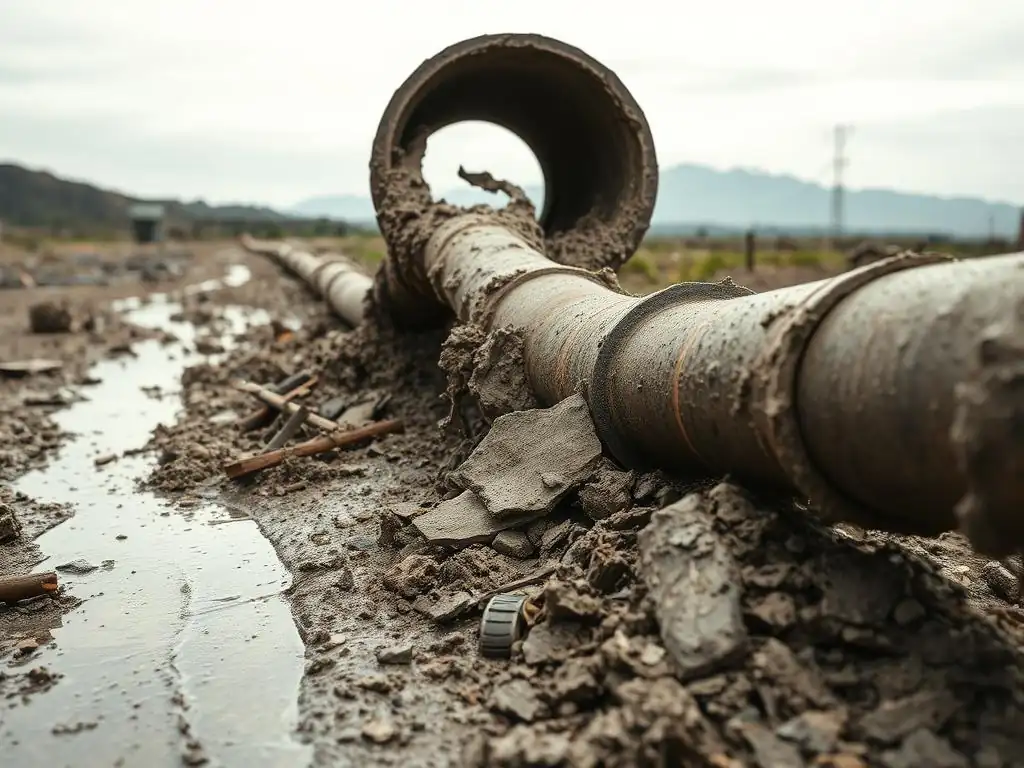
The immediate devastation caused by lahars often grabs headlines, but the long-term effects of lahar contamination on water systems can be equally, if not more, disruptive. A primary long-term impact is the physical damage to water infrastructure. Lahars are powerful erosive forces that can destroy or severely damage pipelines, intake structures, water treatment plants, dams, and reservoirs situated in their path or downstream. Pipelines can be ruptured or buried under thick lahar deposits, requiring extensive repairs or replacement. Intake structures in rivers can be clogged with sediment or completely destroyed by the force of the flow.
Water treatment plants, often located near water sources, are highly vulnerable to lahar inundation. Sediment-laden water can overwhelm treatment processes, damaging equipment and rendering the plant temporarily or permanently inoperable. Dams and reservoirs can suffer from sedimentation, reducing their water storage capacity and potentially compromising their structural integrity. The cost of repairing or rebuilding damaged water infrastructure can be substantial, placing a significant economic burden on affected communities and hindering long-term recovery. Moreover, the disruption of water infrastructure can prolong water scarcity and exacerbate public health risks in the aftermath of a lahar event.
Sedimentation and Erosion: Altering Waterways and Storage Capacity
Lahar contamination effects on water extend to long-term alterations of waterways and water storage capacity through sedimentation and erosion. Lahars deposit massive amounts of sediment along river channels and in floodplains. This sedimentation can significantly alter river morphology, widening channels, reducing channel depth, and changing flow patterns. The aggradation of riverbeds due to sediment deposition can increase flood risk in the long term, as the river's capacity to convey water is reduced.
Erosion, another key process associated with lahars, can also reshape waterways. The high velocity and abrasive nature of lahars can erode riverbanks and valley slopes, widening valleys and destabilizing land adjacent to water bodies. In reservoirs and lakes, sedimentation from lahar inputs reduces storage capacity, diminishing the long-term availability of water for various uses. These long-term geomorphic changes to waterways and storage capacity necessitate ongoing monitoring and adaptive water resource management strategies to address the altered hydrological landscape.
Reduced Water Availability: Impacts on Agriculture and Domestic Use
A critical long-term consequence of lahar contamination effects on water is reduced water availability, impacting both agriculture and domestic water use. The damage to water infrastructure, sedimentation of waterways, and altered flow regimes can collectively lead to a decrease in the reliable supply of usable water. For agriculture, which often relies heavily on surface water irrigation in volcanic regions, lahar contamination can disrupt irrigation systems, reduce water quality for crops, and lead to decreased agricultural productivity. Sedimentation of irrigation canals and reservoirs can reduce their efficiency and require costly maintenance.
Domestic water supplies, particularly in communities dependent on surface water sources, can be severely affected. Even if water treatment is restored, the long-term degradation of water quality and reduced water availability can necessitate water rationing, alternative water sourcing, or increased reliance on potentially more expensive or less accessible groundwater resources. Reduced water availability can have cascading socio-economic impacts, affecting livelihoods, food security, and overall community well-being. Addressing long-term water scarcity requires integrated water resource management approaches that consider both the immediate and protracted effects of lahar contamination.
Ecosystem Impacts: Aquatic Life and Water-Dependent Habitats
The long-term effects of lahar contamination on water systems extend beyond human uses to profound impacts on aquatic ecosystems and water-dependent habitats. The altered physical habitat resulting from sedimentation and erosion can drastically change aquatic environments. Sediment deposition can bury stream beds, smothering benthic organisms and reducing habitat complexity. Changes in flow regimes can alter the suitability of habitats for different aquatic species, potentially favoring some species while disadvantaging others.
Chemical contamination, including the persistent presence of heavy metals in sediments and water, can have chronic toxic effects on aquatic life. Bioaccumulation of heavy metals in the food chain can affect fish, amphibians, and other aquatic organisms, leading to reproductive impairment, physiological stress, and population declines. Water-dependent habitats, such as wetlands and riparian zones, can also be degraded by sedimentation, altered hydrology, and changes in water quality.
The long-term ecosystem impacts of lahar contamination can be complex and far-reaching, potentially leading to biodiversity loss and ecosystem dysfunction. Ecological restoration and long-term monitoring are crucial for mitigating these impacts and promoting the recovery of affected aquatic ecosystems.
Mitigation and Management of Lahar Contamination Risks
Early Warning Systems: Monitoring Volcanic Activity and Lahar Potential
Mitigating lahar contamination risks to water resources begins with proactive measures, foremost among which are early warning systems. Effective early warning systems are crucial for providing timely alerts to communities and water resource managers, allowing for evacuation and implementation of protective measures before lahars strike. These systems rely on continuous monitoring of volcanic activity, including seismic activity, gas emissions, ground deformation, and thermal changes, which can indicate an increased likelihood of eruption and lahar generation.
Real-time monitoring of rainfall and snowmelt, particularly on volcano slopes, is also essential, as these are major triggers for lahar initiation, even in the absence of an eruption. Advanced technologies, such as seismic sensors, GPS stations, and remote sensing satellites, play a vital role in modern early warning systems. Coupled with robust communication networks, these systems can disseminate warnings rapidly to vulnerable populations and relevant authorities.
However, the effectiveness of early warning systems depends not only on technology but also on community preparedness, education, and clear protocols for response and evacuation. Investing in and maintaining comprehensive early warning systems is a cornerstone of lahar hazard mitigation and water resource protection in volcanic regions.
Infrastructure Protection: Diversion Structures and Sediment Traps
Protecting water infrastructure from lahar contamination requires implementing structural mitigation measures, such as diversion structures and sediment traps. Diversion structures, like levees and channels, can be engineered to redirect lahar flows away from critical water infrastructure, settlements, and valuable agricultural land. These structures are designed based on detailed lahar hazard assessments, considering potential flow paths, volumes, and velocities.
Sediment traps, such as debris basins and check dams, are designed to capture and retain sediment carried by lahars, preventing it from reaching downstream water sources and infrastructure. These traps can be strategically located upstream of water intakes, treatment plants, and reservoirs to reduce sediment load and mitigate turbidity issues. The design and effectiveness of infrastructure protection measures depend on site-specific conditions, lahar characteristics, and careful engineering considerations. Regular maintenance of these structures is also crucial to ensure their continued functionality and effectiveness in mitigating lahar contamination risks.
Water Treatment Strategies: Removing Lahar Contaminants
Even with proactive mitigation measures, some degree of lahar contamination of water resources is often unavoidable. Therefore, effective water treatment strategies are essential for removing lahar contaminants and ensuring the provision of safe drinking water. Conventional water treatment processes, such as coagulation, flocculation, sedimentation, and filtration, are effective in removing much of the sediment load associated with lahar contamination. However, high turbidity levels may require pre-treatment steps, such as pre-sedimentation or enhanced coagulation.
For chemical contaminants, particularly heavy metals, specialized treatment processes may be necessary. Activated carbon adsorption, ion exchange, and membrane filtration technologies can be employed to remove dissolved heavy metals from water. The selection of appropriate water treatment technologies depends on the specific contaminants present, their concentrations, and the desired water quality standards. Investing in and maintaining robust water treatment infrastructure is critical for ensuring access to safe drinking water in lahar-prone regions, both during and after volcanic events.
Community Preparedness: Education and Emergency Response Plans
Community preparedness is a vital, yet often underestimated, component of mitigating lahar contamination risks and ensuring water security in volcanic areas. Educating communities about lahar hazards, early warning signals, evacuation routes, and safe water practices is paramount. Public awareness campaigns, workshops, and drills can enhance community understanding of lahar risks and improve response capabilities.
Emergency response plans must be in place and regularly updated, outlining clear procedures for water supply disruptions, alternative water sourcing, and water treatment in emergency situations. Stockpiling emergency water supplies, water purification equipment, and hygiene kits can help communities cope with water scarcity and contamination following a lahar event. Community-based monitoring of water quality and reporting mechanisms can also contribute to early detection of contamination and prompt response. Empowering communities with knowledge, resources, and well-defined emergency response plans is crucial for building resilience to lahar contamination effects on water resources.
Water Resource Management in Volcanic Regions: Building Resilience
Sustainable Water Use Practices: Minimizing Reliance on Vulnerable Sources
Building long-term resilience to lahar contamination effects on water resources requires adopting sustainable water use practices that minimize reliance on vulnerable sources. This includes promoting water conservation measures in agriculture, industry, and domestic sectors to reduce overall water demand. Efficient irrigation techniques, water recycling in industrial processes, and water-saving fixtures in homes can significantly decrease water consumption.
Diversifying water sources is another key strategy. Reducing over-reliance on surface water sources, which are directly exposed to lahar hazards, and exploring alternative sources like groundwater, rainwater harvesting, or even treated wastewater can enhance water security. Careful management of groundwater resources is crucial to ensure their sustainability and prevent over-extraction. Promoting water demand management and source diversification reduces vulnerability to disruptions caused by lahar events and contributes to more resilient water systems in volcanic regions.
Diversification of Water Supplies: Exploring Alternative Options
Diversifying water supplies is a proactive approach to enhance resilience against lahar contamination effects on water. In volcanic regions, relying solely on surface water sources can be precarious due to their direct vulnerability to volcanic hazards. Exploring and developing alternative water options is crucial for mitigating risks and ensuring water security. Groundwater resources often represent a more protected water source, as they are less directly impacted by surface flows like lahars. However, groundwater resources need to be carefully assessed and managed to ensure sustainability and prevent over-extraction.
Rainwater harvesting offers another decentralized and potentially resilient water source, particularly for domestic and small-scale agricultural uses. Treated wastewater reuse, where appropriate and safe, can also augment water supplies and reduce reliance on vulnerable sources. Desalination, while energy-intensive, may be considered in coastal volcanic regions facing severe water scarcity. A portfolio approach to water supply, combining surface water with alternative sources, enhances overall water system resilience and reduces vulnerability to lahar-related disruptions.
Integrated Watershed Management: Protecting Water Quality and Quantity
Integrated watershed management (IWM) is a holistic approach essential for protecting water quality and quantity in volcanic regions prone to lahar contamination. IWM recognizes the interconnectedness of land and water resources within a watershed and emphasizes managing these resources in an integrated and sustainable manner. This involves considering the entire watershed, from the volcanic slopes to downstream communities, and addressing various factors that influence water resources.
Effective land-use planning and management are crucial within the watershed. Controlling deforestation, promoting reforestation, and implementing soil conservation practices can reduce erosion and sedimentation, mitigating lahar impacts and improving water quality. Protecting riparian zones and wetlands along waterways enhances natural water filtration and flood control. Integrated watershed management also involves stakeholder collaboration, bringing together government agencies, communities, businesses, and non-governmental organizations to collectively manage water resources and build resilience to volcanic hazards.
The Role of Government Agencies in Promoting Awareness and Education
Government agencies play a pivotal role in promoting awareness, education, and effective management of lahar contamination risks to water resources. These agencies are responsible for conducting hazard assessments, developing early warning systems, and implementing regulations related to land use and water resource management in volcanic regions. They are also crucial in disseminating information to the public about lahar hazards, evacuation procedures, and safe water practices.
Government agencies can support community preparedness initiatives by providing resources for education programs, emergency drills, and the development of community-based monitoring systems. They have a key role in establishing and enforcing water quality standards and regulations to protect public health and the environment. Furthermore, government agencies are essential for coordinating emergency response efforts in the aftermath of lahar events, including providing emergency water supplies, supporting water infrastructure repair, and facilitating long-term recovery. Effective government leadership and inter-agency collaboration are vital for building societal resilience to lahar contamination effects on water and ensuring sustainable water resource management in volcanic regions.
Frequently Asked Questions
What exactly is a lahar, and how does it form in relation to volcanic activity?
A lahar is a destructive mudflow composed of volcanic ash, rock debris, and water. They form from volcanic eruptions melting snow/ice or rainfall mobilizing loose volcanic material.
How does lahar contamination specifically affect water sources?
Lahars contaminate water by introducing massive amounts of sediment, ash, and potentially toxic chemicals. This makes the water undrinkable and unusable for most purposes.
What are the immediate and long-term health risks associated with drinking lahar-contaminated water?
Immediate risks include gastrointestinal illnesses from bacteria and parasites. Long-term risks can arise from toxic chemicals leaching from the volcanic debris, potentially leading to chronic health problems.
What are some methods used to treat water that has been contaminated by lahar flows?
Treating lahar-contaminated water often requires multi-stage filtration to remove sediment and ash. Chemical treatments may also be needed to neutralize toxins and disinfect the water.
What preventative measures can communities living near volcanoes take to protect their water supplies from lahar contamination?
Communities can build diversion channels and dams to redirect lahar flows away from water sources. Also, identifying and protecting alternative water supplies is crucial for emergency situations.
Final Reflection: The Unseen Threat of Lahar
The devastating impact of lahar contamination on water supplies, as explored throughout this article, underscores a critical reality: our access to clean water is far more fragile than we often realize. The intricate web of natural disasters and human vulnerability demands constant vigilance and proactive measures to safeguard this essential resource. Ignoring the potential for lahar contamination, particularly in volcanically active regions, is not merely a risk; it's a gamble with the health and well-being of entire communities.
The enduring legacy of lahar events, and their insidious effects on water quality, continues to shape the lives of those living in their shadow. Witnessing the resilience of communities grappling with these challenges has been profoundly humbling, reinforcing the urgent need for sustainable solutions and robust disaster preparedness. Water is the driving force of all nature,
a quote often attributed to Leonardo da Vinci, reminds us that its purity and availability are inextricably linked to the health of our planet and the vitality of our societies.
As we conclude this exploration of lahar contamination effects on water, let us not simply acknowledge the problem, but actively seek solutions. Consider the implications of this knowledge in your own life, your own community. What steps can you take to advocate for better water management practices, to support research into mitigation strategies, and to ensure that future generations inherit a world where access to clean, safe water is not a privilege, but a fundamental right? The responsibility rests with each of us to protect this precious resource and build a more resilient future for all.
Safeguard Your Water: Take Action Now!
Thank you for reading about the critical issue of lahar contamination and its devastating impact on water resources. Now that you understand the threat, it's time to become part of the solution.
Here's how you can help protect our water supply:
- Immediately report any signs of volcanic mudflow contamination near water sources to your local authorities. This is the most crucial step you can take to prevent further damage.
- Educate your neighbors and friends about the risks of lahar contamination and encourage them to take preventative measures. Knowledge is power!
- Explore volunteer opportunities with local environmental organizations dedicated to monitoring and mitigating lahar risks. Consider donating to support their essential work.
What specific steps will you take this week to ensure cleaner water for yourself and your community?