
Nyiragongo's Inferno: Lava's Plunge into Goma and Lake Kivu's Fate

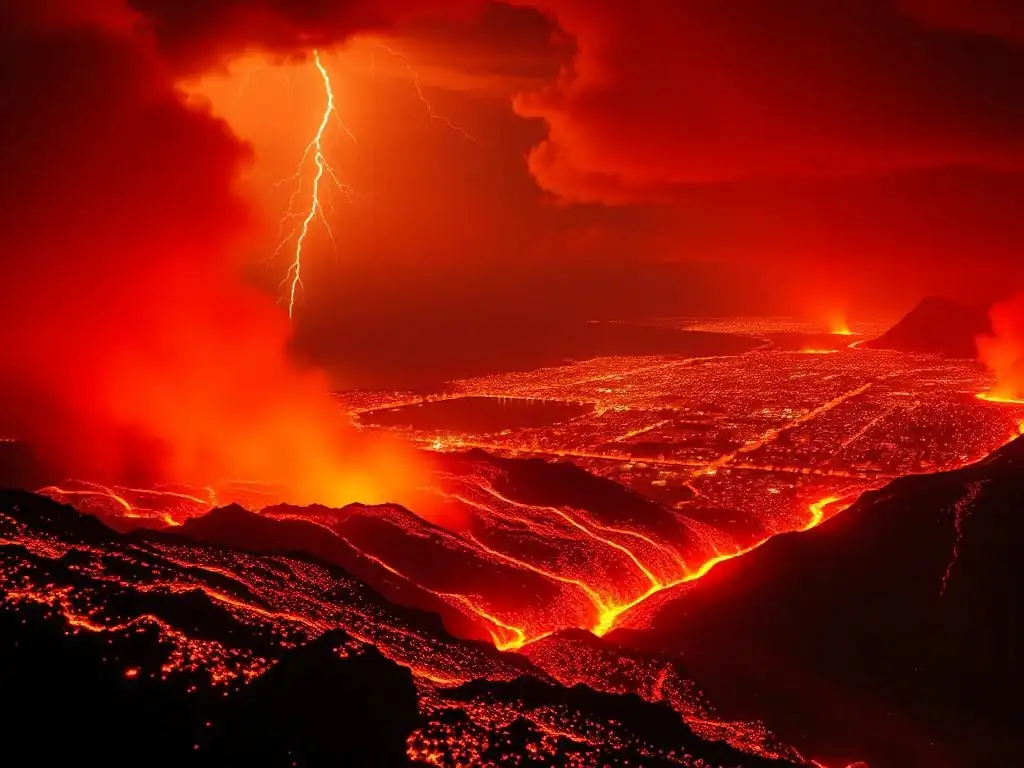
Welcome to Volcano Explorers!
Prepare to be captivated by the raw power and devastating beauty of Earth's fiery giants. Ever wondered about the catastrophic impact of a volcanic eruption? Dive deep into our exploration of Nyiragongo's Inferno, as we uncover the chilling details of the lava's plunge into Goma and the precarious fate of Lake Kivu. What secrets does this volatile landscape hold, and what lessons can we learn from its fiery past? Explore further to unravel the full story...
- Introduction: The Threat of Nyiragongo Eruptions
- Understanding Nyiragongo: A Stratovolcano's Anatomy
- The 2002 Nyiragongo Eruption: A Devastating Case Study
- Volcanic Impact on Water Resources: The Case of Lake Kivu
- Nyiragongo Volcano Eruption Impact on Water Quality
- Monitoring and Mitigation Strategies for Nyiragongo
- Future Scenarios: Predicting and Preparing for Future Eruptions
- Lessons Learned from Nyiragongo: A Global Perspective
- Conclusion: Safeguarding Goma and Lake Kivu from Nyiragongo's Fury
-
Frequently Asked Questions
- What were the primary impacts of the Nyiragongo volcano eruption on the city of Goma?
- How did the Nyiragongo eruption affect Lake Kivu?
- What specific types of hazards are associated with a Nyiragongo volcano eruption?
- What measures can be taken to mitigate the impact of future Nyiragongo volcano eruptions on nearby communities?
- How do volcanologists monitor Nyiragongo to predict future eruptions?
- Final Reflection: Echoes of Nyiragongo's Fury
- Confront the Fire: Act Now After Nyiragongo!
Introduction: The Threat of Nyiragongo Eruptions
Mount Nyiragongo, a towering stratovolcano in the heart of the Democratic Republic of Congo, stands as a constant reminder of nature's raw power. Its almost continuous activity and proximity to densely populated areas make it one of Africa's most dangerous volcanoes.
The threat posed by Nyiragongo is not merely theoretical; its eruptions have a history of causing significant devastation, most notably impacting the city of Goma and the adjacent Lake Kivu. The potential for catastrophic events stems from a combination of the volcano's unique characteristics and the vulnerable environment it looms over, demanding constant vigilance and preparedness from both local communities and international scientific bodies.
The implications of a Nyiragongo volcano eruption extend beyond immediate destruction. They encompass long-term environmental consequences, particularly for the region's vital water resources. Lake Kivu, a large and unique lake bordering Goma, is especially susceptible to the impacts of volcanic activity. Understanding the intricate relationship between Nyiragongo's eruptions and the health of Lake Kivu is crucial for mitigating risks and ensuring the safety and well-being of the millions who depend on this region. This article will delve into the specific dangers, focusing on the Nyiragongo volcano eruption impact on water resources and the precarious fate of Lake Kivu.
Understanding Nyiragongo: A Stratovolcano's Anatomy
Nyiragongo is classified as a stratovolcano, also known as a composite volcano, characterized by its steep profile and built-up layers of hardened lava, tephra, pumice, and volcanic ash. These volcanoes are typically associated with explosive eruptions, although Nyiragongo is particularly known for its effusive eruptions of highly fluid lava. Its geological setting within the Albertine Rift, a western branch of the East African Rift System, contributes to its volcanic activity. The rifting process thins the Earth's crust, allowing magma to rise more easily to the surface, fueling Nyiragongo's persistent volcanic nature.
The Unique Characteristics of Nyiragongo's Lava
What sets Nyiragongo apart from many other volcanoes is the exceptional fluidity of its lava. This is due to its unique chemical composition, specifically its unusually low silica content. Silica is a key component that increases lava viscosity, making it thicker and slower-moving. Nyiragongo's lava, however, is exceptionally low in silica, resulting in a highly mobile, fast-flowing lava that can reach speeds of up to 100 kilometers per hour. This rapid flow is significantly faster than typical lava flows, which usually advance at a pace of a few kilometers per hour at most.
This remarkable lava fluidity was vividly demonstrated during the 2002 Nyiragongo eruption. The lava flowed like a river of fire, rapidly descending the volcano's slopes and inundating the city of Goma within hours. Eyewitness accounts from the 2002 eruption describe lava flows moving with terrifying speed, overtaking fleeing residents and engulfing buildings with alarming swiftness. This characteristic poses a unique and heightened danger, as it drastically reduces the time available for evacuation and increases the destructive potential of even relatively small eruptions. The unparalleled speed of Nyiragongo's lava is a critical factor in understanding the Nyiragongo volcano eruption impact.
Nyiragongo's Location: Goma and Lake Kivu's Proximity
Nyiragongo's location is another critical factor contributing to its high-risk status. It sits just 10 kilometers north of Goma, a city with a population exceeding one million people. This close proximity means that any eruption, even a moderate one, has the potential to directly impact a major urban center. Furthermore, Nyiragongo's southern flank slopes directly into Lake Kivu, one of Africa's Great Lakes. This adjacency adds another layer of complexity and danger, as volcanic activity can directly influence the lake's delicate ecosystem and potentially trigger catastrophic limnic eruptions.
The city of Goma has expanded dramatically in recent decades, with many residential areas now built on the flanks of the volcano itself and along the shores of Lake Kivu. This urban sprawl has increased the population's vulnerability to volcanic hazards. The 2002 eruption tragically illustrated this point, as lava flows directly traversed densely populated neighborhoods, causing widespread destruction and displacement.
Lake Kivu, besides being a vital water source and fishing ground for the region, also holds vast quantities of dissolved carbon dioxide and methane. Nyiragongo's proximity to both Goma and Lake Kivu amplifies the potential Nyiragongo volcano eruption impact, making it a globally significant volcanic hazard.
The 2002 Nyiragongo Eruption: A Devastating Case Study
The 2002 Nyiragongo eruption serves as a stark reminder of the volcano's destructive power and the vulnerability of Goma. This eruption was characterized by a rapid fissure opening on the volcano's southern flank, unleashing torrents of highly fluid lava directly towards the city. The speed and volume of the lava flows overwhelmed any existing mitigation efforts, causing widespread devastation and highlighting the need for improved preparedness and monitoring.
The Eruption's Timeline and Progression
The 2002 eruption began on January 17th, following weeks of increased seismic activity. Around 8:30 AM local time, a fissure vent opened on the southern flank of Nyiragongo, at an elevation of approximately 2,800 meters. Within hours, lava flows had reached the outskirts of Goma and began to inundate the city. The eruption was relatively short-lived, lasting only about 24 hours, but its impact was catastrophic due to the rapid and voluminous lava discharge. The main phase of lava effusion ceased on January 18th, but seismic activity and gas emissions continued for several months afterward.
The speed of the eruption's progression was a key factor in its devastating impact. From the opening of the fissure to the lava reaching Goma's city center was a matter of hours. This rapid onset left little time for effective evacuation, and many residents were caught off guard by the fast-moving lava flows.
The eruption's short duration, while seemingly a positive aspect, meant that the lava discharge rate was extremely high, contributing to the rapid and widespread inundation of Goma. Understanding the timeline of the 2002 eruption is crucial for appreciating the scale and speed of the Nyiragongo volcano eruption impact.
Lava Flow's Path Through Goma: Destruction and Displacement
The lava flows from the 2002 Nyiragongo eruption carved a destructive path directly through the heart of Goma. Two main lava streams entered the city, dividing it in two and reaching Lake Kivu. One stream flowed west of the airport, while the other flowed east, passing through the city center and reaching the lake near the harbor. The lava flows were up to several meters thick in places and completely destroyed everything in their path, including residential areas, commercial buildings, and critical infrastructure.
The destruction caused by the lava flows was immense. It is estimated that approximately 14,000 buildings were destroyed, leaving hundreds of thousands of people homeless. Key infrastructure, including parts of Goma International Airport, was buried under lava, disrupting air transport and hindering relief efforts. The lava flows also severed water and electricity supplies to large parts of the city, exacerbating the humanitarian crisis. The displacement caused by the 2002 Nyiragongo volcano eruption impact was massive, with estimates ranging from 200,000 to 400,000 people fleeing Goma in the immediate aftermath.
Immediate Impacts on Goma's Infrastructure and Population
The immediate aftermath of the 2002 Nyiragongo eruption was characterized by chaos and humanitarian crisis. Beyond the physical destruction, the eruption had profound impacts on Goma's population and infrastructure. The loss of homes and livelihoods left hundreds of thousands in desperate need of shelter, food, and water. The disruption of essential services, such as healthcare and sanitation, further compounded the crisis and increased the risk of disease outbreaks.
The eruption caused not only physical trauma but also significant psychological distress among the affected population. Witnessing the rapid destruction and loss of life, coupled with the displacement and uncertainty about the future, took a heavy toll on mental health. The economic impact was also severe, as businesses were destroyed, trade routes were disrupted, and agricultural land was covered in lava. The 2002 Nyiragongo volcano eruption impact was a multifaceted disaster, affecting every aspect of life in Goma and highlighting the city's extreme vulnerability to volcanic hazards.
Volcanic Impact on Water Resources: The Case of Lake Kivu
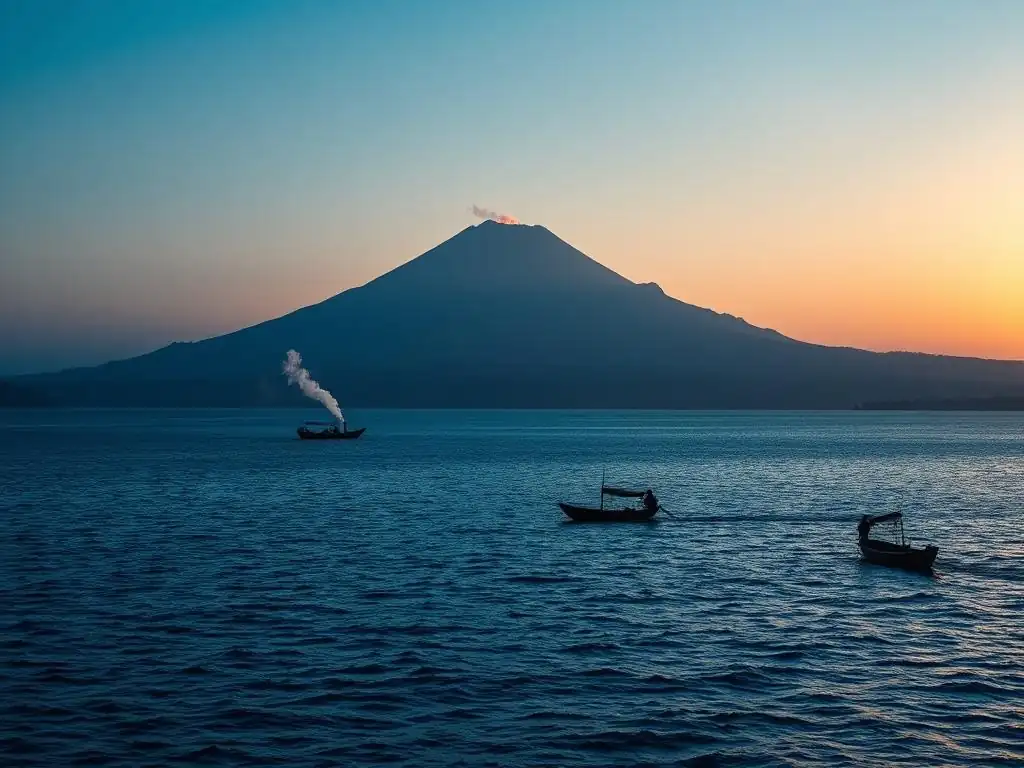
The proximity of Nyiragongo to Lake Kivu presents a unique and potentially catastrophic threat related to water resources. Lake Kivu is not just a typical lake; it is a meromictic lake, meaning its layers of water do not mix. This stratification creates a unique chemical and biological environment, making it particularly vulnerable to volcanic disturbances. The potential for volcanic activity to trigger a limnic eruption, also known as a lake overturn, in Lake Kivu is a major concern and a critical aspect of the Nyiragongo volcano eruption impact.
Lake Kivu's Unique Limnic Environment: A Deadly Combination
Lake Kivu is one of only three known lakes in the world that are saturated with dissolved carbon dioxide (CO2) and methane (CH4) in their deeper layers. This phenomenon is due to volcanic activity beneath the lake, which constantly releases these gases into the water. The lake's stratification, with denser, gas-rich water at the bottom and less dense water near the surface, prevents these gases from escaping gradually. Instead, they accumulate over time, creating a massive reservoir of dissolved gases under immense pressure.
The concentration of these dissolved gases in Lake Kivu is staggering. It is estimated to contain approximately 250 cubic kilometers of CO2 and 65 cubic kilometers of methane. These quantities are large enough to pose a significant threat if released suddenly. A limnic eruption, where these dissolved gases are rapidly released from the lake, could have devastating consequences for the surrounding population and environment. Understanding Lake Kivu’s limnic environment is crucial for assessing the potential Nyiragongo volcano eruption impact.
The Risk of Limnic Eruption Triggered by Volcanic Activity
Volcanic activity, such as eruptions from Nyiragongo, can act as a trigger for a limnic eruption in Lake Kivu. Several mechanisms could initiate this dangerous event. A strong earthquake associated with volcanic activity could destabilize the lake's stratification, causing the deeper, gas-rich waters to rise rapidly to the surface. Lava flows entering the lake could also introduce heat and disturbance, similarly disrupting the water column. Furthermore, subsurface volcanic eruptions within the lake itself could directly release large volumes of gas, triggering an overturn.
The risk of a limnic eruption is not merely hypothetical. Lake Nyos in Cameroon experienced a devastating limnic eruption in 1986, releasing a cloud of CO2 that suffocated over 1,700 people and thousands of livestock. Lake Monoun, also in Cameroon, experienced a smaller limnic eruption in 1984, causing 37 fatalities. These events demonstrate the real and deadly potential of limnic eruptions and highlight the serious threat posed by Nyiragongo to Lake Kivu. The potential for triggering a limnic eruption is a major component of the Nyiragongo volcano eruption impact on the region.
Potential Scenarios: CO2 and Methane Release from Lake Kivu
If a limnic eruption were to occur in Lake Kivu, the consequences could be catastrophic. The sudden release of massive volumes of CO2 would create a dense, asphyxiating cloud that would sink to the ground and displace oxygen. This cloud could spread rapidly, potentially affecting large areas around the lake and suffocating people and animals in its path. The topography around Lake Kivu, with valleys and depressions, could channel and concentrate the CO2 cloud, exacerbating the danger.
In addition to the CO2 hazard, the released methane could also pose a significant threat. While methane is less dense than air and would tend to rise, a large release could still create flammable pockets and increase the risk of explosions, especially if ignited. Furthermore, the release of methane, a potent greenhouse gas, would contribute to climate change. The combined effects of CO2 asphyxiation and potential methane explosions make the scenario of a limnic eruption in Lake Kivu a nightmare scenario, underscoring the gravity of the Nyiragongo volcano eruption impact on water resources and surrounding communities.
Nyiragongo Volcano Eruption Impact on Water Quality
Beyond the catastrophic potential of a limnic eruption, Nyiragongo's volcanic activity also has significant impacts on the water quality of Lake Kivu and surrounding water sources. Lava flows, volcanic ash, and gas emissions can introduce various chemical contaminants into the water, affecting its suitability for drinking, agriculture, and aquatic life. Understanding these impacts is crucial for assessing the long-term consequences of a Nyiragongo volcano eruption impact.
Lava's Chemical Composition and Water Contamination
The chemical composition of Nyiragongo's lava, while unique in its fluidity, also contributes to water contamination. The lava contains various elements and compounds, including heavy metals and dissolved gases, which can leach into water bodies upon contact. When lava flows into Lake Kivu or other water sources, it introduces these substances, altering the water's chemical balance and potentially making it unsafe for consumption or harmful to aquatic ecosystems.
Specifically, lava can introduce elements like iron, manganese, and fluoride into the water. High concentrations of these elements can be detrimental to human health and aquatic life. Fluoride, for example, can cause dental and skeletal fluorosis with prolonged exposure to contaminated water. Furthermore, the heat from lava flows can raise water temperatures, reducing dissolved oxygen levels and harming aquatic organisms. The chemical composition of lava is a direct contributor to the Nyiragongo volcano eruption impact on water quality.
Assessment of Lake Kivu Water Quality Post-Eruption
Following the 2002 Nyiragongo eruption, studies were conducted to assess the impact on Lake Kivu's water quality. These studies revealed significant changes in the lake's chemical composition, particularly in areas where lava flows had entered the water. Elevated levels of iron, manganese, and other volcanic elements were detected, indicating contamination from the lava. Changes in pH and conductivity were also observed, reflecting the alteration of the lake's chemical balance.
While the immediate impact on water quality was noticeable, the long-term effects are more complex. Lake Kivu's large volume and natural buffering capacity can help to dilute and neutralize some contaminants over time. However, the continuous input of volcanic gases and potential for future eruptions mean that Lake Kivu remains vulnerable to ongoing water quality degradation. Long-term monitoring is essential to track the Nyiragongo volcano eruption impact on water quality and ensure the safety of water resources.
Long-Term Effects on Aquatic Ecosystems and Human Health
The long-term effects of Nyiragongo's volcanic activity on aquatic ecosystems and human health are a significant concern. Chronic exposure to contaminated water can have detrimental effects on both. For aquatic ecosystems, altered water chemistry can disrupt food chains, harm sensitive species, and lead to biodiversity loss. Changes in nutrient levels can also trigger algal blooms and other ecological imbalances.
For human health, long-term consumption of contaminated water can lead to various health problems. Exposure to heavy metals can cause chronic illnesses and developmental issues. Contaminated water can also harbor harmful bacteria and pathogens, increasing the risk of waterborne diseases, especially in areas with compromised sanitation infrastructure. The Nyiragongo volcano eruption impact on water quality has long-term implications for both the environment and the health of the population dependent on these water resources.
Monitoring and Mitigation Strategies for Nyiragongo
Given the significant risks posed by Nyiragongo, continuous monitoring and effective mitigation strategies are crucial for protecting Goma and Lake Kivu. The Goma Volcano Observatory (GVO) plays a vital role in monitoring volcanic activity, providing early warnings, and informing disaster preparedness efforts. International collaboration and community engagement are also essential components of a comprehensive risk reduction strategy.
The Goma Volcano Observatory: Continuous Monitoring Efforts
The Goma Volcano Observatory (GVO) is the primary institution responsible for monitoring Nyiragongo and nearby volcanoes. Despite facing challenges related to funding, resources, and security, the GVO plays a critical role in detecting and tracking volcanic activity. The observatory utilizes a network of seismic stations, gas sensors, and GPS instruments to monitor ground deformation, seismic activity, and gas emissions, key indicators of volcanic unrest.
The GVO's monitoring efforts are essential for providing early warnings of potential eruptions. By detecting changes in volcanic activity, such as increased seismicity or gas release, the observatory can alert authorities and the public to heightened risk levels. However, the effectiveness of the GVO is often hampered by limited resources and infrastructure. Strengthening the GVO's capacity through increased funding, equipment upgrades, and training is crucial for improving the monitoring and early warning capabilities for Nyiragongo and mitigating the Nyiragongo volcano eruption impact.
Early Warning Systems and Evacuation Plans for Goma
Early warning systems are critical for minimizing casualties during volcanic eruptions. In Goma, efforts are underway to improve early warning systems and evacuation plans. These systems rely on the data provided by the GVO to detect volcanic unrest and disseminate warnings to the population. Warning messages are typically communicated through radio broadcasts, sirens, and community networks.
Evacuation plans are essential for ensuring the safe and orderly evacuation of residents at risk from lava flows and other volcanic hazards. These plans involve identifying safe evacuation routes, designated assembly points, and transportation arrangements. However, the effectiveness of evacuation plans depends on community awareness, preparedness drills, and adequate resources for implementation. Improving early warning systems and evacuation plans is a key priority for reducing the Nyiragongo volcano eruption impact on Goma.
International Collaboration and Disaster Preparedness
International collaboration is vital for supporting monitoring and mitigation efforts at Nyiragongo. Organizations like UNESCO, the World Bank, and various geological surveys and research institutions provide technical assistance, funding, and expertise to the GVO and local authorities. International partnerships are crucial for strengthening monitoring capabilities, conducting research, and implementing disaster preparedness programs.
Disaster preparedness involves a range of activities aimed at reducing vulnerability and enhancing resilience to volcanic hazards. These activities include community education and awareness campaigns, infrastructure improvements, land-use planning, and emergency response training. Building community resilience and fostering a culture of preparedness are essential for minimizing the Nyiragongo volcano eruption impact and protecting the population in the long term.
Future Scenarios: Predicting and Preparing for Future Eruptions
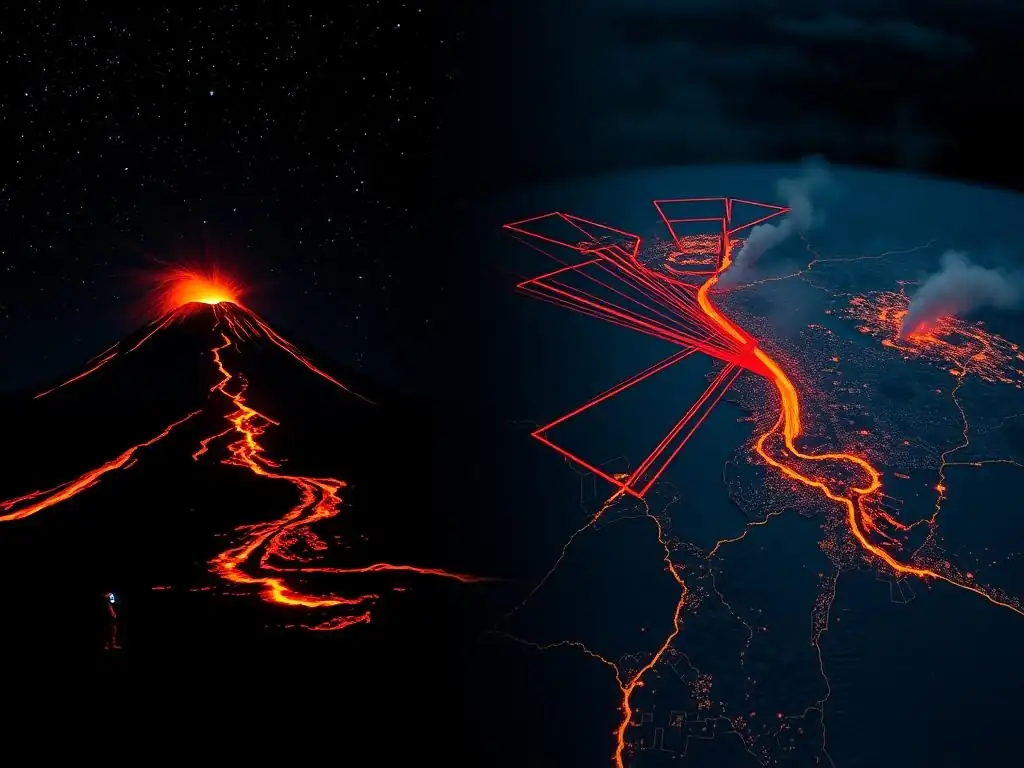
Predicting volcanic eruptions with pinpoint accuracy remains a scientific challenge, but understanding potential future scenarios is crucial for effective preparedness. Modeling lava flow paths, assessing the probability of a limnic eruption, and developing strategies for vulnerability reduction are essential steps in mitigating the risks associated with Nyiragongo.
Modeling Potential Lava Flow Paths and Inundation Zones
Volcanic hazard mapping and lava flow modeling are important tools for predicting potential eruption impacts. Scientists use computer models and geological data to simulate lava flow paths and identify areas at risk of inundation. These models take into account factors such as topography, lava viscosity, and eruption scenarios to delineate hazard zones and inform land-use planning decisions.
Lava flow modeling for Nyiragongo has highlighted areas within Goma that are particularly vulnerable to future lava flows. These models help to identify critical infrastructure and residential areas at risk and inform evacuation planning and infrastructure development. While models are not perfect predictors, they provide valuable insights into potential hazard zones and contribute to a better understanding of the potential Nyiragongo volcano eruption impact.
Assessing the Probability of a Limnic Eruption
Assessing the probability of a limnic eruption in Lake Kivu is a complex and ongoing research area. Scientists are studying the lake's gas concentrations, stratification stability, and potential triggers for an overturn. Factors such as seismic activity, volcanic eruptions, and climate change are being investigated as potential catalysts for a limnic eruption.
While the probability of a limnic eruption cannot be precisely quantified, research suggests that it is a real and non-negligible risk. The potential consequences of such an event are so severe that proactive measures are warranted. Continued monitoring of Lake Kivu's gas levels and stability, coupled with research into potential triggers, is crucial for refining risk assessments and developing mitigation strategies to minimize the Nyiragongo volcano eruption impact on Lake Kivu.
Strategies for Reducing Vulnerability and Building Resilience
Reducing vulnerability to Nyiragongo's hazards requires a multi-faceted approach encompassing infrastructure improvements, land-use planning, and community empowerment. Strengthening critical infrastructure, such as water and power supplies, to be more resilient to volcanic impacts is essential. Land-use planning can restrict development in high-hazard zones and guide urban expansion in safer areas.
Community empowerment and education are crucial for building resilience. Raising public awareness about volcanic hazards, promoting preparedness measures, and involving communities in risk reduction planning are essential steps. Building local capacity for emergency response and fostering a culture of resilience are key to minimizing the Nyiragongo volcano eruption impact and ensuring the long-term safety and well-being of the population.
Lessons Learned from Nyiragongo: A Global Perspective
The experience of Nyiragongo offers valuable lessons for other volcanic regions around the world. The challenges and successes in monitoring, mitigating, and responding to Nyiragongo's eruptions provide insights that can be applied to other volcanoes facing similar risks. The Nyiragongo volcano eruption impact serves as a case study for volcanic risk reduction globally.
Applying Nyiragongo's Experience to Other Volcanic Regions
The lessons learned from Nyiragongo are relevant to other volcanic regions with similar characteristics, such as volcanoes located near densely populated areas or adjacent to large lakes. The importance of continuous monitoring, early warning systems, and community preparedness is universally applicable. The specific challenges faced at Nyiragongo, such as limited resources and complex social contexts, also offer insights into the practical realities of volcanic risk management in developing countries.
The experience of Goma highlights the vulnerability of rapidly growing urban centers located near active volcanoes. Urban planning strategies, infrastructure resilience, and community-based preparedness programs are crucial for mitigating volcanic risks in similar settings worldwide. The Nyiragongo case underscores the need for proactive and integrated approaches to volcanic risk reduction in diverse geographical and socio-economic contexts.
The Importance of Interdisciplinary Research and Collaboration
Addressing the complex challenges posed by Nyiragongo requires interdisciplinary research and collaboration. Volcanologists, geochemists, hydrologists, social scientists, and disaster management experts need to work together to understand the full spectrum of risks and develop effective mitigation strategies. Collaboration between local scientists, international researchers, and governmental and non-governmental organizations is essential for pooling resources, sharing knowledge, and building capacity.
Interdisciplinary research is crucial for understanding the intricate interactions between volcanic activity, water resources, and human societies. For example, understanding the chemical impacts of lava on water quality requires expertise in geochemistry and hydrology. Developing effective early warning systems and evacuation plans requires collaboration between volcanologists, communication specialists, and disaster management experts. The Nyiragongo experience emphasizes the value of interdisciplinary approaches for comprehensively addressing the multifaceted Nyiragongo volcano eruption impact.
Community Engagement and Education for Volcanic Risk Reduction
Community engagement and education are fundamental pillars of effective volcanic risk reduction. Engaging local communities in risk assessment, preparedness planning, and monitoring efforts builds trust, enhances ownership, and improves the effectiveness of mitigation measures. Education programs that raise awareness about volcanic hazards, evacuation procedures, and safety measures are essential for empowering communities to protect themselves.
Community-based monitoring initiatives, where local residents are trained to observe and report volcanic activity, can supplement scientific monitoring networks and provide valuable real-time information. Participatory approaches to risk mapping and evacuation planning ensure that local knowledge and needs are incorporated into disaster preparedness strategies. The Nyiragongo experience underscores the critical role of community engagement and education in building resilient communities and minimizing the Nyiragongo volcano eruption impact.
Conclusion: Safeguarding Goma and Lake Kivu from Nyiragongo's Fury
Nyiragongo's persistent volcanic activity poses a continuous and multifaceted threat to Goma and Lake Kivu. The 2002 eruption served as a devastating reminder of the volcano's destructive potential, highlighting the urgent need for improved monitoring, preparedness, and mitigation strategies. The unique characteristics of Nyiragongo's lava, coupled with its proximity to a densely populated city and the volatile Lake Kivu, create a complex and high-risk environment.
Safeguarding Goma and Lake Kivu requires a sustained and collaborative effort involving local communities, national authorities, and the international scientific community. Strengthening the Goma Volcano Observatory, improving early warning systems, implementing robust evacuation plans, and building community resilience are essential steps. Addressing the long-term impacts on water quality and the potential for a limnic eruption are critical priorities. By learning from past experiences and embracing a proactive and integrated approach, it is possible to mitigate the Nyiragongo volcano eruption impact and enhance the safety and well-being of the millions who live in the shadow of this formidable volcano.
Frequently Asked Questions
What were the primary impacts of the Nyiragongo volcano eruption on the city of Goma?
The primary impacts included widespread destruction from lava flows, significant displacement of residents, and contamination of water sources leading to health concerns.
How did the Nyiragongo eruption affect Lake Kivu?
The eruption raised concerns about the potential for a limnic eruption in Lake Kivu, triggered by lava entering the lake and disturbing its stratified layers of water and dissolved gases.
What specific types of hazards are associated with a Nyiragongo volcano eruption?
Hazards include lava flows that can engulf infrastructure, poisonous gas emissions that can cause respiratory problems, and explosions due to the interaction of lava with water or other materials.
What measures can be taken to mitigate the impact of future Nyiragongo volcano eruptions on nearby communities?
Mitigation strategies involve early warning systems, evacuation plans and drills, and construction of lava diversion barriers to protect populated areas.
How do volcanologists monitor Nyiragongo to predict future eruptions?
Volcanologists use techniques such as seismic monitoring, gas emission measurements, and satellite imagery to detect changes in volcanic activity that may indicate an impending eruption.
Final Reflection: Echoes of Nyiragongo's Fury
The narrative of Nyiragongo's eruption, a story etched in fire and fear, remains tragically relevant today. The vulnerability of communities living in the shadow of active volcanoes underscores the urgent need for enhanced monitoring, preparedness, and sustainable development strategies. The lessons learned from Goma's experience are not confined to the Democratic Republic of Congo; they resonate globally, serving as a stark reminder of the power of nature and the fragility of human existence in its path.
The eruption of Nyiragongo wasn't just a geological event; it was a profound human tragedy that continues to shape the cultural and social landscape of the region. The resilience of the Goma community, their unwavering spirit in the face of unimaginable loss, is a testament to the strength of the human spirit. The earth has music for those who listen.
This quote, often attributed to George Santayana, reminds us that even in the face of destructive forces, there is a deeper rhythm, a call to understanding and respect for the natural world that surrounds us.
As we reflect on the devastating impact of Nyiragongo's eruption, let us not simply remember the destruction, but also the lessons learned. Consider how you can contribute to a world that is better prepared for natural disasters. Whether it's through supporting organizations dedicated to disaster relief, advocating for improved environmental policies, or simply educating yourself and others, your actions can make a difference. Let the echoes of Nyiragongo's fury inspire you to build a more resilient and compassionate future for all.
Confront the Fire: Act Now After Nyiragongo!
Thank you for exploring the dramatic story of Nyiragongo. We hope you gained a deeper understanding of this active volcano's power and its potential impact on Goma and Lake Kivu. Now, let's turn that knowledge into action.
- Become a Citizen Scientist: Report any unusual volcanic activity to your local geological survey. Every observation contributes to crucial monitoring efforts.
- Learn More: Deepen your understanding of volcanic activity and its potential dangers. Knowledge is the foundation of preparedness.
- Share Your Knowledge: Start a conversation on social media using #NyiragongoWatch to raise awareness about volcano preparedness in at-risk communities.
What steps can you take today to improve volcano monitoring and safety in your community?