
Volcanic Soil Fertility: A Boon for Plants, a Benefit for Animals?


Welcome to Volcano Explorers, where the earth breathes fire! Ever wondered how something so destructive can also create life? Prepare to be amazed as we unearth the secrets of volcanic soil. Is it truly a boon for plants, and does that benefit extend to the animal kingdom? Dive in and discover the surprising answer in our exploration of the Benefits of Volcanic Soil Fertility – a crucial piece of the puzzle in understanding the profound impact volcanoes have on our environment. The story is more complex, and more fascinating, than you might imagine...
- Introduction: The Surprising Benefits of Volcanic Soil
- Understanding Volcanic Soil Composition and Formation
- The Impact of Volcanic Soil on Plant Life
- Volcanic Soil Fertility and Animal Life: A Symbiotic Relationship
- Case Studies: Examining Volcanic Soil Fertility in Action
- The Long-Term Effects of Volcanic Eruptions on Soil Fertility
- Challenges and Considerations: The Downsides of Volcanic Environments
- Conclusion: Harnessing the Power of Volcanic Soil for a Thriving Ecosystem
- Frequently Asked Questions
- Final Reflection: The Enduring Legacy of Volcanic Soil
- Unearth Your Inner Volcanologist!
Introduction: The Surprising Benefits of Volcanic Soil
Volcanoes, often perceived as agents of destruction, are responsible for some of the most fertile lands on Earth. While eruptions can be devastating in the short term, laying waste to landscapes and ecosystems, the long-term legacy of volcanic activity is often one of renewal and enrichment. The secret lies within the volcanic soil itself, a unique substrate born from fire and ash, teeming with minerals that are essential for plant life.
This seemingly paradoxical relationship between volcanic devastation and agricultural bounty has fascinated scientists and farmers for centuries. The benefits of volcanic soil fertility are not just limited to plant life; they extend upwards through the food chain, impacting animal health and biodiversity in profound ways. This article will explore the science behind this phenomenon, examining the composition of volcanic soil, its impact on plant and animal life, and the sustainable agricultural practices that leverage its inherent richness.
Understanding Volcanic Soil Composition and Formation
The Mineral-Rich Makeup of Volcanic Ash and Lava
Volcanic soil, or Andisol in scientific classification, derives its exceptional fertility from its unique mineral composition. Unlike soils formed from sedimentary or metamorphic rocks, volcanic soils are born from igneous rocks—specifically, volcanic ash, lava flows, and pyroclastic materials ejected during eruptions. These materials are rich in essential plant nutrients, including phosphorus, potassium, calcium, magnesium, and micronutrients like iron, zinc, copper, and boron.
For instance, volcanic ash is known to contain significant amounts of amorphous aluminosilicates, which have a high capacity to retain water and nutrients, making them readily available for plant uptake. Studies conducted on ash from Mount Vesuvius in Italy have revealed high concentrations of potassium and phosphorus, elements crucial for plant growth and development. Furthermore, the rapid cooling of lava and ash creates a porous structure in the resulting soil, improving aeration and drainage, both vital for healthy root systems.
How Weathering Processes Enhance Volcanic Soil Fertility
While volcanic materials are inherently mineral-rich, weathering processes play a crucial role in unlocking their full fertility potential. Weathering, encompassing both physical and chemical breakdown, gradually transforms volcanic rock and ash into soil. Physical weathering, driven by temperature fluctuations, frost action, and the abrasive force of wind and water, breaks down the large rock fragments into smaller particles, increasing the surface area available for chemical reactions.
Chemical weathering, on the other hand, involves the interaction of water, air, and plant-derived acids with the volcanic minerals. This process releases plant-available nutrients from the mineral structures. For example, the weathering of volcanic glass, a common component of volcanic ash, releases silica and other essential elements over time.
The humid and often rainy conditions prevalent in many volcanic regions accelerate chemical weathering, leading to a faster release of nutrients and a more rapid development of fertile soil. Research in volcanic regions of Costa Rica has demonstrated that the combination of high rainfall and warm temperatures significantly accelerates the weathering of volcanic ash, resulting in highly fertile soils within relatively short geological timescales.
The Role of Pyroclastic Flows in Soil Enrichment
Pyroclastic flows, fast-moving currents of hot gas and volcanic debris, are among the most destructive forces of volcanic eruptions. However, even these catastrophic events contribute to long-term soil enrichment. While initially devastating, pyroclastic deposits weather down over time, releasing a wealth of minerals into the soil profile.
These flows often contain a diverse range of rock fragments and volcanic glass, contributing to a heterogeneous and mineral-rich soil parent material. Furthermore, the heat from pyroclastic flows can alter the underlying rock and soil, sometimes creating favorable conditions for mineral transformation and nutrient release.
In some cases, the intense heat can sterilize the soil, temporarily eliminating soil-borne pathogens and weed seeds, providing a clean slate for new plant colonization once the soil begins to recover. Studies following the 1980 eruption of Mount St. Helens, which involved significant pyroclastic flows, have shown that while the initial impact was destructive, the pyroclastic deposits have gradually contributed to the development of new, fertile soil over decades, supporting the resurgence of plant and animal life in the affected areas.
The Impact of Volcanic Soil on Plant Life

Enhanced Plant Growth and Nutrient Uptake in Volcanic Soils
The benefits of volcanic soil fertility are most immediately apparent in the vigor and abundance of plant life it supports. The readily available nutrients in volcanic soil, combined with its excellent physical properties, create an ideal environment for plant growth. Plants growing in volcanic soils often exhibit faster growth rates, increased biomass production, and enhanced nutrient uptake compared to those in non-volcanic soils.
The high phosphorus content in volcanic soils is particularly crucial, as phosphorus is often a limiting nutrient in many ecosystems, essential for root development, flowering, and fruiting. Potassium, another abundant element, plays a vital role in water regulation and disease resistance in plants.
Research comparing plant growth in volcanic versus non-volcanic soils has consistently shown significant advantages for plants in volcanic environments. For example, studies in Japan have shown that rice yields are considerably higher in volcanic paddy fields compared to non-volcanic fields, attributed to the enhanced nutrient availability and water retention capacity of volcanic soils.
Specific Plant Species Thriving in Volcanic Regions: Ohia Lehua in Hawaii
The unique characteristics of volcanic soil have fostered the evolution of specialized plant communities adapted to these mineral-rich environments. Hawaii, a volcanic archipelago, provides a striking example, with its diverse flora thriving on volcanic substrates. The ʻŌhiʻa lehua ( Metrosideros polymorpha), a native Hawaiian tree, is a prime example of a plant species perfectly adapted to volcanic soils.
It is a pioneer species, readily colonizing lava flows and volcanic ash deposits, playing a crucial role in primary succession. ʻŌhiʻa lehua is tolerant of the sometimes harsh conditions of volcanic landscapes, including nutrient-poor young soils and varying moisture levels.
Its ability to thrive in these environments is attributed to its efficient nutrient uptake mechanisms and its mycorrhizal associations, symbiotic relationships with fungi that enhance nutrient absorption from the soil. The vibrant red flowers of the ʻŌhiʻa lehua are not only aesthetically significant but also ecologically vital, providing nectar and habitat for native Hawaiian birds and insects, demonstrating the cascading benefits of volcanic soil fertility through the ecosystem.
Volcanic Soil and Crop Production: A Case for Sustainable Agriculture
The inherent fertility of volcanic soil has been recognized and utilized for agriculture for millennia. Volcanic regions around the world, from Italy to Indonesia to Central America, are renowned for their agricultural productivity. Crops grown in volcanic soils often exhibit superior yields and nutritional quality.
The sustainable agricultural potential of volcanic soils is particularly relevant in the context of increasing global food demand and the need for environmentally friendly farming practices. Volcanic soils often require less synthetic fertilizer input compared to other soil types, as they naturally supply many essential nutrients. Furthermore, their excellent water retention capacity can reduce the need for irrigation in some regions.
In regions like the Canary Islands, volcanic soils are used to cultivate grapes for renowned wines, bananas, and potatoes, demonstrating the diverse agricultural applications. Exploring and promoting sustainable farming techniques that leverage the natural benefits of volcanic soil fertility can contribute to food security and reduce the environmental impact of agriculture.
Volcanic Soil Fertility and Animal Life: A Symbiotic Relationship
The Link Between Nutrient-Rich Plants and Animal Health
The benefits of volcanic soil fertility extend beyond the plant kingdom, creating a ripple effect that positively impacts animal health and well-being. Plants grown in volcanic soils, enriched with a wide array of minerals and micronutrients, are inherently more nutritious. Animals that consume these plants, whether directly through grazing or indirectly through the food chain, benefit from this enhanced nutritional value.
Essential minerals like selenium, zinc, and copper, often found in higher concentrations in volcanic soils, are crucial for animal immune function, reproductive health, and overall vitality. Deficiencies in these micronutrients can lead to various health problems in livestock and wildlife. Studies comparing the mineral content of forage grown on volcanic versus non-volcanic soils have shown significantly higher levels of essential minerals in volcanic regions, suggesting a direct link between volcanic soil fertility and improved animal nutrition.
Grazing Animals and the Benefits of Volcanic Pastures: Icelandic Sheep in Volcanic Regions of Iceland
Iceland, a land sculpted by volcanic activity, provides a compelling example of the symbiotic relationship between volcanic soil and animal life. Icelandic sheep, a breed uniquely adapted to the island's environment, thrive in pastures often situated on volcanic soils. These pastures, enriched by volcanic ash and weathering, provide highly nutritious forage.
Icelandic sheep are known for their robust health, high-quality wool, and flavorful meat, attributes partly attributed to the mineral-rich diet derived from volcanic pastures. The benefits of volcanic soil fertility are evident in the resilience and productivity of these animals in a challenging environment. The traditional grazing practices in Iceland, which utilize volcanic landscapes extensively, demonstrate a sustainable agricultural system that leverages the natural fertility of volcanic soils to support animal husbandry.
Volcanic Soil and the Food Chain: From Microbes to Mammals
The influence of volcanic soil fertility permeates the entire food chain, starting from the microbial communities within the soil itself and extending to apex predators. Volcanic soils support diverse and active microbial populations, including bacteria and fungi, which play crucial roles in nutrient cycling and soil health. These microbes, in turn, contribute to plant nutrient availability, further amplifying the benefits of volcanic soil fertility. As nutrient-rich plants flourish, they support a wider range of herbivorous insects and animals. These herbivores then become a food source for carnivores, creating a cascading effect through the food web. In volcanic ecosystems, the enhanced primary productivity driven by fertile soils can lead to higher biodiversity and more complex food chains compared to less fertile environments. The abundance of life, from microscopic organisms to large mammals, in many volcanic regions is a testament to the fundamental role of volcanic soil fertility in shaping entire ecosystems.
Case Studies: Examining Volcanic Soil Fertility in Action
Mount Etna, Italy: A Study in Volcanic Agriculture
Mount Etna, Europe's largest active volcano, dominates the landscape of eastern Sicily, Italy. The fertile volcanic soils surrounding Etna have supported agriculture for millennia, making the region renowned for its citrus fruits, vineyards, and olive groves. The volcanic ash and lava flows from Etna's eruptions continuously replenish the soil with essential nutrients, maintaining its high fertility despite intensive cultivation.
The unique terroir of Etna, influenced by volcanic soil and microclimate, contributes to the distinctive character of regional agricultural products, particularly Etna DOC wines. The success of agriculture around Mount Etna serves as a long-standing case study in the sustainable utilization of benefits of volcanic soil fertility. Farmers in the region have developed traditional practices adapted to the volcanic environment, including terracing and specific crop selections, maximizing the productivity of these naturally fertile lands.
Volcanic Regions of New Zealand: Biodiversity and Soil Health
New Zealand, situated on the Pacific Ring of Fire, is characterized by extensive volcanic landscapes. These volcanic regions, particularly in the North Island, boast exceptionally fertile soils that support diverse ecosystems and productive agriculture. The volcanic soils of New Zealand are known for their high phosphorus and potassium content, contributing to lush forests, grasslands, and thriving agricultural sectors.
The biodiversity of New Zealand's volcanic regions is also notable, with unique plant and animal species adapted to these nutrient-rich environments. Studies on soil health in New Zealand's volcanic areas have highlighted the positive impact of volcanic soil on soil structure, water retention, and microbial activity. The sustainable management of these volcanic soils is crucial for maintaining both biodiversity and agricultural productivity in New Zealand, recognizing the long-term benefits of volcanic soil fertility.
Mount St. Helens, USA: Ecological Succession and Soil Development
The 1980 eruption of Mount St. Helens in Washington State, USA, provided a dramatic natural experiment in ecological succession and soil development on volcanic substrates. The eruption devastated a large area, depositing volcanic ash and pyroclastic materials over the landscape. Initially, the landscape appeared barren and devoid of life.
However, over the following decades, remarkable ecological recovery has occurred, driven by the development of new soil from the volcanic deposits. Pioneer plant species gradually colonized the ash-covered landscape, initiating soil formation processes. Nutrient cycling began to re-establish, and soil microbial communities gradually developed.
Studies at Mount St. Helens have documented the progressive increase in soil fertility over time, demonstrating the long-term benefits of volcanic soil fertility even after a catastrophic volcanic event. The Mount St. Helens National Volcanic Monument serves as a living laboratory for studying ecological succession and soil development in volcanic environments, providing valuable insights into the resilience of nature and the regenerative power of volcanic processes.
The Long-Term Effects of Volcanic Eruptions on Soil Fertility
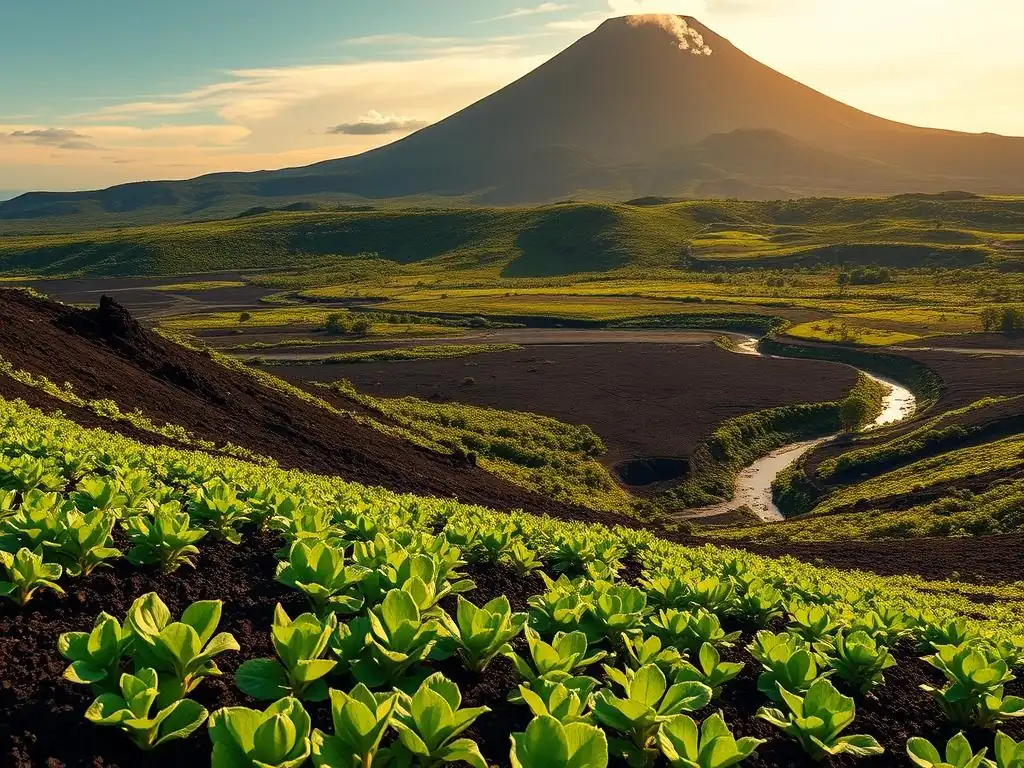
Initial Devastation vs. Long-Term Benefits
Volcanic eruptions are undeniably destructive events, causing immediate devastation to ecosystems and human settlements. However, it's crucial to understand that this initial destruction is often followed by long-term ecological and agricultural benefits, primarily due to the enhanced soil fertility that volcanic activity creates. The immediate impacts of eruptions, such as ashfall, lava flows, and pyroclastic flows, can bury vegetation, contaminate water sources, and alter landscapes drastically.
However, these very materials that cause initial destruction are also the building blocks of future fertile soils. Over time, weathering processes transform volcanic ash and rock into nutrient-rich substrates, laying the foundation for renewed plant growth and ecosystem recovery. The long-term benefits of volcanic soil fertility often outweigh the initial devastation, leading to more productive and biodiverse ecosystems in the long run.
Soil Recovery and Succession After a Volcanic Event
Soil recovery after a volcanic eruption is a gradual process, influenced by factors such as the type and volume of volcanic deposits, climate, and topography. Ecological succession plays a key role in this recovery, with pioneer plant species colonizing the barren volcanic substrates first. These pioneer plants, often adapted to nutrient-poor conditions, initiate soil formation by adding organic matter and promoting nutrient cycling. As vegetation cover increases, soil structure improves, and microbial communities become more established.
Over time, more complex plant communities develop, further enhancing soil fertility and biodiversity. The process of soil recovery and succession can take decades or even centuries, depending on the severity of the volcanic event and the environmental conditions. However, the eventual outcome is often the development of highly fertile and productive volcanic soils, demonstrating the inherent resilience of ecosystems and the long-term benefits of volcanic soil fertility.
Managing Volcanic Soils for Sustainable Use
While volcanic soils are naturally fertile, sustainable management practices are essential to maintain their long-term productivity and prevent soil degradation. Intensive agriculture on volcanic soils can lead to nutrient depletion and soil erosion if not managed properly. Sustainable agricultural techniques, such as crop rotation, cover cropping, and reduced tillage, can help to conserve soil nutrients, improve soil structure, and minimize erosion.
Appropriate fertilization strategies, tailored to the specific nutrient needs of crops and the inherent fertility of volcanic soils, are also important. In some cases, volcanic soils may be prone to acidity or nutrient imbalances, requiring specific soil amendments to optimize plant growth. Sustainable land management practices in volcanic regions should also consider the protection of natural ecosystems and biodiversity, recognizing the broader ecological benefits of volcanic soil fertility.
Challenges and Considerations: The Downsides of Volcanic Environments
Soil Acidity and Toxicity in Recently Erupted Areas
Despite the long-term benefits of volcanic soil fertility, recently erupted volcanic areas can present several challenges for plant and animal life. Fresh volcanic ash and lava flows can initially create highly acidic soil conditions. Volcanic gases, such as sulfur dioxide, can further contribute to soil acidification and toxicity. High concentrations of certain elements, such as aluminum and heavy metals, can also be present in recently erupted volcanic materials, posing risks to plant and animal health.
These toxic elements can inhibit plant growth, reduce nutrient uptake, and even cause plant mortality. In newly formed volcanic soils, nutrient imbalances may also occur, with deficiencies in certain micronutrients or excesses of others. The initial period after a volcanic eruption can therefore be characterized by harsh soil conditions that limit plant colonization and ecosystem recovery.
The Impact of Volcanic Gases on Soil Chemistry
Volcanic gases, released during and after eruptions, can significantly influence soil chemistry in volcanic regions. Sulfur dioxide (SO2) is a major volcanic gas that reacts with water in the atmosphere and soil to form sulfuric acid, contributing to soil acidification. Acid rain, associated with volcanic emissions, can leach essential nutrients from the soil and mobilize toxic elements, such as aluminum.
Fluorine, another volcanic gas, can accumulate in soils and plants, potentially causing fluorosis in grazing animals that consume contaminated vegetation. Carbon dioxide (CO2) emissions from volcanic areas can also affect soil respiration and microbial activity, although the overall impact on soil fertility is complex and less well-understood compared to sulfur and fluorine. Understanding the impact of volcanic gases on soil chemistry is crucial for assessing the environmental risks and developing mitigation strategies in volcanic regions.
Mitigation Strategies for Adverse Soil Conditions
Addressing the challenges posed by adverse soil conditions in volcanic environments requires a range of mitigation strategies. In areas affected by soil acidity, liming can be used to raise soil pH and reduce aluminum toxicity. Organic matter amendments, such as compost and biochar, can improve soil structure, water retention, and nutrient availability, while also helping to buffer soil acidity. Phytoremediation, using plants to remove or stabilize pollutants in soil, can be employed to remediate soils contaminated with heavy metals or other toxic elements.
In agricultural settings, selecting plant species and varieties that are tolerant of acidic or nutrient-poor conditions can be a practical adaptation strategy. Monitoring soil chemistry and plant health is essential for identifying and addressing potential problems in volcanic regions. Implementing these mitigation strategies can help to enhance the benefits of volcanic soil fertility and promote sustainable land use in volcanic environments.
Conclusion: Harnessing the Power of Volcanic Soil for a Thriving Ecosystem
The Importance of Understanding Volcanic Soil Dynamics
Understanding the dynamics of volcanic soil is crucial for appreciating the complex interplay between volcanic activity, soil fertility, and ecosystem health. Volcanic soils are not simply inert substrates; they are dynamic systems constantly evolving under the influence of volcanic processes, weathering, and biological activity. Recognizing the long-term benefits of volcanic soil fertility is essential for sustainable land management and conservation efforts in volcanic regions.
By understanding the mineral composition, formation processes, and ecological functions of volcanic soils, we can better manage these valuable resources and mitigate the potential risks associated with volcanic environments. Further research and monitoring are needed to fully unravel the intricacies of volcanic soil dynamics and optimize their utilization for both agriculture and ecosystem conservation.
Future Research and Conservation Efforts in Volcanic Regions
Future research should focus on deepening our understanding of the complex interactions within volcanic soil ecosystems. This includes investigating the long-term impacts of volcanic eruptions on soil fertility, biodiversity, and ecosystem services. Research is also needed to develop more effective and sustainable management practices for volcanic soils, balancing agricultural productivity with environmental conservation.
Conservation efforts in volcanic regions should prioritize the protection of unique volcanic soil ecosystems and the biodiversity they support. This includes establishing protected areas, promoting sustainable land use practices, and raising public awareness about the ecological and agricultural value of volcanic soils. By investing in research and conservation, we can harness the power of volcanic soil to create thriving ecosystems and ensure the long-term benefits of volcanic soil fertility for both present and future generations.
Frequently Asked Questions
What makes volcanic soil so fertile?
Volcanic soil is incredibly fertile due to its high concentration of essential minerals like phosphorus and potassium. These minerals are released during volcanic weathering, providing vital nutrients for plant growth. The soil also often has excellent drainage.
How does volcanic soil benefit plants?
Volcanic soil provides plants with the necessary nutrients for robust growth, leading to higher yields and healthier crops. Its porous nature promotes good root development, allowing plants to access water and nutrients more efficiently. This results in increased plant resilience.
Are all volcanic soils equally fertile?
No, the fertility of volcanic soil can vary depending on several factors, including the type of volcanic rock, the age of the soil, and the climate. Some volcanic soils may be too acidic or have other limiting factors.
How does the fertility of volcanic soil affect animals?
The fertile volcanic soil supports lush plant growth, which in turn provides a rich source of food for herbivores. This abundance of food supports a larger and more diverse animal population, creating a thriving ecosystem. The nutritional value of these plants is also increased.
What are the long-term benefits of volcanic soil fertility for ecosystems?
The long-term benefits include increased biodiversity, more resilient ecosystems, and enhanced carbon sequestration. The fertile soil supports a complex web of life and helps to regulate the climate. Sustainable agriculture is also possible.
Final Reflection: The Enduring Legacy of Volcanic Soil
The exploration of volcanic soil fertility reveals a profound truth: nature's most destructive forces can also be the source of incredible life. While volcanic eruptions are often associated with devastation, the resulting soil, rich in essential minerals, provides an unparalleled foundation for plant growth, indirectly benefiting the animals that depend on those plants. This cyclical relationship underscores the resilience and interconnectedness of ecosystems, reminding us that even in the face of destruction, renewal is always possible.
The impact of volcanic soil extends far beyond individual gardens or farms; it shapes entire landscapes and influences the biodiversity of regions. Witnessing the vibrant ecosystems thriving on volcanic slopes is a powerful reminder of nature's ability to adapt and flourish. The earth laughs in flowers.
- Ralph Waldo Emerson. This quote encapsulates the sheer abundance and beauty that volcanic soil helps to cultivate, a testament to its enduring influence on the natural world.
As we conclude this exploration of the benefits of volcanic soil fertility, consider the lessons it offers. Just as volcanic eruptions pave the way for new life, challenges in our own lives can create opportunities for growth and renewal. Embrace the potential for transformation, nurture the seeds of resilience within you, and cultivate a future where even the most challenging circumstances can lead to unexpected abundance.
Unearth Your Inner Volcanologist!
Thank you for exploring the fascinating world of volcanic soil and its impact on plant and animal life. We hope you've gained a deeper appreciation for the surprising fertility hidden within these landscapes. Now, let's put that knowledge into action!
Here's how you can further connect with the volcanic ecosystem:
- Conduct your own mini soil experiment! Plant a fast-growing seed, like a radish, in both standard potting soil and soil amended with volcanic ash (if safely obtainable). Observe and record the growth differences over a week. This hands-on activity will vividly illustrate the benefits of volcanic nutrients.
- Share your newfound understanding! Discuss the benefits of volcanic soil with friends, family, or on social media using the hashtag #VolcanoFertility. Help spread awareness of this unique ecosystem!
- Explore local geological resources. Contact local universities or geological societies; many offer public resources illustrating how past eruptions have fertilized your local area.
What surprising adaptations have you observed in plants or animals thriving near volcanic areas in your region? Share your observations in the comments below!