The Volcano's Shadow: How Proximity Shapes Culture and Community
Discover how volcanoes shape more than just landscapes. VolcanoExplorers.org explores the profound influence of volcanic activity on local culture, from ancient myths…
Read article
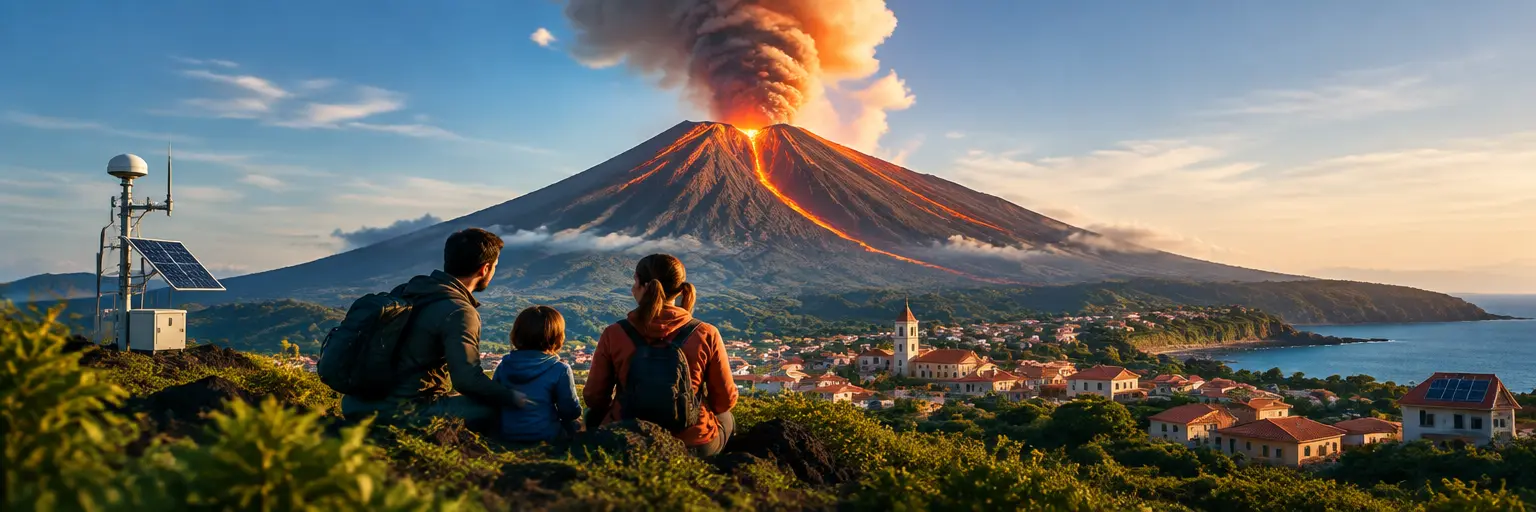
Living with volcanoes means embracing both the raw power and the remarkable fertility of our planet’s most dynamic landscapes. From adapting daily life to constant seismic reminders, to harnessing geothermal energy and farming volcanic soils, communities worldwide have developed ingenious ways to thrive—not just survive—alongside active giants. This space explores the science of resilience, from volcano-resilient infrastructure and smart urban planning to emergency drills, economic opportunities in tourism and agriculture, and the cultural traditions that bind people to these fiery mountains. Discover how innovation, sustainable development, and community strength turn volcanic risk into a story of adaptation, while also addressing financial risk management, water resources, and mental well-being in hazard zones.
Discover how volcanoes shape more than just landscapes. VolcanoExplorers.org explores the profound influence of volcanic activity on local culture, from ancient myths…
Read article
Volcanoes reshape landscapes, but also threaten cultural heritage. VolcanoExplorers.org explores preserving heritage near volcanoes, highlighting the urgent need for proactive strategies to…
Read article
VolcanoExplorers.org reveals a surprising twist: despite abundant geothermal activity, many volcanic regions face severe water scarcity. Learn how volcanic landscapes, while breathtaking,…
Read article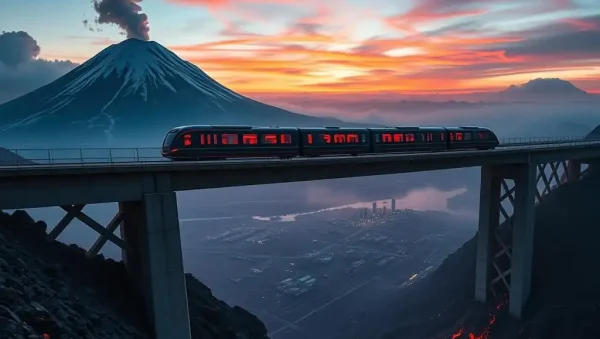
VolcanoExplorers.org explores the critical need for volcano-resilient transportation solutions. This article examines how roads, railways, and runways can withstand the destructive forces…
Read article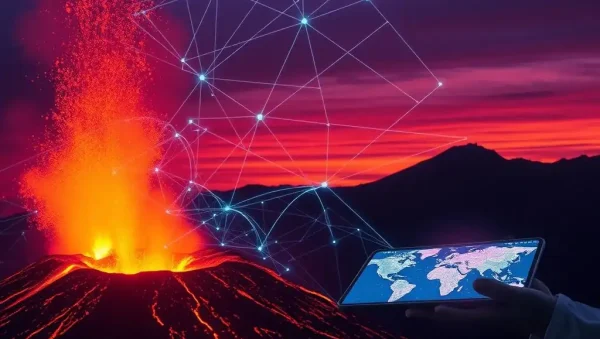
Harnessing technology for volcanic risk assessment is crucial. From satellite monitoring to AI-driven prediction models, advanced tools are revolutionizing our understanding and…
Read article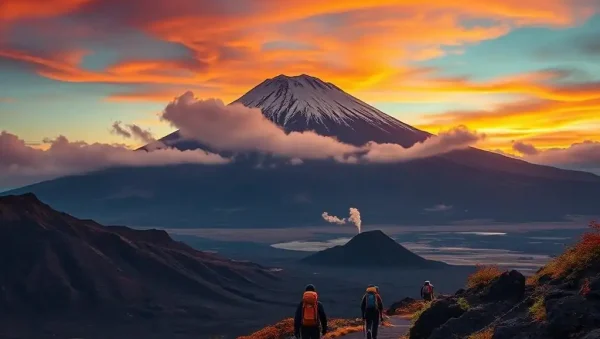
Unleash the potential of volcano tourism opportunities 2023! VolcanoExplorers.org reveals the untapped beauty and adventure of volcanic landscapes, offering educational resources, safety…
Read article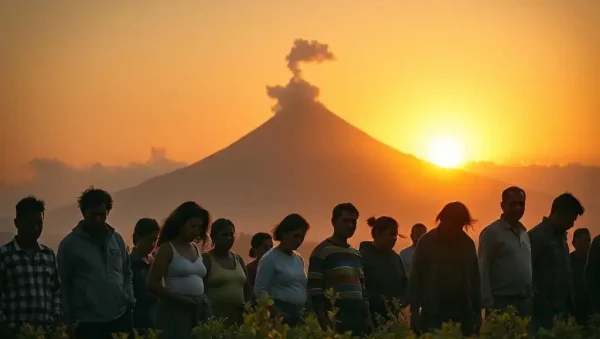
Discover how communities near active volcanoes build resilience. VolcanoExplorers.org explores Community Preparedness for Volcano Eruptions, blending scientific understanding with inspiring stories of…
Read article
Iceland's volcanic landscape, a source of both destruction and inspiration, fuels remarkable innovation. Discover how crises spark creativity and ingenuity in this…
Read article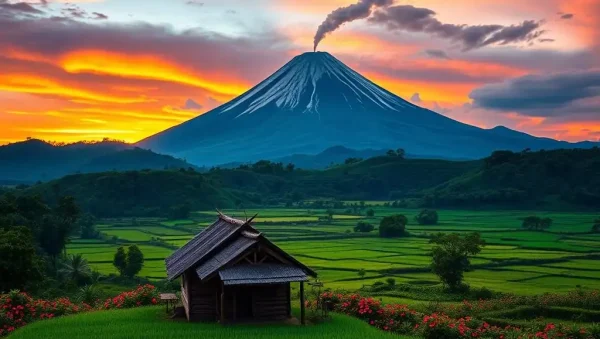
VolcanoExplorers.org unveils the breathtaking beauty and inherent danger of volcanoes, exploring their scientific intricacies, historical eruptions, and the crucial safety measures for…
Read article
VolcanoExplorers.org reveals how communities harness sustainable volcanic knowledge initiatives for development. Learn how understanding volcanic activity fosters resilience and empowers those living…
Read article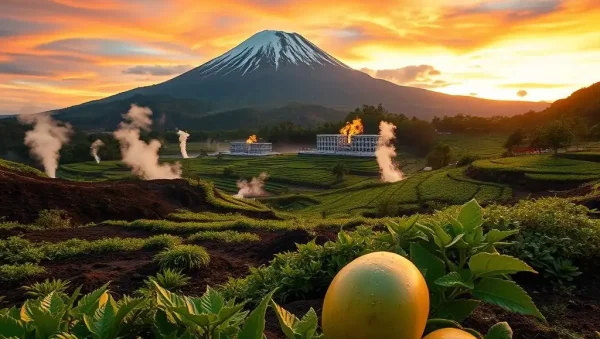
Harnessing geothermal energy's potential for volcanic agriculture offers a sustainable synergy. This innovative approach could revolutionize farming near volcanic regions, providing clean…
Read article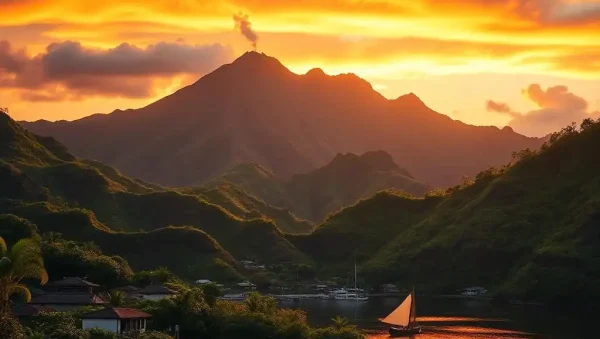
Discover how Hawaiian communities build economic resilience in the face of volcanic threats. VolcanoExplorers.org explores innovative strategies and adaptation methods employed to…
Read articleVolcanoExplorers.org’s "Living with Volcanoes" category is your definitive guide to understanding how communities around the world coexist with active volcanic landscapes. From turning fertile volcanic soil into agricultural gold to engineering cities that bend rather than break under seismic stress, this section merges science, culture, and practical survival. Whether you are a resident, a planner, or a curious traveler, you will find actionable knowledge on risk reduction, economic opportunity, and everyday life atop some of Earth’s most dynamic terrain. Explore the subcategories below to master the art of thriving, not just surviving, in these powerful environments.
This forward-looking section explores cutting-edge technologies and forward-thinking policies that are redefining human coexistence with active volcanoes. Expect deep dives into early-warning AI systems, drone-based gas monitoring, and adaptive building materials that withstand pyroclastic flows. We also highlight community-driven digital mapping tools that help residents visualize hazard zones in real time. Innovation here is not just about gadgets—it is about creating resilient mindsets and flexible governance frameworks that can pivot as volcanic behavior shifts. You will learn how cities like Goma and Kagoshima are piloting next-generation sensor networks, and how "living laboratories" are testing volcanic ash-resistant infrastructure. The future is not about escaping volcanoes; it is about engineering coexistence with them, using every tool from satellites to social media.
Water is both a lifeline and a lethal threat in volcanic regions. This subcategory explains how porous volcanic rocks create unique aquifers, while also detailing how eruptions can poison water supplies with fluoride, sulfur, or heavy metals. You will discover how communities build filtration systems using local materials like pumice, and how engineers design drainage channels to divert lahar flows away from reservoirs. Rainwater harvesting and spring protection are also covered, alongside case studies from Iceland and Indonesia where glacial outburst floods (jökulhlaup) are managed with early-warning gauges. Practical checklists help you assess your own water security if you live near a volcano, from storage protocols to testing kits. Ultimately, this section proves that water management is a matter of survival, demanding both geological knowledge and community cooperation.
Preparation saves lives, and this subcategory is your blueprint for crisis readiness. We break down the anatomy of effective evacuation drills, from tabletop simulations to full-scale community exercises involving sirens, buses, and marshal systems. Learn how volcanologists and emergency managers design "scenario trees" that test responses to different eruption phases, and how schools, hospitals, and factories conduct their own tailored drills. Mistakes in past evacuations—like traffic jams on narrow roads or ignored warnings—are analyzed to show what not to do. The section also covers inclusive strategies for vulnerable populations, including the elderly, disabled, and tourists who may not speak the local language. Indoor and outdoor drill scripts are provided, along with guidance on how to practice with pets and livestock. By the end, you will understand why repeated, realistic exercises are the single most effective way to build community muscle memory for the day the ground shakes.
Volcanoes are not just hazards; they are economic engines. This subcategory highlights three pillars: tourism, agriculture, and geothermal energy. Tourism takes center stage with guidance on building safe yet thrilling volcano-viewing platforms, crater rim hiking trails, and cultural museums—all while managing risk through permits and guided tours. Agriculture explores the high-value crops that thrive in volcanic ash, such as coffee, wine grapes, and quinoa, and how local cooperatives can export these premium products. Geothermal energy is presented as the hidden jackpot: drilling for steam and hot water to power homes, greenhouses, and fish farms. Real-world examples from Costa Rica, New Zealand, and the Philippines show how communities can diversify income streams, reducing dependence on volatile single sectors. Expect practical business models, funding sources, and legal considerations for starting ventures in volcanic zones. This section proves that living with danger can also mean living with prosperity.
Volcanic soils, known as andisols, are among the most fertile on Earth, rich in minerals like phosphorus, potassium, and calcium. This subcategory celebrates their bounty while honestly addressing the challenges: erosion, heavy-metal uptake, and sudden ashfall that can smother crops. You will learn about crop rotation strategies that maintain soil health, and how farmers use "green manure" from lupines and clover to fix nitrogen. Terracing and contour plowing are explained as ancient yet effective erosion controls, while modern advances include ashfall-resistant greenhouses and dust-repellent coatings for leaves. We also cover livestock considerations, as grazing animals can ingest toxic tephra particles. Case studies from Java, Sicily, and Ecuador demonstrate how traditional knowledge merged with agronomy schools boosts yields. Whether you are a hobby gardener or commercial farmer, this section offers planting calendars, soil amendment recipes, and disaster recovery plans for protecting your harvest from the next eruption.
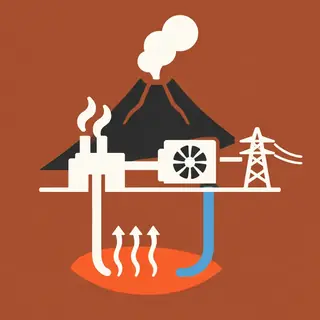
Geothermal energy is the silent superpower of volcanic areas. This subcategory uncovers how heat from magma chambers can be harnessed for district heating, greenhouse cultivation, and electricity generation—often with minimal carbon emissions. Expect a technical yet accessible breakdown of flash steam and binary cycle power plants, plus a comparison of typical output capacities versus solar and wind. Direct use applications are highlighted, such as heating homes in Reykjavik and drying fish in Iceland, which cut energy costs by up to 70%. We also discuss challenges like induced seismicity and the risk of listing wells during eruptions, along with mitigation strategies. Community ownership models from Kenya and the Philippines show how local residents can profit from geothermal royalties. This section is a must-read for entrepreneurs, policymakers, and environmentalists who want to turn volcanic heat into a clean, stable economic backbone.
Daily life near a volcano requires a unique blend of vigilance and normalcy. This subcategory offers a practical toolkit for residents, covering everything from retrofitting homes against ash weight to designing indoor air-filtration systems. Learn how to build "safe rooms" with positive pressure to keep out fine tephra, and how to store essentials like N95 masks, battery radios, and bottled water for at least two weeks. Your mindset matters too: we provide psychological checklists to recognize anxiety versus preparedness, and community meeting points to strengthen social bonds. We also address the mundane—how to clean ash from roofs, protect electronics from corrosive gases, and handle livestock during ashfall. Real-life tips from veterans of Mount Pinatubo and Mount St. Helens are sprinkled throughout, offering hard-won wisdom. This section is your comprehensive handbook for turning a hazardous address into a safe, comfortable home.
Volcanoes have shaped not just landscapes but also the identities, rituals, and stories of the people who live beside them. This subcategory surveys how cultures from the Pacific Ring of Fire to the Mediterranean have adapted to volcanic life. Expect profiles of festivals like Indonesia’s Yadnya Kasada, where offerings are thrown into the crater of Mount Bromo, and Japan’s Oshira, a puppet ritual to pacify Mount Unzen. Traditional knowledge is treated as a legitimate scientific source: local signs like animal behavior, well water level changes, and unusual bird calls are compared with modern monitoring data. We also examine how architecture incorporates volcanic materials—using basalt blocks for foundations and pumice for insulation—and how language encodes hazard warnings through place names and legends. This section celebrates memory and meaning, showing that cultural resilience is as vital as physical infrastructure. By understanding these traditions, external aid workers and scientists can better integrate with local communities.
Sustainable development in volcanic zones means balancing economic growth with environmental protection and social equity—while keeping one eye on the next eruption. This subcategory provides frameworks for land-use zoning that separates critical facilities from hazard zones, and for green building certifications that reward ash-recycled materials. Circular economies are emphasized: volcanic ash can be turned into cement, lightweight bricks, and even water filters, converting a hazard into a resource. We also explore renewable energy microgrids that combine geothermal, solar, and small hydro, ensuring energy security during crises. Community-based tourism certification, fair-trade coffee initiatives, and reforestation programs with native species are detailed as ways to protect biodiversity and livelihoods simultaneously. Case studies from the Azores and the Canary Islands illustrate how these islands achieve high human development indexes despite active volcanoes. This section is essential for urban planners, NGOs, and investors seeking to build back better in fragile environments.
Can a city be designed to shrug off a volcanic eruption? This subcategory says yes, with a blend of engineering and foresight. Expect detailed guidance on building roads that resist lahar erosion, bridges with raised foundations to avoid ash clogs, and roofs angled at 30 degrees to shed heavy tephra. Urban planning takes center stage with hazard maps that restrict schools and hospitals to safe zones, while allowing warehouses and parks in medium-risk areas. Underground utility corridors are recommended to protect cables and pipes from heat and corrosive gases. We also cover seismic regulations, since eruptions often coincide with earthquakes, and fire-resistant landscaping to prevent lava-ignited wildfires. Real-world examples like Pomona, Italy, and Hilo, Hawaii show how smart design reduced damage in recent eruptions. This section is a technical goldmine for architects, civil engineers, and municipal officials who want to build not just for today, but for a volcanic tomorrow.
Nothing teaches better than living examples. This subcategory presents in-depth analyses of communities that have survived repeated eruptions through ingenuity and collaboration. Meet the farmers of the slopes of Mount Merapi in Indonesia, who use sediment traps and early-warning river gauges to protect their land. Learn how the city of Kagoshima, Japan, turned regular ash cleanup into a tourist attraction and a source of civic pride. Each case study includes a timeline of events, the specific vulnerabilities faced, the resilience measures adopted, and measurable outcomes like reduced fatalities and faster economic recovery. We also spotlight less-known successes, such as the community in Papua New Guinea that built an evacuation shelter that doubles as a school and community hall. By comparing these stories, you can extract transferable lessons: proactive monitoring, inclusive drills, diversified income, and strong social trust. This subcategory is both inspiring and instructional, a bridge between theory and reality.
Financial resilience is often overlooked but is critical for recovery after an eruption. This subcategory demystifies insurance policies tailored to volcanic risks, explaining the difference between ashfall coverage, lava flow protection, and business interruption riders. Risk pooling is a key theme: how municipalities and cooperatives share premiums to create catastrophe bonds or parametric insurance that pays out quickly based on measurable triggers like seismicity. We also explore government-backed disaster funds, microinsurance for low-income farmers, and how to correctly document assets for claims. Budgeting for preparedness—like maintaining backup generators and water purifiers—is framed as a wise financial move. Static tools like hazard-adjusted property valuations and comparison tables of insurers are included. For businesses, we detail supply-chain contingency planning to avoid dependence on a single volcanic region. This section empowers residents and entrepreneurs to protect their livelihoods with smart financial strategies, not just sandbags and sirens.
The psychological burden of living under constant threat is real, yet often ignored. This subcategory addresses anxiety, post-traumatic stress, and chronic stress among residents of volcanic areas, offering both professional and peer support strategies. Routine is a powerful buffer: we provide tips on maintaining normalcy through regular family meals, exercise, and school schedules, even during heightened alert. Community support groups, storytelling circles, and mindfulness apps are presented as low-cost interventions. For children, we recommend age-appropriate books and games that explain volcanic activity without fear. We also cover how to deal with "warning fatigue," when repeated false alarms dull responsiveness, and how to rebuild trust with authorities after errors. Practical resources include lists of mental health hotlines and telehealth options, and guidance for employers on supporting staff during crises. This section reminds us that resilience is not just physical—it’s a state of mind that can be cultivated.
The most immediate danger is often not lava, but pyroclastic flows—fast-moving clouds of hot gas and rock that can travel at speeds over 100 km/h and exceed 400°C. Lahars (volcanic mudflows) are also deadly and can occur even after an eruption during heavy rain. Early warning systems and immediate evacuation are your best defenses.
Yes, andisols are incredibly fertile due to their high content of phosphorus, potassium, and calcium, and their ability to retain water. However, they can also fix phosphorus, making it unavailable to plants. Farmers often add organic matter or lime to unlock these nutrients. Regular soil testing is essential to balance benefits and risks.
Geothermal systems tap into hot water or steam trapped in fractured rocks beneath the surface. Wells drilled several hundred meters deep bring this heat to the surface for direct use, like heating homes, or to spin turbines for electricity. In volcanic zones, ground temperatures are higher, making extraction more efficient.
A successful drill includes clear communication channels, designated safe zones, practiced routes, and accommodations for people with disabilities and pets. It should test both the public and emergency services, and use realistic scenarios based on current hazard maps. After each drill, hold a debriefing to identify and fix weaknesses.
Community-based support groups, open communication about hazards, and maintaining routines are effective. Providing psychological first aid training to local leaders ensures immediate help during crises. Promoting hobbies, physical activity, and connection with nature also builds resilience. It is crucial to combine professional mental health services with peer-to-peer networks.