Volcanic Impact on Wildlife Habitats and Animal Behavior
Volcanic eruptions are among the most transformative natural events on Earth, reshaping landscapes and creating new challenges for the creatures that call these regions home. This subcategory of Volcano Explorers explores how volcanic activity—from explosive blasts to slow lava flows—alters wildlife habitats and triggers profound shifts in animal behavior. Whether you’re a student, conservationist, or curious nature lover, you’ll discover adaptive strategies, ecological succession, and the resilience of life in the shadow of active volcanoes. Dive into the science of survival and change, where destruction meets rebirth.
🌋 Immediate Survival Responses During Eruptions
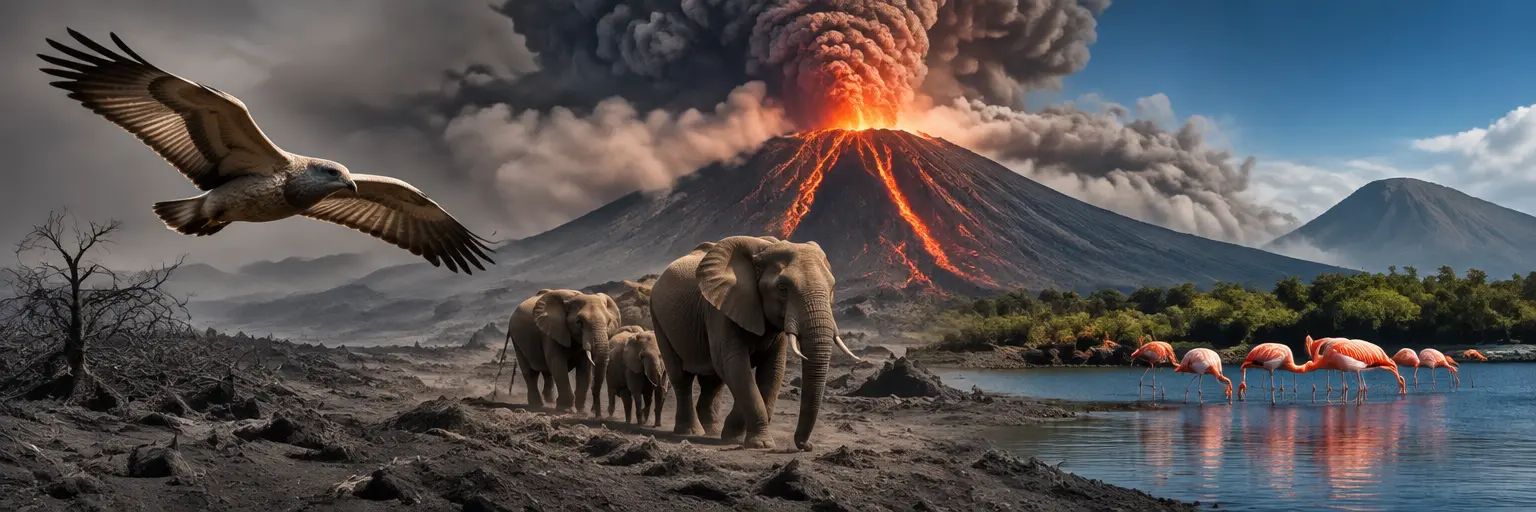
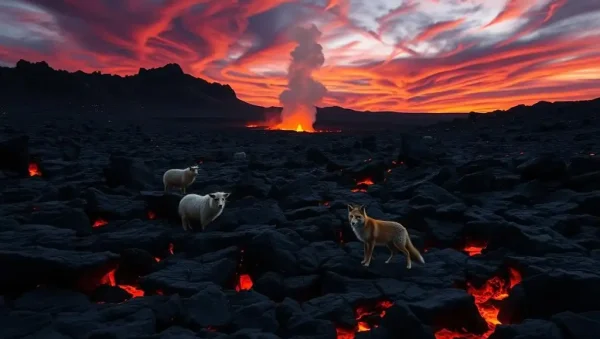
Animals near active volcanoes often exhibit panic, confusion, and rapid dispersal as ash clouds and pyroclastic flows approach. Birds may abandon nests mid-incubation, while mammals seek underground burrows or flee to unburned corridors. Research shows that some species, like certain lizards, can detect seismic vibrations hours before an eruption, giving them a critical head start. This section uncovers the sensory adaptations and emergency behaviors that determine which wildlife survives the initial chaos.
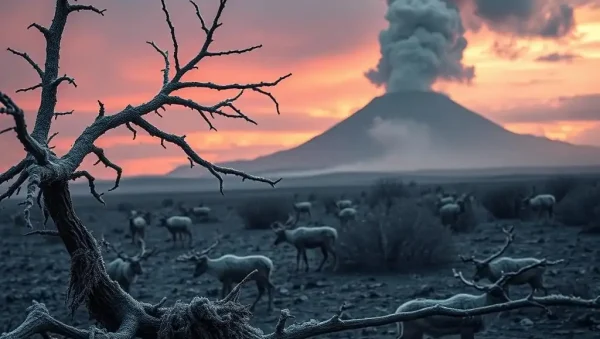
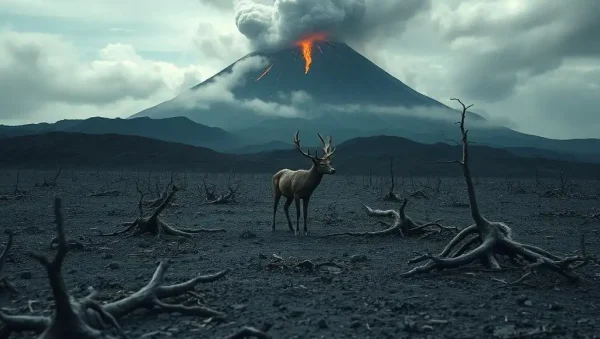
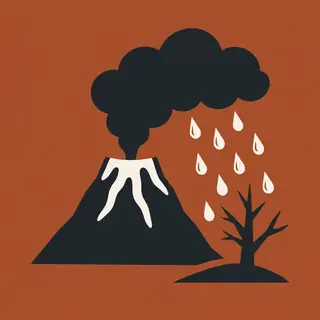
Post-eruption, survivors face ash-covered vegetation, toxic gases, and altered food webs. For example, herbivores may starve when plant leaves are coated in abrasive silica-rich ash, while scavengers benefit temporarily from carcasses. Understanding these immediate responses helps conservationists design early-warning systems for wildlife and prioritize rescue efforts during volcanic crises.
🏞️ Habitat Destruction and Regeneration Cycles
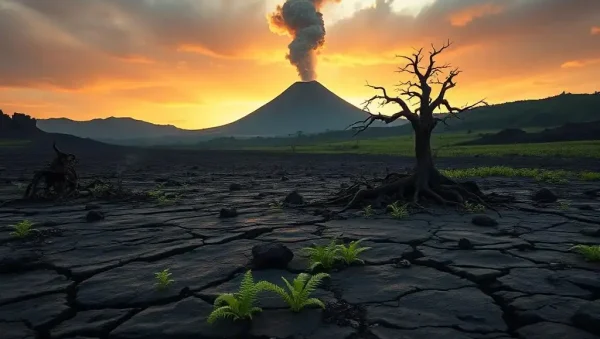
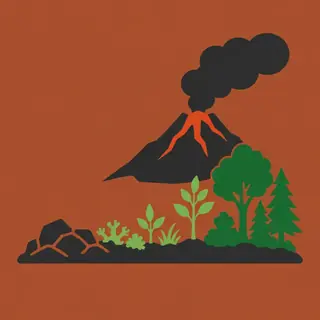
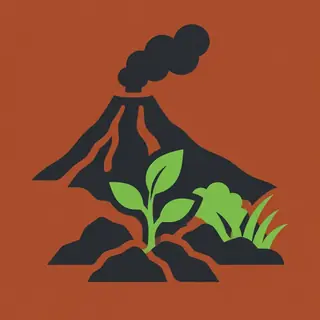
Lava flows, lahars, and ashfall can completely obliterate forests, wetlands, and grasslands, leaving barren fields of volcanic rock. Yet, over decades, ecological succession rebuilds these habitats—pioneer species like mosses and ferns colonize fresh lava, followed by shrubs and eventually trees. This slow rebirth creates a patchwork of habitats that supports diverse animal communities, from burrowing insects to nesting birds. Explore how different eruption types dictate the speed and direction of recovery.
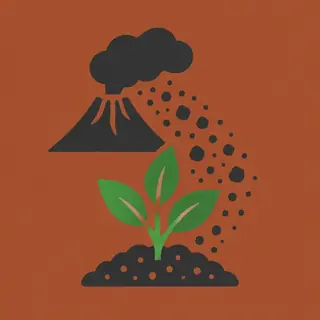
Some volcanic soils, rich in minerals, become incredibly fertile, attracting herbivores and their predators once vegetation returns. However, habitat fragmentation can isolate animal populations, reducing genetic diversity. By studying regeneration on volcanoes like Mount St. Helens and Kilauea, scientists learn valuable lessons about resilience—key for ecosystem management in other disaster-prone areas.
🦅 Behavioral Shifts in Birds and Mammals
Volcanic activity forces permanent or seasonal migration patterns to change, as birds reroute flight paths and mammals abandon traditional ranges. For instance, peregrine falcons on volcanic cliffs may relocate to coastal ledges if nesting sites are filled with ash. Ground-nesting birds, such as the Hawaiian petrel, are especially vulnerable, but they often adapt by selecting higher, wind-swept areas where ash accumulates less. This section details concrete examples of behavioral plasticity.
Mammals like voles, shrews, and deer alter their foraging times and diets, relying on stored fat or switching to novel food sources. Predators follow prey shifts, creating dynamic food chains. These behavioral changes can persist for generations, leading to local evolution—a fascinating area of study that links geology to zoology and provides insights into long-term wildlife management.
🐟 Aquatic Ecosystems and Marine Life Responses
Volcanic eruptions beneath or near oceans, such as those at Hawaii’s underwater vents, drastically change water temperature, acidity, and nutrient levels. Marine life, including fish, coral, and plankton, must cope with thermal shock, sulfide plumes, and sedimentation. Fish may abandon spawning grounds temporarily, while resilient species like hydrothermal vent shrimp thrive in extreme conditions. Learn how volcanic activity creates unique marine oases in otherwise barren seafloors.
Ash and lava entering water bodies can trigger harmful algal blooms or oxygen-depletion zones, killing fish populations. Conversely, volcanic ash enriches plankton growth in deeper waters, benefiting whales and pelagic fish. Coastal ecosystems like mangroves and seagrass beds often suffer erosion, yet recover through nutrient input. This dual nature of volcanic impacts—destruction and fertilization—makes marine volcanic zones hotspots for ecological research and biodiversity monitoring.
🦎 Adaptations and Evolution in Volcanic Zones
Long-term exposure to volcanic gases and heat has driven evolutionary adaptations in certain wildlife. For example, some insects have thicker exoskeletons to resist sulfur dioxide, and select plants develop heat-tolerant enzymes. Animals living on active volcanoes, like the Galápagos marine iguana, can dive into warm waters near lava flows to feed on algae, a unique behavior not seen elsewhere. This section highlights how volcanic environments act as natural laboratories for evolution.
Researchers have documented rapid genetic changes in birds, rodents, and reptiles after eruptions, favoring traits that increase survival in ash-covered, low-food conditions. Over time, these isolated populations may become new subspecies or species. Understanding these processes aids conservationists in protecting endemic species and predicting how other wildlife might respond to climate-induced habitat variations, linking volcanic science to global biodiversity challenges.
📋 Conservation Strategies for Volcanic Regions
Protecting wildlife in volcanic zones requires a blend of hazard monitoring and habitat restoration. Conservationists establish buffer zones, relocate endangered species before eruptions, and create artificial nesting structures as temporary replacements. Community-based programs, like those on Iceland and Indonesia, integrate local knowledge with scientific data to reduce human-wildlife conflict. This section offers practical steps for policymakers and NGOs.
Long-term conservation also involves restoring food chains and ensuring genetic connectivity between isolated populations. Using GIS mapping and drones, experts track animal movements and habitat changes post-eruption. Financial support from ecotourism and carbon credits can fund these efforts. By combining early warning systems with adaptive management, we can safeguard biodiversity even in the most volcanically active places on Earth, ensuring that wildlife and human communities thrive together.
Frequently Asked Questions
Can animals predict volcanic eruptions?
Yes, some animals show pre-eruption behaviors like restlessness, fleeing, or altered vocalizations, likely due to seismic vibrations or gas detection. However, these signals are not reliable enough for prediction. Smart collars and camera traps are being tested to use wildlife as living sensors, but they complement—not replace—seismic and gas monitoring.
How long does it take for wildlife to return after a volcanic eruption?
It varies widely. Pioneer plants appear within months, while insects and small mammals may return in 1–3 years. Larger mammals and birds can take 5–20 years, depending on habitat destruction. For complete forest recovery, decades to centuries are needed, as seen in the slow succession from Mount St. Helens’ 1980 eruption.
Do volcanoes create new habitats for animals?
Absolutely. Lava tubes, cooled lava fields, and crater lakes become unique niches for bats, birds, reptiles, and microorganisms. Volcanic ash enriches soil, supporting lush vegetation that attracts herbivores and predators. These newly created habitats often host rare, endemic species that cannot survive elsewhere, adding to global biodiversity.
What happens to fish during underwater volcanic eruptions?
Fish face sudden temperature spikes, toxic gases, and landslides. Many flee to cooler, less acidic waters, while weaker individuals die. After the eruption, plankton blooms attract fish back. Some species, like vent fish, are specially adapted to thrive in mineral-rich, hot waters. Recovery depends on eruption scale and ocean currents.
Are volcanic habitats more dangerous for wildlife than human-affected are?
Yes, volcanic habitats pose unique acute perils—lava, pyroclastic flows, ash suffocation—that are sudden and lethal. In contrast, human effects like pollution or deforestation are gradual. However, volcanic areas recover naturally through succession, whereas human-damaged ecosystems often lack this self-healing capacity, making both threats distinct and serious in different ways.