
The Scorched Earth: Habitat Devastation After Volcanic Eruptions

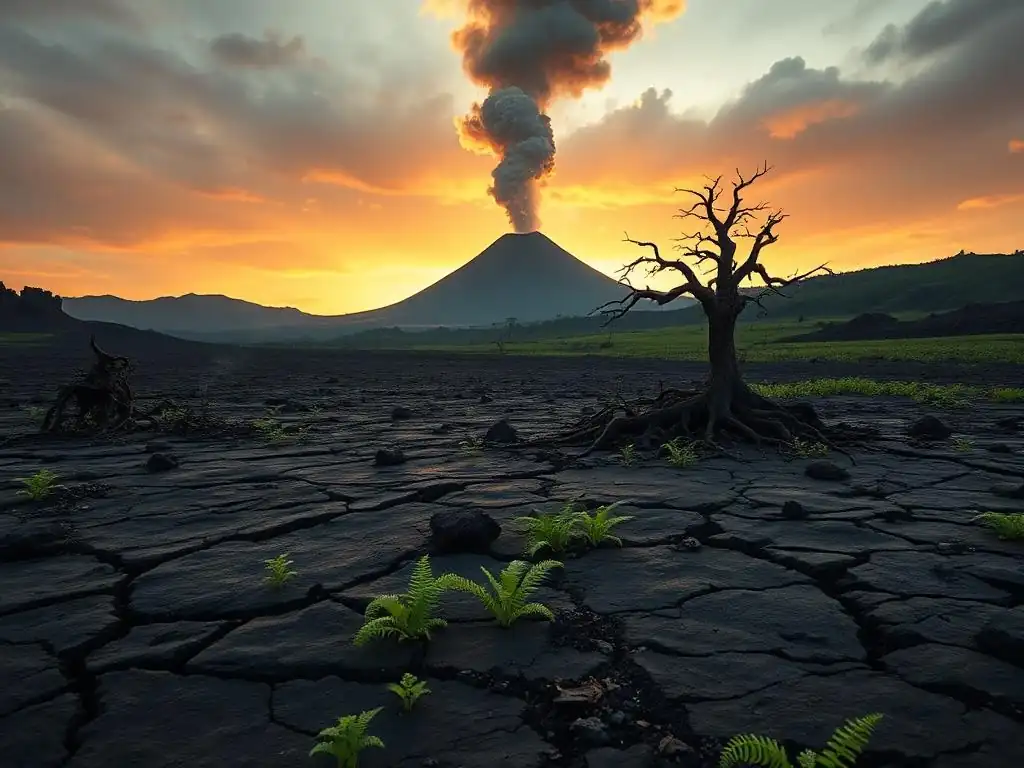
Welcome to Volcano Explorers!
Prepare to witness the raw power of nature. While volcanic eruptions are often associated with destruction, a fascinating story of resilience unfolds in their aftermath. But how does life reclaim the scorched earth? Delve into The Scorched Earth: Habitat Devastation After Volcanic Eruptions and uncover the surprising secrets of habitat recovery after volcanic eruptions, a testament to nature's enduring strength and adaptability. The journey to understanding this incredible phenomenon starts here...
- Volcanic Impact on Wildlife Habitats: A Catastrophic Transformation
- From Ash to Life: Exploring Habitat Recovery After Volcanic Eruptions
- Case Studies: Examining Habitat Restoration After Volcanic Events
- The Role of Pioneer Species in Volcanic Habitat Regeneration
- Long-Term Effects of Volcanic Eruptions on Wildlife Habitats
- Volcanic Ash Impact on Habitats and Animal Behavior
- Human Intervention and Habitat Restoration After Volcanic Eruptions
- Monitoring Habitat Recovery After Volcanic Eruptions
- Lessons Learned: Improving Habitat Restoration Strategies After Future Volcanic Events
- Conclusion: The Resilience of Nature in the Face of Volcanic Devastation
-
Frequently Asked Questions
- What are the immediate impacts of a volcanic eruption on local habitats?
- How does ashfall affect soil composition and water sources after an eruption?
- What types of organisms are typically the first to colonize a volcanically devastated area?
- How long does it typically take for a habitat to fully recover after a major volcanic eruption?
- How do volcanologists study and monitor habitat recovery after a volcanic eruption?
- Final Reflection: Resilience in the Face of Destruction
- Rekindle Life: Be a Volcano Habitat Hero!
Volcanic Impact on Wildlife Habitats: A Catastrophic Transformation
Volcanic eruptions are among the most powerful and destructive natural forces on Earth, capable of reshaping landscapes and profoundly altering ecosystems. The immediate aftermath of an eruption leaves behind a scene of devastation, a stark reminder of nature's raw power. Habitats, which are intricate tapestries of life painstakingly woven over time, are often obliterated in mere moments by pyroclastic flows, lava flows, and ashfall.
The impact extends far beyond the immediate volcanic zone, with ash clouds capable of blanketing vast areas, disrupting ecosystems hundreds of kilometers away. Understanding the scale and nature of this initial destruction is crucial to appreciating the subsequent processes of habitat recovery after volcanic eruptions.
The transformation is truly catastrophic. Lush forests can be incinerated, fertile fields buried under layers of ash and pumice, and pristine water bodies contaminated by volcanic debris. For wildlife, the consequences are dire. Animals are either killed directly by the eruption's forces or lose their homes and food sources overnight. The delicate balance of ecosystems is shattered, leaving behind a barren landscape where life must begin anew. However, even in the face of such overwhelming destruction, nature's resilience and the process of habitat recovery after volcanic eruptions are remarkable stories of ecological renewal.
Understanding the Initial Habitat Destruction from Volcanic Activity
The initial habitat destruction from volcanic activity stems from a variety of volcanic phenomena, each with its own devastating impact. Pyroclastic flows, for example, are superheated currents of gas and volcanic debris that can travel at speeds exceeding 700 km/h and reach temperatures of up to 1000°C. These flows incinerate everything in their path, leaving behind a wasteland devoid of organic matter.
Lava flows, although slower moving, are equally destructive, inundating and burning vegetation, buildings, and altering topography. Mount Vesuvius' eruption in 79 AD, which buried Pompeii and Herculaneum, serves as a historical testament to the immediate and complete habitat destruction caused by pyroclastic flows and ashfall.
Ashfall, while seemingly less dramatic, can also cause significant habitat destruction. Heavy ashfall can collapse buildings, bury vegetation, and contaminate water sources. Even a few centimeters of ash can be enough to suffocate plants and invertebrates, disrupt food chains, and render habitats uninhabitable for many species.
The 1980 eruption of Mount St. Helens deposited ash over a vast area, impacting forests and lakes hundreds of miles away. Lahars, volcanic mudflows, are another major destructive force, capable of carrying away entire forests and reshaping river valleys. These initial destructive forces collectively create a profoundly altered landscape, setting the stage for the long process of habitat recovery after volcanic eruptions.
Immediate Effects of Volcanic Eruptions on Ecosystems
The immediate effects of volcanic eruptions on ecosystems are widespread and multifaceted. One of the most visible impacts is the widespread loss of vegetation. Forests are flattened, grasslands are buried, and agricultural lands are rendered unusable. For instance, after the eruption of Mount Pinatubo in 1991, vast swathes of forest in the Philippines were either burned or buried under ash, leading to a significant loss of habitat for numerous species. This vegetation loss directly impacts herbivores, which lose their food sources, and indirectly affects carnivores that rely on these herbivores.
Animal populations suffer immediate and drastic declines. Many animals are killed directly by the eruption, succumbing to heat, ash inhalation, or physical trauma. Survivors face a drastically altered environment with limited food, water, and shelter.
Water bodies can become heavily contaminated with volcanic ash and dissolved minerals, leading to fish kills and impacting aquatic ecosystems. The air quality deteriorates significantly due to ash particles and volcanic gases, causing respiratory problems for both humans and animals. In the immediate aftermath of the 2010 eruption of Eyjafjallajökull in Iceland, livestock in surrounding areas suffered from fluoride poisoning due to ash deposition on grazing lands, highlighting the complex and far-reaching immediate effects on ecosystems and animal health.
From Ash to Life: Exploring Habitat Recovery After Volcanic Eruptions
Despite the initial devastation, volcanic landscapes are not destined to remain barren wastelands forever. Nature possesses an incredible capacity for resilience, and the process of habitat recovery after volcanic eruptions is a testament to this. From the seemingly sterile ash and rock, life slowly but surely returns, initiating a fascinating journey of ecological succession.
This recovery process is not rapid; it can take decades, centuries, or even millennia, depending on the scale of the eruption and the environmental conditions. However, the gradual return of life to these scorched lands is a powerful demonstration of nature's regenerative power and the dynamic processes that shape our planet.
The exploration of habitat recovery after volcanic eruptions is not just an academic exercise; it provides valuable insights into ecological processes and the potential for life to re-establish itself even in the most extreme environments. Understanding these processes is crucial for developing effective conservation and restoration strategies in volcanic regions and beyond. By studying how ecosystems recover from volcanic disturbances, we can learn more about ecological resilience, the role of pioneer species, and the long-term dynamics of habitat recovery after major environmental disruptions, offering lessons applicable to other forms of habitat degradation and restoration efforts globally.
The Process of Ecological Succession Following Volcanic Devastation
Ecological succession is the gradual process by which ecosystems recover and change over time following a disturbance, and it is the driving force behind habitat recovery after volcanic eruptions. In volcanic landscapes, succession typically begins with a barren substrate – newly solidified lava, volcanic ash, or pumice fields. This substrate is initially devoid of soil and organic matter, presenting a harsh environment for life to establish. Succession unfolds in stages, starting with pioneer species that are adapted to these extreme conditions and gradually paving the way for more complex and diverse ecosystems.
There are two main types of ecological succession: primary and secondary. Primary succession occurs in areas where no soil exists, such as newly formed volcanic islands or freshly deposited lava flows. Secondary succession, on the other hand, occurs in areas where soil is present, even if disturbed, such as areas affected by ashfall or pyroclastic flows that haven't completely sterilized the ground.
Both types of succession are crucial for habitat recovery after volcanic eruptions, each playing a distinct role in the long-term ecological restoration of these dynamic landscapes. Understanding the differences and interplay between primary and secondary succession is key to appreciating the complexity of habitat recovery in volcanic regions.
Primary Succession: The First Steps of Habitat Regeneration
Primary succession is the remarkable process of life colonizing a completely barren environment, such as newly formed volcanic rock. In the context of habitat recovery after volcanic eruptions, primary succession is particularly relevant in areas covered by lava flows or newly created volcanic islands like Surtsey, Iceland. The process begins with the arrival of pioneer species, organisms that are highly tolerant of harsh conditions and capable of establishing themselves on bare rock or ash. These pioneers are often lichens and mosses, which can slowly break down the rock surface, contributing to the initial formation of soil.
Lichens play a critical role by secreting acids that weather the rock and accumulating organic matter from dust and atmospheric deposition. Mosses further contribute to soil development by trapping moisture and organic debris. As these pioneer species die and decompose, they add organic matter to the nascent soil, gradually improving its fertility and water-holding capacity.
This rudimentary soil then allows for the establishment of hardier plants, such as grasses and ferns, which further accelerate soil development and begin to create a more hospitable environment for other species. The process of primary succession is slow, often taking centuries to develop a mature ecosystem, but it is the fundamental first step in long-term habitat recovery after volcanic eruptions in completely sterilized areas.
Secondary Succession: Habitat Re-establishment on Disturbed Land
Secondary succession is the ecological recovery process that occurs in areas where the soil remains intact after a disturbance, such as after a volcanic eruption that primarily deposits ash or pyroclastic flows that do not completely sterilize the ground. This type of succession is generally faster than primary succession because the presence of soil, even if degraded, provides a pre-existing seed bank and nutrient base. In volcanic landscapes, secondary succession is common in areas surrounding the most heavily impacted zones, where ashfall or less intense pyroclastic flows have disturbed but not completely destroyed the previous ecosystem.
The process of secondary succession often starts with the re-sprouting of surviving vegetation or the germination of seeds already present in the soil. Weedy, fast-growing plants, often called early successional species, are typically the first to reappear. These plants are adapted to disturbed environments and quickly colonize open spaces.
They help to stabilize the soil, prevent erosion, and further enrich the soil with organic matter. Over time, these early successional communities are gradually replaced by later successional species, such as shrubs and trees, leading to the eventual re-establishment of a more complex and mature ecosystem. The speed of secondary succession in habitat recovery after volcanic eruptions is influenced by factors like the severity of the eruption, the type of ash deposited, and the climate of the region.
Case Studies: Examining Habitat Restoration After Volcanic Events
Examining real-world case studies of habitat recovery after volcanic events provides invaluable insights into the processes and timelines involved. Each volcanic eruption presents a unique scenario, influenced by the volcano's type, eruption style, and the surrounding environment. Studying these diverse cases allows us to understand the varying pathways and rates of ecological succession, as well as the factors that influence habitat restoration after volcanic eruptions. Three particularly informative case studies are Mount St. Helens in the USA, Surtsey in Iceland, and Krakatoa in Indonesia, each offering distinct perspectives on volcanic habitat recovery.
These case studies highlight the remarkable capacity of ecosystems to recover from volcanic devastation, albeit over different timescales and through varied ecological pathways. They also demonstrate the importance of long-term monitoring and research to fully understand the complexities of habitat recovery after volcanic eruptions. By analyzing these diverse examples, scientists and conservationists can gain valuable knowledge to inform future habitat restoration efforts in volcanic regions and other disturbed environments globally.
Mount St. Helens: A Landmark Study in Volcanic Habitat Recovery
The 1980 eruption of Mount St. Helens in Washington State, USA, is a landmark case study in volcanic habitat recovery, particularly for secondary succession. The eruption caused widespread devastation, including massive landslides, pyroclastic flows, and ashfall, dramatically altering the landscape and killing vast amounts of plant and animal life. However, within just a few years, signs of habitat recovery after volcanic eruptions began to emerge, surprising many scientists. Spirit Lake, initially thought to be sterilized, harbored surviving organisms and became a focal point for ecological research.
One remarkable aspect of Mount St. Helens' recovery is the rapid rate of revegetation. Despite the extensive ash deposits and altered topography, surviving plant roots and seeds within the soil, as well as seeds dispersed from surrounding undisturbed areas, quickly initiated secondary succession. Gophers played a crucial role by turning over buried soil and seeds, facilitating plant germination.
By the late 1980s, significant areas were already showing signs of greening, demonstrating the resilience of the pre-eruption ecosystem and the effectiveness of secondary succession in driving habitat recovery after volcanic eruptions. The long-term study of Mount St. Helens continues to provide valuable insights into ecosystem dynamics and the factors influencing habitat restoration after large-scale natural disturbances.
Surtsey, Iceland: Colonization of a New Volcanic Island
Surtsey, a volcanic island that emerged from the sea south of Iceland in 1963, offers a unique opportunity to study primary succession and the colonization of a completely new volcanic habitat. The island was initially barren rock and ash, providing a blank slate for ecological processes to unfold. Scientists have meticulously monitored the colonization of Surtsey by plants, animals, and microorganisms, documenting each stage of habitat recovery after volcanic eruptions in a pristine environment.
The first colonizers of Surtsey were microorganisms, followed by hardy plants arriving via wind and ocean currents. Sea rocket ( Cakile maritima) was among the first vascular plants to establish, paving the way for other species. Birds, attracted by the emerging vegetation and insects, began to use the island as a stopover and nesting site, contributing to seed dispersal and nutrient enrichment through guano.
By the early 21st century, Surtsey hosted a diverse array of plant and animal life, demonstrating the gradual but persistent process of primary succession and habitat recovery after volcanic eruptions on a newly formed landmass. Surtsey serves as a living laboratory for understanding the fundamental processes of ecological colonization and ecosystem development in volcanic environments.
Krakatoa: Ecological Succession and Biodiversity Recovery
The 1883 eruption of Krakatoa volcano in Indonesia was one of the most catastrophic volcanic events in recorded history, effectively sterilizing the island and surrounding areas. The eruption served as a natural experiment in ecological succession and biodiversity recovery on a massive scale. Initially, Krakatoa was considered devoid of life, but scientists soon began to document the gradual return of flora and fauna, tracking the stages of habitat recovery after volcanic eruptions in a tropical island setting.
Early surveys revealed the arrival of pioneer plant species, primarily ferns, grasses, and wind-dispersed seeds. Animals followed, with insects, birds, and bats being among the first to colonize. Over time, the vegetation became more diverse, progressing from grasslands and scrublands to forests.
Interestingly, some species arrived via dispersal from neighboring islands, while others may have survived in refugia on Krakatoa itself. By the late 20th and early 21st centuries, Krakatoa's ecosystem had recovered significantly, exhibiting a high level of biodiversity, although not identical to the pre-eruption ecosystem. Krakatoa's recovery story highlights the long-term resilience of tropical ecosystems and the complex interplay of dispersal, succession, and evolution in habitat recovery after volcanic eruptions over extended periods.
The Role of Pioneer Species in Volcanic Habitat Regeneration
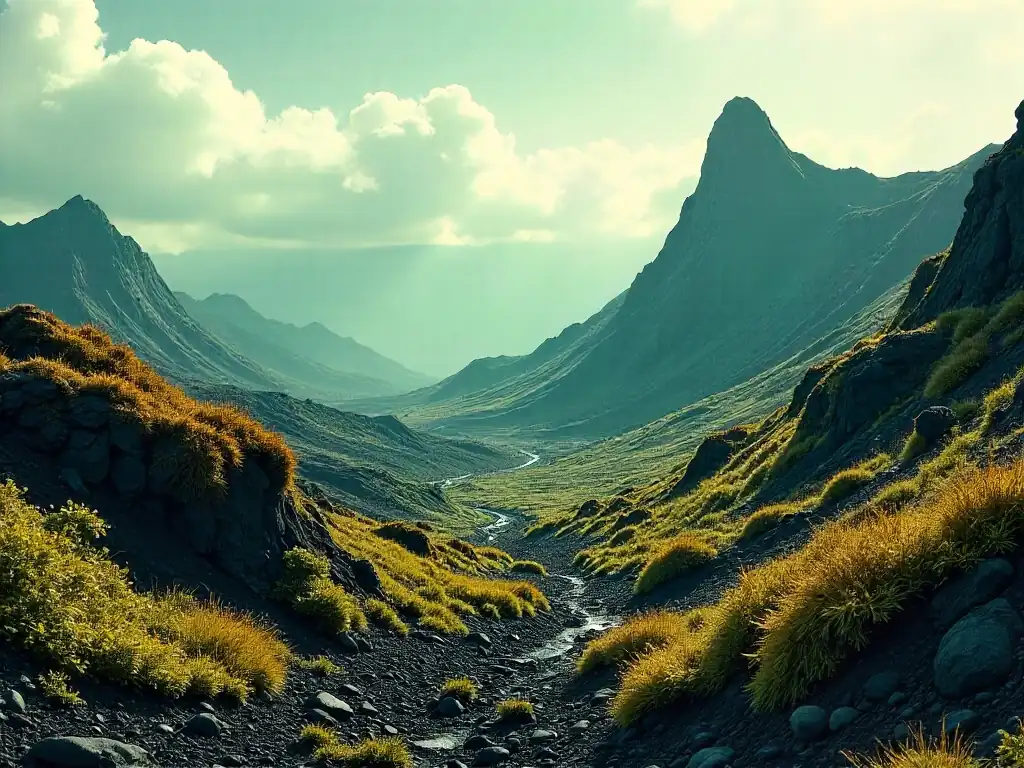
Pioneer species are the unsung heroes of habitat regeneration after volcanic eruptions. These hardy organisms are the first to colonize barren volcanic landscapes, paving the way for more complex ecosystems to develop. They are adapted to survive in harsh conditions, such as nutrient-poor substrates, extreme temperatures, and limited water availability. Pioneer species play a crucial role in initiating ecological succession by modifying the environment and making it more habitable for subsequent species. Understanding the types of pioneer species and their ecological roles is essential for comprehending the process of habitat recovery after volcanic eruptions.
Both plant and animal life contribute to the pioneer community in volcanic environments. Plants, particularly lichens, mosses, and certain vascular plants, are often the primary colonizers, focusing on soil development and initial nutrient input. Animals, although sometimes arriving slightly later, also play critical roles in nutrient cycling, seed dispersal, and shaping the developing ecosystem. The interactions between plant and animal pioneer species are fundamental to the early stages of habitat recovery after volcanic eruptions, setting the stage for the long-term ecological trajectory of these dynamic landscapes.
Plant Life: The First Colonizers of Volcanic Landscapes
Plant life is typically the vanguard in the colonization of volcanic landscapes, representing the first wave of habitat recovery after volcanic eruptions. Lichens and mosses are often the very first pioneers, particularly in primary succession on bare rock. These organisms are incredibly resilient and can withstand desiccation, extreme temperatures, and nutrient-poor conditions.
Lichens, being symbiotic associations of fungi and algae, are particularly effective at colonizing bare rock surfaces. They secrete acids that break down the rock, releasing minerals and initiating soil formation. Mosses, with their ability to trap moisture and accumulate organic matter, further contribute to the development of a rudimentary soil layer.
Following lichens and mosses, certain vascular plants emerge as key pioneer species. These are typically fast-growing, hardy plants adapted to disturbed environments. Examples include fireweed ( Epilobium angustifolium) in North America, which readily colonizes volcanic ash fields after eruptions like Mount St. Helens, and certain grasses and ferns that can tolerate poor soil conditions.
These pioneer plants further stabilize the soil, prevent erosion, and contribute organic matter as they grow and decompose. Their presence marks a significant step in habitat recovery after volcanic eruptions, creating a more hospitable environment for the establishment of more diverse plant communities and, subsequently, animal life.
Animal Life: Adapting to the Harsh Volcanic Environment
While plant life often leads the initial colonization, animal life also plays a vital role in adapting to and shaping the harsh volcanic environment, contributing to habitat recovery after volcanic eruptions. Insects are often among the first animals to arrive, transported by wind or air currents. Spiders, beetles, and flies can quickly colonize volcanic landscapes, feeding on wind-blown debris or early plant colonizers.
These insects, in turn, become a food source for other animals, initiating the development of food webs. Birds are also early arrivals, often attracted to volcanic areas by the emerging vegetation or insect life. Seed-dispersing birds play a crucial role in bringing seeds from surrounding areas, accelerating plant colonization and habitat recovery.
Small mammals, such as rodents, can also be early colonizers, often surviving in underground burrows or migrating into volcanic areas from adjacent undisturbed habitats. These animals contribute to soil aeration and nutrient cycling through their burrowing and foraging activities. Over time, as vegetation becomes more established, larger animals like herbivores and carnivores may gradually return or colonize, further enriching the ecosystem's complexity. The ability of animal life to adapt to the harsh volcanic environment and contribute to ecological processes is essential for the long-term trajectory of habitat recovery after volcanic eruptions.
Long-Term Effects of Volcanic Eruptions on Wildlife Habitats
Volcanic eruptions are not just short-term disruptive events; they also have profound and lasting long-term effects on wildlife habitats. These long-term effects can reshape ecosystems for decades, centuries, or even millennia after an eruption. Changes in soil composition and nutrient availability, alterations in water resources, and influences on local climate are just some of the long-term consequences that shape the trajectory of habitat recovery after volcanic eruptions. Understanding these lasting impacts is crucial for predicting ecosystem development and managing volcanic landscapes sustainably.
The long-term effects of volcanic eruptions can be both detrimental and, paradoxically, beneficial to ecosystems. While the initial devastation is undeniable, volcanic activity also contributes to long-term soil enrichment and can create unique habitats that support specialized biodiversity. The interplay between these negative and positive long-term effects determines the ultimate character of habitats in volcanic regions and their capacity for sustained habitat recovery after volcanic eruptions.
Changes in Soil Composition and Nutrient Availability
One of the most significant long-term effects of volcanic eruptions is the alteration of soil composition and nutrient availability. Initially, volcanic ash and lava deposits can create infertile substrates, lacking in organic matter and essential nutrients like nitrogen and phosphorus. However, over time, volcanic materials weather and break down, releasing minerals that can enrich the soil. Volcanic ash, in particular, is rich in minerals like silica, calcium, potassium, and magnesium, which are essential plant nutrients. This gradual weathering process can transform initially poor volcanic soils into fertile agricultural lands over centuries.
The long-term impact on nutrient cycles is complex. While volcanic ash can initially boost mineral nutrient levels, it can also disrupt nitrogen cycling and microbial communities essential for soil fertility. The type of volcanic material, the climate, and the vegetation type all influence how soil composition and nutrient availability evolve over time.
In some cases, volcanic soils become exceptionally fertile, supporting highly productive ecosystems and agriculture, as seen in volcanic regions of Italy and Indonesia. In other cases, volcanic soils remain relatively infertile, leading to slower habitat recovery after volcanic eruptions and influencing the types of vegetation that can establish.
Alterations in Water Resources and Their Impact on Aquatic Life
Volcanic eruptions can significantly alter water resources, both in the short-term and long-term, with profound impacts on aquatic life and overall habitat recovery after volcanic eruptions. In the immediate aftermath, water bodies can be contaminated by volcanic ash, debris, and dissolved minerals, leading to increased turbidity, acidity, and changes in chemical composition. Lakes and rivers can be buried, diverted, or even created by volcanic activity. For example, the eruption of Mount Mazama in Oregon approximately 7,700 years ago created Crater Lake, a deep caldera lake that now supports a unique aquatic ecosystem.
Long-term, volcanic landscapes are often characterized by unique hydrological features. Volcanic rocks can be highly porous, creating extensive groundwater systems and influencing surface water flow. Volcanic regions often have numerous hot springs and geothermal areas, which support specialized aquatic ecosystems adapted to high temperatures and unique chemical conditions.
However, volcanic activity can also lead to increased acidity in water bodies, particularly from volcanic gases and acid rain, which can negatively impact aquatic life. The long-term alterations to water resources in volcanic regions are a critical factor shaping aquatic habitats and influencing the broader process of habitat recovery after volcanic eruptions.
The Influence of Volcanic Activity on Local Climate and Biodiversity
Volcanic activity can exert a significant influence on local climate and biodiversity over long timescales, shaping habitat recovery after volcanic eruptions and influencing ecosystem development. Large volcanic eruptions can inject massive amounts of gases and aerosols into the atmosphere, leading to short-term global cooling and altered precipitation patterns. While these global climatic effects are relatively short-lived, volcanic activity can have more persistent local climate impacts. Volcanic landscapes often exhibit varied topography, elevation gradients, and microclimates, creating diverse habitats that can support high biodiversity.
Volcanic eruptions can also create new habitats, such as lava fields, volcanic lakes, and geothermal areas, which can be colonized by specialized species. Over geological timescales, volcanic activity contributes to the formation of fertile soils, shaping landscapes and influencing regional climate patterns.
The dynamic nature of volcanic environments, with cycles of destruction and creation, can promote ecological resilience and evolutionary adaptation. While volcanic eruptions can initially reduce biodiversity through habitat destruction, in the long run, volcanic landscapes can become hotspots of biodiversity, supporting unique assemblages of species adapted to these dynamic and often challenging environments, contributing to long-term habitat recovery after volcanic eruptions.
Volcanic Ash Impact on Habitats and Animal Behavior
Volcanic ash, a seemingly innocuous component of volcanic eruptions, has a surprisingly significant impact on habitats and animal behavior, both in the short-term and long-term. Ash is composed of fine particles of volcanic rock, minerals, and glass, and its characteristics can vary depending on the type of eruption and volcano. The chemical composition of volcanic ash and its physical properties determine its effects on vegetation, soil, water, and animal life. Understanding the multifaceted impacts of volcanic ash is crucial for assessing habitat recovery after volcanic eruptions.
The effects of volcanic ash are not limited to the immediate vicinity of the volcano; ash clouds can travel hundreds or even thousands of kilometers downwind, affecting vast areas and diverse ecosystems. While heavy ashfall can cause immediate and dramatic habitat destruction, even lighter ash deposits can have subtle but significant long-term consequences for soil fertility, plant growth, and animal health. Therefore, considering the impact of volcanic ash is essential for a comprehensive understanding of habitat recovery after volcanic eruptions.
The Chemical Composition of Volcanic Ash and its Effects
The chemical composition of volcanic ash is highly variable, depending on the magma source and eruption style. However, volcanic ash generally contains a range of minerals and elements, including silica, aluminum, iron, calcium, magnesium, potassium, sodium, and trace elements. Some volcanic ash can also contain significant amounts of sulfur and fluorine. The chemical composition of ash directly influences its effects on soil, water, and vegetation. For example, ash rich in calcium and potassium can act as a natural fertilizer, enriching soil fertility over time.
However, volcanic ash can also have negative chemical effects. Ash can increase soil acidity or alkalinity, depending on its composition, potentially disrupting nutrient availability and plant growth. Fluorine in volcanic ash can be toxic to animals, particularly herbivores that ingest ash-covered vegetation, as seen in the aftermath of the Eyjafjallajökull eruption in Iceland. Sulfur compounds in ash can contribute to acid rain, further impacting water bodies and vegetation. The chemical composition of volcanic ash is a critical factor determining its long-term effects on habitats and the trajectory of habitat recovery after volcanic eruptions.
Short-term and long-term effects of ash on wildlife habitat
Volcanic ash has both immediate short-term and more prolonged long-term effects on wildlife habitat. In the short-term, heavy ashfall can smother vegetation, block sunlight, and contaminate water sources. Animals can suffer from respiratory problems due to inhaling ash particles, eye irritation, and skin abrasions. Ash accumulation on plant leaves can reduce photosynthesis and hinder plant growth. The weight of ash can also cause branches to break and even collapse buildings, further disrupting habitats. For instance, after the eruption of Mount Ruapehu in New Zealand in 1995, heavy ashfall caused significant damage to forests and alpine ecosystems.
Long-term, volcanic ash can have both beneficial and detrimental effects on wildlife habitat. As mentioned earlier, ash can enrich soil fertility over time, leading to increased plant productivity and supporting more diverse ecosystems. However, in some cases, thick ash deposits can alter soil drainage, reduce water infiltration, and create unfavorable conditions for certain plant species.
The long-term effects of ash on habitat recovery after volcanic eruptions are complex and depend on factors such as ash thickness, chemical composition, climate, and pre-eruption ecosystem characteristics. Monitoring long-term ecological changes after ashfall events is crucial for understanding the full spectrum of ash impacts and guiding habitat restoration efforts.
Human Intervention and Habitat Restoration After Volcanic Eruptions
While natural processes drive habitat recovery after volcanic eruptions, human intervention can play a significant role in accelerating and guiding this process, particularly in areas where natural recovery is slow or where human interests are at stake. Human intervention in volcanic habitat restoration can range from passive measures, such as protecting recovering areas from further disturbance, to active strategies like reforestation, soil amendment, and species reintroduction. The effectiveness and appropriateness of human intervention depend on the specific volcanic landscape, the goals of restoration, and available resources.
Habitat restoration after volcanic eruptions is not just about returning ecosystems to their pre-eruption state; it's also about creating resilient and functional ecosystems that can withstand future disturbances and provide essential ecosystem services. Human intervention should be carefully planned and implemented, taking into account ecological principles, local community needs, and long-term sustainability. Successful habitat restoration after volcanic eruptions often requires a collaborative approach involving scientists, land managers, local communities, and policymakers.
Reforestation Efforts in Volcanic Areas: Challenges and Successes
Reforestation is a common human intervention strategy aimed at accelerating habitat recovery after volcanic eruptions, particularly in forested areas destroyed by lava flows, pyroclastic flows, or heavy ashfall. Reforestation efforts in volcanic areas face unique challenges. Volcanic soils are often initially poor in nutrients and organic matter, requiring soil amendment to support tree growth. Erosion can be a significant problem in disturbed volcanic landscapes, making seedling establishment difficult. The harsh climatic conditions, such as extreme temperatures and exposure to strong winds, can also hinder reforestation success.
Despite these challenges, there have been successful reforestation projects in volcanic areas around the world. In Japan, reforestation efforts after volcanic eruptions have focused on planting native tree species adapted to volcanic soils and harsh conditions. In Costa Rica, reforestation projects in volcanic regions have aimed to restore cloud forests and protect watersheds. Success in reforestation after volcanic eruptions often depends on careful site preparation, selection of appropriate tree species, and long-term monitoring and maintenance. Reforestation is a crucial tool for promoting habitat recovery after volcanic eruptions, but it requires a long-term commitment and adaptive management strategies.
Aerial Seeding Techniques for Reforestation on Mount St. Helens
Mount St. Helens provides a notable example of aerial seeding techniques used in reforestation efforts after volcanic eruptions. Following the 1980 eruption, large areas of forest were destroyed, prompting efforts to accelerate habitat recovery after volcanic eruptions through reforestation. Aerial seeding, using helicopters to distribute seeds over vast areas, was employed as a cost-effective method to reintroduce tree seeds to the disturbed landscape. This technique was particularly useful in areas that were difficult to access on foot or by ground-based machinery.
Aerial seeding at Mount St. Helens focused on distributing seeds of native conifer species, such as Douglas fir and western hemlock, which are well-adapted to the region's climate and volcanic soils. While aerial seeding was successful in establishing tree seedlings in some areas, the effectiveness varied depending on factors such as seed dispersal patterns, seed predation, and site-specific conditions. Aerial seeding is not a panacea for reforestation in volcanic areas, but it can be a valuable tool, particularly in large-scale restoration efforts, complementing other reforestation techniques and contributing to habitat recovery after volcanic eruptions.
Conservation Strategies for Protecting Vulnerable Species in Volcanic Regions
Volcanic eruptions can pose a significant threat to vulnerable species, particularly those with limited ranges or specialized habitat requirements. Conservation strategies are essential for protecting these species and promoting their recovery in volcanic regions, contributing to overall habitat recovery after volcanic eruptions. Conservation efforts can include habitat protection, species monitoring, captive breeding, and translocation. Protecting remaining undisturbed habitats adjacent to volcanic zones can provide refugia for vulnerable species and sources for recolonization.
Species monitoring is crucial for assessing the impact of volcanic eruptions on vulnerable populations and tracking their recovery. Captive breeding and translocation may be necessary for critically endangered species whose populations have been severely impacted by volcanic activity. For example, efforts to conserve the critically endangered Vancouver Island marmot have included captive breeding and translocation to re-establish populations in suitable habitats, including some volcanic areas. Effective conservation strategies for vulnerable species in volcanic regions require a thorough understanding of species ecology, volcanic hazards, and long-term habitat recovery processes, integrating conservation actions with broader habitat restoration efforts after volcanic eruptions.
Monitoring Habitat Recovery After Volcanic Eruptions
Monitoring habitat recovery after volcanic eruptions is essential for understanding ecosystem dynamics, assessing the effectiveness of restoration efforts, and informing future management decisions. Long-term monitoring programs provide valuable data on vegetation succession, animal recolonization, soil development, and ecosystem functioning in volcanic landscapes. Scientific methods for assessing ecosystem health and the use of remote sensing technologies like satellite imagery are crucial tools for monitoring habitat recovery after volcanic eruptions over time and across large spatial scales.
Effective monitoring programs are not just about collecting data; they also involve data analysis, interpretation, and communication to stakeholders, including scientists, land managers, policymakers, and the public. Monitoring data can be used to track progress towards restoration goals, identify emerging issues, and adapt management strategies as needed. Long-term monitoring is a cornerstone of successful habitat recovery after volcanic eruptions, providing the scientific basis for informed decision-making and adaptive management.
Scientific Methods for Assessing Ecosystem Health
Scientific methods for assessing ecosystem health are crucial for monitoring habitat recovery after volcanic eruptions. These methods encompass a range of ecological indicators that provide information on the structure, function, and resilience of volcanic ecosystems. Vegetation surveys are commonly used to track plant succession, species diversity, and vegetation cover over time. Soil analysis provides data on soil fertility, nutrient levels, organic matter content, and microbial activity, reflecting soil development and ecosystem functioning.
Animal surveys, including bird counts, mammal trapping, and insect sampling, are used to assess animal recolonization, species diversity, and population trends. Water quality monitoring is essential in volcanic regions to track changes in water chemistry, acidity, and nutrient levels, particularly in aquatic ecosystems affected by volcanic activity. Ecosystem process measurements, such as nutrient cycling rates, decomposition rates, and primary productivity, provide insights into ecosystem functioning and recovery processes. Integrating multiple scientific methods provides a comprehensive assessment of ecosystem health and progress in habitat recovery after volcanic eruptions.
Satellite Imagery and Remote Sensing for Monitoring Volcanic Habitat Recovery
Satellite imagery and remote sensing technologies are powerful tools for monitoring habitat recovery after volcanic eruptions, particularly over large and inaccessible volcanic landscapes. Satellite imagery allows for the synoptic and repeated observation of volcanic areas, providing data on vegetation changes, land cover dynamics, and landscape-scale processes over time. Vegetation indices derived from satellite imagery, such as the Normalized Difference Vegetation Index (NDVI), can be used to track vegetation greenness and biomass recovery.
Remote sensing can also be used to map lava flows, ash deposits, and other volcanic features, providing valuable spatial information for monitoring habitat change and restoration efforts. Thermal infrared imagery can detect geothermal activity and track changes in surface temperature, relevant to understanding volcanic ecosystem dynamics. LiDAR (Light Detection and Ranging) technology can provide detailed topographic data, useful for monitoring landscape evolution and erosion in volcanic areas. Integrating satellite imagery and remote sensing data with ground-based ecological monitoring provides a comprehensive and cost-effective approach to monitoring habitat recovery after volcanic eruptions across vast volcanic regions.
Lessons Learned: Improving Habitat Restoration Strategies After Future Volcanic Events
The study of habitat recovery after volcanic eruptions provides valuable lessons that can improve restoration strategies for future volcanic events and other types of ecosystem disturbances. Each volcanic eruption presents unique challenges and opportunities for learning. Adapting restoration strategies to the specific characteristics of each volcanic environment and engaging local communities in restoration projects are key lessons learned from past volcanic events. By incorporating these lessons, we can enhance the effectiveness and sustainability of habitat restoration efforts in volcanic regions worldwide.
Learning from past experiences also involves sharing knowledge and best practices among scientists, land managers, and communities in volcanic regions globally. Collaboration and information exchange are essential for advancing the science and practice of habitat restoration after volcanic eruptions and building resilience in volcanic landscapes. The ongoing process of learning and adaptation is critical for improving our ability to respond to future volcanic events and promote long-term ecological recovery.
Adapting to the Unique Challenges of Each Volcanic Environment
One of the most important lessons learned is the need to adapt habitat restoration strategies to the unique challenges posed by each volcanic environment. No two volcanic eruptions are exactly alike, and volcanic landscapes vary greatly in their geology, climate, and pre-eruption ecosystems. Restoration strategies that are effective in one volcanic region may not be suitable for another. For example, reforestation techniques successful in temperate volcanic forests may not be applicable in arid volcanic environments or on newly formed volcanic islands.
Understanding the specific volcanic hazards, soil conditions, climate constraints, and ecological characteristics of each volcanic environment is crucial for tailoring restoration approaches. Adaptive management, which involves monitoring restoration progress and adjusting strategies based on new information and changing conditions, is essential for successful habitat recovery after volcanic eruptions. Flexibility, innovation, and site-specific knowledge are key to overcoming the unique challenges of each volcanic environment and achieving effective and sustainable habitat restoration.
The Importance of Community Involvement in Habitat Restoration Projects
Community involvement is increasingly recognized as a crucial factor in the success of habitat restoration projects, including those in volcanic regions. Local communities often have valuable traditional knowledge about volcanic landscapes, native species, and sustainable land management practices. Engaging local communities in planning, implementing, and monitoring restoration projects can enhance project effectiveness, ensure local ownership, and promote long-term sustainability. Community involvement can also foster environmental stewardship and build local capacity for future habitat management.
Involving local communities can range from consultation and participation in decision-making to active engagement in restoration activities, such as seed collection, tree planting, and monitoring. Providing education and training opportunities for local communities in habitat restoration techniques can empower them to become active stewards of volcanic landscapes. Successful habitat recovery after volcanic eruptions often relies on building strong partnerships between scientists, land managers, and local communities, working together to restore and manage these dynamic and often challenging environments for the benefit of both nature and people.
Conclusion: The Resilience of Nature in the Face of Volcanic Devastation
Volcanic eruptions, while initially devastating, are not the final chapter in the ecological story of affected landscapes. The remarkable resilience of nature is evident in the process of habitat recovery after volcanic eruptions.
From the seemingly barren ash and rock, life slowly but surely returns, driven by ecological succession, pioneer species, and the inherent regenerative capacity of ecosystems. The case studies of Mount St. Helens, Surtsey, and Krakatoa, among others, demonstrate the varied pathways and timescales of habitat recovery, highlighting the dynamic interplay of natural processes and the long-term capacity for ecosystems to rebound from even the most extreme disturbances.
The journey of habitat recovery after volcanic eruptions is a testament to the power of ecological resilience and the enduring capacity of life to re-establish itself in the face of adversity. While human intervention can play a valuable role in accelerating and guiding restoration, ultimately, it is nature's inherent resilience that drives the long-term recovery process. The study of volcanic habitat recovery offers not only insights into ecological dynamics but also a message of hope and inspiration, reminding us of nature's ability to heal and regenerate even after catastrophic events.
The Long Road to Habitat Recovery: A Message of Hope
The road to habitat recovery after volcanic eruptions is undeniably long, often spanning decades, centuries, or even millennia. However, it is a road paved with hope, demonstrating the persistent power of ecological renewal. The gradual return of vegetation, the recolonization by animal life, and the slow but steady development of fertile soils are all signs of progress on this long journey. Each pioneer species that establishes itself, each seed that germinates, and each animal that returns contributes to the mosaic of habitat recovery after volcanic eruptions.
The message of habitat recovery after volcanic eruptions is one of enduring hope and resilience. It reminds us that even in the face of seemingly insurmountable devastation, nature possesses an incredible capacity to heal and regenerate.
By understanding and supporting these natural processes, and by learning from past experiences, we can better manage volcanic landscapes and promote long-term ecological recovery, ensuring that these dynamic and often awe-inspiring environments continue to thrive for generations to come. The scorched earth, though initially a scene of destruction, ultimately becomes a canvas for nature's remarkable artistry of renewal and habitat recovery after volcanic eruptions.
Frequently Asked Questions
What are the immediate impacts of a volcanic eruption on local habitats?
The immediate impacts are total destruction of the pre-existing ecosystem. This includes the loss of all plant and animal life due to heat, ashfall, and lahars. The landscape is often left barren and covered in volcanic debris.
How does ashfall affect soil composition and water sources after an eruption?
Ashfall can initially enrich the soil with nutrients, but also alters its pH and texture. It can contaminate water sources, making them undrinkable and harmful to aquatic life. Heavy ashfall can also physically smother vegetation.
What types of organisms are typically the first to colonize a volcanically devastated area?
Pioneer species such as lichens, mosses, and certain hardy plants are usually the first colonizers. These organisms can survive in harsh conditions and begin the process of soil formation and nutrient cycling. They pave the way for more complex ecosystems.
How long does it typically take for a habitat to fully recover after a major volcanic eruption?
Recovery time is highly variable, ranging from decades to centuries. It depends on factors like the severity of the eruption, the climate, and the availability of seed sources from surrounding areas. Some habitats may never fully return to their pre-eruption state.
How do volcanologists study and monitor habitat recovery after a volcanic eruption?
Volcanologists and ecologists use various methods, including mapping vegetation cover, analyzing soil composition, and monitoring animal populations. They track changes over time to understand the processes of ecological succession and the factors influencing habitat recovery.
Final Reflection: Resilience in the Face of Destruction
The preceding exploration of habitat recovery after volcanic eruptions underscores a profound truth: nature's capacity for renewal is both awe-inspiring and essential for our planet's future. The scorched landscapes left in the wake of these cataclysmic events are not symbols of finality, but rather blank canvases upon which life, in its tenacious and diverse forms, begins to paint anew. Understanding the intricate processes involved in this recovery is not merely an academic exercise; it's a crucial step in mitigating the long-term ecological consequences of these natural disasters and informing conservation efforts worldwide.
The journey from barren wasteland to thriving ecosystem is a testament to the power of adaptation and resilience. Witnessing this process firsthand, even through research and observation, instills a deep respect for the interconnectedness of life and the delicate balance that sustains it. The ultimate test of a moral society is the kind of world that it leaves to its children.
- Dietrich Bonhoeffer. This quote resonates deeply when considering the long-term impact of volcanic eruptions and our responsibility to understand and support habitat recovery for future generations.
As you reflect on the lessons learned from the scorched earth, consider your own role in fostering resilience, both within yourself and in the world around you. How can you contribute to a more sustainable future, one that acknowledges the power of nature's destructive forces while actively supporting its remarkable capacity for healing? Let the story of habitat recovery after volcanic eruptions inspire you to embrace change, champion conservation, and become an active participant in the ongoing narrative of our planet's renewal.
Rekindle Life: Be a Volcano Habitat Hero!
Thank you for exploring the fascinating, and often heartbreaking, realities of habitat devastation following volcanic eruptions. You've witnessed nature's destructive power and the remarkable resilience of life striving to return. Now, let's translate knowledge into action and aid in the recovery of these ecosystems.
Here's how you can make a difference:
- Support Volcanic Habitat Restoration: Donate to Volcano Explorers' habitat restoration fund. Your contribution directly supports replanting native species and rebuilding ecosystems ravaged by volcanic activity. This is our most critical need.
- Become a Citizen Scientist: Report any observed plant or animal regrowth in your local volcanic area (if applicable) through our online portal. Your observations provide invaluable data for researchers.
- Share this article with friends passionate about nature and volcanic landscapes. Let's raise awareness together!
What action will you take today to help restore life after volcanic eruptions? Let us know in the comments below!