
Pyroclastic Surges: Nature's Fury and Instant Animal Demise

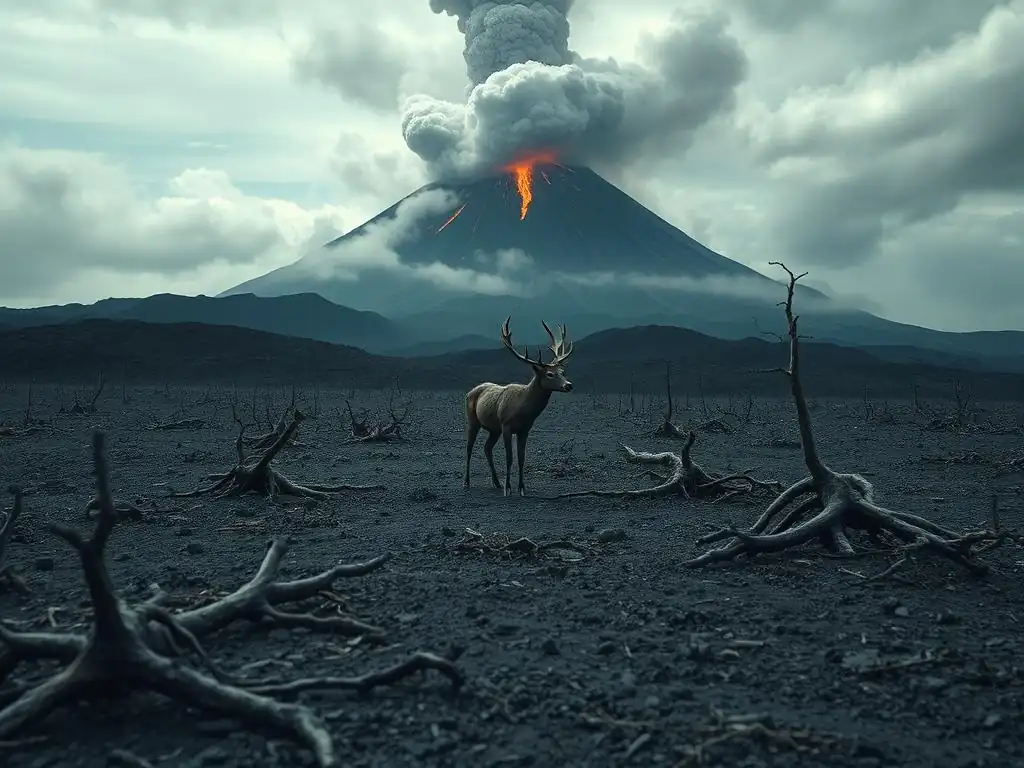
Welcome to Volcano Explorers, where we unravel the mysteries of Earth's fiery giants. But have you ever wondered about the truly devastating force that can obliterate everything in its path? Today, we plunge into the heart of volcanic terror, examining the chilling impact of pyroclastic surges and their horrifying consequences. Prepare to witness nature's raw power as we explore the science behind these deadly phenomena and understand why they leave such a lasting scar on the landscape – and its inhabitants. Dare to delve deeper and discover the instantaneous animal demise that often follows in their wake...
- Understanding Pyroclastic Surges: A Volcanic Hazard
- The Immediate Impact of Pyroclastic Surges on Wildlife
- The Impact of Pyroclastic Surges on Wildlife Habitats
- Animal Behavior and Survival Strategies in the Face of Pyroclastic Surge Threat
- Case Studies: Pyroclastic Surge Impact on Specific Animal Species
- Monitoring and Mitigation of Pyroclastic Surge Risks to Wildlife
- The Long-Term Ecological Consequences of Pyroclastic Surges
- Conclusion: The Enduring Impact of Pyroclastic Surges on Animal Life and Ecosystems
-
Frequently Asked Questions
- What exactly are pyroclastic surges, and why are they so dangerous?
- How do pyroclastic surges form during a volcanic eruption?
- What is the typical speed and temperature range of a pyroclastic surge?
- What kind of impact do pyroclastic surges have on the environment and animal life?
- Are there any warning signs that might indicate an impending pyroclastic surge?
- Final Reflection: The Unforgiving Legacy of Pyroclastic Flows
- Unravel the Mysteries of Volcanic Preparedness!
Understanding Pyroclastic Surges: A Volcanic Hazard
What are Pyroclastic Surges? Defining Nature's Most Destructive Flows
Pyroclastic surges are among the most devastating phenomena associated with explosive volcanic eruptions. They are low-density, turbulent clouds of hot gas and volcanic debris that move at hurricane-force speeds, often exceeding 300 kilometers per hour (186 mph). Unlike pyroclastic flows, which are denser and follow topography more closely, pyroclastic surges are less confined by terrain and can spread laterally over vast areas, even uphill. This characteristic makes them particularly dangerous, as they can engulf entire landscapes rapidly, leaving little to no time for escape for both humans and wildlife.
These volcanic surges are essentially ground-hugging clouds driven by a mixture of superheated gases, ash, pumice, and rock fragments. Temperatures within pyroclastic surges can range from 200°C to 700°C (392°F to 1292°F), and in some cases, even higher, depending on the type of eruption and the distance from the volcanic vent. The sheer speed, temperature, and abrasive nature of the particulate matter within these surges combine to create an incredibly lethal force of nature, capable of causing widespread destruction and instant mortality to any living organism in their path.
The Formation and Composition of Pyroclastic Surges: A Deep Dive
The formation of pyroclastic surges is complex and can occur through various volcanic processes. One common mechanism is associated with explosive eruptions where magma fragmentation is highly efficient. When gas-rich magma rapidly decompresses as it nears the Earth's surface, it can fragment violently, propelling hot gas and volcanic particles upwards into an eruption column. If this column collapses due to gravity or a decrease in eruption intensity, it can generate a pyroclastic surge that spreads outward from the volcano's base.
Pyroclastic surges can also be generated by phreatomagmatic eruptions, which involve the interaction of magma with water, such as in crater lakes or shallow aquifers. The rapid heating and vaporization of water in contact with magma cause explosive steam eruptions that can produce surges. Furthermore, some pyroclastic surges are formed by the lateral blasts of volcanoes, where a sudden release of pressure, often triggered by a landslide or magma intrusion, directs a powerful explosion sideways.
The composition of pyroclastic surges varies depending on the type of volcanic eruption, but they generally consist of a mixture of volcanic gases (primarily water vapor, sulfur dioxide, and carbon dioxide), ash (fine volcanic particles), lapilli (small rock fragments), and pumice. The proportion of each component influences the surge's density and behavior.
Pyroclastic Surges vs. Pyroclastic Flows: Key Differences and Impacts
While both pyroclastic surges and pyroclastic flows are hazardous volcanic phenomena involving hot gas and volcanic debris, they differ significantly in their density, behavior, and impact. Pyroclastic flows are denser, gravity-driven currents that follow valleys and topographic lows. They are characterized by a higher concentration of rock fragments and a lower gas-to-particle ratio compared to surges. Think of pyroclastic flows as a dense avalanche of hot rock and ash moving downhill.
Pyroclastic surges, on the other hand, are less dense, more dilute, and highly mobile. Their lower density and higher gas content allow them to behave more like a ground-hugging cloud, capable of flowing over ridges and spreading out radially from the source. This difference in behavior translates to different zones of impact.
Pyroclastic flows tend to be confined to valleys and drainages, while pyroclastic surges can affect a much broader area, including areas seemingly protected by higher terrain. In terms of impact, both are incredibly destructive, but the widespread and rapid nature of pyroclastic surges often leads to a greater areal extent of devastation and a higher potential for widespread animal mortality across diverse habitats.
The Immediate Impact of Pyroclastic Surges on Wildlife
Instantaneous Death: How Pyroclastic Surges Cause Animal Mortality
The impact of pyroclastic surges on animals is almost invariably fatal and often instantaneous. The combination of extreme heat, the force of the blast wave, and the inhalation of toxic gases and abrasive particles results in rapid death. Animals caught within the path of a pyroclastic surge are subjected to temperatures that can cause severe burns and hyperthermia within seconds. The intense heat denatures proteins and damages vital organs, leading to immediate physiological collapse.
Beyond the thermal effects, the sheer force of the surge itself contributes to mortality. The high-speed flow of gas and debris acts like a powerful windstorm, capable of throwing animals against objects, causing blunt trauma, fractures, and internal injuries. Furthermore, the inhalation of hot ash and toxic volcanic gases, such as sulfur dioxide and hydrogen sulfide, causes respiratory distress, asphyxiation, and chemical burns in the lungs.
The abrasive nature of the ash particles can also cause severe damage to the respiratory system, leading to rapid respiratory failure. In essence, pyroclastic surges create an unsurvivable environment, leading to rapid and widespread animal death through a combination of thermal injury, physical trauma, and respiratory failure.
The Role of Heat, Ash, and Toxic Gases in Pyroclastic Surge Fatalities
Heat plays a primary role in the immediate fatalities caused by pyroclastic surges. Temperatures within these surges can reach hundreds of degrees Celsius, causing instant and severe burns to any exposed skin and fur or feathers. For animals, this means rapid dehydration, tissue damage, and organ failure.
Even brief exposure to such extreme heat is lethal. Ash, although cooler than the initial surge temperature, is still hot and abrasive. When inhaled, ash particles lodge in the respiratory system, causing inflammation, blockage of airways, and potentially long-term lung damage for any animals that might survive the initial surge, though survival is highly improbable.
Toxic gases are another critical factor contributing to fatalities. Pyroclastic surges carry a cocktail of volcanic gases, including sulfur dioxide (SO2), carbon dioxide (CO2), hydrogen sulfide (H2S), and hydrogen halides. Sulfur dioxide and hydrogen sulfide are particularly toxic and can cause respiratory irritation, poisoning, and asphyxiation. Carbon dioxide, even in high concentrations, can displace oxygen, leading to rapid unconsciousness and death by suffocation. The combined effect of heat, ash inhalation, and toxic gas exposure creates a lethal environment within a pyroclastic surge, ensuring a high mortality rate for wildlife in the affected zone.
Case Studies: Documenting the Devastating Impact of Pyroclastic Surges on Animal Populations (Mount St. Helens Eruption, 1980)
The 1980 eruption of Mount St. Helens provides a stark example of the devastating impact of pyroclastic surges on animal populations. The lateral blast and subsequent pyroclastic surges from this eruption directly impacted a vast area north of the volcano, known as the "blowdown zone." Within this zone, virtually all living organisms were instantly killed. Forests were flattened, and animal life was completely eradicated across hundreds of square kilometers.
Initial surveys after the eruption revealed a landscape devoid of visible animal life within the surge-affected areas. While precise pre-eruption animal population counts are not available for the entire affected region, anecdotal evidence and later ecological studies confirmed the catastrophic impact. Researchers observed the charred remains of animals, including deer, elk, birds, and small mammals, within the blast zone, indicating instantaneous death from the surge.
The area was effectively sterilized of animal life in the immediate aftermath. The Mount St. Helens eruption serves as a powerful real-world example of the immediate and complete devastation that pyroclastic surges can inflict on animal populations across a wide landscape.
The Impact of Pyroclastic Surges on Wildlife Habitats
Habitat Destruction: Assessing the Damage to Ecosystems from Pyroclastic Surges
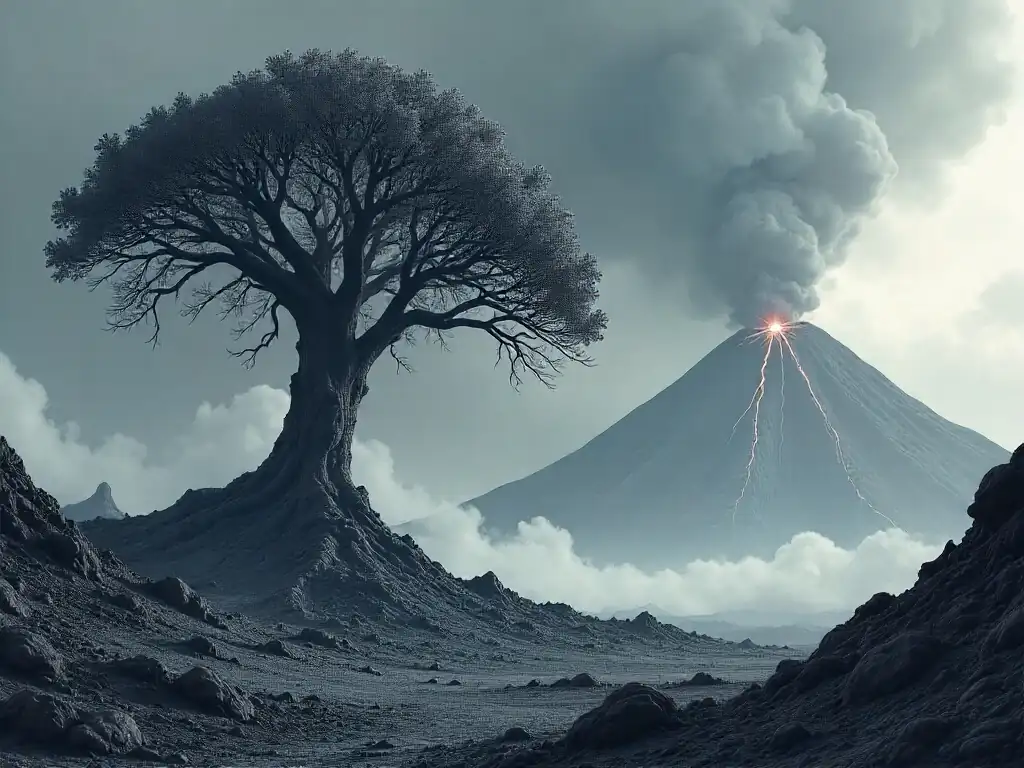
Pyroclastic surges are not only lethal to individual animals but also profoundly destructive to entire ecosystems. The intense heat and physical force of these surges can completely obliterate habitats in their path. Forests are incinerated and flattened, vegetation is scorched and buried under layers of ash and pumice, and soil structure is drastically altered. The immediate effect is the wholesale destruction of the existing ecosystem, leaving behind a barren landscape.
The severity of habitat destruction depends on the intensity and extent of the pyroclastic surge. High-energy surges can remove topsoil, erode bedrock, and fundamentally reshape the terrain. Even lower-energy surges can deposit thick layers of volcanic debris, burying vegetation and altering drainage patterns. Aquatic habitats are also severely affected. Streams and lakes can be choked with ash and debris, leading to oxygen depletion and the death of aquatic organisms. The widespread habitat destruction caused by pyroclastic surges sets back ecological succession, requiring decades, if not centuries, for full ecosystem recovery.
Short-Term and Long-Term Effects of Pyroclastic Surge Deposition on Flora and Fauna
The deposition of volcanic materials from pyroclastic surges, primarily ash and pumice, has both short-term and long-term effects on flora and fauna. In the short term, the thick layer of ash and pumice smothers vegetation, preventing photosynthesis and leading to plant death. For animals, the ash-covered landscape makes foraging difficult, and the fine particles can irritate eyes and respiratory systems. Water sources can be contaminated by ash, further stressing wildlife. The immediate post-surge environment is harsh and resource-scarce for surviving organisms.
In the long term, however, volcanic deposits can contribute to soil enrichment. Over time, the weathering of volcanic ash releases essential minerals, such as phosphorus, potassium, and calcium, which can enhance soil fertility. This process, however, is slow and can take years to decades. The initial impact of pyroclastic surge deposition is overwhelmingly negative for existing flora and fauna, causing widespread mortality and habitat degradation. Long-term ecological recovery depends on factors such as the thickness of the deposits, climate, and the availability of colonizing species from surrounding unaffected areas.
How Pyroclastic Surges Alter the Landscape and Food Chains (Creation of Pumice Plains, Alteration of Soil Composition)
Pyroclastic surges are powerful agents of landscape modification, dramatically altering the physical environment and consequently impacting food chains. One notable example is the creation of pumice plains. Extensive pyroclastic surge deposits, particularly those rich in pumice, can create vast, flat landscapes characterized by porous, infertile soils. These pumice plains are initially very challenging environments for plant colonization, leading to simplified food webs.
The alteration of soil composition is another significant impact. Pyroclastic surge deposits change the physical and chemical properties of soils. Initially, soils are buried and sterilized. Over time, the deposited volcanic material becomes the new soil substrate.
While volcanic ash can eventually enrich soils with minerals, the initial soils are often poorly developed, lacking organic matter and essential nutrients. This altered soil composition influences plant community development, which in turn affects herbivore populations and subsequently the entire food chain. The disruption of existing food chains and the slow development of new ecosystems are long-lasting consequences of pyroclastic surge landscape modification.
Animal Behavior and Survival Strategies in the Face of Pyroclastic Surge Threat
Can Animals Sense Impending Pyroclastic Surges? Examining Pre-Eruption Behavior
The question of whether animals can sense impending pyroclastic surges and exhibit pre-eruption behavior is complex and not fully understood. Anecdotal evidence and some scientific observations suggest that certain animal species may be sensitive to precursory volcanic activity that could precede a pyroclastic surge, but this is not a guaranteed survival strategy. Changes in ground deformation, gas emissions, and seismic activity can sometimes precede explosive eruptions. Some animals, particularly those with heightened senses, might detect these changes.
For instance, some studies suggest that animals may react to increased levels of volcanic gases, such as sulfur dioxide, or subtle seismic tremors that humans might not perceive. Observed pre-eruption behaviors in animals near volcanoes have included increased restlessness, migration away from volcanic areas, and changes in vocalization patterns. However, the onset of pyroclastic surges can be extremely rapid, often leaving little time for animals to react even if they detect precursory signals.
Furthermore, not all volcanic eruptions are preceded by clear warning signs that animals could detect. Therefore, while some animals might exhibit behavioral changes that could potentially improve their chances of escaping a volcanic hazard, relying on animal pre-eruption behavior as a reliable survival mechanism is not advisable.
Animal Migration and Displacement Following Pyroclastic Surge Events
Following a pyroclastic surge event, animal migration and displacement are inevitable consequences. The immediate aftermath of a surge leaves behind a devastated and uninhabitable landscape. Animals that survive the initial eruption, typically those on the periphery of the surge zone or in protected locations, are forced to migrate away from the affected area in search of food, water, and shelter. This displacement can have significant ecological consequences for both the affected area and surrounding regions.
The influx of displaced animals into unaffected habitats can increase competition for resources, potentially impacting resident animal populations. Migration patterns can be disrupted, and animals may be forced to move into less suitable habitats, leading to increased stress and vulnerability. The long-term ecological impact of animal displacement depends on the scale of the pyroclastic surge event and the availability of suitable refuge areas. In some cases, displaced animals may eventually return to the affected area as the ecosystem recovers, but in others, permanent shifts in animal distribution patterns may occur.
Adaptation and Resilience: How Some Species Survive Pyroclastic Eruptions (Burrowing Behavior, Seed Dispersal by Wind)
While pyroclastic surges are overwhelmingly lethal, some animal and plant species exhibit adaptations and resilience mechanisms that enhance their survival in volcanic environments. Burrowing behavior is one such adaptation. Animals that live underground, such as rodents, certain reptiles, and invertebrates, may find refuge from the immediate impact of pyroclastic surges within their burrows. The soil and rock layers above can provide some insulation from heat and protection from the direct force of the surge. While burrows may not offer complete protection, they can significantly increase survival chances compared to surface-dwelling animals.
For plant species, seed dispersal mechanisms play a crucial role in post-eruption recovery. Wind dispersal, in particular, is advantageous in volcanic landscapes. Lightweight seeds carried by wind can travel long distances and colonize newly formed volcanic terrains, including areas affected by pyroclastic surges. Pioneer plant species with wind-dispersed seeds are often the first to re-establish vegetation in devastated areas, initiating the process of ecological succession. These adaptations, while not guaranteeing survival during a direct pyroclastic surge impact, contribute to the long-term resilience of ecosystems in volcanically active regions.
Case Studies: Pyroclastic Surge Impact on Specific Animal Species
The Impact on Birds: White-tailed Ptarmigan and Pyroclastic Surge Vulnerability
Birds, in general, are highly vulnerable to pyroclastic surges due to their aerial nature and reliance on surface habitats for foraging and nesting. The White-tailed Ptarmigan ( Lagopus leucurus), a bird species inhabiting high-elevation alpine and subalpine regions, including volcanic areas, exemplifies this vulnerability. Ptarmigans are ground-nesting birds, making their eggs and chicks particularly susceptible to ground-hugging volcanic hazards like pyroclastic surges.
Their alpine habitats are often located on or near volcanic slopes, placing them directly in the path of potential pyroclastic flows and surges emanating from volcanic vents. The limited mobility of flightless chicks and the relatively slow flight speed of adult ptarmigans compared to the speed of pyroclastic surges means they have little chance of escaping a direct impact.
While ptarmigans might seek shelter in rock crevices or snowdrifts, these offer minimal protection against the intense heat and force of a surge. The impact of a pyroclastic surge on a ptarmigan population within its path would likely be catastrophic, leading to near-complete mortality in the affected area.
The Impact on Mammals: American Pika and Pyroclastic Surge Vulnerability
The American Pika ( Ochotona princeps), a small mammal inhabiting talus slopes and rocky areas in mountainous regions, also faces significant vulnerability to pyroclastic surges. Pikas are dependent on stable, rocky habitats for shelter and food storage (haypiles). These habitats are often found on volcanic slopes and in areas susceptible to volcanic hazards. While pikas utilize rock crevices and burrows for refuge, these offer limited protection against the extreme conditions of a pyroclastic surge.
Pikas are relatively slow-moving and rely on their immediate surroundings for food and shelter. Their limited dispersal ability and strong site fidelity mean they are unlikely to escape an approaching pyroclastic surge. Furthermore, the destruction of their talus slope habitats by a surge would eliminate both their shelter and food resources. A pyroclastic surge impacting a pika population's habitat would likely result in high mortality rates and significant long-term disruption to their local populations, potentially leading to local extinctions if the affected area is isolated and recolonization is difficult.
The Impact on Reptiles and Amphibians: Cascade Torrent Salamander and Pyroclastic Surge Vulnerability
Reptiles and amphibians, particularly those with limited mobility and specific habitat requirements, are also highly susceptible to the impact of pyroclastic surges. The Cascade Torrent Salamander ( Rhyacotriton cascadae), an amphibian endemic to streams and seepages in the Pacific Northwest, including volcanic regions, illustrates this vulnerability. These salamanders are highly dependent on cool, clear, fast-flowing streams within forested habitats.
Pyroclastic surges can directly impact their stream habitats by heating the water, burying stream channels under ash and debris, and altering water chemistry through the introduction of volcanic gases and ash leachate. Torrent salamanders are reliant on aquatic environments for respiration and reproduction, making them extremely sensitive to changes in water quality and habitat structure.
Their limited dispersal ability and dependence on specific microhabitats within streams mean they are unlikely to escape a pyroclastic surge impacting their stream system. The destruction or severe degradation of stream habitats by a surge would likely lead to high mortality rates in Cascade Torrent Salamander populations and potentially long-term local extinctions, especially given their limited distribution and specialized habitat needs.
Monitoring and Mitigation of Pyroclastic Surge Risks to Wildlife
Volcanic Monitoring Techniques for Detecting Pyroclastic Surge Potential
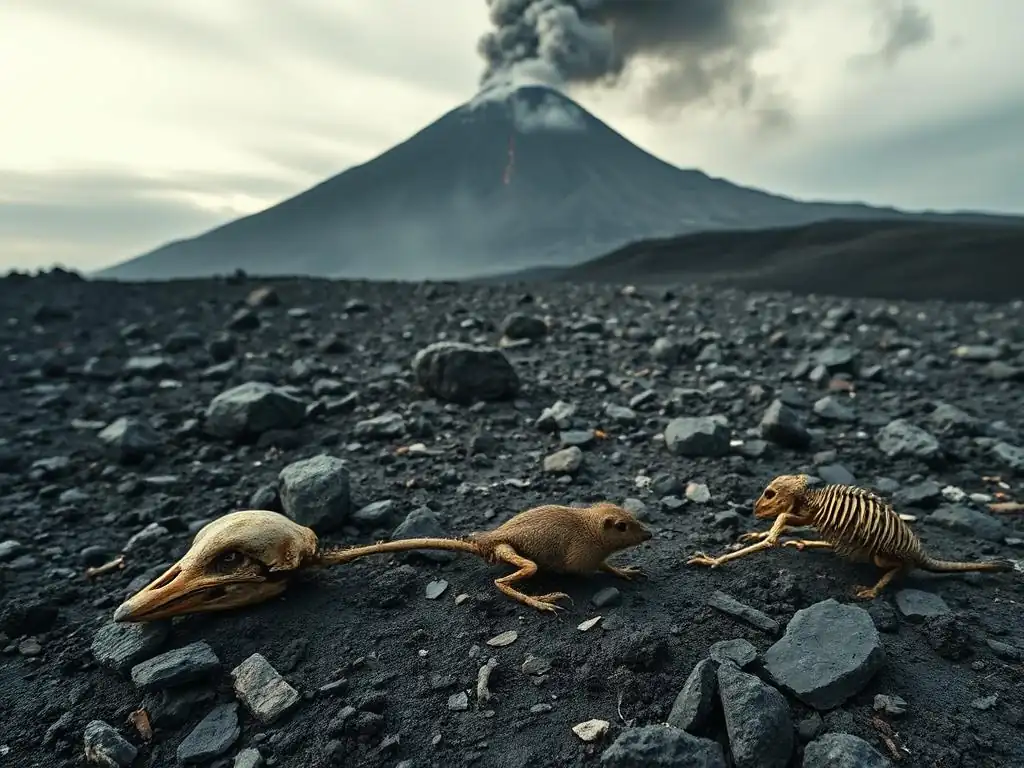
Effective volcanic monitoring is crucial for detecting the potential for pyroclastic surges and mitigating risks to both human populations and wildlife. A suite of monitoring techniques is employed to track volcanic activity and identify precursors to explosive eruptions that can generate pyroclastic surges. Seismic monitoring is a primary tool, as changes in earthquake frequency, intensity, and type can indicate magma movement and increasing volcanic unrest. Ground deformation measurements, using GPS and satellite-based techniques, detect changes in the shape of the volcano, signaling magma inflation or deflation.
Gas monitoring, analyzing the composition and flux of volcanic gases like sulfur dioxide, provides insights into magma degassing and eruption potential. Thermal monitoring, using infrared cameras and satellite imagery, detects changes in surface temperatures, which can indicate increased volcanic activity. Real-time monitoring data from these techniques are analyzed to assess the likelihood of an explosive eruption and the potential for pyroclastic surge generation. Early detection and warning systems based on comprehensive monitoring are essential for timely evacuations and risk mitigation.
Risk Assessment and Mapping: Identifying Areas of High Vulnerability for Animal Populations
Risk assessment and mapping are critical steps in mitigating the impact of pyroclastic surges on wildlife populations. Volcanic hazard maps delineate areas at risk from different volcanic phenomena, including pyroclastic surges. These maps are based on past eruption history, geological surveys, and computer simulations of potential surge pathways and inundation zones. For wildlife risk assessment, it is essential to overlay these hazard maps with information on animal distribution, habitat types, and species vulnerability.
Identifying areas of high ecological value and critical wildlife habitats within pyroclastic surge hazard zones allows for targeted conservation efforts. Risk maps can highlight areas where animal populations are most vulnerable and where habitat destruction is most likely. This information can inform land-use planning, conservation strategies, and emergency response plans to minimize the impact of future eruptions on wildlife. Understanding the spatial distribution of risk is crucial for proactive mitigation measures.
Conservation Strategies: Protecting Wildlife Habitats from Future Pyroclastic Surges (Habitat Restoration, Corridors)
While pyroclastic surges are inherently difficult to prevent, conservation strategies can focus on enhancing the resilience of wildlife populations and ecosystems to volcanic disturbances. Habitat restoration in areas affected by past pyroclastic surges is one crucial approach. Re-establishing native vegetation, restoring stream channels, and improving soil conditions can accelerate ecosystem recovery and provide habitat for recolonizing animal species.
Establishing habitat corridors connecting volcanic landscapes with unaffected refuge areas is another important strategy. Corridors allow animals to move away from hazardous zones during volcanic crises and facilitate recolonization after eruptions. Protecting and managing refuge areas outside of high-risk volcanic zones is also essential to maintain source populations of animals that can repopulate affected areas. Long-term conservation efforts should focus on building ecosystem resilience, promoting biodiversity, and ensuring connectivity to enhance the ability of wildlife to adapt to and recover from future pyroclastic surge events.
The Long-Term Ecological Consequences of Pyroclastic Surges
Ecosystem Recovery After Pyroclastic Surge Events: A Timeline
Ecosystem recovery after a pyroclastic surge event is a long and complex process, spanning decades to centuries. The initial phase, immediately following the surge, is characterized by a barren landscape devoid of living organisms in heavily impacted areas. Primary succession begins with the colonization of pioneer species, often plants adapted to harsh conditions, such as lichens, mosses, and certain grasses and shrubs. These pioneer species gradually modify the environment, improving soil conditions and creating microhabitats for other organisms.
Secondary succession follows as more complex plant communities develop, eventually leading to the re-establishment of forests or other climax vegetation types, depending on the climate and environmental conditions. Animal recolonization lags behind plant recovery. Initially, opportunistic species with high dispersal abilities, such as insects and birds, may arrive.
Over time, as vegetation recovers and food webs become more complex, a wider range of animal species will return. The timeline for full ecosystem recovery varies greatly depending on the severity of the surge, the extent of habitat destruction, and the surrounding landscape context, but it is invariably a long-term ecological process.
The Role of Pioneer Species in Post-Eruption Environments
Pioneer species play a critical role in the ecological recovery of post-pyroclastic surge environments. These are often hardy, fast-growing organisms that can colonize barren volcanic substrates. In plant communities, pioneer species typically include lichens, mosses, ferns, and certain grasses and shrubs. Lichens and mosses are particularly important as they can break down volcanic rock and initiate soil formation. Pioneer plants stabilize the soil, prevent erosion, and begin to accumulate organic matter, gradually improving soil fertility.
Pioneer species create microclimates and provide initial food and shelter for other organisms. As pioneer plant communities develop, they facilitate the establishment of later-successional species. In animal communities, pioneer species are often insects and other invertebrates that can tolerate harsh conditions and utilize the limited resources available in early successional environments. The establishment and growth of pioneer species are essential for driving the process of ecological succession and paving the way for the recovery of more complex ecosystems after pyroclastic surge events.
Pyroclastic Surges and the Shaping of Volcanic Landscapes: A Biological Perspective
Pyroclastic surges, while devastating in the short term, are also powerful forces that shape volcanic landscapes and influence long-term ecological patterns. The deposition of pyroclastic materials creates new land surfaces, alters drainage patterns, and changes soil characteristics. These landscape modifications, in turn, influence the distribution of habitats and the trajectory of ecological succession. Pumice plains, lava flows, and ash deposits, all products of volcanic activity, including pyroclastic surges, create a mosaic of habitats that support unique biodiversity.
From a biological perspective, volcanic disturbances, including pyroclastic surges, can be viewed as agents of ecological renewal. While they cause widespread destruction, they also create opportunities for new ecological communities to develop. Volcanic landscapes are often characterized by high levels of endemism and unique adaptations to volcanic environments. The long-term interplay between volcanic disturbances and ecological processes shapes the biodiversity and ecosystem dynamics of volcanic regions. Pyroclastic surges, therefore, are not just destructive events but also integral components of the long-term ecological history and landscape evolution of volcanic areas.
Conclusion: The Enduring Impact of Pyroclastic Surges on Animal Life and Ecosystems
Pyroclastic surges stand as a stark reminder of nature's raw power, representing one of the most lethal and landscape-altering phenomena associated with volcanic eruptions. Their immediate impact on animal life is catastrophic, causing instantaneous death across vast areas through a combination of extreme heat, physical trauma, and toxic gas exposure. Beyond the immediate fatalities, pyroclastic surges reshape entire ecosystems, destroying habitats, altering soil composition, and setting back ecological succession for decades, if not centuries.
While the destructive force of pyroclastic surges is undeniable, understanding their ecological role provides a broader perspective. They are integral drivers of landscape evolution in volcanic regions, creating unique habitats and influencing long-term biodiversity patterns. Ecosystems in volcanic areas exhibit remarkable resilience, with pioneer species playing a crucial role in initiating recovery and succession.
Conservation strategies focused on habitat restoration, connectivity, and risk mitigation are essential for protecting wildlife populations in volcanically active regions. The enduring impact of pyroclastic surges underscores the need for continued research, monitoring, and preparedness to minimize their devastating effects on both animal life and the fragile ecosystems they inhabit.
Frequently Asked Questions
What exactly are pyroclastic surges, and why are they so dangerous?
Pyroclastic surges are fast-moving currents of hot gas and volcanic matter. They are extremely dangerous due to their high temperatures and destructive force, capable of incinerating anything in their path.
How do pyroclastic surges form during a volcanic eruption?
These surges typically form from the collapse of eruption columns or the lateral blast of a volcano. They are a result of unstable volcanic material being ejected and mixing with hot gases.
What is the typical speed and temperature range of a pyroclastic surge?
Pyroclastic surges can travel at speeds exceeding 800 km/h and reach temperatures of up to 1,000°C (1,832°F). This combination makes them incredibly lethal and destructive.
What kind of impact do pyroclastic surges have on the environment and animal life?
The impact of pyroclastic surges is devastating, causing instantaneous death to animals due to extreme heat and asphyxiation. They also completely obliterate vegetation and alter landscapes.
Are there any warning signs that might indicate an impending pyroclastic surge?
While prediction is difficult, increasing seismic activity, changes in gas emissions, and visible dome growth can suggest increased eruption risk. Real-time monitoring is crucial for alerting communities.
Final Reflection: The Unforgiving Legacy of Pyroclastic Flows
The devastating power of pyroclastic surges, as explored in this article, serves as a stark reminder of nature's untamed force and its instantaneous capacity for destruction. While we analyze the science and the statistics, it's crucial to remember that each surge represents a moment of unimaginable terror and irreversible loss, leaving an indelible mark on the landscapes and ecosystems it touches. The impact of pyroclastic surges extends far beyond the immediate devastation, shaping the geological record and influencing the long-term recovery of affected areas.
The study of these phenomena has not only deepened our understanding of volcanic processes but has also profoundly influenced our appreciation for the fragility of life and the interconnectedness of all living things. Witnessing the sheer power of these events, even through scientific analysis, evokes a sense of awe and humility. The only constant is change,
Heraclitus famously stated, and pyroclastic surges exemplify this truth in its most dramatic and unforgiving form, constantly reshaping our world and challenging our understanding of its limits.
As we conclude this exploration of pyroclastic surges, I invite you to reflect on the lessons learned. Consider the profound impact these events have on the delicate balance of our planet and the importance of continued research and preparedness. How can we, as individuals and as a society, better understand and mitigate the risks associated with these natural disasters? Let us strive to learn from the past, protect the present, and build a more resilient future in the face of nature's unpredictable fury.
Unravel the Mysteries of Volcanic Preparedness!
Thank you for exploring the intense world of pyroclastic surges with us. We hope you've gained a deeper understanding of these devastating events and their impact on wildlife. Now, let's translate that knowledge into proactive measures.
Here are a few things you can do:
- Assess the volcanic risk in your area. Understanding specific threats empowers you to make informed decisions.
- Explore our interactive map on volcanoexplorers.org to discover the geological history of volcanic regions and share your newfound knowledge with a friend.
- Consider how communities near volcanic zones can adapt and prepare for potential pyroclastic flows – perhaps by designing disaster-resistant animal shelters?
What innovative community preparedness strategy can you imagine for protecting animal populations near active volcanoes? Share your ideas in the comments below!