
Volcanic Ash and Aircraft Engines: A Risky Encounter

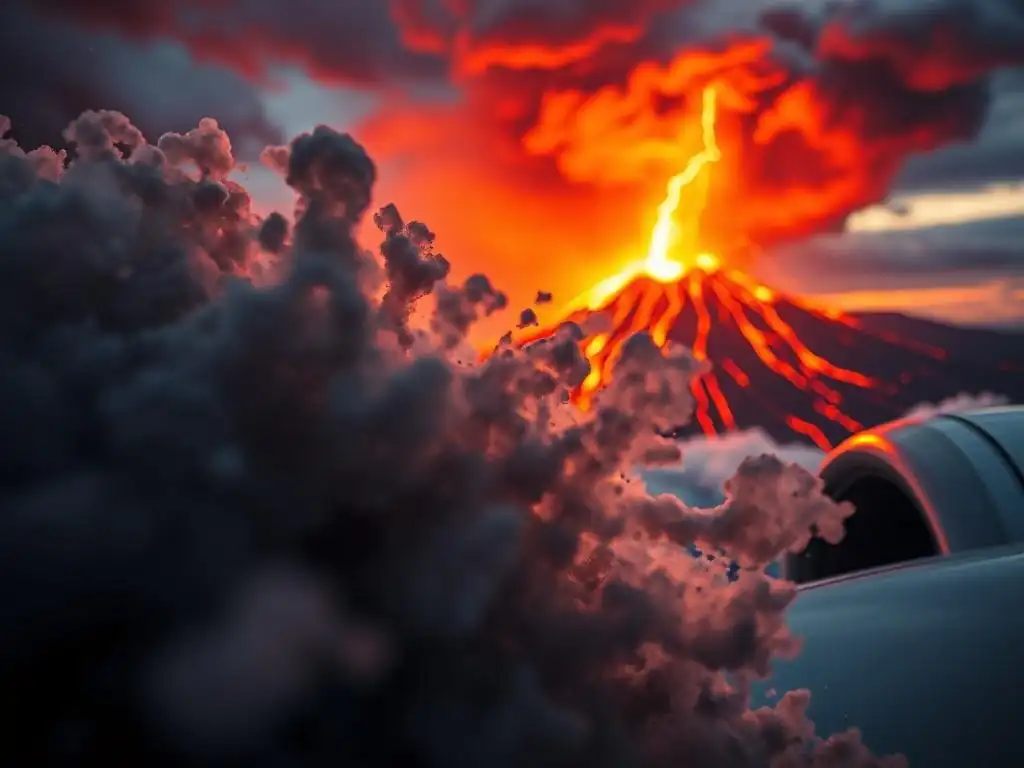
Welcome to Volcano Explorers, where the earth breathes fire and the skies tremble. Ever wondered what happens when the raw power of a volcano clashes with the ingenuity of human flight? Prepare to unravel the hidden dangers lurking within seemingly harmless clouds of Volcanic Ash, and discover the potentially catastrophic impact on aviation. Are you ready to understand the science behind this risky encounter?
- Introduction: The Threat of Volcanic Ash to Air Travel
- Understanding Volcanic Ash: Composition and Characteristics
- Volcanic Ash Impact on Aviation: A Detailed Look
- Case Studies: Notable Incidents Involving Volcanic Ash and Aircraft
- Detection and Avoidance: Strategies for Minimizing Risk
- Regulatory Framework and Safety Standards
- Mitigating the Risk: Research and Future Solutions
- Living Near Volcanoes: Preparing for Ashfall Events
- Conclusion: Enhancing Aviation Safety in Volcanic Regions
-
Frequently Asked Questions
- What are the main dangers of volcanic ash for aircraft engines?
- How does volcanic ash affect other parts of an aircraft besides the engines?
- What precautions are in place to prevent aircraft from flying through volcanic ash clouds?
- What happens if an aircraft inadvertently flies through a volcanic ash cloud?
- What is being done to improve the detection and prediction of volcanic ash clouds?
- Final Reflection: Navigating the Unseen Threat
- Safeguard Our Skies: Become a Volcanic Ash Awareness Advocate!
Introduction: The Threat of Volcanic Ash to Air Travel
Volcanic eruptions, while awe-inspiring displays of nature's power, present a significant and often underestimated threat to modern air travel. The invisible hazard of volcanic ash clouds can extend for thousands of kilometers from the erupting volcano, drifting with prevailing winds and posing a serious danger to aircraft.
These clouds, composed of fine particles of rock, mineral, and volcanic glass, are not like typical weather clouds; they are abrasive, corrosive, and can cause catastrophic engine failure and damage to critical aircraft systems. Understanding the risks associated with volcanic ash is crucial for ensuring aviation safety and minimizing disruptions to global air travel.
USGS Volcano Hazards Program: Understanding the Hazards of Volcanic Eruptions
The United States Geological Survey (USGS) Volcano Hazards Program plays a critical role in monitoring and studying volcanic activity across the United States and globally. This program is dedicated to understanding volcanic processes, assessing volcanic hazards, and providing timely warnings of potential eruptions and associated dangers, including volcanic ash clouds.
Through continuous monitoring using ground-based and satellite instruments, the USGS provides vital information to aviation authorities, emergency management agencies, and the public. Their research into past eruptions and ongoing volcanic activity is fundamental in developing accurate hazard assessments and effective mitigation strategies to reduce the Volcanic Ash Impact on Aviation and communities living near volcanoes.
Why Volcanic Ash Poses a Significant Risk to Aircraft
The danger volcanic ash poses to aircraft stems from a combination of its physical and chemical properties. Unlike soft, water-based clouds, volcanic ash is composed of hard, microscopic particles, often silica-rich, that are highly abrasive. When ingested into jet engines, these particles melt in the high-temperature combustion chamber and then solidify on cooler turbine blades.
This process, known as vitrification, disrupts airflow, reduces engine efficiency, and can lead to compressor stall or complete engine failure. Furthermore, volcanic ash can abrade aircraft surfaces, scratch windshields, clog pitot tubes (instruments measuring airspeed), and contaminate fuel and hydraulic systems, leading to multiple system malfunctions and posing a severe threat to flight safety.
Understanding Volcanic Ash: Composition and Characteristics
Volcanic ash is more than just fine dust; it's a complex mixture of fragmented volcanic materials ejected during explosive eruptions. Understanding its composition and characteristics is key to appreciating the specific hazards it presents to aviation.
The Microscopic Nature of Volcanic Ash Particles
Volcanic ash particles are incredibly small, typically ranging in size from less than 0.001 mm to 2 mm in diameter, although finer particles can also be present. This microscopic nature is what makes them so insidious. Invisible to the naked eye at certain concentrations and altitudes, these particles can penetrate deep into aircraft systems, causing damage that may not be immediately apparent.
The small size also means they can remain suspended in the atmosphere for extended periods and travel vast distances, impacting air travel far from the erupting volcano itself. Studies using electron microscopy have revealed the irregular and often angular shapes of ash particles, contributing to their abrasive nature.
Chemical Composition and Abrasive Properties of Volcanic Ash
The chemical composition of volcanic ash varies depending on the type of volcano and the magma involved in the eruption. However, it commonly consists of silica (silicon dioxide), aluminum oxide, iron oxide, and various other minerals. The high silica content, particularly in explosive eruptions, contributes significantly to the abrasive nature of the ash.
The particles are hard and can scratch and erode surfaces they come into contact with. Furthermore, some volcanic ash contains soluble salts and acids, which can corrode metal components of aircraft engines and airframes over time, even after a flight through an ash cloud. Analysis of ash samples collected after eruptions, such as the 2010 Eyjafjallajökull eruption in Iceland, confirmed the presence of these corrosive elements.
How Volcanic Ash Clouds Form and Disperse
Volcanic ash clouds are formed during explosive volcanic eruptions when magma is fragmented by rapidly expanding gases and ejected into the atmosphere. The height and extent of these clouds depend on the eruption intensity and atmospheric conditions. Initially, the ash plume rises buoyantly, but eventually, gravity and wind forces dominate, leading to the dispersal of the ash cloud downwind.
Wind patterns at different altitudes play a crucial role in the direction and speed of ash cloud movement. Volcanic ash clouds can drift for thousands of kilometers, crossing international borders and affecting airspace far from the source volcano. Satellite imagery and atmospheric models are essential tools for tracking and predicting the dispersion of these hazardous clouds.
Volcanic Ash Impact on Aviation: A Detailed Look
The impact of volcanic ash on aviation is multifaceted, affecting various aircraft systems and posing immediate and long-term risks.
Engine Damage from Volcanic Ash Ingestion
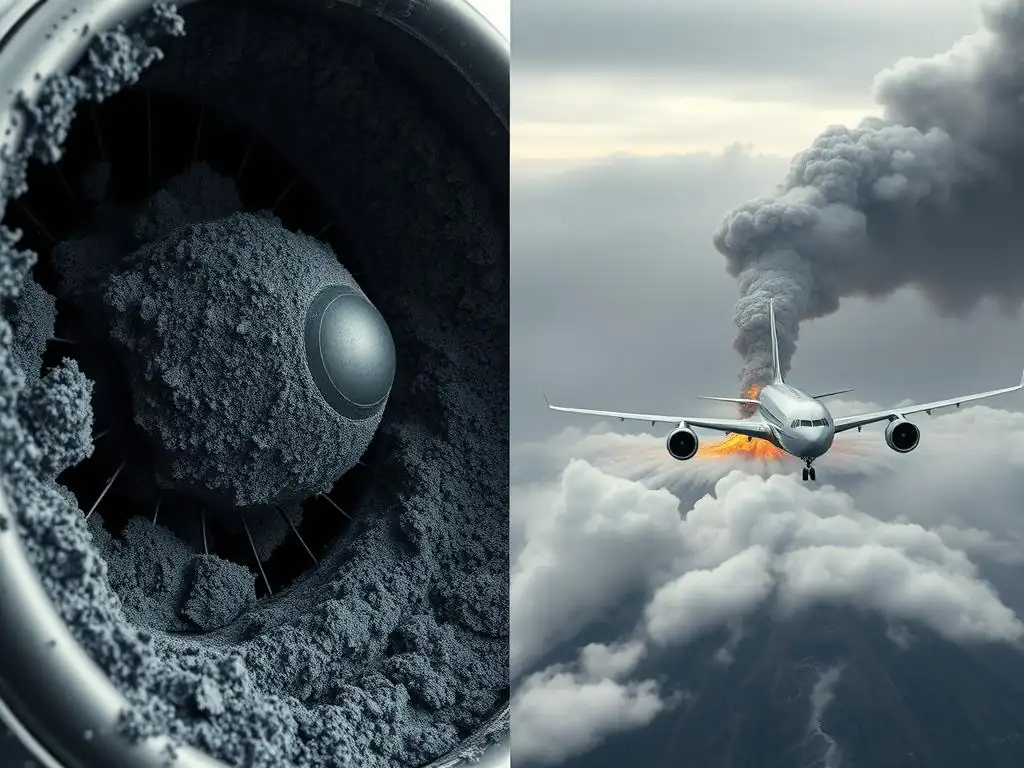
Jet engines are designed to ingest air, not solid particles. When an aircraft flies through a volcanic ash cloud, the engines ingest ash, which causes a cascade of problems. As mentioned earlier, the ash melts in the combustion chamber and solidifies on turbine blades, leading to engine surge, stall, or even complete engine failure.
The abrasive nature of the ash also erodes compressor blades and nozzles, reducing engine efficiency and lifespan. Post-flight inspections of engines that have encountered volcanic ash often reveal significant internal damage, including melted and resolidified ash deposits, erosion, and blade damage, requiring costly repairs and replacements.
Reduced Visibility and Sensor Malfunctions Caused by Ash
Volcanic ash clouds can drastically reduce visibility, creating hazardous flying conditions. Pilots rely heavily on visual cues during takeoff, landing, and navigation. Dense ash clouds can reduce visibility to near zero, making it extremely difficult to maintain visual flight rules (VFR) and increasing the risk of accidents, particularly during critical phases of flight like landing. Beyond visibility, volcanic ash can also interfere with critical aircraft sensors.
Pitot tubes, which measure airspeed, can become clogged with ash, leading to inaccurate readings. Similarly, static ports, which provide atmospheric pressure data, can be blocked, affecting altimeter readings. These sensor malfunctions can provide pilots with unreliable flight data, further compounding the hazards posed by volcanic ash.
Abrasion of Aircraft Surfaces: Long-Term Effects
While engine damage is the most immediate and critical concern, volcanic ash also causes significant abrasion to external aircraft surfaces. The abrasive particles can scratch and pit windshields, reducing pilot visibility and potentially compromising the structural integrity of the cockpit. Aircraft skin, including wings and fuselage, can be eroded over time by repeated exposure to ash, leading to increased drag and reduced fuel efficiency. Landing lights and navigation lights can be dulled or damaged, reducing their effectiveness. The cumulative effect of this abrasion, even from relatively light ash encounters, can lead to increased maintenance costs and reduced aircraft lifespan.
Case Studies: Notable Incidents Involving Volcanic Ash and Aircraft
Several incidents highlight the real and serious threat volcanic ash poses to aviation safety. Examining these case studies provides valuable lessons and underscores the importance of avoiding volcanic ash encounters.
The British Airways Flight 9 Incident: Lessons Learned
British Airways Flight 9, a Boeing 747-200, encountered volcanic ash from Mount Galunggung in Indonesia in 1982. Flying at night, the crew was unaware of the ash cloud until they flew directly into it. All four engines failed within minutes.
The aircraft descended from 37,000 feet to 12,000 feet before the crew managed to restart three engines and make an emergency landing in Jakarta. This incident was a pivotal moment, dramatically illustrating the catastrophic potential of volcanic ash encounters and highlighting the need for improved detection and avoidance strategies. The investigation revealed the engines had been severely damaged by molten ash deposits, leading to compressor stall and flameout.
The KLM Flight 867 Incident: A Close Call
In 1989, KLM Flight 867, another Boeing 747-400, flew through an ash cloud from Mount Redoubt in Alaska. Like BA Flight 9, the crew was unaware of the ash until they were engulfed in it. All four engines surged and stalled, forcing the aircraft to descend rapidly.
The crew managed to restart two engines after losing significant altitude, eventually making a safe emergency landing in Anchorage. This incident, occurring seven years after BA Flight 9, further reinforced the dangers of volcanic ash and demonstrated that even with advancements in aviation technology, the risk remained significant. The damage to the engines was again attributed to ash ingestion and vitrification.
Analyzing these and other volcanic ash-related aviation incidents reveals common factors. A primary factor is the difficulty in visually detecting ash clouds, especially at night or in low visibility conditions. Lack of real-time ash cloud tracking and communication to pilots has also been a contributing factor. Furthermore, pilot training and procedures for encountering volcanic ash were not always adequate in the early years. These incidents have driven significant improvements in volcanic ash monitoring, forecasting, communication, and pilot training, leading to enhanced aviation safety in volcanic regions.
Detection and Avoidance: Strategies for Minimizing Risk
Minimizing the risk of Volcanic Ash Impact on Aviation relies on a multi-layered approach, encompassing monitoring, forecasting, pilot training, and technological advancements.
Volcanic Ash Advisory Centers (VAACs): Monitoring and Forecasting Ash Clouds
Volcanic Ash Advisory Centers (VAACs) are specialized meteorological centers responsible for monitoring and forecasting volcanic ash clouds globally. Established by the International Civil Aviation Organization (ICAO), VAACs utilize satellite data, ground-based observations, and atmospheric models to detect, track, and predict the movement of volcanic ash clouds. They issue advisories to air traffic control and airlines, providing information on the location, extent, and predicted trajectory of ash clouds.
There are nine VAACs worldwide, each covering a specific geographical region, ensuring comprehensive global coverage for volcanic ash monitoring and warnings. These centers play a crucial role in preventing aircraft from inadvertently flying into hazardous ash clouds.
Pilot Training and Procedures for Encountering Volcanic Ash
Pilot training is paramount in mitigating the risks associated with volcanic ash. Pilots are trained to recognize the signs of a volcanic ash encounter, such as unusual smells, haze, and engine anomalies. Standard procedures for encountering ash clouds include turning on engine and airframe anti-ice systems, disconnecting autothrottle, and reducing engine thrust to minimize ash ingestion.
Pilots are also trained to rely on instruments if visibility is reduced and to communicate immediately with air traffic control to report the encounter and request deviations. Regular simulator training scenarios are conducted to prepare pilots for the challenges of flying in volcanic ash conditions, reinforcing these critical procedures.
Technological Advancements in Ash Cloud Detection [e.g., Satellite Monitoring, Airborne Sensors]
Technological advancements are continuously improving volcanic ash cloud detection capabilities. Satellite monitoring is a cornerstone, providing a broad overview of ash cloud distribution and movement. Geostationary satellites offer continuous monitoring, while polar-orbiting satellites provide higher resolution imagery.
Airborne sensors, such as lidar (light detection and ranging) systems mounted on aircraft, are being developed to detect ash clouds in real-time, even in low visibility. These sensors can provide pilots with immediate warnings of ash clouds ahead, allowing for timely avoidance maneuvers. Furthermore, advancements in atmospheric modeling are improving the accuracy of ash cloud trajectory predictions, enhancing the effectiveness of VAAC advisories.
Regulatory Framework and Safety Standards
A robust regulatory framework and stringent safety standards are essential for managing the Volcanic Ash Impact on Aviation and ensuring passenger safety.
ICAO Recommendations for Volcanic Ash and Aviation Safety
The International Civil Aviation Organization (ICAO) sets international standards and recommended practices (SARPs) for aviation safety, including those related to volcanic ash. ICAO coordinates the global network of VAACs and provides guidance to states on procedures for airspace management and aircraft operations in volcanic ash environments. ICAO's recommendations cover various aspects, from volcanic ash monitoring and forecasting to pilot training and aircraft certification standards. These international standards ensure a consistent and globally harmonized approach to managing the risks of volcanic ash to aviation.
National Aviation Authorities (NAAs), such as the Federal Aviation Administration (FAA) in the United States and the European Aviation Safety Agency (EASA) in Europe, implement and enforce regulations based on ICAO standards. These regulations typically prohibit flights through areas forecast to contain volcanic ash at concentrations considered hazardous. NAAs issue NOTAMs (Notices to Airmen) to inform pilots and airlines of volcanic ash hazards and airspace closures. They also oversee airline compliance with safety procedures and pilot training requirements related to volcanic ash encounters. These national regulations provide the legal framework for ensuring aviation safety in volcanic regions.
The Role of Airlines in Maintaining Safety Standards
Airlines play a crucial role in maintaining safety standards related to volcanic ash. They are responsible for monitoring VAAC advisories and NOTAMs, planning flight routes to avoid ash-affected areas, and ensuring pilots are adequately trained to recognize and respond to volcanic ash encounters. Airlines also develop their own operational procedures and contingency plans for volcanic ash events.
Prior to flight, dispatchers and pilots review volcanic ash information and make decisions regarding flight routes and diversions. Airlines are also responsible for the maintenance and inspection of aircraft to detect and address any damage potentially caused by volcanic ash encounters, contributing to the overall safety of air travel.
Mitigating the Risk: Research and Future Solutions
Ongoing research and development efforts are crucial for further mitigating the risk of Volcanic Ash Impact on Aviation and enhancing safety in the future.
Developing Ash-Resistant Engine Technologies
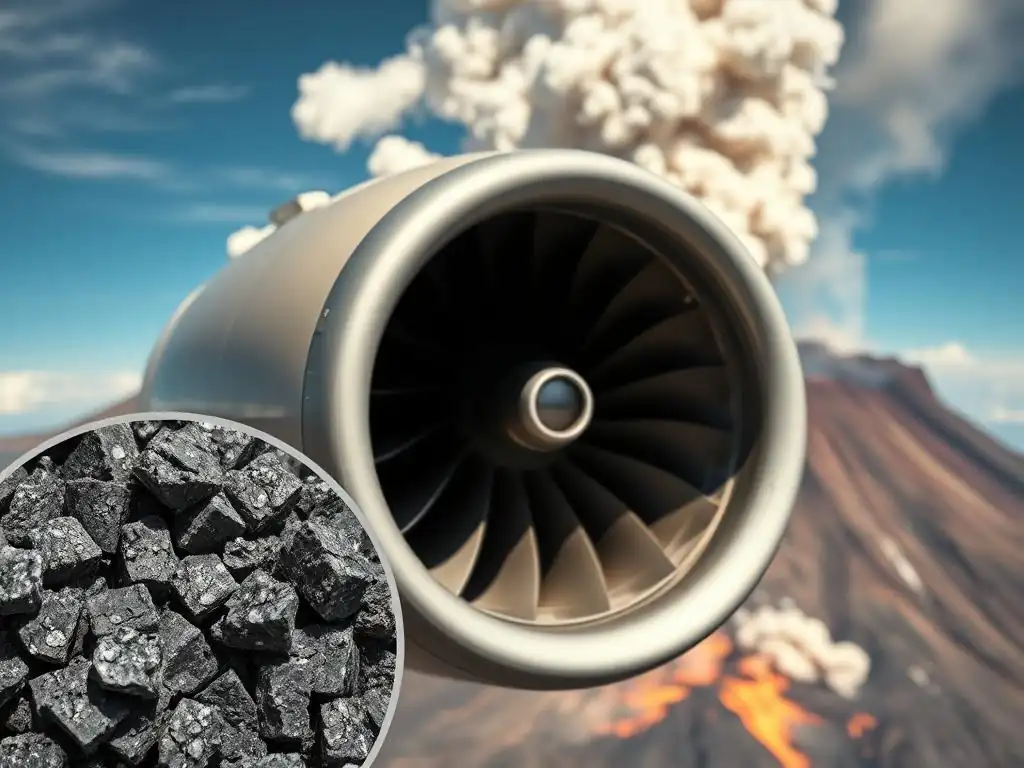
Engine manufacturers are actively researching and developing engine technologies that are more resistant to volcanic ash ingestion. This includes exploring new materials for turbine blades that are less susceptible to melting and vitrification, as well as improved engine designs that minimize ash deposition and facilitate ash removal. Research is also focused on developing engine sensors that can detect ash ingestion in real-time, allowing for automated engine adjustments to mitigate damage. These advancements in engine technology aim to reduce the vulnerability of aircraft engines to volcanic ash and improve engine resilience during ash encounters.
Improving Volcanic Ash Cloud Prediction Models
Improving the accuracy and resolution of volcanic ash cloud prediction models is a key area of research. Scientists are working to incorporate more detailed meteorological data, volcanic eruption parameters, and ash particle characteristics into these models. Advanced computational techniques and high-performance computing are being used to simulate ash cloud dispersion with greater precision. Improved prediction models will provide VAACs with more accurate forecasts, enabling more effective airspace management and flight planning to avoid ash-affected areas. This will ultimately reduce the risk of unexpected volcanic ash encounters.
The Future of Air Travel in Volcanically Active Regions
The future of air travel in volcanically active regions depends on continued vigilance and innovation. Developing more robust ash detection systems, improving communication between VAACs, air traffic control, and airlines, and further enhancing pilot training are all essential. Exploring alternative flight routes and airspace management strategies in volcanic regions is also important. As air travel continues to grow, particularly in regions with active volcanoes, ongoing research and collaboration are crucial to ensure aviation safety and minimize disruptions caused by volcanic ash.
Living Near Volcanoes: Preparing for Ashfall Events
While the primary focus is on aviation, it's also important to consider the impact of volcanic ash on communities living near volcanoes and how to prepare for ashfall events.
Protecting Aircraft on the Ground from Volcanic Ash
Volcanic ashfall can also damage aircraft on the ground. Ash can accumulate on aircraft surfaces, corrode paint, and penetrate avionics bays. Airports in volcanic regions need to have procedures in place to protect parked aircraft during ashfall events. This includes covering engines and sensitive components, sheltering aircraft in hangars if possible, and implementing ash removal procedures after ashfall. Proper protection and timely ash removal are essential to minimize damage to aircraft parked at airports in volcanically active areas and ensure their continued operational readiness.
Community Preparedness and Response to Volcanic Ashfall
Communities living near volcanoes also need to be prepared for volcanic ashfall. Public education campaigns should inform residents about the hazards of ashfall and provide guidance on protective measures, such as staying indoors, wearing masks and eye protection, and protecting water supplies. Emergency response plans should include procedures for ash cleanup, infrastructure maintenance, and public health management during and after ashfall events. Community preparedness and effective response are crucial to minimizing the impacts of volcanic ashfall on public health, infrastructure, and daily life in volcanically active regions.
Conclusion: Enhancing Aviation Safety in Volcanic Regions
Enhancing aviation safety in volcanic regions is an ongoing effort requiring continuous vigilance, research, and international collaboration.
The Ongoing Need for Vigilance and Research
The threat of Volcanic Ash Impact on Aviation remains a significant concern. Continued vigilance in monitoring volcanic activity, forecasting ash cloud dispersion, and communicating hazards to the aviation industry is essential. Ongoing research into ash-resistant engine technologies, improved detection systems, and enhanced prediction models is crucial for further mitigating the risks. International cooperation and information sharing among VAACs, aviation authorities, airlines, and research institutions are vital for maintaining and improving aviation safety in volcanic regions.
Resources for Pilots and the Public: Staying Informed about Volcanic Activity
For pilots and the public seeking to stay informed about volcanic activity and volcanic ash hazards, several resources are available. VAAC websites provide real-time ash advisories and forecasts. National volcano observatories, such as the USGS Volcano Hazards Program and volcano observatories in other countries, offer information on volcanic activity, hazard assessments, and educational materials. Aviation weather services and NOTAM systems disseminate critical information to pilots. Staying informed through these resources is crucial for both aviation professionals and the public living in or traveling to volcanic regions to ensure safety and preparedness.
Frequently Asked Questions
What are the main dangers of volcanic ash for aircraft engines?
Volcanic ash is extremely abrasive and can cause severe engine damage by melting and solidifying inside the hot sections of the engine. This can lead to engine failure.
How does volcanic ash affect other parts of an aircraft besides the engines?
Besides the engines, ash can damage the aircraft's skin, reduce visibility by scratching windscreens, and clog ventilation systems, potentially affecting cabin air quality.
What precautions are in place to prevent aircraft from flying through volcanic ash clouds?
Aviation authorities rely on volcano observatories and ash advisory centers to monitor volcanic activity and issue warnings and advisories to pilots, rerouting flights around ash clouds.
What happens if an aircraft inadvertently flies through a volcanic ash cloud?
Pilots are trained to follow specific procedures, including reducing engine thrust, turning on anti-ice systems, and landing at the nearest suitable airport for inspection and repairs.
What is being done to improve the detection and prediction of volcanic ash clouds?
Ongoing research focuses on improving satellite-based ash detection, developing more accurate ash dispersion models, and enhancing communication systems between volcanologists and aviation authorities.
The preceding exploration of volcanic ash and its impact on aviation underscores a critical reality: invisible dangers can pose the most significant threats. While technological advancements have revolutionized air travel, the unpredictable nature of volcanic eruptions serves as a stark reminder of the power of the natural world and its potential to disrupt even the most sophisticated systems. The ongoing vigilance and research dedicated to understanding and mitigating this risk are not merely academic exercises; they are essential for ensuring the safety of millions who rely on air travel every day.
The insidious nature of volcanic ash, capable of crippling aircraft engines without immediate detection, has profoundly shaped aviation safety protocols and continues to drive innovation in detection and avoidance technologies. This constant evolution, born from necessity, highlights humanity's resilience and our unwavering commitment to overcoming challenges. The only constant is change.
- Heraclitus. This quote perfectly encapsulates the aviation industry's response to the threat of volcanic ash, constantly adapting and innovating to ensure passenger safety.
As we conclude this examination of the volcanic ash impact on aviation, consider the broader implications of this case study. What other unseen threats exist in our lives, lurking beneath the surface of our perceived safety? Let this knowledge inspire you to cultivate a proactive mindset, to question assumptions, and to champion continuous learning and improvement in all aspects of your life. By embracing vigilance and fostering a spirit of innovation, we can navigate the uncertainties of the future and create a safer world for ourselves and generations to come.
Okay, I'm ready to craft a CTA for an article titled "Volcanic Ash and Aircraft Engines: A Risky Encounter" for the website "Volcano Explorers" with the domain volcanoexplorers.org. Here it is:
Safeguard Our Skies: Become a Volcanic Ash Awareness Advocate!
Thank you for delving into the critical issue of volcanic ash and its impact on aircraft safety. You've gained valuable insights into the dangers lurking in the skies and the importance of proactive measures. Now, let's turn knowledge into action!
Here's how you can contribute to safer skies:
- Become a Volcanic Ash Spotter: Download our observer's guide and learn how to identify and report volcanic ash plumes to aviation authorities. Your observations could save lives!
- Share this article! Help us spread awareness by sharing this article with your friends, family, and fellow aviation enthusiasts. The more people who understand the risks, the better.
- Consider donating to research efforts focused on developing better ash detection technologies and mitigation strategies. Every contribution, no matter the size, helps us protect our skies.
What practical steps will you take today to contribute to safer air travel in volcanic regions? Share your ideas in the comments below!