
Unseen Gases, Unforeseen Impacts: Volcanoes and Air Quality

Welcome to Volcano Explorers!
Ever wondered what's really in the air after a volcanic eruption? Beyond the ash and smoke, a hidden threat lurks. Dive into our exploration of the profound impact volcanoes have on air quality, uncovering the unseen gases and their surprising consequences. Prepare to breathe differently.
- Introduction: Exploring the Invisible Threat of Volcanic Gases
- Volcanic Impact on Environment: Air Quality Concerns
- Volcanoes Impact on Air Quality: Short-Term and Long-Term Effects
- Measuring and Monitoring Volcanic Gases for Air Quality Assessment
- Volcanic Air Pollution: Health Risks and Mitigation Strategies
- Volcanic Impact on Atmospheric Chemistry: Beyond Air Quality
- Case Studies: Examining Specific Volcanic Eruptions and Their Air Quality Impacts
- The Future of Volcanic Air Quality Research: Challenges and Opportunities
- Conclusion: The Importance of Understanding Volcanoes and Air Quality.
-
Frequently Asked Questions
- How do volcanoes impact air quality?
- What are the most common gases released by volcanoes that affect air quality?
- Can volcanic ash affect air quality, and if so, how?
- What are some of the long-term impacts of volcanic eruptions on air quality?
- Where can I find real-time updates on volcanic activity and its impact on air quality?
- Final Reflection: Breathing Easier, Seeing Clearer
- Unleash Your Inner Volcanologist: Take Action for Cleaner Air!
Introduction: Exploring the Invisible Threat of Volcanic Gases
Volcanoes, majestic and awe-inspiring in their fiery displays, are often perceived for their dramatic eruptions of lava and ash. However, a less visible yet equally significant aspect of volcanic activity is the release of gases. These unseen emissions, often overlooked in favor of more visually striking phenomena, pose a substantial threat to air quality and atmospheric chemistry on both local and global scales.
While volcanic landscapes can be breathtakingly beautiful and fertile over time, the immediate impact of volcanic gases can be detrimental, transforming pristine air into a hazardous mix capable of affecting human health, ecosystems, and even global climate patterns. Understanding the composition, behavior, and impacts of these volcanic gases is crucial for mitigating risks and appreciating the full spectrum of volcanoes' influence on our planet.
Volcanic Impact on Environment: Air Quality Concerns
The environmental impact of volcanoes extends far beyond the immediate destruction caused by lava flows and pyroclastic surges. A significant, and often underestimated, aspect is their profound effect on air quality. Volcanic eruptions release vast quantities of gases and particulate matter into the atmosphere, leading to both short-term pollution events and long-term alterations in atmospheric composition.
These emissions can trigger a cascade of environmental problems, ranging from acid rain and damage to vegetation to respiratory health issues in humans and animals. The scale of these air quality concerns can vary dramatically, from localized impacts around active vents to global effects influencing climate and atmospheric chemistry. This section will delve into the specific ways volcanoes compromise air quality, examining the types of gases emitted and the diverse consequences they engender.
Understanding Volcanic Emissions: A Deep Dive into Gas Composition
Volcanic emissions are a complex cocktail of gases and aerosols, a direct consequence of the magmatic processes occurring deep within the Earth. While water vapor (H2O) typically constitutes the most abundant component, often making up over 60% of the total gas release, the gases that have the most significant impact on air quality are sulfur dioxide (SO2), carbon dioxide (CO2), hydrogen sulfide (H2S), and various halogens like fluorine (F), chlorine (Cl), and bromine (Br).
The exact composition of volcanic gas plumes is not uniform and varies considerably depending on the type of volcano, the magma composition, the eruption style, and even the stage of an eruption. For instance, volcanoes erupting basaltic lava, like those in Hawaii, tend to release relatively higher proportions of sulfur dioxide, while subduction zone volcanoes may exhibit a broader range of gas species, including significant amounts of halogens.
Understanding this variability is crucial for accurately assessing the potential air quality impacts from different volcanic systems.
The proportions of these gases in volcanic emissions are not static. They change over time, reflecting ongoing processes within the volcano's plumbing system. For example, during periods of unrest leading up to an eruption, changes in gas ratios, such as an increase in the SO2/CO2 ratio, can be indicative of magma rising closer to the surface. Furthermore, the way these gases are released also matters.
Passive degassing from open vents releases gases steadily, while explosive eruptions inject gases high into the atmosphere, sometimes reaching the stratosphere. This difference in altitude of injection has vastly different implications for air quality and climate. Therefore, a comprehensive understanding of volcanic emissions necessitates not only identifying the gases present but also quantifying their amounts and understanding the dynamics of their release into the atmosphere.
Key Gases Released During Volcanic Eruptions and Their Properties
Volcanic eruptions are not just spectacular displays of geological power; they are also significant sources of atmospheric gases. While many different gases are released, a few key species are particularly important due to their abundance and their impact on air quality and the environment. These include sulfur dioxide (SO2), carbon dioxide (CO2), hydrogen sulfide (H2S), and halogens such as fluorine, chlorine, and bromine. Each of these gases possesses distinct properties and contributes to air pollution and atmospheric changes in unique ways. Understanding their individual characteristics is essential to grasp the multifaceted impact of volcanoes on air quality.
Sulfur Dioxide (SO2): Sources, Effects, and Atmospheric Reactions
Sulfur dioxide (SO2) is one of the most significant volcanic gases in terms of its impact on air quality. It originates primarily from the degassing of magma, where sulfur, a common element in the Earth's mantle, is released as SO2 and other sulfur-bearing compounds. Upon eruption, SO2 is emitted directly into the atmosphere, often in large quantities. For example, the 1982 El Chichón eruption in Mexico released an estimated 7 million tons of sulfur dioxide, while the 1991 Mount Pinatubo eruption in the Philippines injected approximately 20 million tons of SO2 into the stratosphere.
The effects of SO2 on air quality are manifold. At high concentrations, SO2 is a respiratory irritant, causing coughing, wheezing, and shortness of breath. It can exacerbate conditions like asthma and bronchitis, particularly in vulnerable populations. Furthermore, SO2 is a major precursor to acid rain. In the atmosphere, it undergoes oxidation, reacting with water vapor and other atmospheric components to form sulfuric acid (H2SO4).
Acid rain damages vegetation, acidifies lakes and rivers, and corrodes buildings and infrastructure. Beyond local effects, SO2 also plays a crucial role in global climate. In the stratosphere, SO2 is converted into sulfate aerosols, tiny particles that reflect sunlight back into space, leading to a cooling effect on the Earth's climate. This cooling effect, though temporary, can be significant, as demonstrated by the global cooling observed after the Pinatubo eruption.
Carbon Dioxide (CO2): Volcanic Contributions to Global Levels
Carbon dioxide (CO2) is another major gas emitted by volcanoes. While it is well-known as a greenhouse gas and primarily associated with human activities, volcanoes are a natural source of CO2 to the atmosphere. Magma contains dissolved CO2, which is released during volcanic eruptions and also through passive degassing from volcanic vents and hydrothermal systems. It is estimated that volcanoes globally release around 0.26 to 0.3 billion tonnes of CO2 per year.
Although volcanogenic CO2 emissions are substantial in geological timescales, they are dwarfed by anthropogenic CO2 emissions from the burning of fossil fuels, deforestation, and industrial processes. Human activities currently release over 36 billion tonnes of CO2 annually, more than 100 times the amount from volcanoes.
Therefore, while volcanic CO2 contributes to the Earth's natural carbon cycle and has played a significant role in climate change over millions of years, its current contribution to the rapid increase in atmospheric CO2 and global warming is relatively small compared to human-induced emissions. However, understanding volcanic CO2 emissions is crucial for a complete picture of the global carbon cycle and for long-term climate modeling.
Hydrogen Sulfide (H2S): Toxicity and Local Air Quality Impacts
Hydrogen sulfide (H2S) is a colorless gas characterized by its pungent "rotten egg" smell, and it is another significant component of volcanic emissions, particularly in volcanoes with hydrothermal systems and fumaroles. While typically present in lower concentrations than SO2 or CO2, H2S is highly toxic, even at relatively low levels.
Exposure to H2S can cause irritation to the eyes, nose, and throat, and at higher concentrations, it can lead to more severe health effects, including headaches, nausea, dizziness, and even respiratory paralysis and death. The Occupational Safety and Health Administration (OSHA) in the United States has established exposure limits for H2S, highlighting its hazardous nature.
The impact of H2S is primarily felt locally, in areas near active volcanoes and geothermal regions. Communities living close to degassing volcanoes may experience chronic exposure to low levels of H2S, leading to nuisance odors and potential long-term health effects. In areas with strong fumarolic activity, such as volcanic craters or geothermal fields, concentrations of H2S can be high enough to pose immediate health risks.
For example, in areas like Rotorua, New Zealand, a region known for its geothermal activity, H2S is a common air quality concern, and monitoring and public awareness campaigns are essential to mitigate risks. While H2S is quickly oxidized in the atmosphere, its immediate vicinity impact can be significant.
Halogens (Fluorine, Chlorine, Bromine): Corrosive Effects and Depletion of Ozone
Halogens, including fluorine (F), chlorine (Cl), and bromine (Br), are also released in volcanic eruptions, although typically in smaller quantities compared to sulfur and carbon gases. These elements are particularly significant due to their high reactivity and their impact on both local environments and the upper atmosphere. Volcanic gases containing halogens, especially hydrogen halides like hydrogen fluoride (HF) and hydrogen chloride (HCl), are highly corrosive. They can damage vegetation, leading to defoliation and crop damage in areas downwind of volcanic vents. Volcanic acid rain, enriched in hydrochloric and hydrofluoric acids, further exacerbates these corrosive effects on infrastructure and ecosystems.
Beyond local corrosive impacts, volcanic halogens, especially chlorine and bromine, play a role in stratospheric ozone depletion. When volcanic plumes reach the stratosphere, these halogens can participate in catalytic reactions that destroy ozone molecules. While the contribution of volcanic halogens to ozone depletion is less than that of anthropogenic chlorofluorocarbons (CFCs), major volcanic eruptions can temporarily enhance ozone depletion, particularly in polar regions.
For example, the Mount Pinatubo eruption in 1991 injected significant amounts of chlorine into the stratosphere, contributing to a period of enhanced ozone depletion. The complex interplay between volcanic halogens and stratospheric ozone is an area of ongoing research in atmospheric chemistry and volcanology.
Volcanoes Impact on Air Quality: Short-Term and Long-Term Effects
The impact of volcanoes on air quality can be categorized into short-term and long-term effects. Short-term impacts are typically associated with active eruptions and immediate post-eruption periods, while long-term effects can persist for months, years, or even decades after a major volcanic event. Understanding this temporal distinction is crucial for assessing the full scope of volcanoes' influence on the atmosphere and for implementing appropriate mitigation and adaptation strategies.
Immediate Air Quality Concerns During Eruptions
During volcanic eruptions, the immediate air quality concerns are primarily driven by the direct release of volcanic gases and ash into the atmosphere. These emissions can create hazardous conditions in the vicinity of the volcano and downwind, posing immediate risks to human health, infrastructure, and ecosystems. The most prominent immediate concerns include ashfall, acid rain formation, and the development of volcanic smog (vog).
Ashfall and Respiratory Problems: Reykjavik, Iceland (2010 Eyjafjallajökull eruption)
Volcanic ash, composed of fine particles of pulverized rock, minerals, and volcanic glass, is a significant hazard during explosive eruptions. While not a gas, ashfall is a major component of volcanic emissions that severely impacts air quality. Ash particles can be inhaled deep into the lungs, causing respiratory irritation, coughing, bronchitis, and exacerbating asthma and other pre-existing respiratory conditions. The severity of respiratory problems depends on the concentration and size of ash particles, the duration of exposure, and individual susceptibility.
The 2010 eruption of Eyjafjallajökull volcano in Iceland provides a pertinent example of ashfall's impact on air quality and respiratory health. Although the eruption was relatively small in terms of lava volume, it produced a substantial ash cloud that disrupted air travel across Europe for days. Reykjavik, the capital of Iceland, located approximately 120 km from Eyjafjallajökull, experienced significant ashfall.
Studies conducted after the eruption reported an increase in respiratory symptoms among residents of Reykjavik during and immediately after the ashfall events. For instance, a study published in the journal Environmental Health Perspectives found a statistically significant increase in the use of asthma medication inhalers in Reykjavik during the ashfall period, highlighting the direct link between volcanic ash exposure and respiratory problems in a real-world urban setting.
Acid Rain Formation: Damage to vegetation and acidification of water bodies
Acid rain is another significant immediate air quality consequence of volcanic eruptions, primarily caused by the release of sulfur dioxide (SO2) and other acidic gases. As described earlier, SO2 reacts in the atmosphere to form sulfuric acid, which, along with other acidic components like hydrochloric acid (HCl) from volcanic emissions, contributes to acid rain. Acid rain has a multitude of detrimental effects on the environment.
It damages vegetation by leaching nutrients from the soil and directly injuring plant tissues, leading to forest decline and crop losses. Acid rain also acidifies lakes, rivers, and soils, harming aquatic life and altering ecosystem balance. The acidification of water bodies can lead to the release of toxic metals from sediments, further compounding the environmental damage.
Regions downwind of frequently erupting volcanoes or those experiencing sustained degassing are particularly vulnerable to acid rain impacts. For example, areas around volcanoes in Indonesia, the Philippines, and Central America, which experience frequent eruptions and significant SO2 emissions, often suffer from acid rain damage to agriculture and natural ecosystems. The long-term consequences of persistent acid rain can include soil degradation, reduced biodiversity, and economic losses in agriculture and forestry.
Volcanic Smog (Vog): Formation, Health Effects, and Mitigation Strategies
Volcanic smog, or "vog," is a type of air pollution specific to volcanic regions, particularly in areas with persistent volcanic degassing. Vog forms when volcanic gases, primarily sulfur dioxide (SO2), react with sunlight, oxygen, moisture, and dust in the atmosphere. This complex photochemical reaction produces a hazy mixture of sulfate aerosols and other secondary pollutants. Vog is characterized by a bluish haze and a sulfurous smell and can significantly degrade air quality, especially in downwind areas.
Hawaii, with its active Kilauea volcano, is a prime example of a region frequently affected by vog. The continuous passive degassing from Kilauea, particularly from its summit vent and past lava flows, releases substantial amounts of SO2. When combined with Hawaii's sunny and humid climate, this SO2 readily converts into vog. Health effects of vog exposure include respiratory irritation, exacerbation of asthma and bronchitis, eye and throat irritation, and headaches.
Studies in Hawaii have documented increased emergency room visits for respiratory illnesses during periods of high vog concentrations. Mitigation strategies for vog include air quality monitoring and alerts, advising vulnerable populations to stay indoors, use air purifiers, and wear respirators during vog events. Community education and awareness campaigns are also crucial for informing residents and visitors about vog risks and protective measures.
Long-Term Atmospheric Changes from Volcanic Activity
Beyond the immediate air quality hazards, volcanic eruptions, particularly large explosive events, can trigger long-term changes in atmospheric composition and climate. These long-term effects are primarily mediated by the injection of volcanic aerosols and gases into the stratosphere, the layer of the atmosphere above the troposphere. Stratospheric aerosols and gases can persist for months to years, influencing global climate and atmospheric chemistry on a broader scale.
Stratospheric Aerosols: Cooling Effects and Climate Modulation
One of the most significant long-term atmospheric effects of large volcanic eruptions is the formation of stratospheric aerosols and their subsequent cooling effect on global climate. When volcanoes inject sulfur dioxide (SO2) into the stratosphere, it undergoes oxidation and reacts with water vapor to form sulfate aerosols, tiny droplets of sulfuric acid. These aerosols are highly reflective of sunlight. By increasing the amount of solar radiation reflected back into space, they reduce the amount of sunlight reaching the Earth's surface, leading to a temporary cooling of the planet.
The magnitude and duration of this volcanic cooling effect depend on the amount of SO2 injected into the stratosphere and the size distribution of the resulting aerosols. Large eruptions, such as the 1815 Tambora eruption in Indonesia, the 1991 Mount Pinatubo eruption in the Philippines, and the 1783 Laki fissure eruption in Iceland, have been associated with significant global cooling. The Tambora eruption, the largest volcanic eruption in recorded history, led to the "Year Without a Summer" in 1816, with widespread crop failures and famine in many parts of the world.
The Pinatubo eruption caused a global average temperature decrease of about 0.5°C for 1-2 years. These examples demonstrate the considerable influence of stratospheric volcanic aerosols on modulating Earth's climate.
Ozone Depletion: The Role of Volcanic Halogens
Volcanic eruptions can also contribute to long-term changes in stratospheric ozone levels, although the effect is more complex and generally less pronounced than the cooling effect of sulfate aerosols. As mentioned earlier, volcanoes release halogens, including chlorine and bromine, which can participate in ozone-depleting reactions in the stratosphere. While the primary cause of stratospheric ozone depletion is anthropogenic CFCs, volcanic halogens can enhance ozone loss, particularly after large eruptions that inject significant amounts of halogens into the stratosphere.
The mechanism of volcanic halogen-induced ozone depletion is similar to that of CFCs. Halogen atoms, released from volcanic compounds in the stratosphere, catalyze the destruction of ozone molecules through a series of chemical reactions. The effect is most pronounced in the polar regions, where stratospheric conditions, particularly during winter and spring, favor ozone depletion.
For example, studies have shown that the Mount Pinatubo eruption, which injected chlorine into the stratosphere, contributed to enhanced ozone depletion in the Antarctic ozone hole in the years following the eruption. However, the long-term impact of volcanic halogens on ozone depletion is generally less significant than that of anthropogenic ozone-depleting substances, and stratospheric ozone levels are primarily recovering due to the phasing out of CFCs under international agreements like the Montreal Protocol.
The Laki Fissure Eruption (1783-1784): A Case Study of Long-Term Air Quality Impact
The 1783-1784 Laki fissure eruption in Iceland serves as a compelling case study of the long-term air quality and environmental impacts of a major volcanic event. This eruption, a large fissure eruption of basaltic lava and associated gas emissions, released an estimated 8 million tons of hydrogen fluoride and approximately 120 million tons of sulfur dioxide over an eight-month period. The scale of gas release was unprecedented, and its consequences were felt across Europe and beyond.
In Iceland, the Laki eruption caused widespread environmental devastation. Fluorine poisoning from volcanic gases contaminated pastures, leading to the death of over 80% of Iceland's sheep and 50% of its cattle and horses. The resulting famine, known as the "Mist Hardships," killed approximately 25% of Iceland's population. Across Europe, the Laki eruption caused a persistent sulfuric haze, known as the "Laki haze," which significantly reduced sunlight and visibility.
The haze led to respiratory problems and increased mortality rates across the continent. The summer of 1783 was unusually hot, followed by a severe winter, contributing to crop failures and widespread hardship. The Laki eruption is considered to have been a major natural disaster with long-lasting impacts on air quality, environment, and human societies, highlighting the potential for volcanic eruptions to have far-reaching and prolonged consequences.
Measuring and Monitoring Volcanic Gases for Air Quality Assessment
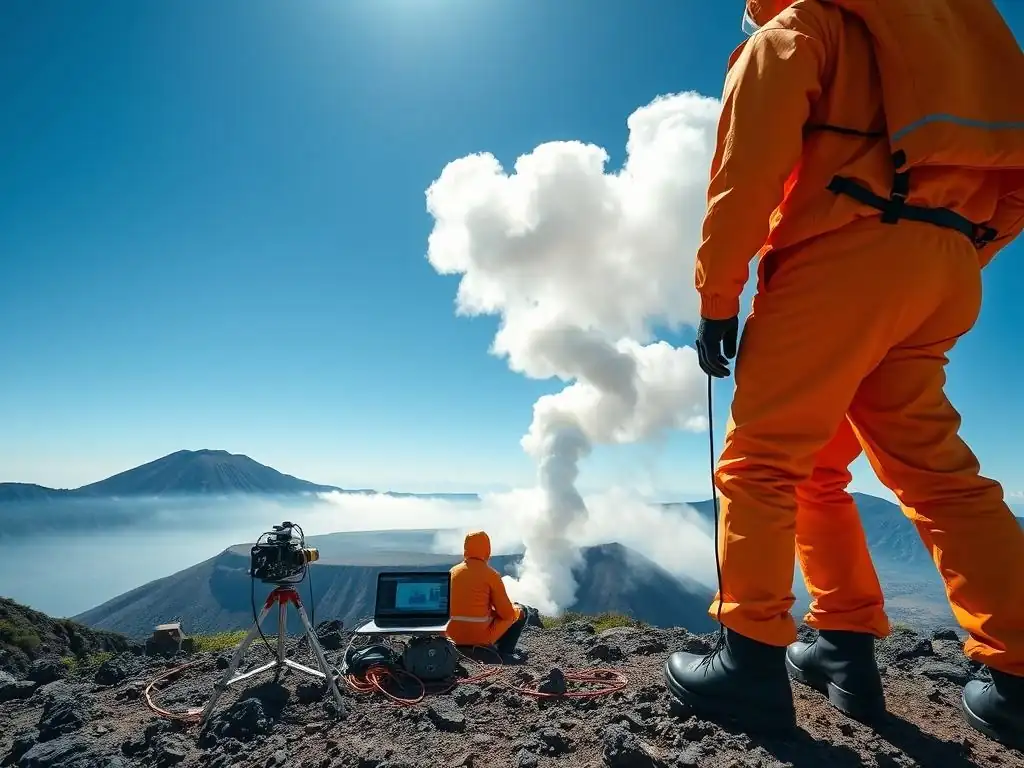
Effective assessment and mitigation of volcanic air quality hazards rely heavily on accurate measurement and monitoring of volcanic gas emissions. Various techniques and technologies are employed to detect, quantify, and track volcanic gases, both remotely and at ground level. These monitoring efforts are crucial for understanding volcanic activity, forecasting potential air quality impacts, and issuing timely warnings to affected communities.
Remote Sensing Techniques: Detecting Gas Plumes from Space
Remote sensing techniques, particularly satellite-based instruments, play a vital role in monitoring volcanic gas plumes on a regional and global scale. Satellites equipped with specialized sensors can detect and measure the concentration of various volcanic gases, such as sulfur dioxide (SO2), ozone (O3), and aerosols, from space. These instruments typically operate by measuring the absorption or scattering of sunlight or thermal radiation by volcanic gases in the atmosphere.
One of the most widely used remote sensing techniques for volcanic gas monitoring is Differential Optical Absorption Spectroscopy (DOAS). DOAS instruments on satellites, such as the Ozone Monitoring Instrument (OMI) on NASA's Aura satellite and the TROPOspheric Monitoring Instrument (TROPOMI) on the European Space Agency's Sentinel-5P satellite, measure the absorption of ultraviolet and visible light by SO2 and other gases. These measurements allow for the mapping of SO2 plumes emitted by volcanoes, even in remote and inaccessible areas.
Satellite monitoring provides a synoptic view of volcanic gas dispersion, enabling scientists to track the movement and evolution of volcanic plumes over time and assess their potential air quality impacts over large areas. Data from satellite instruments are essential for global volcanic gas inventories and for understanding the overall contribution of volcanoes to atmospheric chemistry.
Ground-Based Monitoring Stations: Real-Time Data Collection and Analysis
Ground-based monitoring stations are crucial for providing real-time, localized measurements of volcanic gases near active volcanoes. These stations typically employ a variety of sensors and instruments to continuously monitor gas concentrations, meteorological conditions, and other relevant parameters. Data from ground-based stations are essential for volcano observatories to track volcanic activity, detect changes in gas emissions that may indicate unrest or impending eruptions, and provide timely warnings to local communities.
Ground-based gas monitoring systems often include electrochemical sensors, which are sensitive to specific gases like SO2, H2S, and CO2. These sensors provide continuous measurements of gas concentrations at fixed locations. Spectroscopic instruments, such as Fourier Transform Infrared (FTIR) spectrometers and ultraviolet (UV) spectrometers, are also used to measure a wider range of volcanic gases and to determine gas ratios.
Automated gas sampling systems collect gas samples for laboratory analysis, providing more detailed compositional information. Data from ground-based stations are typically transmitted in real-time to volcano observatories, where they are analyzed and integrated with other monitoring data, such as seismic and deformation measurements, to assess volcanic activity and air quality hazards.
Differential Optical Absorption Spectroscopy (DOAS) for Gas Monitoring
Differential Optical Absorption Spectroscopy (DOAS) is a versatile and widely used technique for both remote and ground-based monitoring of volcanic gases. As mentioned earlier, DOAS is employed in satellite instruments, but it is also a powerful tool for ground-based measurements. Ground-based DOAS systems can be deployed in various configurations, including scanning DOAS instruments that measure gas concentrations along a line of sight, and mobile DOAS systems that can be used to map gas plumes in three dimensions.
The principle of DOAS is based on the Beer-Lambert Law, which states that the absorption of light by a gas is proportional to its concentration and path length. DOAS instruments measure the absorption of light at different wavelengths in the ultraviolet, visible, or infrared spectral regions. By analyzing the differential absorption spectrum, DOAS can identify and quantify various gases, even in complex mixtures.
For volcanic gas monitoring, DOAS is particularly effective for measuring SO2, NO2, O3, and other trace gases. Ground-based DOAS systems can be deployed near volcanic vents, fumaroles, or in downwind areas to monitor gas plumes and assess air quality impacts at local scales. The portability and sensitivity of DOAS instruments make them valuable tools for both routine volcanic gas monitoring and for rapid deployment during volcanic crises.
Volcanic Air Pollution: Health Risks and Mitigation Strategies
Volcanic air pollution poses significant health risks to populations living near active volcanoes and downwind areas. Exposure to volcanic gases and ash can trigger a range of respiratory, cardiovascular, and other health problems, particularly in vulnerable individuals. Understanding these health risks is crucial for developing effective mitigation strategies and protecting public health in volcanic regions.
Respiratory Health Impacts: Asthma, Bronchitis, and Other Conditions
Respiratory health is the most directly and immediately impacted by volcanic air pollution. Inhalation of volcanic ash and gases, particularly sulfur dioxide (SO2), hydrogen sulfide (H2S), and fine particulate matter, can irritate the respiratory tract, causing coughing, wheezing, shortness of breath, and chest tightness. Individuals with pre-existing respiratory conditions, such as asthma, bronchitis, and chronic obstructive pulmonary disease (COPD), are particularly vulnerable to the exacerbation of their symptoms by volcanic air pollution.
Studies conducted in volcanic regions worldwide have consistently documented increased respiratory morbidity during and after volcanic eruptions and periods of elevated volcanic gas emissions. For example, studies following the 2010 Eyjafjallajökull eruption in Iceland and the ongoing Kilauea eruption in Hawaii have reported increased hospital admissions and emergency room visits for respiratory illnesses. Long-term exposure to lower levels of volcanic air pollution can also contribute to chronic respiratory problems and reduced lung function. Children, the elderly, and individuals with pre-existing respiratory conditions are at higher risk of experiencing severe respiratory health impacts from volcanic air pollution.
Cardiovascular Effects: Links to Increased Heart Problems
Emerging research suggests that volcanic air pollution may also have adverse effects on cardiovascular health. Exposure to fine particulate matter (PM2.5), a component of volcanic ash and aerosols, is a well-established risk factor for cardiovascular diseases, including heart attacks, strokes, and arrhythmias. Inhalation of fine particles can trigger systemic inflammation, oxidative stress, and blood clotting, all of which can contribute to cardiovascular events.
Studies investigating the cardiovascular effects of volcanic air pollution are still relatively limited, but some evidence suggests a link between volcanic eruptions and increased cardiovascular morbidity and mortality. For instance, a study in Italy found a correlation between volcanic ash exposure from Mount Etna eruptions and increased hospital admissions for cardiovascular diseases. Further research is needed to fully understand the mechanisms and magnitude of cardiovascular risks associated with volcanic air pollution, but the existing evidence raises concerns about the potential for volcanic emissions to contribute to heart problems, particularly in vulnerable populations.
Vulnerable Populations: Children, Elderly, and Individuals with Pre-Existing Conditions
Certain populations are more vulnerable to the health impacts of volcanic air pollution than others. Children, the elderly, and individuals with pre-existing respiratory or cardiovascular conditions are considered particularly vulnerable groups. Children's respiratory systems are still developing, and they have higher breathing rates per unit of body weight, leading to greater exposure to inhaled pollutants.
The elderly often have weakened immune systems and pre-existing chronic conditions, making them more susceptible to the adverse effects of air pollution. Individuals with asthma, bronchitis, COPD, heart disease, or other chronic illnesses are at increased risk of exacerbations and complications from volcanic air pollution exposure.
Public health strategies for volcanic regions must prioritize the protection of these vulnerable populations. This includes targeted health advisories, public education campaigns tailored to vulnerable groups, and ensuring access to healthcare and respiratory medications for those at higher risk. Community-based interventions, such as air quality alerts and support networks for vulnerable individuals, are also essential components of effective public health responses to volcanic air pollution.
Mitigation Strategies: Protective Measures and Public Health Recommendations
Mitigating the health risks of volcanic air pollution requires a multi-faceted approach, encompassing protective measures at individual, community, and governmental levels. Effective mitigation strategies include air quality alerts and evacuation procedures, the use of respirators and air purifiers, and community education and awareness campaigns.
Air Quality Alerts and Evacuation Procedures
Air quality alerts and early warning systems are crucial for informing the public about elevated levels of volcanic air pollution and recommending protective actions. Volcano observatories and public health agencies should collaborate to monitor volcanic gas emissions and air quality in volcanic regions and issue timely alerts when pollution levels reach hazardous thresholds. Air quality alerts should clearly communicate the level of pollution, the potential health risks, and recommended protective measures, such as staying indoors, reducing outdoor activities, and using respirators.
In cases of severe volcanic eruptions with widespread ashfall or high concentrations of toxic gases, evacuation procedures may be necessary to protect public health. Evacuation plans should be well-defined and communicated to communities at risk, including designated evacuation routes, shelters, and emergency supplies. Effective communication and coordination between volcano observatories, emergency management agencies, and local authorities are essential for successful evacuation operations.
Use of Respirators and Air Purifiers
The use of respirators, or face masks, is an effective personal protective measure to reduce exposure to volcanic ash and gases. N95 or P100 respirators, properly fitted, can filter out fine particles and some volcanic gases, providing significant respiratory protection. Surgical masks or cloth masks offer limited protection against fine particles and are not effective against volcanic gases. Respirators should be readily available to residents in volcanic regions, and public education campaigns should provide guidance on proper respirator use and maintenance.
Air purifiers equipped with high-efficiency particulate air (HEPA) filters can effectively remove fine particles from indoor air, improving indoor air quality during volcanic ashfall events. Portable air purifiers can be used in homes, schools, and workplaces to create cleaner indoor environments. Improving building ventilation and sealing windows and doors can also help reduce indoor infiltration of volcanic ash and gases.
Community Education and Awareness Campaigns
Community education and awareness campaigns are fundamental for promoting public understanding of volcanic air pollution risks and empowering individuals to take protective actions. These campaigns should provide information about the sources and types of volcanic air pollutants, the associated health risks, vulnerable populations, and effective mitigation strategies. Educational materials should be culturally appropriate, accessible to diverse communities, and disseminated through various channels, including public meetings, websites, social media, and local media outlets.
Community-based workshops and training sessions can provide hands-on instruction on respirator use, emergency preparedness, and other protective measures. Engaging community leaders, healthcare providers, and schools in education and awareness efforts is essential for building community resilience to volcanic air pollution hazards.
Volcanic Impact on Atmospheric Chemistry: Beyond Air Quality
The influence of volcanoes on the atmosphere extends beyond immediate air quality concerns. Volcanic eruptions and degassing processes play a significant role in shaping atmospheric chemistry on regional and global scales. Volcanic emissions introduce a variety of chemical species into the atmosphere, triggering chemical reactions and influencing the composition of the troposphere and stratosphere.
Chemical Reactions in Volcanic Plumes: Oxidation of SO2 to sulfate aerosols
Volcanic plumes are dynamic chemical reactors, where a complex array of chemical reactions occur. One of the most important chemical processes in volcanic plumes is the oxidation of sulfur dioxide (SO2) to sulfate aerosols. SO2, upon entering the atmosphere, undergoes a series of oxidation reactions, primarily involving hydroxyl radicals (OH) and ozone (O3). These reactions convert gaseous SO2 into sulfuric acid (H2SO4), which then condenses to form sulfate aerosols, tiny liquid or solid particles suspended in the air.
The oxidation rate of SO2 in volcanic plumes depends on various factors, including sunlight intensity, humidity, and the presence of other chemical species. In the troposphere, SO2 oxidation typically occurs on timescales of days to weeks, contributing to acid rain formation and regional air pollution.
In the stratosphere, SO2 oxidation is slower but still significant, leading to the formation of stratospheric sulfate aerosols that can persist for months to years and influence global climate. The chemical transformation of SO2 into sulfate aerosols is a crucial process in understanding the atmospheric impacts of volcanic eruptions, linking volcanic emissions to both air quality and climate effects.
Influence on Regional and Global Atmospheric Composition
Volcanic eruptions and degassing processes act as natural sources of various gases and aerosols to the atmosphere, influencing both regional and global atmospheric composition. Volcanic plumes inject sulfur compounds, halogens, trace metals, and particulate matter into the atmosphere, altering the chemical balance and radiative properties of the atmosphere. Regionally, volcanic emissions can lead to elevated levels of air pollutants, such as SO2, particulate matter, and ozone precursors, impacting air quality in downwind areas.
Globally, large volcanic eruptions can inject sulfur dioxide into the stratosphere, forming sulfate aerosols that scatter sunlight and cool the planet. Volcanic halogens can also reach the stratosphere and contribute to ozone depletion.
The influence of volcanoes on atmospheric composition is not limited to short-term eruption events. Continuous passive degassing from volcanoes and hydrothermal systems releases gases into the atmosphere over extended periods, contributing to the background atmospheric concentrations of certain species. Volcanic emissions are a natural component of the Earth's biogeochemical cycles, playing a role in regulating atmospheric composition and climate over geological timescales.
The Role of Volcanoes in the Earth's Climate System
Volcanoes are a significant natural driver of climate variability on Earth. Their influence on the climate system operates through several mechanisms, primarily related to the injection of volcanic aerosols and gases into the atmosphere. As discussed earlier, stratospheric sulfate aerosols formed from volcanic SO2 can reflect sunlight back into space, causing a cooling effect on global climate. Large explosive eruptions, such as Tambora and Pinatubo, have demonstrably caused global cooling episodes lasting for months to years.
Volcanoes also release carbon dioxide (CO2), a major greenhouse gas, into the atmosphere. While current volcanic CO2 emissions are dwarfed by anthropogenic emissions, volcanic CO2 has played a crucial role in regulating Earth's climate over geological timescales. Over millions of years, volcanic CO2 emissions have contributed to the long-term carbon cycle and the greenhouse effect, influencing global temperatures.
The balance between the cooling effect of volcanic aerosols and the warming effect of volcanic CO2 emissions determines the overall climate impact of volcanoes, which varies depending on the type and scale of volcanic activity and the timescale considered. Understanding the complex interplay between volcanoes and the Earth's climate system is essential for comprehending past climate changes and for predicting future climate scenarios.
Case Studies: Examining Specific Volcanic Eruptions and Their Air Quality Impacts
Examining specific volcanic eruptions and their air quality impacts provides valuable insights into the diverse ways volcanoes affect the atmosphere and human health. Case studies of different types of eruptions in various geographic locations illustrate the range of air quality challenges posed by volcanic activity and the importance of tailored mitigation strategies.
Mount St. Helens (1980): Air quality data and health consequences in Washington State
The 1980 eruption of Mount St. Helens in Washington State, USA, was a significant volcanic event in a developed country, providing a well-documented case study of air quality impacts and health consequences in a modern context. The eruption produced a massive ash cloud that spread across the Pacific Northwest and beyond, causing widespread ashfall in Washington, Oregon, and Idaho. Air quality monitoring data collected during and after the eruption documented elevated levels of particulate matter in the affected regions.
Health studies conducted following the Mount St. Helens eruption investigated the respiratory health impacts of ash exposure on residents of Washington State. These studies reported an increase in respiratory symptoms, such as coughing, wheezing, and eye irritation, among populations exposed to ashfall. While the health impacts were generally mild and transient for most people, individuals with pre-existing respiratory conditions experienced more severe symptoms.
The Mount St. Helens eruption highlighted the importance of public health preparedness and communication in volcanic regions, including issuing ashfall advisories, recommending protective measures like staying indoors and using respirators, and providing healthcare resources to affected communities. The event also underscored the need for robust air quality monitoring networks and research to assess the long-term health consequences of volcanic ash exposure.
Mount Pinatubo (1991): Impact on global climate and ozone layer
The 1991 eruption of Mount Pinatubo in the Philippines was one of the largest volcanic eruptions of the 20th century, with significant global impacts on climate and the ozone layer. The eruption injected an estimated 20 million tons of sulfur dioxide (SO2) into the stratosphere, forming a global stratospheric sulfate aerosol layer. This aerosol layer reflected sunlight back into space, causing a measurable global cooling effect. Global average temperatures decreased by approximately 0.5°C for 1-2 years following the Pinatubo eruption.
In addition to its climate impact, the Pinatubo eruption also influenced stratospheric ozone levels. Volcanic chlorine released during the eruption enhanced ozone depletion, particularly in the Antarctic region. The eruption contributed to a temporary increase in the size of the Antarctic ozone hole.
The Mount Pinatubo eruption provided valuable scientific data and insights into the role of volcanic aerosols and gases in modulating global climate and atmospheric chemistry. It demonstrated the potential for large volcanic eruptions to have significant, albeit temporary, effects on the Earth's climate system and stratospheric ozone layer, highlighting the interconnectedness of volcanic activity and global environmental processes.
Kilauea (2018): Lava flows and vog formation in Hawaii
The 2018 eruption of Kilauea volcano in Hawaii presented a different type of air quality challenge, primarily related to the persistent formation of volcanic smog (vog). While the eruption involved significant lava flows and volcanic explosions, it also featured prolonged passive degassing of sulfur dioxide (SO2) from the summit caldera and lava fissures. This continuous SO2 emission, combined with Hawaii's sunny and humid climate, led to persistent vog conditions across the Hawaiian Islands.
The Kilauea 2018 eruption and associated vog events had significant impacts on air quality and public health in Hawaii. Elevated levels of SO2 and particulate matter were recorded, leading to increased respiratory symptoms, emergency room visits for asthma and bronchitis, and eye and throat irritation among residents. The vog also impacted tourism and agriculture in Hawaii, causing economic losses.
The Kilauea 2018 eruption highlighted the long-term air quality challenges posed by persistent volcanic degassing and the importance of vog monitoring, forecasting, and public health advisories in volcanic regions like Hawaii. The event underscored the need for sustained efforts to mitigate vog impacts and protect public health in areas affected by ongoing volcanic emissions.
The Future of Volcanic Air Quality Research: Challenges and Opportunities
Volcanic air quality research is an evolving field, facing ongoing challenges and offering exciting opportunities for advancements in monitoring, prediction, and mitigation of volcanic air pollution hazards. Future research directions are crucial for improving our understanding of volcano-atmosphere interactions and for developing more effective strategies to protect public health and the environment in volcanic regions.
Improving Monitoring Technologies and Predictive Models
One of the key challenges in volcanic air quality research is improving monitoring technologies and predictive models. While significant progress has been made in remote sensing and ground-based monitoring of volcanic gases, further advancements are needed to enhance the accuracy, spatial resolution, and temporal coverage of volcanic gas measurements. Developing more sophisticated sensors and instruments, including miniaturized and low-cost sensors for widespread deployment, is crucial for improving real-time monitoring capabilities.
Predictive models for volcanic gas dispersion and air quality impacts also require further refinement. Current models often rely on simplified representations of atmospheric processes and volcanic source characteristics. Future research should focus on developing more comprehensive models that incorporate complex atmospheric chemistry, aerosol dynamics, and volcano-specific eruption parameters. Integrating data from various monitoring sources, including satellite, ground-based, and meteorological observations, into predictive models is essential for improving forecast accuracy and providing timely and reliable air quality information to affected communities.
Understanding the Complex Interactions Between Volcanoes and the Atmosphere
Another critical research area is to further understand the complex interactions between volcanoes and the atmosphere. Volcanic plumes are chemically and physically complex systems, involving a multitude of chemical reactions, aerosol formation processes, and atmospheric transport mechanisms. Research is needed to unravel the intricate details of these interactions, including the oxidation pathways of volcanic gases, the microphysical properties of volcanic aerosols, and the influence of atmospheric conditions on volcanic plume dispersion and evolution.
Interdisciplinary research collaborations, bringing together volcanologists, atmospheric scientists, chemists, and climate modelers, are essential for advancing our understanding of volcano-atmosphere interactions. Laboratory experiments, field studies at active volcanoes, and numerical modeling are all important tools for investigating these complex processes. A deeper understanding of volcano-atmosphere interactions is crucial for improving our ability to predict and mitigate the air quality and climate impacts of volcanic eruptions.
Developing Effective Strategies for Protecting Public Health
Ultimately, the goal of volcanic air quality research is to develop more effective strategies for protecting public health in volcanic regions. This requires translating scientific knowledge into practical interventions and policies that can reduce exposure to volcanic air pollution and minimize health risks. Future research should focus on developing improved early warning systems for volcanic air pollution events, refining public health advisories and communication strategies, and evaluating the effectiveness of different mitigation measures, such as respirator use and air purification technologies.
Community-based participatory research approaches, involving local communities, healthcare providers, and public health agencies, are essential for developing culturally appropriate and sustainable public health strategies in volcanic regions. Research should also address the long-term health consequences of volcanic air pollution exposure and identify vulnerable populations who may require targeted interventions. International collaboration and knowledge sharing are crucial for exchanging best practices and building global capacity for volcanic air pollution risk management and public health protection.
Conclusion: The Importance of Understanding Volcanoes and Air Quality.
Volcanoes, while symbols of Earth’s raw power and creative force, also present a significant and often underestimated threat to air quality. From the immediate hazards of ashfall and acid rain to the long-term atmospheric changes induced by stratospheric aerosols and ozone depletion, volcanic emissions have profound and multifaceted impacts on the environment and human health.
Understanding the complex interplay between volcanoes and air quality is not merely an academic pursuit; it is a critical imperative for safeguarding the well-being of communities living in volcanic regions and for comprehending the broader role of volcanoes in shaping our planet's atmosphere and climate.
Continued research, improved monitoring technologies, and effective public health strategies are essential for mitigating the risks associated with volcanic air pollution. By deepening our knowledge of volcanic processes, atmospheric chemistry, and health impacts, and by fostering collaboration between scientists, public health professionals, and communities, we can strive to minimize the unseen threats posed by volcanic gases and ensure a healthier and safer environment for all, even in the shadow of these magnificent natural wonders.
Frequently Asked Questions
How do volcanoes impact air quality?
Volcanoes release various gases, like sulfur dioxide and ash, which can directly pollute the air. These emissions can cause respiratory problems and contribute to acid rain.
What are the most common gases released by volcanoes that affect air quality?
The most prevalent gases are sulfur dioxide (SO2), carbon dioxide (CO2), and hydrogen sulfide (H2S). SO2 is particularly significant, leading to acid rain and respiratory issues.
Can volcanic ash affect air quality, and if so, how?
Yes, volcanic ash is a major air quality concern. The fine particles can cause respiratory irritation and exacerbate existing conditions like asthma. Ash clouds can also reduce visibility and disrupt air travel.
What are some of the long-term impacts of volcanic eruptions on air quality?
Long-term impacts include persistent haze, increased acid rain, and the potential for stratospheric aerosol injection, which can affect global climate. These effects can last for months or even years.
Where can I find real-time updates on volcanic activity and its impact on air quality?
While VolcanoExplorers.org provides updates on volcanic activity, you should also check with your local government agencies and meteorological services for real-time air quality data and advisories related to ongoing eruptions.
Okay, here's a final reflection designed to close your article "Unseen Gases, Unforeseen Impacts: Volcanoes and Air Quality," optimized for the keyword "Volcanoes impact on air quality" and following the requested structure:
Final Reflection: Breathing Easier, Seeing Clearer
The exploration of volcanic emissions and their impact on air quality reveals a stark reality: the unseen gases released during eruptions have far-reaching and often devastating consequences for human health and the environment. While the immediate drama of lava flows captures our attention, it's the invisible threat carried on the wind that poses a persistent and widespread danger, demanding our continued vigilance and proactive mitigation strategies.
The insidious nature of volcanic air pollution has profoundly shaped our understanding of atmospheric dynamics and public health preparedness. Witnessing the tangible effects of these eruptions, from respiratory ailments to agricultural damage, underscores the urgent need for improved monitoring and predictive models. The air we breathe is a shared responsibility. Understanding the impact of volcanic emissions is not just a scientific endeavor, but a moral imperative.
This understanding compels us to advocate for policies that prioritize air quality monitoring and protect vulnerable communities.
As we look to the future, let us not forget the lessons learned from the fiery breath of volcanoes. Consider how you can contribute to a more informed and resilient society. Educate yourself and others about the risks, support research initiatives, and advocate for policies that prioritize clean air for all. The air we breathe is a precious resource, and it is our collective responsibility to protect it from the unseen impacts of volcanic activity.
Unleash Your Inner Volcanologist: Take Action for Cleaner Air!
Thanks for exploring the world of volcanic gases and their impact on air quality! We hope you found our information valuable. Now, let's turn that knowledge into action and protect our planet.
Here are a few ways you can make a difference:
- Report Unusual Smells: If you live near a volcano or notice unusual sulfurous odors, promptly report them to your local environmental agency. Your vigilance helps scientists monitor emissions and protect communities.
- Explore the interactive maps on VolcanoExplorers.org to understand which volcanoes pose the greatest risk to air quality globally. Share this information with your friends and family.
- Support critical research into volcanic gas monitoring and mitigation strategies by donating to Volcano Explorers.
Ready to become a citizen scientist and contribute to a healthier future? What small step can you take today to reduce air pollution in your community?