The Enduring Power of Pele: Hawaiian Volcano Goddess and Culture
Explore the enduring legacy of Pele, Hawaiian volcano goddess, and her profound influence on Polynesian mythology and culture. Discover how volcanic landscapes…
Read article
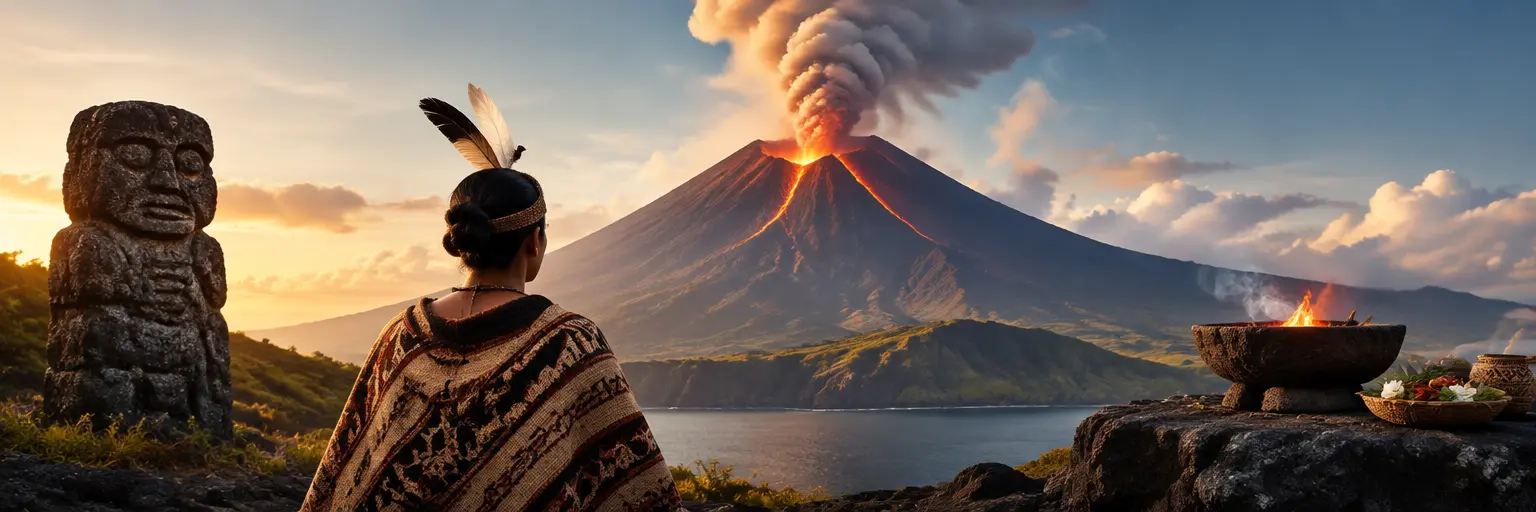
Volcanoes are far more than geological wonders—they are powerful cultural symbols that have shaped myths, art, and spiritual beliefs for millennia. 🌋 From the sacred peaks of Hawaii’s Mauna Loa to the legendary fury of Mount Vesuvius, these landscapes hold profound meaning for communities that live in their shadow. Volcanic landscapes are living archives of human history, where ancient rituals, folklore, and creation stories intertwine with raw natural power. Whether seen as gods’ dwelling places, sources of fertile soil, or harbingers of destruction, these terrains inspire both reverence and resilience. By exploring their cultural significance, we uncover how volcanoes influence identity, architecture, and even modern tourism—transforming raw earth into a canvas of collective memory. 🌍 Embrace the journey to understand how these fiery giants continue to shape our world’s heritage and connect us across generations.
Explore the enduring legacy of Pele, Hawaiian volcano goddess, and her profound influence on Polynesian mythology and culture. Discover how volcanic landscapes…
Read article
Uncover Earth's fiery heart! VolcanoExplorers.org guides you through the science and stunning beauty of volcanoes, from magma's origins to explosive eruptions. Learn…
Read article
Unearth ancient cultures preserved by volcanoes! VolcanoExplorers.org reveals how volcanic ash unexpectedly entombed entire cities, offering unparalleled glimpses into lost civilizations. Explore…
Read article
Discover how fertile volcanic soil benefits civilizations! VolcanoExplorers.org explores the rich history and culture flourishing in volcanic regions, showcasing the powerful link…
Read article
Discover the surprising life thriving in volcanic landscapes! VolcanoExplorers.org explores Gardening in Volcanic Soil, revealing how mineral-rich environments nurture unique ecosystems and…
Read articleVolcanic landscapes are far more than geological wonders—they are living canvases of human history, spirituality, and resilience. From the fertile slopes of Mount Etna to the sacred peaks of Hawaii’s Kīlauea, these dramatic terrains have shaped myths, rituals, art, and livelihoods for millennia. In this subcategory, we explore how volcanoes influence identity, architecture, and even modern tourism, blending raw nature with deep-rooted cultural meaning. Whether you’re a traveler, a student, or a curious enthusiast, you’ll uncover the profound ways volcanic landscapes connect communities to the Earth’s fiery heart.
Volcanic landscapes have long been considered portals to the divine or the underworld. Ancient civilizations, from the Romans to the Aztecs, personified volcanoes as gods—Vulcan, Pele, and Tlaloc—whose moods dictated both blessings and destruction. Temples, altars, and offerings were placed on crater rims or lava fields to appease these forces. For instance, Japan’s Mount Fuji is not just a peak but a Shinto deity, while Indonesia’s Mount Bromo hosts annual ceremonies tossing offerings into its caldera.
These mythological ties persist in contemporary rituals and festivals, reinforcing a collective memory of awe and respect. Exploring this facet reveals how volcanic landscapes become sacred geography, anchoring cultural identity and providing moral lessons about humility before nature. Visitors to these sites often notice the blending of tourism with pilgrimage, where every step carries centuries of spiritual weight.
Beyond myths, volcanic landscapes shape daily life through their unique physical attributes. Basalt columns, obsidian cliffs, and thermal springs have been used for tools, building materials, and medicine. The Scottish Isle of Staffa’s Fingal’s Cave inspired Mendelssohn’s overture, while Iceland’s black sand beaches feature in countless sagas. These features are not passive backdrops—they are active participants in local crafts, cuisine (geothermal cooking), and even language, with words like “lava” borrowed from Italian folklore.
Modern communities continue to adapt, using geothermal energy for power and greenhouses. Recognizing these landscapes as cultural artifacts helps preserve traditional knowledge, such as indigenous techniques for predicting eruptions. This section highlights how geological formations become intertwined with tangible heritage, from UNESCO-listed volcanic terrains like Jeju Island to handmade lava-stone sculptures sold in markets.
Historical eruptions have indelibly marked human memory, shaping art, literature, and urban planning. Pompeii’s destruction in 79 AD froze a Roman city in time, providing an unmatched archaeological record. Similarly, the 1883 Krakatoa eruption inspired global sunsets in paintings and spawned tsunami folklore across Indonesia. These events are not just past calamities; they serve as cautionary tales that influence modern risk communication and disaster preparedness.
Commemorative monuments, museums, and annual remembrance ceremonies turn these landscapes into open-air classrooms. For example, the Lava Falls of 2018 on Hawaii created new beaches and renewed debates about land rights. Studying these legacies reveals how societies reinterpret catastrophe as resilience, blending grief with celebration. This section also examines how volcanic soil, enriched by ancient ash, supports vineyards and farms, creating a living economic inheritance.
From Turner’s fiery canvases to Mary Shelley’s “Frankenstein” (set near Mount Tambora’s eruption), volcanic landscapes have fueled creative expression across genres. Romantic poets saw volcanoes as symbols of sublime terror, while modern filmmakers use them as metaphors for emotional eruption. This subcategory explores how volcanic aesthetics—glowing lava, craters, and plumes—appear in tattoos, postcards, and digital art, often blending traditional motifs with contemporary styles.
Literary festivals, photography tours, and artist residencies on volcanic islands like Lanzarote are thriving. Travelers can join workshops to paint with volcanic pigments or write under the glow of an active summit. By engaging with these inspirations, visitors gain a deeper appreciation of how volcanic landscapes catalyze human imagination, turning fear into beauty and observation into storytelling.
Volcanic landscapes support vibrant economies through geothermal spas, mineral extraction, and adventurous tourism. Communities like those around Mount Etna cultivate grapes and pistachios on nutrient-rich ash, while Iceland’s Blue Lagoon converts geothermal runoff into a wellness destination. However, this creates a delicate balance between economic benefit and environmental preservation. Responsible travel emphasizes low-impact trails, local guides, and cultural protocols, ensuring that tourism revenue benefits indigenous populations.
This section also examines how volcanic landscapes foster resilience—rebuilding after eruptions using lava rock homes or developing early-warning systems tied to cultural practices. Whether it’s hiking the Cascades or visiting the Virunga Mountains’ lava lakes, travelers can support conservation efforts that protect both natural and cultural heritage. Sustainable models, like community-run visitor centers, showcase how tradition and innovation coexist harmoniously.
Indigenous cultures often view volcanoes as ancestral beings or spiritual guardians, integrating them into origin stories, taboos, and healing practices. For example, Native Hawaiian traditions honor Pele, requiring respectful behavior near lava. These landscapes are not mere scenery but living relatives, guiding social norms and land stewardship for generations.
Eruptions provide dramatic colors, textures, and themes that artists incorporate into painting, sculpture, and performance. Volcanic ash can be used as pigment, while obsidian is carved into jewelry. Festivals, such as Indonesia’s Kesodo, feature ritual offerings that double as public art, blending spirituality with visual spectacle.
Notable examples include Hawaii Volcanoes National Park, Italy’s Mount Etna, and Iceland’s Þingvellir (rift valley). These sites are recognized for both geological value and cultural significance, such as traditional farming methods or ancient assembly grounds. They attract millions of visitors while requiring strict conservation efforts.
Yes, volcanic soil is rich in minerals like potassium and phosphorus, making it extremely fertile. Regions like the foothills of Vesuvius produce prized tomatoes, and vineyards on Santorini thrive using “kouloura” baskets to protect vines from wind. Farmers often adapt ancient methods to maximize yields on slopes and ash fields.
Research local customs, use licensed guides, and avoid removing rocks or offerings. Dress modestly at sacred sites, seek permission for photos, and follow designated paths to prevent erosion. Supporting community-run tours ensures that cultural narratives are shared accurately and that economic benefits stay local.