
Volcanic Gardens: Cultivating Life in MineralRich Environments


Welcome to Volcano Explorers!
Ever wondered if life could bloom amidst the fiery breath of a volcano? While the image might conjure destruction, the reality is far more nuanced. Prepare to be surprised as we delve into the secrets of volcanic gardens and uncover how these mineral-rich environments can foster unexpected beauty. This journey begins now, exploring the delicate dance between destruction and creation!
- Introduction: The Unexpected Fertility of Volcanic Soil
- Understanding Volcanic Soil Composition for Gardening
- Selecting the Right Plants for Volcanic Gardens
- Preparing Volcanic Soil for Planting
- Gardening Techniques for Volcanic Terrain
- Case Studies: Successful Volcanic Gardens Around the World
- The Benefits of Gardening in Volcanic Soil
- Challenges and Solutions for Volcanic Gardening
- Conclusion: Embracing the Potential of Volcanic Soil
-
Frequently Asked Questions
- What are the main benefits of gardening in volcanic soil?
- Are there any specific challenges to gardening in volcanic soil?
- What types of plants thrive best in volcanic soil?
- How can I improve volcanic soil for gardening?
- Where can I find more information about gardening safely near active volcanoes?
- Final Reflection: Embracing the Resilience of Life
- Ignite Your Green Thumb: Explore the Power of Volcanic Gardens!
Introduction: The Unexpected Fertility of Volcanic Soil
Exploring the Paradox: From Destruction to Abundance
Volcanoes are often perceived as agents of destruction, capable of unleashing devastating forces that reshape landscapes and extinguish life. Images of fiery lava flows and ash-choked skies understandably dominate the public perception of these geological phenomena. However, beneath this dramatic surface lies a less-appreciated truth: volcanic activity, over time, creates incredibly fertile ground.
This seeming paradox, where destruction paves the way for abundance, is at the heart of understanding the unique potential for gardening in volcanic soil. The very elements that make volcanic eruptions so formidable also contribute to the long-term enrichment of the land, fostering environments where plant life can not only survive but thrive, showcasing the resilience of nature and the surprising benefits of gardening in volcanic soil.
The initial aftermath of a volcanic eruption can indeed be catastrophic, blanketing the surroundings in ash and debris. Yet, this ash, the very symbol of destruction, is packed with minerals and nutrients essential for plant growth. Over centuries and millennia, the weathering of volcanic rock and ash breaks down, releasing these vital elements into the soil.
This process transforms barren volcanic landscapes into fertile havens, capable of supporting lush vegetation and diverse ecosystems. Thus, areas once ravaged by volcanic activity can become surprisingly productive agricultural regions, demonstrating the cyclical nature of creation and destruction in the natural world and the long-term advantages for those engaged in gardening in volcanic soil.
Why Volcanic Landscapes Can Support Thriving Gardens
Volcanic landscapes possess inherent characteristics that contribute to their surprising fertility, making them ideal locations for thriving gardens. The key lies in the mineral composition of volcanic rock and ash. Eruptions eject materials originating deep within the Earth's mantle, bringing to the surface a wealth of essential plant nutrients.
These include phosphorus, potassium, calcium, magnesium, and a range of micronutrients like iron, zinc, and copper. These elements are crucial for plant growth, contributing to robust root systems, vigorous foliage, and abundant fruiting or flowering. Gardening in volcanic soil, therefore, often means tapping into a naturally rich reservoir of plant nutrition.
Furthermore, the porous nature of volcanic rock and ash contributes to excellent soil drainage and aeration. While freshly deposited volcanic ash can sometimes be dense, over time, weathering processes create a soil structure that is well-draining yet capable of retaining sufficient moisture. This balance is critical for healthy root development, preventing waterlogging and root rot, common problems in poorly drained soils. The combination of rich mineral content and favorable physical properties makes volcanic soil a remarkably fertile medium for cultivation, dispelling the myth that volcanic regions are inherently barren and highlighting the potential for successful gardening in volcanic soil.
Understanding Volcanic Soil Composition for Gardening
Key Minerals and Nutrients in Volcanic Ash
Volcanic ash is far from being just inert dust; it's a complex mixture of pulverized rock, minerals, and volcanic glass, carrying a potent cocktail of nutrients vital for plant life. Among the most significant components are phosphorus and potassium. Phosphorus is essential for root development, flowering, and fruit production, while potassium plays a crucial role in overall plant health, disease resistance, and water regulation.
Volcanic ash is also rich in calcium and magnesium, which are critical for cell wall development and chlorophyll production, respectively. These macronutrients are present in significantly higher concentrations in volcanic soils compared to many other soil types, making gardening in volcanic soil inherently advantageous in terms of nutrient availability.
Beyond macronutrients, volcanic ash is a treasure trove of micronutrients, often lacking in depleted agricultural soils. These trace elements, though needed in smaller quantities, are equally essential for plant health. Iron, for example, is vital for chlorophyll synthesis and oxygen transport within plants.
Zinc is crucial for enzyme activity and growth regulation, while copper is involved in various metabolic processes. The presence of these micronutrients in volcanic soil contributes to the overall vitality and resilience of plants grown in these environments. For individuals engaged in gardening in volcanic soil, understanding this rich mineral composition is the first step towards leveraging the inherent fertility of these unique landscapes.
The Importance of Soil pH in Volcanic Regions
Soil pH, a measure of acidity or alkalinity, is a critical factor influencing nutrient availability and plant health in all soils, including volcanic soils. While volcanic ash itself can be alkaline initially, due to the presence of calcium and magnesium oxides, the long-term weathering process and interaction with rainfall often leads to slightly acidic to neutral soil pH in many volcanic regions.
This pH range, typically between 5.5 and 7.0, is generally favorable for a wide range of plants, as it optimizes the availability of most essential nutrients. However, the specific pH of volcanic soil can vary depending on the type of volcanic rock, the age of the eruption, and local climatic conditions.
In some volcanic areas, particularly those influenced by sulfur-rich volcanic gases or older, highly weathered volcanic rocks, the soil pH can be more acidic. Highly acidic soils can limit the availability of certain nutrients, like phosphorus and molybdenum, while increasing the solubility of others, such as aluminum and manganese, which can become toxic to plants in high concentrations. Therefore, when gardening in volcanic soil, it's essential to assess the soil pH.
Simple soil testing kits are readily available and can provide valuable information. If the soil pH is too acidic, amendments like lime can be used to raise it to a more optimal level, ensuring that plants can effectively access the abundant nutrients present in volcanic soil and maximizing the success of gardening in volcanic soil.
Identifying Your Volcanic Soil Type: Ribbon Test and Observation of Drainage
Understanding the physical characteristics of volcanic soil is as important as knowing its chemical composition for successful gardening in volcanic soil. Volcanic soils can vary in texture and drainage, influencing water retention and root penetration. A simple "ribbon test" can provide a basic assessment of soil texture.
Take a moist sample of soil and try to roll it into a ribbon between your thumb and forefinger. Volcanic soils, often containing a significant proportion of silt and sand-sized particles from weathered ash, may form a short, weak ribbon or crumble easily, indicating a loamy or sandy loam texture. This texture is generally well-draining and easy to work with for gardening in volcanic soil.
Observing drainage after rainfall or watering is another straightforward method to assess volcanic soil characteristics. Well-draining volcanic soils will readily absorb water without prolonged puddling. If water pools on the surface for an extended period, it may indicate poor drainage, potentially due to compaction or a high clay content in some volcanic soils, although this is less common in soils primarily derived from volcanic ash.
However, even well-draining volcanic soils can sometimes be excessively porous, leading to rapid water loss, especially in drier climates. By combining the ribbon test with drainage observation, gardeners can gain a practical understanding of their volcanic soil type and tailor their gardening practices accordingly, optimizing conditions for successful gardening in volcanic soil and making informed decisions about soil amendments and watering strategies.
Selecting the Right Plants for Volcanic Gardens
Native Plants Thriving in Volcanic Environments: A Showcase
Volcanic regions worldwide are home to unique and resilient plant communities perfectly adapted to the mineral-rich, often well-drained conditions of volcanic soil. These native plants offer a valuable starting point and inspiration for gardening in volcanic soil, showcasing nature's ingenuity in colonizing even seemingly harsh environments. In Hawaii, for example, native plants like ʻōhiʻa lehua ( Metrosideros polymorpha) and various ferns thrive on volcanic slopes, demonstrating remarkable tolerance to volcanic substrates and varying rainfall patterns. These plants are not only adapted to the soil but also to the specific climatic conditions and potential volcanic hazards of their native habitats.
Iceland's volcanic landscapes are populated by hardy species such as birch ( Betula pubescens) and willow ( Salix spp. ), which have evolved to withstand cold temperatures, strong winds, and nutrient-poor volcanic soils. In the Mediterranean volcanic regions, like around Mount Etna in Sicily, olive trees, grapevines, and citrus fruits have been cultivated for centuries, showcasing their adaptability to volcanic soils and the region's climate.
Exploring the native flora of local volcanic areas provides valuable insights into plant species that are naturally suited for gardening in volcanic soil. Incorporating native plants into volcanic gardens not only enhances biodiversity and ecological value but also increases the likelihood of gardening success, as these plants are pre-adapted to the specific challenges and opportunities of volcanic environments.
Vegetable Gardening in Volcanic Soil: Raised Beds and Deep Watering
Vegetable gardening in volcanic soil can be exceptionally rewarding due to the soil's inherent fertility, but certain techniques can further enhance success. Raised beds are particularly beneficial in volcanic gardens. They offer improved drainage in areas where volcanic soil might be slightly compacted or contain layers of less permeable material. Raised beds also allow for greater control over soil composition. Gardeners can amend the soil within raised beds with additional organic matter, such as compost and well-rotted manure, to further improve water retention and nutrient availability, creating an ideal environment for vegetable cultivation in volcanic soil.
Deep watering is another crucial technique for vegetable gardening in volcanic soil, especially in regions with well-draining volcanic soils and drier climates. Watering deeply and less frequently encourages roots to grow deeper into the soil, making plants more resilient to drought stress and better able to access nutrients from a larger soil volume.
This is particularly important in volcanic soils that can dry out quickly at the surface. Mulching around vegetable plants with organic materials like straw or wood chips also helps to conserve soil moisture, suppress weeds, and regulate soil temperature, further optimizing conditions for successful vegetable gardening in volcanic soil and maximizing yields in these naturally fertile environments.
Ornamental Plants and Flowers for Volcanic Landscapes: Adding Beauty and Resilience
Beyond vegetables, a wide array of ornamental plants and flowers flourish in volcanic landscapes, adding beauty and visual interest to gardens while demonstrating remarkable resilience. Many flowering shrubs and perennials are well-suited to the well-drained, mineral-rich conditions of volcanic soil. Lavender, rosemary, and thyme, for example, thrive in sunny, dry volcanic slopes, bringing fragrance and color to the garden. Their drought tolerance and preference for well-drained soil make them ideal choices for gardening in volcanic soil, particularly in drier volcanic regions.
Succulents and cacti, with their water-storing capabilities and tolerance for lean soils, are also excellent candidates for volcanic gardens, especially in areas with limited water availability. Sedums, sempervivums, and various cacti species can create striking visual textures and forms in volcanic landscapes, adding unique ornamental value.
For those seeking vibrant floral displays, consider planting poppies, cosmos, and California poppies, which often thrive in well-drained, slightly infertile soils, mimicking the conditions found in many volcanic areas. By selecting ornamental plants and flowers adapted to volcanic soil conditions, gardeners can create beautiful, low-maintenance landscapes that celebrate the unique character of volcanic environments and showcase the surprising diversity of plant life that thrives in these mineral-rich settings, enriching the experience of gardening in volcanic soil.
Preparing Volcanic Soil for Planting
Improving Drainage in Volcanic Soil
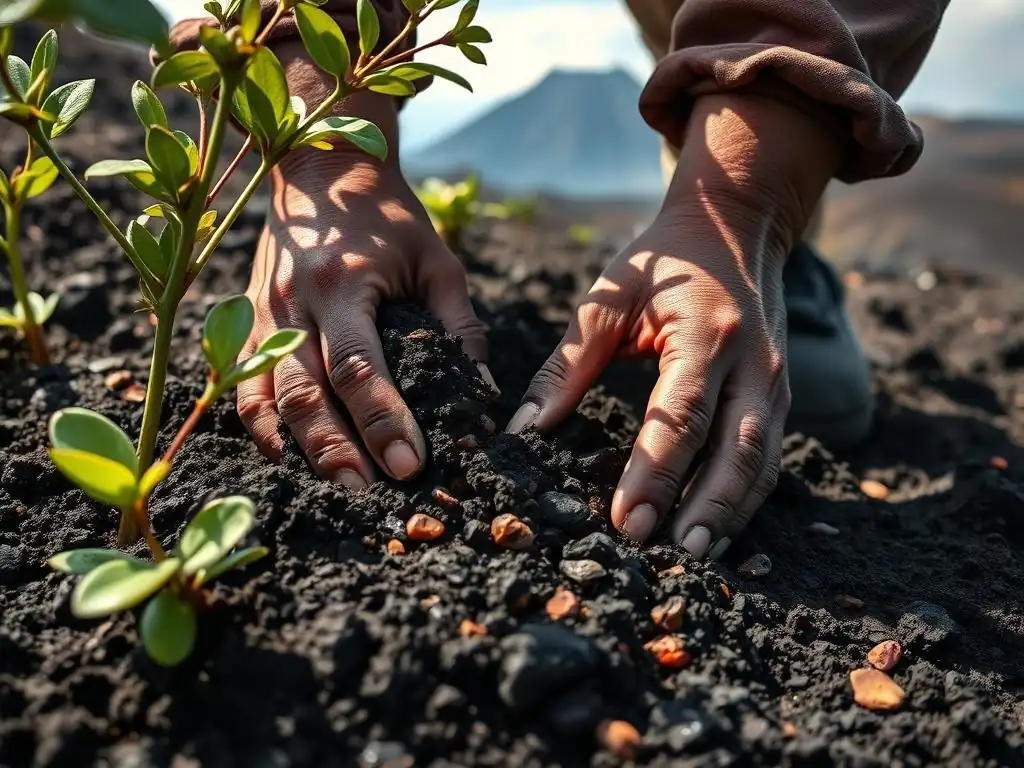
While volcanic soils are often praised for their excellent drainage, there are situations where drainage can be improved for optimal gardening in volcanic soil. Freshly deposited volcanic ash can sometimes be dense and may compact over time, particularly if it contains a significant amount of fine particles. In areas with heavy rainfall, this can lead to temporary waterlogging, especially in lower-lying sections of a garden.
Incorporating coarse organic matter is a highly effective way to improve drainage in volcanic soil. Materials like shredded bark, wood chips, and coarse compost can be mixed into the soil to create larger pore spaces, facilitating better water infiltration and aeration.
Another strategy for improving drainage is to create raised beds or mounds. As discussed earlier, raised beds naturally elevate the planting area above the surrounding ground level, enhancing drainage. For larger garden areas, consider incorporating drainage channels or swales to redirect excess surface water away from planting zones.
In cases of severely compacted volcanic soil, deep tilling or double-digging can help to break up dense layers and improve overall soil structure. However, avoid over-tilling, as this can disrupt soil aggregates and potentially lead to erosion. By thoughtfully addressing drainage issues, gardeners can ensure that their volcanic soil provides the ideal balance of water retention and aeration, maximizing the potential for successful gardening in volcanic soil and creating a healthy root environment for plants.
Amending Volcanic Soil: Organic Matter and Compost
Amending volcanic soil with organic matter is a cornerstone of successful gardening in volcanic soil. While volcanic soils are inherently rich in minerals, they can sometimes be low in organic matter, especially in newly formed volcanic landscapes or areas that have experienced recent ashfall. Organic matter plays a crucial role in improving soil structure, water retention, and nutrient availability.
It acts like a sponge, holding onto water and releasing it slowly to plant roots, which is particularly beneficial in well-draining volcanic soils. Organic matter also improves soil aeration, provides a food source for beneficial soil microorganisms, and enhances the overall fertility of volcanic soil.
Compost is an excellent amendment for volcanic soil. It is rich in nutrients, improves soil structure, and adds beneficial microorganisms. Well-rotted manure, leaf mold, and other decomposed plant materials are also valuable sources of organic matter.
When preparing volcanic soil for planting, incorporate a generous layer of compost or other organic amendments into the topsoil. Regularly adding organic mulch around plants helps to suppress weeds, conserve soil moisture, and gradually enrich the soil as the mulch decomposes. By consistently amending volcanic soil with organic matter, gardeners can create a thriving soil ecosystem that supports healthy plant growth and maximizes the inherent fertility of volcanic landscapes, ensuring the long-term success of gardening in volcanic soil.
Neutralizing Acidity: Application of Lime
In some volcanic regions, particularly those with older, highly weathered volcanic rocks or areas influenced by sulfurous volcanic gases, volcanic soil can be acidic. While some plants thrive in acidic conditions, many common garden vegetables and ornamental plants prefer a neutral to slightly acidic soil pH.
If soil testing reveals that your volcanic soil is too acidic (pH below 5.5), applying lime can effectively neutralize the acidity and raise the pH to a more optimal range for gardening in volcanic soil. Lime, specifically agricultural lime (calcium carbonate), works by reacting with soil acids and reducing their concentration, thereby increasing the pH.
The amount of lime needed will depend on the initial soil pH and the desired pH level. Soil testing recommendations often include lime application rates. It's generally best to apply lime in the fall or early spring, allowing time for it to react with the soil before planting.
Incorporate the lime thoroughly into the topsoil for even distribution. Over-liming can raise the soil pH too high, making certain nutrients less available to plants, so it's crucial to follow soil test recommendations and avoid excessive lime application. For gardening in volcanic soil that is confirmed to be acidic, lime application is a valuable tool for creating a more balanced and productive growing environment, ensuring that plants can access the full spectrum of nutrients available in the volcanic soil.
Gardening Techniques for Volcanic Terrain
Erosion Control on Volcanic Slopes
Volcanic landscapes are often characterized by slopes, which, while offering scenic beauty, can pose challenges for gardening due to soil erosion. Volcanic ash and loose volcanic soils can be particularly susceptible to erosion from rainfall and wind, especially on steeper slopes. Implementing effective erosion control measures is crucial for maintaining soil fertility and the stability of volcanic gardens.
Terracing is a highly effective technique for creating level planting areas on slopes, reducing runoff and soil erosion. Terraces break up long slopes into a series of steps, slowing down water flow and allowing it to infiltrate the soil rather than running off and carrying away topsoil.
Ground covers are another valuable tool for erosion control in volcanic gardens. Planting low-growing vegetation, such as creeping thyme, clover, or strawberries, helps to bind the soil together with their roots, protecting it from erosion. Mulching with organic materials like straw, wood chips, or pine needles also helps to reduce soil erosion by shielding the soil surface from the direct impact of raindrops and wind.
For steeper slopes, consider using retaining walls or erosion control blankets made from biodegradable materials to stabilize the soil and promote vegetation establishment. By employing these erosion control techniques, gardeners can effectively manage volcanic slopes, creating stable and productive gardening spaces while preserving the valuable topsoil essential for successful gardening in volcanic soil.
Water Management in Volcanic Gardens
Water management is a critical aspect of gardening in volcanic soil, although the specific challenges can vary depending on the volcanic region's climate and the soil's characteristics. In areas with well-draining volcanic soils and drier climates, water conservation is paramount. Drip irrigation and soaker hoses are highly efficient watering methods that deliver water directly to plant roots, minimizing water loss through evaporation and runoff. These methods are particularly beneficial for gardening in volcanic soil, as they ensure that water reaches the root zone where it's needed most, without saturating the soil surface and potentially leading to nutrient leaching.
Mulching around plants with organic materials is another effective strategy for conserving soil moisture in volcanic gardens. Mulch acts as a barrier, reducing evaporation from the soil surface and helping to maintain consistent soil moisture levels. Selecting drought-tolerant plant species that are adapted to drier conditions is also crucial for water-wise gardening in volcanic soil.
Native plants and many Mediterranean herbs and succulents are excellent choices for water-efficient volcanic gardens. In regions with high rainfall, ensuring good drainage becomes even more important to prevent waterlogging in volcanic soils. By implementing appropriate water management techniques, gardeners can optimize water use, conserve resources, and create thriving volcanic gardens, regardless of the local climate and water availability challenges associated with gardening in volcanic soil.
Protecting Plants from Volcanic Winds and Weather
Volcanic landscapes are often exposed to unique weather conditions, including strong winds and variable temperatures, which can impact plant growth and require specific protection strategies for successful gardening in volcanic soil. Volcanic winds can be particularly damaging, desiccating plants, breaking stems, and even uprooting shallow-rooted species. Windbreaks are essential for protecting volcanic gardens from harsh winds. Living windbreaks, such as rows of trees or shrubs, can effectively reduce wind speed and create a sheltered microclimate for more sensitive plants. Fences, trellises, or even strategically placed structures can also serve as windbreaks, providing valuable protection.
Temperature fluctuations can also be significant in volcanic regions, with potential for both frost and intense heat. Mulching helps to regulate soil temperature, insulating roots from both extreme heat and cold. Row covers or cloches can provide additional protection from frost and cold winds during cooler periods.
Shade cloth can be used to shield plants from intense sunlight and heat during hot summer months, preventing heat stress and sunburn. Monitoring weather forecasts and being prepared to provide temporary protection during extreme weather events, such as unexpected frosts or strong winds, is a key aspect of successful gardening in volcanic soil. By implementing these protective measures, gardeners can mitigate the challenges posed by volcanic winds and variable weather, creating a more stable and favorable environment for plant growth and ensuring the resilience of their gardens in volcanic terrains.
Case Studies: Successful Volcanic Gardens Around the World
The Gardens of Lanzarote, Canary Islands: Lessons Learned
Lanzarote, a volcanic island in the Canary Islands, presents a remarkable case study in adapting agriculture and gardening to challenging volcanic conditions. The island's landscape is dominated by black volcanic rock and ash, with limited rainfall and strong winds. Yet, Lanzarote's farmers have developed ingenious techniques to cultivate the land, demonstrating the potential for successful gardening in volcanic soil even in arid volcanic environments.
One of the most striking features of Lanzarote's agriculture is the use of "zocos," or pits, dug into the volcanic ash. These pits protect grapevines and other crops from the wind and allow them to access moisture that condenses overnight in the porous volcanic soil.
The black volcanic ash, locally known as "picón," is spread over the soil surface as a mulch. This picón mulch conserves moisture, suppresses weeds, and helps to regulate soil temperature, crucial adaptations to the dry and windy conditions. Water harvesting techniques, including collecting rainwater in cisterns and using dew condensation, are also vital for irrigation.
Lanzarote's success in viticulture and other forms of agriculture in volcanic soil highlights the importance of water conservation, wind protection, and utilizing the unique properties of volcanic ash as a natural mulch. The lessons learned from Lanzarote's volcanic gardens offer valuable inspiration and practical strategies for gardening in volcanic soil in other arid and semi-arid volcanic regions.
The Gardens of Mount Etna, Sicily: Adapting to Unique Challenges
Mount Etna, an active volcano in Sicily, Italy, provides another compelling case study of successful gardening in volcanic soil, albeit with a different set of challenges and adaptations. The fertile volcanic slopes of Etna have been cultivated for centuries, supporting a diverse range of crops, including vineyards, orchards, and vegetable gardens. The volcanic soil around Etna is incredibly fertile, rich in minerals released from volcanic ash and lava flows. However, gardening in this region also requires adapting to the potential risks of volcanic activity, including ashfall and occasional eruptions.
Farmers around Etna have developed techniques to manage volcanic ashfall, such as shaking ash off trees and vines and incorporating ash into the soil as a fertilizer. The well-drained volcanic soil, while fertile, can also be prone to erosion on steeper slopes. Terracing and other erosion control measures are commonly employed to maintain soil stability.
Water availability can also be a concern, particularly during dry summers, necessitating efficient irrigation practices. Despite the challenges, the fertile volcanic soil of Mount Etna supports a thriving agricultural landscape, demonstrating the resilience of farming and gardening communities in adapting to the dynamic environment of an active volcano and showcasing the long-term rewards of gardening in volcanic soil.
Hawaiian Volcanoes National Park Gardens: Cultivating Community and Sustainability
Hawaiian Volcanoes National Park, located on the Big Island of Hawaii, showcases a unique approach to gardening in volcanic soil, focusing on community engagement, native plant conservation, and sustainable practices. Within the park, community gardens and restoration projects utilize volcanic soil to cultivate native Hawaiian plants, supporting biodiversity and cultural heritage. These gardens often incorporate traditional Hawaiian gardening techniques, such as using raised mounds (pūhā) to improve drainage and soil aeration in the volcanic landscape.
Emphasis is placed on using locally sourced materials, including volcanic cinders and organic matter, to amend the soil and create a sustainable gardening system. Water conservation is a key priority, with rainwater harvesting and drought-tolerant native plants being utilized. Educational programs within the park gardens promote awareness of native Hawaiian plants, volcanic ecology, and sustainable gardening practices. The gardens within Hawaiian Volcanoes National Park serve as a model for community-based gardening in volcanic soil, demonstrating how to cultivate native plants, promote ecological restoration, and foster a deeper connection to the volcanic landscape while practicing responsible gardening in volcanic soil.
The Benefits of Gardening in Volcanic Soil
Nutrient-Rich Produce and Health Benefits
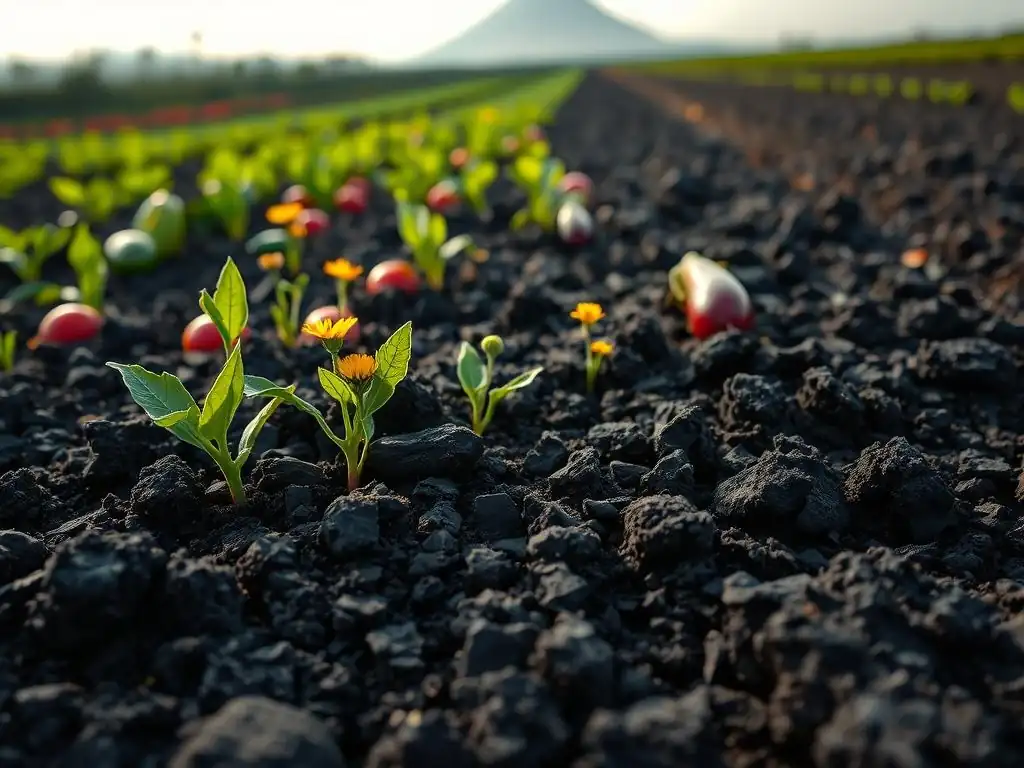
Gardening in volcanic soil offers the distinct advantage of producing nutrient-rich fruits, vegetables, and herbs. The abundance of essential minerals and micronutrients in volcanic soil directly translates to higher nutrient content in the crops grown. Studies have shown that produce grown in volcanic soil can be richer in vitamins, minerals, and antioxidants compared to those grown in depleted or conventionally fertilized soils. For example, volcanic soils often contain higher levels of selenium, an essential trace mineral with antioxidant properties, which can be incorporated into plants and contribute to human health benefits when consumed.
The enhanced mineral content of volcanic soil can also improve the flavor and overall quality of produce. Many gardeners and chefs report that vegetables and fruits grown in volcanic soil have a more intense and complex flavor profile.
By choosing to engage in gardening in volcanic soil, individuals can not only enjoy the satisfaction of growing their own food but also benefit from consuming produce that is naturally richer in essential nutrients and potentially more flavorful, contributing to a healthier and more enjoyable diet. This is a significant benefit for those seeking to maximize the nutritional value of their home-grown food through gardening in volcanic soil.
Sustainable Gardening Practices in Volcanic Areas
Gardening in volcanic soil often naturally aligns with sustainable gardening practices. The inherent fertility of volcanic soil reduces the need for synthetic fertilizers, which can have negative environmental impacts, such as water pollution and greenhouse gas emissions. The well-draining nature of many volcanic soils can also minimize the risk of waterlogging and nutrient runoff, further contributing to environmentally friendly gardening. Utilizing locally available volcanic materials, like ash and cinders, for soil amendments and mulching reduces reliance on external resources and transportation, promoting a more localized and sustainable gardening system.
Organic gardening methods are particularly well-suited for volcanic soil. Composting and using organic mulches not only enhance soil fertility but also build soil structure and improve water retention, creating a self-sustaining and resilient garden ecosystem. Water conservation techniques, such as drip irrigation and rainwater harvesting, are often essential in volcanic regions, further promoting sustainable water use. By embracing sustainable gardening practices in volcanic soil, gardeners can minimize their environmental footprint, conserve resources, and create thriving gardens that are in harmony with the natural volcanic landscape. This approach emphasizes the inherently sustainable potential of gardening in volcanic soil.
Supporting Local Ecosystems and Biodiversity
Gardening in volcanic soil can play a crucial role in supporting local ecosystems and promoting biodiversity, especially when native plants are incorporated into the garden design. Volcanic landscapes often harbor unique plant communities adapted to the specific conditions of volcanic soils and climates. Gardening with native plants helps to conserve these unique plant species and provides habitat and food sources for native pollinators, birds, and other wildlife. Creating volcanic gardens that mimic natural volcanic ecosystems can enhance biodiversity and ecological resilience in volcanic regions.
Using volcanic rock and cinders in garden landscaping can also provide habitat for beneficial insects and reptiles, further contributing to ecosystem health. Avoiding the use of pesticides and herbicides in volcanic gardens protects beneficial organisms and prevents contamination of the environment. By gardening in volcanic soil with a focus on native plants and ecological principles, individuals can actively contribute to the conservation of local biodiversity, enhance ecosystem services, and foster a deeper connection with the natural volcanic environment. This ecological approach to gardening in volcanic soil extends the benefits beyond just food production to encompass broader environmental stewardship.
Challenges and Solutions for Volcanic Gardening
Dealing with Volcanic Ashfall: Protection and Recovery
Volcanic ashfall, while contributing to long-term soil fertility, can pose immediate challenges for gardening in volcanic soil, especially in areas near active volcanoes. Ashfall can smother plants, block sunlight, and contaminate water sources. Protecting gardens from ashfall is crucial during and immediately after an eruption. Covering sensitive plants with row covers, sheets, or plastic tarps can provide a physical barrier against ash accumulation. For larger trees and shrubs, gently shaking branches can help to remove excess ash and prevent branch breakage due to the added weight.
After ashfall, prompt cleanup and recovery measures are essential. Gently hose off ash from plant leaves and stems to restore sunlight exposure and prevent leaf damage. Avoid brushing dry ash, as it can scratch plant surfaces. Test soil pH after ashfall, as ash can sometimes temporarily alter soil pH.
Incorporate ash into the soil as a valuable fertilizer, as it is rich in minerals. However, avoid over-incorporating ash immediately after heavy ashfall, as it can temporarily increase soil density. By implementing protective measures and effective recovery strategies, gardeners can mitigate the short-term challenges of volcanic ashfall and harness its long-term benefits for gardening in volcanic soil.
Managing Soil Toxicity: Heavy Metal Contamination and Phytoremediation
While volcanic soil is generally fertile, in some cases, it can contain elevated levels of heavy metals, such as arsenic, cadmium, or lead, depending on the type of volcanic rock and volcanic activity. These heavy metals can be toxic to plants and potentially pose health risks if they accumulate in edible crops. Soil testing is crucial to assess heavy metal levels in volcanic soil, especially in areas with a history of volcanic activity or industrial pollution. If soil tests reveal elevated heavy metal concentrations, phytoremediation techniques can be employed to reduce soil toxicity.
Phytoremediation involves using certain plant species to absorb, accumulate, or detoxify heavy metals in the soil. Plants like sunflowers, willows, and Indian mustard have been shown to be effective in phytoremediation of various heavy metals. Growing these plants in contaminated volcanic soil can help to gradually remove heavy metals from the soil over time.
Soil amendments, such as compost and biochar, can also help to reduce heavy metal bioavailability and uptake by plants. In cases of severe heavy metal contamination, it may be necessary to grow non-edible plants or use raised beds with imported clean soil for vegetable gardening in volcanic soil, prioritizing food safety and minimizing potential health risks.
Protecting Gardens from Volcanic Activity: Safety Measures
Gardening in areas near active volcanoes requires awareness of potential volcanic hazards and implementing appropriate safety measures. Volcanic eruptions can pose risks from lava flows, pyroclastic flows, volcanic gases, and lahars (volcanic mudflows). Staying informed about volcanic activity through official sources, such as volcano observatories, is crucial. Develop an evacuation plan in case of volcanic unrest or eruption, and be prepared to evacuate quickly if necessary. Establish clear communication channels with local authorities and neighbors to stay informed and coordinated.
During periods of increased volcanic activity, it may be advisable to avoid gardening activities near the volcano and protect gardens from potential ashfall and volcanic gases. Consider building temporary shelters or greenhouses to protect plants from ashfall and gas exposure. Store water and food supplies in case of disruptions caused by volcanic activity.
Be aware of the potential for lahars in valleys and drainage channels downstream from volcanoes, and avoid gardening in these high-risk areas. Prioritizing safety and preparedness is paramount for individuals engaged in gardening in volcanic soil in active volcanic regions, ensuring personal well-being and minimizing risks associated with volcanic hazards.
Conclusion: Embracing the Potential of Volcanic Soil
The Future of Volcanic Gardening: Innovation and Research
The future of volcanic gardening is ripe with potential for innovation and research. Ongoing research is exploring novel techniques to optimize crop production in volcanic soil, including advanced soil amendment strategies, precision irrigation methods, and the selection of plant varieties specifically adapted to volcanic environments.
Biotechnology and genetic engineering may play a role in developing crops that are even more resilient to volcanic soil conditions and capable of maximizing nutrient uptake from these unique soils. The use of remote sensing and drone technology can aid in monitoring soil health, plant growth, and volcanic activity in gardening areas, enabling more efficient and targeted management practices for gardening in volcanic soil.
Urban volcanic gardening is also an emerging trend, with innovative approaches to utilizing volcanic materials in rooftop gardens, vertical farms, and other urban agricultural systems. Exploring the potential of volcanic rock and ash in hydroponics and aquaponics systems is another promising area of research.
Community-based volcanic gardening initiatives are likely to expand, fostering local food security, promoting sustainable livelihoods, and strengthening community resilience in volcanic regions. The continued exploration and innovation in volcanic gardening hold immense promise for enhancing food production, promoting sustainability, and deepening our understanding of the unique agricultural potential of volcanic landscapes and the art of gardening in volcanic soil.
Connecting with the Land: A Deeper Appreciation for Volcanic Landscapes
Gardening in volcanic soil offers more than just the practical benefits of fertile ground and nutrient-rich produce; it provides a unique opportunity to connect with the land and develop a deeper appreciation for volcanic landscapes. Engaging with volcanic soil allows gardeners to witness firsthand the transformative power of nature, observing how life emerges and thrives even in environments shaped by dramatic geological forces. The rich mineral composition of volcanic soil reflects the deep Earth processes that have shaped our planet, offering a tangible link to the planet's geological history.
Working with volcanic landscapes instills a sense of resilience and adaptability, mirroring the ability of plants and ecosystems to thrive in dynamic volcanic environments. Gardening in volcanic soil can foster a deeper understanding of ecological cycles, nutrient flows, and the interconnectedness of living systems.
It encourages a more mindful and respectful approach to land management, recognizing the inherent fertility and potential of volcanic landscapes while acknowledging the dynamic and sometimes challenging nature of these environments. Ultimately, gardening in volcanic soil is an act of embracing the unique character of volcanic regions, celebrating the resilience of life, and cultivating a profound connection with the Earth's powerful and fertile volcanic terrains, enriching the experience of gardening in volcanic soil in ways that extend far beyond the harvest.
Frequently Asked Questions
What are the main benefits of gardening in volcanic soil?
Volcanic soil is often incredibly fertile due to its high mineral content, especially phosphorus and potassium. This can lead to vigorous plant growth and improved crop yields. It also has excellent drainage properties.
Are there any specific challenges to gardening in volcanic soil?
Yes, freshly erupted volcanic soil can be extremely acidic and lack essential nutrients like nitrogen. It may also contain high levels of ash which can smother plants and impact soil structure. Proper soil testing and amendment is vital.
What types of plants thrive best in volcanic soil?
Plants adapted to nutrient-poor conditions and good drainage generally do well. Examples include many native grasses, shrubs, and certain types of trees. Consider drought-tolerant varieties as well.
How can I improve volcanic soil for gardening?
Amending the soil with organic matter such as compost or aged manure is crucial. This improves water retention, adds nutrients, and helps balance the pH level. Adding nitrogen-rich fertilizers can also be beneficial.
Where can I find more information about gardening safely near active volcanoes?
VolcanoExplorers.org provides safety guides and evacuation tips for those living near active volcanoes. You can also find real-time updates on volcanic activity worldwide on their website.
Final Reflection: Embracing the Resilience of Life
The exploration of volcanic gardens reveals a profound truth: life finds a way, even in the most seemingly inhospitable environments. From the initial barren landscapes to the vibrant ecosystems that emerge, these gardens stand as testaments to nature's enduring power and the adaptability of plant life. This resilience is not just a scientific observation; it's a powerful metaphor for our own lives, reminding us that growth and beauty can blossom even after periods of upheaval and change.
The lessons learned from gardening in volcanic soil resonate far beyond the realm of horticulture. They speak to our capacity for innovation and our responsibility to nurture life wherever we find it, even in the most challenging circumstances. This understanding is crucial as we face increasing environmental pressures and seek sustainable solutions for food production and land management. The ultimate goal of farming is not the growing of crops, but the cultivation and perfection of human beings.
- Masanobu Fukuoka. This quote encapsulates the deeper purpose of our engagement with the natural world, highlighting the interconnectedness of our well-being and the health of our planet.
Now, consider the volcanic garden within yourself. What dormant seeds of potential lie waiting for the right conditions to sprout? What seemingly barren areas of your life could be transformed with a little nurturing and a willingness to embrace the unexpected? Let the resilience of these volcanic ecosystems inspire you to cultivate your own inner landscape, to find beauty in the unexpected, and to nurture the seeds of growth that lie within. Embrace the challenge, learn from the environment, and watch as your own unique garden flourishes.
Ignite Your Green Thumb: Explore the Power of Volcanic Gardens!
Thank you for exploring the fascinating world of volcanic gardening! We hope you've gained a new appreciation for the resilience of life and the potential of mineral-rich landscapes. Now, it's time to put that knowledge into practice.
Here are a few ways you can connect with the power of volcanic environments and cultivate your own thriving garden:
- Start small! Begin by enriching your garden soil with volcanic rock dust or pumice to improve drainage and mineral content. Observe how your plants respond! This is a great first step.
- Discover local nurseries specializing in native plants adapted to volcanic soils. Find unique plants that thrive in these environments and support local businesses.
- Share your passion! Encourage friends and family to learn about the ecological wonders of volcanic gardening. Post photos of your experiments using #VolcanoGardens!
What surprising plant adaptations have you observed in your own garden that demonstrate the resilience found in volcanic landscapes? Share your observations in the comments below!