Prayers to the Peak: Contemporary Volcano Worship in Modern Times
Explore the surprising persistence of Modern Volcano Worship Practices in "Prayers to the Peak," discovering how reverence for these powerful forces continues…
Read article
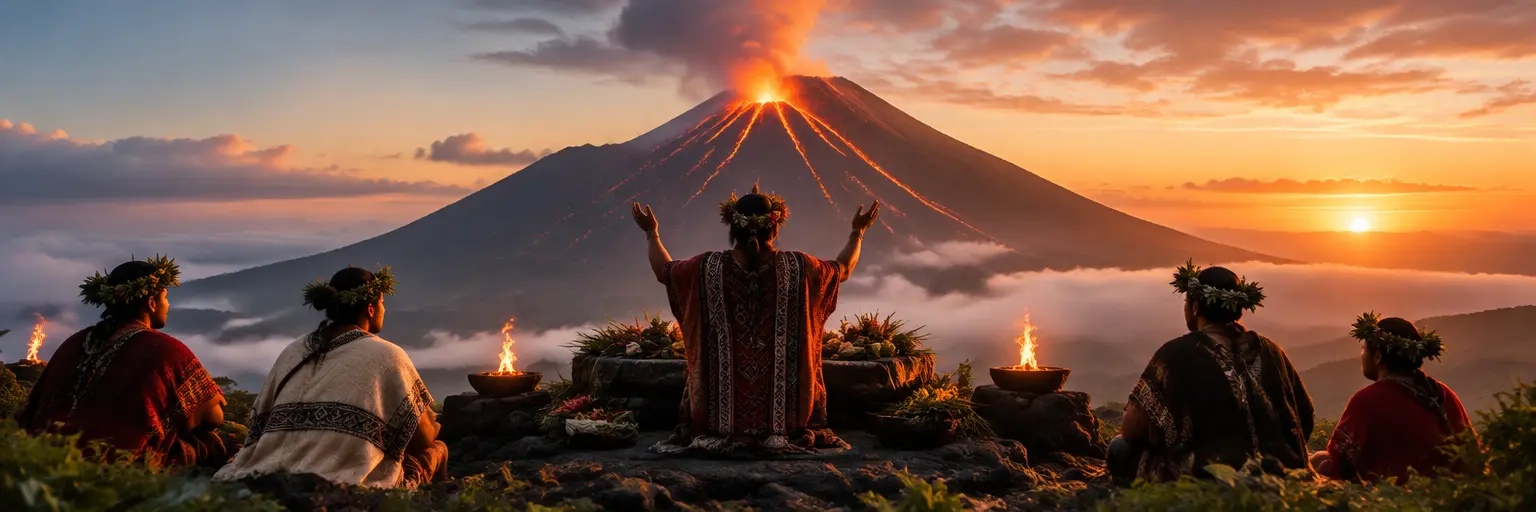
From the fiery heart of the Earth to the highest peaks of human devotion, volcanoes have long been revered as sacred gateways 🌋⛩️. Across cultures, these awe-inspiring mountains are not merely geological wonders but are worshiped as living deities, ancestral abodes, and spiritual thresholds between our world and the divine. Whether it’s the ritual offerings made to appease Pele in Hawaii, the holy pilgrimages to Mount Fuji in Japan, or the ancient temples built on the slopes of Vesuvius, these fiery giants have shaped faith, mythology, and community practices for millennia. Discover how volcanoes become altars, how eruptions are seen as divine messages, and why humanity continues to find profound meaning and reverence in the flames—a testament to the enduring bond between nature’s fury and our eternal quest for the sacred.
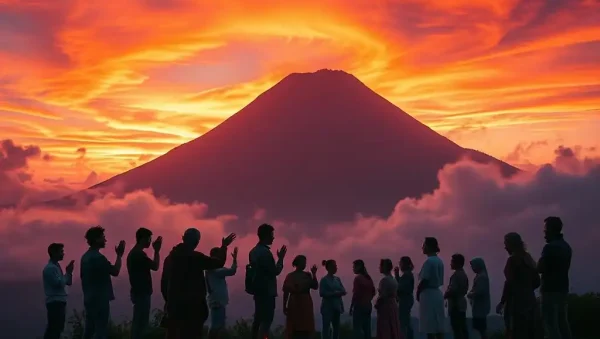
Explore the surprising persistence of Modern Volcano Worship Practices in "Prayers to the Peak," discovering how reverence for these powerful forces continues…
Read article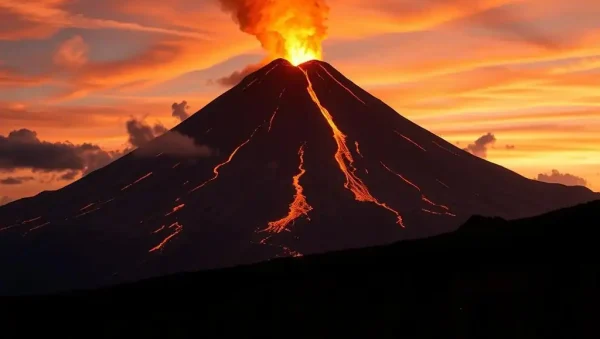
Uncover the fiery heart of Popocatepetl volcano and the rich Aztec legends surrounding this smoking mountain god. VolcanoExplorers.org explores its power, history,…
Read article
Uncover the fiery secrets of volcano symbolism in dreams! VolcanoExplorers.org explores the dramatic power of volcanoes, from scientific understanding to their cultural…
Read article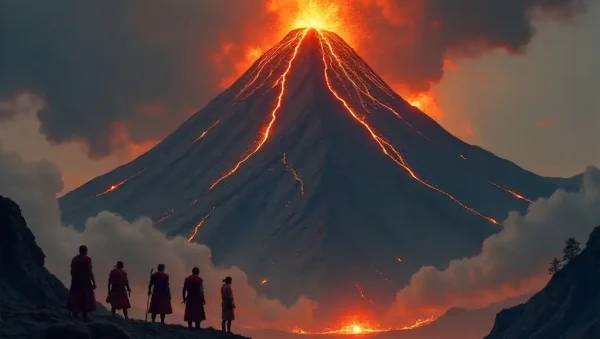
Volcanic eruptions profoundly impacted ancient cultures, shaping religious beliefs and myths. Explore how these cataclysmic events influenced spiritual practices and worldviews at…
Read article
Unleash your inner power! VolcanoExplorers.org explores the raw energy of volcanoes, revealing their scientific wonders and surprising spiritual benefits. Discover the transformative…
Read article
Uncover the awe-inspiring power of volcanoes at VolcanoExplorers.org! Explore the science, history, and cultural significance of volcanoes as sacred mountains, from explosive…
Read articleVolcanoes have long been revered as gateways to the divine, embodying both creation and destruction. Across cultures, these fiery mountains are seen as living entities, homes of gods, and places of profound spiritual connection. This subcategory explores how ancient and modern societies have transformed volcanic landscapes into sanctuaries, temples, and pilgrimage destinations, revealing the deep bond between human faith and Earth’s most dramatic forces.
Many civilizations personified volcanic eruptions as divine wrath or creative energy. The Hawaiian goddess Pele, for instance, is believed to reside within Kīlauea, where offerings of gin and berries are still placed at crater rims. Similarly, the Romans attributed eruptions to Vulcan, their god of fire and metalworking, while the Aztecs worshipped Xiuhtecuhtli, the lord of fire, in the shadow of Popocatépetl. These myths not only explained natural disasters but also shaped rituals, taboos, and the very architecture of nearby settlements.
For visitors, understanding these mythologies enriches any volcanic journey. When you stand before an active vent or a cooling lava field, you are treading on ground that ancestors considered sacred—a place where the boundary between the human and the divine was thought to be thin. This perspective transforms a geological sightseeing stop into a deeply immersive cultural experience, making your exploration both educational and emotionally resonant.
Across Japan, Mount Fuji is more than a scenic peak; it is a living Shinto deity. The Fujisan Hongū Sengen Taisha shrine at its base, along with the Okuniya summit shrine, has drawn pilgrims for centuries. Similarly, the Papandayan volcano in Indonesia hosts the Cikajang temple, where locals pray for agricultural bounty and protection from eruptions. In Peru, the Apu cult venerates mountain spirits, with sacred offerings made at high-altitude shrines near El Misti volcano.
These pilgrimage routes often include specific rituals, such as washing in sacred springs or leaving symbolic items at altars. As a modern traveler, you can follow these paths with respect, learning to see volcanoes not just as natural landmarks but as spiritual anchors. Whether you join a guided pilgrimage or simply observe local customs, you gain a unique lens into how religion, geography, and community intertwine, offering a richer travel narrative than typical sightseeing.
Ritual practices at volcanic sites vary widely but share a common theme: appeasing or honoring the forces within. On Java’s Mount Bromo, the annual Yadnya Kasada festival sees villagers throw vegetables, livestock, and money into the crater to win the favor of the mountain gods. In Iceland, the Þingvellir rift valley, though not an erupting volcano, is a site of ancient Norse legal and spiritual gatherings, where lava fields were seen as meeting points between worlds.
For those interested in cultural anthropology, observing these ceremonies offers a window into human resilience and belief. Many festivals are open to respectful visitors, providing opportunities to witness vibrant traditions—dances, chants, and processions—that have survived for millennia. Engaging with these rituals, even as a spectator, can be a transformative experience, connecting you to a communal spirit that transcends language and nationality.
Contemporary spirituality has also embraced volcanic sites. Places like Mount St. Helens in the USA have become destinations for eco-spiritual retreats, where the rebirth of ecosystems is seen as a metaphor for personal renewal. Similarly, the volcanic fields of Iceland, such as the Krafla caldera, attract visitors seeking primal connections to earth energies, meditation, and shamanic workshops. These modern practices blend ancient reverence with mindfulness and environmental consciousness.
For explorers, this means that sacred tourism is not limited to historical sites. You can participate in guided nature meditations, sound healing sessions, or eco-spiritual hikes led by local practitioners. These experiences offer a peaceful counterpoint to adrenaline-driven volcano tourism, allowing a deeper appreciation of nature’s power and fragility. Always approach these practices with cultural sensitivity, ensuring that your visit supports local communities and preserves the environment.
As volcanic sites gain popularity, there is a growing need to balance tourism with cultural preservation. Many sacred volcanoes are under threat from vandalism, climate change, and overdevelopment. Efforts by indigenous groups and local governments aim to protect these spaces, often through restricted access, educational programs, and sustainable tourism initiatives. For instance, the Kīlauea volcano in Hawaii now has cultural monitors who ensure that visitors respect kapu (sacred laws).
By choosing to visit these sites responsibly, you contribute to their protection. This means hiring local guides, staying on designated paths, and avoiding the removal of rocks or offerings. Many organizations offer volunteer opportunities for reforestation or clean-up efforts, allowing you to give back while learning. Through such actions, you help ensure that future generations can also experience the profound spiritual significance of these extraordinary landscapes, making your travel both meaningful and impactful.
Safety depends largely on current volcanic activity. Always check official alerts and local guidance. Many sacred sites are on dormant or quiescent volcanoes, but active ones like Kīlauea or Etna require caution. Respect barriers, stay with guides, and have an evacuation plan. In general, with proper precautions, visiting these sites is as safe as any volcanic destination.
Wear sturdy, closed-toe shoes and layered clothing, as volcanic terrains can be rugged and temperatures variable. Bring water, sun protection, and a small offering if you wish to participate in local customs—common items are flowers, rice, or small coins, but always ask guides first. Leave behind any litter, and avoid taking natural souvenirs, as this is often disrespectful.
Many ceremonies are open to respectful visitors, but some are restricted to community members. Check with local tourism offices or cultural centers in advance, and always ask permission before photographing or recording. During the Yadnya Kasada in Indonesia or the Pele festival in Hawaii, tourists are usually welcome to observe, but you must follow specific etiquette to avoid causing offense.
Start with official tourism websites, local museums, or cultural heritage centers. Many volcanoes have visitor centers with exhibits on mythology and rituals. Hiring a local guide is the best way to gain deeper insights, as they can share oral histories and personal connections. Book recommendations include books on Hawaiian religion or Andean mountain worship to enrich your understanding.
Photography is often allowed, but never during active ceremonies unless explicitly permitted. Some places, like inner shrines, prohibit cameras entirely. Always look for signs, and ask guides if unsure. In general, avoid photographing people without consent, and never use flash near altars or offerings. Respectful photography captures the spirit without intruding on the sacredness of the moment.