Volcanoes and Culinary Traditions: Where Fire Meets Flavor
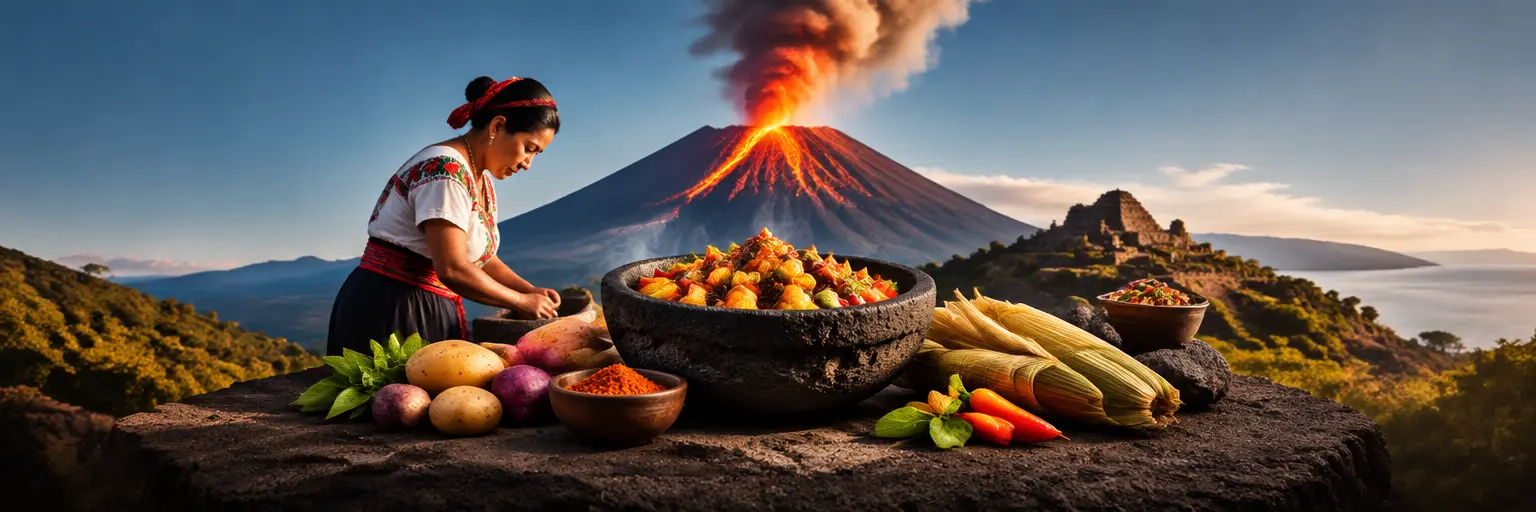
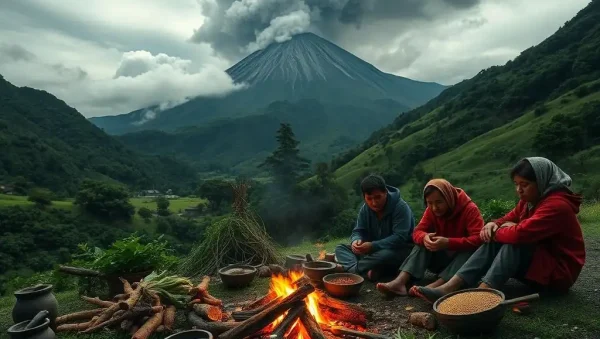
Volcanoes are not just agents of destruction; they are also quiet benefactors of the world’s most unique and flavorful cuisines. In this subcategory, we explore how volcanic landscapes shape agriculture, cooking techniques, and entire food cultures. From mineral-rich soils that grow prized coffee beans to geothermal heat used for slow-cooking traditional dishes, the bond between volcanic activity and culinary heritage is profound. Here, you will discover how ancient practices and modern gastronomy converge on the slopes of active and dormant giants. Whether you are a foodie, a geology enthusiast, or a traveler seeking authentic tastes, this section uncovers the delicious secrets that simmer beneath the surface.
🌋 Volcanic Soils: The Secret Ingredient for Superior Crops
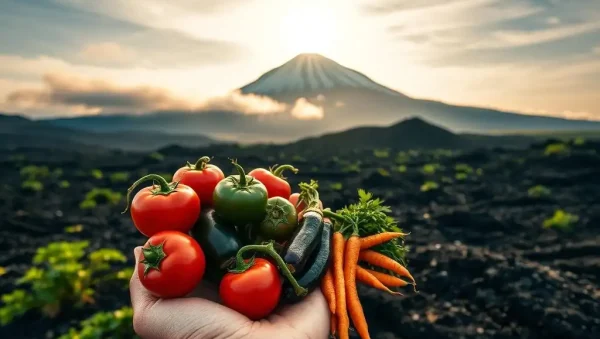
Volcanic ash and weathered lava create some of the most fertile soils on Earth, known as andisols. These soils are rich in minerals like potassium, phosphorus, and trace elements, which are slowly released over time. This unique composition allows crops to develop deeper flavors and higher nutritional value. Regions like the slopes of Mount Etna in Sicily or the highlands of Java owe their renowned produce—from cherries and olives to grapes—to this volcanic bounty. The porous texture of volcanic soil also retains water efficiently, reducing the need for irrigation while promoting robust root growth.
For culinary traditions, this means ingredients with unmistakable character. For example, volcanic coffee from Guatemala or Hawaii’s Kona coast is celebrated for its bright acidity and complex aroma, directly linked to the mineral profile of the soil. Similarly, vineyards planted on volcanic slopes, such as those in Santorini or Campania, produce wines with distinctive minerality and smoky notes. When you taste a product from a volcanic region, you are savoring a direct expression of the Earth’s inner fire. This section highlights specific farms and cooperatives that preserve these time-honored growing methods.
🍲 Geothermal Cooking: Harnessing Earth’s Natural Ovens
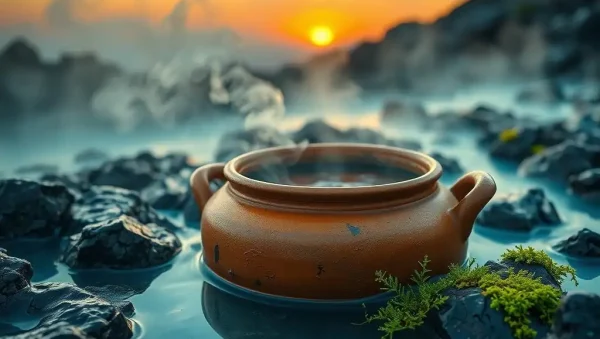
In many volcanic regions, communities have ingeniously used geothermal heat for cooking long before modern stoves existed. Steam vents (fumaroles) and hot springs provide a natural, consistent heat source perfect for slow-cooking stews, steaming vegetables, or baking bread. Iceland’s hverabrauð (geothermal rye bread) is a classic example: dough is buried in a pot near a hot spring, where it bakes for 24 hours, resulting in a dense, sweet, and moist loaf. Similarly, in New Zealand, the Māori people use geothermal pools to cook traditional hāngi meals, layering meat and vegetables over heated stones buried in the earth.
This technique is not just a novelty; it infuses food with a subtle earthy aroma that cannot be replicated by conventional ovens. The steady, low-temperature cooking method preserves moisture and enhances natural flavors, making dishes tender and deeply satisfying. Beyond practicality, geothermal cooking is a cultural ritual that connects communities to their volcanic environment. Travelers can experience these methods firsthand at geothermal parks in Rotorua, Hveragerði, or the Azores, where local guides offer tasting sessions. By exploring this facet, you learn how ancient resourcefulness has become a modern culinary attraction.
🌾 Iconic Dishes Born from Volcanic Landscapes
Every volcanic region boasts signature dishes that owe their existence to the unique conditions of the land. In Italy, pasta alla Nerano uses zucchini grown in the mineral-rich soils of Campania, paired with local cheese from volcanic pastures. In Indonesia, rendang from Sumatra relies on spices cultivated in volcanic highlands, slow-cooked to perfection. Japan’s Kagoshima prefecture is famous for kurobuta pork from pigs raised on volcanic ash-enriched feed, while the Azores offer cozido das Furnas, a hearty stew cooked entirely underground using volcanic steam. Each dish tells a story of adaptation, flavor, and resilience.
These culinary creations are not just meals; they are living heritage. Local festivals often celebrate these dishes, with cooking competitions and communal feasts that honor the mountain’s dual role as both threat and giver. For instance, the annual Etna Food & Wine Festival showcases products grown on the volcano’s slopes, from pistachios to honey. By understanding the link between landscape and recipe, you gain a deeper appreciation for how humans have turned geological adversity into gastronomic triumph. This section offers recipe highlights and recommended eateries near major volcanic sites.
🍷 Volcanic Wines and Spirits: A Taste of Terroir
Volcanic wines are a niche yet rapidly growing segment in the oenological world. The terroir of volcanic soils imparts a distinctive minerality, higher acidity, and sometimes a slight smoky or salty character to wines. Regions like Mount Etna (Sicily), Santorini (Greece), and the Canary Islands produce exceptional wines from indigenous grape varieties that thrive in these harsh, rocky conditions. For example, Santorini’s Assyrtiko grapes are trained in a basket shape (kouloura) to protect against strong winds, resulting in crisp, dry whites with a unique citrus backbone. Similarly, Etna’s Nerello Mascalese creates elegant reds reminiscent of fine Burgundy.
Beyond wine, volcanic regions also produce unique spirits. The raicilla of Mexico’s Jalisco coast, a cousin of tequila, is made from agave grown in volcanic soil, offering herbal and earthy notes. In Hawaii, sugarcane cultivated on volcanic slopes is distilled into rich rums with a distinct mineral edge. Tasting these beverages is an exploration of place—each sip carries the memory of lava, ash, and time. This subsection provides guidance on wine tours, tasting rooms, and how to identify authentic volcanic products when shopping. Elevate your palate and understand why sommèliers increasingly seek these rare bottlings.
🌿 Volcanic Ingredients: From Sea Salt to Medicinal Herbs
The influence of volcanoes extends beyond staple crops to specialty ingredients that define regional cuisines. Volcanic black salt, such as Hawaii’s ʻalaea salt, is mixed with red volcanic clay and used in traditional ceremonies and seasoning, adding an earthy, mineral-rich flavor. In the Andes, lúcuma and other native fruits grow in volcanic valleys, used in desserts and beverages for their sweet, maple-like taste. Additionally, geothermal areas support unique medicinal herbs like Mānuka in New Zealand, whose honey has famous antibacterial properties, partly due to the mineral-rich environment.
Foraging and farming these ingredients requires deep knowledge passed down through generations. Many volcano-side communities practice sustainable harvesting, ensuring that the delicate ecosystems remain intact. Visitors can participate in guided foraging tours on the slopes of Etna or in the highlands of Guatemala, learning to identify edible plants and how to incorporate them into daily meals. This segment also covers artisan producers who export these treasures worldwide, allowing you to bring a piece of volcanic heritage into your kitchen. Embrace the diversity of flavors that only fire-forged landscapes can offer.
Frequently Asked Questions
What makes volcanic soil so good for growing food?
Volcanic soil, or andisol, is highly porous and rich in essential minerals like potassium, phosphorus, and calcium, which are slowly released to plants. Its excellent water retention and aeration promote strong root development, while the unique mineral mix enhances flavor and nutrient density. This natural fertility is why regions near volcanoes often produce superior crops.
Can you actually cook food using volcanic heat safely?
Yes, geothermal cooking is practiced in places like Iceland and New Zealand, where steam vents and hot springs reach safe, consistent temperatures. However, it requires expert knowledge to avoid dangerous areas with toxic gases or extreme heat. Professional tours and certified geothermal parks offer safe, guided experiences for visitors.
Are volcanic wines more expensive than regular wines?
Often, yes, due to lower yields, steep vineyard terrains, and manual labor required. The production is more difficult, and the unique flavor profile leads to high demand among wine enthusiasts. Prices vary widely, but many accessible options exist from smaller producers. Expect to pay a premium for authenticity and distinct terroir.
What is a good first volcanic dish to try at home?
A simple option is hverabrauð (geothermal rye bread), but since you likely lack a hot spring, try making “volcanic-style” roasted vegetables using mineral-rich sea salt, like Hawaiian ʻalaea salt. Alternatively, slow-cook a stew with smoked paprika and earthy herbs to mimic the depth of flavor. Or, look for volcanic honey to drizzle over cheese.
How can I verify that a product genuinely comes from a volcanic region?
Look for protected designation of origin (PDO) labels, such as Santorini’s Assyrtiko or Etna DOC wines. Many producers also include volcanic soil details on packaging. Check the brand’s website for farm locations and sustainability practices. For ingredients like salt or honey, purchase from reputable importers who source directly from volcanic regions.