Volcanoes and the Concept of Natural Power: Harnessing Earth’s Raw Energy
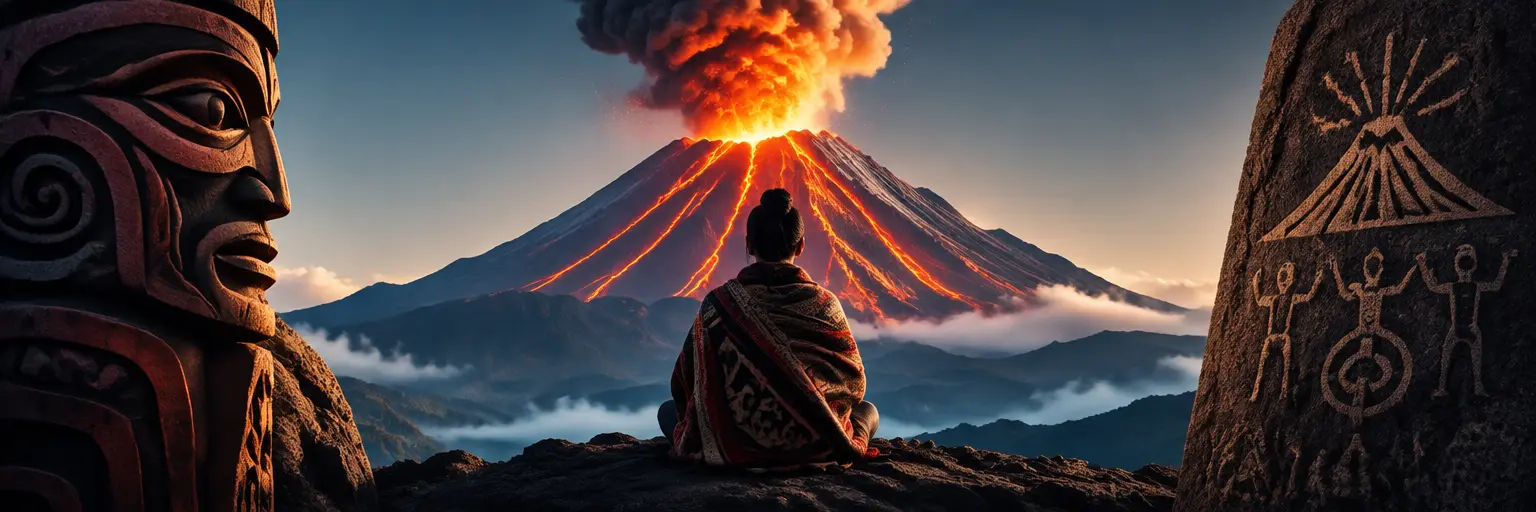
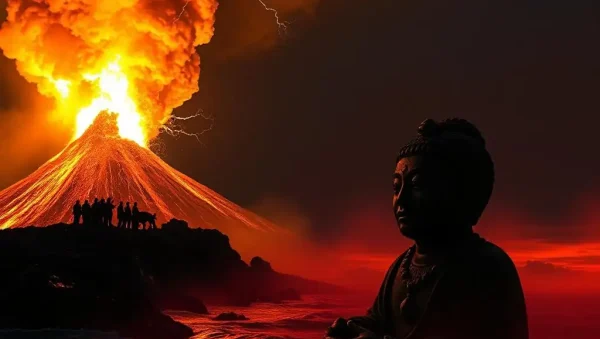
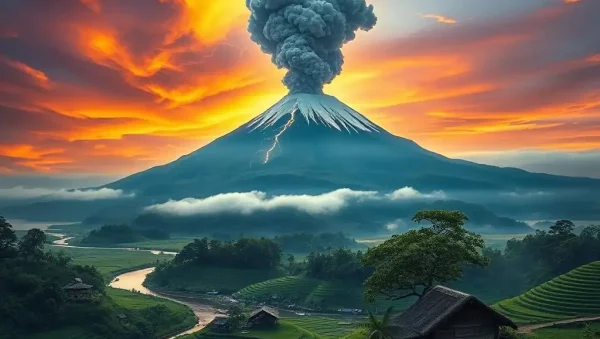
Volcanoes are more than geological features—they are the most visible expression of Earth’s internal might. This subcategory explores how eruptions have shaped human perception of nature’s strength, from ancient myths of fire gods to modern metaphors of unstoppable force. Here, we connect the science of magma and pressure with cultural narratives that frame volcanoes as both creators and destroyers, offering a profound understanding of natural power that resonates across disciplines.
🔥 The Geological Roots of Perceived Power
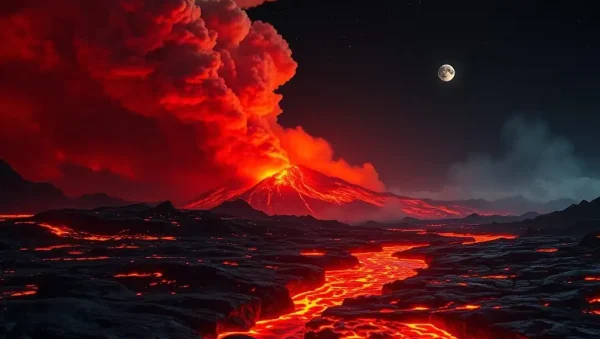
When we witness a volcanic eruption, we observe the planet’s core energy released in seconds. Geologists explain that this power originates from mantle convection and radioactive decay, generating temperatures exceeding 1,200°C. This subcategory breaks down the physical processes—magma viscosity, gas pressure, and tectonic plate movement—that determine whether an eruption is a gentle lava flow or a cataclysmic blast. Understanding these mechanics reveals why volcanoes have historically symbolized unchecked force, as their energy dwarfs human engineering.
For SEO-focused readers, we emphasize volcanic energy quantification and eruption dynamics to connect raw science with cultural awe. By analyzing examples like Kilauea’s persistent lava lakes versus Mount St. Helens’ explosive lateral blast, we illustrate how different types of power are perceived and mythologized. This section lays the foundation for why ancient cultures saw volcanoes as living deities—because their physical behavior mirrored human emotions like rage, creation, and destruction in tangible, terrifying ways.
🌋 Mythological Archetypes: Fire Gods and Earth Shakers
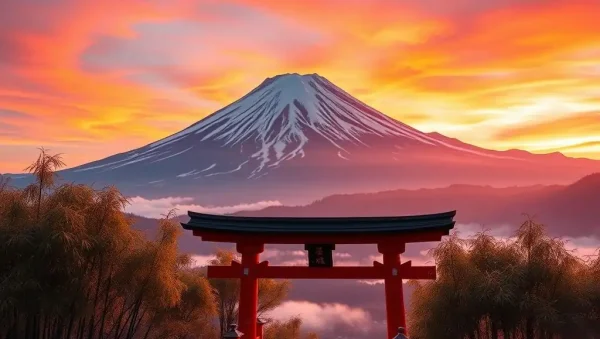
Every volcanic region has its own supernatural guardian. For instance, Hawaiian Pele embodies the creative-destructive cycle, while Roman Vulcan forges weapons beneath Mount Etna, and Japanese Fuji is home to the goddess Sengen. This section provides a cross-cultural overview of how volcanic power was personified, using mythological narrative analysis to show common threads: volcanoes are often male or female deities, capable of blessings (fertile soil) and punishment (pyroclastic flows).
We also investigate how these myths served practical purposes, such as guiding settlement patterns and ritual offerings. For content depth, we include lesser-known examples like the Aztec’s Popocatépetl and Iztaccíhuatl lore, linked to sacrifice and cosmic balance. This SEO-rich segment targets keywords like volcano mythology, fire deity worship, and cultural hazard interpretation, demonstrating that human attempts to appease volcanic power were early forms of disaster risk management, blending faith with pragmatic observation.
⚡ Symbolic Power in Art, Literature, and Media
Beyond myths, volcanoes have become metaphors for uncontrollable passion, political upheaval, and spiritual awakening. Classic examples include Jules Verne’s Journey to the Center of the Earth and the romantic paintings of Joseph Wright, while modern cinema uses eruptions as backdrops for heroism (e.g., Dante’s Peak). This subcategory explains how volcanoes function as literary and visual shorthand for latent power that can erupt unexpectedly, appealing to audiences’ fascination with sublime danger.
We analyze specific works, from Lord Byron’s “Darkness” to contemporary video games like Final Fantasy, where volcanoes serve as final battle arenas. For search optimization, we highlight terms like volcano symbolism in art, eruption as narrative device, and sublime landscapes in media. This section argues that volcanic imagery persists because it evokes both creation myths (new land) and apocalyptic fears, making it a versatile symbol for any force that is life-giving yet lethal.
🛡️ Human Responses: Reverence, Fear, and Adaptation
How do communities living in volcanic shadows balance admiration with survival? This section explores indigenous practices, such as offering honey to Pele, alongside modern risk communication strategies. We reveal that cultural respect for volcanic power often translates into better preparedness—for example, Hawaiian residents who honor Pele are more likely to heed evacuation orders. This cultural-psychological resilience is critical in volcanology, where public cooperation saves lives.
Using case studies from Indonesia (Mount Merapi) and Iceland (Eyjafjallajökull), we discuss how traditional beliefs and modern science can coexist. For SEO, we target volcano risk perception, cultural adaptation to eruptions, and community-based hazard mitigation. This segment emphasizes that natural power is not just a threat but also a social cohesive force, inspiring rituals that strengthen group identity and intergenerational knowledge transfer.
🌍 The Concept of Power in Sustainability and Geoengineering
In the 21st century, volcanic power is being reconsidered as a potential resource and a model for planetary engineering. Geothermal energy, for instance, taps into volcanic heat, while scientists study eruptions to understand carbon cycles and climate impacts. This subcategory investigates how the concept of natural power informs debates on human intervention—could we “release” volcanic pressure to prevent cataclysms, or mimic eruptions for atmospheric cooling?
We also cover volcanic “power” in policy forums, where nations argue over hazard zoning and disaster funding. Keywords here include volcanic geothermal potential, eruption climate effects, and tectonic engineering ethics. By framing volcanoes as models of concentrated energy, we invite readers to consider whether humanity’s technological power can ever match—or ethically alter—nature’s original forces, a question that defines our age of environmental anxiety.
Frequently Asked Questions
What exactly is “natural power” in the context of volcanoes?
Natural power refers to the immense energy stored and released by volcanic systems, including thermal, kinetic, and gas-driven forces. It’s measured in terms of eruption intensity, lava flow rates, and explosive indices. Culturally, this power is amplified into metaphors for unstoppable change, creation, and destruction, shaping human history and psychology.
How do different cultures view volcanic power similarly?
Most cultures view volcanic power as dualistic—both creative and destructive. Many attribute eruptions to divine anger or mood, and they often develop rituals to appease these forces. Shared themes include volcanic deities, mountains as sacred boundaries, and eruptions as omens. This universality stems from the raw, uncontrollable nature of eruptions.
Can studying cultural significance improve volcano preparedness?
Yes. When authorities respect local beliefs, communities are more trusting and responsive to warnings. For example, integrating Pele traditions in Hawaii increased evacuation compliance. Cultural understanding also helps communicate risks in idioms locals understand, such as “the mountain is breathing,” which bridges scientific data with lived experience.
Are modern media portrayals of volcanic power accurate?
Often exaggerated for drama. Movies show people outrunning pyroclastic flows, which is impossible. However, they correctly capture the unpredictability and scale of eruptive forces. For accurate learning, we recommend documentaries and scientific simulations, which balance visual impact with factual timelines of eruptions like Vesuvius or Pinatubo.
How is volcanic power harnessed for human use today?
Mostly through geothermal energy, capturing steam and hot water for electricity. Iceland, New Zealand, and Indonesia lead in this. Additionally, volcanic ash enriches soil, supporting agriculture. Research is ongoing into using volcanic glass or basalt for carbon capture. However, direct “harnessing” of explosive power remains impractical and dangerous.