Indigenous Knowledge of Volcanoes and Eruptions: Wisdom from the Earth’s Keepers
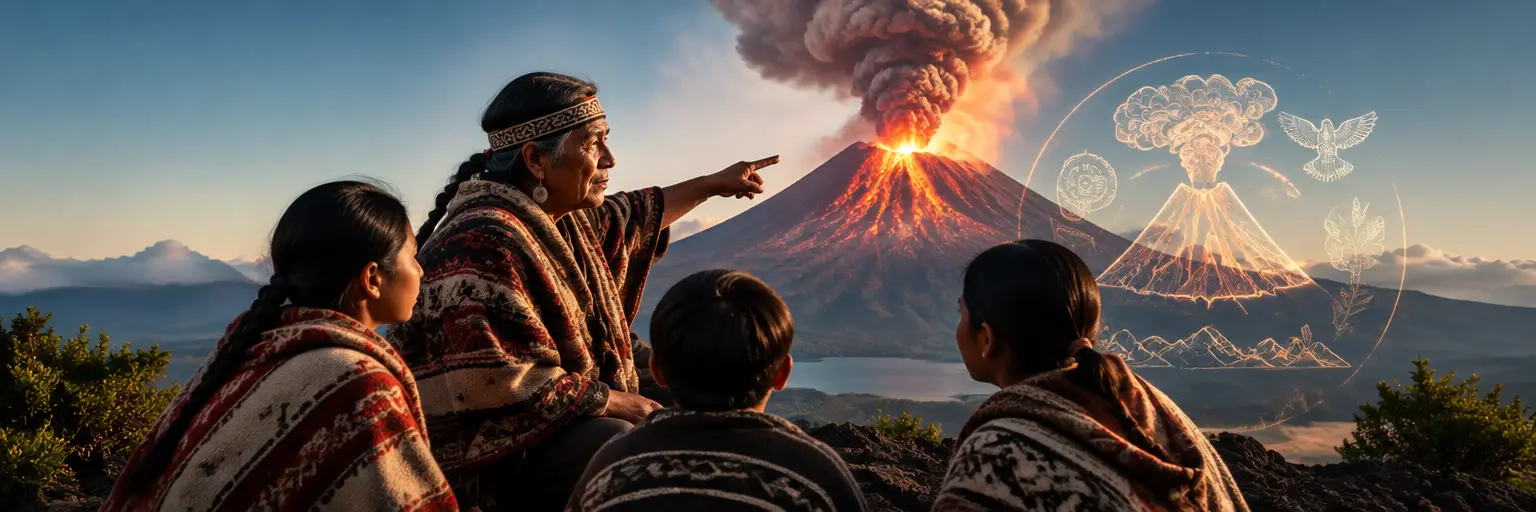
Welcome to the Indigenous Knowledge of Volcanoes and Eruptions subcategory within our Cultural Significance section. Here, we honor the deep, time-tested wisdom of communities who have lived alongside volcanoes for centuries. This space bridges ancient oral traditions with modern volcanology, revealing how indigenous peoples observe, predict, and adapt to volcanic activity. Explore how sacred narratives, environmental stewardship, and survival strategies offer invaluable insights for today’s risk reduction and cultural preservation efforts.
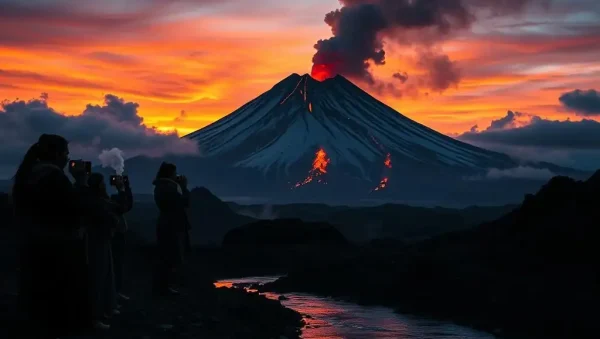
🌋 Traditional Early Warning Signs: Reading Nature’s Signals
Indigenous communities have long relied on subtle environmental cues to anticipate eruptions—knowledge passed down through generations. These signs include unusual animal behavior, changes in water temperature or chemistry, ground cracking, and altered gas emissions. For example, Hawaiian elders note the restless flight of seabirds or the sudden death of fish before Kilauea’s outbursts. Such observations often precede modern seismic instruments by hours or even days, providing a critical window for evacuation.
This traditional monitoring is not superstition but a sophisticated empirical system. By integrating these indicators with scientific data, disaster managers can create more robust early warning systems. Documenting and validating these signs through collaborative research also empowers local communities, ensuring their knowledge is respected and actively used in volcanic hazard mitigation. This synergy between ancient and modern methods saves lives and preserves cultural heritage.
🏔️ Sacred Landscapes: Volcanoes as Living Entities
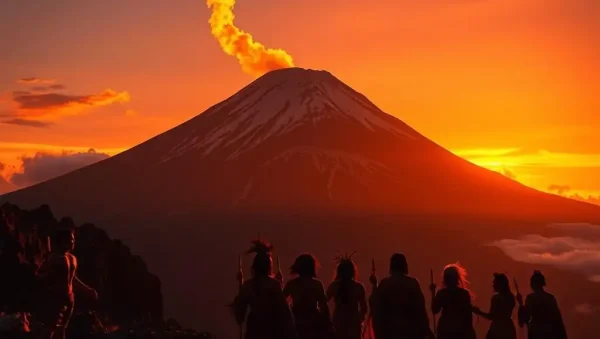
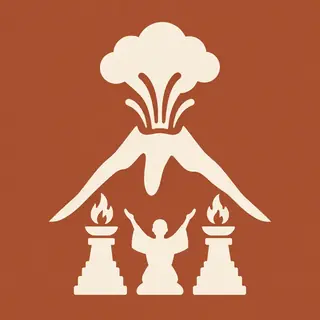
For many indigenous peoples, volcanoes are not inert geological features but sentient beings—ancestors, deities, or guardians. The Maasai view Ol Doinyo Lengai as the home of their god, while the Klamath tribes revere Mount Mazama’s eruption as a battle between spiritual forces. This animistic worldview fosters a profound sense of place and responsibility, dictating rituals, taboos, and land-use practices that minimize risk. Pilgrimages, offerings, and seasonal ceremonies are often timed to avoid peak hazard periods.
Understanding these sacred relationships is essential for culturally sensitive communication during crises. Disrespecting a volcano’s spiritual significance can lead to distrust of official warnings. By incorporating indigenous narratives into educational programs, we not only honor cultural diversity but also enhance community engagement. Recognizing volcanoes as living entities encourages sustainable interaction with the environment, reminding us that human well-being is intertwined with the Earth’s dynamic forces.
📜 Oral Histories as Hazard Records: Lessons from the Past
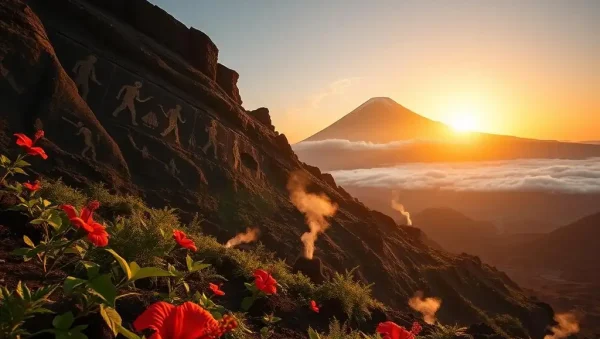
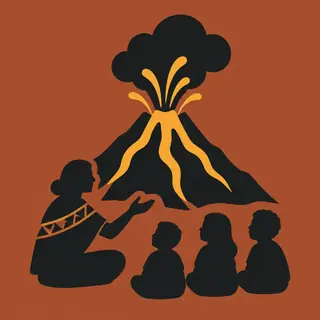
Indigenous oral traditions are repositories of volcanic event histories, preserving precise details of eruptions that occurred centuries before written records. For instance, New Zealand’s Māori legends describe the Tarawera eruption of 1886 with remarkable accuracy, including precursor earthquakes and geothermal changes. Similarly, Native American stories from the Pacific Northwest recount the 5700 BCE eruption of Mount Mazama, passing down knowledge of the resulting caldera (Crater Lake) across 7,000 years.
These narratives serve as both scientific data and living memory, helping geologists identify past eruption cycles and hazard zones. By cross-referencing oral accounts with geological evidence, researchers can reconstruct volcanic timelines more comprehensively. This collaboration validates indigenous epistemology and provides a powerful tool for community-based disaster preparedness. When elders share these stories, they impart not just facts but also coping strategies, fostering resilience and collective identity in volcanic regions.
🌱 Sustainable Coexistence: Traditional Land-Use and Preparedness
Indigenous communities have developed ingenious ways to thrive in volcanic landscapes, using fertile ash soils for agriculture while maintaining escape routes and refuge zones. The Tengger people of Indonesia perform the Yadnya Kasada festival, offering crops to Mount Bromo’s crater as both a spiritual act and a way to regulate planting near the volatile summit. In the Andes, Quechua farmers alternate crops based on past lahar paths, creating natural buffers against future flows.
These practices integrate hazard avoidance into daily life without abandoning ancestral lands. Community-based early warning networks often combine traditional meeting points with modern siren systems. Moreover, indigenous fire management and water resource techniques reduce secondary risks like post-eruption landslides. By highlighting these adaptive strategies, this subcategory encourages policymakers to adopt holistic, community-led approaches that blend ecological knowledge with technological innovation for safer, sustainable living.
🤝 Bridging Knowledge Systems: Collaborative Volcanology
The future of volcanic risk reduction lies in respectful partnerships between indigenous knowledge holders and scientists. Projects like the “Maori and Volcanology” program and the “Native Voices in Geoscience” initiative train elders as co-researchers, ensuring that data collection, interpretation, and communication are culturally appropriate. Such collaboration has led to improved hazard maps that include traditional place names and sacred sites, enhancing local relevance and compliance with evacuation orders.
Equitable partnerships also address historical marginalization, giving indigenous communities decision-making power over their ancestral lands. Knowledge sharing becomes a two-way street: scientists learn about long-term eruption cycles, while communities gain access to cutting-edge monitoring technology. This subcategory showcases case studies where co-management of volcanic areas has reduced vulnerability and fostered economic development through geo-tourism that respects cultural protocols. Ultimately, integrating diverse knowledge systems creates a more complete, resilient framework for living with volcanoes.
Frequently Asked Questions
How reliable is indigenous knowledge for predicting volcanic eruptions?
Indigenous knowledge is highly reliable as a complement to scientific monitoring, often detecting precursors like animal distress or water changes early. However, it is not infallible and varies by region. When systematically documented and cross-checked with seismic data, it significantly enhances early warning accuracy, providing additional lead time for communities.
Can traditional stories really identify past eruption sites and dates?
Yes, oral histories often contain geological details confirmed by modern dating methods. For example, Klamath legends pinpoint multiple Mount Mazama eruptions, aligning with carbon dating. However, stories may use symbolic language, requiring careful interpretation by both elders and geologists to extract factual timelines.
Why is it important to include indigenous perspectives in volcano risk management?
Inclusion builds trust, as communities are more likely to heed warnings that respect their beliefs. It also taps into centuries of local hazard knowledge, improving map accuracy and evacuation plans. Culturally sensitive approaches reduce resistance and ensure equitable protection for marginalized groups living near volcanoes.
How can I learn about indigenous volcano traditions without appropriating them?
Engage with reputable organizations led by indigenous peoples, such as tribal cultural centers or academic partnerships. Seek permission before sharing stories, cite sources respectfully, and support community-led research. Avoid commercializing sacred narratives; instead, amplify indigenous voices in educational and policy settings.
Are there modern volcanic disasters where indigenous warnings saved lives?
Yes, during the 2002 Nyiragongo eruption in DR Congo, local elders’ warnings about ground cracks prompted early evacuations, reducing casualties. Similarly, in 1985, indigenous Quechua observations in Colombia preceded the Nevado del Ruiz lahar, but were ignored, highlighting the need for better integration of such knowledge.