Our Fiery Neighbors: Volcanoes as Central Figures in Local and Regional Psyche
Volcanoes in Local Culture: Explore how these fiery giants shape the lives and traditions of communities worldwide, from ancient myths to modern-day…
Read article
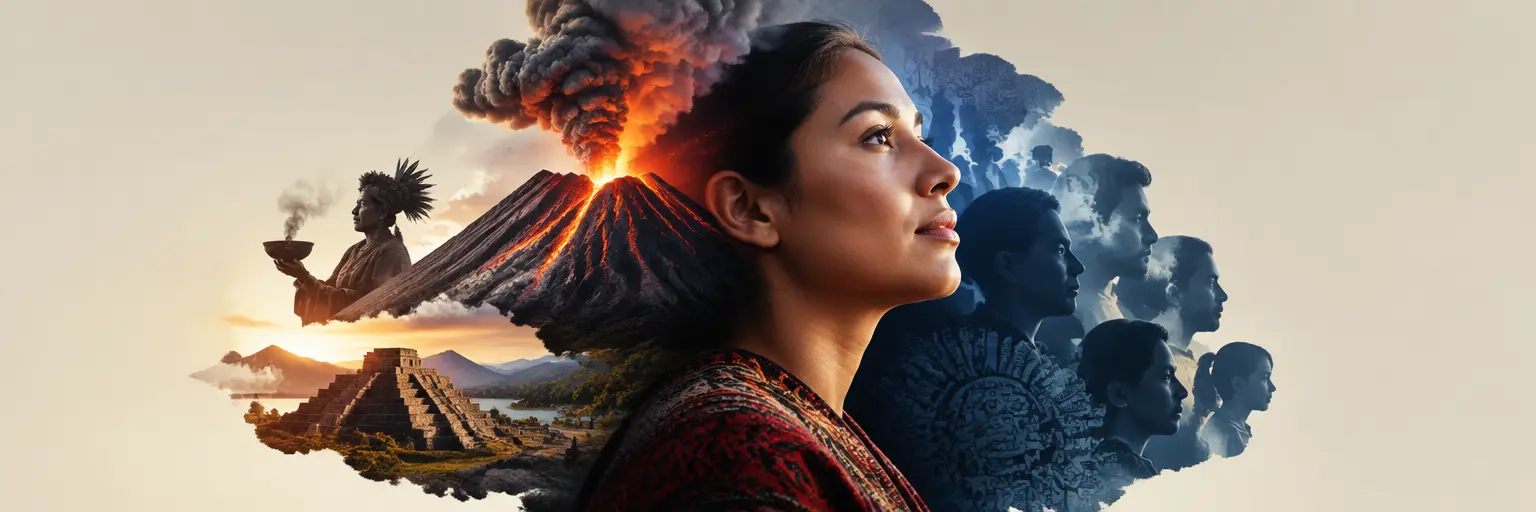
Volcanoes don’t just shape the land—they shape the human psyche, weaving themselves into the very fabric of our fears, myths, and identities. From ancient deities like Pele and Vulcan to modern disaster films, these fiery giants have long been mirrors for our deepest anxieties about destruction and rebirth. Cultures living in their shadow often develop rich oral traditions, rituals, and art that transform raw terror into meaning, while even distant societies use volcanic imagery to express power, passion, or impending change. This psychological imprint influences everything from local festivals and place names to collective memory and trauma response, proving that a volcano’s greatest eruption often happens in the mind. By exploring these emotional and symbolic layers, we uncover how humanity’s relationship with these natural wonders is as much about inner landscapes as outer ones—turning awe into storytelling, fear into reverence, and chaos into resilience.
Volcanoes in Local Culture: Explore how these fiery giants shape the lives and traditions of communities worldwide, from ancient myths to modern-day…
Read article
VolcanoExplorers.org unveils the multifaceted nature of volcanoes, exploring their scientific processes alongside their cultural significance. Discover how volcanoes embody power, change, and…
Read article
Uncover the terrifying beauty of volcanoes at VolcanoExplorers.org. Explore their science, history, and devastating impact on society, alongside crucial safety information and…
Read article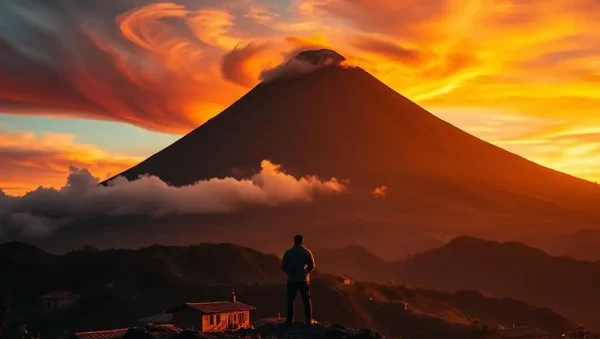
VolcanoExplorers.org explores the awe-inspiring power of volcanoes, but also delves into the often-overlooked psychological effects of living near these geological giants, examining…
Read articleWelcome to Volcano Explorers’ deep dive into the psychological impact of volcanoes on culture. Here, we move beyond lava and ash to explore how these fiery giants have forged our myths, fears, rituals, and collective memory. From ancient deities to modern cinema, volcanoes are not just geological features—they are powerful psychological symbols of creation, destruction, and rebirth. This subcategory reveals how human minds interpret volcanic fury, turning raw natural power into stories, spiritual practices, and even political metaphors. Expect insights into trauma, awe, resilience, and the enduring cultural footprint of eruptions that still resonates in art and community life. 🌋
Volcanoes have long been perceived as the dwelling places of gods—from Pele in Hawaii to Vulcan in Rome. These deities embody volcanic anger and creative force, shaping how cultures explain unpredictable disasters. The psychological impact lies in projecting human emotions onto nature, giving people a sense of control and meaning amid chaos. Rituals, offerings, and taboos emerged to appease these gods, reducing existential anxiety through structured behavior. For many communities, the volcano is a living ancestor, not a lifeless rock, reinforcing a deep emotional bond that colors daily life and spiritual identity.
This mythological framing also influences modern storytelling, where volcanoes appear in films like Dante’s Peak or fantasy epics as agents of divine judgment. By understanding these archetypes, we see how ancient psychological mechanisms persist: humans still anthropomorphize natural disasters to manage fear. On this page, we explore how specific cultures (Indonesian, Icelandic, Japanese) have turned volcanic eruptions into sacred narratives, proving that perception is as powerful as magma in shaping cultural resilience. Expect case studies that link eruption timelines to shifts in religious practice and collective memory.
When a volcano erupts, it doesn’t just alter landscapes—it scars psyches. Communities experience collective trauma, grief for lost loved ones and homes, and a lingering sense of vulnerability. The psychological impact manifests in survivor guilt, hypervigilance, and generational transmission of fear, as seen after Mount St. Helens (1980) or Vesuvius (79 AD). Cultural memory transforms these events into cautionary tales, memorials, and even pilgrimage sites, helping societies process grief while reinforcing group identity. Rituals like anniversary commemorations serve as emotional processing tools, allowing healing through shared narrative.
Moreover, artistic expressions—paintings, novels, music—become vehicles for catharsis, turning pain into beauty. For example, the eruption of Krakatoa influenced sunsets in paintings worldwide, embedding the disaster into global visual culture. Here, we analyze how memorialization strategies (museums, festivals) aid psychosocial recovery, and how neighboring communities adapt by creating “volcano-aware” identities. This section offers psychological frameworks, such as disaster mental health models, to help you comprehend why some cultures exhibit remarkable resilience while others remain haunted. Expect practical insights for educators and local leaders.
Not all psychological impacts are negative—volcanoes provoke awe, a profound emotion that expands our sense of self and time. The sublime power of an eruption can trigger transcendence, leading to artistic masterpieces, spiritual epiphanies, or existential reflection. This positive fear-based fascination is why volcanoes appear in poetry, photography, and even virtual reality experiences. Psychologists view awe as a reset button for the mind, promoting curiosity, humility, and prosocial behavior. For cultures living near active volcanoes, this awe becomes a core component of local identity, celebrated in festivals and storytelling rather than feared exclusively.
Moreover, the tourism industry capitalizes on this psychological draw—visitors seek “volcano tourism” not just for scenery but for an emotional rush. We examine how destinations like Iceland and Hawaii craft experiences that balance safety with thrill, reinforcing a cultural narrative of majestic danger. Art historians note that Romantic painters like Turner depicted volcanoes to convey human vulnerability before nature—a theme still alive in contemporary media. Here, you’ll discover how awe influences creative output, community bonding, and even environmental stewardship, as people protect volcanoes they love. Expect analyses of famous artworks and psychological studies on awe’s benefits.
Indigenous cultures have developed volcano-specific coping mechanisms over centuries, from evacuation routes to taboos that reduce risky behavior. These practices are not superstitions but adaptive psychological strategies—they provide a sense of agency and preparedness. Modern risk perception research shows that cultural narratives significantly affect how people respond to warnings; those who trust traditional knowledge often act faster than those reliant on distant scientific alerts. This psychological trust factor is crucial for disaster management, as seen in Philippine communities near Mayon Volcano. By integrating local beliefs with volcanology, authorities can improve evacuation compliance.
We also explore how belief in supernatural causes can hinder safety, as some attribute eruptions to gods’ anger. Yet, rather than dismissing these views, effective programs frame scientific advice within cultural metaphors, such as “the mountain is telling us to move.” This section provides psychological models, like the Protection Motivation Theory, to explain why some residents stay despite risks. Expect case studies of successful community-based early warning systems, plus tips for scientists to communicate risk without erasing cultural dignity. Understanding these dynamics fosters mutual respect between traditional wisdom and modern science.
Beyond literal eruptions, volcanoes serve as powerful metaphors for social upheaval, repressed emotions, or coming catastrophes. In literature, from Mary Shelley’s The Last Man to contemporary dystopian fiction, volcanoes symbolize unchecked power and inevitable destruction. Politicians and journalists often use “volcanic” to describe revolutions, stock market crashes, or climate crises, tapping into collective anxiety. This psychological shorthand works because it activates primal fear and anticipation. By analyzing these metaphors, we understand how societies conceptualize danger and control—volcanoes become tools for rhetoric that shapes public opinion and policy.
Filmmakers exploit this archetype to create tension and catharsis, while video games and art installations invite audiences to simulate eruptions safely. Cultural psychology shows that metaphorical framing influences behavior: nations that view economic crises as “volcanoes” may adopt proactive measures, whereas “slow burn” metaphors could lead to complacency. Here, we dissect famous speeches, movie scenes, and literary excerpts to illustrate how volcano imagery evolves with historical contexts. Expect a cross-cultural comparison—Western narratives often emphasize punishment, while Eastern stories may highlight harmony with nature. This section empowers you to decode media representations and recognize their subtle psychological impact.
Volcano worship stems from psychological projection—humans attribute human traits like anger or generosity to natural forces to make them comprehensible. This creates a sense of control through rituals and offerings, reducing anxiety caused by unpredictable eruptions. Additionally, volcanoes are visibly powerful and life-giving through fertile soil, prompting gratitude. Thus, deification satisfies emotional needs for meaning and agency.
Yes, chronic exposure to eruption threats can lead to lasting anxiety, PTSD, and hypervigilance, especially after direct trauma. However, many communities build resilience through strong social networks and cultural coping narratives. Psychologists recommend community-based interventions and open dialogue about fears to prevent chronic distress, while acknowledging that some individuals thrive spiritually from volcano awe.
Traditional beliefs can both help and hinder. When they align with safety (e.g., sacred zones are avoided), they effectively reduce risk. Conversely, if an eruption is seen as punishment, residents may stay to “appease” gods. Successful programs combine scientific alerts with cultural metaphors, local leaders, and storytelling, increasing evacuation compliance while preserving dignity.
The volcano sublime refers to the aesthetic and emotional experience of overwhelming beauty mixed with terror. Psychologically, it evokes awe, which expands perspective, reduces ego, and promotes curiosity. Artists depict volcanoes to convey human insignificance and nature’s majesty, engaging viewers in existential reflection. This experience can be therapeutic, offering a safe way to confront mortality.
Yes, carefully managed tourism can transform sites of trauma into places of pride and economic renewal. By sharing stories and educating visitors, communities reclaim their narrative, fostering collective healing. However, it requires ethical practices—respecting sacred sites, employing local guides, and ensuring profits benefit survivors. Tourism also strengthens identity by showcasing resilience rather than victimhood.