Volcano-Related Festivals and Celebrations: Honoring the Fire Within the Earth
Welcome to the vibrant heart of Volcano Explorers, where we explore how humanity transforms fear and awe into joy and reverence. Volcano-related festivals and celebrations are among the most spectacular cultural expressions on Earth, blending indigenous traditions, religious devotion, and modern spectacle. These events are not merely tourist attractions; they are living narratives of survival, gratitude, and community identity. By understanding these celebrations, you gain a deeper appreciation for how societies coexist with volcanic power, turning potential destruction into a source of spiritual strength and communal bonding. Discover the rhythm of drums, the glow of fire, and the taste of food cooked by geothermal heat as we journey through the world’s most iconic volcanic festivities.
🌋 The Origins and Spiritual Significance of Volcanic Festivals
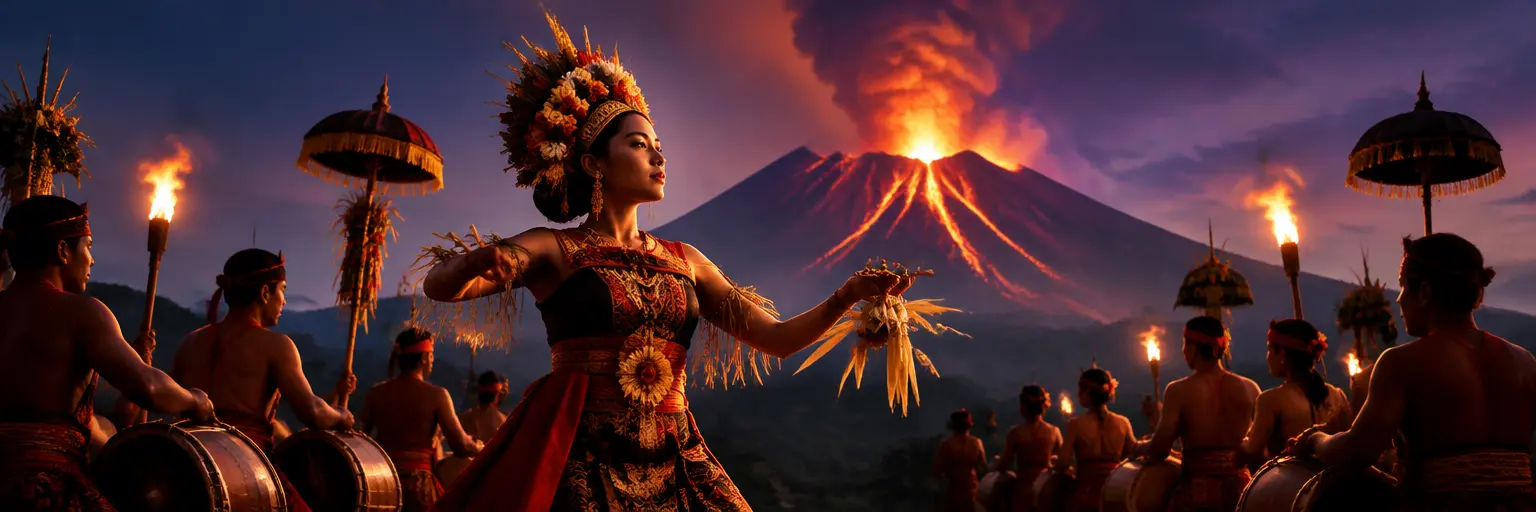
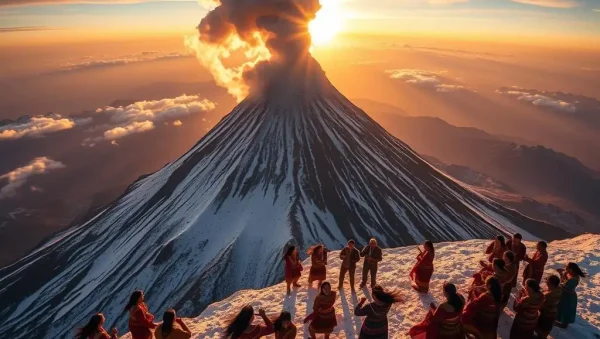
Volcanic festivals often trace their roots to ancient animistic beliefs, where volcanoes were seen as living deities or gateways to the underworld. In Hawaii, Pele, the goddess of fire and volcanoes, is honored with hula performances, chants, and offerings of gin and berries. Likewise, in Indonesia, the Kasada festival on Mount Bromo involves throwing vegetables and livestock into the crater to appease the mountain gods. These rituals are not random; they are carefully timed with agricultural cycles or seasonal changes, reflecting a deep ecological awareness. By participating or observing, visitors understand that these celebrations are acts of negotiation, gratitude, and appeasement, ensuring bountiful harvests and protection from eruptions.
Modern festivals often blend these ancient roots with Catholic or Islamic traditions, creating unique syncretic events. For instance, the Fiesta de las Cruces in Popocatépetl, Mexico, merges pre-Hispanic rain-making rites with Christian crosses adorned with flowers. This fusion demonstrates how volcanic celebrations adapt over time, preserving core cultural memory while embracing new belief systems. For travelers and researchers alike, these festivals offer a window into the resilience of cultural identity in volcanic regions, showing that reverence for nature’s fury can coexist with human creativity and faith.
🔥 Top Global Volcanic Festivals You Must Experience
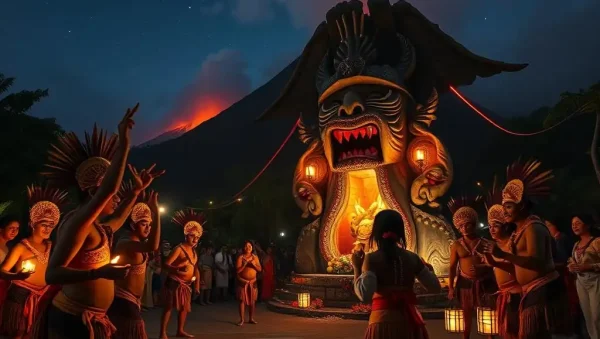
From the fire dances of Vanuatu to the lantern-lit processions in Japan, volcanic festivals offer unforgettable sensory experiences. In Vanuatu, the Naghol land diving on Pentecost Island, though not directly a volcano festival, is linked to volcanic myths and is a precursor to bungee jumping, performed with wooden towers. In Japan, the Oni Matsuri (Demon Festival) in Miyazaki is held near Mount Takachiho, featuring imposing demon masks and fire-lit parades that scare away evil spirits. Meanwhile, the “Feast of the Volcano” in Lanzarote, Spain, celebrates a 300-year-old eruption with open-air concerts and local wine tasting, thanks to the rich volcanic soil. Each event provides a distinct blend of thrill, history, and local cuisine, making them perfect for cultural explorers seeking authentic experiences.
For a truly immersive experience, consider the “Yamagata Hanagasa Festival” in Japan, which, while focused on flower hats, is held in a region dominated by volcanic mountains like Mount Zao. Here, you can enjoy traditional dance and then hike to steaming fumaroles. Alternatively, the “Skálholt Summer Concerts” in Iceland, near the volcano Hekla, combine classical music with dramatic landscapes, leaving audiences in awe of nature’s dual beauty. These festivals are more than just events; they are opportunities to learn how local communities harmonize with volatile environments, turning uncertainty into celebration. Always check local calendars, as many festivals are tied to religious calendars and vary annually.
🍲 Food and Rituals: Cooking with Geothermal Heat at Festivals
Volcanic festivals are unique in their culinary offerings, often using geothermal heat as a natural cooking source. In Iceland, the “Geothermal Baths” are famous, but the lesser-known “Rye Bread Festival” in Reykjavik showcases bread baked underground using volcanic steam, producing a sweet, dense loaf that is a national treasure. In Hawaii, the “Imu Ceremony” cooks whole pigs and vegetables in an underground oven, using hot volcanic stones, and is a centerpiece of many luaus. These cooking methods are not just practical; they are deeply symbolic, representing the earth’s nurturing side even in its most destructive form. Visitors can taste these dishes, gaining a sensory connection to volcanic landscapes that goes beyond visual appreciation.
Moreover, local vineyards thrive on volcanic soil, and many festivals feature wine or sake tastings. In Italy, the “Festa dell’Uva” near Mount Vesuvius celebrates the grape harvest with parades and wineries offering Lacryma Christi, a legendary wine grown on ash-rich slopes. Similarly, in the Canary Islands, “Fiesta de la Vendimia” on Lanzarote honors the Malvasia grape, with visits to volcanic wine cellars. These gastronomic traditions highlight the paradox of volcanic regions: destruction creates some of the most fertile soils on Earth. Attending these festivals offers a delicious education in geology, agriculture, and cultural pride, making every bite a story of resilience and adaptation.
🎆 Fire, Music, and Dance: The Spectacle of Volcanic Processions
No volcanic festival is complete without dramatic fire shows, music, and dance that mimic eruption dynamics. In Papua New Guinea, the “Singsing” festivals feature dancers painted with volcanic ash and wearing elaborate headdresses, performing reenactments of mythical volcano explosions. In Guatemala, the “Quema del Diablo” (Burning of the Devil) on December 7th involves lighting bonfires near volcanoes like Pacaya, symbolizing the cleansing of evil before Christmas. These performances are visceral, with drum beats mimicking the rumbling Earth and dancers moving with explosive energy. The use of actual fire, sparklers, and glowing props creates an atmosphere of controlled chaos, reflecting the thin line between celebration and catastrophe.
Music also plays a pivotal role, with local bands composing songs that reference prominent volcanoes, such as the vibrant tunes of “La Cumbrecita” in Mexico. In the Philippines, the “Pahiyas Festival” near Mount Mayon features houses decorated with colorful rice wafers, showcasing artistic creativity inspired by the volcano’s perfect cone shape. These events are not passive; they invite audience participation, with many festivals offering workshops on traditional instruments or fire dancing. For visitors, this is a phenomenal way to not only watch but become part of the celebration, feeling the communal spirit that arises when people collectively honor the powerful forces that shape their homeland.
🏆 Safety, Etiquette, and Sustainable Celebration Near Active Volcanoes
While volcanic festivals are exhilarating, safety remains paramount, and organizers follow strict protocols to ensure visitor well-being. Most festivals are held at safe distances, with designated viewing zones and emergency evacuation routes clearly marked. For example, the “Mount Mayon Festivals” in the Philippines are monitored by geologists who issue real-time alerts, and local authorities enforce no-go zones if volcanic activity increases. Visitors should always heed local warnings, wear sturdy footwear, and carry masks to protect from ash. Etiquette also matters: never touch ritual offerings, ask permission before photographing locals, and dress modestly for religious ceremonies. Respecting these rules ensures both your safety and the preservation of sacred traditions.
Sustainable tourism is increasingly highlighted in these events, with many festivals promoting eco-friendly practices like using biodegradable decorations or banning single-use plastics. In Iceland, the “Sólstafir Summer Solstice” near Mount Hekla encourages visitors to carpool and stay on designated trails to protect fragile moss beds. Similarly, the “Fuego de Mayo” festival in Guatemala partners with local NGOs to plant trees in deforested volcanic slopes. By choosing to attend such festivals, you support local economies and conservation efforts, turning a simple celebration into a force for positive change. Embrace the adventure, but do so with a mindful heart, leaving only footprints and taking only memories—and perhaps a bottle of volcanic wine.
Frequently Asked Questions
What should I wear to a volcano festival?
Wear comfortable, long-sleeved clothing and closed-toe shoes, preferably with good grip, as paths may be uneven or ash-covered. Bring a dust mask and googles if you are near ashfall zones. Layers are ideal, as temperatures can vary, especially at higher altitudes or near geothermal vents.
Are volcano festivals safe for children and seniors?
Most festivals are family-friendly, with activities like craft markets and food stalls. However, loud noises, crowds, and sudden fire displays may overwhelm young children or those with sensitivities. Seniors should check accessibility options, as some venues are on slopes. Always consult the official festival guide for specific age recommendations.
When is the best time of year to attend volcanic festivals?
It depends on the region. Hawaii’s festivals often align with the wet season (November to April), while Latin American events may coincide with dry months for safer viewing. Many are tied to religious calendars like Easter or All Saints’ Day. Check the specific volcano’s activity level and local tourism board for ideal timing.
How can I respect the cultural significance of these festivals?
Learn a few local phrases, seek permission before taking photos, and avoid touching offerings or sacred objects. Attend introductory talks or cultural workshops if available. Show genuine curiosity, and do not treat rituals as mere performances—your respectful engagement supports the communities that host you.
What happens if a volcanic eruption occurs during a festival?
Event organizers have emergency plans, including immediate evacuation routes and communication systems with volcanic observatories. If an eruption is imminent, most festivals are canceled or moved to safe zones. Kiwis and local authorities will broadcast alerts. Always register your attendance and keep your phone charged for updates.