
The Enduring Power of Pele: Hawaiian Volcano Goddess and Culture


Welcome to Volcano Explorers!
Prepare to be captivated by the raw power and mesmerizing beauty of volcanoes. Ever wondered about the stories whispered around fiery peaks? Our exploration begins with a fascinating journey into the heart of Hawaiian culture, where we uncover the legends and enduring influence of Pele, the Hawaiian volcano goddess.
Unravel the mysteries surrounding this powerful deity and discover how she shapes not only the land but also the very spirit of the islands. What secrets lie within the heart of Kīlauea and how are they intertwined with the fate of those who dwell in her shadow? Let's ignite your curiosity and explore the sacred connection between humanity and these awe-inspiring forces of nature.
- Introduction: Pele, the Hawaiian Volcano Goddess and Her Realm
- Pele: Origins and Myths of the Hawaiian Volcano Goddess
- Pele's Powers and Domains: Fire, Lightning, and Volcanoes
- Pele and the Ancient Hawaiian Culture: Traditions and Beliefs
- Modern Interpretations of Pele: Sustaining Hawaiian Volcano Goddess Mythology
- Pele and Volcanic Hazards: Respecting the Power of Nature
- The Enduring Symbolism of Pele: A Testament to Hawaiian Culture
- Exploring Volcanoes Through the Lens of Hawaiian Mythology
- Conclusion: Pele's Eternal Flame in Hawaiian Hearts
-
Frequently Asked Questions
- What is Pele's primary role in Hawaiian mythology?
- How does Pele's mythology connect to the physical landscape of Hawaii?
- What are some common stories or legends associated with Pele?
- Why is it important to respect Pele and Hawaiian volcanic landscapes?
- Where can I learn more about Hawaiian volcano goddess mythology?
- Final Reflection: The Enduring Flame of Pele
- Rekindle Your Connection with Pele's Fiery Spirit!
Introduction: Pele, the Hawaiian Volcano Goddess and Her Realm
U.S. Geological Survey Celebrates Pele's Legacy
The United States Geological Survey (USGS), renowned for its scientific monitoring of volcanoes, acknowledges the deep cultural significance of Pele, the Hawaiian volcano goddess. In publications and educational materials, the USGS often integrates traditional Hawaiian perspectives alongside scientific data, recognizing that for many in Hawaiʻi, volcanic activity is not just a geological phenomenon but also a manifestation of Pele’s power.
This acknowledgment reflects a broader understanding of the interconnectedness of nature and culture, particularly in places like Hawaiʻi, where volcanic landscapes are deeply woven into the fabric of society and belief. The USGS's approach helps bridge the gap between scientific understanding and cultural reverence, fostering a more holistic appreciation of volcanoes.
Furthermore, the USGS outreach programs in Hawaiʻi sometimes feature cultural practitioners and storytellers who share Pele's narratives, enhancing public engagement and education. This inclusive approach not only enriches the educational experience but also promotes respect for Hawaiian traditions and indigenous knowledge. By incorporating cultural elements, the USGS demonstrates a commitment to responsible science communication that is sensitive to the cultural context of volcanic landscapes and recognizes the enduring legacy of the Hawaiian volcano goddess mythology.
Understanding the Cultural Significance of Pele
Pele, the fiery goddess of volcanoes, lightning, wind, and fire, holds a central position in Hawaiian culture and mythology. Her stories are not mere legends; they are living narratives that shape the Hawaiian understanding of their islands' origins, the dynamic forces of nature, and their relationship with the environment.
Understanding Pele's cultural significance is crucial for appreciating the deep connection between the Hawaiian people and their volcanic homeland. Her presence is felt in every lava flow, every plume of volcanic gas, and every rumble from the earth, reminding inhabitants of the powerful creative and destructive forces that have shaped and continue to shape their islands.
The cultural significance of Pele extends beyond simple reverence. She embodies the duality of nature—creation and destruction, beauty and danger. Her stories serve as moral lessons, explanations for natural phenomena, and a framework for understanding the world. For visitors to Hawaiʻi, learning about Pele offers a richer and more nuanced experience of the islands, moving beyond a purely touristic perspective to engage with the profound cultural heritage that is inextricably linked to the volcanic landscape. Exploring Hawaiian volcano goddess mythology provides insight into the unique worldview of the Hawaiian people and their enduring spiritual connection to Pele.
Pele: Origins and Myths of the Hawaiian Volcano Goddess
Pele's Birth and Journey to Hawai'i
Hawaiian mythology recounts various versions of Pele’s birth, but a common thread depicts her as being born from Haumea, the earth mother, and Kāne Milohai, a creator god. Born in Honua-Mea, a mythical land, Pele was known for her fiery temper and passionate nature, traits that often led to conflicts with her siblings, particularly her elder sister Nā-maka-o-Kahaʻi, the goddess of the sea.
Driven by these familial disputes and a restless spirit, Pele embarked on a journey southward, island hopping across the Pacific in search of a permanent home where her volcanic fires could burn freely without being quenched by Nā-maka-o-Kahaʻi's ocean waves.
This epic voyage is a cornerstone of Hawaiian volcano goddess mythology. Pele's travels are said to have taken her through the various islands of the Hawaiian archipelago, starting from the northwest and moving southeastward. Each attempt to settle on an island was met with resistance from Nā-maka-o-Kahaʻi, who would attempt to extinguish Pele's fires with her waves.
This mythical journey explains the volcanic activity progression in the Hawaiian island chain, with the youngest and most active volcanoes located on the island of Hawaiʻi, the final destination of Pele's quest. Her arrival and establishment on Hawaiʻi marked the culmination of her search and the beginning of her reign as the dominant volcano goddess in the islands.
The Creation of the Hawaiian Islands Through Pele's Eyes
Through the lens of Hawaiian volcano goddess mythology, the creation of the Hawaiian Islands is intrinsically linked to Pele’s actions and fiery nature. As Pele journeyed through the islands, she is said to have used her pāhoa (volcanic glass dagger) or her staff to probe the earth, seeking suitable places to ignite her fires.
Each time she thrust her pāhoa into the ground, volcanic activity ensued, shaping the islands as we know them today. Legends tell of her digging fire pits, which became the craters and calderas of volcanoes, and her fiery breath and footsteps shaping the lava flows that solidified to form the landmasses.
Specifically, the active volcanoes of Kīlauea and Mauna Loa on the island of Hawaiʻi are considered to be the embodiment of Pele's current dwelling places. Kīlauea's Halemaʻumaʻu crater is often referred to as Pele's home, the very heart of her fiery domain. The ongoing eruptions and lava flows from these volcanoes are interpreted as manifestations of Pele's power and creative energy. Therefore, the geological processes of volcanic island formation are intertwined with the mythological narrative of Pele, providing a cultural explanation for the dramatic landscapes and continuous volcanic activity that define the Hawaiian Islands.
Pele's Powers and Domains: Fire, Lightning, and Volcanoes
Pele's Control Over Volcanic Eruptions
Pele is not merely associated with volcanoes; she is believed to wield direct control over volcanic eruptions. In Hawaiian volcano goddess mythology, eruptions are seen as expressions of Pele's will, her anger, passion, or even her creative endeavors. The type and intensity of an eruption, from gentle lava flows to explosive bursts of ash and rock, are attributed to Pele's mood and actions. For instance, slow-moving pāhoehoe lava flows might be interpreted as Pele calmly extending her domain, while violent explosions could signify her displeasure or fierce power.
Volcanologists study the mechanics of eruptions, focusing on magma pressure, gas content, and conduit dynamics. However, within Hawaiian cultural understanding, these scientific processes are imbued with the agency of Pele. Eruptions are not random geological events but rather meaningful displays of divine power. This perspective does not negate scientific understanding but adds a layer of cultural interpretation that deeply influences how Hawaiians perceive and interact with volcanic activity. The unpredictability of volcanic eruptions mirrors the often-unfathomable nature of divine will, further solidifying Pele's image as a powerful and sometimes capricious force of nature.
Pele's Connection to Fire and Destruction
While primarily known as the volcano goddess, Pele’s domain extends beyond just volcanoes to encompass fire in all its forms, including lightning and even the destructive power of wildfires. Her fiery nature is not solely about creation; it also embodies destruction and transformation. Lava flows, while building new land, also consume forests and alter landscapes dramatically.
This dual aspect of creation and destruction is central to Pele’s character and her significance in Hawaiian volcano goddess mythology. She is not simply a benevolent goddess; she is a force of nature that demands respect and acknowledgment of her immense power, both constructive and destructive.
The destructive potential of Pele is evident in the history of volcanic eruptions in Hawaiʻi. For example, the 1990-1991 eruption of Kīlauea destroyed the town of Kalapana, highlighting the raw and unstoppable force of lava flows. Such events reinforce the traditional understanding of Pele's power to reshape the land and remind people of the potential consequences of disrespecting her domain. This understanding fosters a culture of caution and reverence around volcanic areas, where the beauty of the landscape is always tempered by the awareness of Pele's inherent power to both create and destroy.
Pele and the Ancient Hawaiian Culture: Traditions and Beliefs
Hula and its Sacred Link to Pele
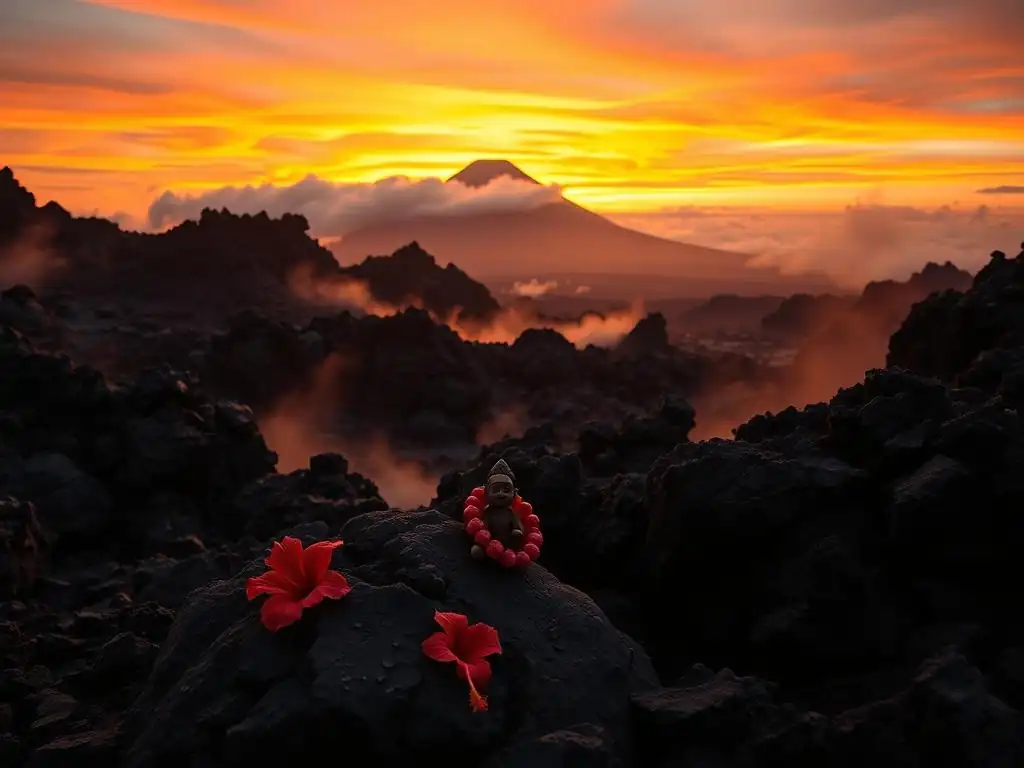
Hula, the traditional dance of Hawaiʻi, holds a deeply sacred connection to Pele and Hawaiian volcano goddess mythology. Certain forms of hula, especially hula pahu (drum dance) and hula kuʻi (ancient hula), are specifically dedicated to Pele and other deities. These dances are not merely performances; they are considered rituals, prayers in motion, intended to honor Pele, tell her stories, and invoke her presence. The rhythmic movements, chants, and traditional instruments used in hula are all integral to communicating with and paying homage to the goddess.
The halau hula (hula school) often maintains altars and sacred spaces dedicated to Pele, where practitioners offer prayers and seek blessings before performances. The costumes, adornments, and even the flowers used in hula can carry symbolic meaning related to Pele, such as the red lehua blossom, her sacred flower. Through hula, the stories of Pele, her fiery power, and her interactions with other deities are passed down through generations, ensuring the continuity of Hawaiian cultural traditions and the enduring reverence for the volcano goddess. Hula serves as a vital link between the ancient beliefs and contemporary Hawaiian cultural expression.
Offerings and Rituals Honoring the Volcano Goddess
Ancient Hawaiians practiced a variety of rituals and offerings to honor Pele and seek her favor or appease her wrath. These practices were deeply ingrained in daily life and were performed by both individuals and priests ( kahuna). Offerings traditionally included food, such as roasted pigs, fish, and fruits, as well as valuable items and symbolic gifts. These offerings were often placed at the edges of volcanic craters, in lava tubes, or at other locations considered sacred to Pele, such as steam vents and areas of recent volcanic activity.
Rituals were performed for various purposes, including seeking protection from volcanic eruptions, asking for fertility of the land, or expressing gratitude for Pele's blessings. Chants and prayers ( oli and pule) were essential components of these rituals, invoking Pele's name and recounting her legends. The specific rituals and offerings varied depending on the context, the purpose of the ceremony, and the specific location. These practices highlight the profound respect and complex relationship ancient Hawaiians maintained with Pele, recognizing her as a powerful and influential force in their lives.
Lei Offerings to appease Pele
Lei, garlands of flowers, leaves, or shells, are significant in Hawaiian culture and play a crucial role in offerings to Pele. While traditionally, any beautiful lei might be offered, there's a strong association with the lehua blossom, particularly the red variety, as Pele's sacred flower. However, it's also commonly believed that Pele herself prefers the ʻōhelo berry, a red berry that grows on volcanic slopes. Offerings of ʻōhelo berries were traditionally made before even partaking in them oneself, a sign of respect and seeking Pele's permission and blessing.
Today, while traditional offerings of animals are less common, lei offerings, especially of lehua and ʻōhelo, continue to be a prevalent practice. Visitors to volcanic areas in Hawaiʻi National Park often observe lei adorning volcanic steam vents and crater rims. However, it's important to note that park authorities often discourage leaving offerings, especially non-biodegradable items, to protect the delicate volcanic environment. Instead, respectful observation and understanding of the cultural significance of lei and offerings is encouraged, allowing for a deeper appreciation of Hawaiian volcano goddess mythology without impacting the natural landscape.
Modern Interpretations of Pele: Sustaining Hawaiian Volcano Goddess Mythology
Pele in Contemporary Art and Literature
Pele’s enduring power is evident in her continued presence in contemporary Hawaiian art and literature. Artists across various mediums, from painting and sculpture to music and dance, draw inspiration from Pele's mythology, her fiery imagery, and her symbolic significance. Modern hula performances continue to celebrate Pele, adapting traditional forms while also incorporating contemporary interpretations of her stories. Visual artists often depict Pele as a powerful, dynamic figure, embodying both her destructive and creative aspects, using vibrant colors and volcanic imagery to capture her essence.
In literature, Pele appears in novels, poems, and children's books, often as a central character or symbolic representation of nature's power and Hawaiian identity. These modern artistic and literary expressions serve to keep Pele's stories alive and relevant for contemporary audiences, both within Hawaiʻi and globally. They demonstrate the adaptability and resilience of Hawaiian volcano goddess mythology, showing how ancient traditions can continue to inspire and resonate in modern creative contexts, ensuring the continued transmission of cultural knowledge and values.
Pele's Influence on Hawaiian Identity Today
Pele’s influence extends beyond art and literature, deeply impacting Hawaiian identity and cultural consciousness today. For many Native Hawaiians, Pele is not just a mythological figure but a living presence, a spiritual force that remains intimately connected to the volcanic landscape. Her stories and the traditions associated with her reinforce a sense of place, belonging, and cultural continuity. The concept of aloha ʻāina (love of the land) is intrinsically linked to the reverence for Pele and the understanding of the land as a sacred entity, shaped and imbued with her mana (spiritual power).
In contemporary Hawaiʻi, discussions around environmental protection, land rights, and cultural preservation often invoke Pele's name and her significance. She serves as a symbol of Hawaiian resilience, cultural strength, and the enduring connection to the natural world. Even for those who may not adhere to traditional religious beliefs, Pele remains a powerful cultural icon, representing the unique spirit and heritage of Hawaiʻi. Hawaiian volcano goddess mythology continues to shape cultural values, environmental ethics, and the collective identity of the Hawaiian people in the 21st century.
Pele and Volcanic Hazards: Respecting the Power of Nature
Understanding Volcanic Risks in Hawai'i
Living in Hawaiʻi means living in Pele's realm, an environment shaped by and still actively influenced by volcanic forces. Understanding volcanic risks is therefore paramount for residents and visitors alike. The Hawaiian Volcano Observatory (HVO), a branch of the USGS, diligently monitors volcanic activity on the islands, providing crucial information about potential hazards such as lava flows, volcanic gases, and ashfall. This scientific monitoring, while grounded in geological principles, is also often viewed through the lens of Hawaiian volcano goddess mythology, adding a layer of cultural understanding to risk perception and preparedness.
Volcanic hazards in Hawaiʻi are real and have historically caused significant disruptions and damage. For example, the ongoing eruptions of Kīlauea have repeatedly altered landscapes and impacted communities. Understanding evacuation routes, heeding warnings from authorities, and respecting volcanic areas are essential safety measures. Public education initiatives, often incorporating both scientific information and cultural perspectives, aim to promote responsible behavior in volcanic regions and foster a culture of preparedness and respect for Pele's power.
Pele as a Reminder of Nature's Force
Pele, as a powerful volcano goddess, serves as a constant reminder of the immense and sometimes unpredictable forces of nature. Her presence in Hawaiian mythology underscores the importance of respecting the natural environment and living in harmony with its dynamic processes. Volcanic eruptions, earthquakes, and other natural phenomena are not simply geological events; they are manifestations of the Earth's power, a power that Pele embodies. This perspective fosters a sense of humility and reverence for nature, contrasting with a purely anthropocentric worldview.
The stories of Pele often emphasize the consequences of disrespecting nature or acting selfishly. These narratives serve as cautionary tales, reinforcing the importance of environmental stewardship and responsible behavior. In a world increasingly facing environmental challenges, the lessons embedded in Hawaiian volcano goddess mythology, particularly the respect for nature’s power exemplified by Pele, hold enduring relevance. Pele reminds us that humans are part of a larger natural system and that respecting the Earth’s forces is crucial for our own well-being and survival.
The Enduring Symbolism of Pele: A Testament to Hawaiian Culture
Pele's Role in Preserving Hawaiian Heritage
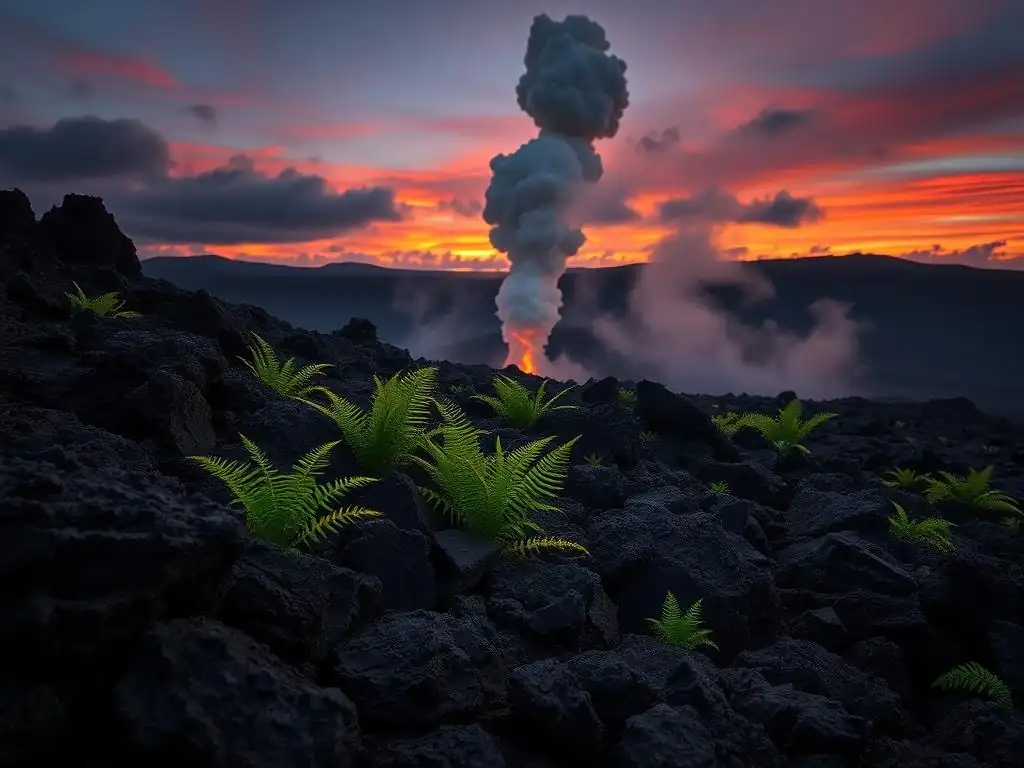
Pele serves as a powerful symbol of Hawaiian heritage and cultural resilience. Her stories, rituals, and the deep reverence she commands are integral to maintaining and transmitting Hawaiian cultural traditions across generations. In a context where Hawaiian culture has faced historical challenges, Pele's enduring presence in mythology and contemporary life represents a vital link to the past and a source of cultural pride and identity. The preservation of Hawaiian volcano goddess mythology is thus intertwined with the broader efforts to revitalize and sustain Hawaiian culture.
Through hula, storytelling, art, and community practices, the narratives of Pele continue to be shared and celebrated, ensuring that her legacy endures. Educational initiatives within Hawaiʻi often incorporate Pele's mythology to teach children about Hawaiian history, language, and cultural values. This intergenerational transmission of knowledge is crucial for safeguarding Hawaiian cultural heritage and fostering a sense of continuity and connection to ancestral traditions, with Pele at its heart.
The Significance of Red Lehua Blossoms in Honoring Pele
The red lehua blossom ( Metrosideros polymorpha) holds a special significance in honoring Pele and within Hawaiian volcano goddess mythology. This vibrant red flower, one of the first plants to colonize lava fields, is symbolically linked to Pele’s fiery nature and her creative power. The lehua is often used in lei offerings to Pele and is considered sacred to her. Its resilience and ability to thrive in volcanic landscapes mirror Pele’s own enduring strength and her connection to these dynamic environments.
The red color of the lehua is also deeply symbolic, representing fire, passion, and life force, all attributes associated with Pele. In hula performances dedicated to Pele, lehua blossoms are frequently used to adorn dancers and altars, further emphasizing the flower’s sacred connection to the goddess. The offering of lehua lei is not merely a decorative gesture; it is a deeply meaningful act of reverence, acknowledging Pele's presence and seeking her blessings. The lehua blossom, therefore, serves as a tangible and beautiful symbol of the enduring power and cultural significance of Pele.
Exploring Volcanoes Through the Lens of Hawaiian Mythology
Combining Volcanology with Cultural Understanding
Exploring volcanoes in Hawaiʻi is greatly enriched by combining scientific volcanology with an understanding of Hawaiian volcano goddess mythology. While volcanology provides the scientific framework for understanding volcanic processes, Pele’s stories offer a cultural lens through which to interpret and appreciate these natural phenomena. This integrated approach acknowledges both the scientific reality of volcanic activity and the deep cultural significance it holds for the Hawaiian people. For visitors and researchers alike, learning about Pele enhances the experience of witnessing volcanic landscapes, adding depth and meaning beyond purely geological observation.
Educational programs and guided tours in places like Hawaiʻi Volcanoes National Park increasingly incorporate cultural perspectives alongside scientific explanations. This holistic approach fosters a more respectful and nuanced understanding of volcanoes, recognizing them not just as geological formations but also as sacred places imbued with cultural significance. By bridging the gap between science and culture, we can develop a more comprehensive and appreciative relationship with volcanoes and the environments they shape.
Kīlauea and Mauna Loa: Pele's Sacred Domains
Kīlauea and Mauna Loa, two of the most active volcanoes on Earth, are considered the primary earthly domains of Pele. Kīlauea, with its continuously erupting Halemaʻumaʻu crater, is often referred to as Pele’s home, the heart of her fiery power. Mauna Loa, the world’s largest active volcano, is another significant manifestation of her vast influence. These volcanoes are not just geological features; they are sacred landscapes, imbued with Pele’s mana and deeply revered in Hawaiian culture.
Visitors to Hawaiʻi Volcanoes National Park are essentially entering Pele’s realm. Understanding this cultural context enriches the experience of observing these volcanic wonders. Respectful behavior, awareness of traditional protocols, and an appreciation for the cultural significance of these sites are essential for visitors. Approaching Kīlauea and Mauna Loa with both scientific curiosity and cultural reverence allows for a deeper and more meaningful engagement with these powerful and sacred landscapes, recognizing them as both geological marvels and the embodiment of Hawaiian volcano goddess mythology.
Conclusion: Pele's Eternal Flame in Hawaiian Hearts
Pele: A Continuing Source of Inspiration and Respect
Pele, the Hawaiian volcano goddess, remains a vibrant and enduring figure in Hawaiian culture. She is not a relic of the past but a living presence, continuing to inspire awe, respect, and cultural expression. Her stories, passed down through generations, continue to shape Hawaiian identity, values, and their relationship with the natural world. Pele's fiery spirit and her embodiment of both creation and destruction resonate deeply, serving as a constant reminder of nature's power and the interconnectedness of all things.
In contemporary Hawaiʻi, Pele's influence is evident in art, literature, environmental consciousness, and cultural practices. She is a source of inspiration for artists, a symbol of resilience for the Hawaiian people, and a reminder of the powerful forces that have shaped and continue to shape their islands. Pele’s enduring presence underscores the vitality of Hawaiian culture and the ongoing relevance of Hawaiian volcano goddess mythology.
The Importance of Understanding and Protecting Pele's Legacy
Understanding and protecting Pele's legacy is crucial for preserving Hawaiian culture and fostering a respectful relationship with the volcanic environment. This involves not only learning about her myths and traditions but also supporting cultural preservation efforts and respecting sacred sites. Protecting Pele's legacy also means responsible stewardship of the land, recognizing the interconnectedness of culture and nature. By acknowledging and honoring Pele, we contribute to the preservation of Hawaiian heritage and promote a deeper appreciation for the cultural significance of volcanic landscapes.
Furthermore, understanding Pele's stories can enrich our broader understanding of human-nature relationships and the diverse ways cultures interpret and interact with powerful natural phenomena. Pele's legacy extends beyond Hawaiʻi, offering valuable insights into the importance of cultural perspectives in environmental understanding and the enduring power of mythology to shape human experience. By embracing and protecting Pele's legacy, we honor not only Hawaiian culture but also the rich tapestry of human cultural heritage and our collective relationship with the Earth.
Frequently Asked Questions
What is Pele's primary role in Hawaiian mythology?
Pele is revered as the Hawaiian goddess of volcanoes, fire, lightning, and wind. She embodies the raw power and creative destruction associated with volcanic activity, shaping the islands themselves.
How does Pele's mythology connect to the physical landscape of Hawaii?
The mythology explains the formation of the Hawaiian Islands as a result of Pele's travels and volcanic eruptions. Kilauea, one of the most active volcanoes, is considered Pele's home.
What are some common stories or legends associated with Pele?
Legends often depict Pele as a powerful and passionate figure with a fiery temper. Stories include her battles with other gods and goddesses, and her journey to find a suitable home, eventually settling on Kilauea.
Why is it important to respect Pele and Hawaiian volcanic landscapes?
Respect for Pele and the volcanic landscapes is deeply ingrained in Hawaiian culture, acknowledging the destructive and creative forces of nature. Disrupting the land, like taking lava rocks, is seen as disrespectful to the goddess.
Where can I learn more about Hawaiian volcano goddess mythology?
VolcanoExplorers.org offers resources, photography, and travel information related to volcanoes and Hawaiian culture. Researching traditional Hawaiian stories and consulting with cultural practitioners can provide further insight into Pele's significance.
Final Reflection: The Enduring Flame of Pele
The story of Pele, the Hawaiian volcano goddess, is far more than just ancient mythology; it is a living testament to the power of nature and the enduring spirit of Hawaiian culture. The narratives woven around her fiery presence continue to shape the islands' identity, reminding us of the dynamic interplay between creation and destruction, respect and reverence. Her influence is palpable, not just in the volcanic landscapes, but in the very heart of the Hawaiian people.
The impact of Pele extends far beyond the realm of folklore. It permeates art, music, dance, and even everyday life, serving as a constant reminder of the islands' unique heritage. Personally, witnessing the reverence with which Hawaiians speak of Pele has been deeply moving, underscoring the profound connection between people and place. E ala e ka lā i ka hikina, i ka moana, ka moana hohonu, piʻi mai ka ʻohu, ka ʻohu mālamalama
(Arise the sun in the east, from the ocean, the deep ocean, rise the mist, the bright mist). This chant, often associated with Pele, speaks to the power of creation and the constant renewal that she embodies.
As we conclude this exploration of Pele and her enduring power, let us carry forward a deeper appreciation for the interconnectedness of culture, nature, and spirituality. Consider how the stories we tell shape our understanding of the world around us, and how we can learn from the wisdom embedded within ancient traditions. Embrace the spirit of Pele – the courage to create, the resilience to rebuild, and the unwavering respect for the forces that shape our lives. Let her story ignite your own passion for preserving cultural heritage and honoring the power of the natural world.
Rekindle Your Connection with Pele's Fiery Spirit!
Thank you for delving into the captivating world of Pele and her profound influence on Hawaiian culture. We hope this exploration has ignited your curiosity and deepened your understanding of this powerful goddess. Now, it's time to channel that newfound appreciation into action!
Here are some ways you can continue your journey with Pele:
- Embrace the Spirit of Volcanic Exploration: Discover the geological wonders and cultural significance of Hawaiian volcanoes through hands-on exploration, ethical tourism, and mindful connection with the natural world.
- Learn more about the indigenous protocols for visiting volcanic areas and respect for Pele.
- Share your appreciation for Hawaiian culture by supporting local artists and initiatives that honor Pele and her legacy.
What will you do to honor the power and beauty of Pele in your own life? Let us know in the comments!