Volcanoes and National Identity: How Fire Shapes a Nation’s Soul
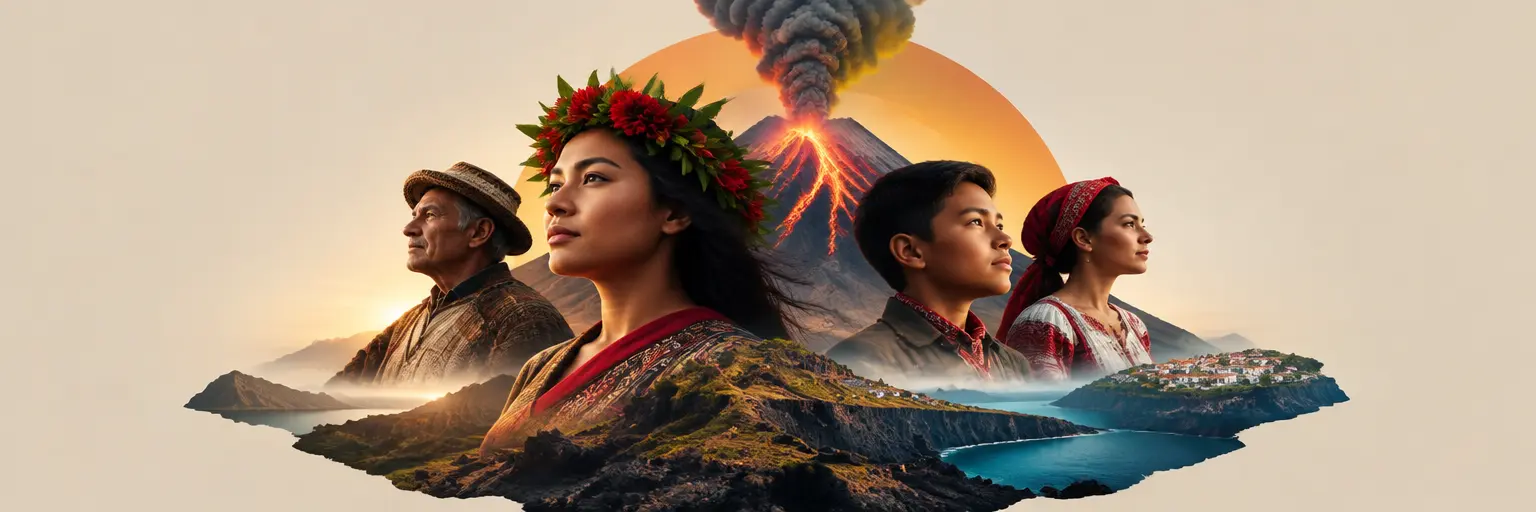
When a volcano dominates a country’s horizon, it inevitably seeps into that nation’s language, art, flags, and collective psyche. This subcategory on VolcanoExplorers.org explores the profound bond between volcanic landscapes and national identity, revealing how eruptions and peaks become symbols of resilience, pride, and even political power. From Japan’s sacred Fuji to Italy’s Vesuvius, we examine how these fiery giants have been adopted as mascots of statehood and cultural belonging. Discover how geology transforms into patriotism—and how a mountain can embody a people’s story.
🌋 Iconic Volcanoes as National Emblems
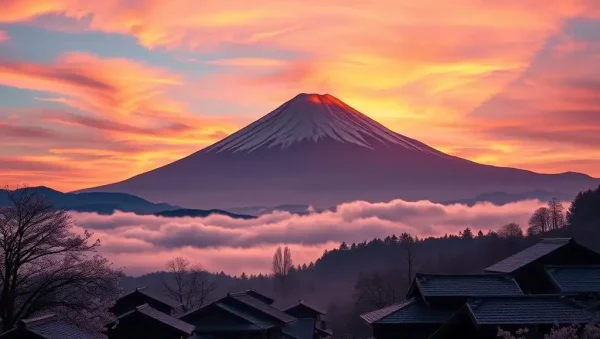
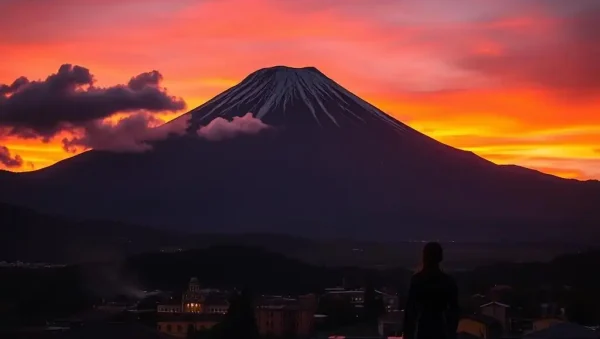
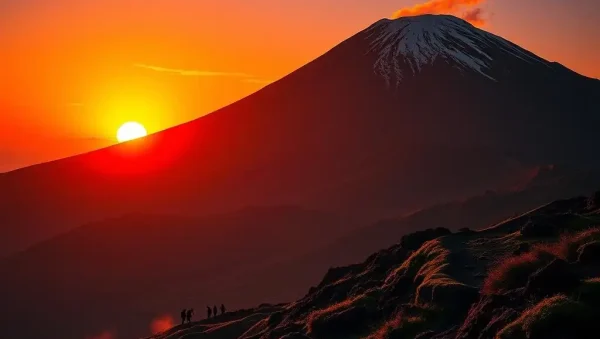
For many countries, a specific volcano transcends its physical form to become a shorthand for the nation itself. Mount Fuji is not merely a mountain to Japan; it appears on currency, in poetry, and in religious practice, symbolizing harmony and endurance. Similarly, Mount Kilimanjaro graces Tanzania’s coat of arms, while Indonesia’s Krakatoa and Mexico’s Popocatépetl feature in national narratives of power and survival. This section explores how these emblems emerge, from colonial-era maps to modern branding, and why some volcanoes—like Hawaii’s Mauna Loa—become contested symbols between indigenous and settler identities.
Beyond mere imagery, these volcanoes influence national holidays, school curricula, and even military insignia. For instance, Ecuador’s Cotopaxi appears on its flag, and Armenia’s Mount Ararat—though now outside its borders—remains a potent symbol of national longing. By examining case studies, we uncover the psychological contract between a people and their peak, showing how a volcano can unify diverse ethnic groups under a shared, fiery heritage.
🛡️ Eruptions as Catalysts for National Unity
Disasters often forge stronger bonds, and volcanic eruptions are no exception. When Vesuvius buried Pompeii, it birthed a shared archaeological identity for resurrected Italian nationalism. In 1980, Mount St. Helens’ eruption in the U.S. became a moment of scientific camaraderie, but in smaller nations, such events can create political solidarity. Take Iceland’s 2010 Eyjafjallajökull disruption—while it halted European air travel, it also became a source of national pride, with Icelanders embracing their island’s untamable nature as a badge of honor.
This section investigates how governments leverage eruptions to bolster national resilience narratives, from emergency response heroes to rebuilding campaigns. We also examine contested cases, like the 1883 Krakatoa eruption, which fueled Dutch colonial propaganda and later Indonesian independence rhetoric. By analyzing primary sources—speeches, posters, and survivor testimonies—we show how a natural calamity can be reframed as a patriotic test, turning tragedy into a founding myth for future generations.
🎨 Volcanoes in National Arts and Literature
Cultural expression offers the richest vein for understanding volcanic identity. Japan’s ukiyo-e woodblock prints of Fuji, such as Hokusai’s “Great Wave,” have become global icons of Japanese aesthetics. Meanwhile, Italy’s Romantic poets, from Byron to Shelley, mythologized Vesuvius as a symbol of revolutionary passion. In the Philippines, Mayon Volcano’s perfect cone dominates local legends and contemporary cinema, while Hawaiian hula chants honor Pele, the volcano goddess, as a living ancestor. This section delves into how artistic movements institutionalize volcanic imagery, embedding it in national museums and school textbooks.
Literature, too, plays a pivotal role. Works like “The Volcano Lover” by Susan Sontag or “Krakatoa: The Day the World Exploded” by Simon Winchester shape global perceptions, but local authors often wield even greater influence. For instance, Indonesian poet Chairil Anwar invoked volcanoes in anti-colonial verses, while Chilean Nobel laureate Pablo Neruda used Andean peaks to evoke national grandeur. By tracing these cultural threads, we reveal how creative works transform a geological feature into a reusable symbol adaptable to each era’s political needs, from independence struggles to modern tourism campaigns.
🏛️ Volcanoes in National Rituals and Ceremonies
Some nations don’t just depict volcanoes—they worship or revere them through formal rituals. In Japan, Shinto shrines on Fuji’s slopes host annual festivals, while Indonesia’s Hindu communities on Bali conduct the Eka Dasa Rudra ceremony to appease Mount Agung. These practices blend pre-colonial beliefs with state-sanctioned events, creating a fusion of faith and national calendar. Even secular nations adopt volcanic rituals: Mexico’s “Día de los Muertos” incorporates fire-symbolism linked to Popocatépetl’s smoke, and Italy’s feast of San Gennaro in Naples involves liquefying saint’s blood to protect against Vesuvius.
Government-funded ceremonies often codify these traditions, as seen in Japan’s annual “Fuji No Koyomi” or Hawaii’s official “Year of the Volcano” programs. This section explores how ritual performance solidifies collective memory, using ethnographic accounts and archival footage. We also analyze modern adaptations—such as virtual volcano pilgrimages during pandemics—and ask whether such innovations dilute or preserve authentic national identity. By mapping these practices, we show that ritual is a powerful tool for state-building, turning a natural landmark into a participatory source of civic pride.
🌐 Contested Volcanic Identities: Indigenous vs. Nationalist
Not every volcanic symbol unites. For many indigenous peoples, volcanoes are sacred living beings, not mere national logos. In Hawaii, Native Hawaiians fiercely oppose development on Mauna Kea, arguing that the mountain’s identity as Pele’s home transcends U.S. statehood. Similarly, the Quechua people in Ecuador view Tungurahua as a protective deity, clashing with state-led scientific monitoring that frames it as a hazard. This tension between religious stewardship and secular governance often erupts in legal battles and media campaigns.
This section analyzes case studies from New Zealand’s Whakaari, where Māori guardianship conflicts with tourism, and Guatemala’s Volcán de Fuego, where disaster management policies overlook ancestral knowledge. We also examine how post-colonial nations like Rwanda reclaim volcanic imagery for healing, as seen in the “Gorilla in the Mist” narrative around Mount Karisimbi. By presenting dual perspectives—indigenous custodians and nationalist officials—we highlight how identity is negotiated, not fixed, and why inclusive policies can transform volcanoes from symbols of division into bridges of understanding.
Frequently Asked Questions
Why do countries adopt volcanoes as national symbols?
Volcanoes offer dramatic, easily recognizable shapes that convey power, permanence, and unpredictability—qualities nations often wish to project. They also serve as geographic anchors, uniting diverse populations under a shared landmark. For example, Japan’s Fuji signifies harmony, while Indonesia’s many active volcanoes embody resilience. This symbolic adoption is deliberately cultivated through currency, education, and media to strengthen patriotic sentiment.
Can a volcano become a national identity without being inside the country?
Yes, as seen with Armenia’s Mount Ararat, which lies in modern Turkey but remains a central emblem of Armenian identity, appearing on its coat of arms and religious texts. Similarly, Somaliland invokes imagery of nearby volcanic ranges to assert distinctiveness. Such anachronistic symbols often emerge from historical displacement, serving as nostalgic reminders of a homeland.
How do indigenous interpretations of volcanoes differ from nationalistic ones?
Indigenous views typically treat volcanoes as animate, sentient beings with whom humans must maintain reciprocal relationships, often through offerings and taboos. Nationalistic narratives, by contrast, tend to see volcanoes primarily as resources (for tourism, science, or mineral extraction) or passive hazard zones. This clash becomes evident in disputes over sacred site access, where state authority disregards local spiritual laws.
What role do volcanoes play in modern nation-branding campaigns?
Nations frequently use volcanoes to craft unique tourist identities—think Iceland’s “Inspired by Iceland” campaign featuring glacial-volcanic landscapes, or Costa Rica’s active craters in eco-tourism ads. This branding extends to aviation routes, product exports, and sports mascots, like Indonesia’s “Garuda” partnering with volcanic imagery. Such campaigns help differentiate countries in global markets, leveraging awe and natural beauty.
Are volcanic identities ever threatening or divisive for a nation?
Absolutely. When a volcano is tied to a specific ethnic group, it can alienate others. For instance, Papua New Guinea’s Tavurvur is sacred to the Tolai people, but state responses to eruptions have ignored their rituals, causing resentment. Likewise, nationalist glorification of volcanoes can obscure the suffering of evacuees or marginalized communities, creating “eruption memory wars” over who controls the narrative of loss and recovery.