
Volcanic Wonderlands: Exploring the Mystique of FireForged Terrain

Welcome to Volcano Explorers!
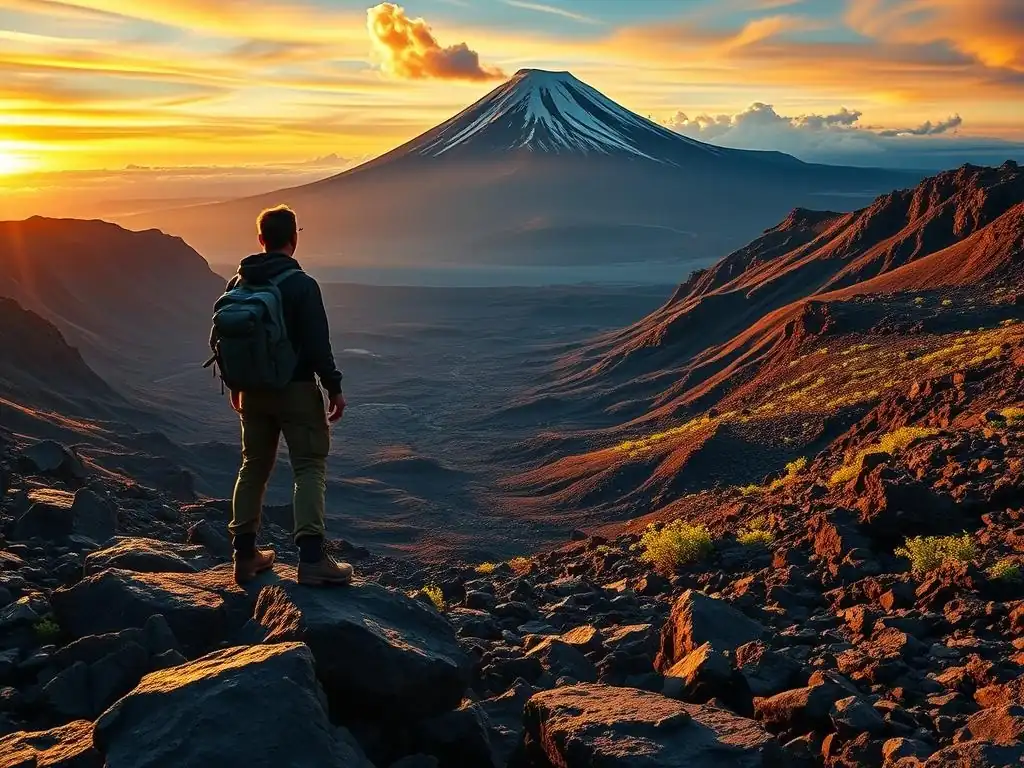
Dare to venture into the heart of the Earth's fiery artistry? Volcanic Wonderlands: Exploring the Mystique of Fire-Forged Terrain beckons you to discover the breathtaking, yet perilous, beauty of volcanic landscapes. But before you pack your bags for adventure, are you truly prepared for exploring volcanic landscapes safely? Uncover the secrets to navigating these awe-inspiring terrains, respecting their power, and immersing yourself in the cultural narratives woven into their fiery tapestry. Prepare to be amazed, but remember: knowledge is your greatest shield. Let the exploration begin...
- Exploring Volcanic Landscapes Safely: A Comprehensive Guide
-
Frequently Asked Questions
- How can I explore volcanic landscapes safely?
- What are the different types of volcanoes I might encounter?
- What tools and techniques do volcanologists use to study volcanoes?
- What should I do if I live near an active volcano?
- Besides science, what else does VolcanoExplorers.org offer regarding volcanoes?
- Final Reflection: Embracing the Earth's Fiery Heart
- Unearth Your Inner Explorer: Ignite Your Volcanic Adventure!
Exploring Volcanic Landscapes Safely: A Comprehensive Guide
Pre-Trip Planning: Researching and Preparing for Your Volcanic Adventure
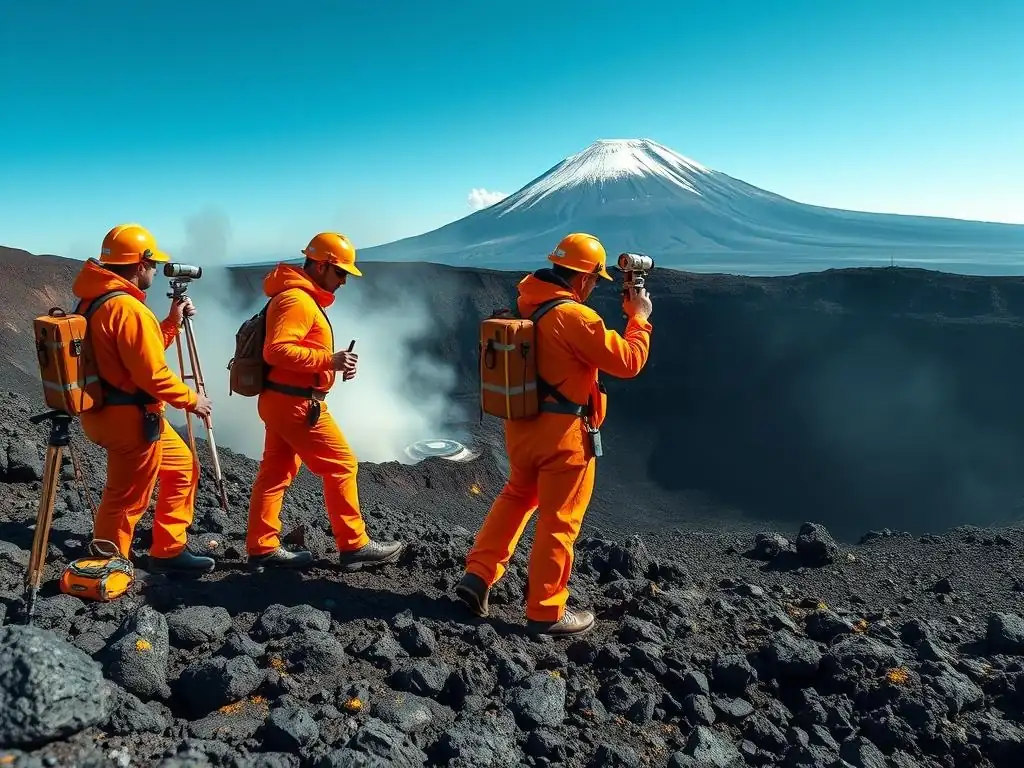
Embarking on an adventure to explore volcanic landscapes requires meticulous pre-trip planning. Safety should be the paramount concern when venturing into these dynamic environments. Thorough research is the first crucial step. Begin by identifying the specific volcanic area you plan to visit.
Gather detailed information about its current activity level from official sources such as the local volcano observatory or geological survey. For instance, the USGS Volcano Hazards Program in the United States provides real-time updates and hazard assessments for volcanoes in the US and its territories. Similarly, the Smithsonian Institution's Global Volcanism Program offers a worldwide database of volcanic activity. Understanding the volcano's history of eruptions, the types of hazards it presents (lava flows, ashfall, gas emissions, pyroclastic flows, lahars), and the typical weather patterns in the region is essential for informed decision-making.
Beyond volcanic activity, practical preparations are equally important. Check the accessibility of the site, including permits or entrance fees that may be required. Many volcanic areas are protected national parks or reserves, necessitating permits for entry or specific activities like hiking.
For example, to hike to the summit of Mount Teide in Tenerife, Spain, a free permit is often required and must be booked well in advance due to visitor limits. Consider the time of year for your visit; weather conditions in volcanic regions can be extreme, ranging from intense heat on lava fields to freezing temperatures at higher altitudes. Pack appropriate clothing, including layers to adapt to changing conditions, sturdy hiking boots suitable for uneven terrain, and sun protection such as sunscreen, hats, and sunglasses.
Carry sufficient water and high-energy snacks, as facilities may be limited or non-existent in remote volcanic areas. Finally, inform someone of your itinerary and expected return time, especially if you are hiking in less frequented areas, ensuring someone knows your plans in case of emergencies.
Understanding Volcanic Hazards: Recognizing and Avoiding Risks
Navigating volcanic landscapes safely demands a keen awareness of the inherent hazards. Volcanoes are dynamic systems capable of rapid and dramatic changes, presenting a range of risks that require understanding and respect. One of the most prominent dangers is volcanic gas emission. Volcanoes release various gases, including sulfur dioxide (SO2), carbon dioxide (CO2), and hydrogen sulfide (H2S).
Sulfur dioxide can cause respiratory irritation and acid rain, while carbon dioxide, being heavier than air, can accumulate in low-lying areas, creating potentially deadly concentrations. For instance, at Mammoth Mountain in California, elevated levels of CO2 seeping from the volcanic system have led to tree die-offs and pose a potential hazard in poorly ventilated areas. Hydrogen sulfide, although detectable by its rotten egg smell, can be toxic in higher concentrations. Always be aware of gas advisories and avoid areas with strong sulfurous odors or visible gas plumes.
Beyond gases, other significant hazards include lava flows, pyroclastic flows, lahars, and ashfall. Lava flows, while visually captivating, are extremely hot and destructive. Although basaltic lava flows typically advance slowly enough to outrun, andesitic or rhyolitic flows can be more viscous and unpredictable. Pyroclastic flows are fast-moving currents of hot gas and volcanic debris that are incredibly dangerous and can travel at speeds exceeding 100 km/h.
Lahars are volcanic mudflows composed of water, ash, and rock, often triggered by heavy rainfall or the melting of snow and ice on volcanic slopes. Lahars can travel down valleys at high speeds, posing a significant threat to areas downstream from a volcano. For example, the Nevado del Ruiz volcano in Colombia tragically demonstrated the devastating power of lahars in 1985, when a relatively small eruption triggered a lahar that buried the town of Armero, causing tens of thousands of fatalities.
Volcanic ash, even in relatively small amounts, can be hazardous to breathe, can reduce visibility, and can disrupt infrastructure. During the 2010 eruption of Eyjafjallajökull in Iceland, ashfall caused widespread air travel disruption across Europe and highlighted the far-reaching impacts of even moderate volcanic eruptions. When exploring volcanic areas, always heed warnings and evacuation orders issued by local authorities, and familiarize yourself with designated safe zones and evacuation routes.
Respecting the Environment: Minimizing Your Impact on Volcanic Ecosystems
Exploring volcanic landscapes responsibly extends beyond personal safety to encompass environmental stewardship. Volcanic ecosystems, while seemingly barren, are often surprisingly fragile and host unique flora and fauna adapted to harsh conditions. Minimizing your impact is crucial for preserving these remarkable environments for future generations.
One fundamental principle is to stick to marked trails and designated viewing areas. Wandering off-trail can damage delicate vegetation, disturb wildlife habitats, and increase the risk of erosion, particularly in areas with loose volcanic soil or ash. In places like Hawaii Volcanoes National Park, off-trail hiking is strongly discouraged to protect fragile ecosystems and archaeological sites.
Avoid collecting souvenirs such as rocks, lava fragments, or plants. Removing natural materials can disrupt the ecological balance and detract from the experience for other visitors. Leave No Trace principles are particularly relevant in volcanic landscapes. Pack out everything you pack in, including trash, food scraps, and even biodegradable items, as decomposition rates can be slow in volcanic soils.
Be mindful of noise levels; loud noises can disturb wildlife and detract from the natural serenity of volcanic areas. If camping in volcanic regions, use established campsites where available and follow Leave No Trace camping guidelines. Respect any restrictions on campfires, as dry vegetation in volcanic areas can be highly flammable, and wildfires pose a significant threat.
Furthermore, be considerate of any cultural or spiritual significance the volcanic landscape may hold for local communities. Many volcanic areas are sacred sites for indigenous populations, and respecting their traditions and beliefs is an integral part of responsible exploration. By practicing mindful exploration and adhering to Leave No Trace principles, you can contribute to the long-term preservation of these extraordinary volcanic wonderlands.
Frequently Asked Questions
How can I explore volcanic landscapes safely?
Prioritize safety by checking local alerts, wearing appropriate gear (sturdy boots, eye protection), and staying on marked trails. Never approach active vents or lava flows directly.
What are the different types of volcanoes I might encounter?
Volcanoes vary greatly, including shield volcanoes (broad and gently sloping), stratovolcanoes (steep and cone-shaped), and cinder cones (smaller, cone-shaped piles of ash). Each presents unique exploration considerations.
What tools and techniques do volcanologists use to study volcanoes?
Volcanologists employ a range of tools, including seismographs to detect earthquakes, gas sensors to monitor emissions, and satellite imagery to track surface changes. These help predict eruptions.
What should I do if I live near an active volcano?
Prepare an emergency evacuation plan, assemble a disaster preparedness kit, and stay informed about official warnings and advisories issued by local authorities.
Besides science, what else does VolcanoExplorers.org offer regarding volcanoes?
The site also offers sections dedicated to volcanic photography, travel destinations near volcanoes, and the cultural significance of volcanoes in different societies.
Final Reflection: Embracing the Earth's Fiery Heart
The journey through volcanic landscapes, as we've explored, is not merely a sightseeing expedition; it's a profound encounter with the raw power and creative force of our planet. Understanding and respecting the inherent risks while exploring these fire-forged terrains is paramount, not just for personal safety, but for preserving the delicate balance of these unique ecosystems. The knowledge shared here serves as a crucial foundation for responsible exploration, ensuring that future generations can also marvel at these wonders.
The allure of volcanic landscapes lies in their ability to simultaneously inspire awe and instill a sense of humility. Witnessing the earth's inner workings firsthand is a humbling experience, reminding us of our place within the grand tapestry of geological time. It's a connection to the planet's past and a glimpse into its future. The mountains are calling and I must go,
John Muir famously wrote, and for those drawn to volcanic landscapes, this call resonates with an even deeper, more primal urgency.
As you venture forth, armed with knowledge and respect, remember that exploring volcanic landscapes safely is not just about avoiding danger; it's about embracing the opportunity to learn, to connect, and to appreciate the incredible power and beauty of our planet. Let the lessons learned here guide your steps, and may your journey through these volcanic wonderlands be both safe and transformative.
Unearth Your Inner Explorer: Ignite Your Volcanic Adventure!
Thanks for delving into the fascinating world of fire-forged landscapes! We hope you've gained a newfound appreciation for the powerful beauty shaped by volcanic forces. Now, it's time to turn that knowledge into action and further explore the planet's fiery heart.
Here are a few ways you can continue your volcanic journey:
- Plan a visit to a volcanic area near you. Experience the raw power and unique beauty firsthand! Check out volcanoexplorers.org for location ideas and safety tips.
- Share this article with fellow adventure seekers and inspire them to discover the wonderlands that volcanoes create.
- Research the local geology of your own area and uncover if any ancient volcanic activity shaped your environment, you might be surprised!
What specific volcanic destination is now at the top of your travel list, and why does it call to you? Share your thoughts in the comments below!