Volcanoes and Storytelling Traditions: Myths, Legends, and Cultural Narratives
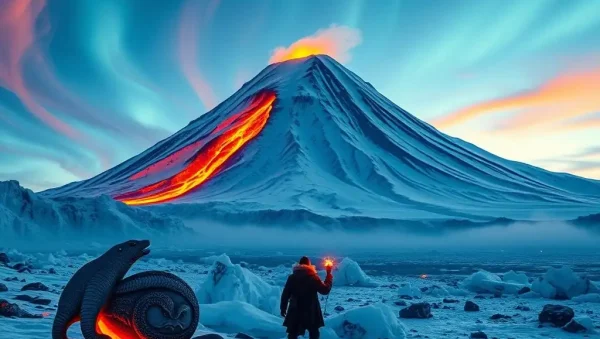
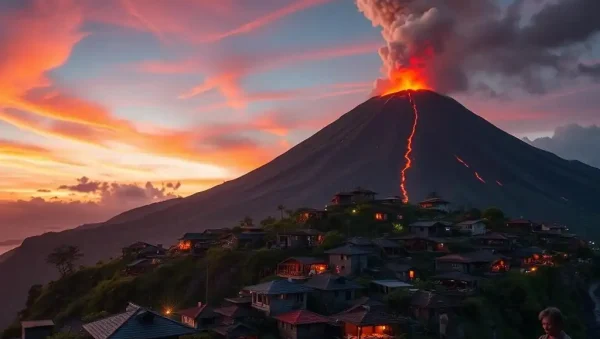
Volcanoes have always been more than geological marvels—they are powerful characters in the world’s storytelling traditions. From Hawaiian Pele to Roman Vulcan, these fiery mountains have inspired myths, oral histories, and modern literature for millennia. On this page, we explore how volcanic eruptions are woven into creation stories, heroic epics, and cautionary tales, revealing deep human connections to these restless giants.
🌋 Mythological Deities and Divine Wrath
Across cultures, volcanoes are often personified as gods or spirits whose moods dictate eruptions. In Hawaiian tradition, Pele is the fiery goddess of volcanoes, whose anger or longing shapes lava flows and creates new land. Meanwhile, Roman mythology gave us Vulcan, the blacksmith god who forged weapons beneath Mount Etna, and Japanese folklore features the dragon Yamata no Orochi, linked to volcanic tremors.
These stories served practical purposes: they explained unpredictable natural events and offered a framework for communities to interpret signs of impending danger. By understanding the divine personalities attributed to volcanoes, visitors gain insight into how ancient peoples lived alongside active landscapes, developing rituals of appeasement, offerings, and seasonal ceremonies that persist in some regions today.
📜 Oral Traditions and Creation Epics
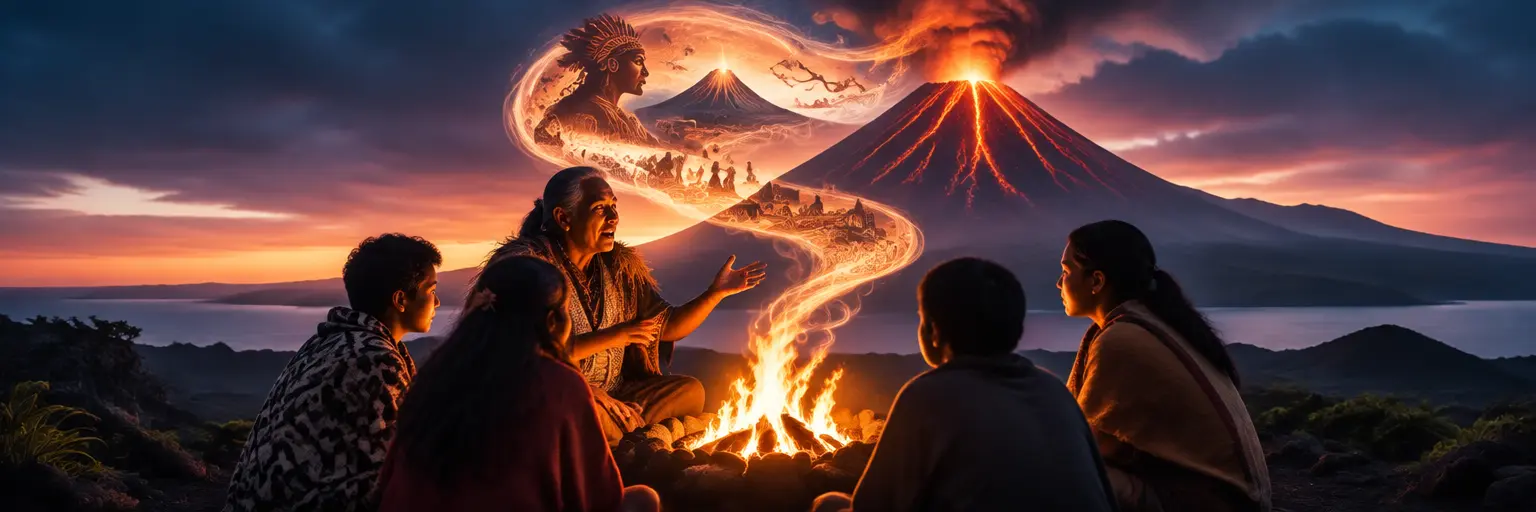
Many indigenous cultures embed volcanoes in their origin narratives, portraying eruptions as acts of cosmic creation or destruction. The Māori of New Zealand tell of Ngātoroirangi, who called upon fire from the underworld to survive freezing mountain winds, creating the hot springs and volcanoes of the Taupō Volcanic Zone. Similarly, the Klamath people of Oregon recount the battle between Llao and Skell, which formed Crater Lake’s caldera.
These oral traditions are not mere folklore—they encode environmental knowledge, including eruption cycles and hazard zones, passed down through generations. For modern readers, exploring these epics offers a unique lens to appreciate how storytelling preserved practical survival wisdom while also affirming cultural identity and spiritual belonging in volcanic regions.
📖 Literary and Artistic Representations
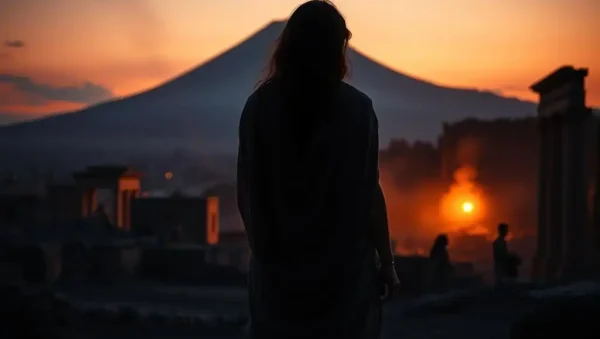
Volcanoes have fueled the imagination of writers and artists, from Jules Verne’s Journey to the Center of the Earth to J.R.R. Tolkien’s Mount Doom in The Lord of the Rings. These depictions often use volcanoes as metaphors for inner turmoil, unstoppable power, or transformative change, resonating with audiences across eras. Pompeii’s destruction, immortalized by Pliny the Younger, remains a literary touchstone for sudden catastrophe.
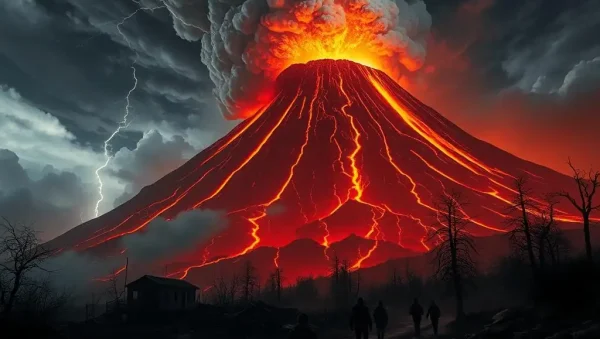
Visual artists, too, have captured volcanic sublime—from Romantic-era paintings of Vesuvius erupting to contemporary photography of glowing lava rivers. By examining these artistic renderings, we see how volcanoes shift from natural phenomena to symbols of human emotion, political upheaval, or environmental warning, enriching our understanding of both the landscapes and the cultures that depict them.
🏛️ Rituals, Ceremonies, and Sacred Sites
Volcanic mountains frequently become sacred geographies, where communities perform rituals to honor or appease the forces within. In Indonesia, the Kesodo ceremony on Mount Bromo sees villagers throw offerings into the crater to ensure prosperity. In Italy, the Feast of San Gennaro intertwines Catholic tradition with ancient Vesuvian beliefs, seeking protection from eruptions.
These practices illustrate how storytelling traditions evolve alongside religious and social systems. Sacred sites like the Aztec Popocatépetl or the Balinese Gunung Agung are not only pilgrimage destinations but also repositories of communal memory, where tales of past eruptions, heroic ancestors, and divine favors are retold annually, reinforcing social bonds and a shared sense of place.
🌍 Modern Storytelling and Media Adaptations
Today, volcanoes continue to inspire filmmakers, game designers, and podcasters. Documentaries like Fire of Love celebrate the lives of vulcanologists, while disaster films such as Dante’s Peak dramatize eruption scenarios for mass audiences. These modern narratives often blend scientific facts with mythic tropes, making volcanic risk accessible and emotionally engaging.
Social media platforms now host vibrant communities of volcano storytellers—photographers, historians, and indigenous voices sharing their narratives. This digital evolution democratizes storytelling, preserving ancient traditions while creating new ones. For visitors, this means exploring volcanoes not just through physical travel but through virtual experiences, interactive maps, and user-generated legends that keep the cultural significance of volcanoes alive in the twenty-first century.
Frequently Asked Questions
What is the most famous volcano myth?
The most famous volcano myth is likely Hawaii’s Pele, the goddess of fire and volcanoes. Her legends explain eruptions as expressions of her emotions—jealousy, anger, or joy. Pele’s stories are living traditions, with locals still offering gin or berries to honor her, demonstrating how ancient myths remain culturally relevant today.
How do volcano stories help with disaster preparedness?
Oral traditions often encode real observations of volcanic behavior—such as precursor earthquakes, ash columns, or animal behavior. Indigenous communities used these narratives as warning systems, identifying danger zones and safe routes. Modern researchers study these stories to complement scientific monitoring, recognizing that traditional knowledge adds valuable layers to hazard education.
Are there any festivals celebrating volcano legends?
Yes, many regions hold festivals honoring volcanic myths. Indonesia’s Yadnya Kasada at Mount Bromo features offerings thrown into the crater, while Sicily’s Feast of St. Agatha venerates the volcano’s protection. These festivals blend spiritual reverence with communal celebration, attracting tourists and reinforcing cultural identity.
How has modern cinema changed volcano storytelling?
Modern cinema has shifted volcano stories from divine punishment to human-centered dramas, emphasizing survival and scientific heroism. Films like Volcano and Dante’s Peak use realistic CGI to depict eruptions, while also incorporating mythic elements, such as sacrifice or prophecy. This blend makes volcanic hazards tangible for mass audiences, sparking interest in real-world geology.
Can I visit places where volcano stories originate?
Absolutely. Sites like Hawaii Volcanoes National Park, Mount Vesuvius in Italy, and Mount Bromo in Indonesia offer guided tours that include storytelling sessions, cultural exhibits, and sacred sites. Many local guides are custodians of these tales, providing immersive experiences that connect visitors to the deep narrative traditions of volcanic landscapes.