Exploring Mud Volcanoes: Non-Igneous Volcanic Features
Welcome to VolcanoExplorers.org’s deep dive into mud volcanoes—a fascinating, often misunderstood category of volcanic phenomena that do not erupt molten rock. Unlike their fiery cousins, these features ooze mud, gas, and water from deep beneath the Earth’s surface. Here, we unravel the geology, locations, and hazards of these intriguing non-igneous structures, perfect for geology enthusiasts, students, and curious travelers alike.
🌋 What Exactly Are Mud Volcanoes?
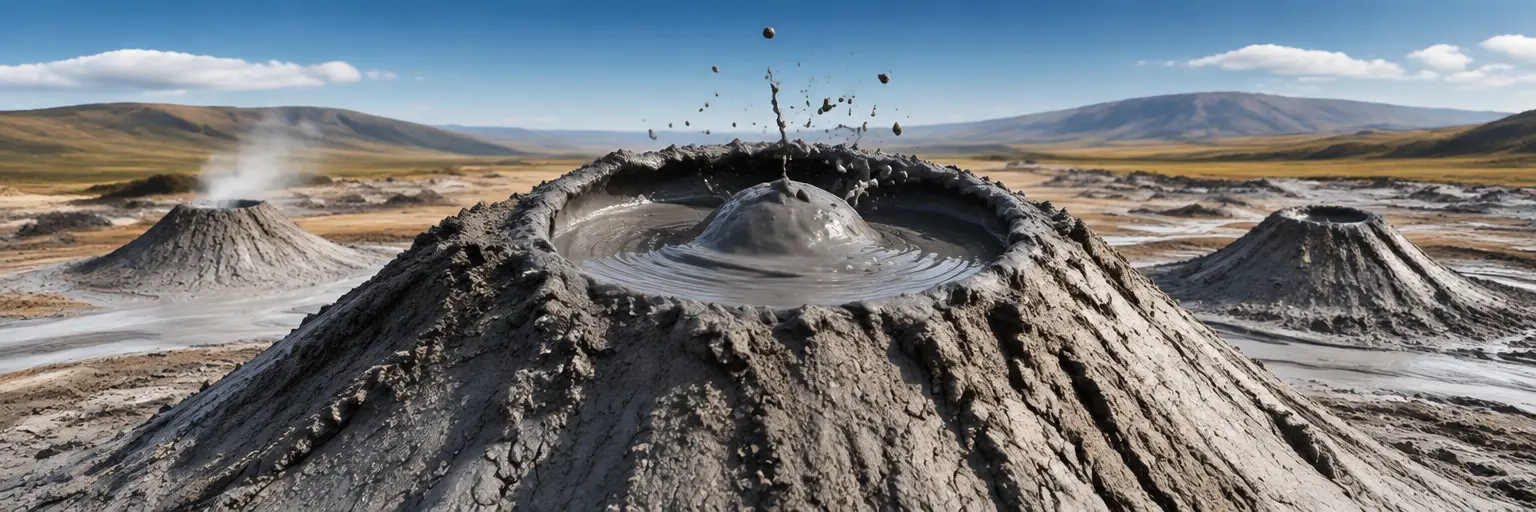
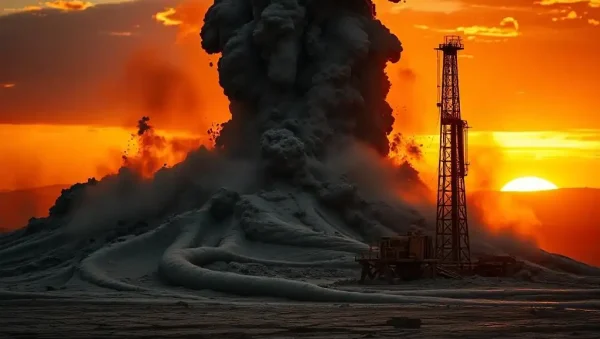
Mud volcanoes are geological formations created when pressurized fluids, gases (primarily methane), and fine sediments are forced upward through weak zones in the Earth’s crust. They are not driven by magma or high-temperature igneous processes, making them a distinct category of “cold” volcanic-like features. The resulting conical mounds can range from a few meters to several kilometers in diameter, with crater-like vents that discharge mud slurries and gas bubbles.
These features often occur in tectonically active regions, such as subduction zones, fold belts, and sedimentary basins where thick layers of clay and silt are overpressured. The eruption process is typically gradual, though some mud volcanoes can experience violent, explosive bursts when gas accumulation becomes intense. Understanding them helps scientists map subsurface pressure and even locate hydrocarbon reservoirs, as their presence often correlates with oil and gas fields.
🗺️ Global Hotspots and Famous Examples
Mud volcanoes are scattered worldwide, with notable clusters in Azerbaijan, Indonesia, Trinidad, Romania, and the Gulf of Mexico’s seafloor. Azerbaijan’s Gobustan region is home to over 300 mud volcanoes, including the famous “Yanar Dag” fire mountain, where escaping gas ignites into flames. Meanwhile, Indonesia’s Lusi (Sidoarjo) mud volcano erupted in 2006 and continues to spew mud, flooding villages and raising scientific debate about human vs. natural triggers.
In Trinidad, the Pitch Lake is often mistaken for a mud volcano, but its semi-solid asphalt composition is unique. The truly dedicated volcano explorer will also find offshore mud volcanoes, like those in the Mediterranean’s Nile deep-sea fan, which are ecosystems hosting chemosynthetic life. Each location offers a distinct glimpse into how sediment-laden fluids shape landscapes, both subtle and dramatic.
🔬 Geological Processes and Eruption Mechanics
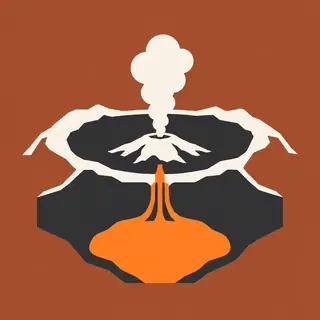
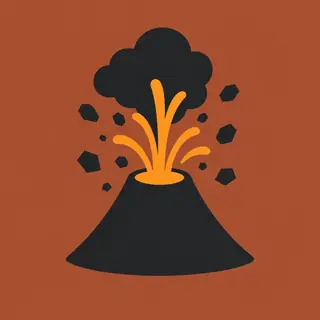
The internal workings of a mud volcano involve a vent system that connects a deep, overpressured mud chamber to the surface. As clay-rich sediments compact, pore water is expelled, and methane gas accumulates, creating buoyancy and pressure. When the overlying strata fractures, a mixture of mud, water, and gas ascends, potentially forming a crater with a central or side vents. Eruptions can be quiet, effusive flows or explosive gas-driven bursts that hurl mud and rocks tens of meters into the air.
Unlike igneous volcanoes, mud volcanoes lack high temperatures; typical emissions are less than 100°C (212°F). However, they play a crucial role in methane release into the atmosphere, a potent greenhouse gas. Studying their activity aids in climate modeling and earthquake forecasting, as stress changes in the crust can trigger new eruptions or alter gas discharge rates. This makes them invaluable natural laboratories for geotechnical and geochemical research.
⚡ Hazards, Risks, and Environmental Impact
Though less deadly than igneous eruptions, mud volcanoes pose serious local hazards. Mudflows can inundate farmland, damage infrastructure, and even destroy entire towns, as seen with Indonesia’s Lusi eruption that displaced thousands. Gas emissions—particularly methane and carbon dioxide—can cause asphyxiation in low-lying areas, and ignition has led to fires. Sudden submarine mud volcano eruptions can trigger tsunamis if large enough, affecting coastal communities.
On the flip side, they offer environmental benefits by sequestering carbon in buried sediments and creating unique habitats. The surrounding mud flats often host salt-tolerant plants and anaerobic microbes that thrive in extreme conditions. For local economies, these features can attract geo-tourism, while methane seepage might be harnessed as a minor energy source. Yet, understanding and monitoring them is essential to mitigate risks in populous regions.
🛠️ How to Visit and Observe Safely
For adventurous travelers, visiting mud volcanoes is a rewarding experience. Key tips: avoid walking near active vents, as the mud can be unstable and hot (though usually below boiling point). Wear old shoes or waterproof boots since sticky mud is hard to clean. Best times are after rain when mud is more fluid, but check local seismic and volcanic activity reports. Guided tours are available in places like Azerbaijan’s Gobustan Reserve or Trinidad’s mud volcano parks.
Respect signage and barriers—some mud volcanoes emit toxic gases like hydrogen sulfide, which smells like rotten eggs. Carry a gas mask if visiting known gas-rich sites. Photography is spectacular, especially at dawn or dusk when steam and gas plumes catch light. Always bring water and a first-aid kit, as remote sites may lack facilities. For the scientific-minded, some nonprofit expeditions allow citizen participation in sampling and monitoring, but always consult with local volcanology institutions first.
🔍 Mud Volcanoes vs. Igneous Volcanoes
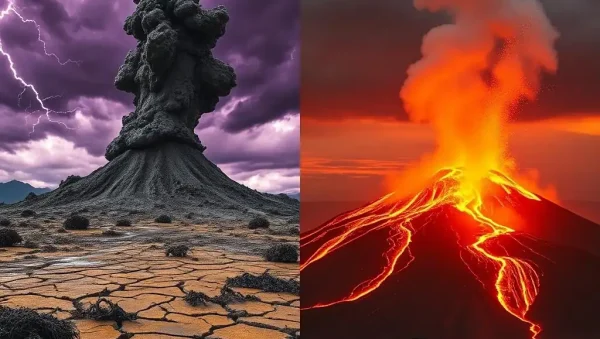
It’s easy to confuse these two, but key differences set them apart. Igneous volcanoes involve molten rock (magma) and high-temperature processes, producing lava flows, ash clouds, and pyroclastic flows. Mud volcanoes are “cold” features, with no magma involvement and significantly lower temperatures. Their driving force is sediment compaction and gas pressure, not mantle convection or plate subduction melting.
Additionally, igneous volcanoes have silica-rich lavas that cool into hard rock, while mud volcanoes leave soft, clay-rich deposits that harden only over geological time. Igneous eruptions can be violently explosive due to volatile gases, whereas mud eruptions are generally less violent, though exceptions exist. Understanding these distinctions helps geologists classify features correctly and assess hazards—an igneous eruption might require evacuation, while a mud volcano’s mudflow may only need local drainage management.
Frequently Asked Questions
Are mud volcanoes dangerous to humans?
Generally, yes, but less than igneous ones. The main dangers include mudflows that can bury homes, toxic gas emissions (methane, hydrogen sulfide), and unexpected explosions. However, most eruptions are slow-moving, giving people time to evacuate. Always heed local warnings.
Can mud volcanoes predict earthquakes?
Not reliably, but they do respond to crustal stress. Seismicity may alter their activity, causing increased gas output or Mud eruptions. Some studies show correlations, but they are not a primary earthquake prediction tool. They serve as indicators of subsurface strain, though.
What is the largest mud volcano in the world?
The Lusi eruption in Indonesia, which began in 2006, is often called the largest ongoing mud eruption, with a crater about 7 km in area. However, Azerbaijan’s Boyuk Khanizadagh is the largest morphological feature, reaching about 400 meters in height and several kilometers across.
Do mud volcanoes exist underwater?
Yes, many form on the ocean floor, especially along continental margins and subduction zones. These submarine mud volcanoes support unique ecosystems with chemosynthetic bacteria, tube worms, and specialized crustaceans. Their eruptive activity can create underwater hills and influence seafloor stability.
Can mud volcanoes help find oil and gas?
Absolutely. Their presence often indicates overpressured sedimentary layers containing hydrocarbons. Geologists use mud volcano distribution and emitted gas composition to map potential petroleum reservoirs. However, exploration requires careful drilling to avoid triggering accidental mud eruptions like Lusi.