
Can Mud Volcanoes Predict Earthquakes? Exploring the Seismic Link

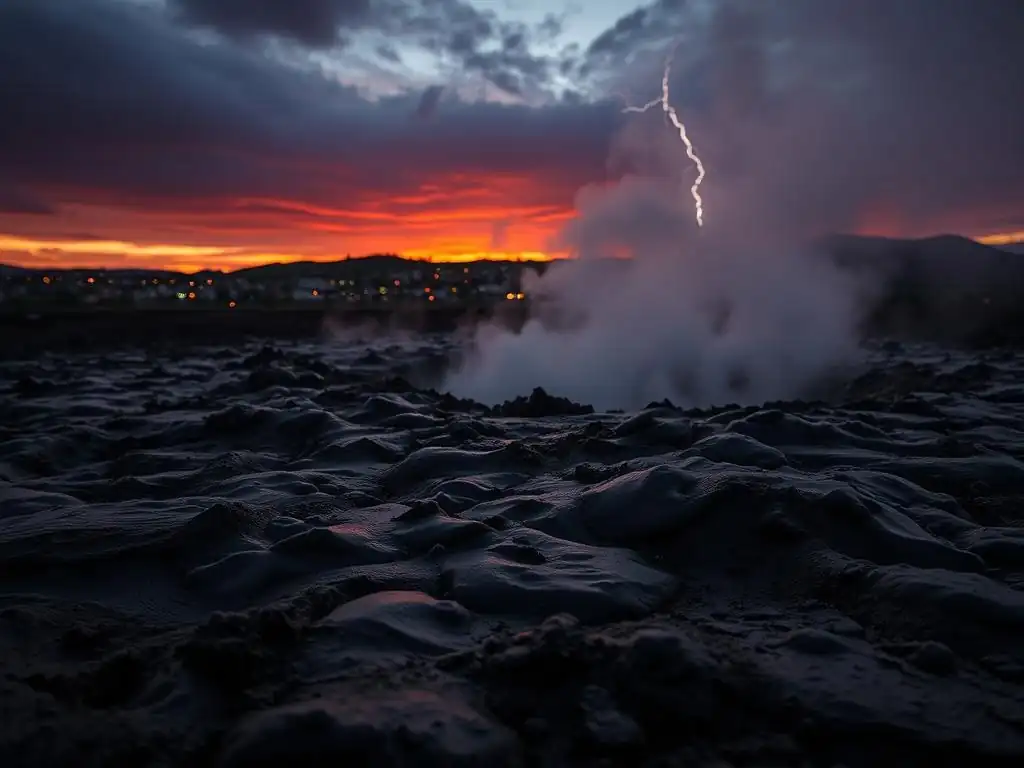
Welcome to Volcano Explorers, where the Earth's fiery heart meets scientific curiosity. Ever wondered if the bubbling mud pits are whispering secrets of impending seismic shifts? Prepare to unravel the surprising connection between mud volcanoes and earthquakes as we delve into the fascinating, and often overlooked, relationship between these geological phenomena. Are these muddy eruptions nature's early warning system? Explore the evidence and uncover the truth.
- Introduction: Mud Volcanoes, Seismicity, and the Earth's Tremors
-
Frequently Asked Questions
- Can mud volcanoes actually predict earthquakes?
- What's the proposed link between mud volcanoes and earthquakes?
- Are all mud volcanoes located near major earthquake zones?
- How do scientists study the connection (or lack thereof) between mud volcanoes and earthquakes?
- If mud volcanoes can't predict earthquakes, are they still useful for studying seismic activity?
- Final Reflection: Unearthing Earth's Secrets
- Unearth Hidden Insights: Your Next Seismic Steps!
Introduction: Mud Volcanoes, Seismicity, and the Earth's Tremors
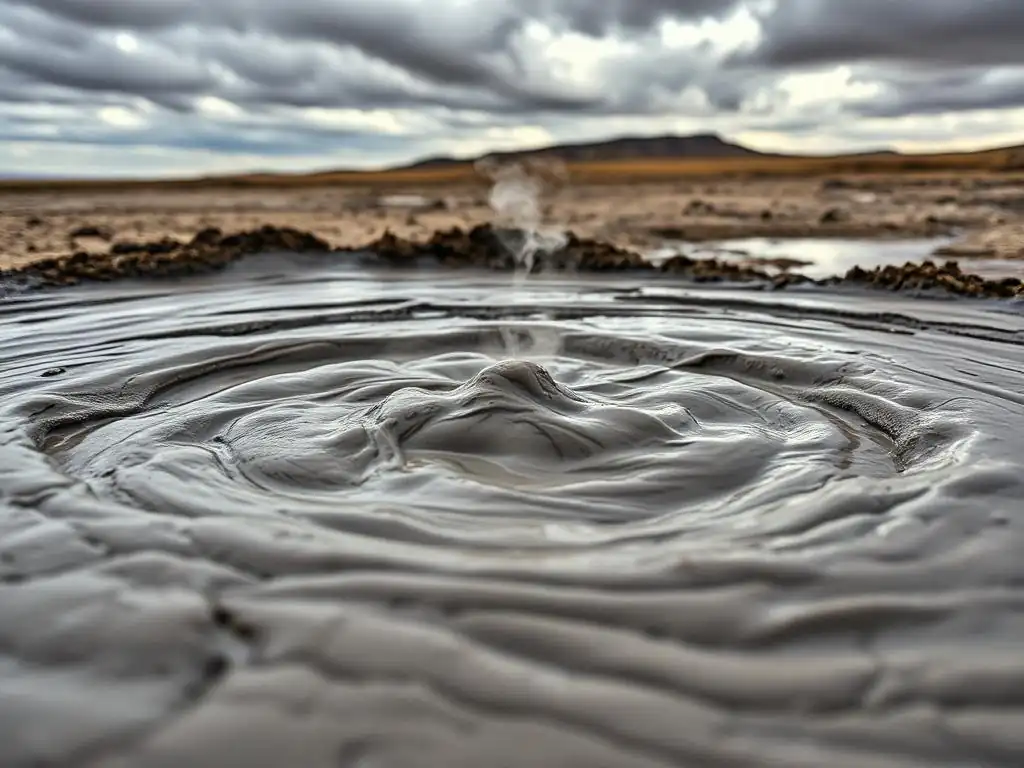
Unveiling the Connection: Mud Volcanoes and Earthquake Activity
The earth's crust is a dynamic and interconnected system where forces acting in one area can influence seemingly distant geological features. Mud volcanoes, often perceived as minor geological curiosities compared to their fiery magmatic counterparts, are increasingly being recognized for their potential connection to larger-scale tectonic events, particularly earthquakes.
The hypothesis that mud volcanoes could serve as indicators, or even predictors, of seismic activity stems from the understanding that both phenomena are driven by subsurface pressures and fault systems within the Earth. Investigating this link is not just an academic exercise; it holds significant implications for hazard assessment and early warning systems in seismically active regions where mud volcanoes are present.
The exploration of the relationship between mud volcanoes and earthquakes is a relatively nascent field of study, yet the initial findings are compelling. Scientists are examining various aspects of mud volcano behavior, such as eruption frequency, gas emissions, and deformation patterns, to identify correlations with seismic events. The underlying principle is that changes in tectonic stress, which ultimately lead to earthquakes, could also manifest in mud volcano activity. By carefully monitoring these often-overlooked geological features, we might gain valuable insights into the complex processes leading to earthquakes and potentially improve our ability to anticipate these devastating natural disasters.
Understanding Mud Volcanoes: A Geological Perspective
From a geological standpoint, mud volcanoes are surface expressions of subsurface dynamics. They are not formed by molten rock like conventional volcanoes, but rather by the expulsion of water, gas, and fine-grained sediments, primarily mud, driven upwards by pressure from deeper geological formations. This material often originates from sedimentary basins where organic matter is buried and undergoes diagenesis, generating hydrocarbons and overpressure. The pressure buildup, combined with tectonic forces, can create pathways for these fluids and sediments to ascend along faults and fractures to the surface, resulting in the formation of mud volcanoes.
The composition of erupted material from mud volcanoes is diverse, reflecting the geology of the subsurface formations they tap into. Typically, it consists of clay minerals, silt, sand, water, hydrocarbons (primarily methane), carbon dioxide, and nitrogen. The temperature of the erupted mud is usually low, close to ambient surface temperatures, distinguishing them sharply from magmatic eruptions. Geologically, mud volcanoes are often associated with areas of active tectonics, sedimentary basins, and hydrocarbon systems, making regions like Azerbaijan, Trinidad, and Indonesia prime locations for their occurrence and for studying their potential link to earthquake activity.
Frequently Asked Questions
Can mud volcanoes actually predict earthquakes?
No, mud volcanoes are not reliable earthquake predictors. While some studies suggest a correlation between mud volcano activity and seismic events, it's not a causal relationship.
What's the proposed link between mud volcanoes and earthquakes?
The proposed link revolves around tectonic stress. Earthquakes release stress, potentially affecting mud volcano activity by altering underground fluid pressures.
Are all mud volcanoes located near major earthquake zones?
Not necessarily. While many are found in tectonically active regions, mud volcanoes can also form due to other geological processes, independent of major earthquake faults.
How do scientists study the connection (or lack thereof) between mud volcanoes and earthquakes?
Scientists use a variety of methods, including seismic monitoring, analyzing mud volcano gas emissions, and studying the geological history of regions with both features.
If mud volcanoes can't predict earthquakes, are they still useful for studying seismic activity?
Yes, mud volcanoes can offer insights. Changes in their activity might reflect underground stress accumulation, providing complementary data for understanding regional tectonic behavior, although not predicting specific earthquakes.
Final Reflection: Unearthing Earth's Secrets
The exploration of mud volcanoes and their potential link to earthquakes, as we've seen, is far from a closed book. The ongoing quest to understand these geological anomalies highlights our relentless pursuit of predicting and mitigating the devastating effects of seismic activity. This research underscores the interconnectedness of seemingly disparate geological phenomena and the potential for unconventional approaches to unlock crucial insights into earthquake prediction.
This topic has profoundly influenced my perspective on the Earth's dynamic systems. It's a reminder that beneath the surface, a complex interplay of forces is constantly at work, shaping our world in ways we are only beginning to comprehend. The possibility that mud volcanoes, often overlooked, could hold clues to earthquake prediction underscores the importance of interdisciplinary research and open-minded exploration. The Earth speaks to those who know how to listen.
This quote encapsulates the essence of our scientific endeavor – to decode the Earth's language and understand its rhythms.
Now, I invite you to reflect on the implications of this research. Consider how a deeper understanding of mud volcanoes and their seismic connection could revolutionize earthquake preparedness and save countless lives. Let us embrace a spirit of curiosity and collaboration, supporting the continued exploration of these geological wonders, for within them may lie the key to a safer future for all.
Thank you for exploring the fascinating relationship between mud volcanoes and earthquakes. We hope you gained a new appreciation for the Earth's complex systems and the potential insights these unique formations offer. Ready to continue your exploration?
Here are a few ways to delve deeper:
- Report a Mud Volcano Sighting: If you've witnessed unusual mud volcano activity, contribute to our growing database by submitting a detailed report on VolcanoExplorers.org. Your observations could be crucial!
- Research geological survey maps in your area to uncover potential, unlisted mud volcano locations worthy of investigation.
- Share this article to spark conversations about unconventional earthquake prediction methods. Let's broaden the discussion!
What surprised you most about the connection between mud volcanoes and seismic activity? How might this knowledge shape our understanding of earthquake prediction in the future? Share your thoughts below!