
Beyond Lava: Exploring the NonFiery World of Mud Volcanoes

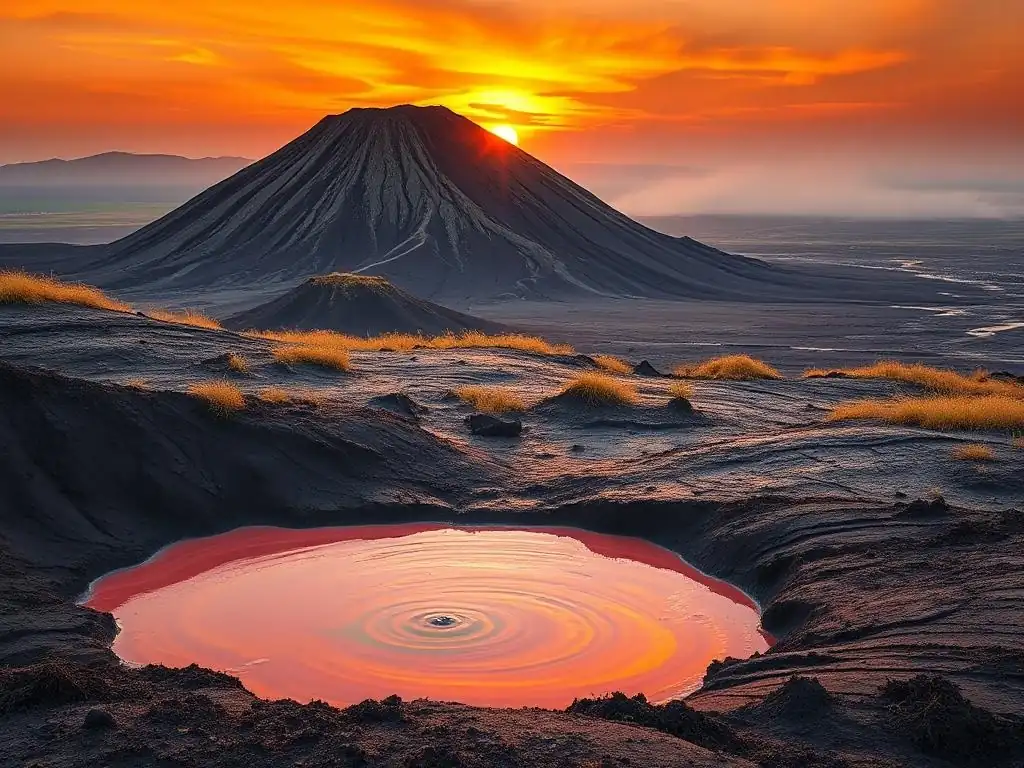
Welcome to Volcano Explorers, where we venture beyond the fiery inferno to uncover the Earth's most intriguing secrets. Prepare to be surprised as we delve into a fascinating phenomenon: NonFire Mud Volcanoes. But what exactly are these bubbling, earthy wonders? Discover their unique formation, surprising composition, and the vital clues they hold about our planet's inner workings. Your volcanic journey starts now!
Introduction to Mud Volcanoes: Unveiling the Non-Igneous Side of Volcanism
MudVolcanoResearch.com: Delving into the Diverse World of Volcanic Features
Imagine a website dedicated solely to the study of mud volcanoes – MudVolcanoResearch.com. This virtual platform would serve as a comprehensive resource, inviting geologists, environmental scientists, and curious minds alike to explore the fascinating world of these non-igneous volcanic formations. It would be a hub for the latest research, showcasing detailed studies on mud volcano distribution, eruption mechanisms, and the unique ecosystems they foster. Visitors could expect to find interactive maps pinpointing mud volcano locations globally, alongside in-depth articles explaining the complex geological processes behind their creation.
MudVolcanoResearch.com would also highlight the crucial distinction between mud volcanoes and their fiery, lava-spewing counterparts. The site would emphasize that while both are expressions of Earth's internal dynamics, mud volcanoes offer a window into different geological forces at play. Instead of molten rock, these features expel a slurry of mud, water, gas, and rock fragments, often at significantly lower temperatures.
This contrast would be a central theme, underscoring the diversity within the realm of volcanism and broadening the understanding of what constitutes a "volcanic" feature. The website would aim to dispel misconceptions and showcase mud volcanoes as equally compelling and scientifically significant natural phenomena.
The Allure of Mud Volcanoes: A Non-Fiery Volcanic Phenomenon
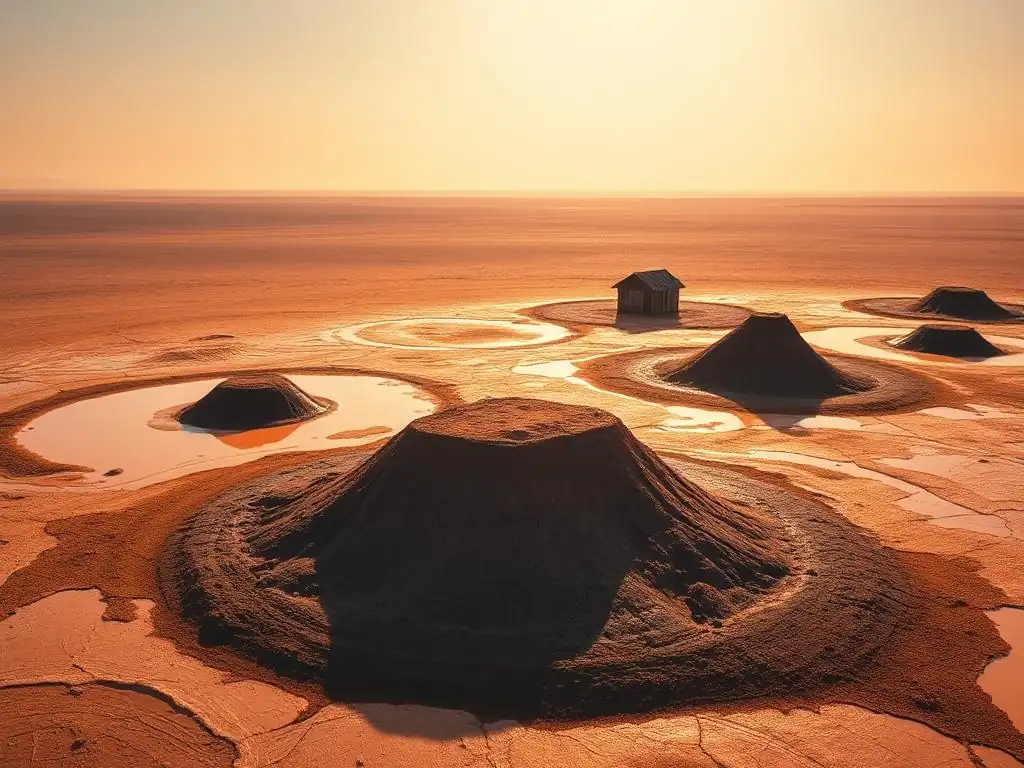
While the dramatic imagery of fiery volcanoes spewing lava often dominates our perception of volcanic activity, mud volcanoes present a subtler, yet equally captivating spectacle. These non-fiery formations, though lacking the intense heat and explosive power of their magmatic cousins, possess their own unique allure. Imagine landscapes dotted with conical mounds, bubbling and gurgling as mud flows gently down their slopes, releasing plumes of gas into the atmosphere. This visual is far removed from the violent eruptions of Mount Vesuvius or Kilauea, but it speaks to a different kind of geological dynamism, one that is no less fascinating.
The intrigue of mud volcanoes stems from their enigmatic nature. They are geological puzzles, revealing insights into subsurface processes that are distinct from those driving traditional volcanism. The slow, steady expulsion of mud, often accompanied by flammable gases like methane, creates an otherworldly environment.
These landscapes can appear barren and desolate, yet they often harbor unique ecosystems adapted to the mineral-rich mud and the constant seepage of hydrocarbons. This juxtaposition of apparent lifelessness and hidden biological activity adds to the allure, inviting exploration and scientific inquiry into these lesser-known volcanic features. For those seeking to understand the full spectrum of Earth's geological expressions, mud volcanoes offer a compelling and non-fiery path of discovery.
Frequently Asked Questions
What exactly are NonFire Mud Volcanoes?
NonFire Mud Volcanoes are geological formations where mud, water, and gases erupt onto the Earth's surface. Unlike regular volcanoes, they don't erupt lava but rather a slurry of mud.
What causes NonFire Mud Volcanoes to form?
They are typically caused by underground pressure from gases, often methane, pushing mud and water upwards through weaknesses in the Earth's crust. This pressure can be related to tectonic activity or hydrocarbon deposits.
Are NonFire Mud Volcanoes dangerous?
While not as immediately destructive as lava volcanoes, they can still pose risks. Mudflows can bury areas, and the released gases, especially methane, can be flammable or contribute to climate change.
Where can I find NonFire Mud Volcanoes?
They are found in various regions worldwide, often in areas with sedimentary basins and active tectonic zones. Examples include Azerbaijan, Indonesia, and Italy, among others.
How do scientists study NonFire Mud Volcanoes?
Volcanologists use various techniques, including gas analysis, satellite imagery, and field observations, to monitor their activity and understand their formation processes. They study them to assess hazards and learn about subsurface geology.
Final Reflection: The Quiet Power of Mud
The exploration of mud volcanoes, far removed from the fiery drama of their lava-spewing cousins, reveals a hidden world of geological activity that is surprisingly relevant today. Understanding these non-fiery formations offers crucial insights into subsurface processes, resource management, and even climate change mitigation. The intricate dance of water, sediment, and gas beneath our feet, manifested in these bubbling landscapes, demands our attention and respect.
The subtle yet persistent influence of mud volcanoes on the cultural and social landscape is often overlooked, yet it's undeniably present. From their role in shaping unique ecosystems to their potential as sources of geothermal energy, these formations hold immense value. We are part of the earth and it is part of us.
This quote, often attributed to various indigenous cultures, resonates deeply when considering the interconnectedness of our planet and the often-unseen forces that shape it, like the gentle eruption of a mud volcano.
Now, as you reflect on the "NonFire Mud Volcanoes Explained," consider the broader implications of understanding seemingly insignificant natural phenomena. How can we, as individuals and as a society, better appreciate the quiet power of the earth and harness its potential for a sustainable future? Let us embrace the lessons learned from these bubbling landscapes and strive to protect and understand the hidden wonders that lie beneath our feet, ensuring a future where the earth's quiet voices are finally heard.
Okay, I'm ready to craft a Call to Action (CTA) for an article titled "Beyond Lava: Exploring the NonFiery World of Mud Volcanoes" on a website called "Volcano Explorers" with the domain volcanoexplorers.org. Here's my attempt:
Dive Deeper: Unearth the Secrets of Mud Volcanoes!
Thank you for joining us on this fascinating journey beyond traditional lava volcanoes! We hope you've discovered a newfound appreciation for the unique and often overlooked world of mud volcanoes. Now, let's get your hands dirty and continue the exploration!
Here are a few ways you can further immerse yourself in the world of mud volcanoes:
- Plan a Mud Volcano Adventure: Use our interactive map on VolcanoExplorers.org to locate mud volcano sites near you and start planning your next (safe and responsible!) expedition. Remember to always prioritize safety and respect the environment!
- Share the Muddy Marvel: Spread the word about these fascinating geological formations! Post your favorite mud volcano fact or photo on social media and tag us using #MudVolcanoExplorers.
- Become a Mud Volcano Advocate: Did you know mud volcanoes are sometimes under threat from development? Join our citizen science initiative to monitor and report on the health of local mud volcano sites.
What surprising fact about mud volcanoes stuck with you the most, and how will you use that knowledge to share their story?