Life in Perpetual Night: Unveiling Lava Tube Cave Creatures
Descend into the darkness with VolcanoExplorers.org and discover the unique Lava Tube Cave Ecosystem. Life thrives even without sunlight; explore the bizarre…
Read article
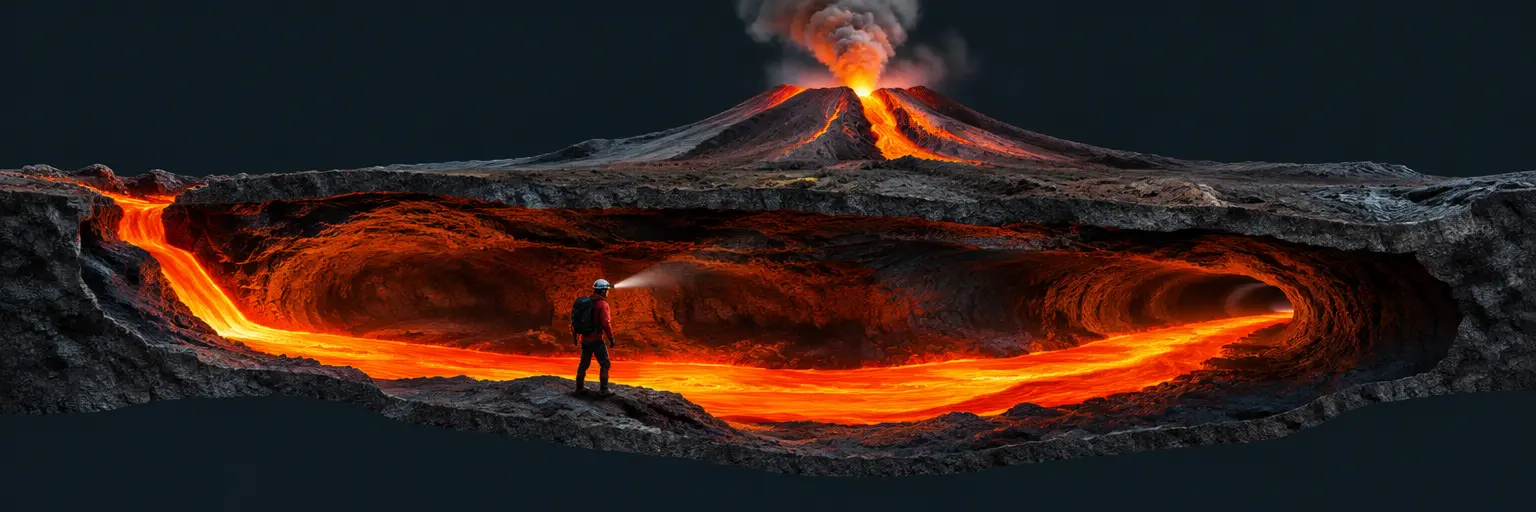
Lava tubes are nature’s hidden highways—underground passages carved by molten rock that once flowed beneath a volcano’s surface. These remarkable caves form when the outer layer of a lava flow cools and hardens, while the hot interior continues to drain away, leaving behind a hollow tunnel. At Volcano Explorers, we reveal how these subterranean pathways offer a unique window into volcanic processes, acting as time capsules of past eruptions and providing shelter for unique ecosystems. Whether you’re a geology enthusiast or a curious adventurer, exploring lava tubes is like stepping into the very veins of a volcano—dark, silent, and awe-inspiring. Discover their formation, the stunning lava stalactites and flow features they preserve, and how scientists use them to understand eruption dynamics. Step off the beaten path and into the world beneath your feet!

Descend into the darkness with VolcanoExplorers.org and discover the unique Lava Tube Cave Ecosystem. Life thrives even without sunlight; explore the bizarre…
Read article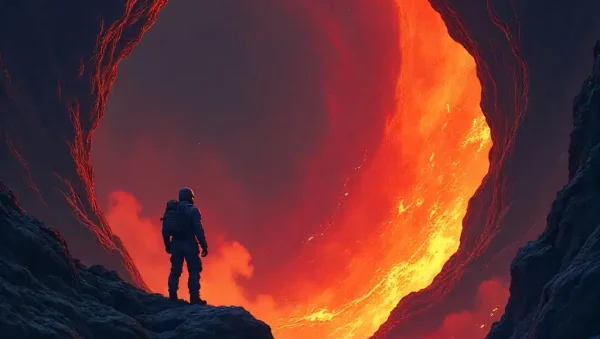
Descend into the Earth's fiery heart! VolcanoExplorers.org unveils the allure of exploring lava tubes, offering breathtaking visuals and crucial safety tips for…
Read article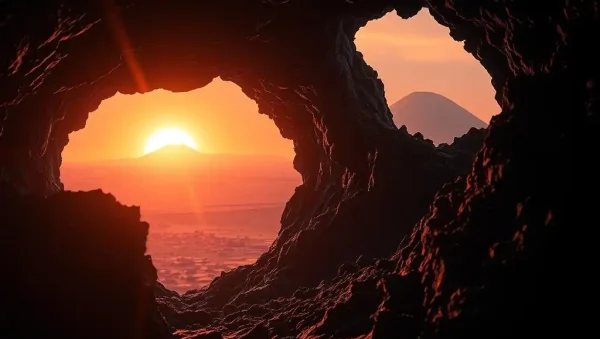
Uncover the mysteries of Martian geology! Could lava tubes on Mars mirror Earth's volcanic formations? VolcanoExplorers.org explores this exciting possibility, revealing the…
Read article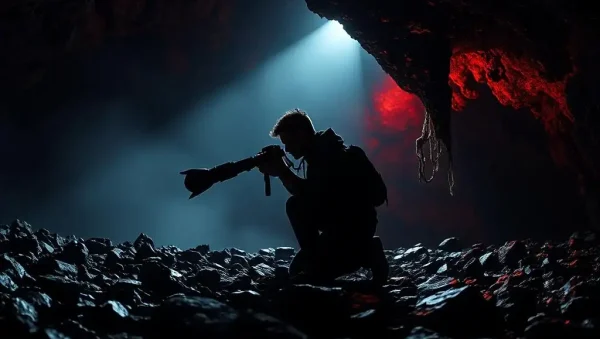
Unleash your inner explorer! VolcanoExplorers.org reveals expert lava tube photography tips, mastering low-light techniques to capture the breathtaking beauty of these subterranean…
Read article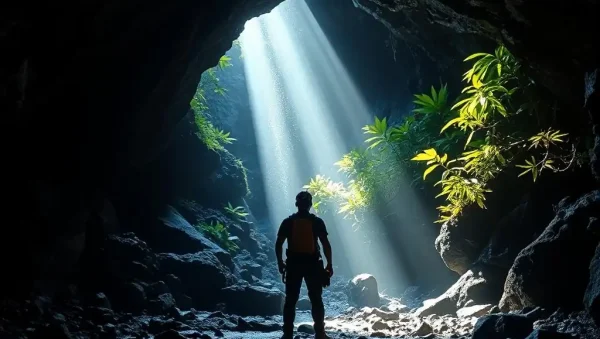
Explore Hawaii's hidden wonders! VolcanoExplorers.org unveils the breathtaking volcanic caves in Hawaii, formed by ancient lava flows. Discover the dramatic beauty and…
Read articleBeneath the rugged surface of volcanic landscapes lies a hidden world of dark, winding tunnels carved by molten rock. Lava tubes are natural conduits formed when the surface of a lava flow cools and solidifies, while the hot liquid interior continues to drain away, leaving behind a hollow, cave-like passage. These underground pathways are not only geological marvels but also critical windows into planetary history—found on Earth, Mars, and the Moon. At VolcanoExplorers.org, this subcategory unpacks how these tubes form, where they exist, their unique ecosystems, and why they matter for future space exploration.
Lava tubes begin when a volcanic eruption produces a continuous, fluid basaltic lava flow. The outer layer, exposed to cooler air or water, quickly solidifies into a brittle crust, insulating the lava beneath. As the eruption persists, the molten interior continues to flow downhill, gradually carving a channel. When the eruption wanes, the lava drains completely, leaving behind a cylindrical void—sometimes stretching for kilometers. Key factors include lava viscosity, eruption duration, and ground slope, which determine tube width, height, and branching patterns.
Understanding formation mechanics helps volcanologists predict future eruption behavior and assess hazards. For instance, stable tubes can transport lava over long distances, feeding distant vents or creating complex networks. This section also highlights skylights—collapsed roof sections that expose the tube—and lava stalactites, which form when molten drips solidify on ceilings. Practical applications include mapping safe entry points for scientific study and tourism, as well as identifying potential water storage zones in arid volcanic regions.
Some of the most spectacular lava tubes are open to exploration. Hawaii’s Thurston Lava Tube (Nāhuku) in Volcanoes National Park is a prime example, formed over 500 years ago and surrounded by lush rainforest. Iceland’s Raufarhólshellir is one of the longest, extending over 1.3 kilometers with striking ice formations in winter. On Tenerife, Spain, the Cueva del Viento is part of a massive system exceeding 17 kilometers, renowned for its unique invertebrate fauna. Each location offers distinct geological features, from smooth, glossy walls to rough, jagged ceilings that record past flow pulses.
This section provides virtual tours, visitor tips, and safety precautions for exploring these natural wonders. It also compares tube morphologies across different volcanic settings, such as shield volcanoes versus small-scale fissure eruptions. For travelers and educators, these examples double as living laboratories, showing how erosion, collapse, and secondary mineral deposits (like opal or calcite) alter tubes over millennia. Real-time photos and maps help readers plan visits while appreciating the fragility of these subterranean ecosystems.
Despite the lack of sunlight, lava tubes host surprising biodiversity. Microbial mats of chemosynthetic bacteria cover walls, feeding on minerals and moisture, while specialized cave-adapted species—such as blind spiders, cave crickets, and rare amphipods—evolve unique traits like elongated appendages and loss of pigmentation. In Hawaii, the lava tube moth (Schrankia separata) is one of the few insects known to complete its life cycle entirely underground. These organisms depend on organic material washed in from the surface or on guano from bats and other animals that roost near entrances.
Conservation is a pressing concern, as human foot traffic and pollution disrupt these delicate communities. This section offers guidance on responsible exploration—staying on marked paths, avoiding touching formations, and minimizing light exposure. It also highlights scientific studies that use DNA sampling to catalog underground biodiversity, revealing new species at an accelerating rate. For amateur naturalists, the content explains how to identify common troglobites and encourages contributing to citizen-science databases that track rare sightings.
Planetary scientists view lava tubes as prime real estate for future settlements. On the Moon and Mars, these tunnels offer natural shielding from radiation, micrometeorite impacts, and extreme temperature swings—conditions that make surface habitats hazardous. Lunar lava tubes, some potentially hundreds of meters wide, could house pressurized living quarters, greenhouses, and water-ice storage. NASA and ESA are actively studying radar data from orbiters to identify intact, collapsed-free entrances, called skylights, which could serve as natural airlocks.
This section bridges geology and space exploration, explaining how Earth’s tubes serve as analog sites for testing robotics, life-support systems, and construction techniques. It also addresses challenges like unstable ceilings, sealing entrances, and providing artificial illumination. For science fiction fans and future engineers alike, the content outlines realistic timelines for human visitation and permanent bases, referencing ongoing missions like NASA’s Artemis program and private ventures. Engaging infographics compare gravity, radiation levels, and available resources between Earth, Moon, and Mars.
Venturing into lava tubes requires preparation, as conditions can change rapidly. Always carry at least two independent light sources, wear a helmet, and never explore alone—flash floods, loose rocks, and deep pits are common dangers. Check weather forecasts, as rain can quickly funnel water into low-lying chambers. Many tubes are on private or protected land, so securing permits is essential. This section also covers first-aid responses for falls, hypothermia, and carbon dioxide buildup in poorly ventilated sections, where oxygen levels may drop dangerously low.
Respect for the environment is equally important. Lava tubes are irreplaceable archives of volcanic history, and careless behavior—graffiti, breaking formations, or removing rocks—damages scientific records. This content provides a checklist for low-impact visits, including using washable lights, packing out all trash, and avoiding areas with active colonies of bats or rare insects. For guided tours, the site lists reputable operators who follow strict conservation protocols, ensuring that both adventurers and subterranean ecosystems remain safe.
The Kazumura Cave system in Hawaii extends over 65 kilometers, making it the world’s longest lava tube. Others like Cueva del Viento in Tenerife exceed 17 kilometers. Length varies based on flow volume, slope, and eruption duration, with some tubes branching into complex networks still being mapped.
Yes, sections of lava tube roofs can weaken over time due to erosion, seismic activity, or weight from surface structures. When a section collapses, it creates a skylight or a chain of pits called a collapse chain. However, most tubes are stable for thousands of years, especially in dry, tectonically quiet regions.
Many developed lava tubes, like Hawaii’s Thurston Lava Tube, are accessible via paved paths with lighting and handrails. Wild, undeveloped tubes require physical fitness, technical gear, and experience. Beginners should join guided tours offered by parks or licensed operators, which provide helmets, lights, and safety briefings.
Common tube residents include cave-adapted insects like crickets, spiders, and millipedes, as well as bats and birds that use entrances for roosting. Microbial mats of bacteria and fungi are abundant, forming the base of a food web that relies on organic matter washed in from above.
Absolutely. During ongoing eruptions with sustained lava flows, new tubes can form in hours to days. For example, Hawaii’s Kīlauea has produced fresh tubes during recent eruptive episodes. Scientists monitor these in real-time to study flow dynamics and predict where lava might break out to the surface.