
Are Mud Volcanoes a Sign of Oil and Gas? The Hydrocarbon Connection

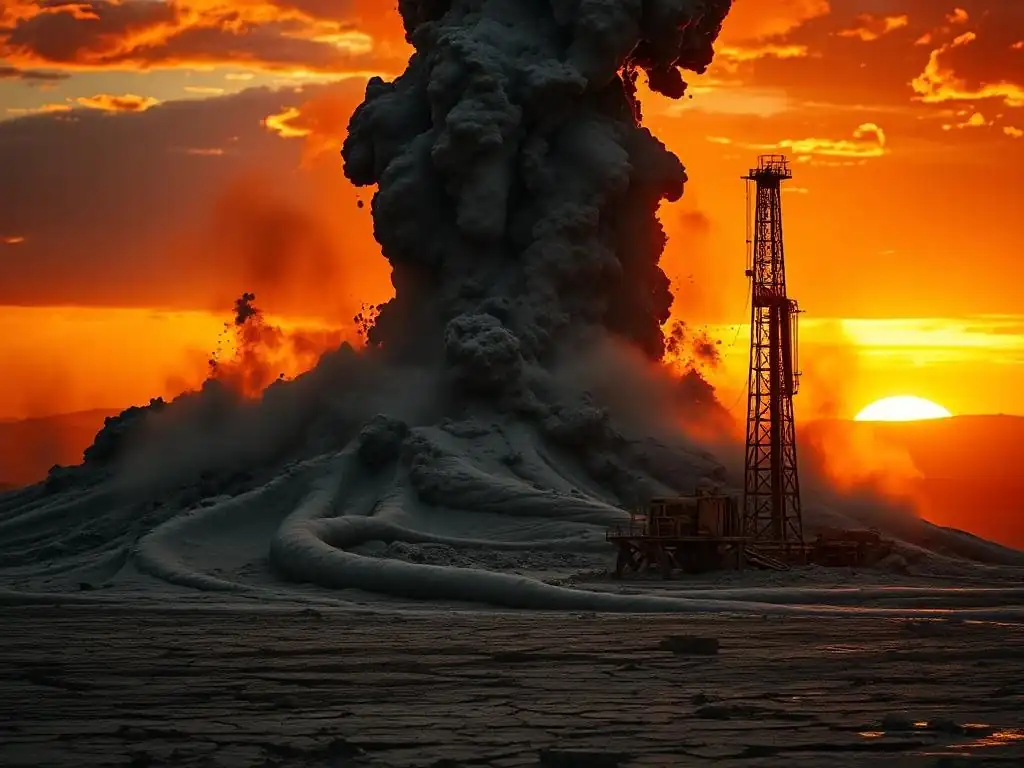
Welcome to Volcano Explorers, where the Earth breathes fire and secrets slumber beneath the surface. Ever wondered what seemingly harmless mounds of mud might tell us about the riches hidden deep below? Prepare to unravel the intriguing connection between mud volcanoes and hydrocarbon deposits. Could these bubbling vents be hinting at vast reserves of oil and gas? Delve in and discover the surprising science that links these geological formations, igniting a quest for knowledge that might just change how you see the landscape forever...
- Introduction to Mud Volcanoes: More Than Just Mud
- Understanding the Hydrocarbon Connection in Mud Volcanoes
- Mud Volcanoes and Hydrocarbon Exploration: Is There a Link?
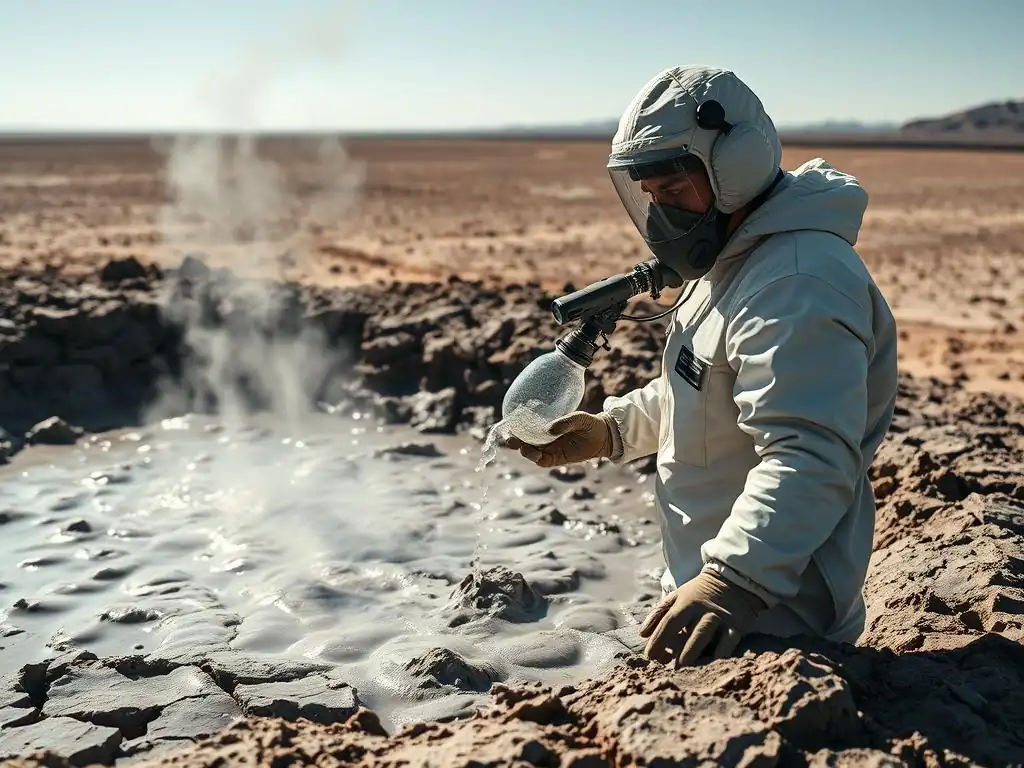
- Analyzing the Gases Emitted from Mud Volcanoes
- The Debate: Mud Volcanoes as Reliable Indicators of Oil and Gas
- Other Materials Erupted from Mud Volcanoes: Beyond Methane
- Environmental Considerations: Mud Volcanoes and Climate Change
- Studying Mud Volcanoes: Research and Exploration Techniques
- Conclusion: The Complex Relationship Between Mud Volcanoes and Hydrocarbons
-
Frequently Asked Questions
- What is a mud volcano, and how does it differ from a regular volcano?
- Does the presence of a mud volcano automatically indicate the presence of oil and gas deposits nearby?
- What is the connection between hydrocarbons and mud volcano formation?
- Are mud volcanoes dangerous, and what risks do they pose?
- Can scientists use mud volcanoes to learn more about subsurface geology and potential hydrocarbon resources?
- Final Reflection: Unearthing Earth's Secrets
- Ignite Your Inner Geologist: Explore the Depths!
Introduction to Mud Volcanoes: More Than Just Mud
What are Mud Volcanoes and Where are They Found?
Mud volcanoes, despite their name, are not fiery mountains spewing molten rock. Instead, they are geological formations that erupt mud, water, and gases. These fascinating features arise from subsurface accumulations of pressurized gas and fluids, which find pathways to the surface through geological weaknesses. Imagine a terrestrial version of a deep-sea hydrothermal vent, but instead of superheated water, it's a slurry of mud and gas that's expelled. The size of mud volcanoes varies dramatically, from small, bubbling pools just a meter or two across to colossal cones hundreds of meters high and kilometers in diameter.
Globally, mud volcanoes are found in a diverse range of geological settings, typically associated with sedimentary basins and tectonically active regions. They are particularly prevalent in areas with thick accumulations of fine-grained sediments, such as clay and silt, and where compressional tectonic forces are at play. Major mud volcano provinces are located in Azerbaijan, which boasts the highest concentration in the world, Trinidad, Colombia, Italy, Indonesia, Pakistan, and Taiwan. These regions share a common thread: active orogenic belts where sedimentary layers are folded, faulted, and subjected to significant pressure, creating the perfect conditions for mud volcano formation.
Mud Volcanoes vs. Magmatic Volcanoes: A Key Difference
The fundamental difference between mud volcanoes and magmatic volcanoes lies in the driving force behind their eruptions and the materials they expel. Magmatic volcanoes, the iconic fiery mountains most people envision, are driven by molten rock, or magma, originating from the Earth's mantle. This magma is less dense than the surrounding rock and rises to the surface, erupting as lava, ash, and volcanic gases. The heat source for magmatic volcanoes is deep within the Earth, associated with plate tectonics and mantle plumes.
Mud volcanoes, on the other hand, are non-igneous features. Their eruptions are not driven by magma but by the pressure buildup of subsurface fluids and gases trapped within sedimentary layers. The erupted material is primarily composed of mud, water, clay, rock fragments, and various gases, notably hydrocarbons like methane.
The temperature of the erupted material is typically much lower than that of lava, usually close to ambient surface temperatures or slightly warmer due to geothermal gradients. While both types of volcanoes involve the release of materials from the Earth's interior, their origins, processes, and erupted materials are distinctly different, reflecting different geological phenomena.
The Fascinating World of Non-Igneous Volcanic Features
Mud volcanoes are just one example of non-igneous volcanic features, a broader category that includes a range of geological formations driven by fluid and gas expulsion rather than magma. This category encompasses features like gas vents, pockmarks on the seafloor, and various types of seeps. These features, while less dramatic than their magmatic counterparts, offer invaluable insights into subsurface geological processes and fluid flow within the Earth's crust. They act as natural windows into the deep subsurface, allowing geologists to sample and analyze materials that would otherwise be inaccessible without costly drilling operations.
The study of non-igneous volcanic features, including mud volcanoes, is crucial for understanding a variety of geological phenomena. They provide information about the composition and pressure of subsurface fluids, the tectonic stresses acting on sedimentary basins, and the migration pathways of hydrocarbons and other gases. Furthermore, these features play a significant role in global biogeochemical cycles, particularly the carbon cycle, through the release of methane and other greenhouse gases into the atmosphere and oceans. Their study is interdisciplinary, drawing upon geology, geochemistry, geophysics, and even microbiology to fully unravel their complexities and significance.
Understanding the Hydrocarbon Connection in Mud Volcanoes
The Role of Geological Formations in Mud Volcano Activity
The formation and activity of mud volcanoes are intrinsically linked to specific geological formations, particularly those found in sedimentary basins. These basins are characterized by thick sequences of sedimentary rocks, often rich in organic matter, that have accumulated over millions of years. Crucially, the presence of impermeable layers, such as shale or clay-rich strata, plays a vital role in trapping fluids and gases beneath the surface. These impermeable layers act as seals, preventing the upward escape of pressurized fluids and allowing pressure to build up over time.
Faults and fractures within these sedimentary formations serve as crucial conduits for the upward migration of fluids and gases. Tectonic activity, such as folding and faulting, creates pathways through otherwise impermeable rocks, allowing pressurized subsurface materials to reach the surface.
The interplay between sediment compaction, tectonic stresses, and the presence of impermeable layers and fault systems dictates where and how mud volcanoes form and erupt. Regions with active tectonics and thick sedimentary basins, like those around the Alpine-Himalayan belt, are prime locations for mud volcano development because these geological settings provide both the source of fluids and gases and the structural pathways for their expulsion.
Hydrocarbon Gases and Fluids: The Drivers of Mud Volcano Eruptions
Hydrocarbon gases, particularly methane, are often the primary drivers of mud volcano eruptions. These gases, along with other fluids like water and brine, accumulate in subsurface reservoirs under immense pressure. The source of these hydrocarbons can be thermogenic, originating from the thermal breakdown of organic matter at depth, or biogenic, produced by microbial activity in shallower sediments. Regardless of their origin, these gases are less dense than the surrounding rocks and fluids, causing them to migrate upwards through permeable pathways.
As these gases and fluids ascend, they encounter decreasing pressure, leading to expansion and further pressure buildup within the subsurface. This pressure eventually overcomes the strength of the overlying rocks, leading to a rupture and a subsequent eruption.
The eruption itself is a process of decompression, releasing the pent-up pressure and expelling a mixture of mud, water, rock fragments, and gases to the surface. The episodic nature of mud volcano eruptions is often linked to the cyclical buildup and release of this subsurface pressure, driven by the continuous generation and migration of hydrocarbon gases and fluids from deeper geological formations.
How Deep Subsurface Processes Influence Mud Volcano Composition
The composition of erupted materials from mud volcanoes provides valuable insights into the deep subsurface processes occurring within sedimentary basins. The gases, fluids, and solid materials expelled are derived from various depths and geological formations, carrying geochemical fingerprints of their origin. For instance, the isotopic composition of methane gas can help differentiate between thermogenic and biogenic sources, indicating the depth and temperature conditions under which the hydrocarbons were generated. Ratios of different hydrocarbon gases, such as methane to ethane to propane, can also provide clues about the maturity and source of the organic matter.
The presence of trace elements and dissolved salts in the erupted fluids can reveal the type of rocks and formations the fluids have interacted with during their migration pathways. Analysis of clay minerals and rock fragments within the mud breccia can further constrain the source formations and the geological history of the basin. Therefore, by meticulously analyzing the composition of mud volcano ejecta, geoscientists can effectively "sample" the deep subsurface, gaining crucial information about hydrocarbon generation, migration pathways, and the overall geological architecture of sedimentary basins, which is often inaccessible through direct drilling alone.
Mud Volcanoes and Hydrocarbon Exploration: Is There a Link?
Mud Volcanoes as Indicators of Petroleum Systems
Mud volcanoes have long been recognized as potential indicators of underlying petroleum systems. The expulsion of hydrocarbon gases and fluids suggests the presence of source rocks, reservoirs, and seals – the essential components of a petroleum system – at depth. Historically, surface seeps of oil and gas, often associated with mud volcano activity, were among the earliest clues that led to the discovery of major oil and gas fields. The logic is straightforward: if hydrocarbons are reaching the surface naturally through mud volcanoes, there is a high probability of a larger accumulation of hydrocarbons trapped beneath the surface.
However, it's crucial to understand that mud volcanoes are not foolproof indicators of commercially viable oil and gas deposits. While they signal the presence of a petroleum system, they don't guarantee the size, quality, or economic viability of any potential reservoirs. The presence of mud volcanoes should be considered as one piece of evidence in a larger geological puzzle, requiring further investigation through geophysical surveys and exploratory drilling to fully assess the hydrocarbon potential of a region.
The Correlation Between Mud Volcano Gases and Oil and Gas Deposits
Numerous studies have demonstrated a statistical correlation between the occurrence of mud volcanoes and the presence of oil and gas deposits in various sedimentary basins worldwide. Regions with a high density of mud volcanoes, such as the Caspian Sea region and parts of Southeast Asia, often coincide with major oil and gas producing areas. The gases emitted from mud volcanoes, when analyzed geochemically, often show signatures consistent with thermogenic hydrocarbons, which are typically associated with oil and gas reservoirs formed from the thermal maturation of organic-rich source rocks.
The types and proportions of hydrocarbon gases, along with non-hydrocarbon gases like carbon dioxide and nitrogen, can provide further clues about the nature of the underlying petroleum system. For example, higher ratios of heavier hydrocarbons (ethane, propane, butane) relative to methane may suggest proximity to oil-prone source rocks, while a dominance of methane could indicate either gas-prone source rocks or microbial gas generation. Therefore, the detailed geochemical analysis of mud volcano gases serves as a valuable reconnaissance tool in hydrocarbon exploration, helping to prioritize areas for more detailed and expensive exploration activities.
Case Studies: LUSI Mud Volcano and the Lapindo Brantas Gas Field
The LUSI mud volcano in East Java, Indonesia, provides a dramatic and cautionary case study illustrating the complex relationship between mud volcanoes and hydrocarbon exploration. LUSI, short for "Lumpur Sidoarjo" (Sidoarjo Mud), began erupting in 2006 near a gas exploration well operated by Lapindo Brantas Inc. While the exact trigger is still debated, many scientists believe the eruption was related to drilling activities, potentially causing a pressure imbalance in subsurface formations. The eruption has been continuous and catastrophic, displacing tens of thousands of people and inundating a vast area with mud.
Interestingly, the LUSI mud volcano erupted in close proximity to the Porong gas field, operated by the same company. While LUSI itself is not directly tapping into the gas field reservoir, its eruption pathway likely intersects with deeper hydrocarbon-bearing formations. This case highlights the potential risks associated with hydrocarbon exploration in mud volcano-prone areas, and the need for careful geological assessment and drilling practices to avoid triggering or exacerbating mud volcano activity. It also underscores the fact that mud volcanoes can be intimately linked to hydrocarbon systems, but in ways that can be both informative and potentially hazardous.
Case Studies: Trinidad Mud Volcanoes and Petroleum Potential
Trinidad and Tobago, located off the coast of Venezuela, is another region renowned for its abundant mud volcanoes and significant petroleum resources. The island of Trinidad alone hosts dozens of active mud volcanoes, many of which are located both onshore and offshore. These mud volcanoes have been studied extensively for their geochemical signatures and their relationship to the prolific oil and gas fields of the Columbus Basin. Research has shown a clear link between the gases emitted from Trinidadian mud volcanoes and the thermogenic hydrocarbons produced from nearby oil and gas reservoirs.
Studies of mud volcano gases in Trinidad have revealed compositions that are highly indicative of petroleum systems, with significant concentrations of methane, ethane, propane, and heavier hydrocarbons. Isotopic analysis further confirms the thermogenic origin of these gases, linking them to deeply buried source rocks.
Furthermore, the spatial distribution of mud volcanoes in Trinidad often aligns with known fault systems and structural trends that are also favorable for hydrocarbon accumulation. This strong correlation makes mud volcanoes in Trinidad valuable indicators for petroleum exploration, guiding exploration efforts and helping to delineate prospective areas within the Columbus Basin and other similar geological settings.
Analyzing the Gases Emitted from Mud Volcanoes
Methane and Other Hydrocarbon Gases: A Detailed Breakdown
Methane (CH4) is typically the most abundant hydrocarbon gas emitted from mud volcanoes, often constituting over 90% of the total gas composition. However, a suite of other hydrocarbon gases is also commonly present, including ethane (C2H6), propane (C3H8), butane (C4H10), and even heavier hydrocarbons in trace amounts.
The relative proportions of these gases, known as gas ratios, are crucial for understanding the origin and maturity of the hydrocarbons. For example, the ratio of methane to ethane (C1/C2 ratio) is a widely used indicator; lower ratios generally suggest a thermogenic source and potentially oil-prone conditions, while very high ratios may indicate biogenic gas or very mature, dry gas systems.
Beyond simple alkanes, mud volcano gases can also contain unsaturated hydrocarbons like ethene (C2H4) and propene (C3H6), and aromatic hydrocarbons like benzene and toluene, although usually in very low concentrations. The presence of these more complex hydrocarbons can provide additional insights into the thermal history and cracking processes within the subsurface. Detailed gas chromatography and mass spectrometry analyses are routinely employed to identify and quantify the full spectrum of hydrocarbon gases emitted from mud volcanoes, providing a comprehensive geochemical fingerprint.
Tracing the Origin of Gases: Isotopic Analysis Techniques
Isotopic analysis is a powerful tool for tracing the origin of gases emitted from mud volcanoes, particularly for distinguishing between biogenic and thermogenic methane. Carbon isotopes, specifically the ratio of carbon-13 to carbon-12 (¹³C/¹²C, expressed as δ¹³C), are widely used. Biogenic methane, produced by microbial activity, is typically depleted in ¹³C and has more negative δ¹³C values (e.g., -50‰ to -80‰ V-PDB). Thermogenic methane, formed by thermal cracking of organic matter at higher temperatures, is relatively enriched in ¹³C and has less negative δ¹³C values (e.g., -20‰ to -50‰ V-PDB).
Hydrogen isotopes, specifically the ratio of deuterium to hydrogen (D/H, expressed as δD), can also provide complementary information about the origin of methane and the source of water associated with mud volcano fluids. Combining carbon and hydrogen isotope data allows for a more robust assessment of gas origin and can help differentiate between various sources and processes, such as mixing of biogenic and thermogenic gases, or secondary alteration processes affecting the isotopic composition. These isotopic techniques are essential for unraveling the complex origins of mud volcano gases and their relationship to underlying hydrocarbon systems.
The Significance of Gas Composition in Hydrocarbon Exploration
The detailed gas composition of mud volcano emissions holds significant value in hydrocarbon exploration. As discussed, gas ratios and isotopic signatures provide clues about the type and maturity of hydrocarbons, the source rocks, and the geological processes at play. In exploration programs, analyzing mud volcano gases can be a cost-effective reconnaissance method to assess the hydrocarbon potential of a large area before committing to expensive seismic surveys and drilling. Identifying areas with mud volcanoes emitting thermogenic gases, particularly those with favorable gas ratios and isotopic signatures, can help prioritize exploration targets and focus resources on the most prospective regions.
Furthermore, monitoring changes in gas composition over time from active mud volcanoes can provide insights into the dynamics of the underlying petroleum system. For instance, changes in gas flux, gas ratios, or isotopic composition might indicate variations in reservoir pressure, fluid migration pathways, or even early warning signs of potential geohazards. Therefore, gas analysis from mud volcanoes is not only a valuable exploration tool but also an important component of environmental monitoring and geohazard assessment in hydrocarbon-prone regions.
The Debate: Mud Volcanoes as Reliable Indicators of Oil and Gas
Arguments for a Strong Correlation
The argument for a strong correlation between mud volcanoes and oil and gas deposits rests on several lines of evidence. Firstly, the very nature of mud volcanoes – expelling hydrocarbon gases and fluids from depth – inherently suggests the presence of a petroleum system. Secondly, statistical studies have shown a spatial correlation between mud volcano provinces and major oil and gas producing regions globally.
Thirdly, geochemical analyses of mud volcano gases often reveal thermogenic signatures consistent with hydrocarbons derived from oil and gas source rocks. Finally, historical discoveries of oil and gas fields have, in some cases, been directly linked to surface seeps and mud volcano activity.
Proponents of this correlation argue that mud volcanoes act as natural "exploration wells," providing direct samples of subsurface fluids and gases that are otherwise difficult and expensive to obtain. They highlight the cost-effectiveness of mud volcano gas surveys as a reconnaissance tool, allowing for rapid screening of large areas and identification of prospective regions for more detailed exploration. In this view, mud volcanoes are considered valuable, albeit not infallible, indicators that significantly increase the probability of encountering commercially viable hydrocarbon accumulations.
Limitations and Caveats: Factors Affecting the Hydrocarbon Connection
Despite the evidence supporting a correlation, there are important limitations and caveats to consider when interpreting mud volcanoes as indicators of oil and gas. Firstly, not all mud volcanoes are directly linked to commercially exploitable oil and gas reservoirs. Some mud volcanoes may primarily expel biogenic gas from shallow sources, or may be associated with deep, non-economic gas accumulations. Secondly, the absence of mud volcanoes in a region does not necessarily rule out the presence of oil and gas. Petroleum systems can exist without surface manifestations like mud volcanoes, particularly in areas with effective seals and limited faulting.
Thirdly, the relationship between mud volcanoes and hydrocarbon reservoirs can be spatially complex. Mud volcanoes may be located some distance away from the actual reservoir, and the erupted gases may represent leakage from different formations than the primary target reservoir. Furthermore, the intensity of mud volcano activity and the composition of erupted materials can vary significantly even within the same region, making it challenging to establish simple, direct correlations. Therefore, while mud volcanoes can be valuable indicators, they should be interpreted cautiously and in conjunction with other geological and geophysical data.
The Importance of Comprehensive Geological Surveys
Given the limitations and complexities, it is crucial to emphasize that mud volcano surveys should be integrated within comprehensive geological and geophysical exploration programs. Relying solely on the presence or absence of mud volcanoes, or even on their gas composition alone, can lead to misleading conclusions. A robust exploration strategy requires a multi-faceted approach, combining mud volcano studies with seismic surveys, gravity and magnetic surveys, geological mapping, and ultimately, exploratory drilling.
Seismic surveys provide detailed subsurface images of geological structures, fault systems, and potential reservoir traps. Gravity and magnetic surveys can help delineate subsurface density and magnetic contrasts, which can be indicative of sedimentary basins and structural features. Geological mapping provides regional context and helps understand the overall tectonic and stratigraphic framework. Only by integrating these diverse datasets can a comprehensive understanding of the subsurface petroleum system be achieved, and the information from mud volcanoes can be placed in its proper context, enhancing the overall exploration success rate.
Other Materials Erupted from Mud Volcanoes: Beyond Methane
Clays, Sediments, and Brine: Understanding the Full Eruption Spectrum
While methane and other hydrocarbon gases are often the focus of attention due to their economic significance, mud volcanoes erupt a diverse range of other materials. The most visually prominent component is mud, which is a slurry of fine-grained sediments, primarily clay and silt-sized particles, mixed with water. The composition of this mud varies depending on the geological formations it originates from, but it typically includes clay minerals like smectite, illite, and kaolinite, along with quartz, feldspar, and rock fragments. These sediments are often derived from the erosion and disintegration of sedimentary rocks at depth.
In addition to mud, mud volcanoes also erupt significant quantities of water, which can range from fresh water to highly saline brine. The salinity of the water is often influenced by the geological formations it has interacted with, and can reflect the presence of evaporite deposits or connate water trapped within sedimentary rocks.
The erupted material may also contain rock fragments, ranging from pebble to boulder size, known as clasts, which are incorporated into the mud breccia during the eruption process. Analyzing the composition and characteristics of these non-gaseous erupted materials provides valuable insights into the subsurface geology and the processes driving mud volcano activity.
The Role of Water Pressure in Mud Volcano Activity
Water pressure plays a critical role in the dynamics of mud volcano eruptions. The subsurface fluids driving mud volcano activity are not solely composed of gases; water is a major component, and its pressure contributes significantly to the overall pressure buildup. In sedimentary basins, pore water pressure can be abnormally high, particularly in overpressured zones where fluid expulsion is restricted by impermeable layers. This overpressure is a key factor in destabilizing subsurface sediments and facilitating their upward migration.
The density contrast between the pressurized fluids (including water and gas) and the surrounding rocks also contributes to buoyancy forces, further driving the upward movement of fluids and sediments. During an eruption, the release of water pressure is a significant component of the decompression process. The erupted water can also carry dissolved salts and minerals, and its chemical composition can be used to trace the origin and migration pathways of subsurface fluids. Understanding the role of water pressure, alongside gas pressure, is crucial for modeling mud volcano eruptions and assessing their potential geohazards.
How Erupted Materials Provide Clues to Subsurface Geology
The non-gaseous materials erupted from mud volcanoes – the mud, water, sediments, and rock fragments – are not merely inert debris; they are valuable geological samples that provide direct clues to subsurface geology. The composition of the mud, particularly the clay mineralogy and the presence of specific minerals, can indicate the type of source rocks and formations the mud originated from. The salinity and chemical composition of the erupted water can reveal the nature of subsurface brines and the geological formations they have interacted with.
The rock fragments (clasts) entrained in the mud breccia are particularly informative, as they represent samples of rocks from deeper formations that would otherwise be inaccessible without drilling. By analyzing the lithology, age, and fossil content of these clasts, geologists can reconstruct the subsurface stratigraphy and identify potential reservoir and source rock formations. Therefore, collecting and analyzing the full spectrum of erupted materials from mud volcanoes, not just the gases, is essential for maximizing the geological information gained and for a more comprehensive understanding of the subsurface.
Environmental Considerations: Mud Volcanoes and Climate Change
Methane Emissions from Mud Volcanoes: A Global Perspective
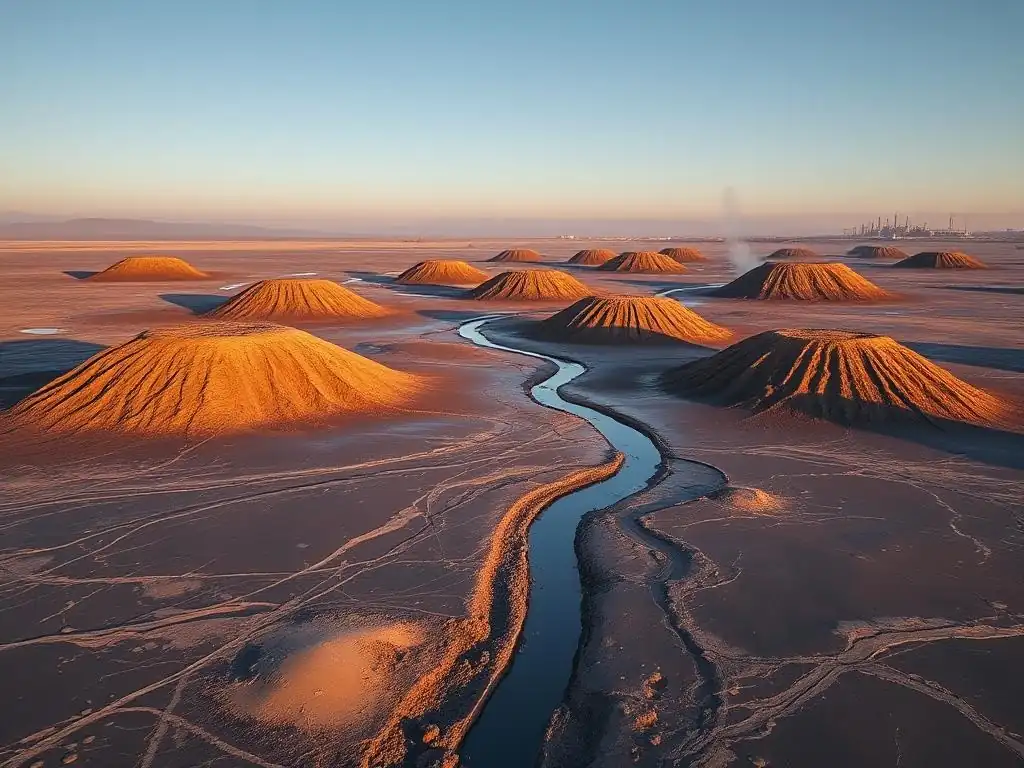
Mud volcanoes are recognized as a significant natural source of methane emissions to the atmosphere and oceans. Methane is a potent greenhouse gas, with a global warming potential significantly higher than carbon dioxide over a 20-year timeframe. While individual mud volcanoes may have relatively small emission rates, the cumulative global flux from thousands of active and dormant mud volcanoes is estimated to be substantial, contributing a measurable fraction to the global methane budget.
Estimates of global methane emissions from mud volcanoes vary, but range from tens to hundreds of teragrams (Tg) of methane per year. This is comparable to other natural methane sources like wetlands and geological seeps. The uncertainty in these estimates stems from the difficulty in directly measuring emissions from all mud volcanoes globally, and the episodic nature of eruptions, which can lead to large but infrequent methane releases. Ongoing research using remote sensing and in-situ measurements is aimed at refining these estimates and better understanding the global contribution of mud volcanoes to atmospheric methane concentrations.
The Impact of Mud Volcano Eruptions on Local Ecosystems
Beyond their global climate impact, mud volcano eruptions can have significant effects on local ecosystems. Large eruptions can cause widespread habitat destruction, burying vegetation and infrastructure under thick layers of mud. The erupted mud can also alter soil chemistry and drainage patterns, impacting agricultural land and natural ecosystems. The release of saline water and brines can contaminate freshwater sources and harm aquatic life.
However, mud volcanoes can also create new habitats and ecological niches. The newly formed mud plains can be colonized by specialized plant and animal communities over time. The discharge of nutrient-rich fluids from mud volcanoes can support chemosynthetic ecosystems, similar to those found at deep-sea hydrothermal vents, although these are less well-studied in terrestrial mud volcanoes. The long-term ecological impact of mud volcanoes is complex and depends on the scale and frequency of eruptions, the local environment, and the resilience of the affected ecosystems.
Monitoring and Mitigation Strategies for Methane Release
Given the contribution of mud volcanoes to global methane emissions and their potential local environmental impacts, monitoring and mitigation strategies are becoming increasingly important. Remote sensing techniques, such as satellite-based methane detection, are being used to monitor large-scale methane emissions from mud volcano regions. Ground-based monitoring networks can provide more detailed measurements of gas fluxes and track changes in activity over time.
Mitigation strategies for methane release from mud volcanoes are still in their early stages of development. One approach is to capture and utilize the emitted methane, converting it into energy or other valuable products. However, this is challenging due to the diffuse nature of emissions and the episodic eruption patterns. Another approach is to manage land use around mud volcano areas to minimize human exposure to geohazards and to protect sensitive ecosystems. Further research and technological development are needed to develop effective and sustainable strategies for monitoring and mitigating the environmental impacts of mud volcanoes.
Studying Mud Volcanoes: Research and Exploration Techniques
Geophysical Surveys: Imaging the Subsurface Structure
Geophysical surveys are essential tools for studying mud volcanoes and unraveling their subsurface structure. Seismic reflection surveys are particularly valuable, providing detailed images of subsurface geological layers, fault systems, and the architecture of mud volcano conduits and source zones. Seismic data can help identify the depth and geometry of subsurface fluid reservoirs and track the pathways of fluid migration from depth to the surface. Three-dimensional (3D) seismic surveys provide even more detailed and spatially accurate subsurface images, allowing for better characterization of complex mud volcano structures.
Gravity and magnetic surveys are also used to study mud volcanoes. Gravity surveys measure variations in the Earth's gravitational field, which can be related to density contrasts in the subsurface. Mud volcano structures, often characterized by less dense mud breccia intruding into denser sedimentary rocks, can be detected using gravity methods. Magnetic surveys measure variations in the Earth's magnetic field, which can be influenced by magnetic minerals in subsurface rocks. These methods, while less detailed than seismic surveys, can provide valuable complementary information about the regional geological setting and the broader structural context of mud volcano provinces.
Geochemical Analysis: Unraveling the Composition of Eruptions
Geochemical analysis of erupted materials is a cornerstone of mud volcano research. Gas chromatography and mass spectrometry are used to analyze the composition of emitted gases, identifying and quantifying hydrocarbon and non-hydrocarbon gases, and determining gas ratios. Isotopic analysis of carbon and hydrogen in methane and other gases helps to trace the origin and maturity of hydrocarbons. Water samples are analyzed for salinity, major and trace element composition, and isotopic ratios to understand the source and migration pathways of subsurface fluids.
Solid materials, including mud, sediments, and rock fragments, are analyzed for mineralogy, grain size distribution, and geochemical composition. Clay mineral analysis can reveal the origin and alteration history of the mud. Rock fragment analysis provides insights into the subsurface stratigraphy and the types of rocks present at depth. Combining geochemical data from gases, fluids, and solids provides a comprehensive picture of the subsurface processes driving mud volcano activity and the geological context of their formation.
Remote Sensing: Monitoring Mud Volcano Activity from Space
Remote sensing techniques offer powerful tools for monitoring mud volcano activity over large areas and over time. Satellite imagery, including optical, thermal infrared, and radar data, can be used to detect and track mud volcano eruptions, measure changes in surface morphology, and monitor thermal anomalies associated with active vents. Thermal infrared imagery is particularly useful for detecting temperature differences and identifying active eruption sites. Radar interferometry (InSAR) can measure subtle ground deformation associated with mud volcano inflation and deflation cycles, providing insights into subsurface pressure changes.
Satellite-based methane sensors are increasingly being used to monitor methane emissions from mud volcano regions on a global scale. These sensors can detect large methane plumes and track changes in emission rates over time. Remote sensing data provides a synoptic view of mud volcano activity, complementing ground-based measurements and enabling long-term monitoring of these dynamic geological features. The integration of remote sensing data with geophysical and geochemical data enhances our ability to understand and monitor mud volcanoes and their environmental impacts.
Conclusion: The Complex Relationship Between Mud Volcanoes and Hydrocarbons
Summarizing the Evidence: Are Mud Volcanoes Reliable Indicators?
The evidence presented demonstrates a complex but significant relationship between mud volcanoes and hydrocarbons. While mud volcanoes are not foolproof indicators of commercially viable oil and gas deposits, they are undeniably valuable signals of active petroleum systems. The expulsion of hydrocarbon gases, particularly thermogenic methane, from mud volcanoes strongly suggests the presence of source rocks, reservoirs, and seals at depth. Statistical correlations, geochemical analyses, and case studies from regions like Trinidad and the Caspian Sea further support this link.
However, it is crucial to acknowledge the limitations. Not all mud volcanoes are associated with economic hydrocarbon accumulations, and the absence of mud volcanoes does not preclude the presence of oil and gas. The relationship can be spatially complex, and the erupted gases may not always directly represent the target reservoir. Therefore, mud volcanoes should be viewed as valuable reconnaissance tools within a broader exploration strategy, rather than definitive indicators on their own.
Future Research Directions: Exploring the Hydrocarbon Connection Further
Future research should focus on refining our understanding of the hydrocarbon connection in mud volcanoes through several avenues. Improved quantification of methane emissions from mud volcanoes globally is needed to better assess their contribution to climate change. Further research into the microbial communities associated with mud volcanoes and their role in methane cycling is also important. More detailed integrated studies, combining geophysical, geochemical, and remote sensing data, are required to better characterize the subsurface architecture of mud volcano systems and their relationship to hydrocarbon reservoirs.
Developing advanced geochemical techniques for analyzing mud volcano gases and fluids, including compound-specific isotope analysis and noble gas geochemistry, can provide more detailed insights into hydrocarbon origin and migration pathways. Numerical modeling of mud volcano eruption dynamics, incorporating fluid flow, pressure buildup, and sediment deformation, can improve our ability to predict eruption behavior and assess geohazards. Continued research in these areas will enhance our understanding of mud volcanoes, their hydrocarbon potential, and their broader geological and environmental significance.
Appreciating the Geological Significance of Mud Volcanoes
Beyond their potential as hydrocarbon indicators, mud volcanoes are fascinating geological features in their own right. They represent a dynamic interplay of subsurface fluid flow, tectonic processes, and sediment dynamics. They act as natural laboratories for studying deep subsurface processes and provide valuable insights into the Earth's crustal architecture and fluid systems. They play a role in global biogeochemical cycles, particularly the carbon cycle, through methane emissions.
Mud volcanoes also pose geohazards, including explosive eruptions, mud flows, and ground deformation, requiring careful monitoring and risk assessment in populated areas. Appreciating the geological significance of mud volcanoes encompasses understanding their complex origins, their role in hydrocarbon exploration, their environmental impacts, and their inherent geological fascination. They are a testament to the dynamic and interconnected nature of Earth systems, and continue to be a subject of ongoing scientific exploration and discovery.
Frequently Asked Questions
What is a mud volcano, and how does it differ from a regular volcano?
Mud volcanoes are geological formations that erupt mud, water, and gases, unlike regular volcanoes which erupt molten rock or lava. They are generally much smaller and less violent than traditional volcanoes.
Does the presence of a mud volcano automatically indicate the presence of oil and gas deposits nearby?
While mud volcanoes are often associated with hydrocarbon-rich areas, their presence does not guarantee commercial oil and gas deposits. The gases released often include methane, a key component of natural gas.
What is the connection between hydrocarbons and mud volcano formation?
Hydrocarbons, like oil and gas, can be trapped underground under high pressure. These pressurized fluids can find pathways to the surface, often along fault lines, and mix with sediment and water to form the mud that erupts from mud volcanoes.
Are mud volcanoes dangerous, and what risks do they pose?
Mud volcanoes can pose several risks, including sudden eruptions of mud and gas, which can damage nearby infrastructure. The emitted gases, particularly methane, can also be flammable and pose an explosion hazard.
Can scientists use mud volcanoes to learn more about subsurface geology and potential hydrocarbon resources?
Yes, the material erupted from mud volcanoes provides valuable insights into the composition and structure of the subsurface. Analyzing the mud and gases can help scientists understand the potential for hydrocarbon resources and geological processes occurring deep underground.
Final Reflection: Unearthing Earth's Secrets
The exploration of mud volcanoes, as we've seen, is far more than a geological curiosity; it's a window into the Earth's deep processes and, crucially, its hydrocarbon potential. Understanding the mud volcano and hydrocarbon connection is increasingly vital in a world seeking sustainable energy solutions and grappling with the environmental impact of fossil fuel extraction. The insights gleaned from these bubbling landscapes offer a unique perspective on subsurface geology and the complex interplay of natural resources.
The study of mud volcanoes has not only shaped our understanding of geological formations but also profoundly influenced our approach to resource exploration. It's a constant reminder that the Earth holds secrets, and our ability to decipher them hinges on interdisciplinary collaboration and innovative research. The Earth speaks to those who know how to listen.
This quote, often attributed to Leonardo da Vinci, encapsulates the essence of scientific inquiry – a patient and persistent quest to understand the language of our planet.
As we conclude this exploration of mud volcanoes and their hydrocarbon connection, I invite you to reflect on the power of observation and the importance of scientific curiosity. Consider how seemingly disparate phenomena, like bubbling mud and the quest for energy, are intricately linked. Let this knowledge inspire you to look beyond the surface, to question assumptions, and to contribute to a deeper understanding of the world around us. The future of sustainable resource management depends on our collective ability to listen to the Earth and learn from its ancient wisdom.
Ignite Your Inner Geologist: Explore the Depths!
Thank you for exploring the fascinating world of mud volcanoes and their connection to hydrocarbon deposits! We hope you found this exploration enlightening. Now, it's time to put your newfound knowledge into action and explore the hidden landscapes beneath our feet.
- Start by researching mud volcano locations near you or in areas known for oil and gas reserves. Use geological surveys and online maps to identify potential sites and delve into existing research.
- Share this article with fellow science enthusiasts and spark a conversation about the geological processes shaping our planet. Encourage them to explore the relationship between mud volcanoes and hydrocarbon systems.
- Consider contributing to citizen science initiatives by reporting observations of mud volcanoes in your area. Your insights could help scientists better understand their behavior and significance.
What intriguing geological features have you uncovered in your own explorations, and what questions do they spark about the Earth's hidden processes? Share your thoughts in the comments below!