Ultimate Guide to Volcano Safety & Emergency Products
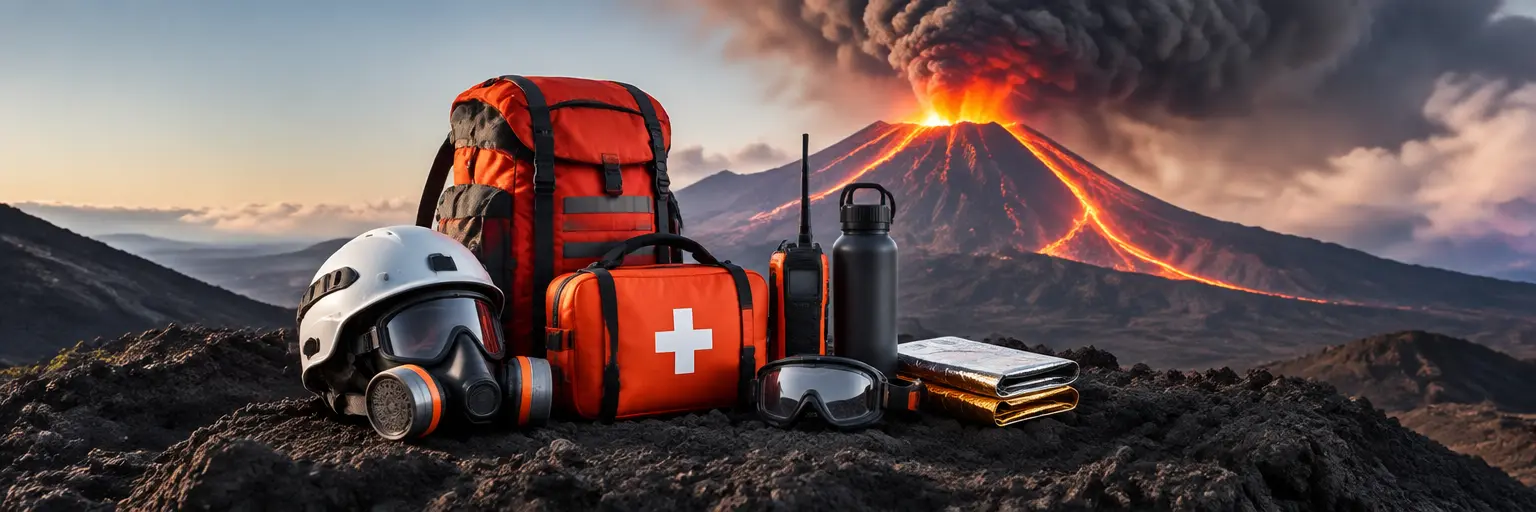
Living near or exploring volcanic regions demands preparation. At VolcanoExplorers.org, we curate the essential volcano safety gear, from ash-resistant respirators to durable communication tools. Our category focuses on practical, life-saving equipment designed to mitigate volcanic hazards like ashfall, toxic gases, and pyroclastic flows. Below, explore subcategories covering everything from tailored first aid to long-term survival storage, ensuring you and your loved ones stay safe before, during, and after an eruption.
🩹 First Aid Kits Specifically Designed for Volcanic Hazards
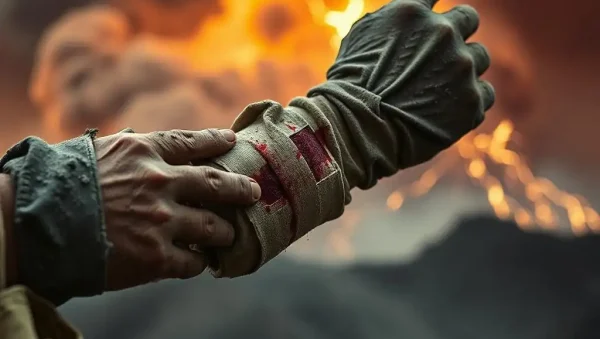
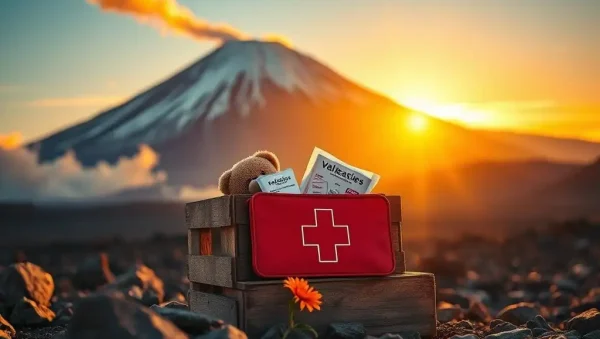
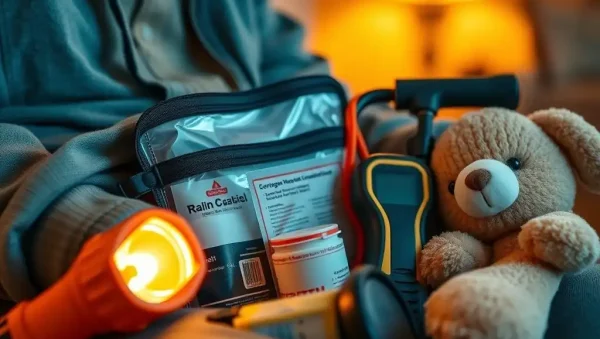
Standard first aid kits fall short in volcanic environments. These specialized kits include eye wash solutions for ash irritation, burn dressings for thermal injuries from hot rocks or steam, and respiratory support items like saline nasal sprays. Expect pH-neutral wipes to remove acidic ash from skin, plus compact thermal blankets to prevent hypothermia after evacuation. Each kit is compact, waterproof, and labeled for rapid deployment during an emergency. Prioritize kits that include instructions for treating volcanic-specific injuries, such as inhalation burns or corneal abrasions.
📡 Emergency Communication Devices for Volcanic Zones
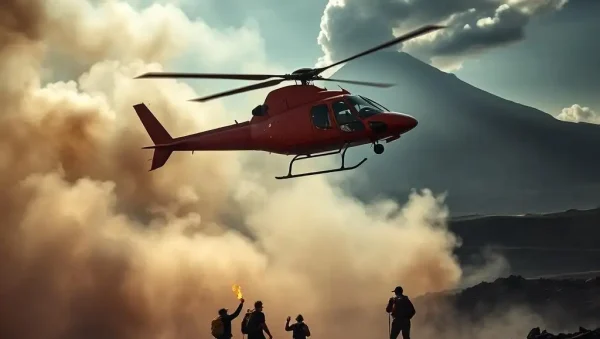
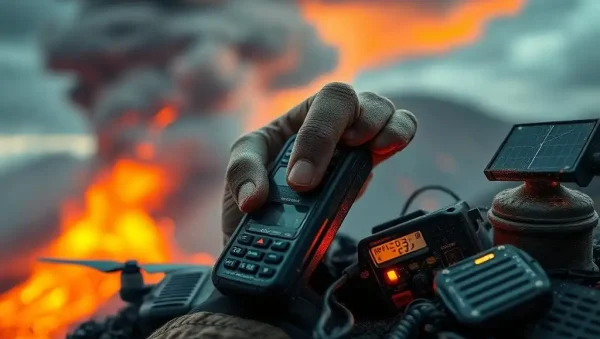
Volcanic eruptions often disrupt cellular networks and power grids. Reliable communication devices include satellite phones, two-way radios with long-range frequencies, and personal locator beacons. Our recommendations feature weather-resistant models that function in heavy ashfall, with battery backup or solar charging options. Look for devices with emergency SOS features that transmit your GPS coordinates to rescue teams. For families, consider multi-user radios with pre-set channels for coordinated evacuation. Always test devices monthly and store extra batteries in airtight, ash-proof containers.
🎒 Volcano Emergency Preparedness Kits: What to Buy and Where
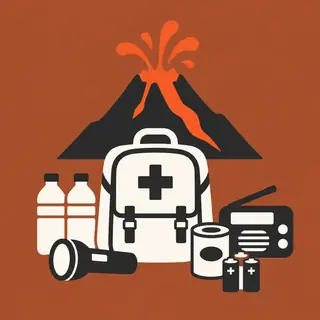
A pre-assembled volcano emergency kit saves critical time during an eruption. Essential components include durable goggles, ash-proof clothing, sturdy boots, a multitool, and emergency cash. We highlight kits that break down into grab-and-go backpacks with documented survival checklists. Where to buy? Trusted outdoor retailers and specialized disaster supply stores offer kits, but we advise customizing with local volcanic hazard maps. Consider adding a hand-cranked radio and extra prescription medications. Review your kit every six months, replacing expired items and updating family contact lists.
🍱 Long-Term Food and Water Storage for Volcano Preparedness
Sustaining your household without utilities is critical after major eruptions, which can contaminate water with ash and chemicals. Store at least a two-week supply of freeze-dried meals and canned goods that require no refrigeration. For water, use food-grade containers with a minimum of one gallon per person per day, plus purification tablets or filters rated for volcanic sediment. Rotate stock annually to maintain freshness. Also include a manual can opener and high-calorie energy bars for quick nutrition. Proper storage in cool, dark spaces extends shelf life significantly.
😷 Best Respirators and Masks for Volcanic Ash Protection
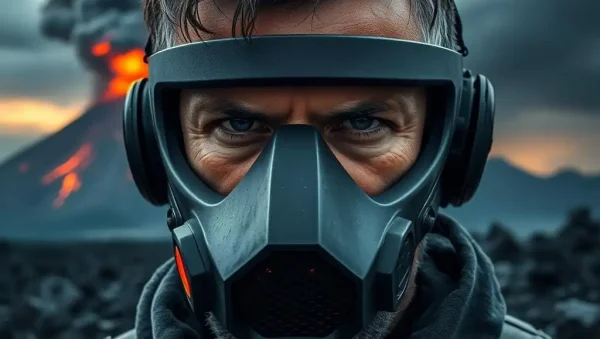
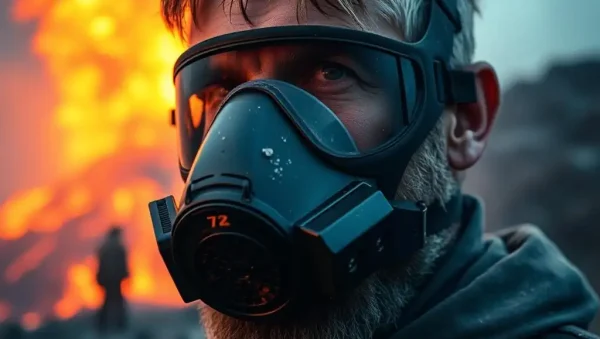
Volcanic ash is abrasive, acidic, and contains respirable crystalline silica—a severe lung hazard. Ordinary surgical masks are ineffective. Trusted options include N95, N99, or P100 respirators with exhalation valves to reduce heat buildup. For prolonged exposure, choose half-face respirators with replaceable particulate filters, ensuring a snug seal against the face. Avoid masks with exhalation valves if protecting against gases like sulfur dioxide—opt for chemical-specific cartridges. Fit-test your mask and store extras in sealed bags to prevent contamination.
Frequently Asked Questions
How often should I replace my volcano emergency kit supplies?
Replace perishable items like food, water, and medications every six to twelve months. Check battery-powered devices monthly and swap out batteries annually. Respirators have a shelf life of about five years, but inspect the straps and seals regularly. Mark a calendar reminder to review your kit before each volcanic season or after any drill.
Can I use a standard dust mask for volcanic ash protection?
No. Standard dust masks do not seal tightly and fail to filter fine ash particles (
What is the most critical item in a volcano first aid kit?
Eye irrigation solution is arguably most critical, as ash causes severe corneal abrasions and chemical burns. Also include a sterile burn gel, saline nasal spray, and a thermal blanket. These items address immediate volcanic hazards that standard kits overlook, making them non-negotiable for volcanic regions.
How do I communicate if cell towers are destroyed by an eruption?
Invest in satellite communication devices, such as a satellite messenger or phone, which operate independently of local infrastructure. Two-way radios (UHF/VHF) work for short-range communication within your group. Personal locator beacons (PLBs) send distress signals with your coordinates to search-and-rescue teams, requiring no subscription.
What foods are best for long-term volcano preparedness?
Choose low-sodium, high-calorie, and non-perishable options like canned beans, peanut butter, dried fruits, and freeze-dried vegetables. Rotate stock to avoid an unpleasant taste. Include comfort foods like chocolate or coffee to maintain morale. Ensure all items are stored in airtight, pest-proof containers to preserve quality for up to five years.