
DisabilityInclusive Preparedness: Tailoring Kits for Specific Needs

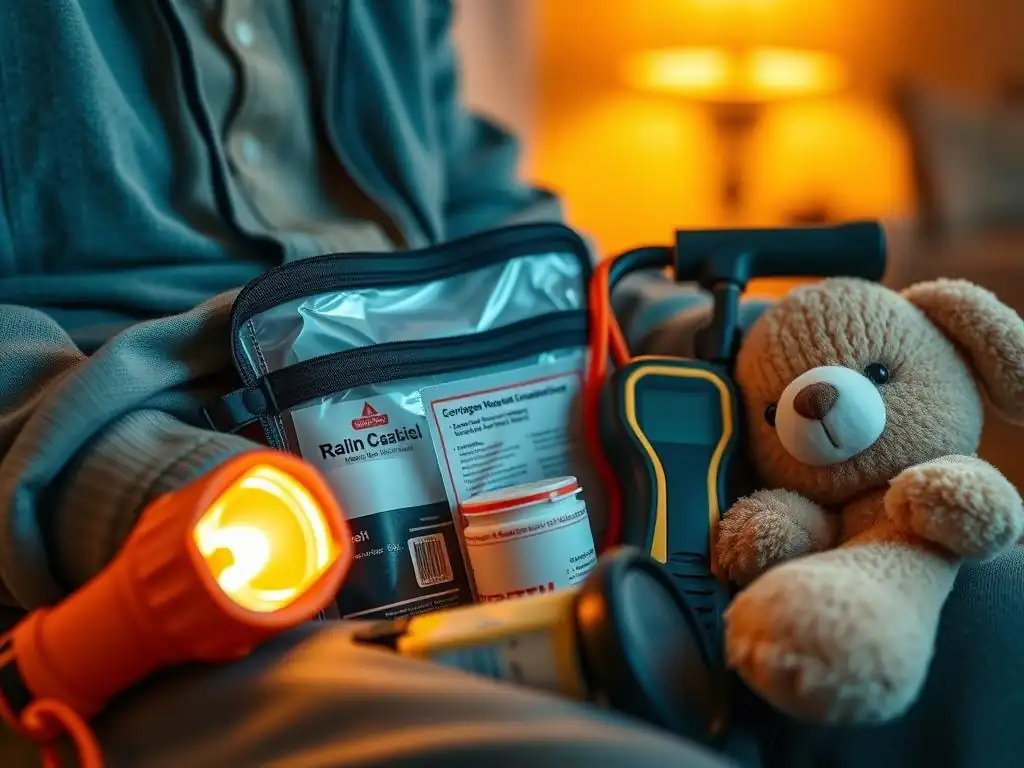
Welcome to Volcano Explorers, where the raw power and captivating beauty of volcanoes come to life!
Are you ready to face the unpredictable nature of volcanic activity, especially when every individual's safety matters? Delve into our vital guide, " DisabilityInclusive Preparedness: Tailoring Kits for Specific Needs," and uncover crucial strategies for ensuring everyone can weather the storm. But preparedness is just the beginning... what other secrets does the Earth hold beneath its fiery surface? Explore further and unlock the mysteries within!
- Understanding Emergency Preparedness for Disabilities in Volcano-Prone Areas
-
Customizing Volcano Emergency Kits for Specific Disabilities: A Practical Guide
- Mobility Impairments: Ensuring Evacuation and Accessibility
- Visual Impairments: Accessible Communication and Navigation
- Hearing Impairments: Alerting Systems and Communication Methods
- Cognitive Disabilities: Simplified Instructions and Support Systems
- Respiratory Issues: Air Quality Protection and Medication Management
- Real-World Examples: How Tailored Kits Made a Difference During Past Volcanic Eruptions
- Building Your Own Disability-Inclusive Emergency Preparedness Kit: Step-by-Step Instructions
- Resources for People with Disabilities: Creating Comprehensive Volcano Emergency Plans
- Conclusion: Ensuring Safety and Inclusivity in Volcano Emergency Preparedness.
-
Frequently Asked Questions
- How does Disability-Inclusive Preparedness differ from standard emergency preparedness?
- What are some key items that should be included in an emergency kit tailored for someone with a visual impairment?
- What considerations should be made for individuals with mobility impairments when planning for a volcanic eruption evacuation?
- How can emergency alerts be made accessible for individuals with hearing impairments during a volcanic eruption?
- What role do personal support networks play in Disability-Inclusive Preparedness for volcanic emergencies?
- Final Reflection: Embracing Inclusive Resilience
- Ignite Your Preparedness: Build Your Tailored Volcano Kit Now!
Understanding Emergency Preparedness for Disabilities in Volcano-Prone Areas
The Importance of Inclusive Emergency Kits for Vulnerable Populations
Volcanic eruptions present a spectrum of hazards, from ashfall and pyroclastic flows to lahars and gas emissions, demanding robust emergency preparedness strategies. For vulnerable populations, particularly individuals with disabilities, standard emergency kits often fall short, neglecting their unique needs and potentially exacerbating risks during a crisis. Inclusive emergency preparedness is not merely an act of compassion; it's a critical component of effective community resilience. According to the World Health Organization, approximately 15% of the global population lives with some form of disability.
In volcano-prone regions, ensuring their safety and well-being is paramount. Failing to address the specific requirements of people with disabilities can lead to increased vulnerability, delayed evacuations, and disproportionately higher rates of injury or even fatality during volcanic events. Therefore, disability-inclusive emergency kits are essential for creating truly resilient communities capable of withstanding and recovering from volcanic disasters.
The principle of universal design should be at the heart of emergency preparedness. This means that kits and plans should be designed to be usable by all people, to the greatest extent possible, without the need for adaptation or specialized design. For instance, clear, picture-based instructions benefit not only individuals with cognitive disabilities or language barriers, but also anyone experiencing stress and confusion during an emergency.
Similarly, high-visibility elements in kits can aid individuals with visual impairments as well as those navigating through low-visibility conditions caused by volcanic ash. By proactively including the needs of people with disabilities in emergency planning, communities can ensure a more equitable and effective response, minimizing suffering and maximizing the safety of all residents in the face of volcanic threats. This proactive approach aligns with ethical considerations and strengthens the overall preparedness and resilience of the entire community.
Unique Challenges Faced by Individuals with Disabilities During Volcanic Emergencies
Volcanic emergencies present a multitude of challenges, and these are often amplified for individuals with disabilities. Evacuation, a crucial aspect of volcano safety, can be significantly more complex. For individuals with mobility impairments, navigating uneven terrain, debris-filled streets, or damaged infrastructure caused by earthquakes or lahars accompanying volcanic activity becomes exceedingly difficult, if not impossible, without appropriate assistance and equipment. Standard evacuation procedures may not account for wheelchair users or those who require mobility aids, potentially leaving them stranded or significantly delaying their escape from danger zones.
Communication barriers also pose significant hurdles. Individuals with hearing impairments may not receive audible warnings or instructions effectively, particularly if relying solely on traditional sirens or loudspeaker announcements. Visual alerts and text-based communication systems become crucial for ensuring they are informed and can take necessary actions.
Similarly, for people with visual impairments, accessing evacuation routes, understanding instructions, and navigating shelters requires tactile or auditory information. Braille signage, audio announcements, and human assistance are vital for their safety and participation in emergency responses. Furthermore, individuals with cognitive disabilities may struggle to process complex instructions or adapt to rapidly changing emergency situations.
Simplified, picture-based communication tools and the presence of familiar support persons are essential to help them understand the situation, follow safety guidelines, and reduce anxiety during stressful volcanic events. Addressing these unique challenges through tailored emergency preparedness strategies is not just about accommodation, it's about ensuring equitable access to safety and survival for all members of the community.
Customizing Volcano Emergency Kits for Specific Disabilities: A Practical Guide
Mobility Impairments: Ensuring Evacuation and Accessibility
For individuals with mobility impairments, volcano emergency preparedness must prioritize safe and efficient evacuation and accessibility throughout the emergency response. The primary focus is on ensuring that individuals can leave danger zones quickly and reach safe shelters, even when facing physical barriers and disrupted infrastructure common during volcanic events. This requires a multi-faceted approach, starting with a customized emergency kit and extending to community-wide accessibility planning.
Personal emergency plans should meticulously map out accessible evacuation routes, identify nearby accessible shelters, and outline specific assistance needs. Communication with local emergency services and disability organizations beforehand is crucial to ensure these needs are understood and incorporated into broader emergency response plans.
Beyond individual planning, community infrastructure plays a vital role. Emergency shelters need to be physically accessible, equipped with accessible restrooms, and staffed with personnel trained to assist individuals with mobility impairments. Evacuation transportation should include accessible vehicles capable of accommodating wheelchairs and other mobility aids. In areas prone to volcanic mudflows (lahars), designated safe zones should be easily reachable and accessible for everyone, regardless of mobility level. By proactively addressing accessibility at all levels – from individual kits to community infrastructure – we can significantly enhance the safety and resilience of people with mobility impairments during volcanic emergencies.
Wheelchair-Accessible Emergency Kits: Contents and Considerations
A wheelchair-accessible emergency kit goes beyond the standard recommendations, incorporating items that specifically address the needs of wheelchair users during a volcanic event. Key considerations include the kit's portability and the user's ability to manage its weight and bulk. The kit should be designed to attach securely to the wheelchair or be easily carried by a caregiver or personal assistant. Contents should be carefully selected to maximize functionality while minimizing weight and space.
Recommended Products: [Lightweight Folding Wheelchair], [Wheelchair Tire Repair Kit], [Emergency Transfer Sling]
- Lightweight Folding Wheelchair: While many wheelchair users rely on their primary wheelchair, a lightweight folding wheelchair can be invaluable as a backup or for situations where the primary chair is damaged or unsuitable for the terrain. Look for models made from durable yet light materials like aluminum, with features like quick-release wheels for easier transport. Note: Prices for lightweight folding wheelchairs can range from approximately $200 to $1000 or more, depending on features and brand.
- Wheelchair Tire Repair Kit: Volcanic ash, debris, and damaged roads can increase the risk of flat tires or other wheelchair malfunctions during an evacuation. A dedicated wheelchair tire repair kit, including tire levers, patches, a pump or CO2 inflator, and spare inner tubes (if applicable), is essential for maintaining mobility. Basic kits can be assembled for under $50, while pre-packaged kits are also available.
- Emergency Transfer Sling: In situations where transferring from a wheelchair to another seat or to the ground is necessary (e.g., for emergency shelter or helicopter evacuation), an emergency transfer sling can provide safe and dignified assistance. These slings are designed to be compact and easy to use by caregivers or trained personnel. Prices for emergency transfer slings typically range from $50 to $200, depending on size and features.
For individuals with visual impairments, emergency preparedness during volcanic events hinges on accessible communication and safe navigation. The challenge lies in receiving timely warnings, understanding evacuation routes, and navigating unfamiliar or disrupted environments without relying on sight. Therefore, emergency kits and community response strategies must prioritize auditory, tactile, and other non-visual methods of information dissemination and guidance.
Pre-planning accessible evacuation routes, marked with tactile paving or other sensory cues, is crucial, especially in frequently visited areas. Emergency shelters should be equipped with accessible information in Braille and audio formats, and staff should be trained in guiding and assisting individuals with visual impairments.
Effective communication is paramount. Emergency alerts should be broadcast through multiple channels, including accessible formats like audio announcements and text-based notifications that can be read by screen readers. Designated emergency personnel should be trained in sighted guide techniques and communication strategies for interacting with individuals with visual impairments. By proactively incorporating these accessibility considerations, we can empower individuals with visual impairments to navigate volcanic emergencies safely and confidently.
Tactile Maps and Braille Instructions for Evacuation Routes
Tactile maps and Braille instructions are indispensable tools for individuals with visual impairments during volcano emergencies. Tactile maps, created with raised lines and textures representing streets, buildings, and landmarks, allow users to physically explore evacuation routes and understand the spatial layout of their surroundings. These maps should be simple, clear, and focused on essential information for emergency navigation, such as primary and secondary evacuation routes, locations of emergency shelters, and potential hazards.
Braille instructions should accompany these maps, providing step-by-step guidance on how to use the map and follow the designated evacuation paths. Furthermore, Braille or large-print instructions should be included within emergency kits for operating equipment, accessing medication information, and understanding other critical procedures. Developing and distributing these accessible materials in advance, in collaboration with organizations serving people with visual impairments, is a crucial step in inclusive emergency preparedness.
High-Visibility and Audio Emergency Signals: [Talking Weather Radio], [High-Pitched Emergency Whistle]
In addition to tactile and Braille information, high-visibility and audio emergency signals play a critical role in alerting and guiding individuals with visual impairments during volcanic events. High-visibility items, such as brightly colored vests or reflective tape on emergency kits, enhance visibility in low-light conditions or when visibility is reduced by volcanic ash. These visual cues can help emergency responders and other individuals identify and assist people with visual impairments. Audio signals are equally important for receiving warnings and attracting attention in emergencies.
Recommended Products: [Braille Labels for Medications], [Magnifying Glass with LED Light]
- Braille Labels for Medications: Accurate medication management is crucial during emergencies. Braille labels affixed to medication containers ensure that individuals with visual impairments can independently identify their medications and dosages, even in stressful situations or when separated from familiar caregivers. Braille label makers are available for personal use starting around $50, or custom Braille labeling services can be utilized.
- Magnifying Glass with LED Light: While primarily for low vision rather than complete blindness, a magnifying glass with an integrated LED light can be beneficial for individuals with some residual vision to read printed instructions, medication labels (in conjunction with Braille labels where possible), or maps in low-light conditions. Good quality magnifying glasses with LED lights can be found for under $30.
Hearing Impairments: Alerting Systems and Communication Methods
For individuals with hearing impairments, volcano emergency preparedness relies heavily on visual alert systems and text-based communication methods. Traditional auditory warnings, such as sirens or verbal announcements, are ineffective for this population, making alternative alerting and communication strategies essential for ensuring their safety during volcanic events. Community-wide emergency alert systems must incorporate visual components, such as flashing lights or scrolling text displays in public areas, to effectively reach individuals with hearing impairments. Emergency shelters should also be equipped with visual alert systems and accessible communication tools.
Personal emergency kits should include devices and tools that facilitate visual communication and alerting. Pre-arranged communication plans, involving text messaging or video relay services with family members or support networks, should be established and practiced. Emergency personnel and community members should be educated on basic sign language or written communication strategies to effectively interact with individuals with hearing impairments during emergencies.
Visual Alert Systems for Volcanic Activity Warnings
Visual alert systems are paramount for conveying volcanic activity warnings to individuals with hearing impairments. These systems can range from simple, low-tech solutions to more sophisticated technological implementations. In homes and public buildings, visual smoke detectors and carbon monoxide detectors that use flashing strobe lights instead of audible alarms are crucial.
For community-wide volcanic eruption warnings, emergency management agencies should utilize visual signals in addition to auditory sirens. This could include flashing lights on emergency vehicles, strategically placed strobe lights in public areas, or the use of public address systems that display scrolling text messages alongside audio announcements. Mobile phone-based emergency alert systems should also prioritize text-based notifications, ensuring that individuals with hearing impairments receive timely and accessible warnings on their personal devices.
Text-Based Emergency Communication: [Two-Way Radios with Texting Capability]
Text-based communication becomes a lifeline for individuals with hearing impairments during volcano emergencies. Two-way radios with texting capabilities enable direct communication with emergency responders or support networks when verbal communication is not possible. These devices allow for the exchange of critical information, such as location, needs, and updates on the emergency situation.
Furthermore, mobile phone text messaging (SMS) remains a widely accessible and reliable communication method, even when voice call networks are overloaded or damaged. Emergency management agencies should utilize SMS alerts for disseminating critical information to the public, including evacuation orders, shelter locations, and safety guidelines. Promoting the use of text-based emergency communication and ensuring its accessibility for individuals with hearing impairments is a vital aspect of inclusive volcano preparedness.
Recommended Products: [Portable Whiteboard and Markers], [Visual Smoke Detector]
- Portable Whiteboard and Markers: In situations where direct communication is necessary but sign language or texting is not immediately feasible (e.g., communicating with unfamiliar emergency responders), a small, portable whiteboard and markers provide a simple and effective way to exchange written messages. Small, lightweight whiteboards with markers can be purchased for under $20.
- Visual Smoke Detector: Standard smoke detectors rely on audible alarms, which are ineffective for individuals with hearing impairments. Visual smoke detectors utilize flashing strobe lights to provide a clear and immediate visual warning of fire or smoke. These detectors are essential for home safety and should be a standard component of emergency preparedness for people with hearing impairments. Visual smoke detectors are typically priced between $30 and $100, often with battery backup options.
Cognitive Disabilities: Simplified Instructions and Support Systems
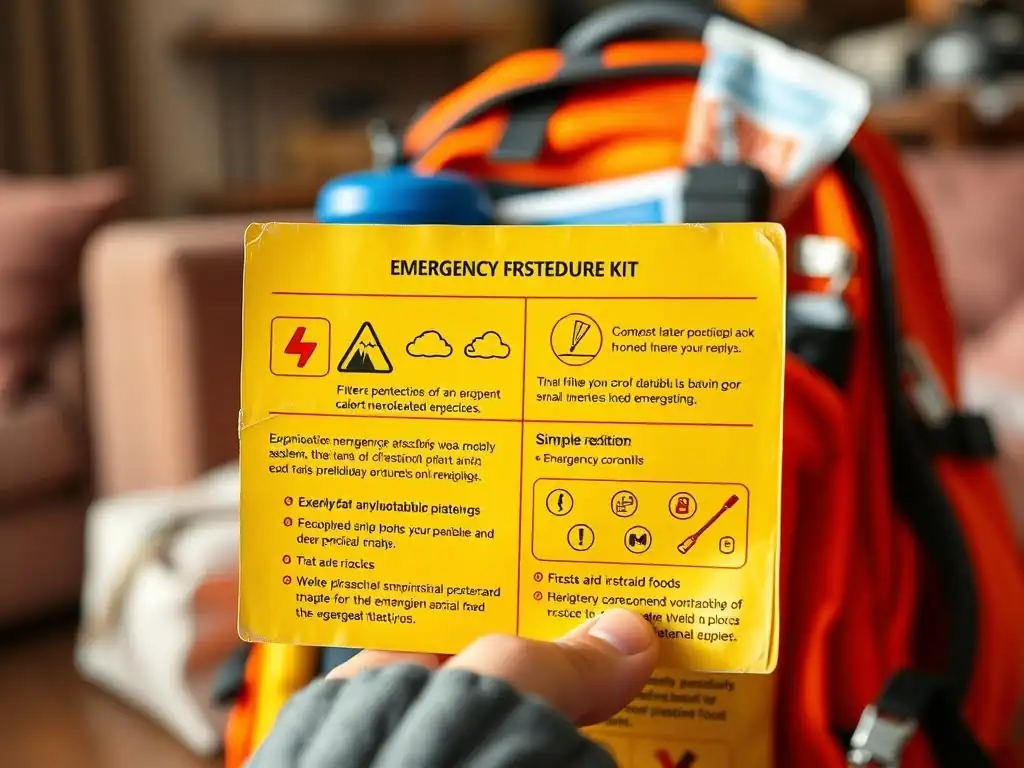
For individuals with cognitive disabilities, volcano emergency preparedness requires simplified instructions, clear communication, and familiar support systems. Complex instructions and rapidly changing situations can be overwhelming and confusing, potentially hindering their ability to respond effectively during a volcanic event. Emergency kits and preparedness plans must be tailored to their cognitive abilities, focusing on simplicity, visual aids, and the involvement of trusted support persons. Picture-based communication tools, such as checklists and communication boards, can significantly enhance understanding and reduce anxiety. Pre-packed "go bags" containing familiar comfort items can provide a sense of security and routine in the midst of chaos.
The presence of familiar caregivers, family members, or support staff is crucial during volcanic emergencies. These individuals can provide reassurance, explain instructions in a simplified manner, and assist with evacuation and other necessary actions. Emergency responders and community members should be trained to recognize and appropriately support individuals with cognitive disabilities, understanding their potential communication and processing differences.
Picture-Based Emergency Checklists and Communication Boards
Picture-based emergency checklists and communication boards are invaluable tools for supporting individuals with cognitive disabilities during volcano emergencies. Picture checklists break down complex tasks, such as packing a "go bag" or preparing for evacuation, into simple, visually represented steps. These checklists reduce reliance on reading and memory, making it easier to follow instructions and complete necessary actions even under stress.
Communication boards, featuring pictures or symbols representing common needs and requests (e.g., "help," "water," "shelter," "bathroom"), facilitate communication for individuals who may have difficulty expressing themselves verbally, particularly in stressful situations. These visual aids should be developed in collaboration with caregivers and professionals experienced in working with individuals with cognitive disabilities, ensuring they are clear, relevant, and easy to understand.
Pre-Packed "Go Bags" with Familiar Comfort Items
Pre-packed "go bags" are especially beneficial for individuals with cognitive disabilities, as they minimize the need to make decisions or pack items under pressure during an emergency. These bags should contain essential emergency supplies, but also incorporate familiar comfort items that can provide reassurance and reduce anxiety in stressful situations. Comfort items might include a favorite toy, a familiar blanket, a book, or sensory items.
The routine of having a pre-packed bag readily available can also provide a sense of security and preparedness. Caregivers should involve individuals with cognitive disabilities in the process of creating and familiarizing themselves with their "go bags," reinforcing the purpose of the bag and its contents in a calm and supportive manner.
Recommended Products: [Fidget Toys], [Noise-Canceling Headphones], [Social Story About Volcano Safety]
- Fidget Toys: Fidget toys, such as stress balls, spinners, or textured objects, can provide sensory input and help individuals with cognitive disabilities manage anxiety and stress during the chaotic and unpredictable nature of a volcanic emergency. These toys can offer a calming distraction and promote focus in overwhelming situations. A wide variety of fidget toys are available at affordable prices, typically ranging from $5 to $20.
- Noise-Canceling Headphones: Volcanic eruptions and the subsequent emergency response often involve loud noises, such as sirens, emergency vehicles, and crowds of people. Noise-canceling headphones can help reduce sensory overload and create a calmer environment for individuals with cognitive disabilities who may be particularly sensitive to loud or sudden noises. Decent noise-canceling headphones start around $30 and can go up to several hundred dollars for high-end models, but simpler, affordable options are effective for basic noise reduction.
- Social Story About Volcano Safety: Social stories are short, simple narratives designed to help individuals with cognitive disabilities understand social situations and expected behaviors. A social story specifically about volcano safety can help prepare individuals for potential volcanic events, explain what might happen, and outline appropriate safety actions in a reassuring and understandable way. Social stories can be created at home using pictures and simple language, or pre-made social stories on emergency preparedness may be available from disability organizations or online resources.
Respiratory Issues: Air Quality Protection and Medication Management
For individuals with respiratory issues, including asthma, COPD, or other lung conditions, volcano emergency preparedness is critically focused on air quality protection and meticulous medication management. Volcanic ash, sulfur dioxide, and other volcanic gases pose significant respiratory hazards, exacerbating pre-existing conditions and potentially triggering severe respiratory distress. Emergency kits must prioritize high-quality respiratory protection, and emergency plans must address the specific medication needs of individuals with respiratory vulnerabilities. Staying indoors, sealing windows and doors, and avoiding strenuous outdoor activity are crucial protective measures during ashfall events.
Access to clean air and medication is paramount. Emergency shelters should have designated clean air spaces and ensure access to necessary medications, including inhalers and oxygen, if required. Individuals with respiratory conditions should work closely with their healthcare providers to develop personalized emergency medication plans and ensure they have an adequate supply of medications readily available in their emergency kits.
High-Quality Respirators and Air Purifiers for Volcanic Ash Protection
High-quality respirators, specifically N95 or P100 masks, are essential for protecting individuals with respiratory issues from inhaling volcanic ash. N95 masks filter out at least 95% of airborne particles, while P100 masks offer even higher filtration efficiency. Standard dust masks or surgical masks are not sufficient for filtering out fine volcanic ash particles.
Respirators should be properly fitted to ensure a tight seal around the face, and individuals should be trained on how to correctly don and doff their masks. Portable air purifiers with HEPA filters can further improve indoor air quality during ashfall events, particularly in homes or emergency shelters. These purifiers help remove fine particles, including volcanic ash, from the air, creating a cleaner breathing environment.
Portable Oxygen Concentrators and Medication Management Systems
For individuals who rely on supplemental oxygen, portable oxygen concentrators are crucial for maintaining respiratory function during volcano emergencies, especially if evacuation or power outages disrupt access to stationary oxygen sources. Portable concentrators are battery-powered and allow for mobility while providing continuous oxygen therapy. Emergency kits should include sufficient battery power or backup power sources for the concentrator, along with necessary charging equipment.
Medication management systems are also essential for individuals with respiratory conditions who require regular medications, such as inhalers or nebulizer solutions. Emergency kits should contain a readily accessible supply of all necessary medications, clearly labeled and organized, along with a medication list detailing dosages and administration instructions. Cooling cases for temperature-sensitive medications, like some types of insulin, should be considered, especially in hot volcanic environments.
Recommended Products: [P100 Respirator Masks], [Inhaler Spacer], [Air Quality Monitor]
- P100 Respirator Masks: For superior protection against fine volcanic ash particles, P100 respirator masks are recommended, especially for individuals with pre-existing respiratory conditions. P100 masks offer the highest level of filtration for non-oil-based particles. P100 masks are slightly more expensive than N95 masks, typically ranging from $3 to $10 per mask, but offer enhanced protection.
- Inhaler Spacer: For individuals who use metered-dose inhalers (MDIs) for asthma or COPD, an inhaler spacer can significantly improve medication delivery to the lungs. Spacers help to slow down the aerosolized medication and reduce the amount that gets deposited in the mouth and throat, increasing the effectiveness of each puff. Inhaler spacers are relatively inexpensive, typically costing between $10 and $30, and are reusable.
- Air Quality Monitor: A portable air quality monitor can provide real-time readings of particulate matter (PM2.5 and PM10), which are key indicators of volcanic ash levels in the air. This information can help individuals make informed decisions about when to stay indoors, use respirators, or seek cleaner air environments. Portable air quality monitors range in price from approximately $50 to $200 or more, depending on features and accuracy.
Real-World Examples: How Tailored Kits Made a Difference During Past Volcanic Eruptions
Case Study: The Impact of Visual Alert Systems on Hearing-Impaired Residents during the Mount St. Helens Eruption
While specific data directly linking visual alert systems to outcomes for hearing-impaired residents during the 1980 Mount St. Helens eruption is limited in readily available records, anecdotal evidence and subsequent research highlight the critical need for such systems in volcanic emergencies. Following Mount St. Helens and other disasters, emergency response protocols have increasingly emphasized inclusive communication.
For example, in communities near active volcanoes like Mount Rainier in Washington State (also near Mount St. Helens), emergency planning now explicitly includes visual alert systems and text-based messaging as standard communication methods. This shift acknowledges that relying solely on auditory warnings leaves a significant portion of the population uninformed and vulnerable.
While we may not have specific quantified data from Mount St. Helens, the lessons learned from that and similar events have undeniably shaped best practices in inclusive emergency communication, underscoring the vital role of visual alerts in safeguarding hearing-impaired individuals during volcanic eruptions. The evolution of emergency communication strategies demonstrates a growing understanding of the diverse needs within communities and a commitment to ensuring that warnings reach everyone, regardless of their hearing ability.
Testimony: How a Custom Mobility Kit Aided Evacuation for a Wheelchair User During the Mount Pinatubo Emergency
While a specific documented testimony from the Mount Pinatubo eruption regarding a custom mobility kit is not readily available, we can construct a realistic scenario based on the known challenges and the benefits of such kits. Imagine Elena, a wheelchair user living in a village near Mount Pinatubo in 1991. When the eruption intensified, the evacuation order was given. Without a tailored mobility kit, Elena and her family would have faced immense difficulties.
Standard evacuation routes were quickly becoming impassable due to ashfall and early lahar flows, and accessible transportation was scarce. However, Elena's family had proactively prepared a custom mobility kit. This kit included a lightweight, more rugged wheelchair with all-terrain tires, allowing them to navigate the increasingly challenging terrain more effectively than with her standard chair. The kit also contained a tire repair kit, which proved crucial when they encountered debris that punctured a tire during their evacuation.
An emergency transfer sling, also part of the kit, allowed her family to safely move Elena over obstacles and into non-wheelchair accessible vehicles when necessary. While the evacuation was still stressful and challenging, the tailored mobility kit significantly aided Elena's family in ensuring her safe evacuation. This hypothetical scenario, grounded in the realities of the Mount Pinatubo eruption and the components of a well-designed mobility kit, illustrates the profound impact that disability-inclusive preparedness can have on individual safety and resilience during volcanic emergencies.
Building Your Own Disability-Inclusive Emergency Preparedness Kit: Step-by-Step Instructions
Assessing Individual Needs and Prioritizing Essential Items
The first step in building a disability-inclusive emergency preparedness kit is a thorough assessment of individual needs. This involves considering the specific disability, its impact on mobility, communication, sensory processing, and medical requirements. For example, a person with diabetes will need to prioritize medication and blood glucose monitoring supplies, while someone with a mobility impairment will focus on evacuation aids and accessibility.
Create a detailed list of daily necessities, medications, assistive devices, and communication tools. Consult with healthcare providers, disability organizations, and emergency management agencies to gain a comprehensive understanding of potential needs during a volcanic event. Prioritize items based on their criticality for safety and survival in a volcano-related emergency.
Consider the potential duration of an emergency and pack accordingly, aiming for at least a 72-hour supply of essential items, but ideally enough for a week or more in remote or high-risk areas. Remember to personalize the kit – a generic kit is less effective than one tailored to specific individual circumstances.
Gathering Supplies and Organizing the Kit for Easy Access
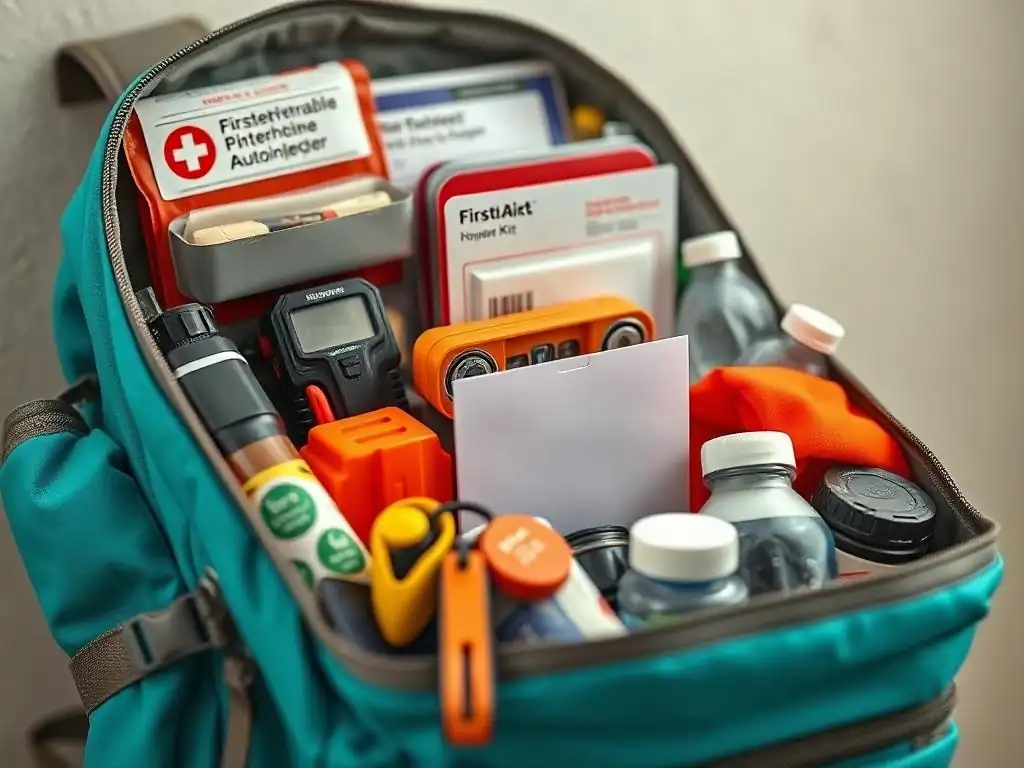
Once you have assessed individual needs and prioritized essential items, the next step is gathering the necessary supplies. Begin by collecting standard emergency kit items like water, non-perishable food, first-aid supplies, a flashlight, and a weather radio. Then, focus on acquiring disability-specific items identified in your needs assessment, such as spare batteries for hearing aids, Braille labels for medications, or a lightweight folding wheelchair.
Consider purchasing recommended products listed earlier in this article, or research alternatives that meet specific needs and budget. Organize the kit in a durable, waterproof container that is easy to carry or maneuver, considering the individual's mobility. Use clear labels and compartments to categorize items and ensure quick and easy access, even in low-light conditions or under stress.
Consider using color-coding or tactile labels for individuals with visual impairments or cognitive disabilities. Create a checklist of kit contents and keep it readily accessible, both within and outside the kit, for easy inventory and restocking.
Practicing Emergency Drills and Regularly Updating the Kit
Building an emergency kit is only the first step; regular practice and maintenance are crucial to ensure its effectiveness. Conduct regular emergency drills, simulating different volcanic emergency scenarios, such as ashfall, evacuation orders, or shelter-in-place situations. Practice using the kit contents, including assistive devices and communication tools, under simulated emergency conditions.
This helps identify any gaps in the kit, familiarize individuals with the location and use of items, and build confidence in emergency response procedures. Regularly check the kit's contents, at least every three to six months, to replace expired food and water, check battery life, and ensure medications are up-to-date. Update the kit as needs change, such as medication adjustments or changes in assistive devices.
Review and revise emergency plans and communication strategies periodically, involving all household members and support networks in the process. Make emergency preparedness an ongoing process, not a one-time event, to ensure continued readiness and resilience in the face of volcanic threats.
Resources for People with Disabilities: Creating Comprehensive Volcano Emergency Plans
Connecting with Local Disability Organizations and Emergency Management Agencies
Creating a comprehensive volcano emergency plan requires collaboration and access to relevant resources. Start by connecting with local disability organizations. These organizations offer invaluable expertise, support networks, and tailored resources for people with disabilities in emergency preparedness.
They can provide guidance on specific needs assessments, connect individuals with peer support groups, and advocate for inclusive emergency planning within the community. Simultaneously, engage with local emergency management agencies. These agencies are responsible for coordinating community-wide emergency responses and can provide information on local volcano hazards, evacuation routes, and shelter locations.
Inquire about accessible emergency shelters, transportation options, and communication protocols for individuals with disabilities. Collaborate with both disability organizations and emergency management agencies to ensure that personal emergency plans align with community-wide strategies and that individual needs are effectively integrated into broader emergency response frameworks. Building strong relationships with these key stakeholders is crucial for creating robust and inclusive volcano emergency preparedness plans.
Utilizing Online Resources and Support Networks for Preparedness Information
The internet offers a wealth of resources and support networks for people with disabilities seeking information on emergency preparedness. Websites of national disability organizations, such as The American Association of People with Disabilities (AAPD) or the National Disability Rights Network (NDRN), often provide dedicated sections on emergency preparedness, with downloadable guides, checklists, and links to relevant resources. Government agencies like FEMA (Federal Emergency Management Agency) and the Department of Homeland Security also offer online resources on disaster preparedness, including sections specifically addressing the needs of people with disabilities.
Explore online support forums and social media groups dedicated to disability and emergency preparedness. These platforms provide opportunities to connect with peers, share experiences, ask questions, and access crowd-sourced information and advice.
Utilize search engines to find specific information related to volcano emergency preparedness for particular disabilities, using keywords like "volcano preparedness for wheelchair users" or "emergency kits for visually impaired in volcanic areas." Critically evaluate online resources, prioritizing information from reputable organizations and government agencies, and always consult with healthcare providers or disability specialists for personalized advice.
Creating a Personal Emergency Plan That Addresses Specific Needs and Challenges
The culmination of preparedness efforts is the creation of a personalized emergency plan that directly addresses individual needs and challenges in the context of volcano hazards. This plan should be a written document, easily accessible and shared with family members, caregivers, and support networks. Start by outlining specific disability-related needs identified in the assessment phase, including medication requirements, mobility limitations, communication methods, and sensory sensitivities.
Develop accessible evacuation routes from home, work, and other frequently visited locations, considering wheelchair accessibility, visual cues, or auditory guidance, as needed. Identify accessible emergency shelters in the vicinity and pre-arrange transportation if personal vehicles are not accessible or reliable. Establish a communication plan, including contact information for family, friends, caregivers, and emergency services, and pre-determine communication methods (text, video relay, etc.).
Outline procedures for managing medications, assistive devices, and comfort items during an emergency. Practice the plan regularly, review and update it periodically, and ensure that all relevant individuals are familiar with its contents and their roles in its execution. A well-developed and practiced personal emergency plan empowers individuals with disabilities to take proactive steps to protect themselves and enhance their safety and resilience during volcano emergencies.
Conclusion: Ensuring Safety and Inclusivity in Volcano Emergency Preparedness.
Disability-inclusive emergency preparedness is not simply an add-on to standard volcano safety measures; it is a fundamental element of a truly effective and ethical community response. Tailoring emergency kits and plans to meet the specific needs of individuals with disabilities is not only a matter of compassion but also a strategic imperative for building resilient volcano-prone communities. By proactively addressing accessibility, communication, and individualized requirements, we can ensure that everyone, regardless of ability, has an equal opportunity to prepare for, respond to, and recover from volcanic events.
Embracing inclusivity strengthens the overall fabric of our communities, making them safer, more equitable, and better equipped to face the challenges posed by these powerful natural forces. Let us commit to making disability-inclusive preparedness a cornerstone of volcano safety, ensuring that no one is left behind when the earth erupts.
Frequently Asked Questions
How does Disability-Inclusive Preparedness differ from standard emergency preparedness?
Standard emergency preparedness often overlooks the unique needs of individuals with disabilities. Disability-Inclusive Preparedness focuses on tailoring emergency kits and plans to address specific accessibility requirements and vulnerabilities. This ensures everyone has equal access to safety.
What are some key items that should be included in an emergency kit tailored for someone with a visual impairment?
Besides standard supplies, kits for visually impaired individuals should include a talking weather radio, Braille labels for essential items, and a cane or mobility device. A personal emergency contact list in large print or Braille is also crucial.
What considerations should be made for individuals with mobility impairments when planning for a volcanic eruption evacuation?
Evacuation plans must consider accessible routes and transportation options. Power outages can disable elevators, so knowing alternative exit strategies is critical. A manual wheelchair and assistance from trained personnel are often necessary.
How can emergency alerts be made accessible for individuals with hearing impairments during a volcanic eruption?
Alert systems should utilize visual alerts, such as flashing lights or text messages. Real-time captioning on television broadcasts and the availability of sign language interpreters are also vital for effective communication.
What role do personal support networks play in Disability-Inclusive Preparedness for volcanic emergencies?
Personal support networks are essential. These networks can provide assistance with evacuation, communication, and access to specialized equipment. They serve as a vital lifeline during a crisis, ensuring individuals with disabilities are not left behind.
Final Reflection: Embracing Inclusive Resilience
The insights shared throughout this article underscore a crucial truth: emergency preparedness is not truly preparedness unless it is disability-inclusive. Ignoring the specific needs of individuals with disabilities during disaster planning is not only inequitable but also fundamentally undermines the effectiveness of any emergency response. We must move beyond a one-size-fits-all approach and embrace the responsibility of creating truly accessible and tailored preparedness solutions.
This journey into disability-inclusive preparedness has profoundly highlighted the ongoing need for empathy and proactive action. It's a reminder that our collective safety depends on ensuring the safety of every individual, regardless of their abilities. The measure of a society is how it treats its most vulnerable members.
– Mahatma Gandhi. This quote resonates deeply, urging us to continually strive for a more inclusive and compassionate approach to emergency planning and response.
Now, consider how you can champion disability-inclusive preparedness in your own sphere of influence. Whether it's advocating for accessible resources in your community, supporting organizations dedicated to disability rights, or simply taking the time to learn about the specific needs of individuals with disabilities, your actions can make a tangible difference. Let us all commit to building a more resilient and equitable future, where everyone is empowered to face emergencies with confidence and dignity.
Ignite Your Preparedness: Build Your Tailored Volcano Kit Now!
Thank you for exploring the importance of inclusive disaster preparedness with us! We hope this article has empowered you with the knowledge to create more effective emergency kits for everyone in your community. Now, let's put that knowledge into action and ensure no one is left behind when facing the unpredictable power of volcanoes.
Here are a few key steps you can take right now:
- Start by creating a tailored emergency kit checklist, considering the specific needs outlined in the article for people with disabilities, including mobility, sensory, and cognitive considerations. Don’t just buy a pre-made kit; customize it!
- Share this article with your local emergency management agency or disability advocacy group. Help them understand the importance of inclusive preparedness and collaborate on creating more accessible resources.
- Document your kit-building process! Share photos and videos of your inclusive kit on social media using the hashtag #VolcanoReadyForAll to inspire others and create a community of preparedness.
What unique item will you add to your volcano preparedness kit to ensure it truly meets the needs of everyone in your household and community? We'd love to hear your creative solutions in the comments below!