
Navigating Chaos: First Aid for Injuries Sustained During Volcanic Earthquakes

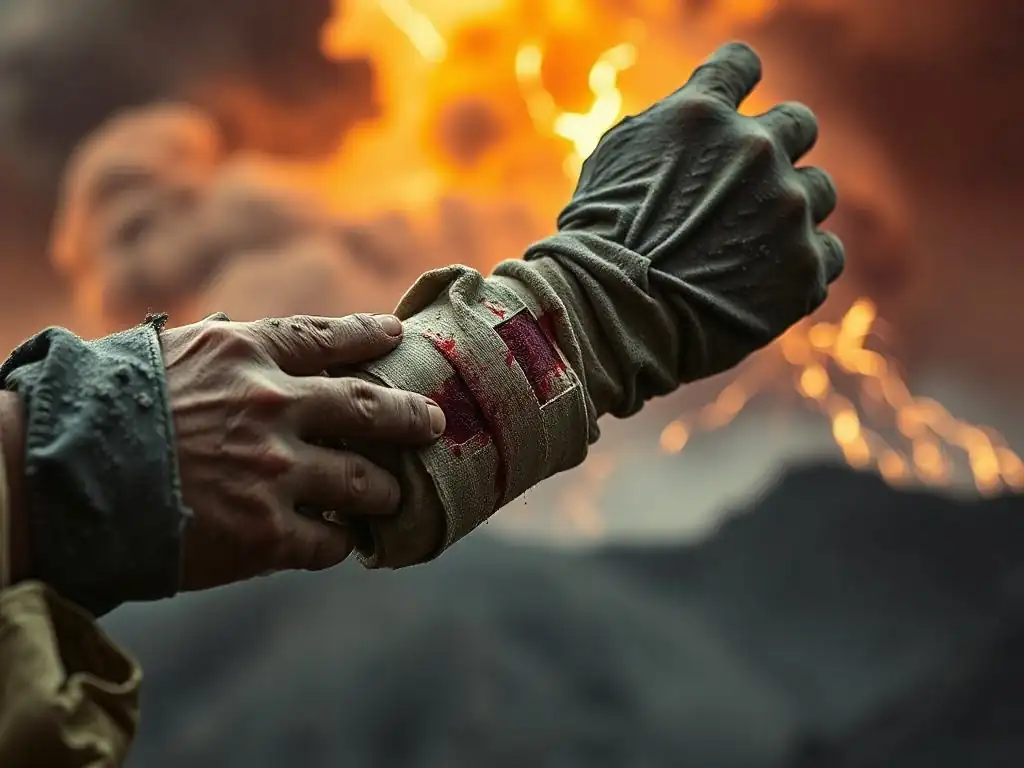
Welcome to Volcano Explorers, where the Earth's raw power comes to life. But what happens when that power unleashes the unpredictable fury of a volcanic earthquake? Imagine the ground trembling beneath your feet as molten rock threatens to erupt. Before the eruption, there is danger in the shake. This guide dives deep into the crucial knowledge you need, specifically focusing on first aid for volcanic earthquake injuries. Are you prepared to navigate the chaos? Let's uncover the essential steps to protect yourself and others.
- Understanding the Unique Challenges of Volcanic Earthquake Injuries
-
Frequently Asked Questions
- What are the most common injuries sustained during a volcanic earthquake?
- How does first aid for volcanic earthquake injuries differ from regular earthquake injuries?
- What are the essential items for a volcanic earthquake first aid kit?
- What is the immediate first aid response for someone experiencing respiratory distress due to volcanic ash inhalation?
- How can I prioritize treatment when multiple people are injured during a volcanic earthquake?
- Final Reflection: Resilience Amidst Volcanic Tremors
- Embrace Preparedness: Equip Yourself for the Unexpected!
Understanding the Unique Challenges of Volcanic Earthquake Injuries
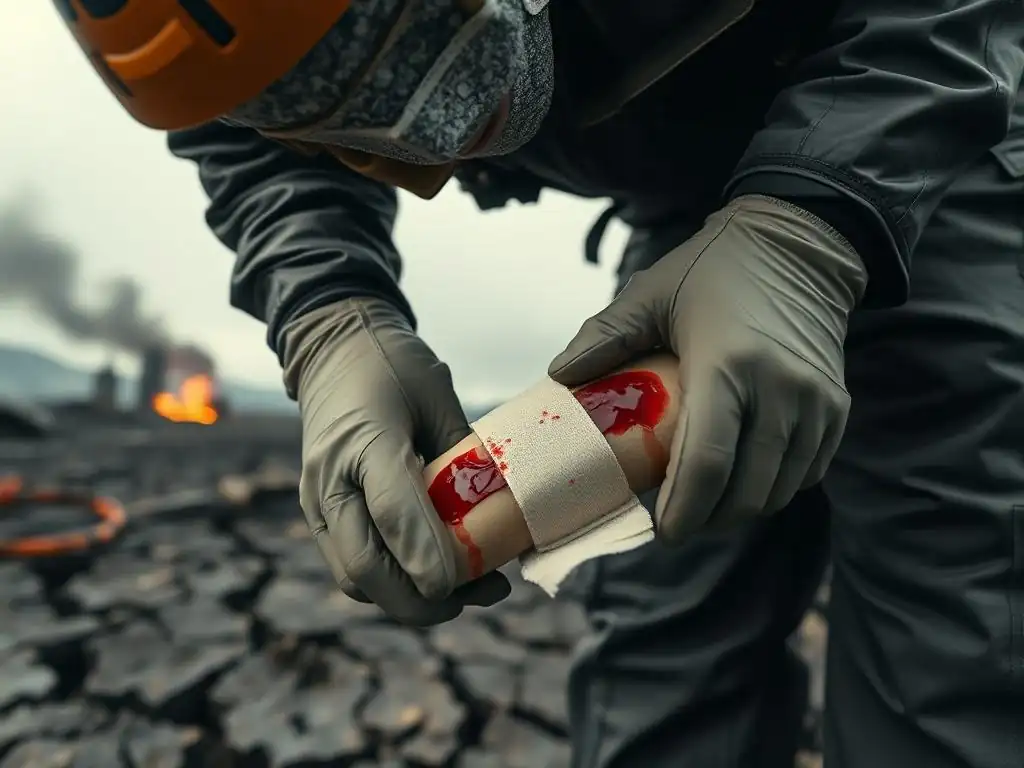
Why Volcanic Earthquakes Demand Specialized First Aid
Volcanic earthquakes, while sharing similarities with tectonic earthquakes, present a unique set of challenges that necessitate specialized first aid knowledge and equipment. Unlike typical earthquakes, which are primarily caused by the movement of tectonic plates, volcanic earthquakes are intrinsically linked to volcanic activity.
This means that the immediate aftermath of a volcanic earthquake can include not only the typical structural damage and associated injuries but also the hazards directly related to volcanic eruptions, such as ashfall, pyroclastic flows, and toxic gases. Consequently, standard earthquake first aid protocols must be augmented to address these volcano-specific threats, requiring a more comprehensive and adaptable approach to emergency response.
The injuries sustained during volcanic earthquakes can range from common earthquake-related trauma like lacerations, fractures, and crush injuries to conditions exacerbated or directly caused by volcanic phenomena. For example, respiratory issues due to ash inhalation are a significant concern in volcanic earthquake scenarios, an element largely absent in typical earthquake aftermaths.
Furthermore, the remote and often rugged terrain surrounding volcanoes can complicate rescue efforts and access to medical facilities, making immediate and effective on-site first aid even more critical. Therefore, understanding the distinct characteristics of volcanic earthquakes is paramount in preparing appropriate first aid strategies and ensuring the safety of individuals in these hazardous environments.
The Combined Threat: Earthquake Trauma and Volcanic Hazards
The dual nature of volcanic earthquakes, combining seismic shaking with volcanic eruptions, creates a synergistic threat that significantly amplifies the risks and complexities of injury management. Earthquake trauma, which includes injuries from collapsing structures, falling debris, and ground displacement, is compounded by the immediate and ongoing volcanic hazards present in the environment.
This combination means that first responders and individuals caught in such events must simultaneously address both types of threats. For instance, someone injured by falling debris during the earthquake might also be exposed to ash inhalation, thermal burns from pyroclastic flows (depending on proximity to eruption), or chemical burns from volcanic gases.
This overlapping danger necessitates a first aid approach that is both versatile and comprehensive. Standard earthquake first aid focuses primarily on treating trauma resulting from physical forces, while volcanic hazard first aid emphasizes protection against and treatment of respiratory issues, burns, and chemical exposures. In a volcanic earthquake scenario, both sets of skills and supplies become essential.
The challenge lies in rapidly assessing and prioritizing injuries in an environment where multiple threats are present and potentially evolving. Effective first aid in these chaotic situations requires not only knowledge of injury treatment but also a keen awareness of the surrounding volcanic hazards and the ability to adapt response strategies accordingly.
Frequently Asked Questions
What are the most common injuries sustained during a volcanic earthquake?
The most common injuries include fractures from falling debris, lacerations caused by sharp objects, and head trauma due to impacts. Proper first aid can significantly improve outcomes.
How does first aid for volcanic earthquake injuries differ from regular earthquake injuries?
While basic first aid principles apply, volcanic earthquakes often involve additional hazards like ash inhalation and burns from hot materials. Protecting yourself from these hazards is paramount.
What are the essential items for a volcanic earthquake first aid kit?
Besides standard first aid supplies, include items like N95 masks to filter ash, eye protection to prevent irritation, and burn cream for potential thermal injuries. Staying prepared is crucial.
What is the immediate first aid response for someone experiencing respiratory distress due to volcanic ash inhalation?
Move the person to a less dusty area if possible. Encourage slow, deep breaths, and if symptoms worsen, seek immediate medical attention. Ash can severely impact lung function.
How can I prioritize treatment when multiple people are injured during a volcanic earthquake?
Use triage principles to assess the severity of injuries. Focus on treating life-threatening conditions like severe bleeding or airway obstruction first. Rapid assessment is key to saving lives.
Final Reflection: Resilience Amidst Volcanic Tremors
The information presented throughout this article underscores the critical need for preparedness in regions prone to volcanic earthquakes. The ability to administer effective first aid in the immediate aftermath of such a disaster can be the difference between life and death. The unique challenges posed by these events – from unstable terrain to the presence of volcanic hazards – demand specialized knowledge and skills, making proactive education and training paramount.
This topic resonates deeply because it highlights the vulnerability of communities living near active volcanoes. It reminds us that even in the face of unpredictable natural forces, human ingenuity and compassion can prevail. The ability to provide immediate care to those injured not only alleviates suffering but also fosters a sense of community and resilience. The best preparation for tomorrow is doing your best today.
- H. Jackson Brown, Jr. This quote perfectly encapsulates the spirit of preparedness that we must cultivate in the face of potential disaster.
Now, consider the lessons learned. How can you, in your own sphere of influence, promote awareness and preparedness for volcanic earthquake emergencies? Whether it's sharing this knowledge with your community, advocating for better emergency response infrastructure, or simply taking the time to learn basic first aid skills, your actions can contribute to a safer and more resilient future for all. Let us all strive to be beacons of hope and assistance in times of crisis.
Okay, here's a call to action (CTA) tailored for a web article titled "Navigating Chaos: First Aid for Injuries Sustained During Volcanic Earthquakes" on the website "Volcano Explorers" (volcanoexplorers.org):
Embrace Preparedness: Equip Yourself for the Unexpected!
Thank you for taking the time to learn about first aid in the unique and challenging environment of volcanic earthquakes. We hope you now feel more prepared to handle potential injuries and navigate these situations with greater confidence. Your knowledge can make a real difference. Now, let's put that knowledge into action!
Here's how you can further prepare:
- Assemble your specialized first-aid kit. Don't just have a generic kit; tailor it to address injuries specific to volcanic earthquake zones (burns, respiratory issues from ash, trauma).
- Share this vital knowledge! Forward this article to your friends, family, and fellow volcano enthusiasts to help build a more prepared community.
- Research local emergency protocols in areas prone to volcanic earthquakes. Knowing evacuation routes and communication strategies is essential for effective response.
What specific item will you add to your first-aid kit today to better prepare for a volcanic earthquake? Share your ideas in the comments below!