
Beyond Cell Service: Unconventional Communication Tools for Eruption Zones

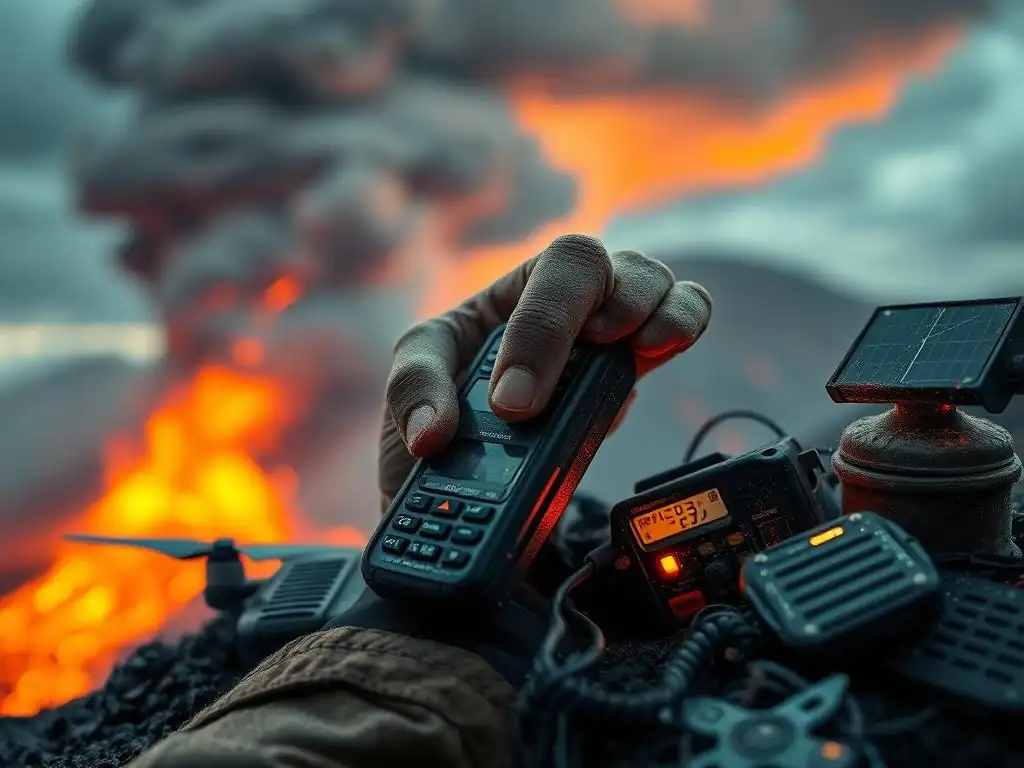
Welcome to Volcano Explorers, where the Earth's fiery heart beats strong! Ever wondered how vital information reaches those who need it most when a volcano threatens to erupt? This isn't your typical disaster scenario. Dive into our latest article, Beyond Cell Service: Unconventional Communication Tools for Eruption Zones, and discover the ingenious methods used to keep communities safe when traditional lines go silent. What innovative solutions are volcanologists and emergency responders using right now? The answers might surprise you... and just might save lives.
Introduction: The Communication Challenge in Volcanic Eruptions
Volcanic eruptions are among the most powerful and disruptive natural events on Earth, capable of unleashing immense energy and causing widespread devastation. Beyond the immediate threats of lava flows, pyroclastic surges, and ashfall, a less visible but equally critical challenge emerges: maintaining effective communication.
In the chaos and disruption that accompany an eruption, reliable communication tools for eruption zones are not merely a convenience, but a vital necessity for coordinating evacuations, disseminating crucial information, and ensuring the safety of both residents and emergency responders. The ability to communicate effectively can mean the difference between a well-managed emergency response and a catastrophic failure, highlighting the urgent need to consider communication strategies that extend beyond the vulnerabilities of conventional systems.
The very nature of volcanic eruptions often directly undermines standard communication infrastructure. Seismic activity can fracture underground cables, while pyroclastic flows and lava can physically destroy above-ground lines and cell towers. Heavy ashfall, a common consequence of many eruptions, can blanket antennas and disrupt radio signals.
Furthermore, the sheer scale of an emergency can overwhelm cellular networks, leading to congestion and dropped calls even if the physical infrastructure remains intact. Therefore, relying solely on standard cell service during a volcanic eruption is a precarious strategy. Exploring and implementing alternative communication tools becomes paramount for communities living in volcanic zones and for anyone venturing into these dynamic and potentially hazardous environments.
- What are some communication challenges faced in volcanic eruption zones?
- Why is relying solely on cell service insufficient during a volcanic eruption?
- What are some "unconventional" communication tools that can be used in eruption zones?
- How can communities prepare to use unconventional communication methods during an eruption?
- Where can I find real-time updates on volcanic activity and communication resources?
Understanding Communication Failures in Eruption Zones: Why Cell Service Isn't Enough
Common Causes of Cell Service Outages During Volcanic Events
Volcanic eruptions present a multifaceted threat to cellular communication infrastructure, impacting service reliability in numerous ways. One of the most direct impacts is physical damage. Powerful earthquakes, often precursors or co-events of eruptions, can rupture buried fiber optic cables that are crucial for cell tower connectivity.
For instance, during the 2010 eruption of Eyjafjallajökull in Iceland, significant seismic activity preceding the eruption caused disruptions to telecommunication lines, impacting landline and cellular services in the surrounding areas, even before the major ash cloud formed. Similarly, pyroclastic flows, searing hot avalanches of gas and volcanic debris, and lava flows can obliterate above-ground infrastructure, including cell towers themselves and the power lines that feed them. The 1997 eruption of Soufrière Hills volcano on Montserrat directly destroyed telecommunications infrastructure in populated areas, leaving communities isolated and hindering emergency response efforts.
Beyond direct physical destruction, volcanic eruptions can also cause widespread, indirect disruptions to cell service. Heavy ashfall, a common and far-reaching consequence of many eruptions, can severely degrade radio signal quality. Ash particles can interfere with radio waves, causing signal attenuation and making it difficult for devices to connect to cell towers. In extreme cases, thick ash deposits can even physically weigh down and damage antenna arrays on towers.
Power outages are another significant factor. Volcanic activity can trigger power disruptions due to damage to power grids, overloading of power systems, or even precautionary shutdowns in anticipation of further hazards. Cell towers rely on a constant power supply to function; without it, they become inoperable, regardless of whether the tower itself is physically damaged.
Network congestion is a further challenge. During an eruption, there is a surge in communication demand as people try to contact loved ones, seek information, and coordinate emergency responses. This sudden spike in usage can overwhelm cellular networks, leading to dropped calls, slow data speeds, and effectively making the network unusable even if the infrastructure is technically functional.
The Limitations of Relying Solely on Cellular Communication in Volcanic Emergencies
While cellular communication has become indispensable in modern life, its inherent vulnerabilities make it an unreliable primary communication method during volcanic emergencies. The reliance on a complex and interconnected infrastructure is its Achilles' heel in such scenarios. Cellular networks depend on a network of cell towers, base stations, and backhaul connections, all of which are susceptible to the diverse hazards associated with volcanic eruptions as detailed previously.
This single point of failure vulnerability is a critical limitation when considering communication tools for eruption zones. A localized earthquake, a flow of lava, or even a heavy ashfall event can cripple critical components of the cellular network, rendering vast areas without service precisely when communication is most needed.
Furthermore, cellular communication is fundamentally designed for everyday use, not for the extreme conditions and concentrated demands of a volcanic crisis. The bandwidth capacity of cellular networks is finite, and during an emergency, this capacity is quickly strained as everyone attempts to use their devices simultaneously.
This congestion leads to service degradation, often at the very moment when clear and reliable communication is paramount for coordinating evacuations, distributing safety information, and managing emergency response operations effectively. Consider the scenario during the 2018 Kilauea eruption in Hawaii: while some areas retained cell service, residents in the most heavily impacted zones experienced intermittent or complete outages, hindering their ability to receive timely warnings and coordinate with emergency services.
This illustrates the critical need for redundant and alternative communication systems that are not dependent on the same vulnerable infrastructure as cellular networks, ensuring that communication tools for eruption zones remain operational when conventional services fail.
Alternative Communication Solutions for Volcano Explorers and Residents
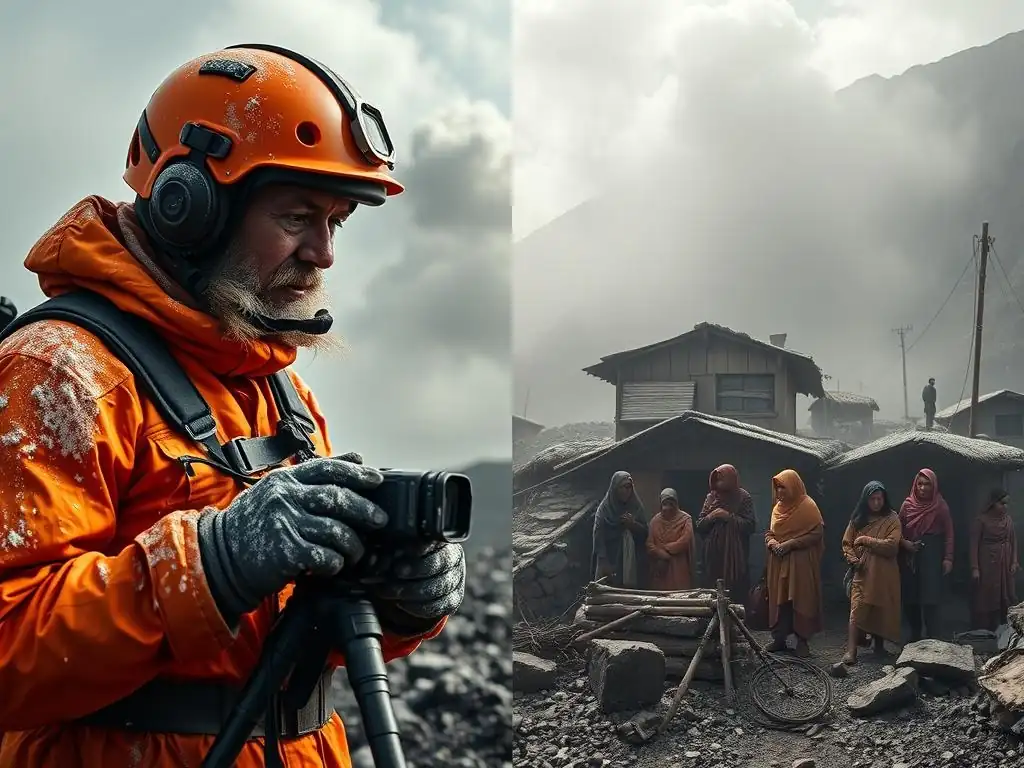
Satellite Communication: Staying Connected When Cell Towers Go Down
Satellite communication offers a robust alternative to terrestrial cellular networks, particularly valuable in remote or disaster-stricken areas where cell towers are unreliable or non-existent. These systems bypass ground-based infrastructure, transmitting signals directly to satellites orbiting the Earth, and then back down to ground stations or user terminals. This inherent independence from local infrastructure makes satellite communication tools for eruption zones exceptionally resilient during volcanic events.
- Satellite Phones: Satellite phones function similarly to cell phones but connect to satellites instead of cell towers. Brands like Iridium, Globalstar, and Inmarsat provide near-global coverage, allowing for voice calls and sometimes basic data services from virtually anywhere on Earth, including volcanic zones far from cellular service. During the 2010 eruptions in Iceland, researchers and journalists covering the event relied heavily on satellite phones to maintain contact with their teams and report on the unfolding situation, demonstrating their effectiveness as reliable communication tools for eruption zones. Satellite phones are especially useful for individuals or small teams operating in isolated areas, providing a direct line of communication for emergencies or routine updates.
- Satellite Messengers: For less bandwidth-intensive communication, satellite messengers offer a cost-effective and rugged solution. Devices like Garmin inReach and SPOT utilize satellite networks to send and receive text messages, share GPS locations, and trigger SOS alerts. These devices are particularly popular among hikers, climbers, and explorers venturing into remote areas, including volcanic regions. In emergency scenarios, the SOS function of satellite messengers can be crucial for summoning help when cell service is unavailable. These devices are also highly energy-efficient, often boasting battery life measured in days, making them ideal communication tools for eruption zones where power may be scarce.
- Satellite Internet Terminals (Starlink/HughesNet): For situations requiring higher bandwidth, such as establishing temporary command centers or providing internet access for larger groups, satellite internet terminals offer a solution. Services like Starlink and HughesNet utilize satellite constellations to provide broadband internet access. While traditionally bulky and requiring professional installation, newer systems like Starlink's portable terminals are becoming more user-friendly and rapidly deployable. In the aftermath of the 2022 Tonga volcanic eruption and tsunami, satellite internet terminals, including Starlink, were deployed to restore communication in affected areas, highlighting their potential as vital communication tools for eruption zones and disaster relief efforts. These systems can support voice and video calls, data transfer, and even streaming services, providing a comprehensive communication solution when terrestrial infrastructure is compromised.
Radio Communication: A Dependable Backup in Volcanic Zones
Radio communication, particularly using VHF/UHF frequencies, offers a robust and often simpler alternative to cellular and satellite systems, especially for localized communication within and around volcanic zones. Unlike cellular networks, radio communication often relies on direct device-to-device transmission or relatively simple repeater systems, making it less vulnerable to widespread infrastructure failures during volcanic events. Furthermore, radio communication tools for eruption zones often operate on lower power and can be more energy-efficient than cellular devices, a crucial advantage in emergency situations where power may be limited.
- Two-Way Radios (Walkie-Talkies): Two-way radios, or walkie-talkies, provide direct, short-range communication between individuals or small groups. They are simple to use, relatively inexpensive, and require minimal setup, making them ideal for immediate communication within teams working in volcanic areas, such as research groups monitoring volcanic activity or emergency responders coordinating evacuations in nearby communities. Depending on the model and terrain, typical ranges can vary from a few miles to over 30 miles, sufficient for communication within a localized volcanic zone. During volcano monitoring operations, volcanologists often rely on two-way radios for field communication, ensuring seamless coordination even in areas with no cell service, showcasing their practicality as essential communication tools for eruption zones.
- Ham Radio (Amateur Radio): Ham radio, or amateur radio, provides a more versatile and long-range radio communication option. Ham radio operators are licensed individuals who can use a wide range of frequencies and communication modes to communicate across local, regional, and even global distances. During emergencies, ham radio operators often volunteer their skills and equipment to provide critical communication support when other systems fail. Organizations like the Amateur Radio Emergency Service (ARES) and the Radio Amateur Civil Emergency Service (RACES) are specifically trained to assist in disaster relief efforts. In numerous volcanic eruptions around the world, ham radio operators have played a crucial role in relaying information, coordinating emergency services, and connecting affected communities, demonstrating the invaluable contribution of ham radio as a backup communication tool for eruption zones.
- Emergency Weather Radios: While primarily designed for receiving weather alerts, emergency weather radios also serve as important communication tools for eruption zones by providing crucial information broadcasts. NOAA Weather Radio in the United States, and similar systems in other countries, broadcast continuous weather information and hazard alerts, including volcano-related warnings, from the National Weather Service and other agencies. These radios are designed to operate even during power outages, often using battery power or hand cranks. Having an emergency weather radio allows individuals to receive official alerts and updates, even if other communication channels are disrupted, ensuring access to critical information during a volcanic event. Some models also include features like AM/FM radio and flashlight, further enhancing their utility in emergency preparedness kits.
Visual Signaling: Low-Tech Communication Options for Immediate Emergencies
In situations where electronic communication is impossible or impractical, visual signaling provides a low-tech, yet often effective, means of communication, especially for immediate emergencies or when line-of-sight communication is feasible. These methods are particularly valuable as backup communication tools for eruption zones when other systems fail or are unavailable. Visual signals are universally understood and require no batteries or complex technology, making them inherently reliable in basic emergency scenarios.
- Signal Mirrors: Signal mirrors are simple, lightweight, and highly effective tools for long-distance visual signaling, especially in sunny conditions. By reflecting sunlight, a signal mirror can create a bright flash of light that can be seen for many miles, even over mountainous terrain or across bodies of water. These mirrors are crucial for attracting attention in distress situations, such as signaling for rescue from a remote volcanic area. Proper technique involves aiming the reflected sunlight towards the intended recipient, often using the mirror's sighting hole to ensure accurate targeting. Signal mirrors are standard equipment in survival kits and are recommended as essential communication tools for eruption zones and other wilderness environments.
- Flares and Smoke Signals: Flares and smoke signals are designed for short to medium-range visual communication, particularly effective for signaling distress or indicating location. Flares produce bright, colored light and smoke, highly visible even in daylight or low-light conditions. Different colors can be used to convey specific messages, though red is universally recognized as a distress signal. Smoke signals, traditionally created by burning materials to produce a column of smoke, are particularly effective in daylight against a clear sky. Modern flares are compact, easy to deploy, and have a long shelf life, making them practical additions to emergency kits. While flares are effective for attracting attention, safety precautions must be taken when handling and deploying them due to their pyrotechnic nature. Both flares and smoke signals serve as immediate and attention-grabbing communication tools for eruption zones in emergency situations.
- High-Visibility Clothing and Flags: High-visibility clothing and flags are passive visual signaling tools that enhance visibility, especially in challenging conditions like ashfall, fog, or low light, common in volcanic environments. Brightly colored clothing, particularly fluorescent orange or yellow, and reflective materials make individuals more easily seen by rescue teams or other members of a group. Similarly, brightly colored flags can be used to mark locations, signal directions, or indicate needs. During the 1980 Mount St. Helens eruption, search and rescue teams utilized high-visibility clothing to improve their safety and coordination in the ash-covered landscape. While not active signaling devices, high-visibility clothing and flags are simple and effective communication tools for eruption zones, improving situational awareness and facilitating visual communication in challenging environments.
Case Studies: Communication Successes and Failures During Past Eruptions
Analyzing Communication Strategies During the 2021 Cumbre Vieja Eruption
The 2021 eruption of Cumbre Vieja volcano on La Palma in the Canary Islands provides a recent and pertinent case study in communication challenges and strategies during a prolonged volcanic crisis. The eruption, lasting for 85 days, presented significant communication hurdles for both residents and emergency responders. Initially, cellular networks remained largely functional, allowing for widespread dissemination of evacuation orders and safety information via SMS alerts and social media.
However, as the eruption progressed and lava flows expanded, destroying infrastructure and cutting off communities, cellular service became increasingly unreliable in the most heavily affected areas. Power outages further exacerbated communication challenges, impacting cell tower functionality and limiting access to charging for mobile devices.
In response to these communication failures, alternative communication tools became crucial. Satellite communication played a vital role, with emergency services and media outlets utilizing satellite phones and internet terminals to maintain connectivity in areas where terrestrial networks were compromised. Amateur radio operators also mobilized, providing backup communication networks and assisting in relaying information between isolated communities and emergency command centers.
Local authorities utilized public address systems in areas still accessible to disseminate warnings and instructions, demonstrating the continued relevance of traditional communication methods. However, the reliance on social media for official updates also presented challenges, as misinformation and rumors spread alongside accurate information. The Cumbre Vieja eruption highlighted the importance of a multi-layered communication strategy, combining cellular networks with robust backup systems like satellite and radio communication, and emphasizing the need for clear, centralized, and verified information dissemination to combat misinformation during a prolonged volcanic crisis.
How the USGS Leveraged Unconventional Communication to Monitor Kilauea's 2018 Eruption
The 2018 eruption of Kilauea volcano in Hawaii, particularly the Lower East Rift Zone eruption, presented unique challenges for the United States Geological Survey (USGS) Hawaiian Volcano Observatory (HVO) in monitoring volcanic activity and communicating hazards. While the HVO relies on sophisticated real-time monitoring networks, including seismic sensors, GPS stations, and gas monitoring instruments, the rapidly evolving nature of the eruption and the dynamic landscape required adaptable and unconventional communication strategies, especially in the field.
Cellular communication was often unreliable or non-existent in the remote and rapidly changing eruption zones, necessitating the use of alternative communication tools for eruption zones.
To maintain communication among field teams and with the observatory headquarters, the HVO heavily relied on two-way radio communication. Teams deployed in the field, often in areas inaccessible by roads, used handheld radios to coordinate observations, share data, and ensure safety.
Ham radio operators also volunteered their services, assisting in establishing communication links in areas where USGS radio networks were limited. For visual communication, especially in areas with poor visibility due to volcanic fog (vog) or nighttime conditions, teams utilized high-visibility clothing and signaling devices like flares to maintain contact and avoid hazards.
Furthermore, in communicating hazard information to the public, the USGS HVO utilized a multi-channel approach, including website updates, social media alerts, press releases, and direct communication with local emergency management agencies. This layered communication strategy, combining advanced monitoring technologies with reliable backup communication tools for eruption zones and diverse public outreach methods, proved crucial in effectively monitoring and communicating the complex hazards of the 2018 Kilauea eruption.
Choosing the Right Communication Tools for Your Needs: A Practical Guide
Factors to Consider When Selecting Communication Devices
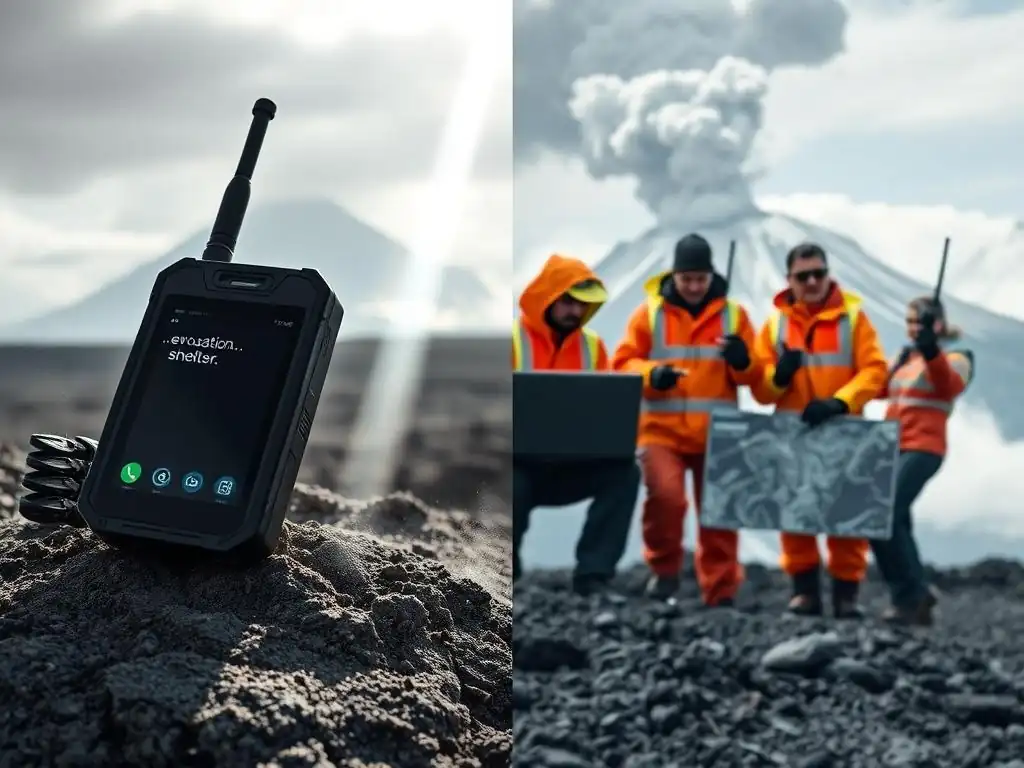
Selecting the appropriate communication tools for eruption zones requires careful consideration of several factors to ensure effectiveness and reliability in emergency situations. Range and Coverage are paramount. Consider the distance over which communication is needed. For localized team communication, two-way radios might suffice, while satellite communication is necessary for broader coverage or remote areas. Reliability in volcanic conditions is critical.
Choose devices known for their robustness and ability to function in adverse weather, ashfall, and potential power outages. Satellite and radio communication are generally more resilient than cellular in these conditions. Ease of Use is important, especially in stressful emergency situations. Select devices that are intuitive to operate, even for users with limited technical expertise. Simple interfaces and clear instructions are essential.
Power Requirements and Battery Life are crucial considerations. Volcanic eruptions can disrupt power grids, making battery-operated devices preferable. Evaluate battery life and consider options for backup power, such as spare batteries or portable solar chargers. For short-duration activities, battery-powered radios might be sufficient, while for longer durations, satellite messengers with extended battery life or satellite phones with charging options are more practical.
Cost is also a factor. Satellite communication devices and services generally involve higher upfront and recurring costs compared to radios. Balance the need for advanced communication with budget constraints. Two-way radios offer a cost-effective solution for local communication, while satellite messengers provide a balance of cost and broader coverage for emergencies.
Finally, consider the Specific Use Case. Are you a volcanologist needing robust field communication, a resident preparing for potential evacuation, or a tourist exploring a volcanic area? The intended use case will significantly influence the most appropriate communication tools for eruption zones.
Building a Communication Kit for Volcanic Eruption Preparedness
Building a comprehensive communication kit for volcanic eruption preparedness involves assembling a selection of tools that cater to different communication needs and scenarios, ensuring redundancy and resilience. A well-rounded kit should include at least one Satellite Communication Device, such as a satellite messenger or a satellite phone, for emergency communication when cellular service is unavailable. A satellite messenger, like a Garmin inReach, provides a good balance of cost and functionality for sending SOS alerts and text messages. Include a Two-Way Radio set for short-range communication within a group or family.
FRS/GMRS radios are readily available and user-friendly for local communication. An Emergency Weather Radio with NOAA alerts (or equivalent in your region) is essential for receiving official warnings and updates, even during power outages. Choose a model with battery and hand-crank power options.
Incorporate Visual Signaling Tools for immediate emergencies. A signal mirror and flares are lightweight and effective for attracting attention in distress situations. Include high-visibility clothing, such as vests or jackets, and a brightly colored flag to enhance visibility, especially in ashfall or low-light conditions. Don't forget essential accessories: spare batteries for all battery-powered devices, a portable power bank or solar charger for recharging, a whistle for attracting attention, and a waterproof bag or container to protect the kit from ash and moisture. Practice using all the communication tools in your kit and familiarize yourself with their operation before an emergency occurs. Regularly check and maintain your kit, ensuring batteries are charged and devices are in good working order. By assembling a well-equipped and maintained communication kit, you significantly enhance your preparedness and safety in volcanic environments, ensuring access to vital communication tools for eruption zones when they are most needed.
Conclusion: Staying Safe and Connected in Volcanic Environments
In the dynamic and often unpredictable world of volcanic activity, reliable communication is not merely a convenience, but a critical component of safety and emergency preparedness. While cellular service has become ubiquitous, its inherent vulnerabilities in volcanic zones necessitate a shift towards a more resilient and diversified communication strategy. By understanding the limitations of cellular networks and embracing alternative communication tools for eruption zones, such as satellite communication, radio systems, and visual signaling, individuals and communities can significantly enhance their ability to stay connected and informed during volcanic events.
From the remote volcanologist monitoring activity in the field to residents living near active volcanoes, having access to dependable communication tools can make the difference in effectively responding to emergencies, coordinating evacuations, and ultimately, saving lives. Building a comprehensive communication kit, practicing its use, and understanding the strengths and limitations of each tool are crucial steps in proactive volcano safety. Embracing a multi-layered approach to communication, combining technology with preparedness and knowledge, is essential for navigating the challenges of volcanic environments and ensuring safety and connectivity in the face of these powerful natural forces.
Frequently Asked Questions
What are some communication challenges faced in volcanic eruption zones?
Volcanic eruptions often disrupt traditional communication infrastructure like cell towers and power grids, leaving communities isolated. Factors like ashfall and seismic activity can further impede communication efforts.
Why is relying solely on cell service insufficient during a volcanic eruption?
Cell service is unreliable during eruptions due to infrastructure damage and network congestion. The overwhelming demand for communication can quickly overload the system.
What are some "unconventional" communication tools that can be used in eruption zones?
Examples include satellite phones, two-way radios, and HAM radio systems. These offer more reliable alternatives when traditional networks fail.
How can communities prepare to use unconventional communication methods during an eruption?
Preparation involves training community members on how to use the equipment, establishing communication protocols, and ensuring equipment is readily accessible. Regular drills are also crucial.
Where can I find real-time updates on volcanic activity and communication resources?
Websites like VolcanoExplorers.org provide real-time updates and information on communication tools for affected communities. Local emergency management agencies also offer valuable resources.
Final Reflection: Bridging the Silence
The exploration of unconventional communication tools for eruption zones transcends mere technological innovation; it's a testament to human resilience in the face of nature's raw power. The strategies and technologies discussed, from satellite phones to ham radio networks, are not just alternatives to cell service; they are lifelines, connecting communities when traditional infrastructure crumbles under volcanic fury. Their relevance today is undeniable, as climate change intensifies natural disasters globally, demanding adaptable and robust communication solutions.
This article highlights the critical role of communication in disaster response, a role that has profoundly shaped our understanding of community resilience. The ability to connect, to share information, and to coordinate efforts in the face of chaos is not just a practical necessity; it is a fundamental human need. The single biggest problem in communication is the illusion that it has taken place.
- George Bernard Shaw. This quote underscores the importance of ensuring that our communication methods are not only functional but also clear, reliable, and accessible to all those affected by volcanic eruptions.
As you consider the information presented, remember that the principles of adaptable communication extend far beyond eruption zones. They are applicable to any situation where traditional infrastructure is compromised. We invite you to reflect on your own community's preparedness and to consider how you can contribute to building more resilient communication networks. What steps can you take to learn about and support alternative communication strategies in your own life and community? The time to prepare is now, ensuring that when disaster strikes, we are all connected, informed, and empowered to act.
Empower Your Connection: Safeguard Communication in Volcanic Hotspots!
Thank you for exploring alternative communication methods for eruption zones. We hope you found valuable insights into maintaining connectivity during cell service outages. Now, let's put this knowledge to practical use!
Here are some steps to enhance your preparedness:
- Invest in at least one alternative communication device, such as a satellite phone or a two-way radio. Prioritize this to ensure you're prepared for emergencies.
- Connect with your local amateur radio club or emergency preparedness group. Sharing knowledge and practicing communication techniques within a community significantly strengthens everyone's resilience.
- Share your experiences with alternative communication in challenging environments using the #VolcanoComms hashtag—let's collaboratively build a practical knowledge base.
What communication strategies are you incorporating into your emergency plan? Share your ideas and let's learn from one another!