Long-Term Food and Water Storage for Volcano Preparedness
When living near an active volcano, a robust emergency food and water supply is not just a luxury—it is a cornerstone of survival. Volcanic eruptions can disrupt supply chains, contaminate water sources with ash and toxic gases, and force prolonged evacuations or shelter-in-place scenarios. This subcategory at VolcanoExplorers.org provides comprehensive guidance on building a resilient long-term storage system tailored to volcanic hazards, ensuring your family remains nourished and hydrated when infrastructure fails.
🌋 Essential Water Storage and Purification Strategies
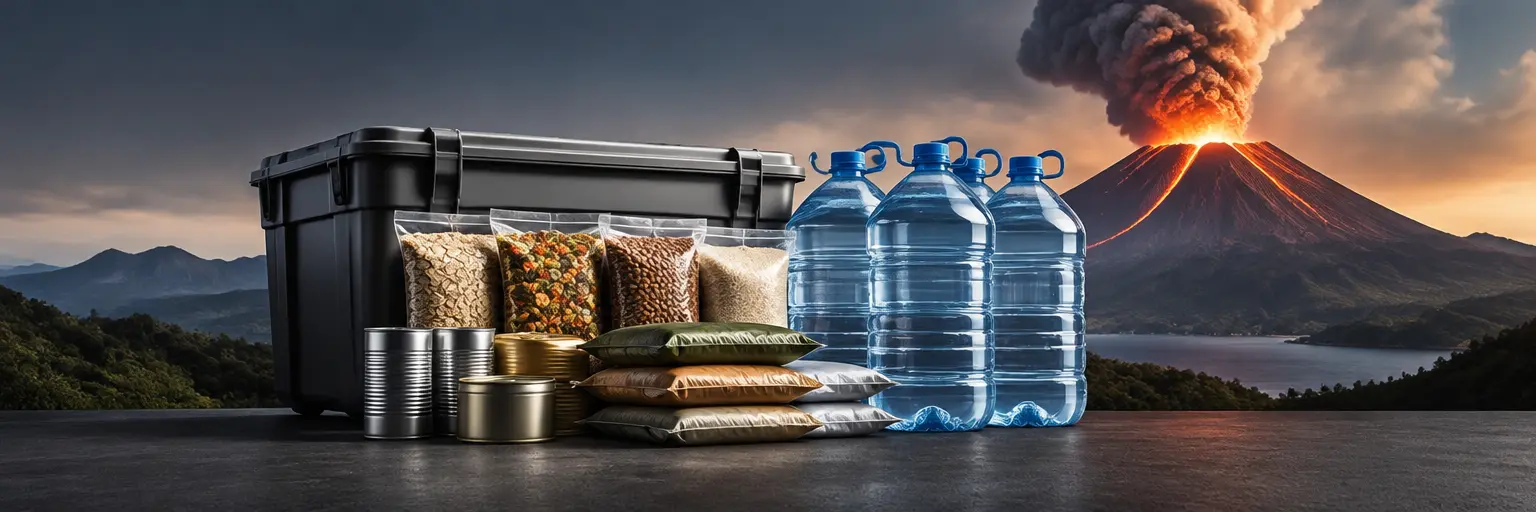
Water is your most critical resource; volcanic ash can clog municipal filtration systems and sulfurous gases can acidify local water supplies. Store at least one gallon per person per day for two weeks, using food-grade BPA-free containers in a cool, dark space. Rotate stored water every six months to maintain freshness. Additionally, invest in purification tablets, a portable gravity filter, and a boiling method that can handle volcanic sediment. A backup rainwater catchment system, designed with a first-flush diverter, can supplement your reserves if ashfall contaminates your primary source.
Beyond quantity, consider long-term water preservation techniques like vacuum-sealed pouches or commercially packaged emergency water with a 5-year shelf life. Label all containers with fill dates and test your filters monthly to ensure they are ash-resistant. For volcanic scenarios, avoid relying solely on natural sources like streams or wells, as lahars and pyroclastic flows can alter waterways instantly. Your storage plan should also include electrolyte powders to address dehydration from stress and physical exertion during evacuation.
🥫 Calorie-Dense Food Kits with Extended Shelf Life
Prioritize foods that require no refrigeration, minimal water, and little cooking since volcanic eruptions often knock out power grids. Stock freeze-dried meals, canned goods with pop-top lids, and high-energy bars that provide 2,000–2,500 calories daily per person. Aim for a minimum of 72 hours of supplies, but extend to 14 days for severe ashfall events. Rotate your stash annually, using older items in daily meals to avoid waste. Choose low-sodium options to reduce thirst, and include comfort foods like chocolate or dried fruit to boost morale during extended sheltering.
For a truly long-term approach, incorporate bulk staples like rice, beans, oats, and honey stored in Mylar bags with oxygen absorbers, which can last 25–30 years. Pair these with a manual grain mill and a solar oven to prepare meals without electricity. Remember that volcanic ash can be abrasive and corrosive, so keep all food in sealed, airtight containers inside plastic bins to prevent contamination. Also, add a dedicated supply of pet food if you have animals, as their needs are equally critical during an eruption.
🛠️ Storage Containers and Rotation Schedules
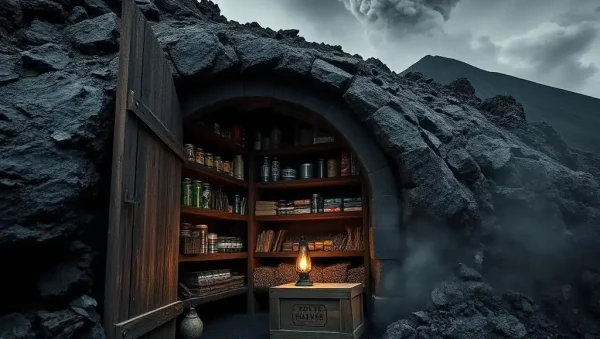
Selecting the right containers prevents spoilage and pest invasion. Use heavy-duty plastic totes with gasketed lids, food-grade buckets with gamma seals, and metal shelving that can withstand ash weight. Avoid glass containers that can shatter during seismic activity, a common precursor to eruptions. Place your storage in a cool, dry, and elevated area—such as a garage or basement—away from windows and potential lava flow paths. Humidity is your enemy; use silica gel packs to keep dry goods crisp and prevent mold in canned items.
Implement a first-in, first-out (FIFO) rotation schedule using a simple spreadsheet or label system. Mark every item with a purchase date and a replacement date. Conduct a full inventory every three months, and use the opportunity to cook a meal entirely from your emergency stash. This practice not only tests your supplies but also familiarizes your family with the taste and preparation methods. For water, rotate every six months by using it for irrigation, washing, or toilet flushing—never discard it if you can repurpose it sustainably.
🗺️ Evacuation vs. Shelter-in-Place Food Plans
Your storage strategy must accommodate two distinct scenarios. For evacuation, prepare 72-hour "bug-out" bags for each family member, loaded with lightweight, high-energy foods like trail mix, jerky, and meal replacement shakes. Include a portable water filter, collapsible bottles, and water purification tablets. Keep these bags near your exit door or in your car, ready to grab within minutes. For shelter-in-place orders—common with ashfall or vog—designate a "safe room" with a two-week supply of food and water that is separate from your main pantry, ensuring you are not forced to venture into contaminated zones.
Develop a decision tree based on Official Volcanic Alert Levels (e.g., Normal, Advisory, Watch, Warning). At "Watch" level, top off your water reserves and start consuming perishables first. At "Warning," transition fully to your emergency stock and avoid opening refrigerators unnecessarily. Practice a monthly "mini-drill" where you simulate a power outage and prepare a meal using only your long-term supplies. This builds confidence and reveals any missing equipment, such as a manual can opener or a camp stove with extra fuel canisters.
🧪 Testing and Maintenance for Volcanic Conditions
Regular testing ensures your supplies are viable when ash falls. Water stored in plastic can absorb flavors from nearby chemicals; add a drop of unscented bleach (5.25%–6% sodium hypochlorite) at the rate of 8 drops per gallon for purification. Check seals on all food containers monthly by pressing the lid—if it pops, the vacuum is broken. For freeze-dried items, verify that the oxygen absorber packets remain active (they should be rock-hard). Perform an annual taste test of a small sample from each batch to detect spoilage before you depend on it.
Calibrate your maintenance routine to volcanic hazards like ash fallout, which can damage vents and seals. Cover your storage shelves with a thin plastic sheet to catch fine ash that may seep in through cracks. Use a HEPA vacuum to clean around containers monthly. Additionally, create a humidity log using a hygrometer to ensure levels stay below 15% for dry goods. If you experience an eruption, even a minor one, conduct a full post-event inspection: discard any food with damaged packaging, and re-seal water containers that have been exposed to heavy ash.
Frequently Asked Questions
How much water should I store for a volcanic eruption?
Store at least one gallon of water per person per day for a minimum of 14 days, totaling 14 gallons per person. For a family of four, this means 56 gallons. Add extra for pets and for any medical needs. In volcanic zones, also keep a reserve of 5 additional gallons for washing off ash from skin and gear, as ashfall can be highly irritating and corrosive.
Can I use regular tap water in long-term storage?
Yes, but you must treat it first to ensure it remains potable. Use unscented bleach (8 drops per gallon) or commercially prepared water preserver drops. Fill containers only with potable tap water, leave a slight air gap, and seal tightly. Rotate every six months. Never use milk jugs or containers that previously held non-food liquids, as they degrade and leach chemicals.
What foods last the longest for volcano preparedness?
Freeze-dried vegetables and fruits, white rice, dried beans, honey, sugar, and rolled oats can last 25–30 years when stored correctly in Mylar bags with oxygen absorbers. Canned meats and vegetables last 2–5 years, while high-energy bars have a 5-year shelf life. Avoid high-fat foods that go rancid, and always store everything in a cool, dark environment below 70°F.
How do I prevent ash from contaminating my food storage?
Keep all food in airtight containers and place them inside sealed plastic bins. Store bins on elevated shelving to keep them off the floor, and cover them with a plastic tarp during an ashfall event. Seal your storage room’s windows and doors with plastic sheeting and tape. After ash stops falling, wipe all containers with a damp cloth before opening, and inspect for any fine dust intrusion.
Is it safe to rely on local water sources after an eruption?
No, local water sources like rivers and wells can be contaminated by volcanic ash, sulfuric acid, and heavy metals. Even if they appear clear, they might be hazardous. Always boil water from any natural source for at least one minute (three minutes at high altitudes) or use a certified filter that removes volcanic particulates. If your stored water runs out, prioritize purification methods over untreated collection.