First Aid Kits Specifically Designed for Volcanic Hazards: Your Essential Preparedness Guide
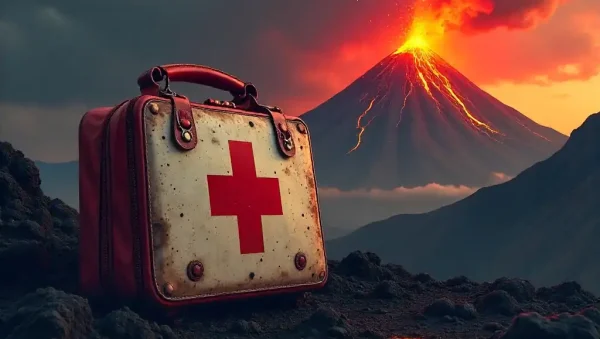
When living near or exploring active volcanic regions, standard first aid supplies simply aren't enough. Volcanic hazards—from toxic ashfall, scorching pyroclastic flows, and corrosive gases to flying debris and lava-related burns—demand specialized medical preparedness. Our curated subcategory focuses on first aid kits engineered for volcanic environments, ensuring you have the right tools to treat inhalation injuries, thermal burns, eye irritation, and lacerations caused by volcanic rock fragments. Whether you're a resident of a volcanic zone, a researcher, or a thrill-seeking traveler, these kits bridge the gap between generic medical care and the unique physiological threats volcanoes pose.
⚠️ Understanding Volcanic-Specific Injuries: Why Standard Kits Fail
Generic first aid kits are designed for everyday cuts, scrapes, and minor burns. However, volcanic environments introduce hazards like silicosis from crystalline silica ash, hydrofluoric acid burns from gas condensates, and deep puncture wounds from volcanic glass (tephra). A specialized kit addresses these needs with items such as N95 or P100 respirators, eye wash stations with buffered saline, and hydrogel burn dressings that cool tissue without adhering. Moreover, it includes antidotes and neutralizers for chemical exposure, which standard kits completely overlook. Understanding this distinction is critical for anyone prioritizing survival and recovery in the shadow of an active volcano.
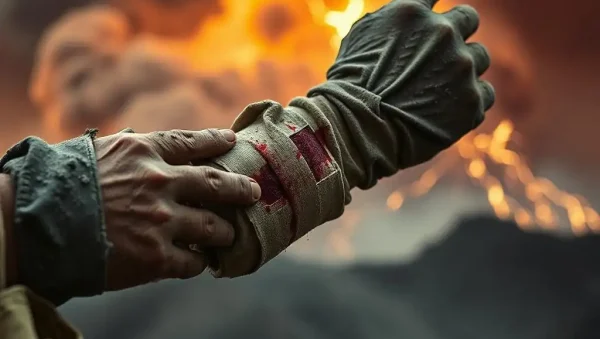
In addition to advanced wound care, volcanic first aid kits incorporate modified hemorrhage control—because volcanic debris can cause severe lacerations that cut through major arteries. Tourniquets and hemostatic gauze are pre-packed alongside compact suction units for clearing airway obstructions from ash inhalation. The inclusion of thermal blankets with reflective surfaces also prevents hypothermia after immersion in cold water during evacuations, a scenario often ignored in typical kits. By bridging these gaps, specialized kits empower users to act decisively during the chaotic first minutes following an eruption.
🌋 Key Components Found in Top-Rated Volcanic First Aid Kits
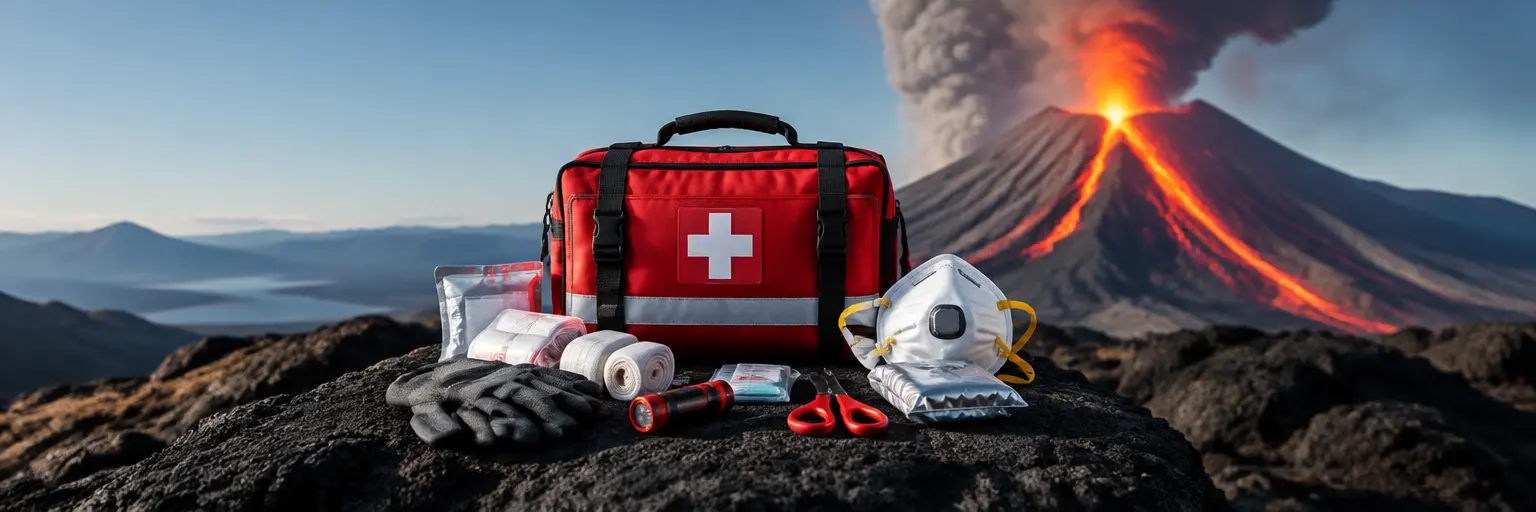
Every high-quality volcanic first aid kit contains a core set of components tailored to the environment. At the forefront are particulate respirators (at least N95 or P100), which filter fine ash and toxic gases like sulfur dioxide when combined with acid-gas cartridges. You'll also find eyewash stations with sterile single-use vials, since ash particles can scratch corneas and trigger severe conjunctivitis. For thermal burns, kits feature sterile saline-soaked burn dressings and cooling gels that reduce tissue damage on contact. Chemical neutralizers—such as calcium gluconate gel for hydrofluoric acid—are indispensable in silica-rich volcanic zones.
Beyond these essentials, professionals add oral rehydration salts and anti-diarrheal agents because contaminated water supplies are common post-eruption. Splint materials for possible fractures from falling ballistic rocks, along with heavy-duty tweezers for removing lodged volcanic glass shards, round out the inventory. Many kits also include a waterproof, tear-resistant pouch with clear labeling and color-coded sections for rapid retrieval under smoky, low-visibility conditions. Some advanced variants even incorporate a compact pulse oximeter to monitor oxygen saturation when ash clouds thin the air, providing critical data for evacuation decisions.
🧯 Comparing Compact vs. Expedition-Style Volcanic Kits
When choosing a volcanic first aid kit, assess your activity level and proximity to active vents. Compact kits (1-2 kg) are ideal for day hikes or short respites near volcanic sites, offering streamlined supplies such as a few respirators, burn dressings, eye vials, and a mini trauma kit. These fit in a daypack or vehicle glovebox and prioritize mobility over capacity. Conversely, expedition kits (4-10 kg) target researchers, rescue teams, or long-term residents, containing multi-day oxygen supplies, field surgical tools, and heavy-duty suction devices for airway clearance. They also include backup water purification tablets and high-calorie energy bars to sustain responders during extended operations.
Consider the trade-offs: compact kits may lack specialized chemical neutralizers or splinting materials, while expedition kits require dedicated carrying space and weight training. For permanent residents near volcanoes, a home-based station kit can be assembled by augmenting a commercial expedition kit with 30-day supplies of prescription medications and extra oxygen canisters. Always check local volcanic hazard maps to determine if your location falls within ballistic projectile zones—if so, invest in a kit with thicker padding to protect contents from impact damage. Regardless of type, verify that your kit's expiration dates are updated annually, as adhesives and medications degrade in hot volcanic climates.
🔥 Maintenance, Customization, and Training for Volcanic Kit Use
Owning a volcanic first aid kit isn't enough; regular maintenance ensures functionality when ash clouds descend. Inspect seals on respirators every three months, test battery-powered devices like pulse oximeters, and replace any item with a compromised package. Humidity and sulfur gases can corrode metal components, so store kits in airtight, desiccant-lined containers. Customization is equally vital—add extra inhalers for asthmatics, prescription epinephrine auto-injectors for allergies, and specific antidotes if you work with volcanic gases daily. Label everything with both generic and brand names to prevent confusion during emergencies.
Moreover, practice using each component in simulated drills. Many serious injuries stem from panicked mistakes—forgetting to remove contact lenses before washing eyes or applying burn cream too late. At least twice yearly, set up a mock scenario where you treat a burn while wearing a P100 mask and limited visibility. Familiarize yourself with the kit's layout until you can locate a tourniquet or eye wash in under ten seconds. Additionally, enroll in a wilderness first aid course with a volcanic-specific module, which teaches maneuvers like applying a chest seal for penetrating debris wounds. This proactive preparation transforms a store-bought kit into a life-saving asset.
🌍 Top Brands and Legal Considerations for Volcanic Kits
Several reputable brands dominate the volcanic first aid market, each with distinct strengths. Adventure Medical Kits offers the "Volcano Pro" line, featuring integrated respirators and chemical neutralizers, while Surviveware provides modular kits with clear organizational pockets, ideal for customization. First Aid Only produces budget-friendly "Ash Response" kits for community distribution, though they require adding a few higher-end components. When purchasing, check that kits comply with ISO 9001 standards for medical packaging and include FDA-approved items. Avoid kits containing glass containers—they shatter during tremors—and ensure all liquids are in crush-proof plastic tubes.
Legally, many regions mandate specific emergency medical supplies for businesses near volcanoes (e.g., Iceland's Civil Protection Act requires OSHA-grade respirators for employees). Verify your local regulations to avoid fines and ensure workplace compliance. For personal use, document your kit's contents with photos—some insurance policies offer discounts for documented preparedness. Be cautious about imported kits that may contain unapproved medications; stick to reputable distributors. Finally, consider purchasing duplicate kits for your vehicle and workplace, since volcanic emergencies often occur while away from home, and redundancy ensures coverage across your daily radius.
Frequently Asked Questions
What makes a first aid kit "volcanic-specific" compared to a standard one?
A volcanic-specific kit includes particulate respirators, acid-gas filters, buffered eye wash, chemical neutralizers (like calcium gluconate for HF), and thermal burn dressings. It also contains hemostatic gauze, a tourniquet, and splints for ballistic trauma—items not found in standard kits. These additions address ash inhalation, chemical burns, and puncture wounds, which are rare in everyday scenarios.
Can I use a regular first aid kit for minor volcanic ash exposure?
For very minor ash contact (e.g., brief dusting), a regular kit’s saline rinse and bandages might suffice. However, ash particles are sharp and abrasive, easily scratching eyes or causing lung irritation. Without an N95 respirator and proper eyewash, you risk long-term eye damage or respiratory distress. Therefore, upgrading to a volcanic-specific kit is strongly recommended for any planned exposure.
How often should I replace the consumable items in my volcanic first aid kit?
Check expiration dates on all medications, saline, and adhesive products every six months—replace them at least annually. Respirator filters lose efficiency after six months of storage, especially in humid or sulfur-rich air. Replace any opened wound-care items immediately after use, and test battery devices like pulse oximeters monthly. Store your kit in a cool, dry place to prolong shelf life.
Are there any items I should add to a commercial volcanic kit for personal needs?
Yes, add personal prescription medications (e.g., inhalers, epinephrine), a spare pair of eyeglasses or contact lens case, and a list of allergies in waterproof writing. Include a copy of your medical ID and emergency contacts. For chronic conditions, add a glucose meter or anti-hypertensive pills. Also, pack a small comfort item like a stress ball—panic is a real hazard during eruptions.
Do volcanic first aid kits require special training to use effectively?
Basic first aid training is essential, but volcanic-specific scenarios—like applying a chest seal, using a tourniquet correctly, or neutralizing chemical burns—require hands-on practice. Enroll in a wilderness first aid course with a volcano module. Practice rapid retrieval and scenario drills at home. Some kit manufacturers offer free online video tutorials, so leverage those to build confidence before an emergency.