
The Ultimate Respirator Showdown: Comparing Top Models for Volcanic Ash Defense

Welcome to Volcano Explorers, where we uncover the Earth's fiery secrets. Ever wondered how to breathe easy amidst a volcanic eruption? In our latest article, "The Ultimate Respirator Showdown," we dive deep into the world of volcanic ash defense, comparing top respirator models to help you find the best protection. But which one truly offers the ultimate safeguard? Let's find out... and discover more about staying safe near these magnificent giants.
- Why You Need the Best Respirator for Volcanic Ash Exposure
- Top Respirators for Volcanic Ash: A Comparative Review
-
The Contenders: Best Respirators for Volcanic Ash Protection
- 3M Aura 9205+ N95 Respirator: A Reliable and Affordable Option
- Honeywell Saf-T-Fit Plus N95 Respirator: Comfort and Performance
- Moldex 2300 N95 Respirator: Enhanced Durability for Demanding Environments
- GVS Elipse P100 Half Mask Respirator: Superior Filtration for Extreme Conditions
- North 7600 Series Full Face Respirator: Maximum Protection for Sensitive Individuals
- Respirator Buying Guide: Key Factors to Consider
- Beyond the Respirator: Additional Volcanic Ash Protection Measures
- Real-World Scenarios: Respirators in Action During Volcanic Eruptions
- Conclusion: Choosing the Right Volcanic Ash Mask for Your Needs
-
Frequently Asked Questions
- What makes volcanic ash so dangerous to breathe?
- Why can't I just use a regular dust mask for volcanic ash?
- What type of respirator is considered the "best" for volcanic ash?
- How often should I replace the filter on my respirator when exposed to volcanic ash?
- Where can I find reliable information about volcanic ash fall forecasts and safety guidelines?
- Final Reflection: Breathing Easy in the Face of Adversity
Why You Need the Best Respirator for Volcanic Ash Exposure
Understanding the Dangers of Volcanic Ash: A Respiratory Hazard
Volcanic ash, despite its name, is not the soft, fluffy material you might imagine. It's composed of tiny shards of volcanic glass and rock, pulverized into a fine powder during explosive eruptions. These particles, often smaller than a grain of sand, are easily inhaled and can penetrate deep into the respiratory system.
The primary danger of volcanic ash lies in its abrasive nature and chemical composition. Silica, a major component of volcanic ash, can cause silicosis, a serious lung disease, with prolonged or repeated exposure. Furthermore, the ash can be acidic and contain dissolved gases like sulfur dioxide and hydrogen sulfide, which can irritate the airways and exacerbate pre-existing respiratory conditions like asthma and bronchitis.
Beyond the immediate discomfort of coughing and throat irritation, inhaling volcanic ash can lead to more severe health problems. Studies following volcanic eruptions, such as the 1980 Mount St. Helens eruption in the United States, have documented a clear increase in respiratory symptoms among exposed populations. A study published in the Archives of Environmental Health found that respiratory hospital admissions significantly increased in areas affected by the Mount St. Helens ashfall.
These health impacts are not limited to large eruptions; even smaller events can pose a risk, especially for vulnerable groups like children, the elderly, and individuals with pre-existing respiratory or cardiovascular conditions. Therefore, protecting your respiratory system with the best respirator for volcanic ash is paramount during and after volcanic events.
Who Needs Volcanic Ash Respirators? (Hikers, Residents, Researchers)
The need for volcanic ash respirators extends across various groups of people who might find themselves in or near areas affected by volcanic activity. Residents living in the vicinity of active volcanoes are arguably the most consistently at risk. Consider communities near Mount Rainier in Washington State, or those on the slopes of Mount Etna in Sicily.
These populations face potential ashfall from both minor and major eruptions and require respirators for everyday activities during ashfall events, from gardening to commuting. For them, having a readily available and effective respirator is not just a matter of convenience, but a crucial element of their emergency preparedness plan.
Hikers and outdoor enthusiasts who venture into volcanic regions also need to prioritize respiratory protection. Volcanic landscapes are often popular for recreation, but even dormant volcanoes can experience sudden, unexpected eruptions or release plumes of ash and gas. Imagine a hiker exploring trails near the Villarrica volcano in Chile, or a photographer capturing the beauty of the Tongariro National Park in New Zealand. These individuals might encounter volcanic ash unexpectedly and need to have a respirator readily accessible in their backpacks.
Furthermore, volcanologists and researchers who study active volcanoes are exposed to volcanic ash as an occupational hazard. They require high-performance respirators that can withstand prolonged use in demanding environments, often involving fieldwork in areas with high concentrations of volcanic ash and gases. For all these groups, choosing the best respirator for volcanic ash is essential for safeguarding their health.
Top Respirators for Volcanic Ash: A Comparative Review
Methodology: How We Evaluated These Respirators
To determine the best respirators for volcanic ash, we employed a rigorous evaluation methodology focusing on several key criteria. Firstly, filtration efficiency was paramount. We prioritized respirators certified to filter out fine particulate matter, specifically N95 and P100 ratings, which are standard for protection against airborne particles, including volcanic ash. N95 respirators filter at least 95% of airborne particles 0.3 microns or larger, while P100 respirators filter at least 99.97% of particles 0.3 microns or larger and are also resistant to oil-based particles. For volcanic ash, both are effective, but P100 offers a higher level of protection.
Secondly, fit and seal were critically assessed. A respirator’s effectiveness hinges on its ability to create a tight seal against the wearer's face, preventing ash particles from bypassing the filter. We considered different respirator designs, including cup-shaped, fold-flat, and half-mask models, and evaluated their potential to accommodate various face shapes and sizes. We also considered comfort and breathability, recognizing that respirators need to be worn for extended periods, especially during prolonged ashfall events.
Factors like respirator material, exhalation valve presence, and overall design were assessed for their impact on wearer comfort and ease of breathing. Finally, durability and reusability were taken into account. While N95 respirators are generally disposable, some models offer greater durability, and P100 respirators are often reusable with replaceable filters. We evaluated the lifespan and maintenance requirements of each respirator, considering their suitability for both short-term and long-term volcanic ash protection.
The Contenders: Best Respirators for Volcanic Ash Protection
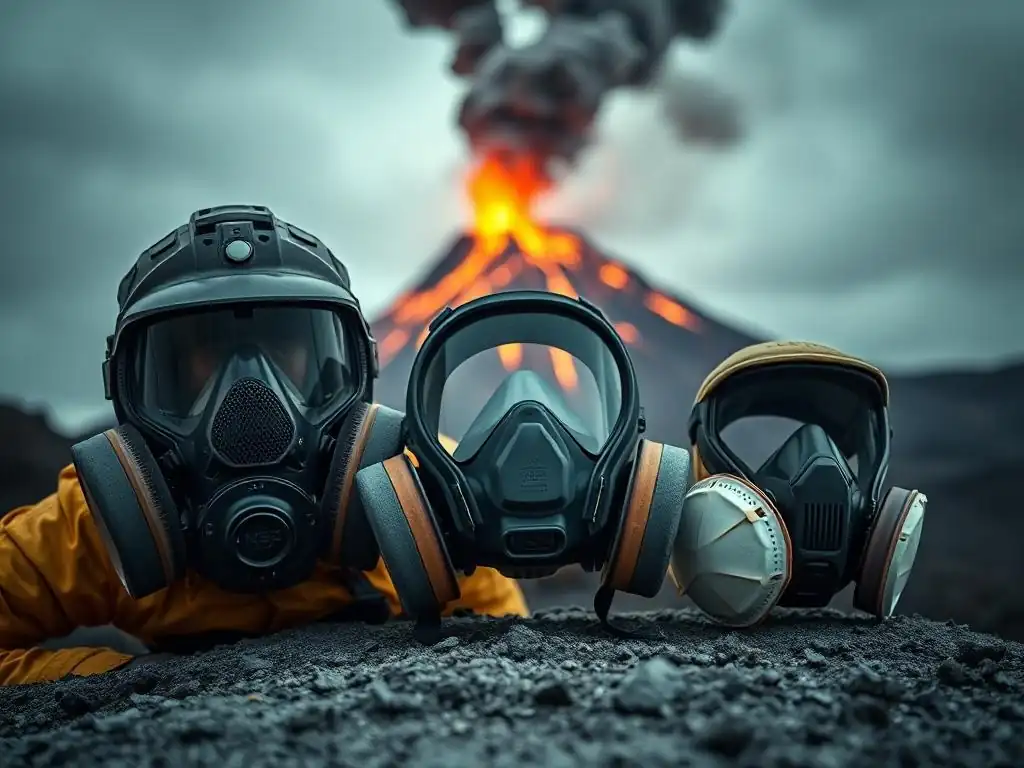
3M Aura 9205+ N95 Respirator: A Reliable and Affordable Option
The 3M Aura 9205+ N95 respirator is a widely recognized and trusted option for respiratory protection, and it stands out as a solid choice for defense against volcanic ash. Its popularity stems from its balance of effective filtration, comfortable design, and affordability, making it accessible to a broad range of users.
This respirator is NIOSH-approved as an N95, meaning it meets the stringent standards for filtering at least 95% of airborne particles, including the fine particles found in volcanic ash. Its flat-fold design makes it convenient to carry and store, and its individual packaging ensures hygiene and prevents contamination before use, crucial in potentially dusty environments affected by volcanic ash.
The 3M Aura 9205+ incorporates several features designed for enhanced user experience. It includes a sculpted top panel that conforms to the nose and contours of the face, helping to provide a good seal and reduce eyewear fogging, a common issue when wearing respirators with glasses or goggles.
The respirator also features a comfortable nose clip and headbands that are designed to secure the respirator firmly without causing excessive pressure or discomfort. While it is a disposable respirator, its robust construction allows for extended wear during periods of volcanic ash exposure, making it a practical and reliable choice for those seeking effective and affordable protection.
Features of the 3M Aura 9205+ N95 for Volcanic Ash
- N95 Filtration: Certified to filter at least 95% of airborne particles, effective against volcanic ash.
- Flat-Fold Design: Easy to store and carry, maintains hygiene before use.
- Sculpted Top Panel: Conforms to the nose and face, reduces eyewear fogging.
- Comfortable Nose Clip: Adjustable nose clip ensures a secure and comfortable seal.
- Braided Headbands: Secure fit without excessive pressure, enhances comfort during extended wear.
- Individual Packaging: Maintains hygiene and prevents contamination.
Pros and Cons: 3M Aura 9205+ N95 Respirator
Pros:
- High Filtration Efficiency (N95): Provides reliable protection against volcanic ash particles.
- Comfortable Design: Sculpted panel and adjustable nose clip enhance comfort and fit.
- Portable and Convenient: Flat-fold design and individual packaging make it easy to carry and store.
- Affordable: Relatively inexpensive compared to reusable respirators, making it accessible to a wider audience.
- Widely Available: Easy to purchase from various retailers, both online and in physical stores.
Cons:
- Disposable: Single-use respirator, not reusable, which can be less environmentally friendly and potentially more costly in the long run for repeated use.
- Limited Durability: While robust for a disposable respirator, it is not designed for heavy-duty or prolonged industrial use.
- No Exhalation Valve: May become warmer inside during extended wear, potentially causing discomfort in hot or humid conditions.
When to Use: Ideal Scenarios for the 3M Aura 9205+ N95
The 3M Aura 9205+ N95 respirator is ideally suited for a range of scenarios where volcanic ash exposure is a concern. For residents in areas experiencing light to moderate volcanic ashfall, it provides a reliable and comfortable option for everyday activities like walking outdoors, gardening, or running errands. Its affordability makes it practical for households to stock up on respirators for family members. Hikers and outdoor enthusiasts will find its portability and ease of use beneficial for carrying in backpacks during excursions in volcanic regions, ready for unexpected ashfall.
Furthermore, the 3M Aura 9205+ is a good choice for short-term emergency situations where quick and readily available respiratory protection is needed. For example, during the initial phases of volcanic ashfall or when evacuation is necessary, these respirators can provide immediate protection. While not designed for heavy industrial use, they can also be utilized for light-duty tasks in ash-affected environments, such as cleaning up ash around homes or businesses. However, for prolonged or heavy ash exposure, or for individuals with pre-existing respiratory conditions, a higher level of protection, such as a P100 respirator, might be more appropriate.
Honeywell Saf-T-Fit Plus N95 Respirator: Comfort and Performance
The Honeywell Saf-T-Fit Plus N95 respirator is another excellent contender in the realm of disposable N95 respirators, known for its focus on both comfort and reliable performance against airborne particles, including volcanic ash. Honeywell, a well-established brand in safety equipment, has designed this respirator to provide a comfortable and secure fit for a wide range of face shapes, while maintaining the necessary N95 filtration efficiency. This makes it a practical choice for individuals who need to wear respirators for extended periods during volcanic ash events.
A key feature of the Honeywell Saf-T-Fit Plus is its soft and comfortable inner layer. This inner lining is designed to minimize irritation and enhance wearer comfort, particularly important for those with sensitive skin or during prolonged use in dusty volcanic ash environments. The respirator also incorporates a molded nose bridge, which eliminates the need for a metal nose clip, further contributing to comfort and reducing pressure points.
The two-strap design with welded straps ensures a secure fit on the face, maintaining the necessary seal for effective filtration. Like the 3M Aura, the Honeywell Saf-T-Fit Plus is NIOSH-approved as an N95 respirator, guaranteeing its filtration capabilities against volcanic ash particles.
Features of the Honeywell Saf-T-Fit Plus N95 for Volcanic Ash
- N95 Filtration: Certified to filter at least 95% of airborne particles, effective against volcanic ash.
- Soft Inner Layer: Enhances comfort and reduces skin irritation, ideal for prolonged wear.
- Molded Nose Bridge: Eliminates metal nose clip, increases comfort and reduces pressure.
- Two-Strap Design: Welded straps for a secure and consistent fit, maintains seal.
- Latex-Free Straps: Suitable for individuals with latex allergies, broadening usability.
- Collapse Resistant Shell: Maintains respirator shape and durability during use.
Pros and Cons: Honeywell Saf-T-Fit Plus N95 Respirator
Pros:
- Enhanced Comfort: Soft inner layer and molded nose bridge prioritize wearer comfort, especially for extended use.
- Reliable N95 Filtration: Provides certified protection against volcanic ash particles.
- Secure Fit: Two-strap design and collapse-resistant shell ensure a consistent seal.
- Latex-Free: Suitable for users with latex sensitivities.
- Durable Design: Collapse-resistant shell maintains shape and integrity during use.
Cons:
- Disposable: Single-use respirator, not reusable, similar to other N95 models.
- May Be Slightly Less Breathable than Valved Respirators: Like other non-valved N95s, breathability may be slightly reduced compared to respirators with exhalation valves.
- Availability May Vary: While generally available, distribution and stock levels may vary regionally compared to more widely distributed brands.
When to Use: Ideal Scenarios for the Honeywell Saf-T-Fit Plus N95
The Honeywell Saf-T-Fit Plus N95 respirator is particularly well-suited for situations where comfort during extended wear is a priority, alongside reliable volcanic ash protection. This makes it a good choice for residents experiencing prolonged periods of ashfall, who need to wear respirators for several hours each day. For individuals with sensitive skin or those prone to skin irritation from respirators, the soft inner layer provides a significant advantage. Emergency responders or volunteers working in ash-affected areas for longer durations will also benefit from the enhanced comfort features of this respirator.
Furthermore, the Honeywell Saf-T-Fit Plus is suitable for work environments with light to moderate physical activity in ash-laden conditions. For example, outdoor workers involved in ash cleanup or essential services during volcanic events can rely on this respirator for comfortable and effective protection. While it is a disposable N95, its durable design and focus on comfort make it a practical and reliable option for a range of volcanic ash protection needs, particularly when extended wear and user comfort are key considerations.
Moldex 2300 N95 Respirator: Enhanced Durability for Demanding Environments
The Moldex 2300 N95 respirator distinguishes itself within the N95 category by prioritizing durability and a robust design, making it a strong choice for demanding environments where volcanic ash is a concern. Moldex is known for its focus on user comfort and practical design in respiratory protection, and the 2300 model reflects this philosophy with its emphasis on maintaining structural integrity and providing a secure fit even under challenging conditions. This respirator is NIOSH-certified as an N95, ensuring reliable filtration of volcanic ash particles, but its construction sets it apart for situations requiring greater resilience.
A key feature of the Moldex 2300 is its Dura-Mesh® shell. This rigid outer shell protects the filter media from collapsing in hot, humid, or physically demanding conditions, maintaining the respirator’s shape and ensuring consistent filtration efficiency. The respirator also incorporates a naturally contoured facepiece, designed to mold comfortably and snugly to the wearer’s face without pressure points.
The adjustable cloth straps are durable and comfortable, contributing to a secure fit that can withstand movement and activity. While still a disposable N95, the Moldex 2300 is built to withstand more rigorous use than some other disposable models, making it suitable for tougher volcanic ash environments.
Features of the Moldex 2300 N95 for Volcanic Ash
- N95 Filtration: Certified to filter at least 95% of airborne particles, effective against volcanic ash.
- Dura-Mesh® Shell: Protects filter media, maintains respirator shape in demanding conditions.
- Naturally Contoured Facepiece: Molds comfortably to the face, reduces pressure points.
- Adjustable Cloth Straps: Durable and comfortable, ensures a secure fit during activity.
- Flame Retardant: Meets flame resistance standards, offering added safety in certain environments (though not directly relevant to volcanic ash itself).
- Latex-Free: Suitable for individuals with latex allergies.
Pros and Cons: Moldex 2300 N95 Respirator
Pros:
- Exceptional Durability: Dura-Mesh® shell provides superior structural integrity, ideal for demanding environments.
- Reliable N95 Filtration: Certified protection against volcanic ash particles.
- Comfortable Fit: Contoured facepiece and adjustable straps enhance comfort and security.
- Flame Retardant: Offers an added safety feature in specific hazardous environments.
- Latex-Free: Suitable for users with latex sensitivities.
Cons:
- Disposable: Single-use respirator, not reusable, like other N95 models.
- Less Compact for Storage: Rigid shell makes it less foldable and compact compared to flat-fold respirators.
- May Be Slightly Less Breathable in Hot Conditions: The Dura-Mesh® shell, while durable, might slightly reduce breathability in very hot and humid environments compared to respirators with thinner shells or exhalation valves.
When to Use: Ideal Scenarios for the Moldex 2300 N95
The Moldex 2300 N95 respirator excels in situations requiring robust respiratory protection in challenging conditions, making it a strong choice for volcanic ash scenarios that involve physical exertion, heat, or humidity. Outdoor workers involved in heavy ash cleanup, such as construction crews, utility workers, or agricultural workers, will benefit from the respirator's durability and ability to maintain its shape and filtration efficiency even during strenuous activity. Emergency responders working in rugged terrain or hot climates during volcanic events will also find the Moldex 2300 a reliable option.
Furthermore, the Moldex 2300 is well-suited for environments where the respirator might be subjected to rough handling or potential damage. For instance, researchers conducting fieldwork in volcanic areas or individuals navigating through dense vegetation while exposed to ashfall will appreciate the extra protection offered by the Dura-Mesh® shell. While still a disposable N95, its enhanced durability makes it a practical and dependable choice for those who need a respirator that can withstand more demanding volcanic ash environments.
GVS Elipse P100 Half Mask Respirator: Superior Filtration for Extreme Conditions
The GVS Elipse P100 Half Mask Respirator represents a step up in protection and reusability compared to disposable N95 respirators, offering superior filtration and a more robust design for extreme volcanic ash conditions. Moving into the realm of reusable respirators, the Elipse P100 provides a higher level of respiratory protection with its P100 filters, which are certified to filter at least 99.97% of airborne particles, including the finest volcanic ash particles. This respirator is designed for extended use and demanding environments, making it a top choice for those requiring maximum protection and long-term durability.
A defining feature of the GVS Elipse P100 is its low-profile and compact design. Unlike bulkier respirators, the Elipse P100 sits close to the face, offering a wide field of vision and minimizing interference with other safety equipment like goggles or hard hats. It utilizes replaceable P100 filters, which are housed in integrated cartridges, making filter changes straightforward.
The respirator is constructed from medical-grade TPE (Thermoplastic Elastomer), which is hypoallergenic, latex-free, and comfortable against the skin even during prolonged wear. The adjustable head straps and lightweight design further contribute to user comfort and a secure fit, making the GVS Elipse P100 a premium option for volcanic ash defense.
Features of the GVS Elipse P100 for Volcanic Ash
- P100 Filtration: Certified to filter at least 99.97% of airborne particles, offering superior protection against even the finest volcanic ash.
- Reusable Half Mask: Durable and reusable respirator body with replaceable P100 filters.
- Low-Profile and Compact Design: Provides a wide field of vision and minimizes interference with other PPE.
- Medical-Grade TPE Construction: Hypoallergenic, latex-free, and comfortable for extended wear.
- Replaceable P100 Filters: Easy filter changes, cost-effective in the long run for frequent use.
- Adjustable Head Straps: Ensures a secure and comfortable fit for various face shapes.
Pros and Cons: GVS Elipse P100 Respirator
Pros:
- Superior P100 Filtration: Offers the highest level of filtration against volcanic ash and other fine particles.
- Reusable and Cost-Effective (Long-Term): Reusable respirator body with replaceable filters, more economical for frequent use compared to disposable respirators.
- Comfortable and Durable: Medical-grade TPE construction and adjustable straps enhance comfort and longevity.
- Low Profile and Wide Field of Vision: Minimizes interference and maximizes visibility.
- Suitable for Extended Use: Designed for prolonged wear in demanding environments.
Cons:
- Higher Initial Cost: More expensive upfront than disposable N95 respirators.
- Requires Maintenance: Regular filter replacement and cleaning of the respirator body are necessary.
- Slightly Heavier than Disposable Respirators: Though lightweight for a half-mask respirator, it is still heavier than disposable N95 models.
When to Use: Ideal Scenarios for the GVS Elipse P100
The GVS Elipse P100 Half Mask Respirator is ideally suited for situations demanding maximum respiratory protection and reusability in volcanic ash environments. For individuals with pre-existing respiratory conditions, such as asthma or COPD, the superior P100 filtration offers an essential extra layer of protection against the irritant and harmful effects of volcanic ash. Volcanologists and researchers who are regularly exposed to volcanic ash in their fieldwork will benefit from the robust construction, reusability, and high level of protection offered by the Elipse P100.
Furthermore, the GVS Elipse P100 is a practical choice for residents in areas experiencing frequent or prolonged volcanic ashfall. While the initial cost is higher, the reusability and replaceable filters make it a more economical option in the long run compared to constantly purchasing disposable N95 respirators. Emergency responders and disaster relief workers operating in heavily ash-affected zones will also find the Elipse P100 to be a reliable and durable respirator for extended deployments. In essence, the GVS Elipse P100 is the go-to choice when superior protection, reusability, and long-term value are prioritized in volcanic ash defense.
North 7600 Series Full Face Respirator: Maximum Protection for Sensitive Individuals
The North 7600 Series Full Face Respirator, manufactured by Honeywell, stands at the pinnacle of respiratory protection for volcanic ash, offering maximum coverage and a superior seal, particularly crucial for sensitive individuals or those in extremely ash-laden environments. Unlike half-mask respirators, the full face design of the North 7600 provides comprehensive protection, covering the eyes, nose, and mouth, preventing volcanic ash from entering through any of these pathways. This makes it the ultimate choice for individuals who require the highest level of protection and those who may experience irritation or sensitivity from even minimal ash exposure.
The North 7600 Series is designed for demanding industrial and hazardous environments and utilizes replaceable cartridges and filters, offering versatility and adaptability to different airborne contaminants, including volcanic ash. For volcanic ash protection, P100 filters or combination cartridges with particulate filters are recommended. The respirator features a soft silicone facepiece that conforms comfortably to the face and provides a secure seal.
The wide polycarbonate lens offers a panoramic field of vision and is scratch and impact-resistant, enhancing safety and visibility. The five-strap harness ensures a secure and adjustable fit, distributing pressure evenly for enhanced comfort during extended wear. While more substantial than other respirators, the North 7600 Series prioritizes uncompromising protection and is the top-tier choice for extreme volcanic ash scenarios.
Features of the North 7600 Series for Volcanic Ash
- Full Face Coverage: Provides maximum protection for eyes, nose, and mouth, preventing ash entry through all pathways.
- Reusable Full Facepiece: Durable and reusable respirator body with replaceable cartridges and filters.
- Soft Silicone Facepiece: Comfortable and provides a secure seal, even on sensitive skin.
- Wide Polycarbonate Lens: Panoramic field of vision, scratch and impact-resistant for enhanced safety.
- Five-Strap Harness: Secure and adjustable fit, distributes pressure evenly for comfort.
- Versatile Cartridge and Filter Options: Accommodates various cartridges and filters, including P100 for volcanic ash.
Pros and Cons: North 7600 Series
Pros:
- Unmatched Maximum Protection: Full face coverage provides the highest level of protection against volcanic ash, including eye protection.
- Superior Seal: Silicone facepiece and five-strap harness ensure a tight and reliable seal.
- Reusable and Versatile: Reusable respirator body with replaceable cartridges and filters, adaptable to different hazards.
- Wide Field of Vision: Polycarbonate lens offers excellent visibility.
- Durable and Robust: Designed for demanding industrial environments, built for long-term use.
Cons:
- Highest Initial Cost: Most expensive option compared to disposable and half-mask respirators.
- Bulkier and Heavier: More substantial and heavier than other respirator types, potentially less comfortable for prolonged wear in hot conditions.
- Requires More Maintenance: Regular cleaning and filter/cartridge replacement are essential.
- May Cause Claustrophobia for Some Users: Full face coverage can feel restrictive for individuals prone to claustrophobia.
When to Use: Ideal Scenarios for the North 7600 Series
The North 7600 Series Full Face Respirator is specifically designed for situations demanding uncompromising maximum protection against volcanic ash, especially for individuals with extreme sensitivities or pre-existing conditions, and for environments with exceptionally high concentrations of volcanic ash. For individuals with severe asthma, allergies, or other respiratory sensitivities, the full face seal and superior filtration offer the necessary level of protection to prevent any ash inhalation or irritation.
Workers in extremely dusty conditions, such as those involved in heavy ash cleanup in heavily affected areas or industrial settings exposed to volcanic ash, require the comprehensive protection of a full face respirator.
Furthermore, the North 7600 is essential for situations where eye protection is also paramount. Volcanic ash can be highly irritating to the eyes, and in heavy ashfall, eye protection is as crucial as respiratory protection.
Emergency responders operating in the most heavily impacted zones, or volcanologists conducting research in close proximity to erupting vents, will benefit from the complete protection offered by the North 7600 Series. While it represents the highest end of the spectrum in terms of cost and bulk, the North 7600 Series Full Face Respirator is the definitive choice when absolute maximum protection from volcanic ash is non-negotiable.
Respirator Buying Guide: Key Factors to Consider
Filtration Efficiency: N95 vs. P100 for Volcanic Ash
When choosing the best respirator for volcanic ash, understanding filtration efficiency is paramount. The two primary ratings to consider are N95 and P100, both established by the National Institute for Occupational Safety and Health (NIOSH). N95 respirators filter at least 95% of airborne particles that are 0.3 microns or larger. This level of filtration is generally considered sufficient for most volcanic ash exposure scenarios, particularly for general public use during moderate ashfall. N95 respirators are effective at blocking the majority of volcanic ash particles, providing significant respiratory protection against the immediate hazards of ash inhalation.
P100 respirators, on the other hand, offer an even higher level of filtration, removing at least 99.97% of airborne particles 0.3 microns or larger. P100 filters are also resistant to oil-based particles, which is not a primary concern with volcanic ash, but indicates a broader range of protection. While both N95 and P100 respirators are effective against volcanic ash, P100 respirators provide a greater margin of safety, filtering out even more of the very fine particles.
For individuals with pre-existing respiratory conditions, those expecting prolonged or heavy ash exposure, or those seeking the highest possible level of protection, P100 respirators are the recommended choice. For general use during typical volcanic ashfall events, a properly fitted N95 respirator offers a good balance of protection, comfort, and affordability.
Respirator Fit: Ensuring a Proper Seal for Maximum Protection
Filtration efficiency is only one part of the equation; a respirator's effectiveness is critically dependent on achieving a proper fit and seal. Even the highest-rated P100 respirator will offer minimal protection if it doesn't create a tight seal against your face, allowing unfiltered air to leak in around the edges. A proper fit means the respirator should comfortably cover your nose and mouth, forming a seal without gaps.
For disposable respirators like N95 models, adjustable nose clips are crucial for conforming the respirator to the bridge of your nose and minimizing air leakage. Headbands should be adjusted to ensure a snug but not overly tight fit that maintains the seal without causing discomfort or pressure points.
For reusable respirators, particularly half-mask and full face models, achieving a proper seal is equally important. These respirators often come in different sizes, so selecting the correct size for your face shape is the first step. Silicone or elastomeric facepieces are designed to mold to the contours of your face, creating a better seal than rigid materials.
Properly adjusting the straps is essential to distribute pressure evenly and ensure the respirator sits snugly against your face. Fit testing, a procedure to verify the seal of a respirator, is recommended, especially for those who will be wearing respirators regularly or in high-risk environments. A simple user seal check, performed each time you put on a respirator, involves inhaling and exhaling to check for air leakage around the edges, and should become a routine practice for anyone using respirators for volcanic ash protection.
Comfort and Breathability: Long-Term Wear Considerations
While protection is paramount, comfort and breathability are crucial factors, especially if you anticipate wearing a respirator for extended periods during volcanic ash events. Discomfort can lead to improper respirator use, such as loosening straps or removing the respirator intermittently, which compromises protection. Respirator comfort is influenced by several factors, including the material, design, and presence of features like exhalation valves. Softer inner layers, like those found in some Honeywell N95 models, can reduce skin irritation and improve comfort during prolonged wear. Lightweight designs and well-distributed strap pressure also contribute to overall comfort.
Breathability refers to the ease of airflow through the respirator, and it can impact comfort, particularly during physical activity or in hot and humid conditions. Respirators with exhalation valves can significantly improve breathability by allowing exhaled air, which is warm and moist, to escape more easily, reducing heat and moisture buildup inside the respirator.
While exhalation valves improve comfort, it's important to note that they allow exhaled air to escape unfiltered, which is generally not a concern for volcanic ash protection for the wearer, but may be relevant in medical or other specific contexts. For general volcanic ash protection, prioritizing comfort and breathability will encourage consistent and proper respirator use, maximizing protection over the long term.
Reusability and Maintenance: Extending the Life of Your Respirator
Choosing between disposable and reusable respirators involves considering factors like cost, convenience, and environmental impact. Disposable respirators, primarily N95 models, are designed for single use and should be discarded after use or when they become soiled, damaged, or breathing becomes difficult. While convenient and generally less expensive upfront, frequent replacement can become costly and generate more waste, especially during prolonged volcanic ash events. However, for short-term or infrequent use, disposable N95 respirators are a practical and readily available option.
Reusable respirators, such as half-mask and full face models, offer a more sustainable and potentially cost-effective solution for long-term or frequent volcanic ash protection. These respirators consist of a durable facepiece that can be cleaned and reused, with replaceable filters or cartridges. While the initial investment is higher, the cost per use is typically lower over time, as you only need to replace the filters periodically.
Filter lifespan depends on the level of ash exposure and usage frequency, but manufacturers provide guidelines for filter replacement. Proper maintenance of reusable respirators, including regular cleaning of the facepiece and timely filter replacement, is essential to ensure their continued effectiveness and longevity. For residents in volcanic areas or individuals who anticipate repeated exposure to volcanic ash, investing in a reusable respirator and establishing a maintenance routine is a worthwhile consideration.
Beyond the Respirator: Additional Volcanic Ash Protection Measures
Eye Protection: Goggles and Safety Glasses
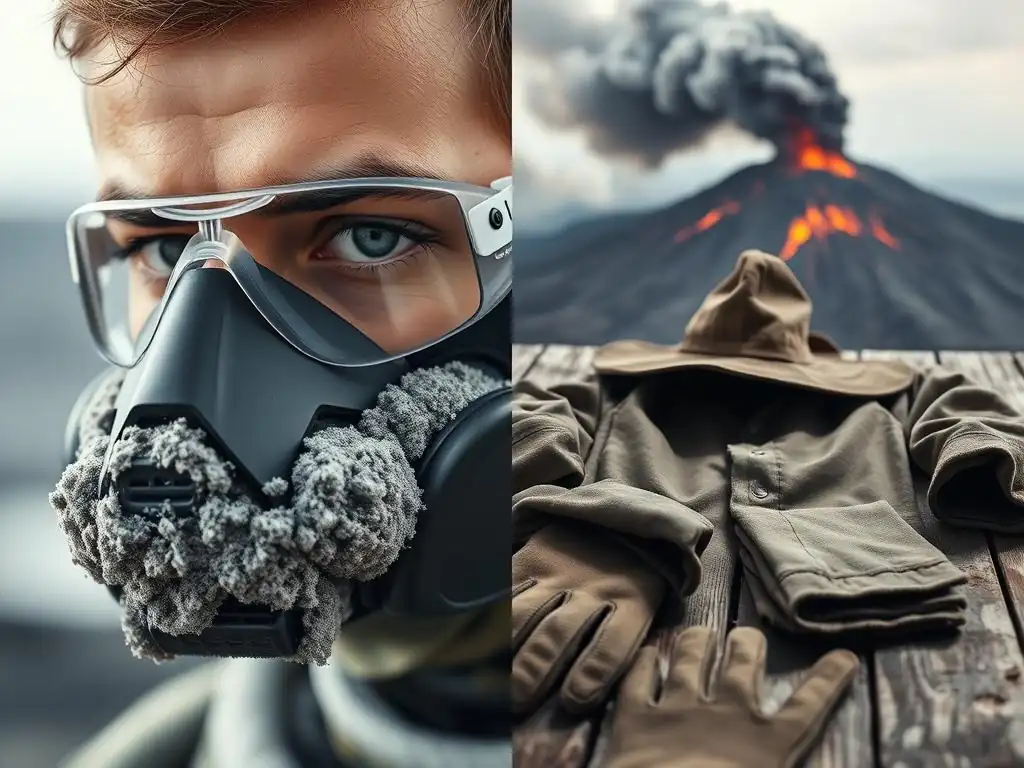
While respirators address respiratory hazards, volcanic ash poses threats to other parts of the body, particularly the eyes. Volcanic ash particles are abrasive and can cause significant eye irritation, ranging from mild discomfort to corneal scratches and conjunctivitis. Therefore, eye protection is a critical companion to respiratory protection during volcanic ash events. Goggles offer the most comprehensive eye protection, creating a seal around the eyes to prevent ash particles from entering. Look for goggles that are vented to reduce fogging, but ensure the vents are fine enough to block ash particles.
Safety glasses provide a less complete seal than goggles but still offer significant protection compared to no eye protection at all. Wrap-around safety glasses are preferable as they offer more side protection. Whether choosing goggles or safety glasses, ensure they are impact-resistant and meet relevant safety standards, such as ANSI Z87.1 in the United States.
For contact lens wearers, it is generally recommended to switch to eyeglasses during volcanic ash events, as ash particles can get trapped under contact lenses, causing severe irritation and potential corneal damage. Combining appropriate eye protection with the best respirator for volcanic ash ensures comprehensive protection from the hazards of ash exposure.
Skin Protection: Covering Exposed Areas
Volcanic ash is not only a respiratory and eye irritant but can also cause skin irritation and dryness. The abrasive nature of ash particles can scratch and irritate exposed skin, and the chemical composition of ash, including acidic components, can further exacerbate skin irritation. Therefore, covering exposed skin is an important supplementary measure during volcanic ash events. Wearing long-sleeved shirts, long pants, and gloves can significantly reduce skin exposure to ash. Choose tightly woven fabrics to minimize ash penetration.
For the face and neck areas that may remain exposed even with clothing, consider using a wide-brimmed hat and a scarf or bandana to cover these areas as much as possible. Applying a barrier cream or moisturizer to exposed skin before going outdoors can also provide a protective layer against ash irritation. After exposure to volcanic ash, it's important to wash exposed skin gently with soap and water to remove ash particles and minimize irritation. Combining skin protection measures with respiratory and eye protection creates a comprehensive approach to safeguarding your health during volcanic ashfall.
Air Purifiers: Reducing Indoor Ash Levels
While respirators are essential for outdoor protection and in situations where indoor air quality is compromised, air purifiers can play a crucial role in reducing indoor ash levels and creating a safer indoor environment during volcanic ash events. Volcanic ash can easily infiltrate homes and buildings through windows, doors, and ventilation systems, leading to indoor air pollution. HEPA (High-Efficiency Particulate Air) filters are highly effective at removing fine particles like volcanic ash from indoor air. Portable air purifiers equipped with HEPA filters can be used in homes, offices, and other indoor spaces to significantly reduce airborne ash concentrations.
When selecting an air purifier for volcanic ash, prioritize models with true HEPA filters and ensure the purifier is sized appropriately for the room or space it will be used in. Running air purifiers continuously during and after volcanic ashfall events can help maintain cleaner indoor air. In addition to air purifiers, sealing windows and doors with tape and plastic sheeting can help minimize ash entry into buildings.
Changing HVAC system filters and using the recirculate setting can also help reduce ash circulation through ventilation systems. Combining indoor air purification strategies with outdoor personal protection measures creates a layered approach to mitigating the health impacts of volcanic ash.
Real-World Scenarios: Respirators in Action During Volcanic Eruptions
Case Study: The 2010 Eyjafjallajökull Eruption and Respirator Use
The 2010 eruption of Eyjafjallajökull volcano in Iceland provides a compelling case study highlighting the real-world importance of respirators during volcanic ash events. This eruption, while not exceptionally large in terms of explosivity, produced a fine ash plume that drifted across Europe, causing widespread air travel disruption. However, for communities in Iceland, particularly those downwind of the volcano, the eruption resulted in significant volcanic ashfall, impacting daily life and posing respiratory health risks. The Icelandic Department of Civil Protection and Emergency Management issued clear guidance to residents, emphasizing the need for respiratory protection.
During the Eyjafjallajökull eruption, residents in ash-affected areas were advised to use respirators or face masks when outdoors, particularly when engaged in activities that could stir up ash, such as cleaning or farming. N95 respirators were widely recommended and distributed to the public, and public health campaigns stressed the importance of proper respirator fit and consistent use.
While the eruption did cause some respiratory irritation and health concerns, the widespread use of respirators is believed to have significantly mitigated more severe respiratory health impacts. A study published in the European Respiratory Journal examined the respiratory health effects of the Eyjafjallajökull eruption and found that while respiratory symptoms increased during the ashfall period, there was no evidence of long-term respiratory damage in the general population, suggesting the effectiveness of public health measures, including respirator use.
Expert Advice: Volcanologists on Respirator Selection
Volcanologists, who often work in close proximity to active volcanoes and are directly exposed to volcanic ash and gases, offer valuable insights into respirator selection for volcanic ash protection. Dr. Janine Krippner, a prominent volcanologist, emphasizes the importance of understanding the specific hazards of volcanic ash and choosing respirators appropriate for the level of exposure. She recommends N95 respirators as a minimum standard for general volcanic ash protection, but advises that P100 respirators offer a higher level of protection, particularly for individuals with respiratory sensitivities or those working in heavily ash-laden environments.
Dr. Krippner also stresses the critical role of proper respirator fit. "A respirator only works if it fits properly," she notes. She advises users to carefully follow manufacturer instructions for fitting and seal-checking respirators and to consider professional fit testing for reusable respirators used in occupational settings.
Furthermore, volcanologists often recommend carrying multiple respirators when working in volcanic areas, as respirators can become soiled or damaged. They also emphasize the importance of combining respiratory protection with other protective measures, such as eye protection, skin covering, and avoiding prolonged exposure to volcanic ash whenever possible. Their practical experience and expertise underscore the necessity of informed respirator selection and proper usage for effective volcanic ash defense.
Conclusion: Choosing the Right Volcanic Ash Mask for Your Needs
Our Top Recommendations: Based on Budget, Protection Level, and Comfort
Selecting the "best" respirator for volcanic ash ultimately depends on individual needs, budget, and the level of protection required. For budget-conscious individuals and general public use during moderate ashfall, the 3M Aura 9205+ N95 Respirator and Honeywell Saf-T-Fit Plus N95 Respirator are excellent choices. Both offer reliable N95 filtration, comfortable designs, and wide availability at affordable prices. The 3M Aura excels in portability and ease of use, while the Honeywell Saf-T-Fit Plus prioritizes comfort for extended wear.
For those seeking enhanced durability and robustness for demanding environments, the Moldex 2300 N95 Respirator stands out with its Dura-Mesh® shell, offering reliable N95 protection in challenging conditions. For individuals prioritizing superior filtration and reusability, the GVS Elipse P100 Half Mask Respirator provides P100 level protection, a comfortable and low-profile design, and cost-effectiveness in the long run for frequent use.
Finally, for maximum protection, especially for sensitive individuals or extreme ash conditions, the North 7600 Series Full Face Respirator offers unparalleled full face coverage and a superior seal, representing the ultimate choice in volcanic ash defense, albeit at a higher price point.
Where to Buy the Best Respirators for Volcanic Ash
The best respirators for volcanic ash are widely available from various retailers, both online and in physical stores. Online retailers such as Amazon, industrial supply websites like Grainger and MSC Direct, and safety equipment specialty stores offer a broad selection of respirators, often with detailed product descriptions and customer reviews. Physical stores including home improvement stores like Home Depot and Lowe's, hardware stores, and safety supply stores typically stock a range of N95 respirators, and some may carry P100 respirators and reusable half-mask models.
When purchasing respirators, ensure you are buying from reputable sources to avoid counterfeit products and to guarantee you are receiving NIOSH-approved respirators that meet the stated filtration standards. Look for NIOSH markings and certifications on the packaging. Consider purchasing in bulk quantities if you anticipate needing respirators for your household or for repeated use, as bulk purchases can often offer cost savings. Whether you choose to buy online or in-store, prioritize purchasing the respirator that best suits your individual needs and ensures reliable protection against the hazards of volcanic ash.
Frequently Asked Questions
What makes volcanic ash so dangerous to breathe?
Volcanic ash contains fine particles of silica and glass. These can cause respiratory irritation and long-term lung damage if inhaled.
Why can't I just use a regular dust mask for volcanic ash?
Regular dust masks are often not fine enough to filter out the tiny particles in volcanic ash. A proper respirator provides a much better seal and filtration.
What type of respirator is considered the "best" for volcanic ash?
Respirators with a NIOSH-certified N95, N99, or P100 rating are generally recommended. These filter out at least 95% of airborne particles.
How often should I replace the filter on my respirator when exposed to volcanic ash?
Filter replacement frequency depends on the ash concentration and usage time. Replace the filter if it becomes difficult to breathe through or visibly soiled.
Where can I find reliable information about volcanic ash fall forecasts and safety guidelines?
Consult your local authorities, the USGS Volcano Hazards Program, or reputable sources like VolcanoExplorers.org for the latest updates and safety advice.
Final Reflection: Breathing Easy in the Face of Adversity
The information presented throughout this article underscores the critical importance of preparedness in the face of natural disasters, specifically volcanic ashfall. While we've meticulously compared various respirators, the underlying message is about safeguarding our health and well-being when confronted with environmental hazards that can quickly compromise our ability to breathe freely. The ability to choose the right respirator isn't just about comfort; it's about survival and maintaining a sense of control when the world around us feels chaotic.
The threat of volcanic ash, though geographically localized, serves as a potent reminder of our vulnerability to natural forces. This article, and the research behind it, highlights the necessity of proactive planning and informed decision-making, not just for volcanic events, but for any potential environmental crisis. The best preparation for tomorrow is doing your best today.
- H. Jackson Brown, Jr. This quote perfectly encapsulates the spirit of this guide; by understanding the risks and equipping ourselves with the right tools, we empower ourselves to face uncertain futures with greater confidence.
Now, as you consider the information presented, take a moment to reflect on your own preparedness. Are you ready for the unexpected? What steps can you take today to ensure the safety and well-being of yourself and your loved ones in the face of environmental challenges? Let this guide be more than just a comparison of respirators; let it be a catalyst for proactive planning and a commitment to breathing easier, no matter what the future holds.
Please provide the article content. I'm ready to craft a compelling call to action.