Ash Apocalypse Survival: The Critical Role of Respirators and Masks
Volcanic eruptions are awe-inspiring, but dangerous. Volcano ash survival tips are crucial for those near active volcanoes. Proper respirator and mask use…
Read article
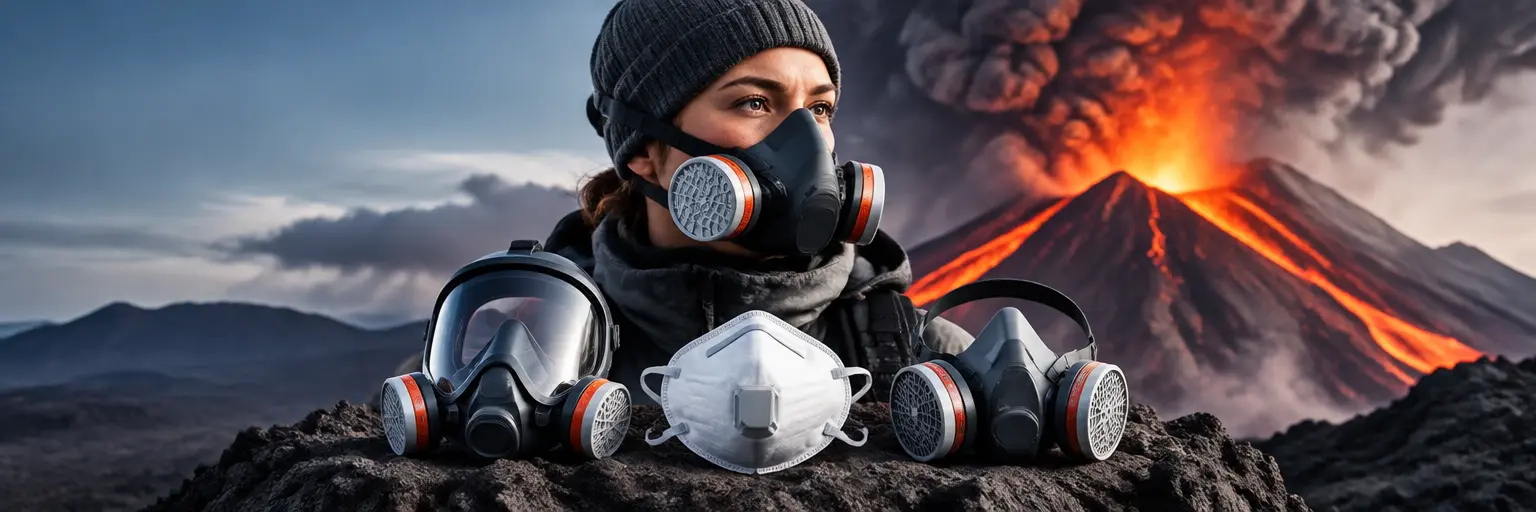
When volcanic ash fills the air, having the right protection is not just about comfort—it’s about your health and safety. Ash particles can be razor-sharp, abrasive, and carry harmful gases like sulfur dioxide, making a standard cloth mask dangerously insufficient. 🌋 On VolcanoExplorers.org, we prioritize your well-being with the best respirators and masks for volcanic ash protection, engineered to filter fine particulates (PM2.5) and toxic fumes while ensuring breathability during strenuous exploration or evacuation. From N95 and N99 disposable respirators to half-face elastomeric masks with replaceable P100 cartridges, our curated selections meet international safety standards (NIOSH, CE) and are tested for real-world volcanic conditions. Whether you’re a resident near an active crater or an adventurous trekker seeking up-close views, the right mask can mean the difference between a thrilling experience and a respiratory emergency. Discover durable, comfortable, and high-filtration options designed for prolonged wear, fog-free visibility, and secure facial seals—because when the volcano speaks, you need to breathe easy. 🌋✨
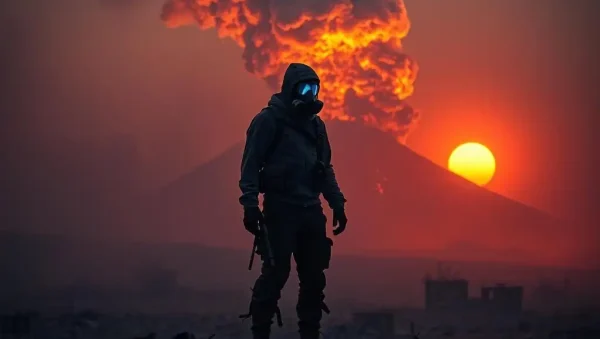
Volcanic eruptions are awe-inspiring, but dangerous. Volcano ash survival tips are crucial for those near active volcanoes. Proper respirator and mask use…
Read article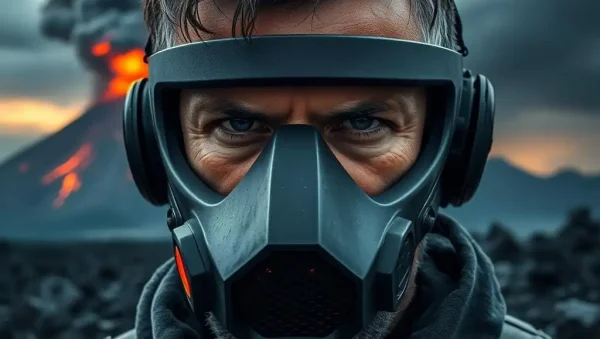
Volcanic eruptions pose significant respiratory risks. VolcanoExplorers.org provides a crucial volcano ash respirator guide, ensuring your safety during volcanic events. Learn how…
Read article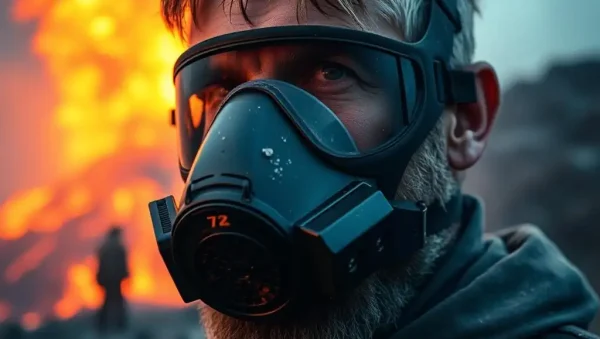
VolcanoExplorers.org pits top respirator models against each other. Discover the best respirators for volcanic ash protection, ensuring your safety amidst volcanic activity.…
Read article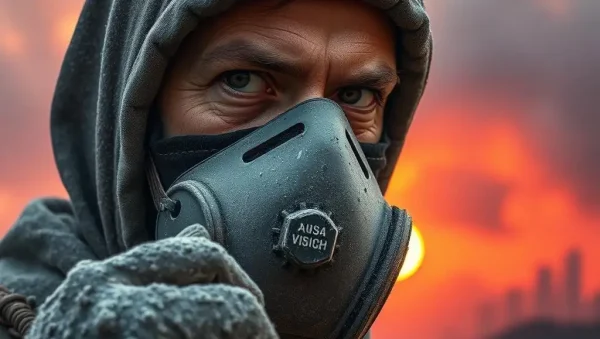
Witness firsthand accounts of ashfall survival from VolcanoExplorers.org. Learn how crucial respirators were in protecting lives during devastating eruptions; discover vital ashfall…
Read article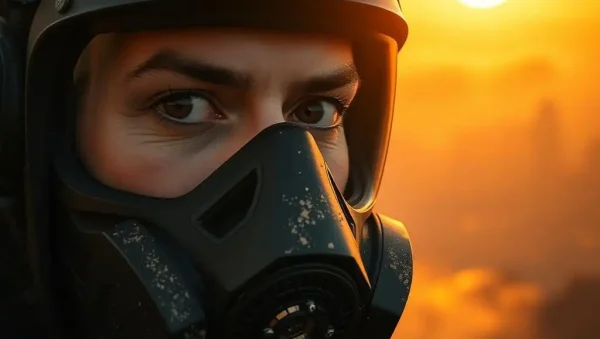
VolcanoExplorers.org offers vital advice on mitigating ashfall anxiety. Proactive respirator use significantly reduces respiratory distress and anxiety during volcanic events, ensuring your…
Read articleWhen a volcano erupts, the immediate danger often comes from more than just lava—volcanic ash poses a serious respiratory threat that can travel hundreds of miles. At VolcanoExplorers.org, we understand that choosing the right respirator or mask is critical for protecting your lungs from fine ash particles, toxic gases, and silica dust. This subcategory is dedicated to helping you navigate the confusing world of filtration gear, whether you are a resident near an active volcano, an emergency responder, or a thrill-seeking volcano tourist. Below, we break down the best options, key certifications, and practical usage tips so you can breathe safely even in the most ash-heavy environments.
Many people instinctively reach for a standard surgical mask during an ashfall event, but this is a critical mistake. Volcanic ash consists of jagged, abrasive particles that are often smaller than 10 microns—the size that surgical masks are designed to filter. These loose-fitting masks allow fine ash to enter through the gaps around your nose and cheeks, and they offer zero protection against toxic gases like sulfur dioxide that often accompany eruptions. For effective protection, you need a properly fitted N95, N99, or P100 respirator that creates a tight seal and filters out at least 95% of airborne particles.
Think of it this way: surgical masks are designed to protect others from your germs, not to protect you from environmental hazards. During a volcanic ash event, the air can contain up to 1,000 milligrams of ash per cubic meter—far exceeding what a simple cloth or surgical mask can handle. The abrasive nature of ash can also clog the mask quickly, reducing breathability and increasing the risk of hypoxia. Always prioritize respirators that form a seal against your face, and avoid masks with exhalation valves if you are also concerned about protecting others nearby from ash particles you might expel.
When it comes to balancing protection, comfort, and availability, N95 and N99 respirators are the go-to choices for most volcanic ash scenarios. The N95 rating means the respirator filters at least 95% of airborne particles, while N99 filters 99%. For volcanic ash, which is primarily composed of fine silicates, both offer substantial protection. Popular models like the 3M 8210 Plus and the Honeywell DC300N provide excellent fit and durability. We recommend looking for NIOSH-approved respirators (the US standard) or KN95 (Chinese standard) that meet similar filtration criteria. These are widely available online and in hardware stores, making them the most practical choice for emergency kits.
However, not all N95s are created equal for volcanic ash specifically. Ash particles are sharp and can degrade the filter efficiency over time, so choose respirators with a high filtration surface area and sturdy straps. The 3M 8511 N95, with its exhalation valve, is popular for reducing heat buildup, but the valve can allow unfiltered air to escape—though not a problem for self-protection. For extended wear, consider a respirator with adjustable nose clips and soft foam padding to ensure a comfortable, leak-proof fit. Remember to perform a user seal check every time you put on the respirator, following the manufacturer’s instructions.
For those living within the immediate blast zone or for emergency workers, a P100 filter is the gold standard. The P100 rating indicates 99.97% filtration efficiency, and the “P” means it is oil-proof, making it resistant to clogging from the oily aerosols that can sometimes mix with volcanic ash. More importantly, a P100 respirator, especially when paired with a cartridge that includes an organic vapor or acid gas filter, can protect against sulfur dioxide and hydrogen sulfide—common gases emitted alongside ash. The 3M 60926 P100 cartridge, used with a half-face respirator like the 3M 7500 series, offers this combined protection and is a top recommendation in our guide.
While heavier and more expensive, P100 respirators are indispensable for prolonged exposure or for those with pre-existing respiratory conditions like asthma. The trade-off is a more cumbersome fit and higher breathing resistance, which can be exhausting during physical exertion. We advise using a P100 system only when ash concentration is extreme, or when gas levels are a known hazard—always check local volcanic activity alerts. For most short-term ashfall events, a well-fitting N95 or N99 is sufficient, but having a P100 option in your emergency kit is a wise safety measure if you need to evacuate through heavy ash clouds.
Even the best respirator fails if it does not fit correctly. To get maximum protection, you must conduct a simple fit test: inhale sharply and place your palms over the filter cartridge (or cover the respirator surface) to see if air leaks in around the edges. If you feel air seeping near your eyes, cheeks, or chin, adjust the nose clip and straps. The fit should be snug but not uncomfortable, and you should be able to speak without losing the seal. For those with beards or long facial hair, a proper seal is nearly impossible—consider the fact that even stubble can compromise the mask’s efficiency. In such cases, a full-face respirator (which covers your entire face) is the only effective option.
Safety also extends beyond wearing the mask—it is about knowing when to replace it. Volcanic ash is highly abrasive, and filters can become saturated quickly. Replace disposable N95/N99 respirators after one use, or more frequently if you notice an increased breathing resistance. For reusable P100 filters, check the manufacturer’s guidance on replacement intervals, usually after 40 hours of use or if damaged. Store your respirators in a sealed plastic bag when not in use, away from moisture and heat. Finally, never wear a respirator with an exhalation valve if you have been exposed to infectious diseases—the valve releases your unfiltered air, potentially spreading pathogens to others in shelters.
In prolonged ashfall situations, comfort becomes a survival factor. Disposable N95/N99 masks are lightweight and easy to dispose of, but over many hours, the elastic straps can irritate your ears, and moisture from breathing can reduce filtration efficiency. Reusable half-face respirators with replaceable cartridges offer better durability and a more secure fit, but they add weight and bulk. For daily activities like commuting or short outdoor tasks, a well-ventilated N95 with an exhalation valve is ideal. For long-term evacuation or rescue work, a silicone half-face respirator like the Miller Electric 105529 is far more comfortable and cost-effective in the long run.
One often-overlooked comfort factor is the “off-gassing” of new respirator materials. Some rubber and plastic components can emit a chemical smell that triggers nausea or headaches, especially if you are already stressed. We recommend airing out new reusable respirators for 24 hours before use and washing the silicone facepiece with mild soap and water. Also, consider adding a thin cotton liner under the mask for extra comfort, but ensure it does not compromise the seal. Always prioritize versatility: the ability to swap between an N95 and P100 cartridge in the same respirator model gives you flexible protection, whether you are facing light ash or a severe gas-rich plume.
No, cloth masks and bandanas offer virtually no protection against volcanic ash. They are porous and fail to filter fine ash particles, which can be smaller than 2.5 microns and easily pass through fabric. You need at least an NIOSH-approved N95 respirator that seals tightly against your face. Cloth masks may trap larger particles but are useless for health safety.
There is no fixed time limit, but you should replace the respirator when breathing resistance becomes noticeable, the filter is visibly dirty, or the mask shows signs of damage. Typically, an N95 lasts 8-24 hours in moderate ashfall, but during heavy exposure, replace it every 4-6 hours. If you feel breathless or dizzy, leave the ash-affected area immediately.
If you are healthy and only need to protect yourself, exhalation valves are fine—they expel your air without filtering it, but that does not harm you. However, if you are potentially an asymptomatic carrier of a respiratory virus, an unfiltered exhalation could transmit pathogens. For group shelters, use a respirator without a valve or cover the valve with a surgical mask.
The difference is filtration efficiency and oil resistance. N95 filters 95% of particles, N99 filters 99%, and P100 filters 99.97%. The “P” in P100 means it is oil-proof, while “N” means not oil-resistant. For volcanic ash with oily volcanic aerosols, P100 is superior, but for plain ash, N95 is usually sufficient for short-term use.
Choose a full-face mask if you have facial hair, need eye protection, or require gas filtration. Half-face respirators are lighter and easier to communicate through, but they expose your eyes to irritation from ash particles. For severe ashfall where eye protection is critical, a full-face elastomeric respirator with P100 and gas cartridges is the best safety choice.