Volcano Emergency Preparedness Kits: What to Buy and Where
Living near an active volcano demands a proactive approach to safety, and your emergency kit is your first line of defense. At VolcanoExplorers.org, we’ve curated this subcategory to guide you through building a kit that addresses the unique hazards of volcanic events—from ashfall and pyroclastic flows to toxic gases and lava inundation. You’ll learn exactly what to buy, why each item matters, and where to source trusted gear, ensuring you and your family are ready before the ground shakes.
🌋 Essential Components of a Volcano-Specific Kit
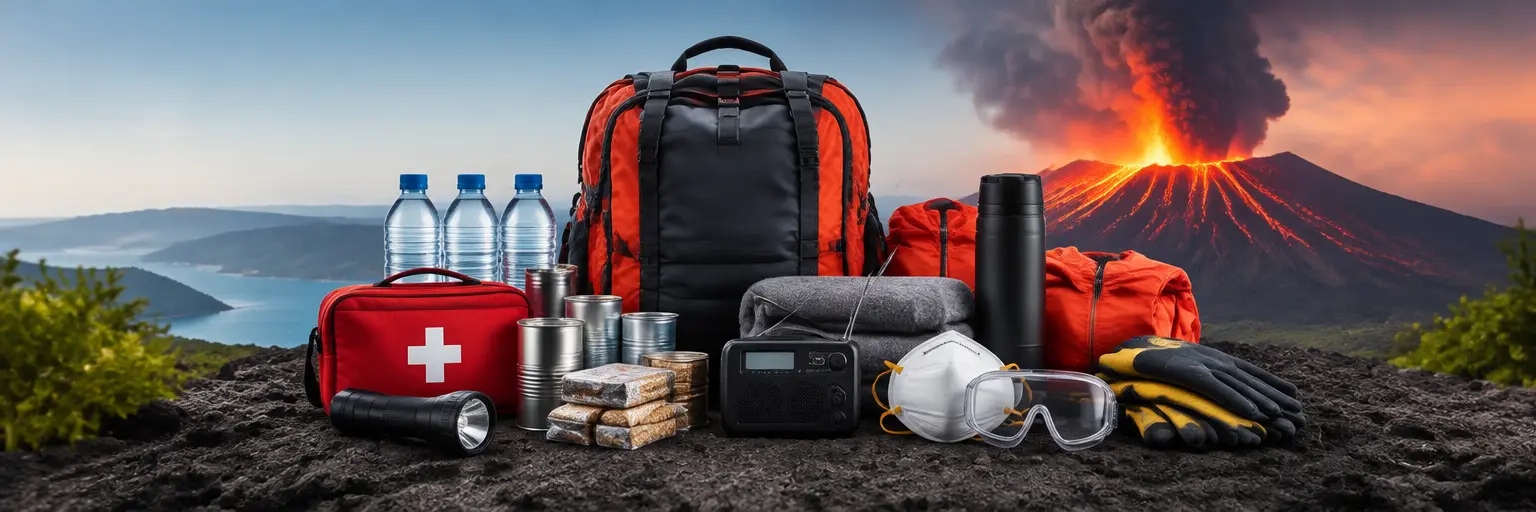
Standard emergency kits cover basic needs, but volcanic events demand extras like N95 or P100 respirators to filter fine ash particles, which can damage lungs and cause respiratory distress. You’ll also need goggles with a tight seal, long-sleeved clothing, and sturdy boots to protect against sharp, abrasive tephra. Add a portable ash vacuum for cleanup, and a waterproof phone case to shield electronics from corrosive volcanic ash. Include a hand-crank radio for evacuation alerts and a multi-tool for unexpected debris. Don’t forget a 72-hour supply of water, non-perishable food, and a first-aid kit with burn treatments—volcanic hazards often cause thermal injuries.
Where to buy these items? Start with specialized outdoor retailers like REI or Backcountry for high-quality respirators and goggles. For bulk supplies, consider emergency preparedness stores such as The Ready Store or Amazon’s dedicated survival category. Local hardware stores carry ash masks and safety gear. Always verify that your respirator meets NIOSH approval, not just dust masks, as those are ineffective against ash particles. Additionally, integrate a gas detection card or handheld monitor for sulfur dioxide and hydrogen sulfide, especially if you live downwind of vents—these gases are odorless yet deadly in high concentrations.
🏠 Where to Buy Kits Locally vs. Online
Local sourcing offers immediate access and the ability to inspect quality. Check your nearest fire department supply store or disaster preparedness centers, often found in volcanic regions like Hawaii, Iceland, or the Pacific Northwest. These shops stock region-specific items, such as lava-resistant tarps and ash filtration systems. Conversely, online retailers provide broader variety and competitive pricing. Websites like Amazon, Walmart, and Prepared4X offer pre-assembled volcano kits, though you should always customize them. For high-end gear, visit Surviveware or Uncharted Supply Co., which focus on professional-grade equipment. When ordering online, read reviews specifically mentioning ash or volcanic conditions to ensure product effectiveness.
If you prefer a done-for-you solution, companies like Quake Kare and Red Cross sell volcano-specific packages, but always supplement with additional masks and goggles—most kits underestimate ash exposure. For those on a budget, build your own using a durable backpack (e.g., Osprey) and source components from discount stores like Harbor Freight for tools and tarps. Remember that local purchasing supports your community’s preparedness infrastructure, while online options give you access to specialized items not available in remote areas. Compare shipping costs and delivery times, especially if an eruption is imminent—expedited shipping can be a lifesaver.
📦 Customization for Family and Pet Needs
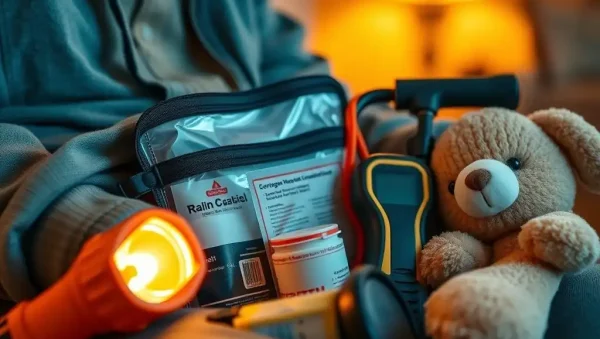
Your kit must account for every household member, including children, elderly, and pets. For infants, pack formula, diapers, and baby-safe respirators (check sizing). For seniors, include prescription medications, mobility aids, and extra oxygen if needed. Pets require their own evacuation kits—including a carrier, leash, water, food, and a pet-specific mask like the K9 Mask designed for ash and smoke. Also, add comfort items like toys or blankets to reduce stress during what may be a prolonged displacement. Customize your kit’s weight and organization: use color-coded bags for each person and keep a checklist laminated inside the lid.
When purchasing for specific needs, look for adaptive gear from medical supply stores or specialized vendors like ElderMark for senior safety. Pet supplies are available at most big-box retailers, but for volcanic-specific pet gear, visit Ruffwear or Petzl for durable leashes and harnesses. Don’t forget to store a physical copy of your evacuation plan and emergency contacts—including your local volcano observatory—in a waterproof pouch. Update your kit every six months, rotating out expired food and medications. This customization ensures that no one is left vulnerable during a crisis, making your preparedness truly comprehensive.
🧰 Maintenance and Regular Kit Updates
A dormant kit is a dangerous kit. Schedule quarterly check-ins to inspect expiration dates on food, water, and medications. Replace batteries in flashlights and radios biannually, and test your gas detectors monthly. After any ashfall event, even a minor one, thoroughly clean your respirators and vacuum your kit’s exterior—abrasive particles can degrade gear over time. Store your kit in a cool, dry place near your main exit, but avoid basements prone to flooding. Use clear, labeled bins to allow quick visual inspection. Also, refresh your knowledge by reviewing volcano safety guides on this site, as recommended protocols may change with new research.
Where to buy replacement supplies? Most hardware stores carry filters and batteries, while specialty shops like SafetyKitsPlus offer bulk respirator filters. For food and water, rotate in items from your pantry, buying fresh stock regularly, which keeps costs low. Consider a subscription service like ReadyWise for long-term food stored in Mylar pouches—these last 25 years and are easy to swap. Don’t overlook digital updates: download offline maps and volcanic alert apps on your phone, and keep a solar charger for power outages. By maintaining your kit, you ensure it’s ready when you need it most, turning preparation from a one-time task into a sustainable habit.
📍 Regional Considerations for Kit Purchases
Your location dictates kit specifics. For example, residents of Hawaii should include lava-resistant suits and heat shields, given the frequent flows, while those in Mount Rainier's lahar zones need extra buoyancy aids like life vests and waterproof packs. In Iceland, where volcanic gas emissions are common, invest in high-capacity gas masks and sulfur dioxide monitoring. The Cascade Range in the US may require avalanche gear if lahars coincide with snow. To source regionally, contact local emergency management offices—they often provide subsidized kits or supply lists. Also, visit nearby university geology departments; they can recommend specific vendors trusted by researchers.
For online purchases, use filters for your specific hazard—search terms like “lahar survival kit” or “ashfall mask.” Retailers like Amazon allow user reviews that often mention regional effectiveness. For remote areas, consider buying gear from Alaska Outdoor Gear or Icelandic Safety Supply, which specialize in extreme conditions. Remember that your kit should also include a physical map of your area’s evacuation routes, as GPS may fail during eruptions. Check with local authorities for the latest recommended items, as they update based on volcanic activity. This regional awareness ensures that your investment addresses the most likely threats, making your kit both practical and cost-effective.
Frequently Asked Questions
What is the most important item in a volcano emergency kit?
The most critical item is a NIOSH-approved N95 or P100 respirator mask for each person. Volcanic ash contains sharp silica particles that can cause severe lung damage, and ordinary dust masks offer little protection. Always have multiple masks per person, including child sizes, and store them in airtight packaging.
Can I use a regular first-aid kit for volcanic emergencies?
A regular kit is a good base but needs supplements. Add burn ointments (for thermal burns), eye wash solution, and sterile saline for ash irritation. Include a pair of tweezers and scissors for removing ash-laden clothing. Also, consider adding a biohazard waste bag for contaminated dressings if pyroclastic debris causes injuries.
How often should I replace the water in my volcano kit?
Replace stored water every six months. Use commercial bottled water with a manufacturer’s date, or rotate out your own containers. Store at least one gallon per person per day for a minimum of three days, but aim for two weeks if possible. Add a water purification system as backup, since ash can contaminate municipal sources.
Are pre-assembled volcano kits worth buying online?
Yes, but only as a base. Pre-assembled kits cover basics like food and light, but often lack quality masks and volcanic-specific gear. Purchase one from a reputable brand like ReadyWise, then customize with goggles, gas sensors, and sturdy footwear. Always verify that the masks included meet NIOSH standards.
Where can I find gas masks that protect against sulfur dioxide?
Look for masks with cartridges rated for acid gases, such as those from 3M or Honeywell. Check labels for “SO2” or “acid gas” certification. These are available at industrial safety suppliers like Grainger or Amazon. For consumer kits, some volcano-focused vendors offer sulfur dioxide-specific respirators; always test the fit for your face to ensure a proper seal.