
Voices in the Eruption: Maintaining Contact Amidst Volcanic Activity


Welcome to Volcano Explorers, where the earth breathes fire! Ever wondered how vital communication becomes when a volcano awakens? This article, " Voices in the Eruption: Maintaining Contact Amidst Volcanic Activity," unearths essential Volcano safety communication tips that could save lives. Discover how to stay connected and informed amidst the chaos – because in the face of a volcanic eruption, knowledge is your most powerful shield. Are you prepared to listen closely?
- The Critical Need for Volcano Safety Communication Tips in Volcanic Zones
- Essential Communication Devices for Volcano Emergency Preparedness
- Implementing Effective Volcano Emergency Communication Strategies
- Addressing Common Communication Problems in Volcanic Areas
- Maximizing the Lifespan and Reliability of Your Volcano Safety Communication Equipment
- Investing in Reliable Communication for Peace of Mind During Volcanic Activity
-
Frequently Asked Questions
- How important is communication during a volcanic eruption?
- What are some effective methods for volcano safety communication?
- What role does technology play in volcano safety communication?
- What are some common challenges in communicating during a volcanic eruption?
- What are some volcano safety communication tips that I can use?
- Final Reflection: Echoes of Connection in the Ash
- Empower Yourself: Stay Connected, Stay Safe!
The Critical Need for Volcano Safety Communication Tips in Volcanic Zones
Understanding the Communication Challenges During Volcanic Eruptions
Volcanic eruptions present a unique and multifaceted set of communication challenges, demanding robust volcano safety communication tips to ensure the well-being of affected populations. The very nature of these events—often sudden, violent, and accompanied by a barrage of environmental hazards—severely disrupts conventional communication pathways. Imagine the scenario: a volcano awakens after centuries of dormancy, spewing ash clouds kilometers into the sky and triggering pyroclastic flows that race down its flanks. The immediate aftermath is chaos.
Visibility plummets due to ashfall, making visual signals ineffective. Seismic activity, a common precursor and accompaniment to eruptions, can damage infrastructure, including communication towers and underground cables. The sheer scale of an eruption can overwhelm local resources, diverting attention from maintaining communication systems to managing immediate emergencies like evacuations and medical aid. Effective volcano safety communication tips must address these inherent disruptions to ensure information flow when it is most critical.
Furthermore, the diverse range of volcanic hazards, from fast-moving lahars (volcanic mudflows) to toxic gas emissions, necessitates a communication system capable of relaying varied and timely warnings. For example, a sudden lahar can inundate valleys within minutes, requiring immediate upstream warnings to save lives. Conversely, the slow accumulation of volcanic gases like sulfur dioxide might necessitate longer-term health advisories and community relocation.
Traditional communication methods often lack the agility and redundancy to handle this spectrum of threats in real-time. Consider the 2010 eruption of Eyjafjallajökull in Iceland: while not directly causing many casualties, the eruption's ash cloud crippled air travel across Europe for days, demonstrating how volcanic events can have far-reaching and complex communication needs beyond the immediate vicinity. Therefore, understanding these diverse challenges is the first step in implementing effective volcano safety communication tips and strategies.
Why Standard Communication Methods Fail Near Active Volcanoes (Cell Service, Landlines)
Relying solely on standard communication methods like cell service and landlines in areas prone to volcanic activity is a precarious gamble. These systems, while ubiquitous in daily life, are inherently vulnerable to the very forces unleashed by volcanic eruptions. Cellular networks depend on a complex infrastructure of towers, base stations, and power grids, all of which are susceptible to damage from seismic activity, pyroclastic flows, and even heavy ashfall.
Earthquakes associated with volcanic unrest can directly topple cell towers or fracture underground cables, causing widespread outages. Pyroclastic flows, reaching temperatures of hundreds of degrees Celsius and traveling at hurricane speeds, can obliterate anything in their path, including communication infrastructure. Even seemingly less destructive phenomena like heavy ashfall can disrupt cell signal transmission and overload network capacity as panicked populations attempt to contact loved ones or seek information.
Landline telephone systems, although often perceived as more robust, share similar vulnerabilities. They rely on physical cables that can be severed by seismic activity, lahars, or even landslides triggered by volcanic eruptions. Power outages, a common consequence of volcanic events due to damage to power plants or transmission lines, render both cell towers and landline systems inoperable, as many rely on electrical power to function, even if the physical lines remain intact. Consider the 1991 eruption of Mount Pinatubo in the Philippines: the eruption triggered a major earthquake and lahars, which severely damaged infrastructure, including communication lines, leaving many communities isolated and unable to call for help. Similarly, during the 2018 Kilauea eruption in Hawaii, lava flows destroyed roads and power infrastructure, cutting off communication to affected communities. These real-world examples underscore the critical need for alternative, more resilient communication solutions as vital volcano safety communication tips in volcanic zones.
Essential Communication Devices for Volcano Emergency Preparedness
Problem: Inconsistent Cell Service and Communication Blackouts During Eruptions
In volcanic zones, the expectation of reliable cell service during an eruption is often a dangerous misconception. As discussed, volcanic activity directly undermines the infrastructure upon which cellular networks depend. Seismic events can fracture fiber optic cables and disrupt microwave links crucial for cell signal transmission.
Heavy ashfall can attenuate radio waves, weakening signals and reducing coverage, particularly in rural or mountainous volcanic regions where signal strength is already marginal. Power outages, frequently accompanying eruptions due to grid damage or overwhelmed capacity, silence cell towers entirely, leaving vast areas in communication blackouts precisely when information is most urgently needed. This inconsistency isn't just inconvenient; it can be life-threatening, hindering evacuation efforts, delaying medical assistance, and preventing communities from receiving critical volcano safety communication tips and warnings.
The intermittent and unpredictable nature of cell service in volcanic emergency scenarios exacerbates the problem. A signal might be available briefly, only to disappear completely as seismic activity increases or ash clouds intensify. This unreliability breeds confusion and undermines trust in communication systems, potentially leading to delayed responses or inaction during critical phases of an eruption.
Imagine a scenario where residents receive an initial evacuation alert via cell phone, but then lose signal before receiving updated evacuation routes or shelter locations. This information gap can create bottlenecks, increase panic, and ultimately endanger lives. Therefore, proactive volcano safety communication tips must prioritize redundant and independent communication technologies to overcome the inherent limitations of cell service in volcanic environments.
Solution 1: Satellite Phones for Reliable Voice Communication
Satellite phones offer a compelling solution to the communication challenges posed by volcanic eruptions by bypassing vulnerable terrestrial infrastructure altogether. These devices communicate directly with satellites orbiting the Earth, establishing a connection independent of local cell towers, landlines, and power grids. This inherent resilience makes satellite phones a cornerstone of volcano safety communication tips, particularly in remote volcanic regions where infrastructure is sparse or easily disrupted.
During an eruption, when terrestrial networks falter, satellite phones can provide a lifeline for voice communication, enabling emergency responders, scientists monitoring volcanic activity, and affected communities to stay connected. They are especially crucial for coordinating evacuations, reporting injuries, and relaying vital volcano safety communication tips and situational updates to emergency management centers.
The reliability of satellite phones stems from their global satellite networks, designed to provide near-ubiquitous coverage, including in many remote volcanic areas. While performance can be affected by extremely heavy rainfall or dense cloud cover, satellite communication is generally far less susceptible to the direct impacts of volcanic hazards compared to terrestrial systems.
Satellite phones are also portable and battery-powered, further enhancing their utility in disaster scenarios where mobility and independence from fixed power sources are paramount. They are deployed by volcano observatories and emergency response teams worldwide as a critical tool for maintaining communication during volcanic crises, showcasing their practical value in real-world volcano safety communication tips strategies.
Product Spotlight: Thuraya X5-Touch - Android-Based Satellite Phone with Dual Mode GSM
The Thuraya X5-Touch stands out as a sophisticated satellite phone that merges the reliability of satellite communication with the familiar interface of an Android smartphone. This dual-mode capability is a significant advantage, allowing users to seamlessly switch between satellite and GSM (cellular) networks depending on availability. In normal conditions, users can leverage GSM for cost-effective communication, and then transition to satellite mode when cell service becomes unavailable due to volcanic activity or remoteness.
Being Android-based, the X5-Touch offers a user-friendly experience, minimizing the learning curve for individuals accustomed to smartphones. This is crucial in emergency situations where ease of use and rapid access to communication are paramount aspects of effective volcano safety communication tips.
Beyond voice calls, the Thuraya X5-Touch supports data services over satellite, enabling email, messaging, and access to weather information or volcano monitoring data, albeit at slower speeds than terrestrial broadband. Its ruggedized design, often featuring water and dust resistance, enhances its durability in harsh volcanic environments.
The device also typically includes features like GPS for location tracking, which is vital for search and rescue operations or coordinating aid in affected areas. For communities and organizations in volcanic zones, investing in satellite phones like the Thuraya X5-Touch is a proactive step towards bolstering volcano safety communication tips and ensuring connectivity when conventional systems fail.
Affiliate Opportunity: Link to Thuraya Resellers with Commission Structure
For websites like Volcano Explorers, promoting satellite phones presents a valuable affiliate opportunity. Partnering with authorized Thuraya resellers allows the website to earn a commission on sales generated through referrals. This arrangement benefits both Volcano Explorers, by creating a revenue stream, and its audience, by providing access to essential volcano safety communication tips and equipment through trusted recommendations.
Affiliate links to Thuraya resellers can be strategically placed within articles and resource pages discussing emergency communication, offering readers a direct pathway to purchase these critical devices. A clearly structured commission arrangement, based on a percentage of sales or a fixed fee per sale, can incentivize the promotion and ensure a mutually beneficial partnership.
Solution 2: Two-Way Radios (Walkie-Talkies) for Localized Communication
Two-way radios, often known as walkie-talkies, provide a crucial layer of localized communication in volcanic emergency preparedness, complementing satellite solutions which are geared towards wider-area or long-distance connectivity. These devices excel in facilitating direct, point-to-point communication within a limited range, typically a few kilometers, depending on terrain and power output.
Their simplicity and independence from any external infrastructure make them invaluable for immediate, on-the-ground coordination during volcanic events. For families, neighborhood groups, emergency response teams operating within a defined area, or researchers in the field, two-way radios are essential volcano safety communication tips tools for maintaining contact when cell service is unreliable or unavailable.
The advantages of two-way radios in volcanic emergencies are numerous. They operate on dedicated radio frequencies, eliminating reliance on cellular networks or satellites. Communication is instantaneous and direct, ideal for rapidly relaying urgent information, coordinating evacuations within a community, or directing search and rescue efforts in localized areas affected by ashfall or lahars.
Many models are ruggedized, waterproof, and designed for outdoor use, capable of withstanding harsh conditions often associated with volcanic environments. Furthermore, they are relatively inexpensive compared to satellite phones and require no ongoing service fees, making them accessible for wider community adoption as part of volcano safety communication tips strategies.
Product Spotlight: Midland GXT1000VP4 - Waterproof GMRS Radio with NOAA Weather Scan
The Midland GXT1000VP4 is a robust example of a two-way radio well-suited for volcano emergency preparedness, offering a combination of range, durability, and valuable features. Being a GMRS (General Mobile Radio Service) radio, it typically offers a greater communication range compared to license-free FRS (Family Radio Service) radios, although GMRS operation in the US requires a license (easily obtainable and valid for 10 years).
Its advertised range can extend up to 36 miles in optimal conditions (line of sight, flat terrain), though realistically, in varied volcanic terrain, ranges of several kilometers are more typical and still highly useful for local volcano safety communication tips. The GXT1000VP4 is also designed to be waterproof, a critical feature in volcanic zones prone to heavy rainfall or lahars.
A particularly useful feature for volcano preparedness is the NOAA weather scan capability. This allows the radio to receive broadcasts from the National Oceanic and Atmospheric Administration (NOAA) weather radio network, providing access to real-time weather alerts and hazard information, which can include volcano-related warnings in some areas. This integrated weather radio functionality enhances situational awareness and provides an additional layer of volcano safety communication tips. The Midland GXT1000VP4 typically offers multiple channels and privacy codes to minimize interference and ensure clearer communication, further bolstering its utility for emergency use.
Affiliate Opportunity: Link to Amazon or specialized radio retailers
Promoting two-way radios like the Midland GXT1000VP4 on Volcano Explorers presents another viable affiliate opportunity. Amazon, as a major online retailer, offers a vast selection of two-way radios, including the Midland GXT series, making it a convenient platform for affiliate linking. Alternatively, partnering with specialized radio retailers who focus on outdoor, emergency preparedness, or communication equipment can also be effective.
These specialized retailers often offer expert advice, wider product ranges, and may cater specifically to the needs of users in disaster-prone areas. Affiliate links can be embedded within articles discussing localized volcano safety communication tips, product reviews, or emergency preparedness guides, directing readers to purchase these recommended radios through affiliate partnerships and generating commission revenue for the website.
Solution 3: Satellite Messengers for Emergency SOS and Location Sharing
Satellite messengers offer a distinct communication capability particularly valuable in volcano emergencies: the ability to send text messages, transmit SOS alerts, and share location information via satellite, often with lower power consumption and smaller device size compared to satellite phones. These devices are ideal for situations where voice communication is not essential, but reliable two-way messaging and emergency signaling are critical volcano safety communication tips. For hikers, researchers in remote volcanic areas, or communities seeking an affordable and power-efficient backup communication method, satellite messengers provide peace of mind and a vital link to emergency services.
The core functionality of satellite messengers revolves around short-burst data communication via satellite networks. They typically operate on subscription-based services that allow users to send and receive text messages, trigger SOS alerts that are routed to emergency response centers, and periodically transmit their GPS location, which can be shared with pre-designated contacts or used for tracking during search and rescue operations.
These features are invaluable in volcanic emergencies, enabling users to report their status, request assistance if injured or stranded, and provide responders with precise location data, enhancing the effectiveness of volcano safety communication tips and rescue efforts. Many satellite messengers also offer features like weather forecasts and check-in capabilities, further enhancing their utility for outdoor and emergency preparedness scenarios.
Product Spotlight: ZOLEO Satellite Communicator - Two-Way Messaging, SOS Alerting, Location Sharing
The ZOLEO Satellite Communicator exemplifies the capabilities of modern satellite messengers, providing a compact, user-friendly device focused on two-way messaging, SOS alerting, and location sharing. It pairs with a smartphone app via Bluetooth, leveraging the phone's interface for composing and reading messages, making communication more intuitive than using the often-limited keyboards on some satellite devices.
The ZOLEO operates on the Iridium satellite network, known for its global coverage, ensuring reliable communication even in remote volcanic regions. Its SOS button connects users to GEOS International, a professional 24/7 emergency monitoring and response center, providing a crucial link to help in critical situations and a key aspect of volcano safety communication tips.
Beyond SOS, ZOLEO allows for two-way text messaging with any SMS text number or email address, enabling communication with family, friends, or emergency contacts. Location sharing functionality allows users to automatically or manually share their GPS location at set intervals, providing a valuable safety feature for tracking individuals or teams in volcanic areas.
The device is also designed to be rugged and water-resistant, suitable for outdoor use. For individuals and groups venturing into volcanic zones, the ZOLEO Satellite Communicator provides a reliable and versatile tool for volcano safety communication tips, emergency signaling, and staying connected, particularly where cell service is absent.
Affiliate Opportunity: Link to ZOLEO's Affiliate Program
ZOLEO offers an affiliate program, making it a suitable candidate for partnership with Volcano Explorers. By joining ZOLEO's affiliate program, Volcano Explorers can earn commissions on sales of ZOLEO devices and subscriptions generated through referrals from the website. This aligns with the website's mission of promoting volcano safety and providing valuable resources to its audience.
Affiliate links to ZOLEO can be incorporated into articles discussing satellite messengers, emergency communication, or product comparisons, offering readers a direct and trusted pathway to purchase this recommended device. The affiliate program structure typically involves a percentage commission on sales or recurring commissions on subscription renewals, providing a sustainable revenue stream for Volcano Explorers while promoting essential volcano safety communication tips and preparedness tools.
Implementing Effective Volcano Emergency Communication Strategies
Establishing a Communication Plan for Your Community
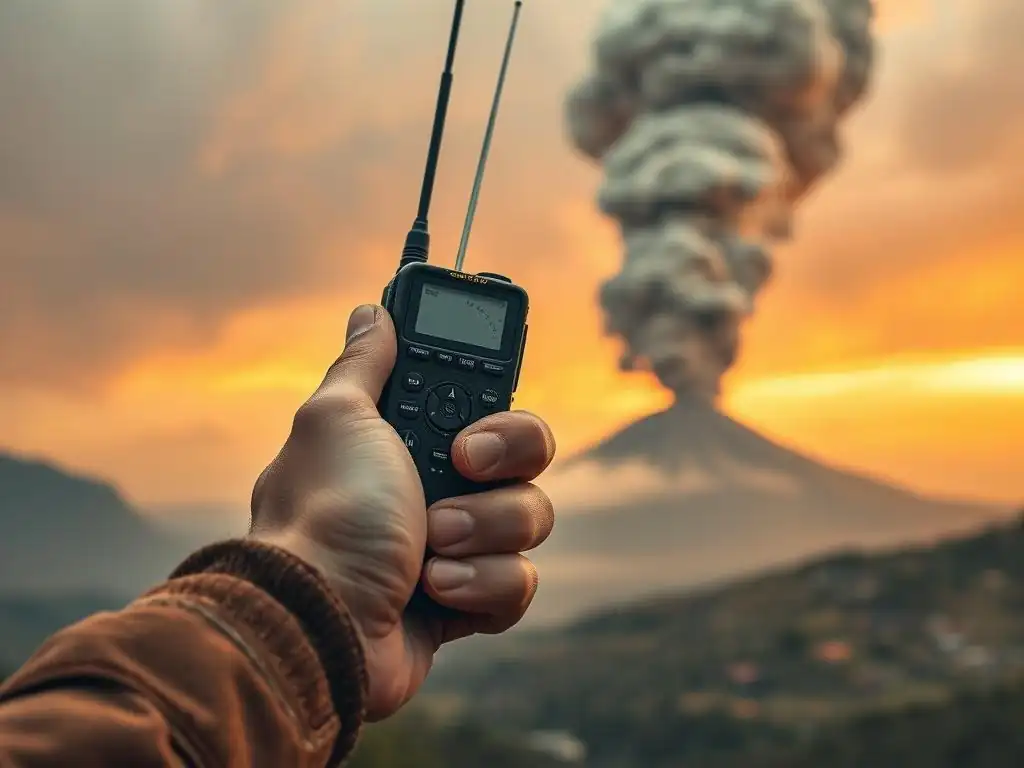
Effective volcano safety communication tips extend beyond simply possessing the right devices; they necessitate a well-defined and practiced communication plan at the community level. A community communication plan outlines procedures, responsibilities, and protocols for disseminating warnings, sharing information, and coordinating responses during a volcanic eruption. This proactive planning is crucial in minimizing confusion, maximizing the effectiveness of communication efforts, and ultimately saving lives. The plan should be tailored to the specific volcanic risks and vulnerabilities of the community, considering factors like proximity to the volcano, population density, available resources, and existing communication infrastructure.
Key elements of a community volcano safety communication plan include clearly defined roles and responsibilities for communication dissemination. This might involve designating specific individuals or teams responsible for monitoring alerts, activating warning systems, and relaying information to residents. The plan should outline multiple communication channels to be used, including primary methods like satellite phones or two-way radios, and secondary methods like sirens, public address systems, or even door-to-door notification in areas where technology access is limited.
Contact lists of key personnel, emergency responders, and vulnerable populations should be maintained and regularly updated. Evacuation protocols, shelter locations, and emergency contact information should be clearly communicated and readily accessible to all community members. Regular review and updates to the plan are essential to ensure its continued relevance and effectiveness as part of ongoing volcano safety communication tips strategies.
Training and Drills: Practicing Emergency Communication Protocols
A well-crafted communication plan is only as effective as its implementation, which is why regular training and drills are paramount to volcano safety communication tips. Practicing emergency communication protocols ensures that individuals understand their roles, are familiar with the communication devices and systems, and can effectively execute the plan under pressure. Drills reveal weaknesses in the plan, identify areas for improvement, and build confidence and coordination among community members and emergency responders. These exercises transform a theoretical plan into a practical and responsive system, significantly enhancing the community's preparedness for a volcanic eruption.
Training should encompass all aspects of the communication plan, from operating communication devices (satellite phones, radios, etc.) to understanding warning signals, evacuation routes, and emergency contact procedures. Drills can range from tabletop exercises simulating communication flows to full-scale simulations involving community participation and the deployment of communication equipment.
Regular drills, conducted at least annually, should test different scenarios, such as communication failures, power outages, or rapid onset eruptions, to ensure the plan's robustness and adaptability. Post-drill evaluations are crucial for identifying areas where communication protocols can be refined, training can be improved, and the overall volcano safety communication tips strategy can be strengthened.
Case Study: How Montserrat Used Satellite Phones During the Soufrière Hills Eruption
The eruption of the Soufrière Hills volcano on the Caribbean island of Montserrat, which began in 1995 and continues to this day, provides a compelling real-world case study of the critical role of satellite phones in volcano safety communication tips during a prolonged volcanic crisis. The eruption led to the abandonment of the southern half of the island, including the capital Plymouth, and caused significant disruption to infrastructure and communication systems.
In the early stages of the crisis, traditional communication methods were severely hampered by ashfall, seismic activity, and infrastructure damage. Satellite phones became an indispensable tool for maintaining communication between the Montserrat Volcano Observatory (MVO), government officials, emergency responders, and the affected population.
MVO scientists relied heavily on satellite phones to transmit real-time volcano monitoring data, communicate hazard assessments, and coordinate research activities. Government officials used satellite phones to manage the evacuation process, coordinate aid distribution, and maintain contact with international agencies. Emergency responders utilized satellite phones for on-the-ground coordination during search and rescue operations and for relaying situational reports.
Even residents in the affected areas, particularly in the northern safe zone, used satellite phones to stay in contact with family members and access critical information when terrestrial networks were unreliable. The Montserrat experience vividly demonstrates the practical effectiveness and life-saving potential of satellite phones as a core component of volcano safety communication tips in a prolonged volcanic emergency.
Addressing Common Communication Problems in Volcanic Areas
Problem: Power Outages Affecting Communication Devices
A significant and often overlooked challenge in volcano safety communication tips is the pervasive issue of power outages. Volcanic eruptions frequently trigger power disruptions through various mechanisms. Seismic activity can damage power plants and transmission lines. Pyroclastic flows and lava flows can directly destroy power infrastructure.
Heavy ashfall can short circuit electrical equipment and overload power grids. Power outages render many communication devices, including cell phones (once batteries deplete), landline phones, and even some types of two-way radios, useless without backup power sources. This vulnerability underscores the need for power-independent communication solutions and strategies for mitigating power outages in volcano emergency preparedness.
The impact of power outages on volcano safety communication tips is particularly severe in communities heavily reliant on electricity for daily life and communication. Loss of power not only silences communication devices but also disables lighting, essential medical equipment, and other critical infrastructure, compounding the challenges of managing a volcanic crisis. Extended power outages can isolate communities further, hindering information flow, delaying emergency responses, and exacerbating the overall impact of the eruption. Therefore, addressing power dependencies and incorporating power backup solutions into volcano safety communication tips planning is essential for building resilient communication systems in volcanic zones.
Solution: Portable Power Stations and Solar Chargers
Portable power stations and solar chargers offer practical solutions to mitigate the impact of power outages on volcano safety communication tips. Portable power stations, essentially large-capacity batteries with multiple output ports, can provide hours or even days of power to communication devices, lights, and other essential equipment. They can be charged from the grid when power is available and then deployed as backup power sources during outages.
Solar chargers, utilizing photovoltaic panels to convert sunlight into electricity, offer a renewable and sustainable power source, particularly valuable in extended power outages. Combining portable power stations with solar chargers creates a resilient power backup system, ensuring that communication devices can remain operational even during prolonged disruptions to the electrical grid.
Portable power stations come in various sizes and capacities, ranging from small, personal units suitable for charging phones and radios to larger, higher-capacity stations capable of powering communication hubs or emergency shelters. Solar chargers also range in size and output, from small portable panels for charging individual devices to larger arrays for more substantial power generation.
Investing in a combination of portable power stations and solar chargers as part of volcano safety communication tips preparedness ensures that communication devices can remain powered, even in the face of prolonged power outages, enhancing the overall resilience of communication systems during volcanic emergencies.
Product Spotlight: Goal Zero Yeti 1500X Portable Power Station - High Capacity, Solar Charging Compatible
The Goal Zero Yeti 1500X Portable Power Station is a high-capacity, versatile power solution ideal for volcano emergency preparedness, particularly for addressing power outage challenges in volcano safety communication tips. With a lithium-ion battery capacity of around 1500 watt-hours, it can power a range of devices for extended periods, from communication equipment like satellite phones and radios to lights, laptops, and even small appliances.
Its multiple output ports, including AC outlets, USB ports, and 12V car ports, provide flexibility in powering various devices. The Yeti 1500X can be recharged from the grid, a car charger, or, crucially for emergency preparedness, via solar panels.
Its solar charging compatibility is a significant advantage for volcano safety communication tips. When paired with compatible solar panels (sold separately), the Yeti 1500X can be recharged using sunlight, providing a renewable and sustainable power source during extended power outages. This solar charging capability ensures continued operation of communication devices even when grid power is unavailable for prolonged periods.
The Yeti 1500X also features a user-friendly display showing battery level, input/output power, and estimated runtime, allowing users to monitor power usage and manage their energy resources effectively during an emergency. Its robust design and high capacity make it a valuable asset for maintaining power and communication in volcanic zones.
Affiliate Opportunity: Link to Goal Zero's Website or Major Retailers
Promoting portable power stations like the Goal Zero Yeti 1500X offers another relevant affiliate opportunity for Volcano Explorers. Goal Zero has its own website where affiliate partnerships can be established. Alternatively, major retailers like Amazon, REI, or outdoor equipment stores also carry Goal Zero products and often have affiliate programs.
Linking to these platforms from articles discussing power backup solutions, emergency preparedness, or product reviews on Volcano Explorers can generate commission revenue. Portable power stations and solar chargers are essential components of volcano safety communication tips and emergency preparedness kits, making them valuable and relevant products to recommend to the website's audience. Affiliate partnerships in this product category can contribute to the website's revenue while providing valuable resources to readers seeking to enhance their volcano preparedness.
Problem: Lack of Information About Evacuation Routes
Another critical communication challenge in volcanic emergencies is the potential lack of clear and accessible information about evacuation routes. During an eruption, existing road networks may become blocked by ashfall, lahars, landslides, or lava flows. Signage may be obscured by ash or damaged. Power outages can disable traffic signals, further complicating navigation. In such chaotic conditions, relying solely on pre-existing knowledge or standard road maps for evacuation can be ineffective and even dangerous. The absence of real-time, adaptable evacuation route information can lead to confusion, bottlenecks, and delayed evacuations, increasing risks and hindering effective volcano safety communication tips.
The dynamic nature of volcanic eruptions necessitates flexible and adaptable evacuation strategies. Evacuation routes may need to be altered rapidly in response to changing volcanic hazards, such as shifts in ashfall patterns or the emergence of new lahar paths. Traditional paper maps or online mapping services reliant on internet connectivity may become outdated or inaccessible during an emergency. Therefore, solutions that provide offline access to geospatial data, real-time updates (when available), and adaptable route planning are essential components of effective volcano safety communication tips for evacuation guidance in volcanic zones.
Solution: Using GPS Devices and Offline Maps
GPS devices and offline maps offer robust solutions to address the challenge of accessing evacuation route information during volcanic emergencies. GPS devices, independent of cellular networks or internet connectivity, can provide real-time location tracking and navigation using satellite signals.
Offline map applications, installed on smartphones or dedicated GPS devices, store map data directly on the device, allowing access to detailed maps and route planning capabilities even without internet access. Combining GPS navigation with offline maps provides a powerful tool for navigating evacuation routes, identifying alternative paths, and maintaining situational awareness even when communication infrastructure is disrupted, enhancing volcano safety communication tips for evacuation.
Offline map applications can be pre-loaded with detailed road maps, topographic data, and points of interest, including evacuation shelters, emergency services locations, and designated safe zones. Some advanced offline mapping platforms also allow for the import of geospatial data, such as pre-defined evacuation routes or hazard zones, further customizing maps for specific volcanic emergency scenarios. GPS devices and offline maps, used in conjunction with pre-established evacuation plans and community awareness campaigns, significantly enhance the effectiveness of volcano safety communication tips by ensuring individuals can navigate to safety even in the most challenging and dynamic volcanic emergency situations.
Product Spotlight: Avenza Maps - Offline Geospatial PDF Maps for Mobile Devices
Avenza Maps stands out as a powerful and versatile offline mapping application particularly well-suited for volcano emergency preparedness and enhancing volcano safety communication tips related to evacuation. Avenza Maps allows users to download and use geospatial PDF, GeoPDF®, and GeoTIFF maps on their smartphones or tablets, completely offline. This means users can access detailed maps, navigate using their device's GPS, and view their location on the map even without any cellular or internet connection. This offline capability is crucial in volcanic emergencies where network infrastructure is often disrupted.
The key advantage of Avenza Maps is its support for geospatial PDF maps. These are not just static images; they are geographically referenced maps that allow users to see their GPS location directly on the map, measure distances and areas, and even add their own placemarks or notes. For volcano emergency preparedness, pre-loaded geospatial PDF maps of evacuation routes, hazard zones, shelter locations, and topographic features can be invaluable.
Organizations and emergency responders can create and distribute custom geospatial PDF maps tailored to specific volcanic risk areas. Avenza Maps also supports importing and exporting geospatial data, enabling seamless integration with GIS (Geographic Information System) platforms and facilitating the sharing of map information. Its offline functionality, geospatial PDF support, and user-friendly interface make Avenza Maps a powerful tool for volcano safety communication tips and evacuation planning.
Affiliate Opportunity: Link to Avenza Maps Subscription
Avenza Maps operates on a freemium model, offering a free version with limited features and a subscription-based model for full functionality and access to premium maps. This subscription model presents an affiliate opportunity for Volcano Explorers. By partnering with Avenza Maps and promoting their subscription service, Volcano Explorers can earn commissions on subscriptions purchased through affiliate links.
This aligns with the website's objective of providing valuable resources for volcano safety and preparedness. Affiliate links to Avenza Maps can be strategically placed within articles discussing offline mapping, evacuation planning, or recommended emergency preparedness apps, offering readers a direct pathway to access this essential tool for volcano safety communication tips and navigation.
Maximizing the Lifespan and Reliability of Your Volcano Safety Communication Equipment
Proper Storage and Maintenance of Communication Devices
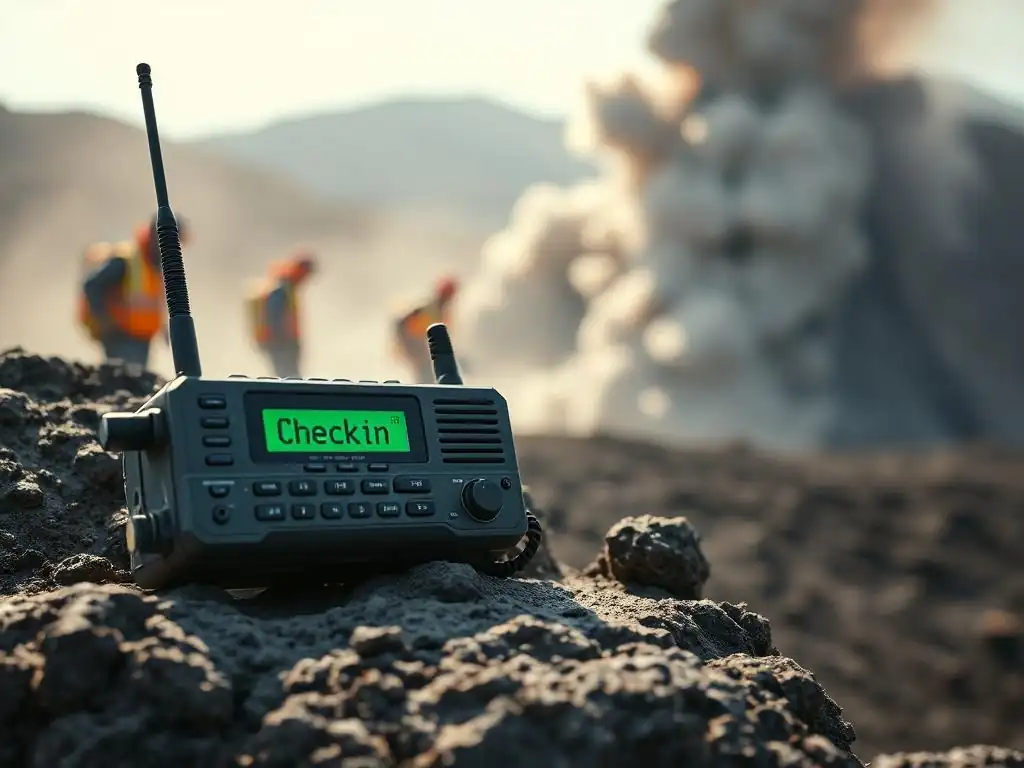
Maximizing the lifespan and ensuring the reliability of volcano safety communication equipment requires diligent proper storage and maintenance. These devices, intended for emergency use, must be in optimal working condition when needed most. Improper storage can lead to battery degradation, corrosion, physical damage, and equipment malfunction, rendering them useless during a critical volcanic event. Implementing best practices for storage and regular maintenance is a vital component of effective volcano safety communication tips and preparedness strategies.
Communication devices should be stored in a cool, dry, and protected environment, away from direct sunlight, extreme temperatures, and humidity. Batteries should be stored separately from devices in some cases, or at least partially charged and checked periodically for leakage or degradation. Devices should be protected from physical damage, such as impacts or crushing, by storing them in protective cases or containers.
Regular cleaning to remove dust and debris, especially after exposure to ashfall, is essential. Following manufacturer's guidelines for storage and maintenance, and establishing a routine inspection schedule, will significantly enhance the lifespan and reliability of volcano safety communication equipment, ensuring they are ready for immediate deployment when volcano safety communication tips are most crucial.
Battery Management and Charging Techniques
Battery management is paramount for ensuring the reliable operation of battery-powered volcano safety communication equipment. Batteries, whether in satellite phones, radios, or portable power stations, are often the limiting factor in device runtime during emergencies. Implementing effective battery management and charging techniques can significantly extend device usability and enhance overall volcano safety communication tips. Understanding battery types (e.g., lithium-ion, alkaline), their charging characteristics, and best practices for storage and use is essential for maximizing battery lifespan and performance.
Lithium-ion batteries, commonly used in modern communication devices, should ideally be stored at a partial charge (around 40-50%) for long-term storage to minimize degradation. Avoid fully charging or fully discharging lithium-ion batteries unnecessarily, as extreme charge levels can reduce their lifespan. Alkaline batteries, often used in radios, should be checked regularly for leakage and replaced before their expiration date.
Utilize efficient charging techniques, such as using manufacturer-approved chargers and avoiding extreme temperatures during charging. Consider using power-saving modes on devices to extend battery life during emergencies. Having spare batteries, appropriately stored and rotated regularly, is a crucial element of battery management for volcano safety communication tips preparedness.
Testing Your Communication Equipment Regularly
Regular testing of volcano safety communication equipment is a non-negotiable aspect of preparedness and a critical volcano safety communication tip. Testing verifies that devices are functioning correctly, batteries are charged and holding capacity, and users are familiar with operating procedures. Infrequent or absent testing can lead to unpleasant surprises during an actual volcanic emergency when equipment malfunctions or users are unfamiliar with its operation, undermining the effectiveness of communication efforts. Establishing a routine testing schedule and documenting test results is essential for maintaining communication readiness.
Testing should be conducted at least monthly, or more frequently if devices are stored for extended periods or subjected to harsh conditions. Testing should include powering on devices, verifying battery charge levels, making test calls or sending test messages (where applicable), and checking all essential functions. For two-way radios, range tests should be conducted periodically to assess communication distances in typical operating environments.
Test results should be logged, noting any equipment malfunctions or battery issues. Testing provides an opportunity to identify and address potential problems proactively, ensuring that volcano safety communication equipment is reliable and ready for use when volcano safety communication tips become vital during a volcanic event.
Investing in Reliable Communication for Peace of Mind During Volcanic Activity
The Long-Term Benefits of Emergency Preparedness
Investing in reliable volcano safety communication tips and emergency preparedness offers significant long-term benefits that extend far beyond immediate crisis response. Preparedness fosters a sense of security and control, reducing anxiety and fear associated with volcanic risks. It empowers individuals and communities to respond effectively to volcanic events, minimizing potential losses and accelerating recovery. Emergency preparedness is not merely about acquiring equipment; it's about building resilience, fostering community cooperation, and creating a culture of safety in volcanic zones.
Long-term benefits include reduced economic impacts from volcanic eruptions. Effective communication and preparedness facilitate timely evacuations, minimizing casualties and injuries, which in turn reduces healthcare costs and economic disruption. Businesses and communities that are well-prepared can recover more quickly after an eruption, minimizing long-term economic losses.
Preparedness enhances community cohesion and social capital, as residents work together to plan and practice emergency protocols. It also builds trust in authorities and emergency response systems, fostering a more resilient and safer community overall. Investing in volcano safety communication tips and preparedness is an investment in long-term community well-being and sustainable development in volcanic regions.
Review: Comparing Communication Device Costs and Benefits
Choosing the right volcano safety communication tips solution involves considering the costs and benefits of different device types. Satellite phones offer the most reliable voice communication over wide areas but are generally the most expensive, with device costs and ongoing service fees. Their benefit is global coverage and voice communication in areas without terrestrial infrastructure. Two-way radios are cost-effective for localized communication, requiring no service fees after initial purchase.
Their benefit is immediate, direct communication within a limited range, ideal for community coordination. Satellite messengers offer a balance of cost and functionality, providing text messaging, SOS, and location sharing at a lower price point than satellite phones and with more extensive coverage than radios. Their benefit is reliable messaging and emergency signaling, particularly valuable for individuals or small groups.
Portable power stations and solar chargers add to the initial investment but provide long-term benefits by ensuring device operability during power outages. Offline mapping applications, often subscription-based, offer invaluable navigation capabilities in areas with disrupted infrastructure. The optimal communication solution is often a combination of devices, tailored to individual needs, community context, and budget constraints. A comprehensive volcano safety communication tips strategy may involve satellite phones for wider-area communication, two-way radios for local coordination, satellite messengers for individual safety, and power backup solutions to ensure device operability during prolonged emergencies.
Final Recommendation: Choosing the Right Communication Solution for Your Needs and Budget
Selecting the right volcano safety communication tips solution is a personalized decision that depends on individual or community needs, budget limitations, and the specific volcanic risks faced. For individuals venturing into remote volcanic areas, a satellite messenger or a satellite phone provides essential safety and communication capabilities.
For communities living near active volcanoes, a multi-layered approach is often most effective, combining satellite phones for emergency management and wider-area communication with two-way radios for localized coordination within neighborhoods and emergency response teams. Portable power stations and solar chargers are highly recommended additions to any volcano safety communication tips toolkit to mitigate the impact of power outages.
Budget constraints will inevitably influence device selection. Two-way radios offer a cost-effective entry point for localized communication, while satellite messengers provide a relatively affordable option for satellite connectivity. Satellite phones represent a more significant investment but offer the most robust voice communication. Prioritize essential communication needs based on risk assessments and available resources. Start with a foundational communication system and gradually expand capabilities as budget allows. Remember that investing in volcano safety communication tips is an investment in safety, resilience, and peace of mind in volcanic zones.
Frequently Asked Questions
How important is communication during a volcanic eruption?
Communication is absolutely critical during a volcanic eruption. It allows for timely dissemination of vital information, such as evacuation orders, hazard assessments, and safety guidelines, ultimately saving lives.
What are some effective methods for volcano safety communication?
Effective methods include utilizing multiple channels, such as radio broadcasts, text alerts, social media, and community meetings. Clear and concise messaging is also essential to avoid confusion during a crisis.
What role does technology play in volcano safety communication?
Technology enhances communication through real-time monitoring of volcanic activity and rapid dissemination of alerts. Mobile apps, satellite phones, and internet platforms provide critical connectivity, especially in remote areas.
What are some common challenges in communicating during a volcanic eruption?
Challenges include infrastructure damage affecting communication networks, language barriers in diverse communities, and the spread of misinformation or panic-inducing rumors that hinder effective response.
What are some volcano safety communication tips that I can use?
Stay informed by monitoring official sources like local authorities and VolcanoExplorers.org. Develop a family communication plan and ensure access to a reliable communication device, such as a weather radio, and backup power.
Final Reflection: Echoes of Connection in the Ash
The preceding exploration of volcano safety communication tips underscores a critical truth: preparedness is paramount, but connection is survival. In the face of nature's raw power, the ability to share information, offer reassurance, and coordinate efforts becomes the lifeline that bridges the gap between chaos and resilience. The lessons learned from past eruptions, and the strategies outlined for future communication, are not merely theoretical exercises; they are practical tools for safeguarding lives and communities.
This topic has profoundly influenced how we understand disaster response, shifting the focus from solely physical infrastructure to the equally vital realm of human connection. The ability to maintain communication during a volcanic eruption is not just about technology; it's about empathy, understanding, and a commitment to shared safety. The single biggest problem in communication is the illusion that it has taken place.
- George Bernard Shaw. This quote reminds us that effective communication requires more than just transmitting information; it demands active listening, clear messaging, and a constant awareness of the emotional and psychological impact of the situation.
As you reflect on the information shared within this article, consider how you can apply these principles in your own life, both in the context of potential volcanic activity and in the broader realm of emergency preparedness. Let us all strive to be informed, connected, and ready to act as beacons of hope and support when the earth trembles and the voices of our community need to be heard above the eruption.
Empower Yourself: Stay Connected, Stay Safe!
Thanks for reading about the vital role communication plays during volcanic events. You now have a better understanding of how to stay informed and connected when it matters most. Let's put this knowledge to work!
Here are a few steps you can take right now:
- Create a personalized emergency contact list, including family, local authorities, and friends. Share it with trusted individuals. This is your first line of defense!
- Explore the "Volcano Preparedness" section on VolcanoExplorers.org for more in-depth guides and resources on preparing your family and community.
- Share this article with friends and family who live in or near areas prone to volcanic activity. Help spread critical awareness.
What communication strategies will you include in your emergency preparedness plan today? Let's discuss in the comments below!