Volcanic Soils and their Global Distribution: The Fertile Legacy of Eruptions
Volcanic soils, often called Andisols, are among the most fertile and unique substrates on Earth, born from the rapid weathering of volcanic ash, pumice, and lava. Their remarkable ability to store water and nutrients makes them agricultural goldmines, yet their distribution is tightly linked to the planet’s most dynamic tectonic boundaries. From the coffee farms of Colombia to the rice paddies of Indonesia, these soils shape economies, ecosystems, and human settlement patterns. This guide explores how volcanic soils form, where they are concentrated, and why they matter for global food security, all while highlighting the geological forces that create them.
🌋 The Formation and Unique Properties of Volcanic Soils
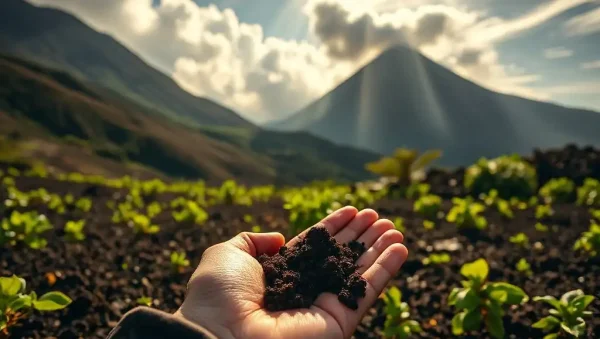
Volcanic soils originate from explosive eruptions that eject fine ash and tephra into the atmosphere, which later settles and undergoes rapid mineral alteration. This process produces amorphous materials like allophane and imogolite, giving the soil a low bulk density and high water-holding capacity. Unlike most mineral soils, Andisols retain organic carbon for millennia due to stable organo-mineral complexes, making them a critical carbon sink. Their chemical richness—including phosphorus, potassium, and calcium—stems from the weathering of fresh volcanic glass, which releases nutrients at a rate ideally suited for plant uptake.
Globally, these soils cover only about 1-2% of the Earth’s ice-free land, yet they support over 100 million people through intensive agriculture. The defining feature of volcanic soils is their anisotropic structure, meaning they shrink and swell with moisture changes, creating excellent aeration for root systems. This property also makes them highly resistant to erosion, even in steep volcanic terrains. For gardeners and farmers, these soils are prized for their fluffy texture and dark color, which absorbs heat and promotes early crop growth. Understanding these properties helps agronomists develop sustainable practices in volcanic regions.
🗺️ Global Hotspots: Where Are Volcanic Soils Concentrated?
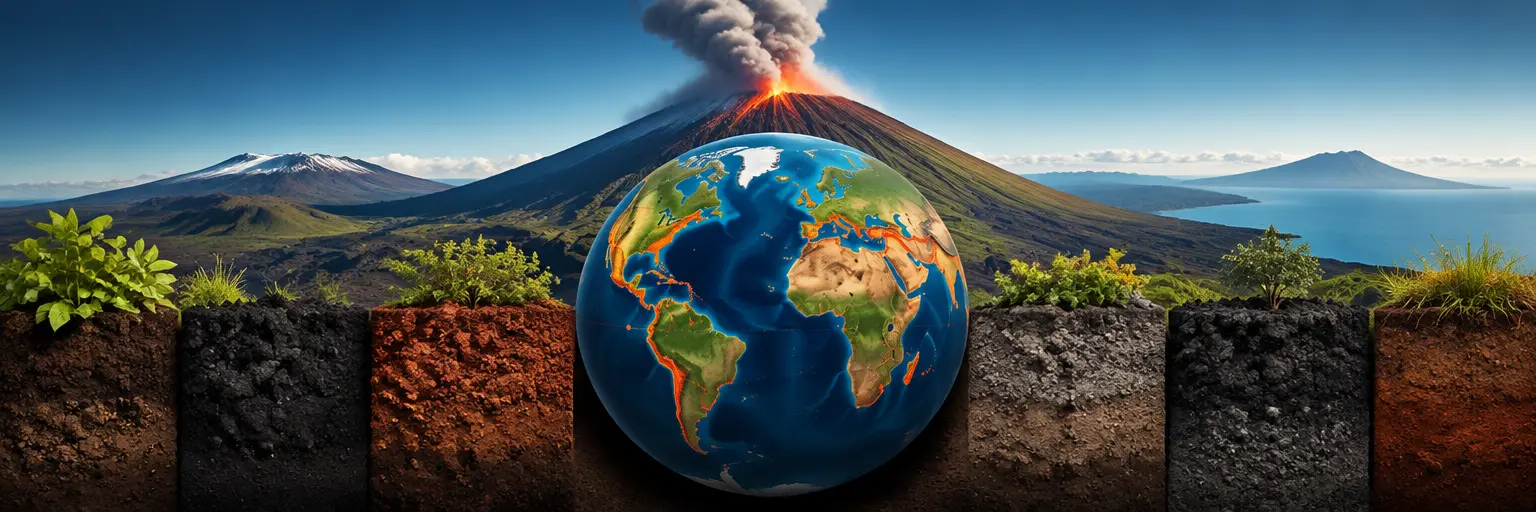
The distribution of volcanic soils aligns almost perfectly with the Pacific Ring of Fire, a 40,000-kilometer horseshoe of tectonic activity. Here, countries like Japan, the Philippines, New Zealand, and the western coasts of the Americas host extensive Andisol deposits. In the Atlantic, Iceland and the Azores provide prime examples, while the East African Rift—from Ethiopia to Tanzania—boasts fertile volcanic slopes supporting major coffee and tea industries. The Mediterranean region, including Italy’s Vesuvius area and Greece’s Santorini, also showcases these soils, though on a smaller scale.
Each hotspot offers a unique soil signature based on the parent magma composition. For instance, basaltic ash from Hawaiian volcanoes yields iron-rich, dark soils, while rhyolitic ash from New Zealand’s Taupo creates lighter, more acidic variants. The concentration of volcanic soils is not random; it follows subduction zones, rift valleys, and mantle plumes. Geographers use soil maps to identify potential agricultural zones, predicting where future volcanic activity might also create new fertile land. This spatial knowledge is crucial for land-use planning and disaster risk reduction in vulnerable communities.
🌾 Agricultural Significance: Crops That Thrive in Volcanic Earth
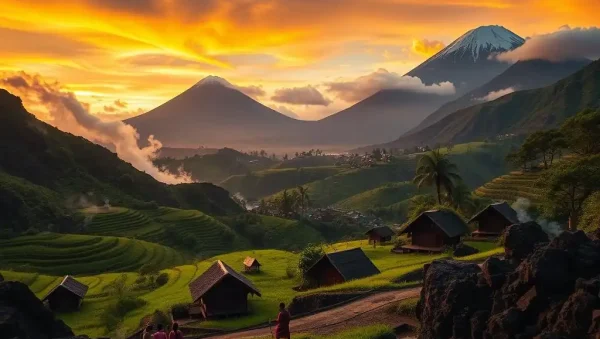
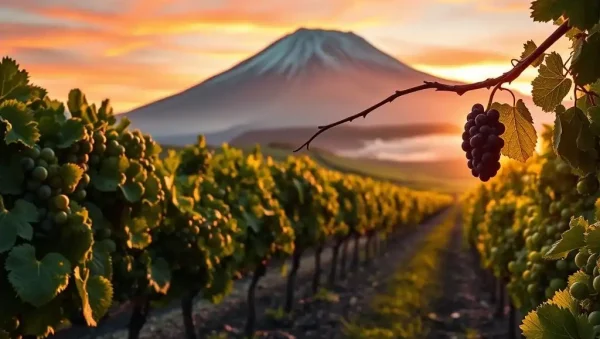
The exceptional fertility of volcanic soils has shaped global agriculture for centuries, producing world-renowned crops with distinctive flavors. Coffee, particularly Arabica, thrives in the volcanic highlands of Central and South America, Kenya, and Sumatra, where the soil’s drainage and mineral content enhance bean acidity and aroma. Wine grapes in Santorini and Sicily grow in pumice-rich soils that impart minerality, while potatoes, maize, and quinoa dominate Andean volcanic terraces. In Japan, volcanic soils support premium rice, while Indonesia’s volcanic slopes yield cloves, nutmeg, and rubber.
The water-retention capacity of Andisols reduces irrigation needs, a critical advantage in drought-prone regions. Moreover, the slow release of potassium and phosphorus reduces fertilizer dependency, lowering input costs for smallholder farmers. However, volcanic soils can also be challenging: they fix phosphorus strongly, requiring careful management. Agroforestry systems, such as planting shade trees over coffee, maximize the soil’s natural fertility while preventing degradation. For global food security, these regions act as breadbaskets, but they demand respiratory care—a metaphor for maintaining soil health through organic amendments and crop rotation to avoid nutrient depletion over time.
🌍 Environmental and Climatic Roles of Volcanic Soils
Beyond agriculture, volcanic soils are vital to the global carbon cycle and ecosystem resilience. Their high organic carbon content, often exceeding 20% by weight, makes them a major terrestrial carbon reservoir. When undisturbed, these soils can sequester carbon for thousands of years, mitigating atmospheric CO2 levels. Additionally, the porous structure of volcanic soils filters water naturally, providing clean aquifers for millions. Forests growing on volcanic soils, such as the temperate rainforests of the Pacific Northwest, exhibit exceptional biodiversity due to nutrient availability.
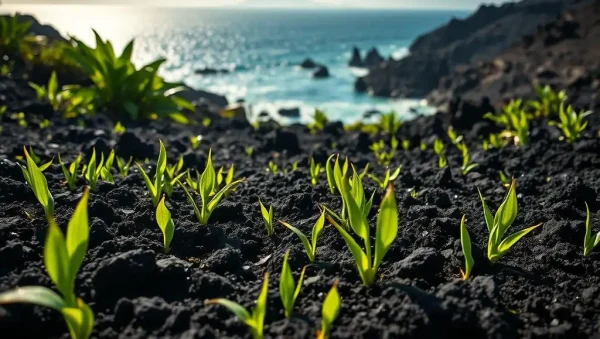
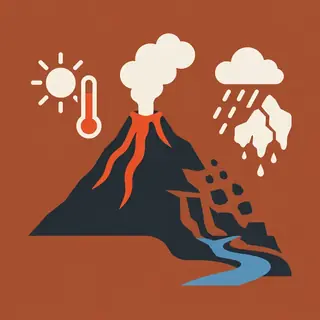
However, volcanic soils are also vulnerable to degradation from deforestation, overgrazing, and intensive cultivation. Erosion on steep slopes can rapidly strip the fertile topsoil, leading to landslides and sedimentation in rivers. Climate change exacerbates these risks by altering precipitation patterns and increasing volcanic eruption frequency in some regions. Conservation efforts, such as reforestation with native species and terracing, help preserve these soils. Researchers are also exploring how volcanic soils might assist in carbon capture technologies, given their affinity for organic matter. Protecting these landscapes is not merely an environmental goal—it is a strategy for ensuring long-term planetary health and agricultural stability.
🌋 Volcanic Soils in Urban and Cultural Landscapes
Human civilizations have long settled on volcanic soils not just for farming but also for construction and cultural identity. Ancient cities like Pompeii and Teotihuacan were built on volcanic plains, using local basalt and tuff for architecture. Today, volcanic soils underpin the geothermal energy sector—Iceland’s capital, Reykjavik, heats homes using steam from volcanic aquifers. In Japan, traditional sake brewing relies on water filtered through volcanic rock, imparting a distinct softness. These soils also support iconic landscapes, from the terraced rice fields of Bali to the vineyards of Mount Etna, attracting millions of tourists annually.
Culturally, volcanic soil is often seen as sacred or life-giving; indigenous communities, such as the Māori in New Zealand, regard the land (whenua) as a spiritual entity. Modern urban planning in volcanic regions must balance development with soil conservation, ensuring that construction does not degrade this finite resource. Interest in volcanic soil’s potential for building materials—like geopolymers made from ash—is growing as a sustainable alternative to cement. For the “Volcano Explorers” audience, understanding this hidden layer of volcanic landscapes enriches their appreciation of how eruptions leave a lasting imprint on both nature and human society.
Frequently Asked Questions
What makes volcanic soils different from regular garden soil?
Volcanic soils, or Andisols, have a unique clay-like mineral called allophane that gives them a fluffy, spongy texture and exceptional water retention. They contain high levels of organic matter and nutrients like phosphorus and potassium, which are slowly released to plants. Unlike regular soils, they do not compact easily and have a near-neutral pH, making them highly productive for a wide range of crops.
Which countries have the most volcanic soil coverage?
The Pacific Ring of Fire countries—Japan, Indonesia, the Philippines, and New Zealand—have the largest concentrations. Additionally, Iceland, Chile, and the western United States (especially Oregon and Washington) feature extensive volcanic deposits. In Africa, Ethiopia and Kenya have significant Andisol areas along the Great Rift Valley, supporting major agricultural exports.
Can volcanic soils be used for growing vegetables at home?
Yes, they are excellent for vegetables like tomatoes, peppers, and leafy greens due to their nutrient richness and aeration. However, they may need pH adjustments if acidic (below 5.0) and regular addition of compost to maintain organic matter. If using soil from a volcanic region, test for phosphorus availability first, as it can be locked up.
Are volcanic soils always fertile, or do they degrade over time?
Initially very fertile, but without proper management, they can degrade due to erosion, nutrient depletion, and compaction. Continuous monoculture or heavy tillage accelerates this process. With practices like crop rotation, cover cropping, and minimal disturbance, volcanic soils can remain productive for centuries, as seen in terraced Andean farms.
Do volcanic soils have any disadvantages for farming?
Yes, they can be highly acidic, requiring lime application, and they often fix phosphorus, making it unavailable to plants unless added as fertilizer. Their high porosity may cause rapid drying in low-rainfall areas. Also, they are prone to landslides on steep slopes if disturbed, and the sandy texture can erode by wind when bare.